Table of Contents
Navigate the essentials of high-risk facility security glazing, including bullet-resistant glass, high-security glass, and ballistic protection for mission-critical buildings.
Why High-Risk Facilities Need Security Glazing Now
What Is High-Risk Facility Security Glazing?
Key Threats Facing High-Risk Government and Commercial Buildings
Understanding Ratings: Forced Entry, Ballistic, and Blast Performance
Retrofit Security Glazing for High-Risk Facilities: How It Works
Selecting the Right High Security Glass for Your Facility
Why Choose Impact Security for High-Risk Facility Security Glazing?
FAQs: High Risk Facility Security Glazing
Next Steps
Introduction: Why High-Risk Facilities Need Security Glazing Now
In 2024, gunfire struck the Jefferson County Family Court in Birmingham, Alabama. Standard window glass shattered on impact, sending flying debris across the lobby and injuring a bystander. That same year, a federal courthouse in Seattle had its revolving door glass destroyed for the third time since 2016-each time by physical attacks that ordinary glazing simply could not withstand.
These aren’t isolated events. Congress allocated roughly $127.5 million through GSA specifically to harden courthouse openings after over 50 courthouses sustained damage during civil unrest. The pattern is clear: traditional glass fails under forced entry, gunfire, and violent attacks, putting occupants and operations at risk across government buildings, schools, hospitals, financial institutions, and high-profile commercial buildings.
High risk facility security glazing is the engineered response-layered systems that turn vulnerable windows and doors into protective barriers while maintaining natural light and openness. Impact Security’s retrofit approach, through products like DefenseLite and BulletShield, allows facilities to upgrade existing windows without full demolition. This article breaks down what security glazing is, how ratings work, and how to choose the right level of forced entry and ballistic protection for your building.
What Is High Risk Facility Security Glazing?
High risk facility security glazing refers to engineered glass and polycarbonate systems built to resist forced entry, bullets, blasts, and human impact in mission-critical buildings. Unlike standard window glass or basic safety glass, these safety and security glass systems are designed to delay intrusion and protect occupants during attacks.
The construction works like a sandwich. High security glass is constructed in layers-laminated layers use PVB to bond tough glass together, sometimes incorporating ionoplast interlayers or polycarbonate sheets. Polycarbonate glazing is highly impact-resistant and lightweight, making it ideal for hybrid assemblies. The result is bullet resistant glazing, attack-resistant glass that withstands forceful attacks from tools, and blast-resistant glass that protects against explosions and flying debris.
A critical terminology note: “bulletproof glass” is misleading. The accurate terms are bullet-resistant glass, ballistic glass, or ballistic protection, because no system is invulnerable. For facilities evaluating bulletproof glass options and BulletShield overglazing, different security threats still require specific glazing solutions matched to threat levels.
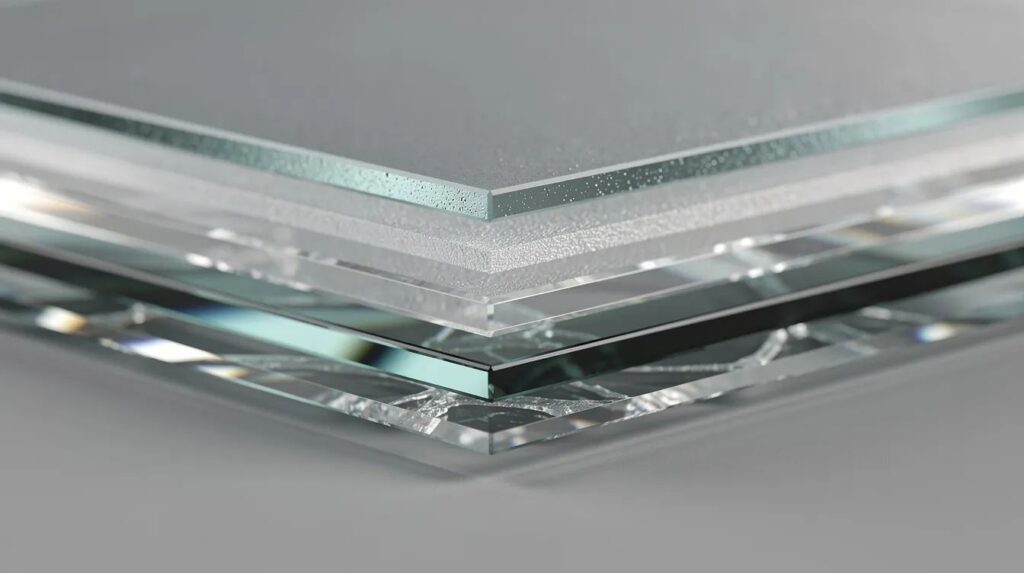
Modern security glazing can provide a transparent environment while maintaining security. There are no prison-like bars or shutters-just clear, durable materials that preserve visibility and natural light. Retrofit systems like Impact Security’s DefenseLite and BulletShield mount directly over existing windows and door glass, creating a standoff shield without removing original glazing.
Key Threats Facing High-Risk Government and Commercial Buildings
The threat landscape for high-risk facilities spans several categories, and each demands a different glazing response. Security needs vary based on specific threats faced.
Forced entry and smash-and-grab remain the most common physical attacks. Sledgehammers, pry bars, bricks, and battering rams can breach unprotected lobby glass in seconds. Retail stores use security glazing to prevent smash-and-grab theft. Government buildings require ballistic-resistant glass for security at ground-floor entry points and transaction windows where the public interacts with staff.
Firearm assaults and active shooters are the threat that drives the most urgent upgrades. Ballistic glass provides critical time during active shooter scenarios, keeping barriers intact while first responders mobilize. Schools benefit from active shooter mitigation glazing solutions to enhance safety at entry vestibules and interior corridors. Healthcare facilities should use bullet-resistant glass for safety in emergency departments and admitting areas.
Blast and explosion risks affect federal buildings, courthouses near roadways, and critical infrastructure. Ballistic glass can mitigate effects of nearby explosions, and a blast wave can turn ordinary window glass into lethal flying debris. Properly specified security glazing reduces injuries from broken glass and enhances safety by resisting forced entry and mitigating blast pressures. Bullet-resistant glass can mitigate explosion effects in buildings by absorbing energy and containing fragments.
Human impact and self-harm present unique challenges in behavioral health and detention facilities. Specialized glazing designed to prevent self-harm is used in behavioral health facilities, resisting repeated strikes from sharp objects without creating dangerous shards.
Security glazing is designed to delay intrusion and protect people during attacks-buying time, maintaining building integrity, and preventing the cascade of consequences that follow when a critical facility goes offline. Comprehensive bulletproof windows and doors solutions help align glazing performance with those intrusion-delay and life safety goals.
Understanding Ratings: Forced Entry, Ballistic, and Blast Performance
Security glazing effectiveness is defined by independent test standards, not marketing claims. High-security glass must meet official safety standards, and architects and project teams must understand the basics to specify correctly.
Forced entry protection is measured primarily through ASTM F1233, which tests security glazing for forced-entry resistance. ASTM F1233 tests forced-entry rated glass for security using up to 41 attack sequences-blunt tools, sharp objects, thermal, and chemical attacks. Forced-entry rated glass is tested to resist blunt-force attacks, and ASTM F1233 tests forced-entry glass for resistance to blunt-force attacks across defined durations. Forced-entry rated glass delays unskilled intruders using blunt tools, buying critical minutes. For detention facilities, ASTM F1915 assesses glazing for forced-entry resistance with graded performance-Grade 1 requires withstanding 60 minutes and 600 impacts. Security film strengthens existing glass and is often used with anchoring systems in lower-threat applications, but engineered overglaze systems like DefenseLite, compared to traditional security glass film provide far greater forced-entry resistance for higher-risk zones.
Ballistic protection follows UL 752, which rates ballistic glass based on firearm resistance. UL 752 rates ballistic glass from level 1 to 10 for resistance:
| UL 752 Level | Firearm / Round | Shots Required |
|---|---|---|
| Level 1 | 9mm FMJ | 3 shots |
| Level 3 | .44 Magnum | 3 shots |
| Level 5 | 7.62×51mm NATO | 1 shot |
| Level 8 | 7.62×51mm NATO | 5 shots |
Bullet-resistant glass is rated according to UL 752 standards. UL 752 levels indicate the number of shots ballistic glass can withstand, and ballistic glass can stop multiple rounds from firearms at the specified ratings. High-security glass is tested against standards like ASTM F1915 and UL 752 to verify real-world performance.
Blast resistance follows GSA and ASTM F1642 standards, with GSA/ISC blast-resistant performance criteria defining acceptable hazard levels and window response classifications. Blast-rated glazing is engineered to flex, stay anchored, and control hazardous glass breakage. ICC 500 standards apply to storm shelters in high wind zones, adding another layer of code requirements for certain facilities.
Critically, security glazing should be integrated with frames and anchoring for maximum protection. A tested panel in an untested frame is an incomplete system. Always request full-assembly test reports, not just glazing-only spec sheets.
Retrofit Security Glazing for High-Risk Facilities: How It Works
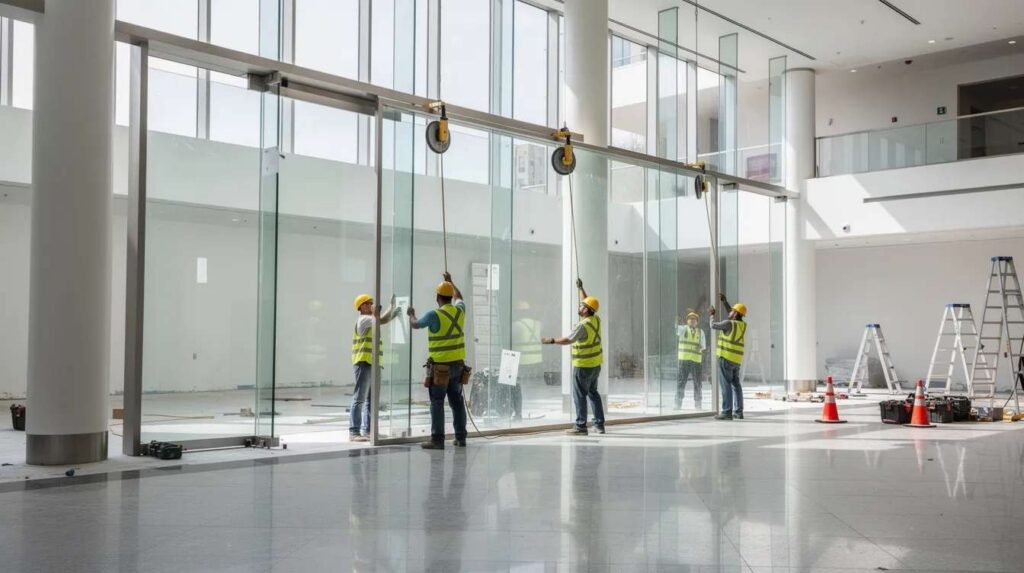
Most high-risk facilities-hospitals, 911 centers, active courthouses-cannot shut down for a full façade replacement. Security glazing can be retrofitted to enhance existing window systems, making retrofit the ideal solution for occupied buildings, and advanced DefenseLite polycarbonate security overglaze systems and other commercial security window solutions are specifically engineered for this type of application.
The process follows a clear sequence: site assessment and threat evaluation, field measurements, engineering review for structural loads and egress compliance, off-site fabrication at Impact Security’s controlled facilities in Marietta, GA and Glendale, AZ, and scheduled installation around operating hours. Security glazing is integrated with access control and monitoring systems for enhanced safety throughout the upgrade.
Installation characteristics matter for active facilities. Work is staged outside peak hours-often evenings or weekends-with minimal dust, noise, and zero need to remove existing windows. Security glazing helps maintain continuity in operations within critical facilities, keeping doors open and services running during the project.
Beyond security, retrofit shields deliver secondary benefits: improved energy efficiency from the added airspace between layers, better noise reduction for urban government buildings, and UV protection for interior finishes. Dedicated energy-efficient security glazing solutions highlight how these performance gains can complement security upgrades. As outlined in DefenseLite product FAQs on performance and benefits, these systems also address moisture, condensation, and long-term durability. Consider these real-world applications:
- Upgrading a 1970s city hall lobby to UL 752 Level 3 ballistic protection over existing aluminum storefront glass
- Hardening a hospital admitting area against forced entry and thrown objects without disrupting patient flow
- Securing a retail bank’s transaction windows and door glass against smash-and-grab entry attempts
Selecting the Right High Security Glass for Your Facility
Choosing the right glazing starts with a structured assessment, not guesswork. Security assessments help determine appropriate glazing types for projects, and consulting security professionals aids in selecting glazing ratings that match your actual threat levels rather than over- or under-specifying.
Security assessments evaluate risks to determine glazing needs zone by zone. Map your building: public lobbies and transaction windows may need bullet resistant glass, while upper-floor offices might focus on blast or forced entry protection. Evidence storage rooms, emergency departments, and school entry vestibules each carry different types of risk profiles.
Key selection factors include:
- Threat matching: Different zones face different physical threats-handgun vs. rifle vs. forced entry tools
- Life safety and code compliance: Coordinate with fire and life safety professionals so security glass and framing don’t interfere with required egress, fire ratings, or smoke barriers
- Design and occupant experience: Preserve clear sightlines, natural light, and a non-institutional feel, especially in healthcare, education, and civic settings
- Durability and maintenance: Regular inspection of the glazing system is necessary to maintain its protective level over time
Security assessments help determine appropriate glazing solutions tailored to your project goals and budget. Partner with experienced specialists who can provide engineered shop drawings, stamped calculations, and documented test data-not commodity products or film-only solutions for high-risk openings. Use tools that locate authorized DefenseLite and BulletShield dealers to connect with qualified providers. Comprehensive forced entry security glazing and retrofit door and window systems help ensure your high-risk zones receive appropriately tested protection.
Why Choose Impact Security for High Risk Facility Security Glazing?
Impact Security is a U.S.-based manufacturer and installer specializing in retrofit security glazing for high-risk commercial buildings and government facilities since 2016, offering regional services such as Austin ballistic window glazing support for localized projects.
The DefenseLite family of impact-resistant overglaze systems delivers forced entry resistant and attack-resistant glazing systems that protect against smash-and-grab, riot damage, and prolonged entry attempts on doors, storefronts, and curtain walls. Regional teams, including Chicago security glazing services and Indianapolis protection and privacy glazing support, help deploy these solutions across diverse markets. BulletShield provides bullet resistant ballistic glazing retrofit solutions engineered to meet UL 752 ratings while preserving building aesthetics and daylighting.
What sets Impact Security as a security glazing manufacturer apart:
- Nationwide service through certified installers and dealers, with fabrication hubs in Marietta, Georgia and Glendale, Arizona
- Turnkey model: threat-focused assessment, engineering support, custom fabrication, professional installation, and ongoing service and warranty, including advanced options like DefenseLite Pro high-threat impact systems for elevated risk profiles
- Proven range of applications: courthouses achieving the highest level of ballistic protection, police stations gaining forced entry protection, and schools hardening vestibules-all without replacing existing window systems
- Architects and project teams receive stamped engineering, shop drawings, and tested system data for specification confidence
Impact Security helps you prioritize upgrades by risk and budget, starting with the most critical life safety and mission-critical openings in your building.
FAQs: High Risk Facility Security Glazing
How is bullet resistant glass different from standard safety glass?
Standard safety glass (tempered or basic laminated) is designed to reduce injury from accidental breakage. Bullet resistant glass is engineered and independently tested to UL 752 to stop bullets from specific firearms without allowing penetration. The layered construction uses thicker cross-sections and specialized interlayers that absorb and disperse ballistic energy while keeping the pane anchored in its frame. Bullet-resistant glass stops bullets from various firearms depending on its rated level.
Can I retrofit high security glass onto my existing windows and doors?
Yes. Most commercial aluminum and steel storefront systems can be upgraded using retrofit shields like DefenseLite and BulletShield, avoiding full tear-out. A site assessment is needed to verify frame condition, anchorage, and substrate, but retrofit is typically the fastest and most cost-effective path for occupied buildings with existing windows that need hardening.
Is there truly bulletproof glass for government buildings?
No glazing is absolutely bulletproof. All systems have resistance limits based on weapon type, distance, and number of hits-so the correct term is bullet resistant or ballistic glass. For most high-risk facilities, properly selected UL 752 levels provide the critical delay and life safety performance required to protect people and withstand multiple gunshots matched to the facility’s threat profile.
How does security glazing affect energy efficiency and noise?
Adding a retrofit security shield creates an insulating airspace that improves thermal performance and reduces drafts, helping lower HVAC load in older buildings. The additional layer and air gap also cut down traffic and aircraft noise-valuable for urban courthouses, hospitals, and 24/7 operations centers maintaining comfortable interior environments.
How long does it take to install security glazing in an active facility?
Small projects like a single pharmacy or bank branch can often be completed in one to two nights. Mid-size schools or municipal buildings may run several phases over a few weeks. Impact Security plans work around operating hours, often using evening or weekend shifts to minimize disruption to staff, the public, and property operations.
What does high risk facility security glazing typically cost?
Pricing depends on threat level (forced entry vs. ballistic), glazing type and materials, number and size of openings, and site conditions-making per-square-foot estimates unreliable without a survey. View security glazing as long-term risk reduction: preventing costly losses, downtime, and liability exposure rather than a simple material cost comparison to standard glass or shutters.
Next Steps: Harden Your High Risk Facility with Impact Security
High risk facility security glazing transforms fragile glass into a critical layer of your building’s protection plan-creating resistance against forced entry, bullets, and blasts while preserving visibility and comfort for occupants. The right solution starts with understanding your threats and ends with a tested, certified system that keeps your facility open and your people safe.
Contact Impact Security to schedule a no-obligation assessment or reach the DefenseLite team directly through their contact form. Our team will review your existing glazing, identify vulnerable openings, and recommend forced entry and ballistic protection options matched to your project goals and budget. Request a free estimate, explore recent project examples relevant to your facility type, or connect with a certified installer in your area. We help you prioritize upgrades by risk-starting with the openings that matter most.