
Why Defense-in-Depth Still Defines Data Center Physical Security
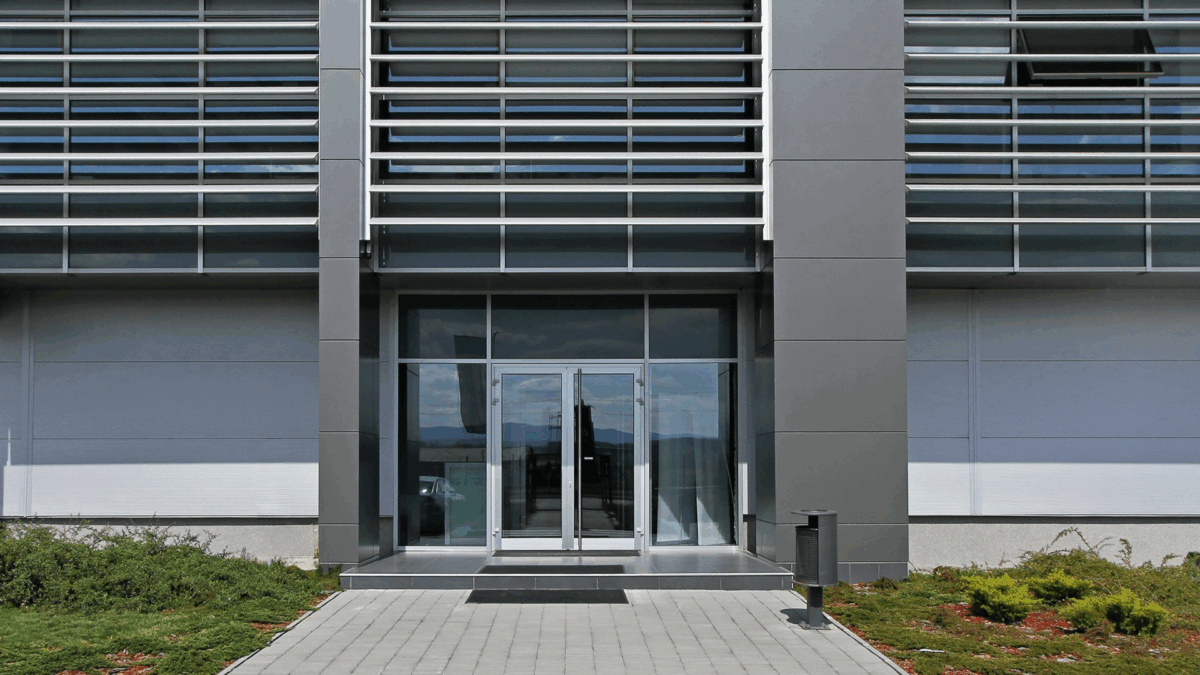
Smart security is evolving, but physical barriers remain the backbone of data center resilience.
Physical data center security has evolved from a back-of-house concern into a front-line risk management priority. Modern data centers support cloud computing, financial transactions, healthcare systems, and government operations. Their failure can trigger cascading operational, financial, and reputational consequences.
As the stakes rise, so does the sophistication of threats. Unauthorized access, forced entry, insider risk, and coordinated physical attacks are no longer hypothetical. In response, facility managers and security professionals are investing heavily in predictive technologies—AI-driven surveillance, biometric access control, and centralized monitoring platforms.
However, technology alone cannot stop a breach. Even the most advanced detection system becomes reactive if an intruder can physically penetrate the building envelope. The future of data center physical security depends on aligning intelligent systems with physical barriers that delay, deter, and defeat intrusion attempts.
The Shift Toward Predictive Data Center Security
Data centers are moving away from reactive security models toward predictive and preventative approaches. This shift reflects broader changes in how risk is assessed across critical infrastructure.
Modern physical security strategies increasingly rely on integrated systems that anticipate threats rather than simply document them after the fact.
Key Drivers Behind Predictive Security Adoption
Several factors are accelerating this transition:
- Increased threat sophistication, including coordinated attacks and insider risks
- Higher uptime expectations, where minutes of disruption can mean significant losses
- Regulatory pressure around data protection, continuity, and critical infrastructure resilience
- Convergence of IT and physical security into unified risk management frameworks
Common Predictive Technologies in Modern Facilities
Predictive data center physical security platforms often include:
- AI-enabled video analytics that detect abnormal behavior
- Biometric access controls that reduce credential sharing
- Integrated security management systems (PSIM)
- Real-time alerts tied to access control and surveillance data
These tools provide earlier awareness and faster response. However, awareness does not equal prevention if attackers can breach doors, windows, or storefront glazing within seconds.
Physical Barriers Still Matter in Data Center Security Design
Despite advances in analytics and automation, physical openings remain the most exploited vulnerabilities in data center facilities. Glass doors, perimeter windows, and lobbies are frequent targets because they are easier to breach than reinforced walls.
Once an opening is compromised, security teams are forced into response mode—often too late to prevent damage or downtime.
Detection Without Delay Is Not Enough
Smart systems answer critical questions:
- Who is approaching the facility?
- When did unauthorized access occur?
- Where is the breach happening?
Physical barriers answer a different, equally critical question:
- Can the intrusion be stopped or delayed long enough to matter?
Without forced-entry resistance, even the best monitoring systems cannot prevent:
- Unauthorized access to server rooms
- Threats to on-site personnel
- Equipment damage or sabotage
- Operational downtime
True data center physical security requires time-based protection, where barriers slow attackers and give security teams the window needed to respond.
Defense-in-Depth: The Foundation of Data Center Physical Security
Defense-in-depth is a widely accepted best practice across critical infrastructure security. It emphasizes multiple overlapping layers of protection rather than reliance on a single control.
Core Layers of a Defense-in-Depth Strategy
For data centers, these layers typically include:
- Perimeter security (fencing, gates, vehicle barriers)
- Building envelope protection (doors, glazing, walls)
- Access control systems (badges, biometrics)
- Surveillance and monitoring
- Incident response protocols
Weakness in any one layer increases risk across the entire facility.
Glass is often the weakest link in the building envelope. This is why reinforcing transparent openings is a critical step in strengthening overall data center physical security.
Strengthening the First Line of Defense with Security Glazing
Engineered security glazing solutions address a common challenge: how to harden vulnerable openings without sacrificing visibility, aesthetics, or operational continuity.
Impact– and ballistic-resistant glazing systems reinforce existing glass, transforming it from a point of failure into a functional security barrier.
How Reinforced Glazing Supports Data Center Operations
Modern security glazing is designed to:
- Absorb and disperse impact energy during forced-entry attempts
- Remain intact after repeated strikes, preventing immediate access
- Maintain transparency, supporting visibility and natural light
- Retrofit onto existing glass, minimizing downtime
These characteristics are particularly valuable for data centers that must remain operational during security upgrades.
How Physical Barriers and Smart Systems Work Together
The most resilient data center physical security strategies treat technology and materials as complementary—not competing—solutions.
A Coordinated Security Response
When reinforced glazing is combined with predictive systems:
- Forced-entry attempts are delayed
- Sensors and analytics trigger alerts earlier
- Security teams gain valuable response time
- Threats are contained before reaching critical assets
This coordination transforms physical security from a passive defense into an active risk-mitigation system.
Protecting More Than Infrastructure
Hardened openings do more than protect equipment. They protect:
- On-site personnel
- Sensitive data
- Service continuity
- Organizational reputation
In high-availability environments, the ability to prevent downtime is just as important as preventing intrusion.
Designing Data Centers for Long-Term Security Resilience
Future-ready data center physical security requires planning beyond immediate threats. Facilities must be designed—or retrofitted—to adapt as risks evolve.
Key Considerations for Architects and Facility Managers
When evaluating physical security upgrades, decision-makers should assess:
- Existing vulnerabilities in doors, windows, and storefronts
- Threat profiles specific to location and use
- Integration with current access control and monitoring systems
- Retrofit feasibility without disrupting operations
Security upgrades should align with broader facility goals, including sustainability, visibility, and occupant experience. A well-designed facility recognizes that cybersecurity and physical security are interdependent—not separate disciplines.
The Future of Data Center Physical Security Is Layered
Predictive technologies are reshaping how threats are identified and managed. Yet data center security remains fundamentally dependent on the strength of the built environment.
Smart systems detect risk. Strong barriers prevent loss. DefenseLite® solutions reinforce glass openings to support resilient, future-ready data center physical security. Designed for retrofit and continuous operations, they help align smart systems with engineered protection.
By combining advanced monitoring with engineered physical protection, data centers can move beyond reactive security toward true operational resilience. In a landscape where uptime is non-negotiable, layered physical security is not optional—it is essential.
Frequently Asked Questions About Data Center Physical Security
What is data center physical security?
Data center physical security refers to the systems, structures, and controls used to protect facilities, equipment, and personnel from unauthorized physical access, damage, or disruption. It includes perimeter protection, access control, surveillance, and hardened building elements such as doors, walls, and security glazing.
Why is physical security still critical in modern data centers?
Physical security remains critical because digital safeguards cannot prevent a breach once an attacker gains physical access to the facility. Forced entry through doors, windows, or storefront glazing can bypass electronic controls. This makes physical barriers essential for protecting uptime, data integrity, and personnel safety.
How does predictive security improve data center protection?
Predictive security uses technologies such as AI-powered video analytics, biometric access control, and integrated monitoring platforms to identify potential threats. These systems enhance situational awareness but must be paired with physical barriers to effectively delay or prevent intrusion.
What are the most common physical vulnerabilities in data centers?
Common vulnerabilities include glass doors, perimeter windows, and lobby storefronts. These openings are often targeted because they can be breached faster than reinforced walls, making them a priority area for security upgrades.
How does security glazing support data center physical security?
Security glazing reinforces existing glass to resist forced entry and impact. It helps delay intrusion attempts, maintains visibility, and integrates into a layered security strategy. By slowing attackers, security glazing gives monitoring systems and response teams time to act.
Can data centers upgrade physical security without disrupting operations?
Yes. Many modern physical security solutions, including retrofit security glazing systems, are designed to be installed with minimal downtime. This allows data centers to enhance protection while maintaining continuous operations.
How do physical barriers and smart security systems work together?
Physical barriers delay or stop intrusion attempts, while smart security systems detect, analyze, and alert personnel to threats. Together, they create a coordinated defense-in-depth approach that improves response time and reduces risk to critical infrastructure.
What should facility managers consider when designing data center physical security?
Facility managers should evaluate threat profiles, existing vulnerabilities, integration with current security systems, and long-term resilience. Effective data center physical security balances technology, structural protection, and operational continuity.
Where can professionals learn more about data center physical security solutions?
Industry professionals can explore data center-specific security strategies and resources through specialized providers and industry publications. These include dedicated data center security solution pages and technical resource libraries.
Why layered security is essential for future-ready data centers?
Layered security ensures that no single failure compromises the entire facility. By combining predictive technologies with engineered physical protection, data centers can adapt to evolving threats and maintain long-term operational resilience.