THE IMPACT SECURITY BLOG



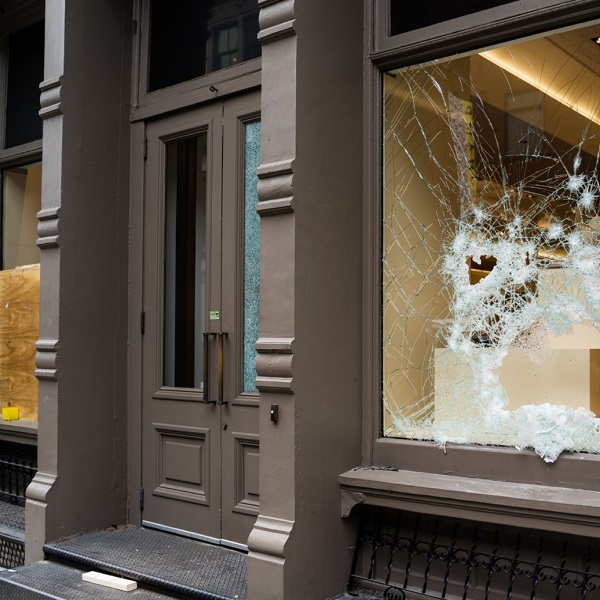
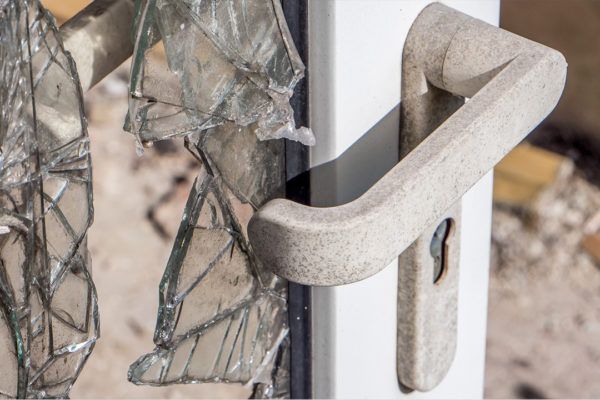
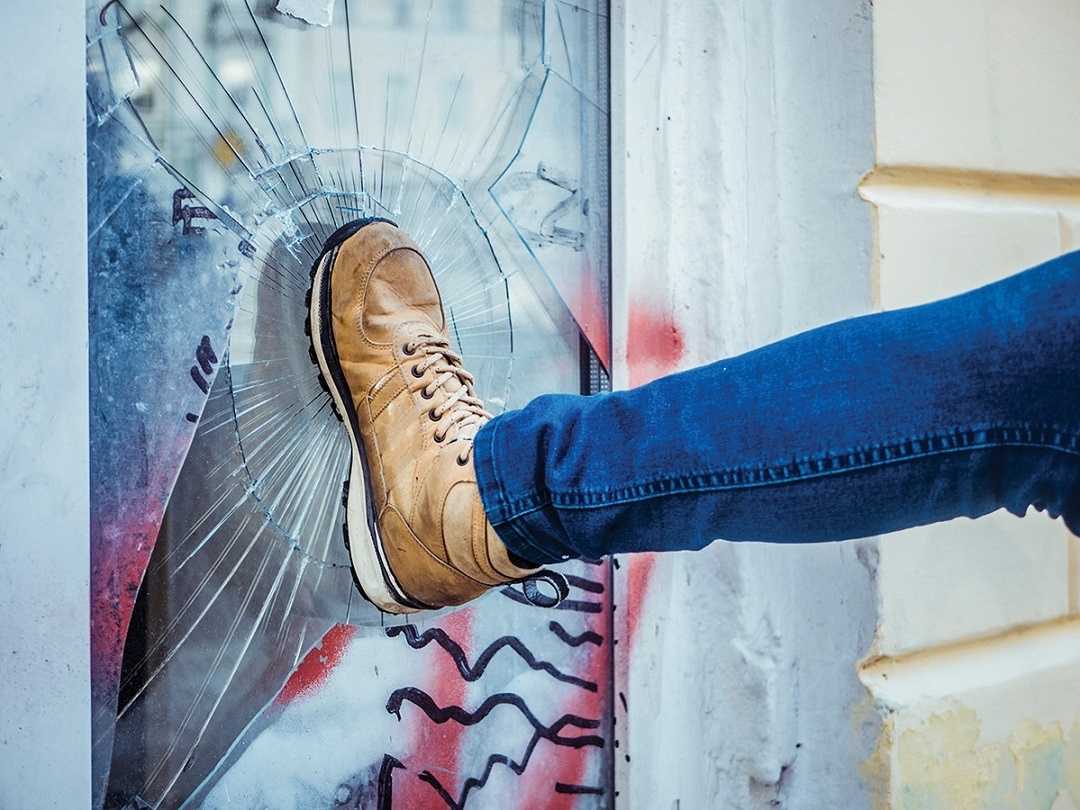

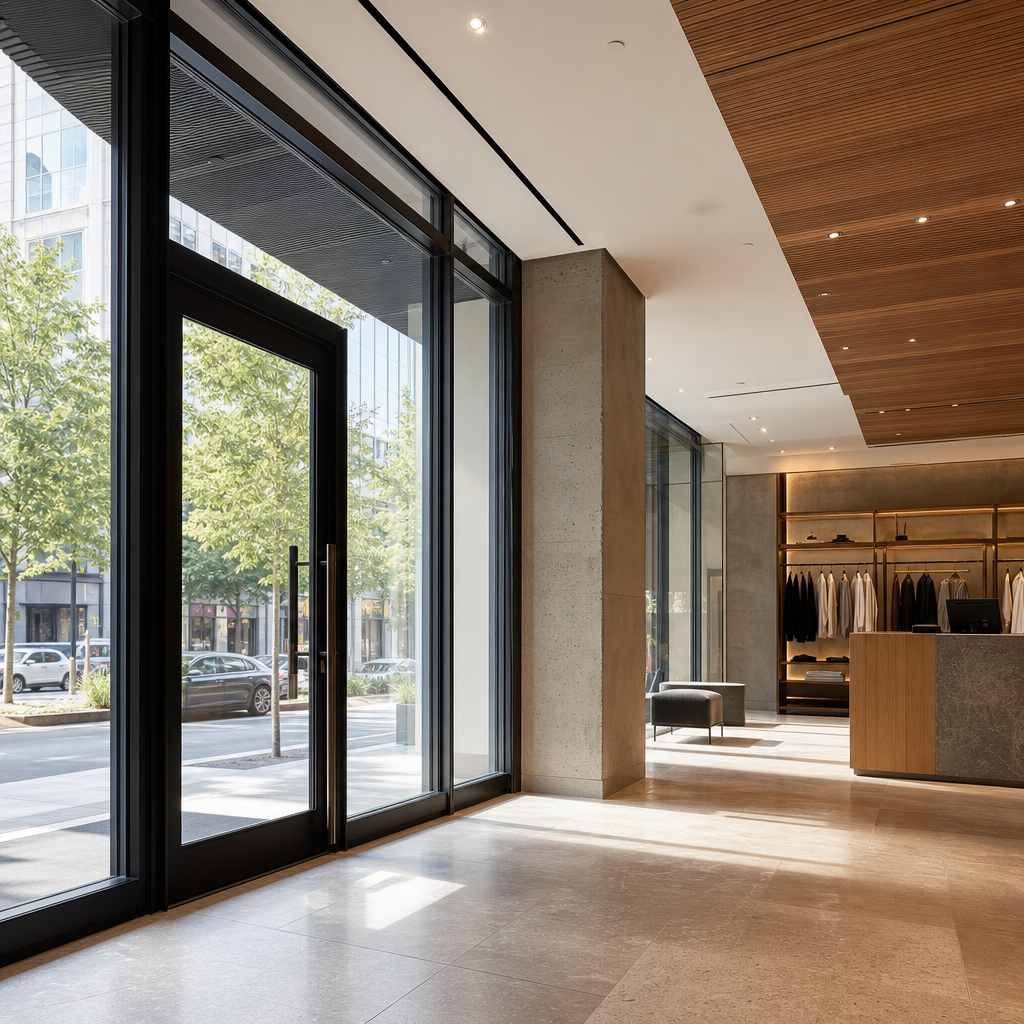
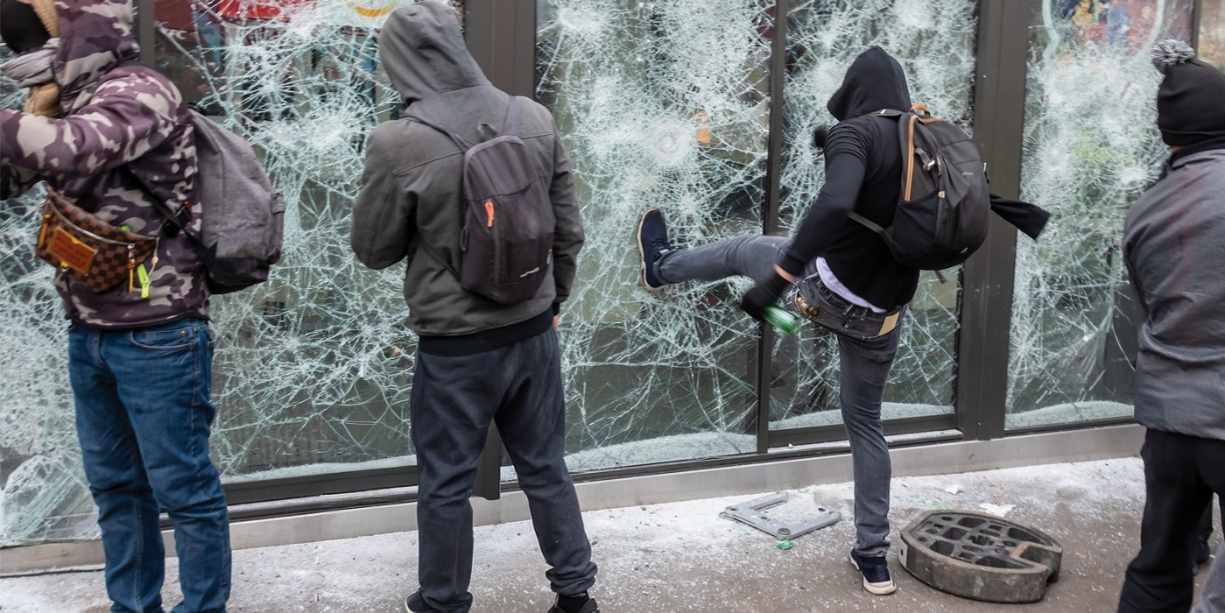
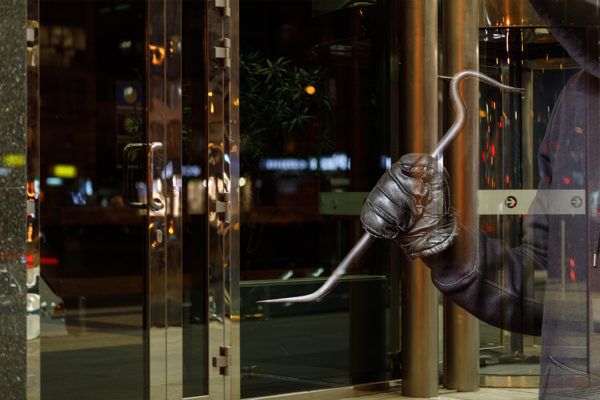
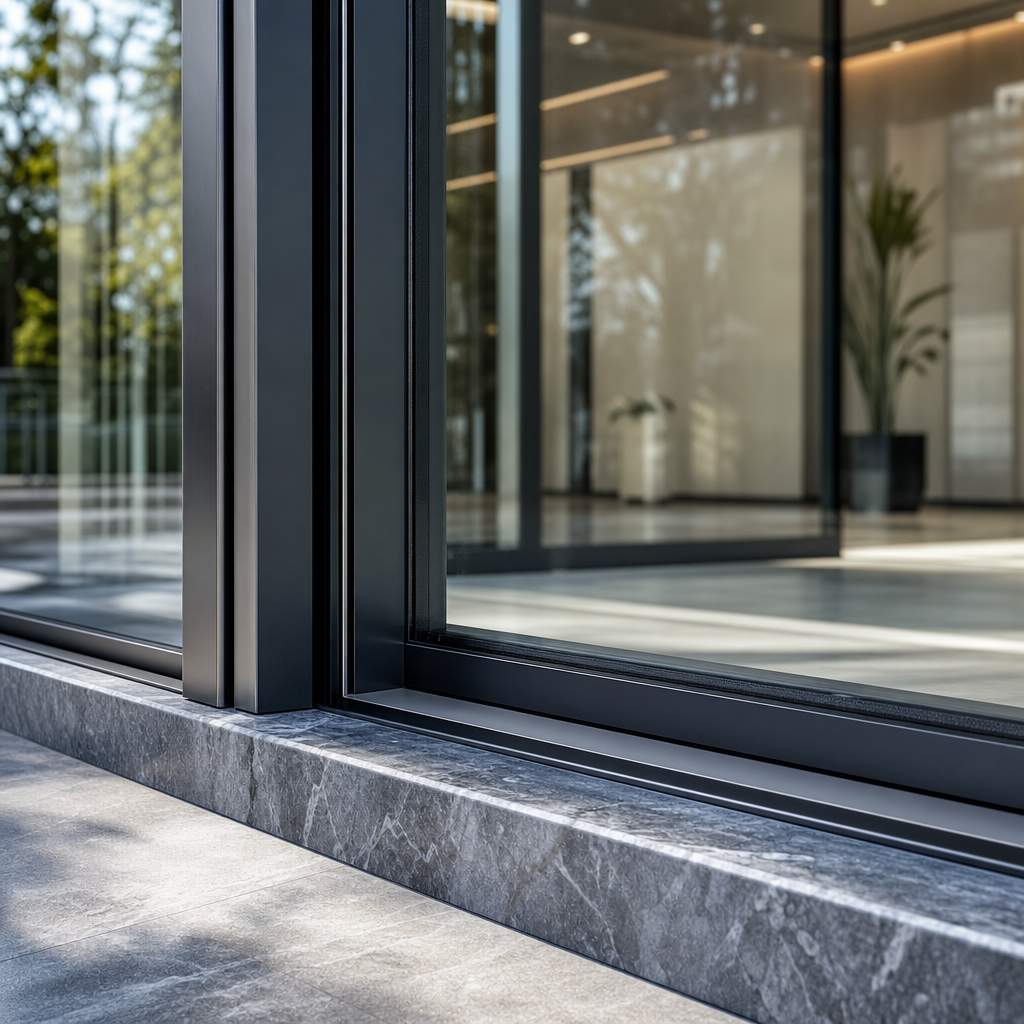
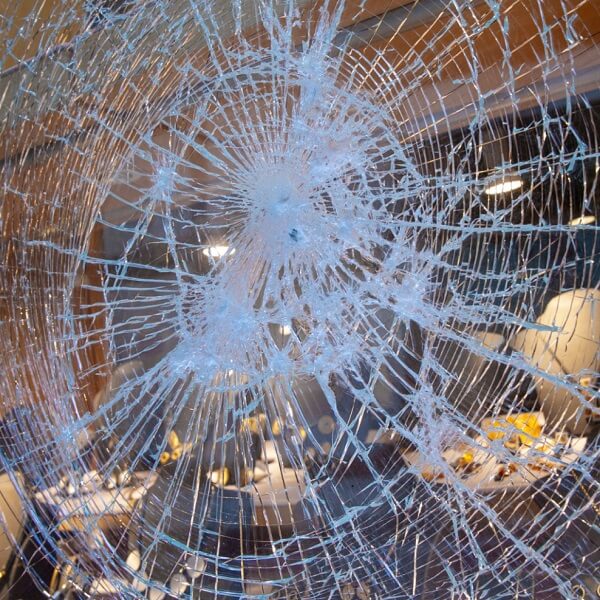
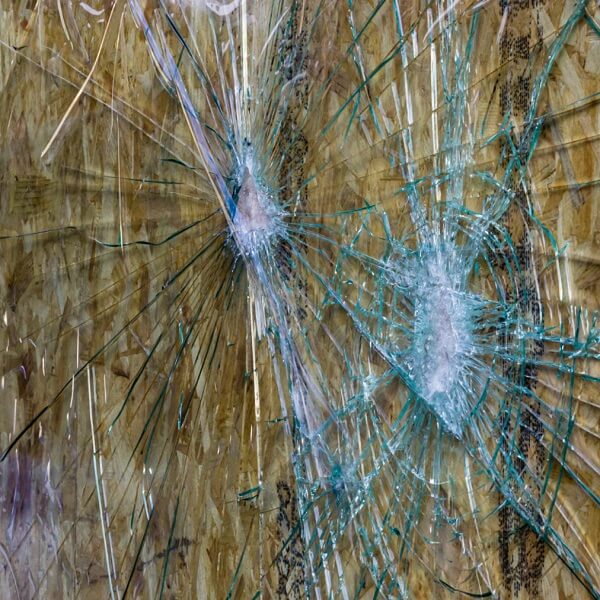
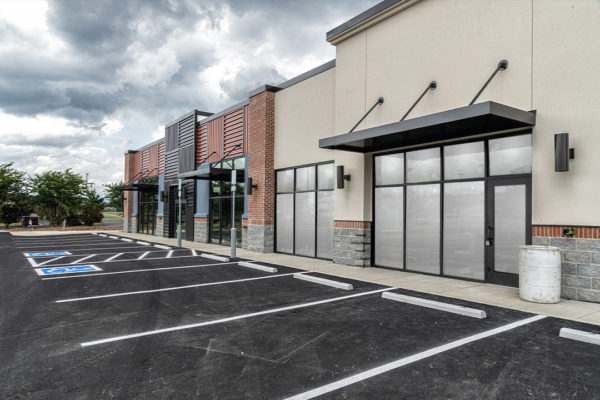
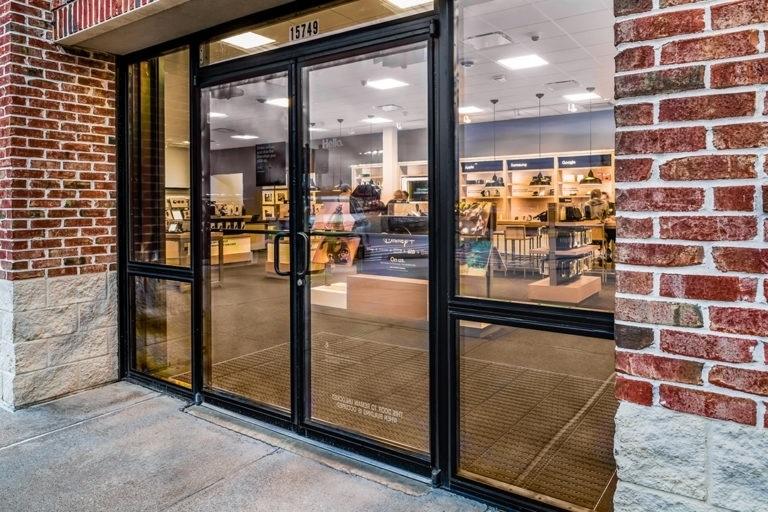



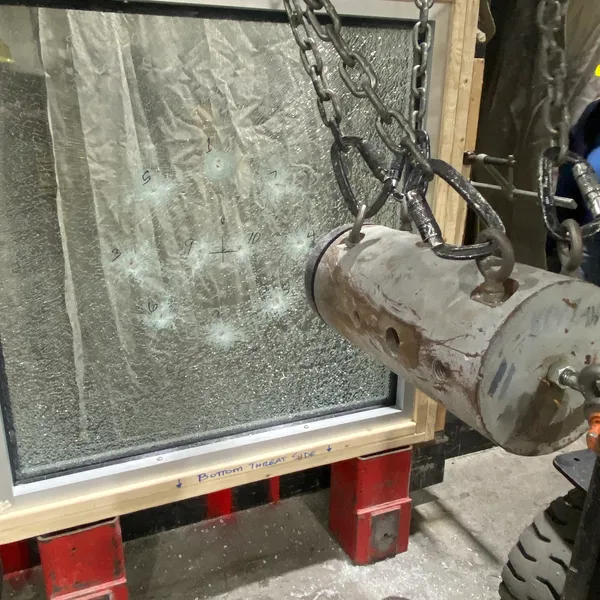

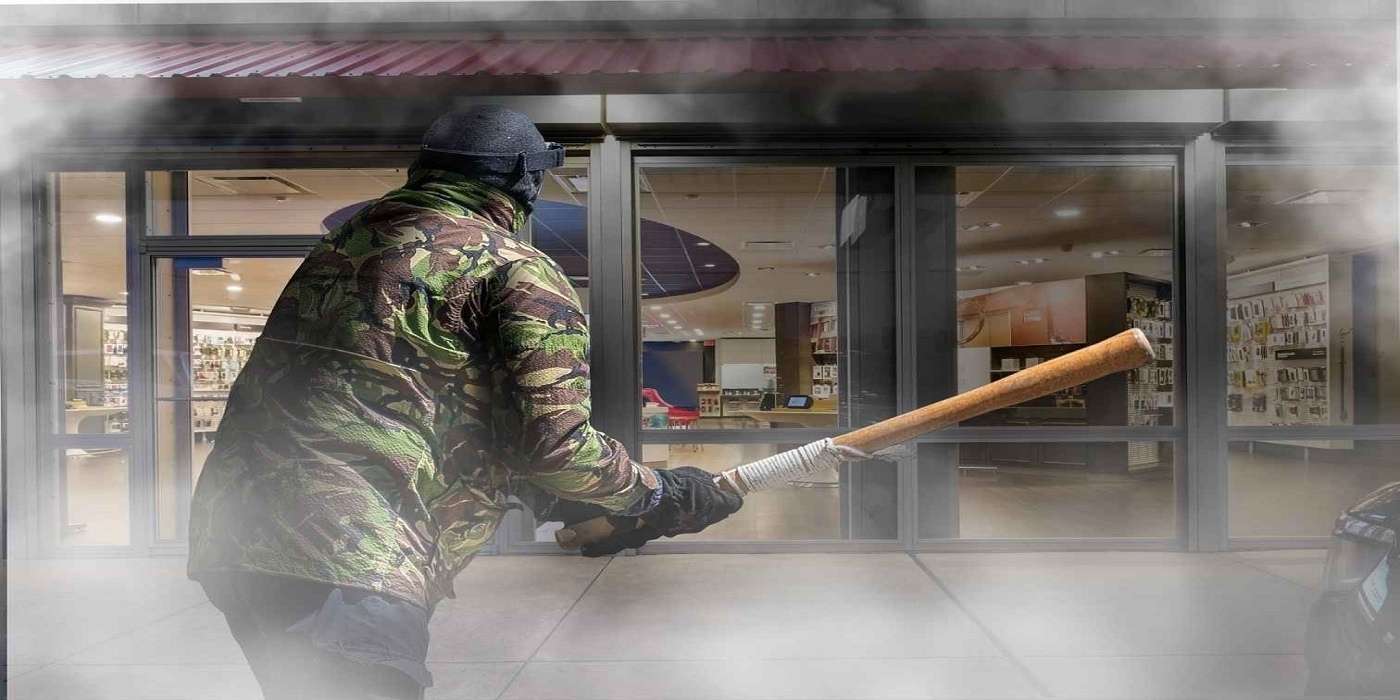
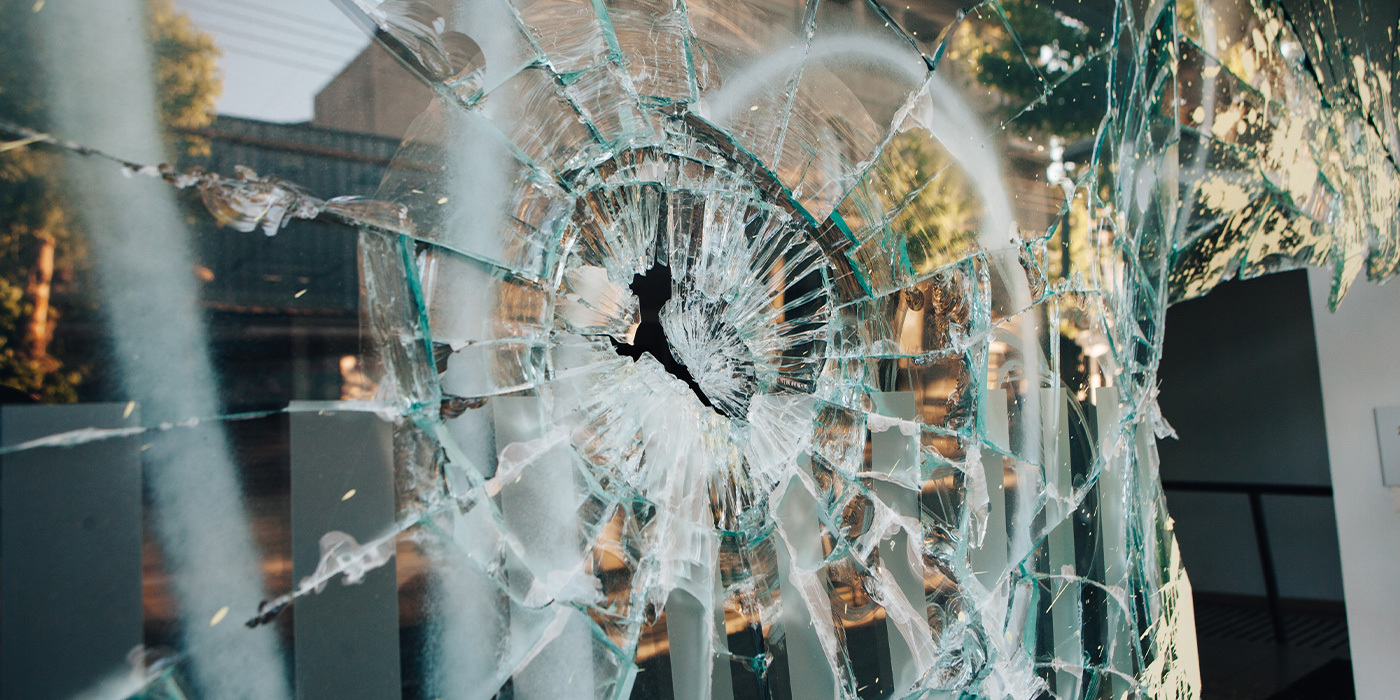
This guide covers residential and commercial bullet proof windows, installation services, UL 752 protection levels, and critical local sourcing considerations. The target audience includes property owners evaluating home security upgrades, security managers responsible for high security environments, and facility administrators seeking comprehensive ballistic glazing solutions for schools or government buildings.
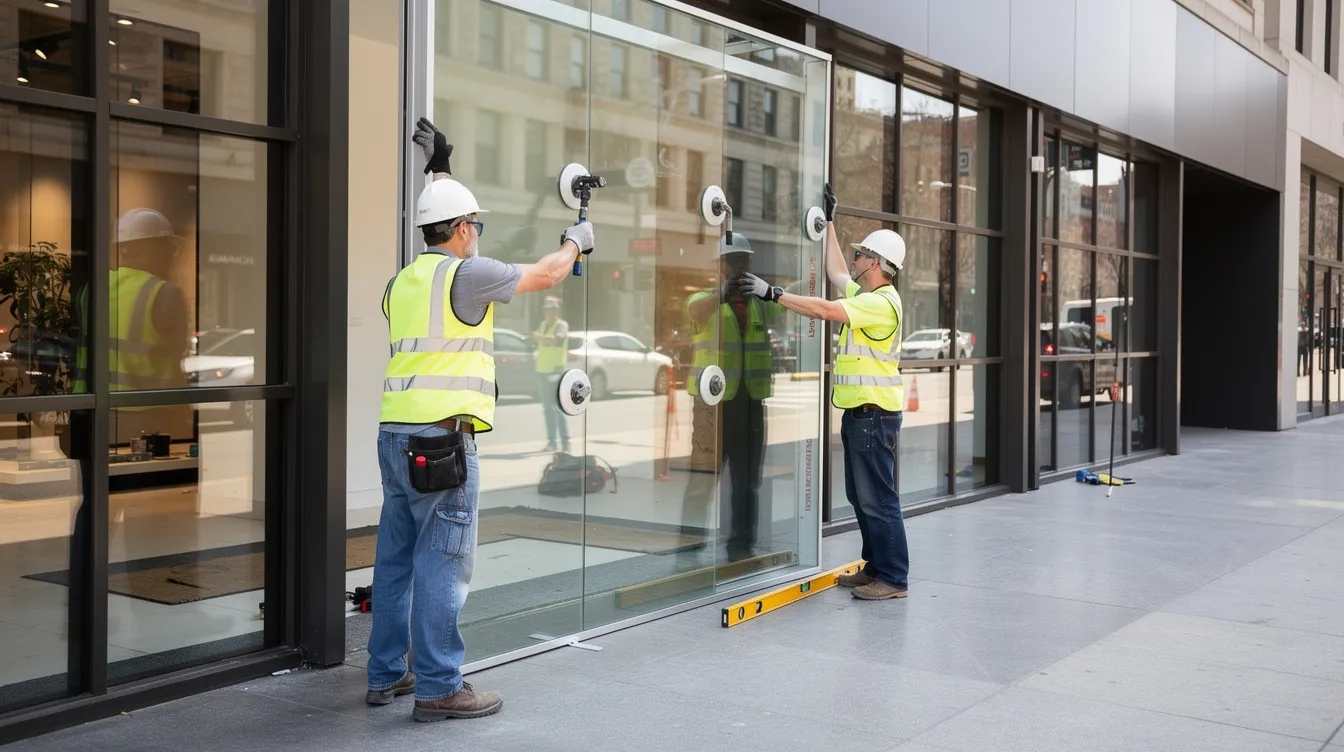
This guide covers the major types of bullet-resistant materials, testing standards from the National Institute of Justice (NIJ) and Underwriters Laboratories (UL 752), and practical applications across personal protection and architectural security. We focus on selection criteria and performance characteristics rather than manufacturing processes, providing actionable guidance for security professionals, architects, facility managers, and property owners seeking protection solutions.

If you’re searching for “bullet proof window film,” you need to know an important truth: there is no such thing as a film that transforms regular glass into bullet resistant glass. Security window film—the actual product people are seeking—serves a different but valuable purpose in building protection strategies.
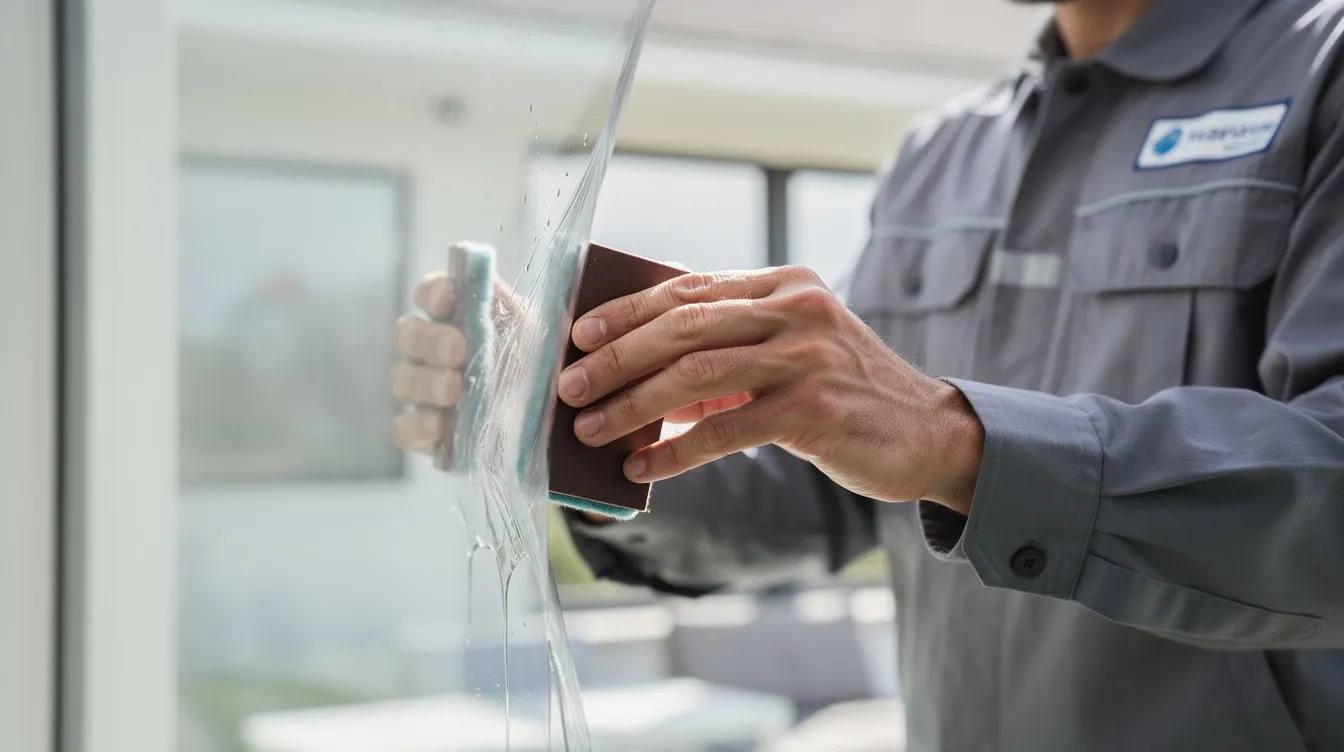
This guide addresses property managers, security professionals, business owners, and facility directors who need clear, technically accurate information about glass security options. Understanding what ballistic film can and cannot do prevents costly mistakes and potential liability issues when actual threats materialize.
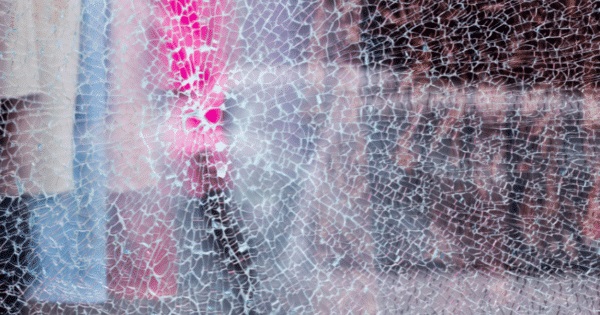
Tempered glass achieves its remarkable properties through precise thermal treatment. The tempering process involves heating the glass to extreme temperatures and then rapidly cooling it, which creates tension in the inner layers and compression in the outer layers, enhancing its safety features. This engineered stress profile transforms ordinary annealed glass into a safety glazing material suitable for demanding applications.
This guide covers the major types of ballistic materials (metals, ceramics, fibers, and transparent systems), the testing standards that define their performance (UL 752 and NIJ 0101.06), real-world applications across various protection needs, and selection criteria based on threat profiles, weight constraints, and budget.
This guide covers the complete range of ballistic materials used in personal protection, building security, and specialized applications. Whether you’re a security professional evaluating body armor options, a property owner considering bulletproof glass installations, or an individual seeking to understand how bulletproof vests actually work, this content provides the technical foundation and practical guidance you need.

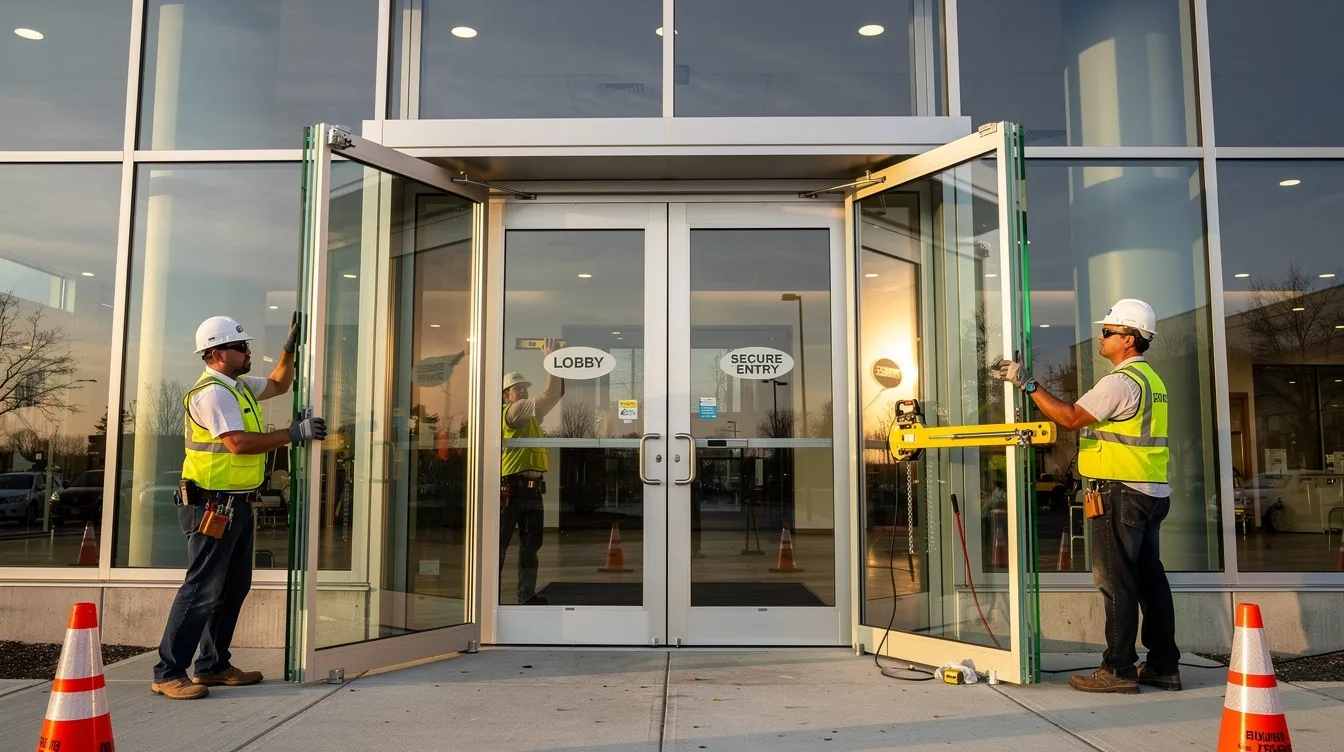
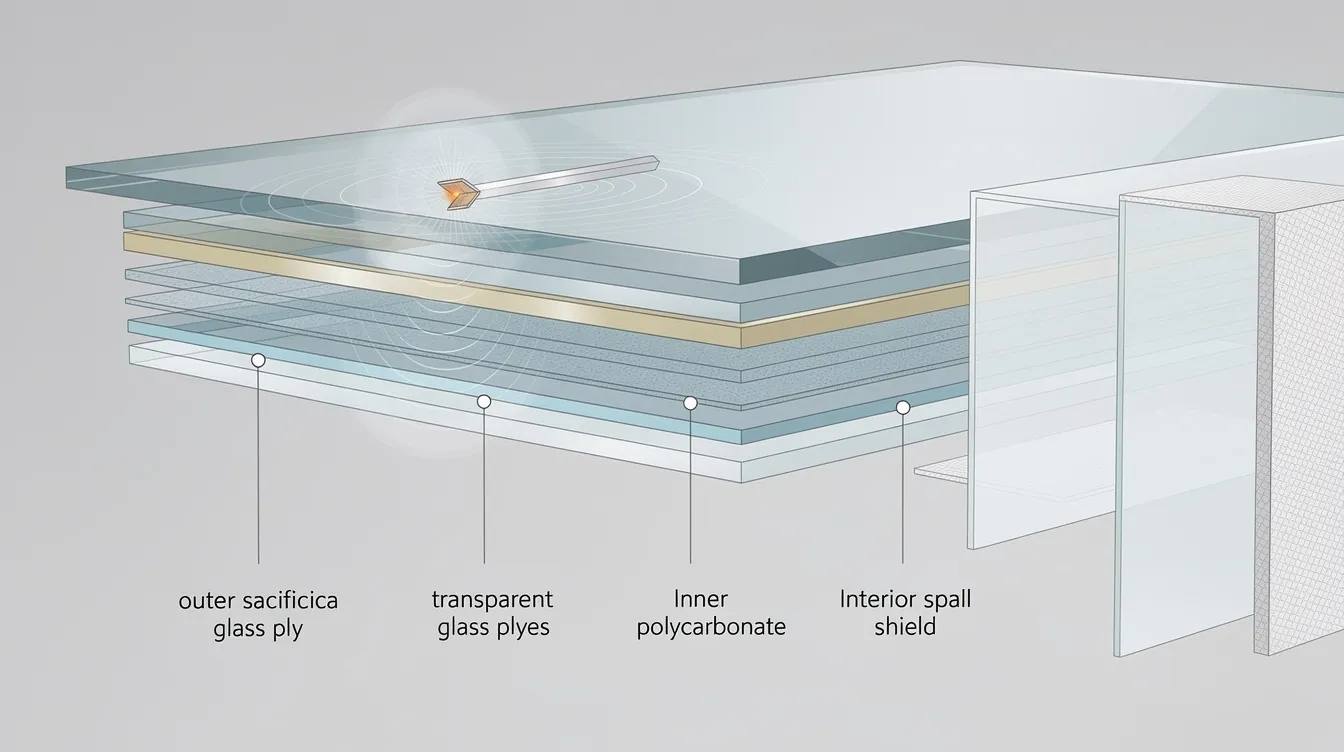
Polycarbonate security glazing consists of engineered transparent barriers designed specifically for forced entry resistance and ballistic protection. The material’s unique properties—high impact resistance, flexibility under stress, and shatter-resistant composition—make it fundamentally different from traditional glass or other glazing materials like acrylic or other plastics, reflecting the underlying polycarbonate chemical structure and composition.
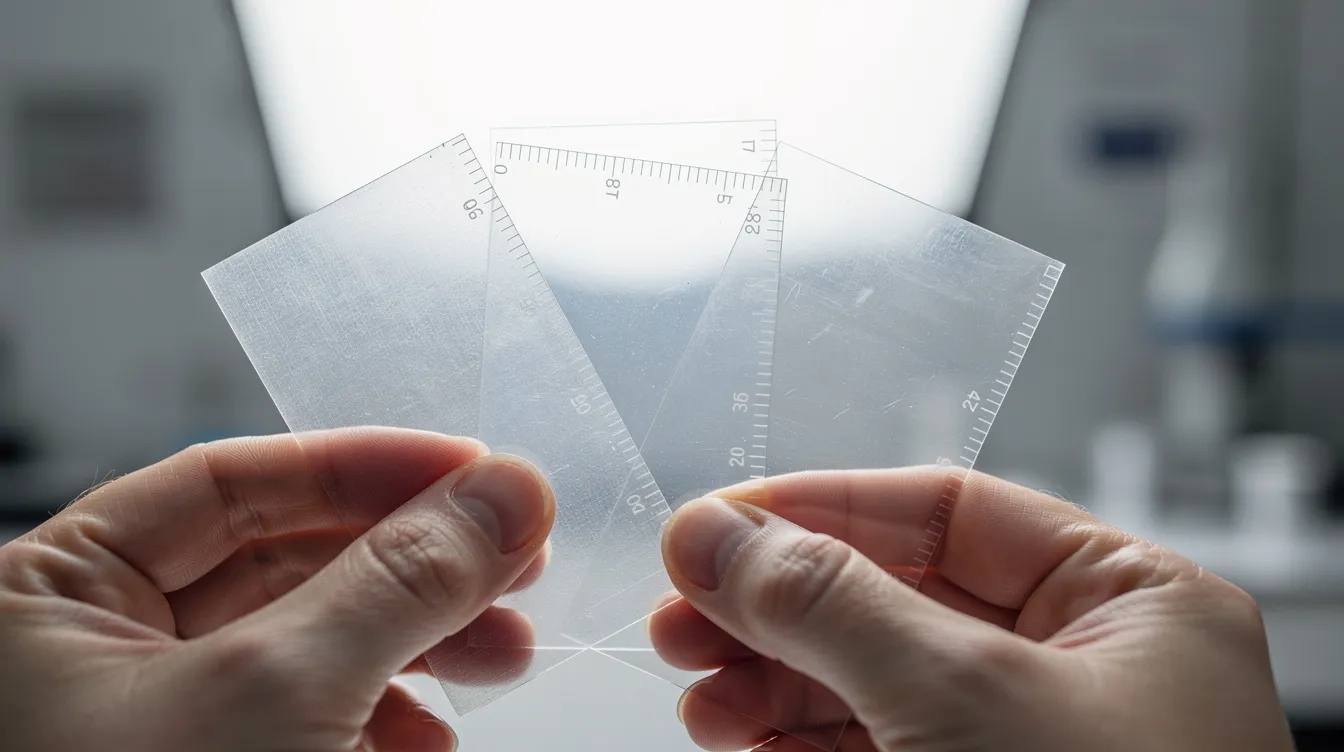
This guide covers everything you need to know about riot glass pricing—from base material costs and installation fees to hidden expenses and cost-saving strategies. Whether you’re protecting retail storefronts, commercial properties, government buildings, or other vulnerable entry points, understanding the full pricing picture helps you make informed security investment decisions without overspending.

This comprehensive guide covers the full spectrum of ballistic materials: material classifications, testing standards (NIJ, UL, EN), practical applications spanning body armor to architectural elements and vehicle armor, selection criteria based on threat assessment, and critical installation and maintenance considerations.
This guide covers residential, commercial, and institutional bulletproof glass applications within local service areas. Property owners, security managers, and architects seeking reliable protection will learn how to locate qualified providers, evaluate credentials, understand pricing structures, and ensure proper installation.
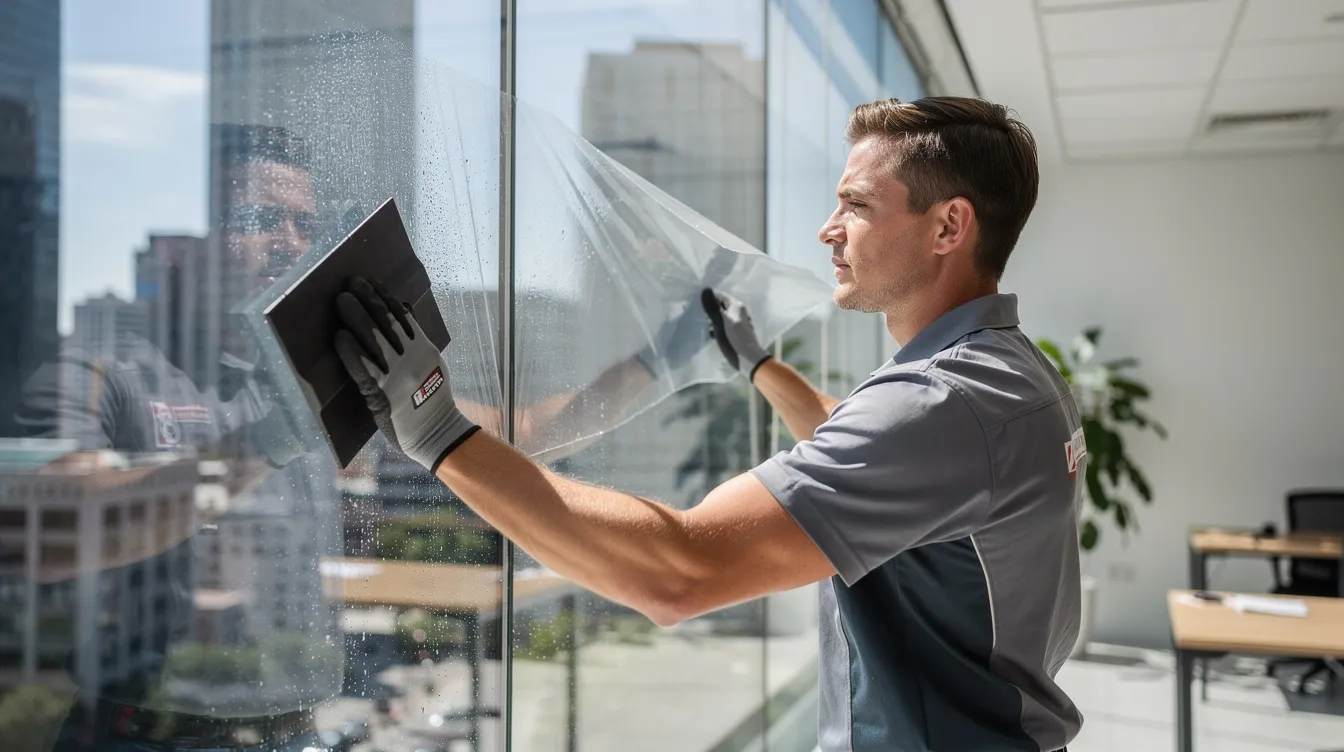
There is no such thing as bullet proof window tint in the way most people imagine it. The term “bulletproof window tint” is commonly referred to in marketing materials, but the reality is that traditional window film cannot stop bullets from penetrating glass windows. This distinction matters significantly for property owners, school administrators, and security professionals who need genuine protection against ballistic threats.
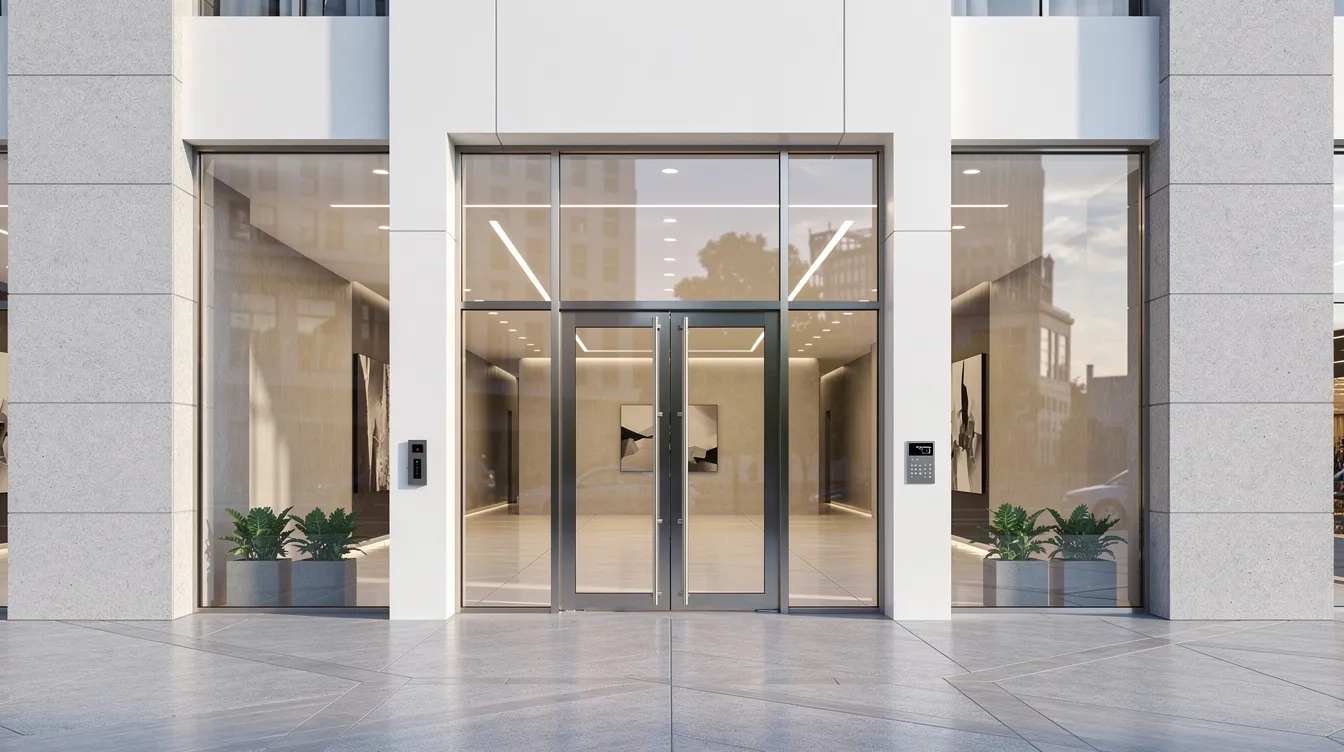
This guide serves security professionals evaluating body armor options, property owners considering ballistic protection for buildings, and individuals seeking personal defense solutions. The choice of bulletproof material is crucial, as the right selection ensures adequate protection tailored to the user’s specific needs.
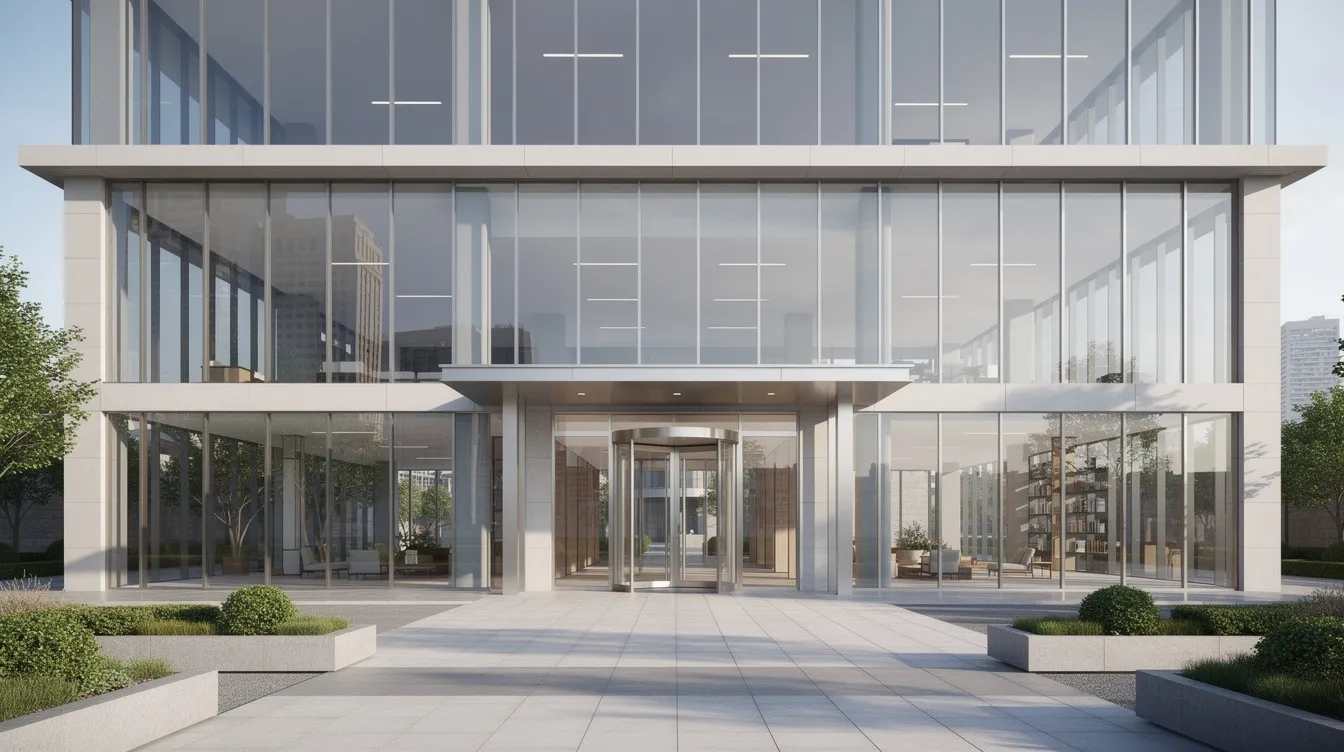
This guide covers the complete spectrum of secure room environments—including data centers, server rooms, clean rooms, evidence storage facilities, and high-security areas—while excluding standard office security measures that don’t require specialized protective controls. Facility managers, IT directors, security professionals, and compliance officers responsible for protecting critical assets will find actionable strategies for designing, implementing, and maintaining these environments.
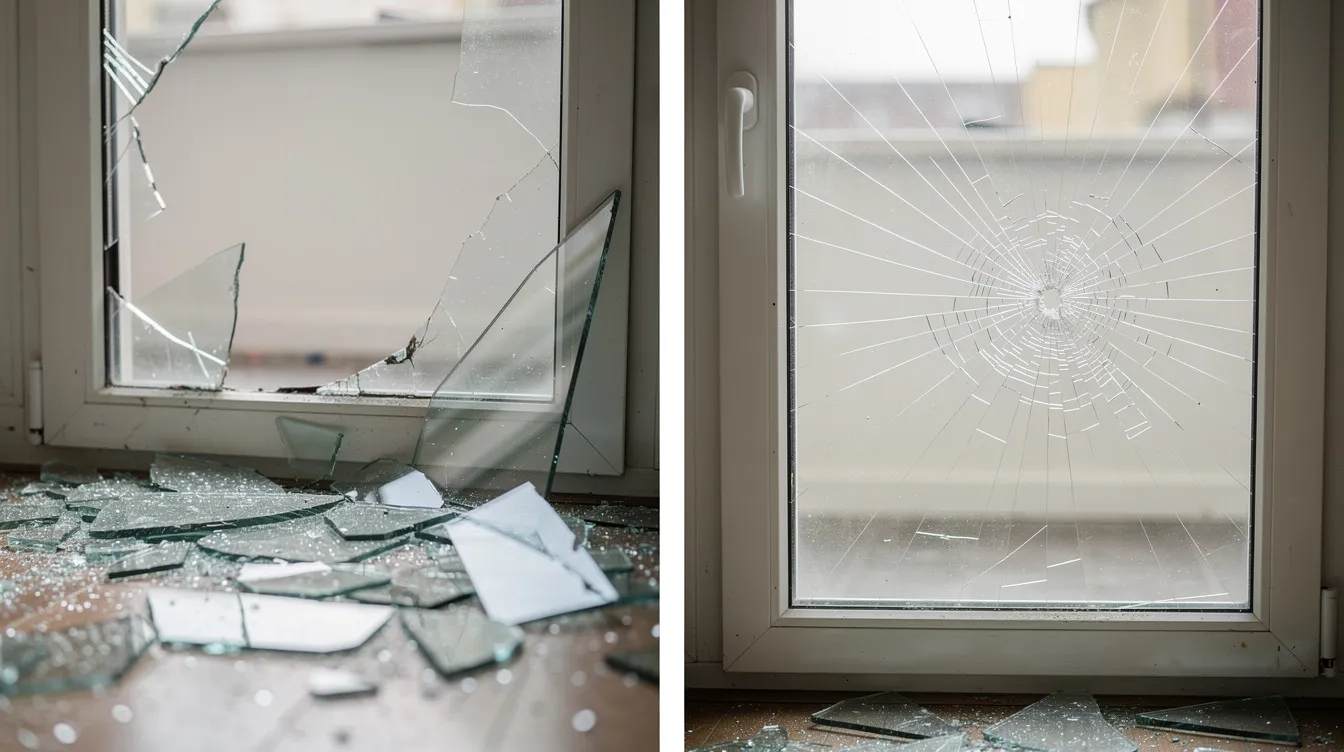
This guide covers residential, commercial, and institutional applications of safety and window security film, addressing the needs of homeowners seeking family protection, business owners securing retail storefronts, and facility managers responsible for schools, hospitals, and government buildings. In addition to enhancing security, window security film offers UV protection, helping to prevent fading and sun damage to your interiors.
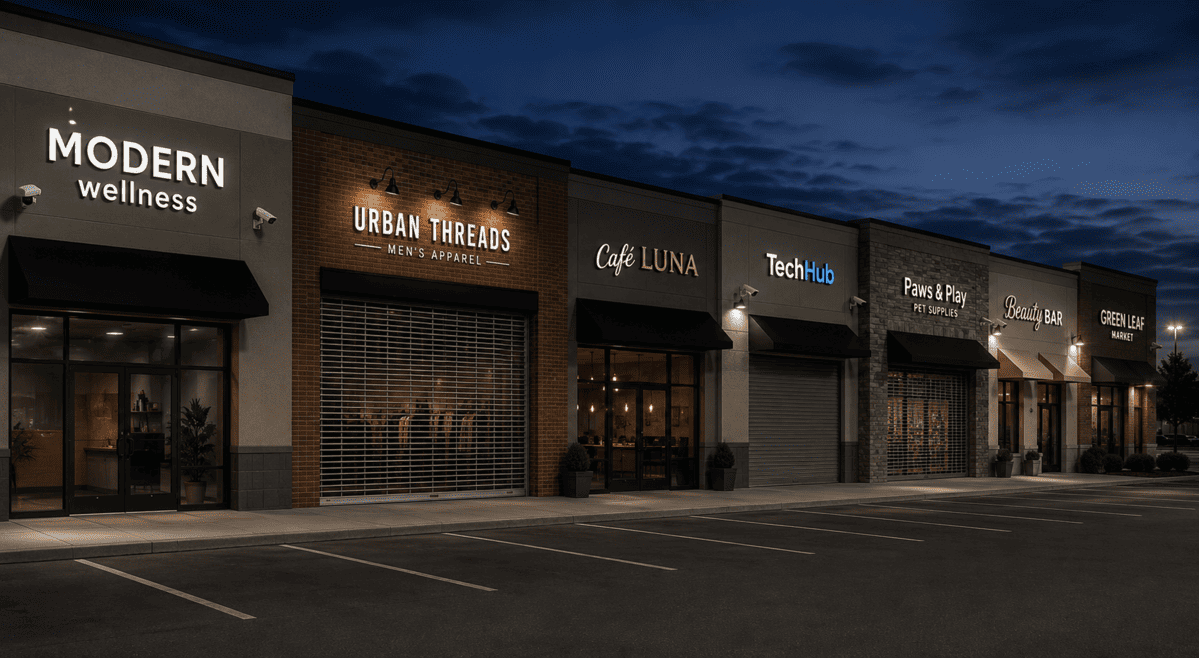
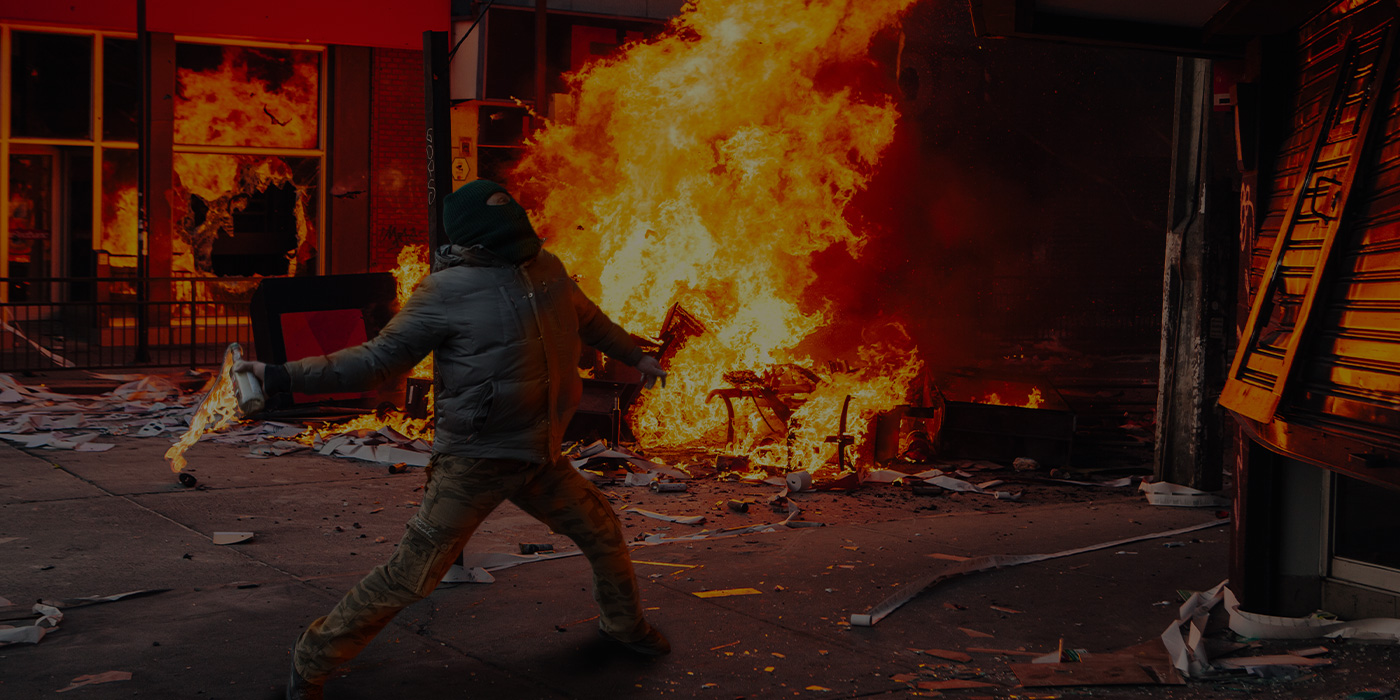
This guide covers the complete spectrum of bulletproof technology: material types and their properties, testing standards that define protection levels, application-specific selection criteria, and practical solutions to common implementation challenges. Whether you’re a security professional evaluating protective equipment, an architect specifying bullet resistant windows, a facility manager upgrading building security, or safety personnel responsible for personnel protection, this resource provides the technical foundation you need.
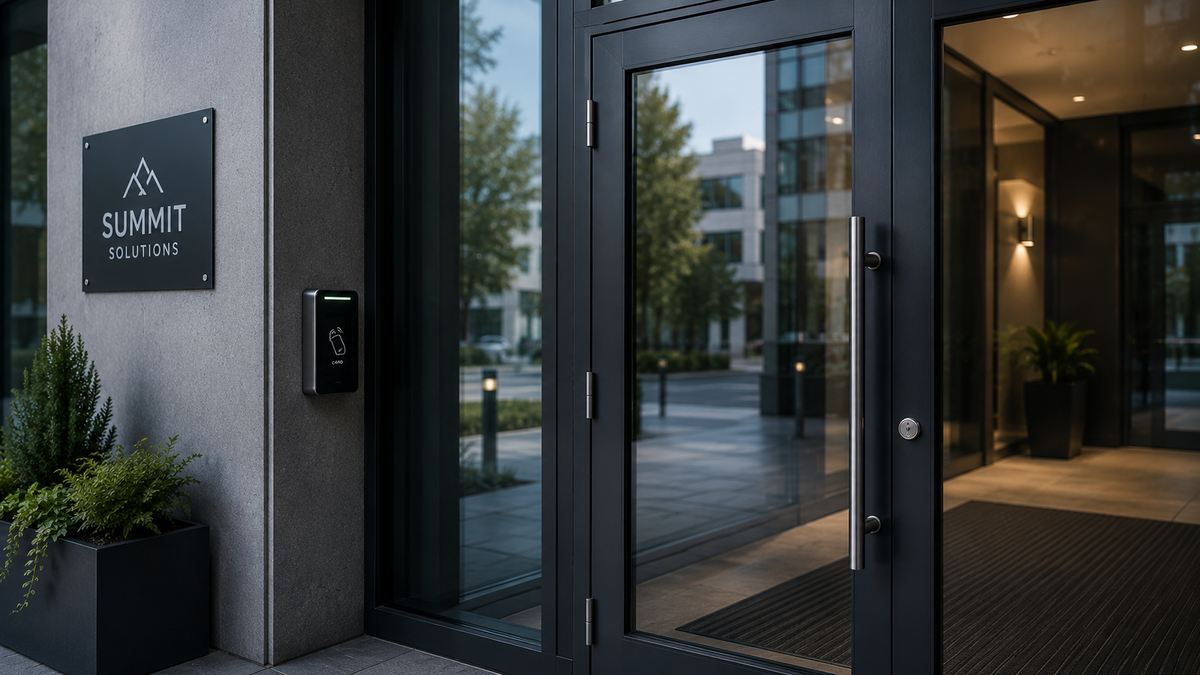
Commercial security door systems combine physical doors, hardware, and electronic security—including access control, locks, and sensors—to protect offices, retail spaces, industrial sites, and public buildings. A commercial door is a specialized solution designed for commercial buildings to enhance safety, protection, and operational efficiency. In 2026, these systems must do more than lock a doorway: they manage access, support audits, and integrate with video and alarms, with the ability to improve threat detection, response times, and overall security effectiveness.
Security glazing has evolved dramatically since 2020, driven by rising urban crime rates and increasingly sophisticated forced entry attempts. This guide covers everything you need to know about polycarbonate unbreakable glass—from how it works to where it’s used and whether it’s right for your project.
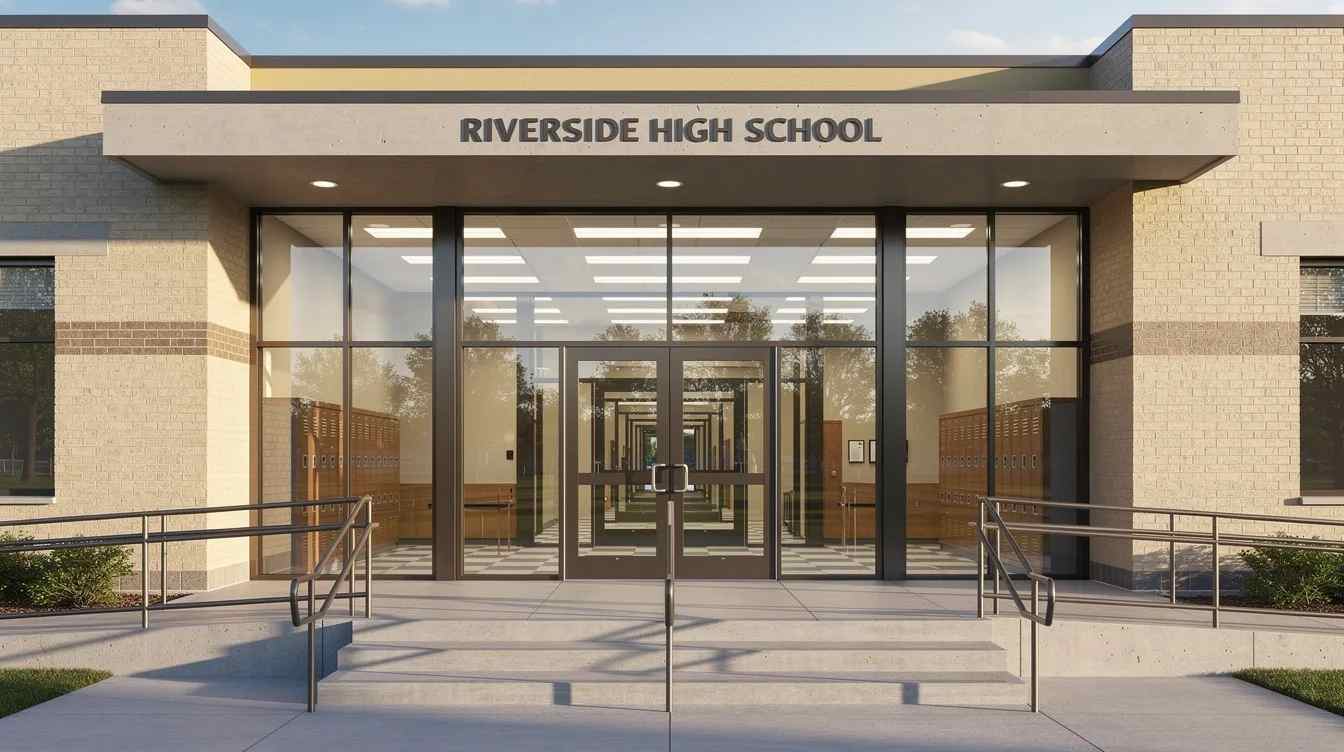
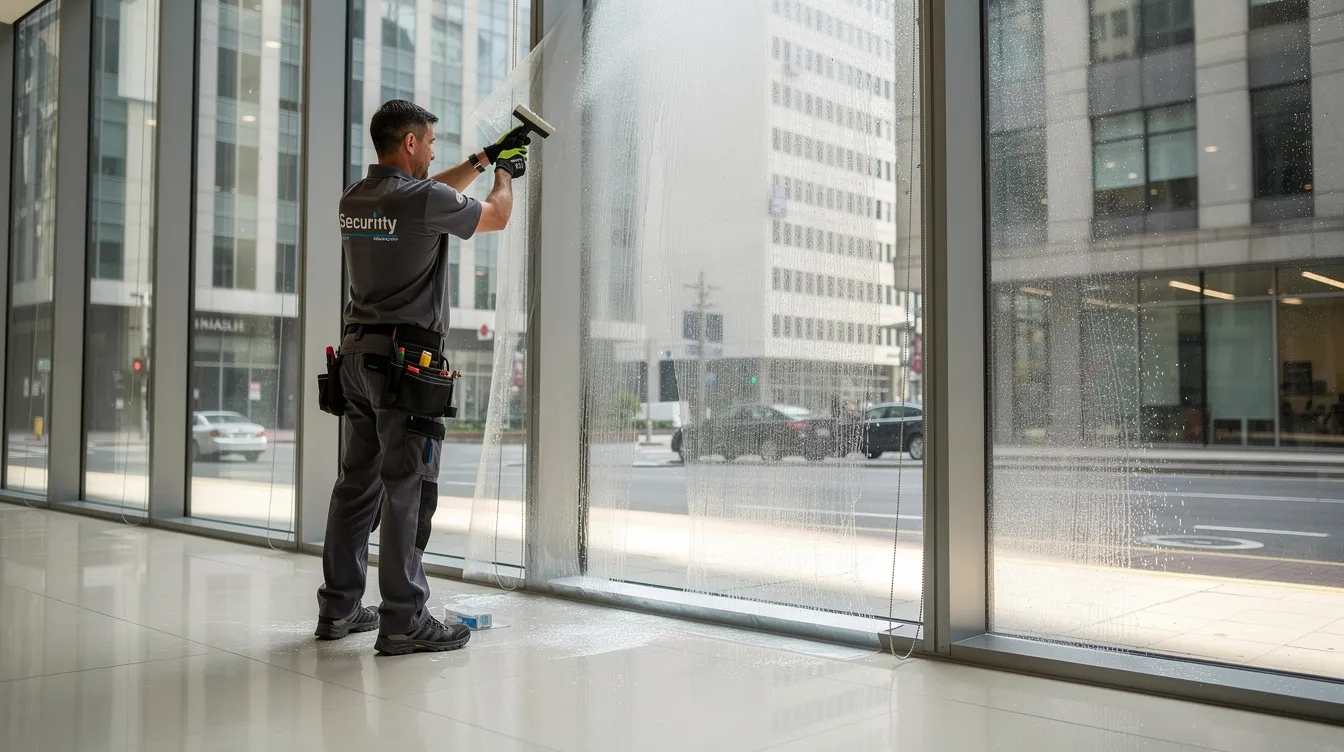
This article will explain exactly what security film can and cannot do, how it’s installed on existing glass, realistic cost expectations, and how to choose a qualified installer. Our company specializes in school security glazing retrofits, working with districts to prioritize entrances, sidelites, and ground-level classroom windows where risk is highest.
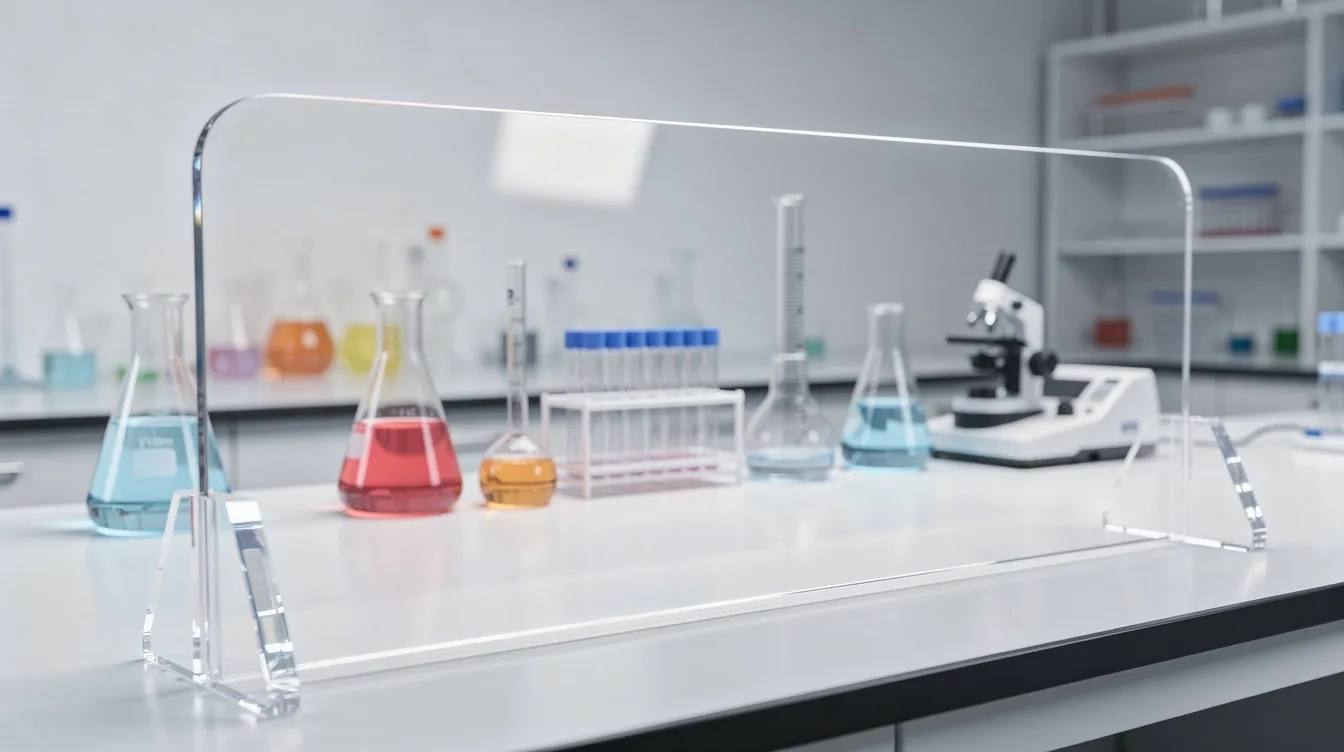
By 2026, facilities are upgrading from temporary acrylic to durable polycarbonate shields designed to meet ANSI Z87.1 standards. Modern units use 3–6 mm thick impact-rated polycarbonate, capable of absorbing high-energy impacts without shattering. This guide helps you review hazards, size requirements, and compliance to fit your needs.

Here’s the reality: true bulletproof film for regular residential glass does not exist as of 2026. There are two separate categories—security window film (for forced entry and impact resistance) and ballistic glazing (tested to standards like UL 752). This guide explains what film can actually do, when you need bullet resistant glass instead, and how to decide for your specific house.
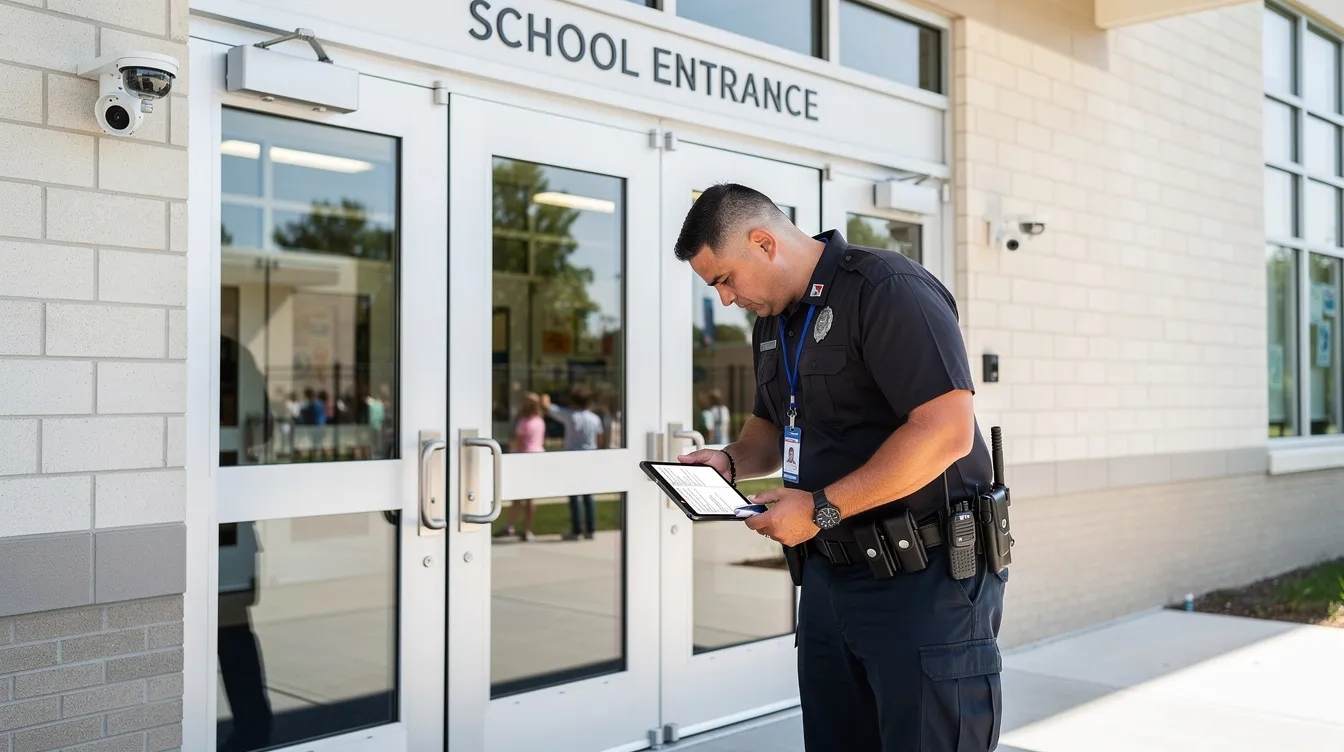
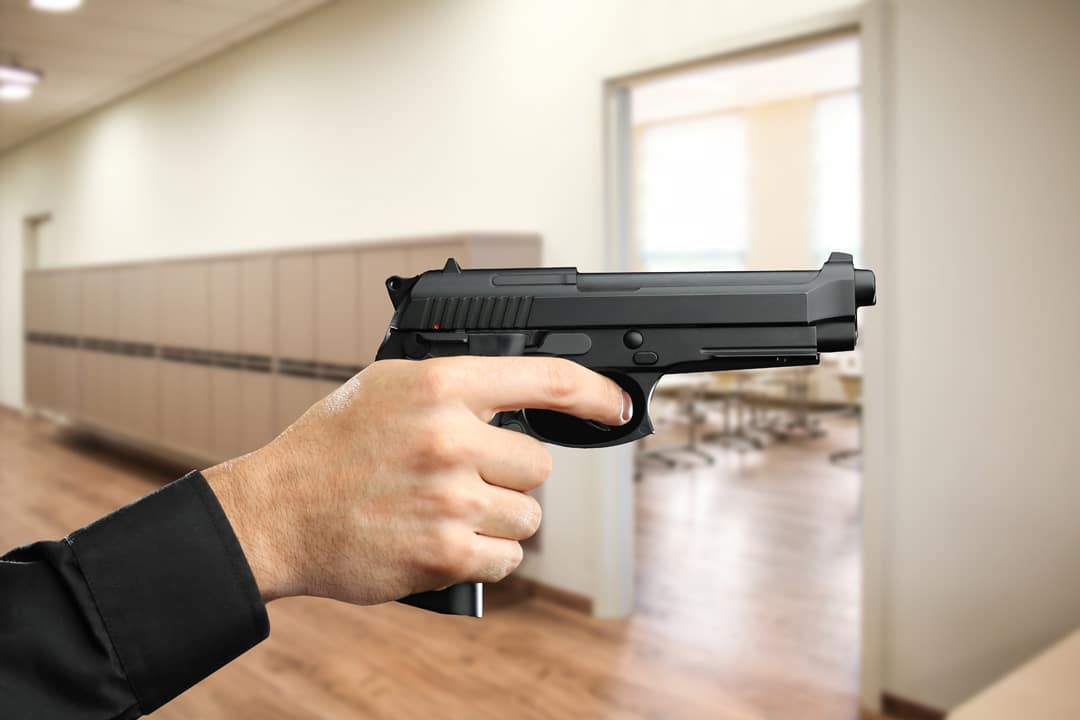
Ballistic protection products, including advanced armor systems, are increasingly being integrated into schools and public facilities to enhance safety against potential active shooter incidents. This article covers the core categories: ballistic shields, retrofit glazing systems, hardened doors and locks, body armor kits, and classroom hardware.

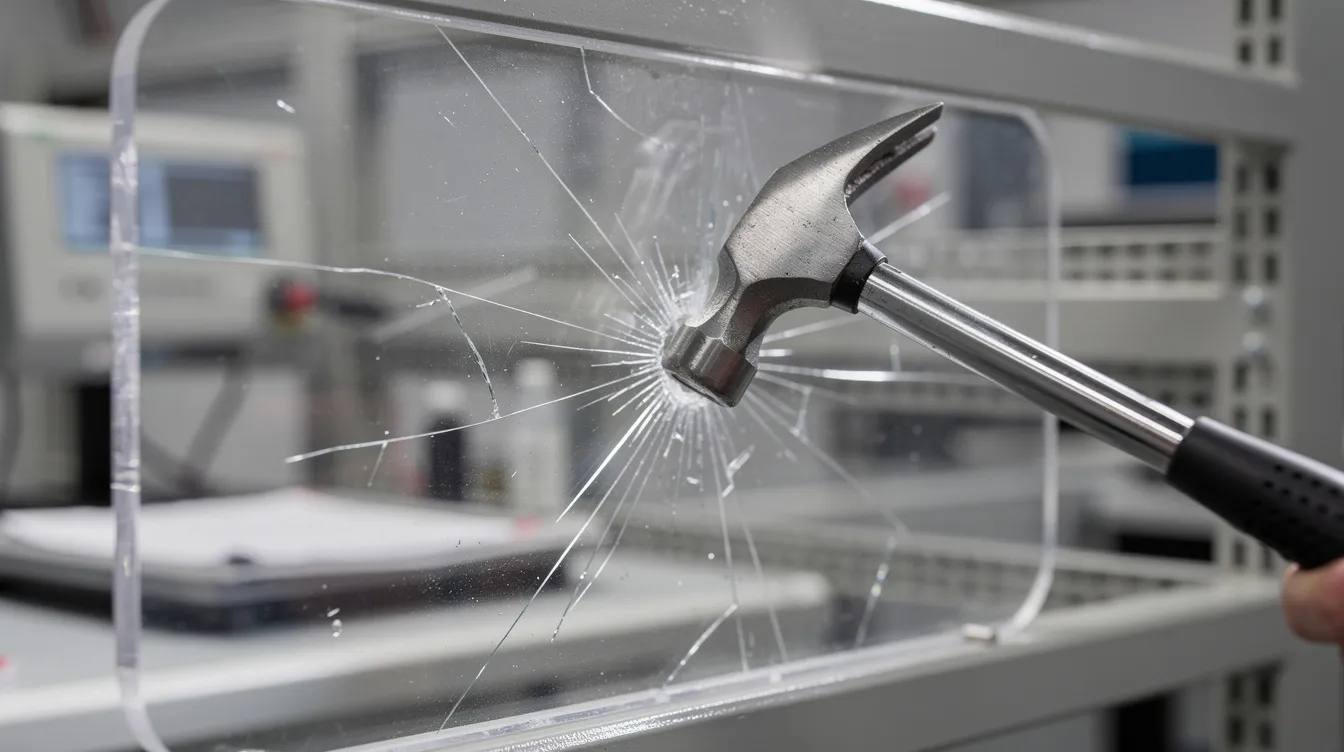
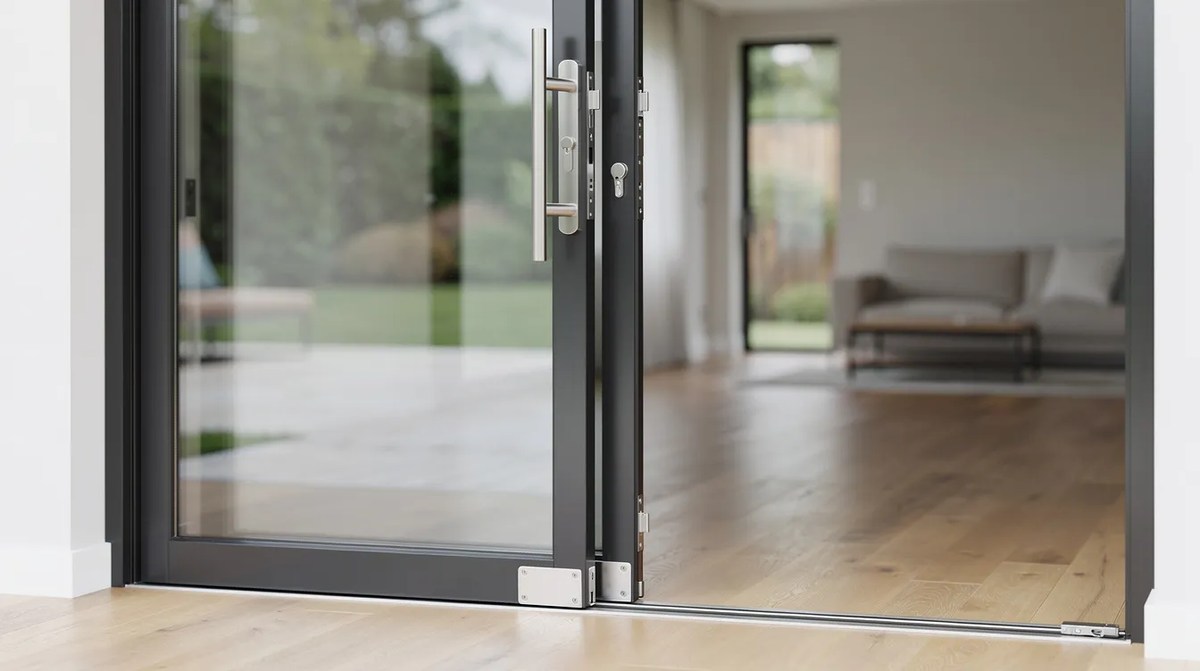
This guide covers everything from stronger glazing options like laminated glass and polycarbonate panels to security window film, upgraded locks, and smart monitoring. Whether you’re protecting a front door sidelight, a sliding glass door, or a storefront, we’ll help you create layered protection that works for homes, shops, offices, and schools.
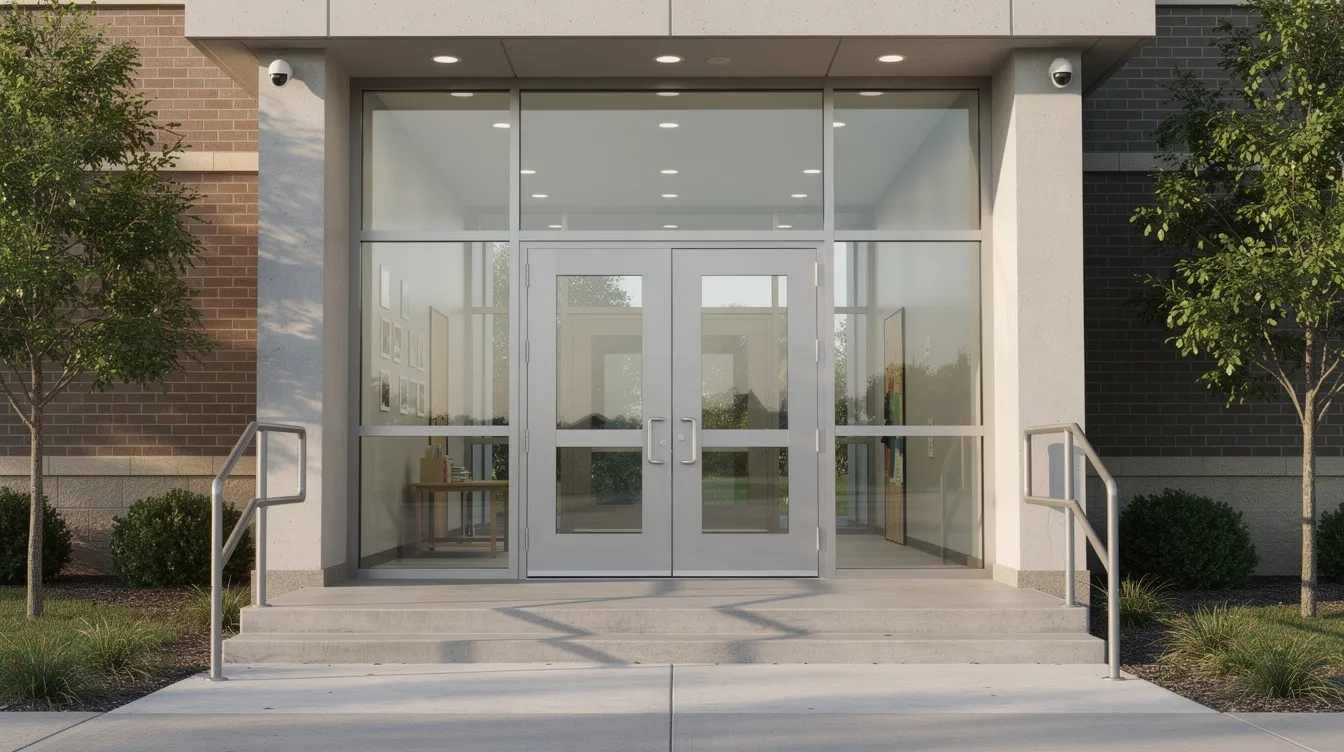
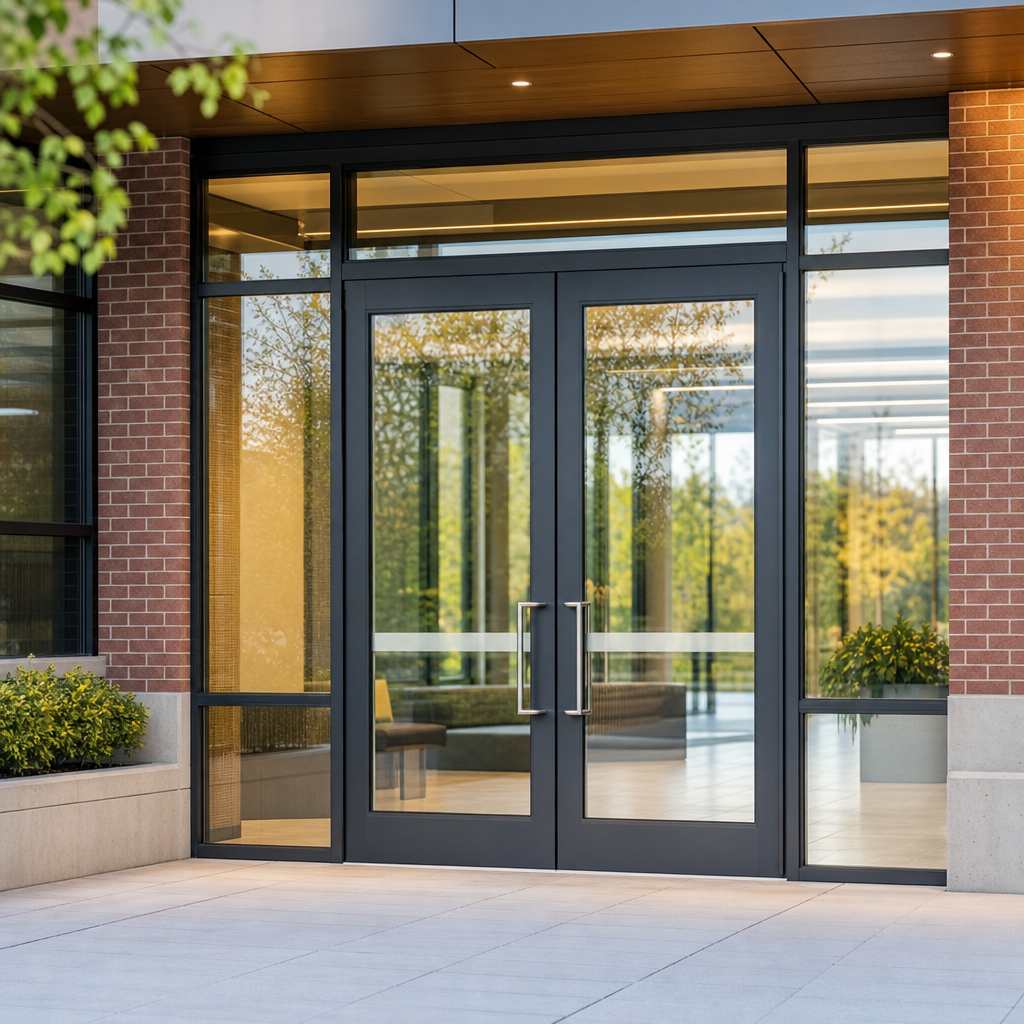
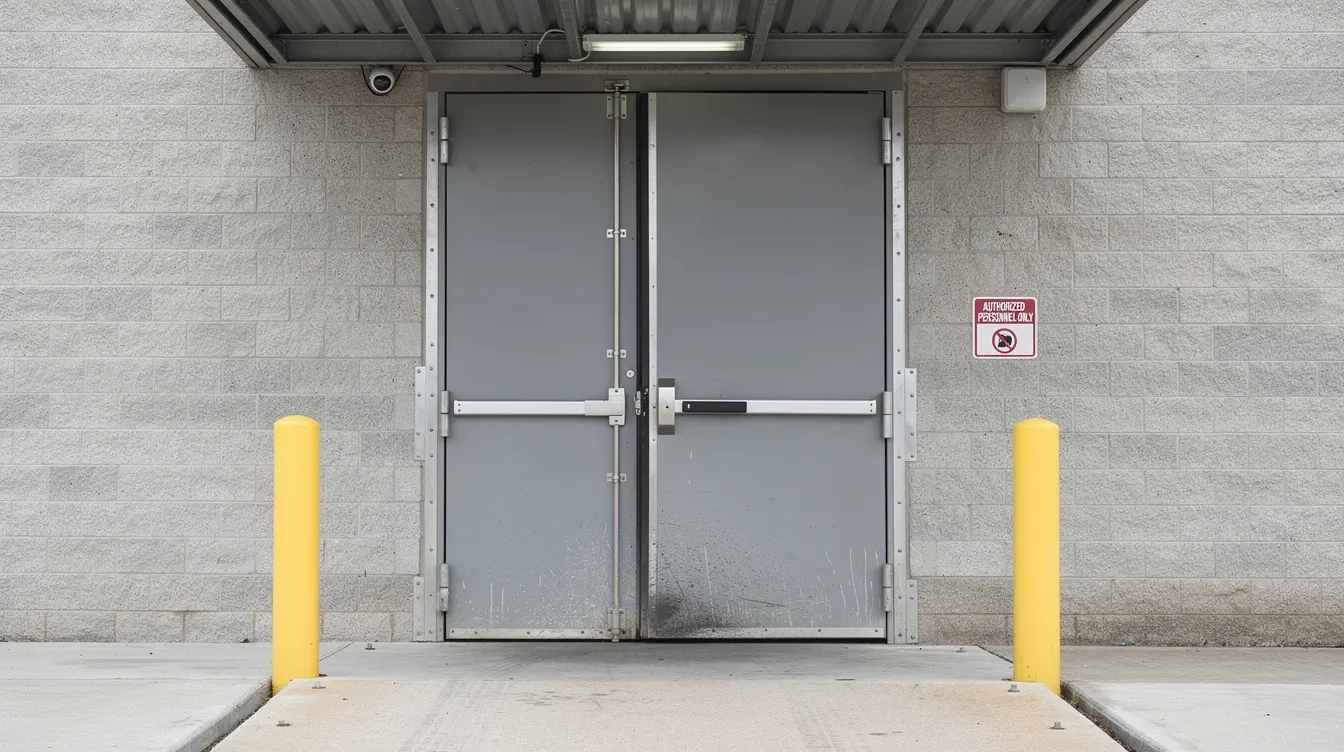
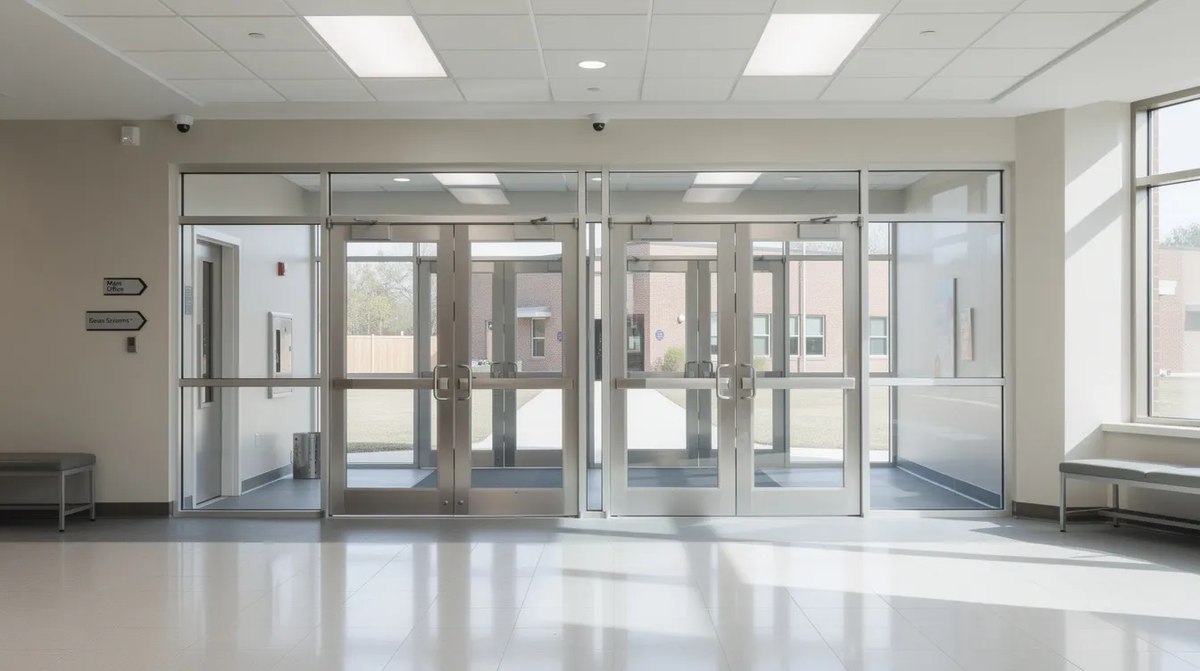
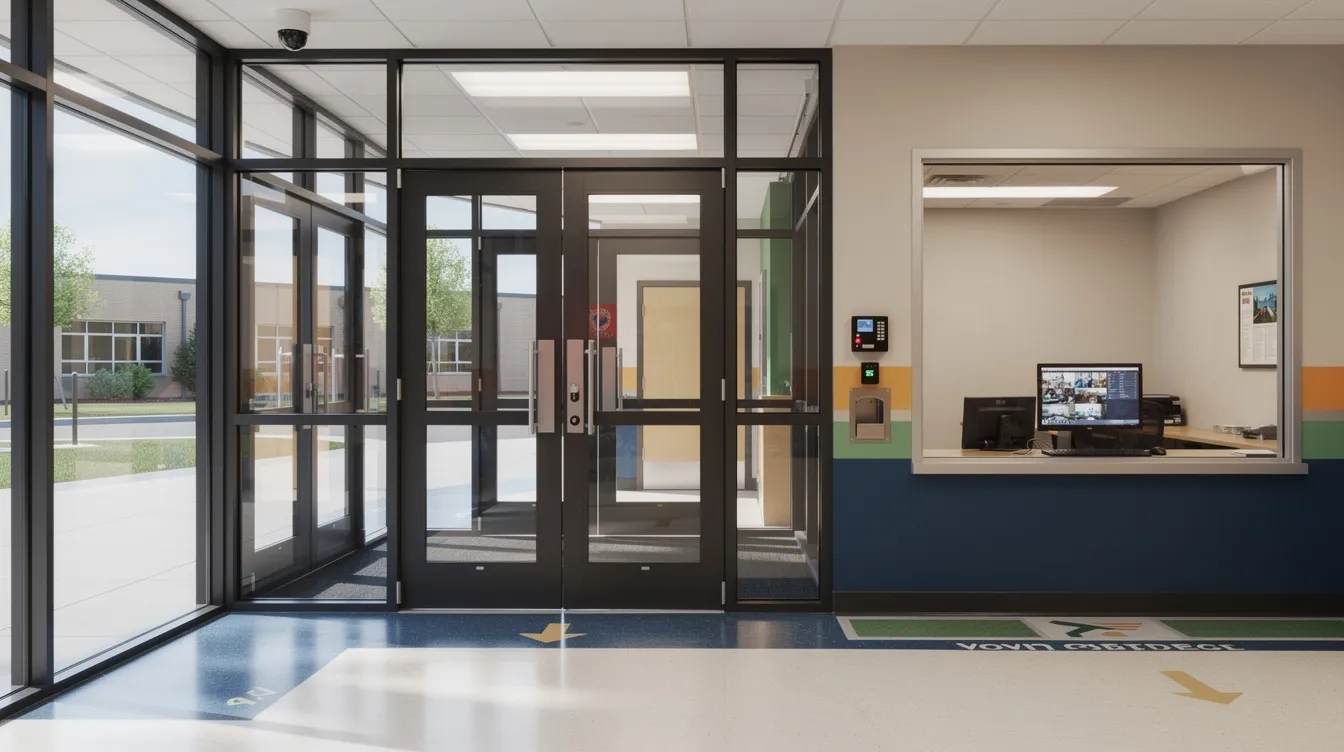
Security doors for schools encompass far more than a single product type. The term covers exterior entrance doors that greet visitors, interior classroom doors that protect students during instruction, and specialized bullet resistant openings in high-risk areas like front vestibules. Each serves a distinct purpose within a layered security strategy.