Security concerns have pushed many homeowners and business owners to explore options that were once reserved for banks and government facilities. Bulletproof glass windows—more accurately called bullet resistant windows—offer a layer of protection that standard glass simply cannot match. But here’s what surprises most people: modern ballistic glazing can look nearly identical to the double-pane windows already in your home.
This guide breaks down everything you need to know about ballistic glass, from protection levels and materials to realistic costs and maintenance requirements.
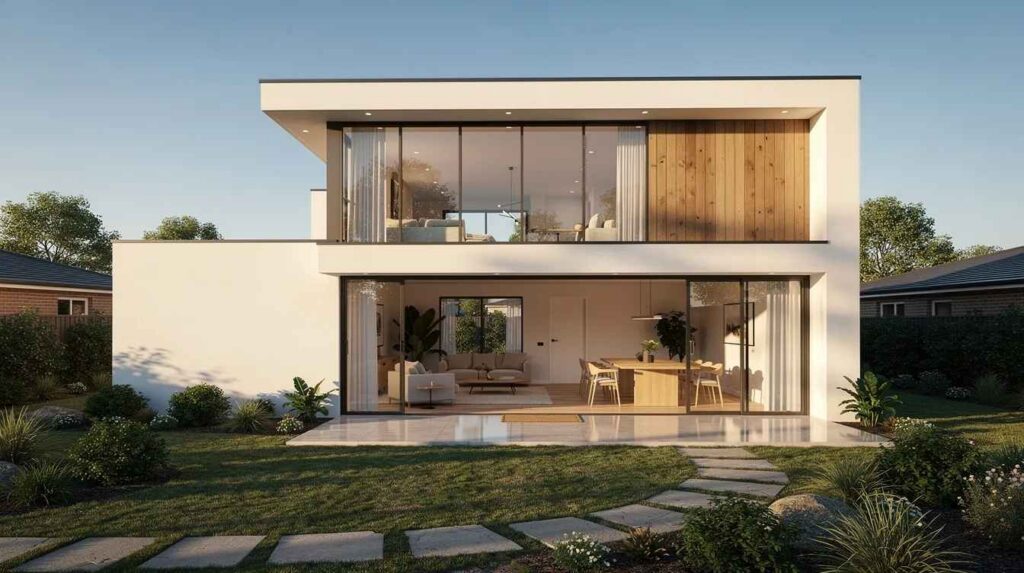
Table of Contents
This article covers each major topic in depth. Skim to the sections most relevant to your project:
- What Are Bulletproof Glass Windows?
- Residential Uses & Key Benefits of Bulletproof Windows
- Protection Levels & Ballistic Standards
- How Bulletproof Glass Windows Work
- Residential Bulletproof Window Designs & Styles
- Installation & Retrofit Considerations
- Cost of Bulletproof Glass Windows
- Maintenance, Lifespan & Performance Over Time
- Alternatives & Complementary Security Measures
- Why Choose Our Business for Bulletproof Glass Windows
- Frequently Asked Questions About Bulletproof Glass Windows
What Are Bulletproof Glass Windows?
The term bulletproof glass is technically a misnomer. No glass is completely impervious to every possible weapon or scenario. The accurate industry terminology is bullet resistant glass or ballistic glazing—transparent security materials engineered to stop specific firearm threats at defined protection levels.
These systems undergo rigorous testing to standards like UL 752 ballistic resistance standards (Levels 1–8), which specify the caliber type, velocity, and number of rounds fired per square foot area. Bullet resistant glass for windows ranges in protection levels between the eight Underwriter Laboratories paragraph 752 ballistic standards.
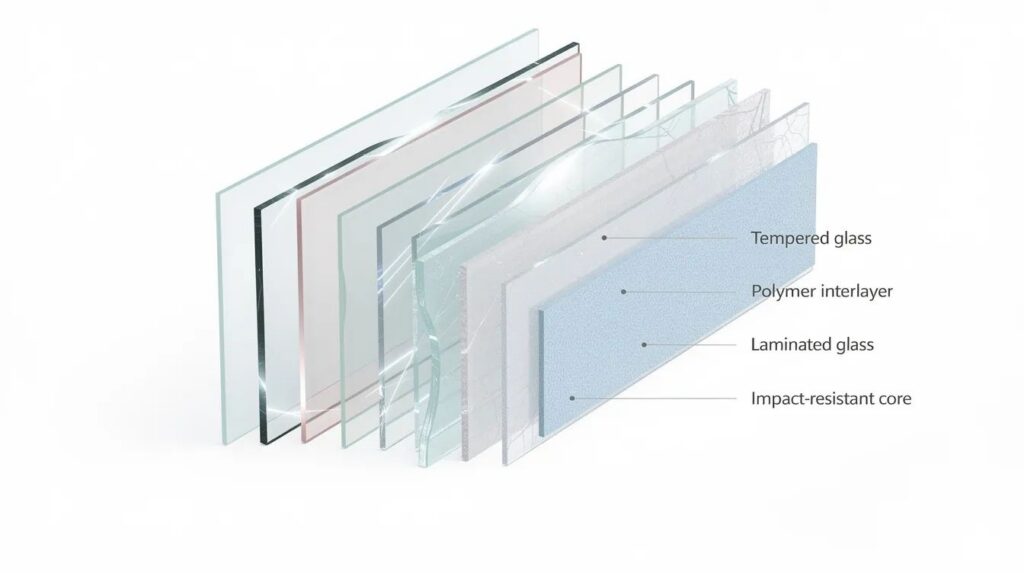
What makes bulletproof material different from traditional glass? Regular glass is brittle and shatters instantly into sharp shards, offering almost no resistance to a bullet. Bullet resistant glazing uses multiple layers of laminated glass, polycarbonate, and specialized interlayers that absorb and disperse impact energy from both bullets and blunt-force attacks, and different types of bullet-resistant materials offer varying levels of performance and cost.
Common settings for these security solutions include:
- High-end residential homes and safe rooms
- Street-facing retail storefronts and banks
- Pharmacies and gas stations
- Schools and government buildings
- Convenience stores in high-risk areas
In commercial settings, bulletproof windows are utilized in high-risk environments such as banks, convenience stores, and government buildings to protect staff and customers from violent threats. The good news for aesthetics-conscious property owners: modern ballistic glazing can closely resemble standard windows in appearance, maintaining natural light and curb appeal.
Residential Uses & Key Benefits of Bulletproof Windows
Rising crime headlines, high-value homes, and growing privacy concerns have driven increased interest in residential ballistic protection during 2024–2026. Homeowners are no longer asking “if” they should consider security upgrades, but “which openings need protection first.”
Bulletproof windows are increasingly being installed in schools as part of broader safety strategies to mitigate active threats, providing a layer of protection during active shooter incidents and enhancing the perceived safety among students and staff. Purpose-designed bullet-resistant glass security solutions for churches and other places of worship follow the same layered-security logic, and residential applications follow similar logic.
The primary benefits include:
- Stopping or slowing rounds: Depending on the rating, these windows can stop multiple rounds from handguns or rifles
- Preventing smash-and-grab break-ins: Enhanced forced entry resistance deters criminals
- Buying critical time: Extra seconds or minutes to reach a safe room or call police
- Deterrent effect: Visible security measures discourage targeting
Typical residential applications focus on ground-floor windows, front-facing living room and office windows, glass entry doors and sidelights, basement windows, and dedicated safe rooms. Standard windows fail after just a few hammer blows or a single gunshot—ballistic windows provide reliable protection where it matters most.
Additional advantages include noise reduction from street traffic and potential insurance benefits for high-risk properties. Our company helps homeowners prioritize which openings to upgrade first to balance security with budget constraints.
Protection Levels & Ballistic Standards
UL 752 ballistic standards, established in 1974, remain the primary rating system for architectural glazing in North America. Bullet resistant windows are rated by standards like UL 752, ranging from Level 1 (resisting 9mm handguns) to Level 8 and beyond (resisting high-powered assault rifles).
The effectiveness of bulletproof windows varies based on the caliber of ammunition and the rating of the glass, with higher-rated glass providing better protection against more powerful firearms.
| UL 752 Level | Weapon | Typical Residential Use |
|---|---|---|
| Level 1 | 9mm handgun (3 shots) | Entry-level home protection |
| Level 2 | .357 Magnum | Higher handgun threat areas |
| Level 3 | .44 Magnum | Street-facing windows, entry doors |
| Level 4+ | High-powered rifles (.30-06) | Safe rooms, high-risk estates |
| Level 1 residential ballistic glass stops three rounds from a 9mm handgun, while Level 3 stops three rounds from a .44 Magnum, showcasing the varying levels of protection available. Most homeowners typically work with Levels 1-3 for residential bulletproof glass, which are designed to stop handgun rounds, while higher levels (4-8) are often used for safe rooms and more vulnerable areas. |
Higher levels add significant thickness, weight, and cost. Matching the level of protection to realistic risk assessment prevents both overspending and inadequate coverage. The entire window system—glass, frame, hardware, and anchoring—must be rated, not just the glass panel alone. A complete system approach ensures no weak points compromise your investment.
How Bulletproof Glass Windows Work
Understanding the physics behind ballistic glass explains why these systems work and why they cost more than standard glazing.
When a bullet strikes conventional glass, the material shatters catastrophically. Bullet resistant glass consists of alternating layers of hard materials and soft, elastic materials bonded together. This layered construction absorbs and disperses ballistic energy rather than simply trying to resist through hardness alone.
Layers of bullet resistant glass are fused under high heat and pressure using specialized adhesives like polyvinyl butyral (PVB), polyurethane, or ethylene-vinyl acetate (EVA). The hard outer layer of bullet resistant glass deforms the bullet’s tip to slow it down, while the polycarbonate layer on the protected side catches fragments and prevents dangerous shards from entering the space.
Bullet resistant glass maintains shatter resistance through internal plastic interlayers that hold cracked pieces in place. The “attack side” may crack and craze under fire—developing a spider-web pattern—but this is a designed response that slows the projectile. The interior surface remains intact enough to prevent penetration.
Key specifications to understand:
- Thickness ranges: Bullet resistant glass thickness ranges from 3/4 inch to 3 1/2 inches
- Weight implications: Bullet resistant windows may weigh up to 20 pounds per square foot due to dense layering, requiring reinforced frames
- Ballistic performance: Engineered to withstand specific types of ammunition and remain structurally intact even after being struck by multiple rounds
Bulletproof windows are designed to protect against specific types of ballistic threats, and their effectiveness can vary based on the thickness and composition of the glass as well as the type of threat. This distinction matters: ballistic resistance, blast resistance, and forced entry protection are three separate engineering challenges.
Residential Bulletproof Window Designs & Styles
Modern ballistic protection integrates into almost any architectural style, from historic replicas to modern minimalism. Custom bulletproof windows can match existing muntin patterns, millwork, and exterior finishes so upgraded openings don’t visually stand out from standard windows in your home.
Fixed Replica & Historic-Style Windows
Fixed ballistic units can be fabricated to mimic 19th- and early 20th-century residential windows, including divided-lite patterns and custom millwork. These work exceptionally well in restored townhouses, historic estates, or landmarked buildings where appearance must remain unchanged.
Non-operable designs are structurally simpler and often more economical per square foot than operable ballistic windows. A 1920s brick home, for example, can receive UL 752 Level 3 fixed replica windows on the street façade while maintaining complete architectural integrity.
Picture Windows & Large Viewing Areas
Flat, non-opening picture windows serve living rooms, stairwells, and high-visibility walls where homeowners want maximum light with ballistic protection. High-quality ballistic glazing maintains optical clarity comparable to insulated glass units.
Picture windows are structurally efficient for ballistic upgrades and can cover large spans with fewer framing members. Very large openings may require steel or reinforced framing to handle the added weight.
Operable Bullet-Resistant Windows
Fully operable bullet resistant units (casement, tilt-and-turn, single hung) require sophisticated specialized engineering due to weight, sealing, and locking requirements. Benefits include natural ventilation, emergency egress, and everyday usability without compromising designated ratings.
Multi-point locks, heavy-duty hinges, and robust frame profiles maintain security during forced entry attempts. A main bedroom with Level 2 tilt-and-turn windows provides both daily functionality and complete security solutions.
Ornate & Custom Armored Windows
Windows integrating decorative ironwork, arched tops, and custom finishes can still incorporate ballistic glazing. Common in luxury estates and high-profile residences, these systems prioritize both elegance and added security.
Finishes coordinate with architecture—bronze, black, or custom RAL colors—so the intelligent security solutions enhance rather than detract from the design. Our team engineers one-off, fully custom window systems tailored to specific architects’ drawings.
Installation & Retrofit Considerations
Simply swapping in heavier glass isn’t enough. The frame, wall anchoring, and surrounding structure must all handle ballistic loads for the complete system to function properly.
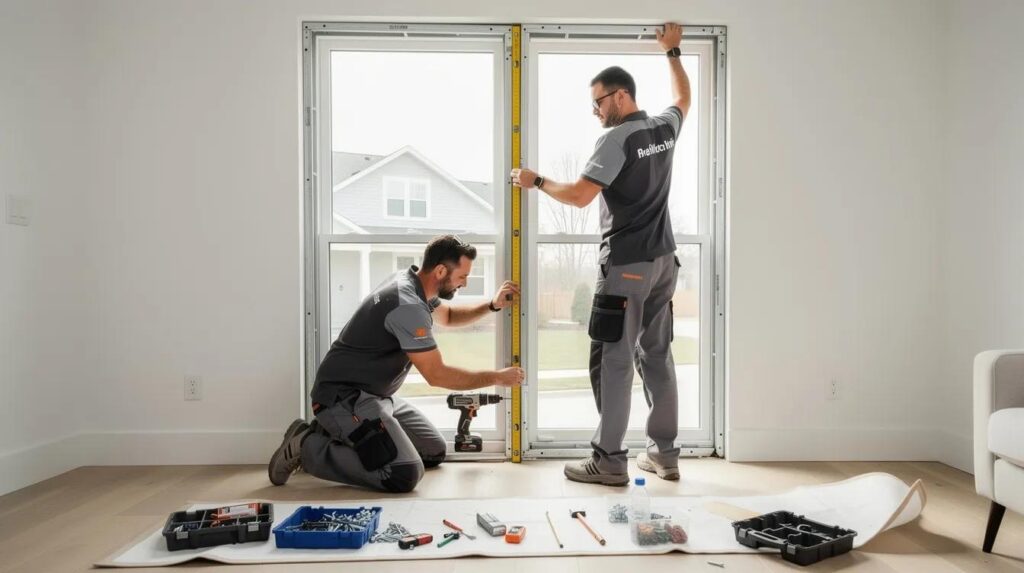
Bulletproof windows can often be installed in existing homes, but the feasibility depends on the existing frame system, the size of the opening, and the level of protection required. The installation of bulletproof windows typically requires accurate rough opening measurements before production, as they are made-to-measure, and many owners also evaluate bulletproof glass options and retrofit overglazing systems as part of the design process.
Installation approaches include:
- Full replacement systems: New frames, sashes, and glass
- Retrofit insert systems: Ballistic units within existing rough openings
- Over-glaze panels: Secondary interior barriers for certain projects, including retrofit BulletShield ballistic polycarbonate panels that mount over existing glass
Installing bulletproof windows involves ensuring that the frame is plumb, level, and square, which is crucial for operable, multi-locking windows. Key assessment points include existing frame material (wood, aluminum, vinyl, steel), opening size, structural capacity, and building code constraints.
Heavier glass often requires reinforcing framing, larger hinges, and potentially modifying interior trim or exterior cladding. Structural modifications should be factored into project planning early.
Typical project workflow:
- Site assessment and threat review
- Design and engineering
- Factory fabrication
- Delivery of fully-assembled units
- Installation by qualified local contractor
Our team coordinates with local installers nationwide, providing detailed shop drawings, anchoring plans, and installation support.
Cost of Bulletproof Glass Windows
Ballistic glazing costs significantly more than standard residential windows, but costs vary widely by level, size, and complexity. The cost of bulletproof windows ranges from $350 to $800+ per square foot, depending on factors such as the level of protection required, the design complexity, and whether the window is operable or fixed.
Realistic 2024–2026 pricing:
| Protection Level | Cost Range (per sq ft installed) |
|---|---|
| Levels 1–3 (Handgun) | $350–$800+ |
| Levels 4–8 (Rifle) | $500+ (glass only); full systems higher |
| For example, a 36” x 60” bulletproof window rated at UL Level 1 (stopping 9mm rounds) may cost around $5,500, while the same size window rated at UL Level 8 (for military rifles) could exceed $14,000. |
Total project cost examples:
- Small targeted upgrade (safe room or front entry): Installation costs for bulletproof windows can start from $7,000 to $10,000 for small systems
- Mid-size systems: May range from $15,000 to $25,000, influenced by the number of windows and installation provider
- Whole façade or entire house: $25,000–$75,000+ depending on scope
Key cost drivers include UL 752 level, glass thickness and type, operable versus fixed configuration, custom shapes, frame material, hardware specification, structural modifications required, and regional labor rates.
We recommend approaching projects as targeted security investments—protecting the most vulnerable openings first—rather than blanket replacement of every window. Our company provides preliminary budget estimates from plans or photos, refined after site assessment and engineering review. The bulletproof glass cost represents a significant investment, but one that provides measurable security value.
Maintenance, Lifespan & Performance Over Time
Ballistic glazing is engineered for long-term durability but requires periodic inspection and maintenance for continued safety.
Service life expectations: With proper care and UV protection, many systems perform effectively for 15–25 years. Bulletproof windows require regular inspections and repairs to maintain their effectiveness, as environmental factors can degrade the materials over time.
UV rays can break down the protective layers of bulletproof windows, necessitating replacement every 20 years to ensure continued safety and effectiveness. This is particularly important for windows with polycarbonate components exposed to direct sunlight.
Basic care requirements:
- Use non-abrasive cleaners and soft cloths
- Avoid harsh chemicals and razor blades on polycarbonate surfaces
- Specialized cleaning solutions are recommended for bulletproof windows to preserve their integrity
- Inspect seals, frames, and hardware annually for wear or water intrusion
Any impact damage, deep scratches, or suspicious delamination should be evaluated by a specialist to confirm continued ballistic integrity. Schedule professional inspections every 3–5 years, especially for safe room windows and higher-level installations.
Alternatives & Complementary Security Measures
Bullet resistant windows work best as part of a layered security strategy, not as a standalone solution. Physical barriers combined with other security measures create complete security solutions.
Security window film offers a lower-cost option, and purpose-designed ballistic window film systems can significantly delay intruder entry even though they are not truly bulletproof:
- Thicker films (8–21 mil) delay forced entry and hold shattered glass together
- Does not stop bullets—useful where full ballistic systems aren’t feasible
- Provides forced entry resistance for lower-priority openings
Complementary measures include: high-performance polycarbonate glass security systems for doors and ground-floor glazing, combined with other physical and electronic upgrades:
- Reinforced doors with ballistic glass vision panels
- Upgraded locks and multi-point locking systems
- Alarm systems and existing security cameras, paired with professionally designed bulletproof windows and doors
- Exterior lighting, fencing, and access control
- AI-enhanced video surveillance and gun detection systems, working alongside integrated glass security and security window film solutions
A well-designed perimeter and early-warning systems can reduce the level of ballistic protection needed at individual windows, optimizing cost and effectiveness. Traditional measures like fencing and lighting remain valuable components of total security solutions, and understanding the real capabilities of so‑called shatterproof or unbreakable glass helps set realistic expectations for each layer.
Our company works with security consultants to align window upgrades with broader residential or commercial security plans. The goal is addressing security threats comprehensively while optimizing your investment.
Why Choose Our Business for Bulletproof Glass Windows
We specialize in custom-engineered ballistic window systems for homes and businesses—not off-the-shelf glass that leaves the rest of your security to chance.
What sets us apart:
- Systems approach: We engineer complete assemblies—glass, frame, hardware, and anchoring—to ensure no weak points
- Full UL 752 expertise: Experience across Levels 1–8 for both residential and commercial projects
- Design integration: Ballistic protection that enhances architecture rather than compromising it
- Threat-informed recommendations: We help you select appropriate levels without overselling
Services we provide:
- Risk assessment and realistic protection recommendations
- Detailed design assistance for architects, builders, and homeowners
- Nationwide shipping of pre-assembled units
- Coordination with vetted local installers
Our systems meet current ballistic and forced entry standards using globally recognized components. From initial consultation through installation, we maintain clear communication and provide post-installation guidance on operation, maintenance, and future upgrades.
Contact us for a no-obligation consultation. Share your project details—location, desired protection level, and photos or plans—and we’ll provide preliminary guidance on scope and budget.
Frequently Asked Questions About Bulletproof Glass Windows
This FAQ addresses common questions from homeowners and business owners exploring ballistic windows for the first time.
Can bulletproof windows be installed in my existing house?
Yes, in many cases. Bulletproof windows can often be installed in existing homes, but feasibility depends on the existing frame system, opening size, and required protection level. Full frame replacement may be necessary for higher ballistic levels or inadequate existing framing.
Do bullet-resistant windows look different from regular windows?
Modern solutions closely match standard units in appearance and light transmission. Most standard school windows and residential windows can be replicated in ballistic construction, including historic patterns and contemporary styles.
How much does bulletproof glass cost per square foot in 2024–2026?
Expect $350–$800+ per square foot for handgun-rated systems (Levels 1–3). Is bulletproof glass worth the investment? For properties facing genuine security needs or security threats, the protection justifies the cost.
How often should bulletproof windows be replaced?
Plan for 15–20+ years of service life with proper maintenance. UV exposure, environmental conditions, and any impact events can shorten this timeline. Professional inspections every 3–5 years help monitor condition.
Are bulletproof windows only for luxury homes or high-risk businesses?
No. They’re appropriate wherever risk, exposure, and budget align—from urban street-facing homes to retail locations to armored vehicles. The decision depends on threat assessment, not property value alone.
Will bullet-resistant windows stop every kind of gun?
No. Each UL 752 level stops specific bullet threats. Level 1 stops 9mm rounds; higher levels address more powerful firearms. Selecting the proper level for anticipated threats is essential—no system is completely impervious to all weapons.
Have additional questions? Contact our team with project-specific details, and we’ll provide guidance tailored to your situation.