When summer sun turns your living room into a greenhouse, the culprit is usually obvious—your windows. These glass surfaces silently let heat pour in, pushing your air conditioning into overdrive and your energy bills through the roof. Heat reflectors for windows offer a surprisingly simple fix, blocking the infrared energy responsible for that uncomfortable warmth while keeping your views and natural daylight intact.
Table of Contents
- What are heat reflectors for windows? — Basic definition and key benefits for controlling solar heat gain through glass.
- How heat-reflective window films actually work — Simple technical explanation covering infrared, UV, coatings, and placement on glass.
- Summer comfort: immediately noticeable benefits — How quickly rooms feel cooler after installation, with example temperature drops.
- Year-round energy savings and cost impact — Typical percentage savings and payback ranges (10–30% cooling savings, 2–5 year payback).
- Types of heat reflectors for windows — Films, double aluminium foil panels, and insulated shades as distinct options.
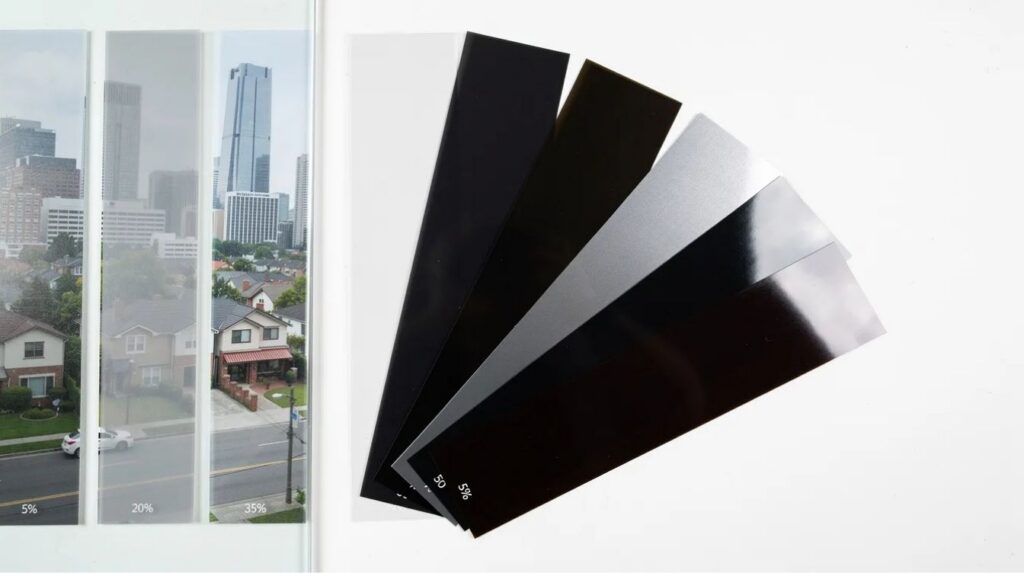
- Performance Ratings: How to Read the Numbers — Performance labels can seem confusing, but they’re essential for comparing high quality window films.
- UV, Glare Control, and Privacy Benefits — UV protection and glare reduction are often equally important as heat control.
- Choosing the right solution for your home or office — Comparing solutions by climate, glazing type, and privacy needs.
- Installation: DIY vs professional — Some products are suction-cup DIY; others require trained window film technicians.
- FAQ — Concise Q&A on lifespan, safety, rental properties, and more.
What Are Heat Reflectors for Windows?
Heat reflectors for windows are products—including films, reflective panels, and special coatings—designed to reflect a large portion of the sun’s infrared energy before it heats up your room. Unlike heavy curtains or blinds that sacrifice natural light, these solutions aim to maintain clear visibility and natural daylight while cutting excessive heat, glare, and UV damage.
- In typical homes and offices, windows account for about 30% of the energy used to heat or cool a space, making them a critical area for temperature control improvements.
- Modern heat reflectors work on single pane, double-glazed, and even triple pane windows, including conservatories and sunrooms built after 2000.
- Three main categories exist: adhesive or static-cling window film options, removable reflective foil panels, and high-performance solar control coatings applied by professionals.
- The rest of this article focuses primarily on window films and reflective foil panels—the most accessible and cost effective options for most homeowners.
How Heat-Reflective Window Films Work
Understanding the technology behind heat control window film helps you compare products and choose wisely. The science is straightforward once you know what to look for.
- Heat-reflective window films are thin polyester laminates (typically 50–100 microns thick) embedded with microscopic metallic, ceramic, or nano coatings that interact with solar energy.
- These films can block up to 90-98% of infrared light—the wavelengths responsible for heat—while letting visible light pass through for natural daylight.
- Solar window films can block up to 70-80% of solar heat gain, significantly lowering indoor temperatures without making rooms feel dark.
- Most residential films apply to the inner glass surface, while exterior-grade films suit high-heat environments like south-facing facades, stopping heat before it enters the glazing unit.
- Unlike blinds or curtains, films are “always on”—once installed, they continually manage the sun’s heat, glare, and uv rays without daily adjustment.

Summer Comfort: How Heat Reflectors Change Indoor Temperature
The impact of heat reflective window solutions becomes obvious almost immediately. On hot summer days, rooms with large west-facing windows can easily exceed outdoor temperature by 3–5°C—a problem that disappears once protection is in place.
- Heat-reflective window films can reduce indoor temperatures by 8–12°C and lower cooling costs by approximately 25% in residential settings.
- In commercial settings, applying reflective window film can lead to a temperature drop of up to 10°C during peak summer hours, resulting in approximately 30% energy savings.
- This heat reduction often means comfortable thermostat setpoints of 24–26°C instead of 21–22°C, directly cutting AC runtime during summer months.
- Reflective foil panels and double aluminium insulation foils work especially well for sunrooms or spaces occupied only part of the day during heatwaves.
- Beyond temperature control, users report fewer hot spots near glass, less stuffiness on upper floors, and more uniform indoor comfort across the space.
Example: A west-facing living room overheating to 30°C on sunny afternoons can drop to 24–25°C after film installation—noticeable from the first sunny day.
Energy Efficiency and Cost Savings
Improved comfort translates directly to lower energy bills. It is estimated that about 30% of the energy used to heat or cool a home escapes through its windows, and adding reflective window film can significantly reduce this energy loss.
- Homes with reflective window films can lower cooling costs by up to 30%, with some high-performance films rejecting up to 78% of the sun’s energy.
- High-performance solar control films typically reduce cooling energy use by 10–30% in warm and mixed climates when applied to key sun-exposed windows.
- Concrete example: For a small office with annual cooling costs of $1,000, a 20% reduction from film installation saves about $200 per year.
- Commercial case studies report total building energy reductions around 10–15% after large-scale film retrofits, especially on curtain-wall glass from the 1980s–2000s.
- Low-E reflective films can reduce heat loss through windows by up to 10-40% in the winter, slowing nighttime energy loss and reducing cold spots near glass during colder months.
- Typical payback periods: residential installations often recover costs in 3–5 years; high-use commercial properties may see 2–4 year paybacks.
- Consider your local energy prices, climate zone, and occupancy hours when estimating savings—the benefits compound in hot climates with heavy cooling loads, reducing carbon emissions over time.
Types of Heat Reflectors for Windows
Several types of heat reflector products exist, each suited to different environments and performance requirements. Understanding the categories helps match the right film to your specific needs.
Heat-Reflective Window Films
- Traditional Reflective: Mirror-like surface, reflects up to 82% of heat, strong daytime privacy, 20–35% visible light transmission
- Dual-Reflective: Darker outside, clearer inside view, 46–80% glare reduction, good for offices
- Ceramic: Uses nano-ceramic technology to block infrared heat without a mirrored appearance—ideal when aesthetics matter
- Spectrally Selective: High visible light (50–70% VLT) with 90–98% infrared rejection, perfect for living rooms wanting brightness without heat
Double Aluminium Insulation Foil Panels
- Roll-based foils with pearl cotton cores (~6mm thick), cut to size and fixed using suction cups
- Block 70–80% of solar heat, fully removable for seasonal use
- Suitable for conservatories, sunrooms, or rental properties
Static-Cling and Removable Films
- No adhesive residue, easy removal, renter-friendly
- Lower durability (50–60% heat rejection) but ideal for short-term use
Specialized Commercial Coatings
- Exterior solar screens can block over 80% of solar heat gain before it reaches the glass, often more effective than interior solutions
- Reflective solar control films use a metallic layer that reflects a large portion of solar heat, making them suitable for offices and commercial buildings
- Tinted glass films absorb a portion of solar heat while reducing brightness and glare, ideal for living rooms and home offices
Performance Ratings: How to Read the Numbers
Performance labels can seem confusing, but they’re essential for comparing high quality window films. Here’s what each metric means:
| Metric | What It Measures | Target Range |
|---|---|---|
| TSER | Total Solar Energy Rejection—overall heat blocking | 60–82% for strong control |
| VLT | Visible Light Transmission—daylight passing through | 20–70% depending on brightness goals |
| SHGC | Solar Heat Gain Coefficient—lower = less heat entry | 0.25–0.50 post-film |
| UV Rejection | Harmful ultraviolet rays blocked | >99% standard |
- Total Solar Energy Rejection (TSER) refers to a film’s overall performance in blocking heat, light, and UV, with higher percentages indicating better performance.
- Visible Light Transmission (VLT) is a measure of how much natural light passes through a film, with higher values indicating more light transmission.
- Solar Heat Gain Coefficient (SHGC) indicates a film’s effectiveness in blocking heat, with lower values being better.
- Reflective window films can block up to 82% of heat and advanced spectrally selective types can reject up to 90–98% of infrared light, significantly improving indoor comfort while maintaining visibility.
Worked example: Choosing between a dark 25% VLT reflective film (82% TSER, high privacy, suited for media rooms) versus a 60% VLT spectrally selective film (70% TSER, bright interiors, ideal for living areas) depends on whether you prioritize heat rejection or natural daylight.
UV, Glare Control, and Privacy Benefits
UV protection and glare reduction are often equally important as heat control—and modern films deliver on all three fronts.
- High-quality heat-reflective window films can block over 99% of both UVA and UVB rays, and polycarbonate UV protective window coatings and panels offer similar shielding while adding impact resistance, providing significant protection against harmful UV rays that damage skin and interiors.
- By blocking harmful UV rays, window films help protect furnishings, carpets, floor surfaces, furniture, and artwork from fading, extending their lifespan—wood floors fade 50% slower with protection.
- Heat-reflective window films help reduce glare, making indoor spaces more comfortable for reading, working on screens, or watching television without closing blinds or curtains.
- Dual-reflective and mirror-like films provide strong daytime privacy by reflecting outside sunlight while maintaining good views from inside looking out.
- Privacy effect diminishes at night when interior lights are on—most users still want blinds for bedrooms and bathrooms after dark.
- Clear spectrally selective films mainly offer UV and heat control with minimal appearance change, ideal for retail shopfronts requiring clear visibility of merchandise.
Choosing the Right Heat Reflector for Your Space
The “best” option varies by climate, glass type, and how each room is used. Use this checklist to narrow your choices:
- Assess window orientation: South and west-facing windows benefit most from maximum heat rejection; east-facing may need morning glare control; north-facing is often lower priority.
- Check glass type: Single pane glass accepts most films; double-glazed and Low-E units need compatible films to avoid thermal stress—professional advice recommended.
- Match goals to film type:
- Maximum heat reduction → reflective or ceramic films
- Preserve daylight and views → spectrally selective with high VLT
- Increase daytime privacy → dual-reflective or mirror films
- Renter-friendly/removable → static-cling films or foil panels
- Conservatories and sunrooms: For significant glazing built after 2000, consider external-grade films or removable reflective panels to prevent heat build up between panes, and pair them with appropriate hurricane window protection options if you live in storm-prone regions.
- Room-specific guidance: Lighter, high-VLT films suit main living areas where brightness matters; more tinted or reflective options work better for bedrooms, media rooms, and offices where glare and privacy are priorities.
- Building regulations: Check warranties on double and triple pane windows—incorrect film choices could affect manufacturer coverage.
Installation: DIY vs Professional Application
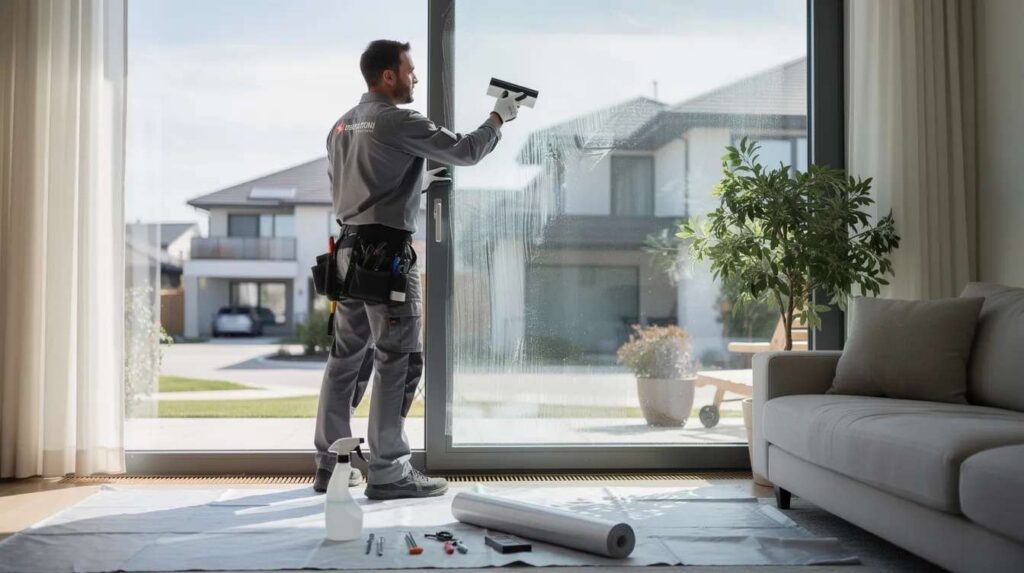
Proper installation strongly affects both performance and appearance. The right approach depends on your windows and comfort level with DIY projects.
DIY-Friendly Options
- Static-cling films and suction-cup double aluminium foil panels suit smaller windows, rented properties, and temporary use, and homeowners in and around Cleveland can request local guidance and estimates for commercial and residential window safety glazing.
- Basic steps: clean glass thoroughly, cut material slightly oversized, apply with soapy water (for films), squeegee bubbles toward edges, trim to fit.
- Best for single rooms or renters testing the idea before committing to permanent installation, while property owners in the Dallas area can explore commercial and residential window security glazing services for longer-term solutions.
Professional Application
- Adhesive-based solar control films on large panes, high windows, or multi-story buildings require professional installers with proper tools and safety equipment; similarly, upgrading to bulletproof security glazing for windows and doors calls for trained specialists.
- Professionals advise on film compatibility with your specific glass type, local climate, and building orientation—reducing thermal stress or warranty issues, and they can also recommend security window film and reinforced glazing solutions when impact protection is a priority.
- Professionally applied films often include 7–15 year product and labor warranties depending on manufacturer and film grade.
- Timeline: A typical three-bedroom house with 10–15 key windows can usually be completed in one working day by a trained two-person crew.
Care, Maintenance, and Longevity
Quality heat-reflective films require minimal maintenance once installed—far less effort than managing curtains or exterior screens seasonally.
- High quality window films typically last 10–15 years on interior glass; exterior-grade films have somewhat shorter lifespans due to weather exposure.
- After installation, films need a curing period (7–30 days depending on climate) before reaching full clarity and adhesion.
- Clean only with soft, non-abrasive cloths and mild, ammonia-free glass cleaners to protect the surface.
- Avoid razor blades, harsh scrubbing pads, or highly alkaline cleaners directly on filmed surfaces.
- Double aluminium foil panels can be removed seasonally, stored rolled (kept dry and crease-free), and reinstalled—suitable for homes wanting winter sunlight, and in places like Fairfax you can combine these with impact resistant window security and safety glazing for added protection.
- Signs of aging: edge lifting, discoloration, or bubbling indicate replacement is advisable to maintain heat rejection performance; if you are in the Memphis area, this may be a good time to look into commercial and residential security window glazing upgrades.
FAQs About Heat Reflectors for Windows
Do heat-reflective window films make my rooms too dark? Not necessarily. With visible light transmission options ranging from 20–70%, you can choose high-VLT spectrally selective films that block heat while preserving natural light and brightness.
Can I use heat-reflective film on double-glazed or Low-E windows? Compatibility depends on glass type. Some films aren’t suitable for certain insulated units. Professional assessment is recommended to avoid thermal stress or seal damage.
Will window films damage my windows or seals? Reputable products installed correctly are designed to work safely with most modern glazing. Quality installation by trained technicians minimizes any risk.
Are heat-reflective films suitable for rental properties? Yes—static-cling films and removable foil panels leave no adhesive residue, making them landlord-friendly and easy to remove when you move.
How long do heat reflectors for windows last? Quality films typically last 10–15 years on interior glass. Budget products and exterior applications may have shorter lifespans of 5–10 years.
Can I still open and clean my windows normally? Most installations don’t affect window operation. Cleaning routines change only slightly—switch to ammonia-free cleaners and soft cloths.
Do these products work in winter too? Heat-reflective films can help maintain a stable indoor temperature during winter by reflecting heat back into the room, reducing cold spots near windows and providing modest heat loss reduction.
How quickly will I notice a difference? Temperature and glare improvements are usually obvious on the first sunny day after installation—rooms feel noticeably cooler and more comfortable immediately.
Heat reflectors for windows deliver one of the most practical, cost effective upgrades for indoor comfort and energy efficiency. Whether you start with a DIY static-cling film on your hottest window or invest in professional installation throughout your house, the difference in temperature, glare, and energy bills becomes apparent almost immediately. Assess your sunniest, most problematic windows first—the rest of your home will thank you.