If you’re researching bulletproof glass prices, you’ve probably noticed the numbers are all over the map. That’s because bullet resistant glass isn’t a single product—it’s an entire category spanning lightweight acrylic barriers to heavy-duty rifle-stopping systems. This guide cuts through the confusion with real 2026 pricing data, concrete examples, and practical advice so you can budget accurately before requesting a quote.
Table of Contents
Use the links below to jump directly to the pricing information most relevant to your project:
- How Much Is Bulletproof Glass? (Quick Answer)
- What Is Bulletproof (Ballistic) Glass & Where Is It Used?
- Average Bulletproof Glass Cost by Type
- System-Level Pricing: Small, Mid-Size & High-End Setups
- Key Factors That Affect Bulletproof Glass Cost
- Bulletproof Glass vs. Security Window Film & Other Options
- Why Choose Our Team for Your Bulletproof Glass Project?
- FAQs About Bulletproof Glass Costs
How Much Is Bulletproof Glass? (Quick Answer First)
The cost of bulletproof glass typically ranges from $30 to $500+ per square foot, depending on the protection level and material type. Most commercial projects land between $90 and $250 per square foot installed.
For complete systems rather than raw materials, here’s what to expect:
- Small cashier or ticket-window systems usually start around $7,000–$10,000 installed
- Mid-size storefront or lobby projects often cost $15,000–$25,000+ depending on layout and configuration
- High-end integrated systems for government buildings or critical infrastructure start at $50,000 and can reach six figures
Your actual costs depend on three main factors: threat level (handgun vs. rifle protection), material choice (acrylic, laminated glass, or glass clad polycarbonate), and how much structural work your building needs to support the heavier glass.
The sections below break down typical price ranges by material, system size, and use case so you can estimate a realistic budget. All prices reflect 2024–2026 North American industry averages and may vary slightly by region.
What Is Bulletproof (Ballistic) Glass & Where Is It Used?
Bulletproof glass, also known as ballistic glass, is designed to slow down or stop bullets by using multiple layers of glass and polycarbonate materials that absorb and spread the force of a bullet upon impact. These engineered barriers are typically tested to standards like UL 752, which rates protection from Level 1 (basic handgun) through Level 8 (high-powered rifles).
How it works mechanically:
- The outer strike-face layer (usually glass) blunts and deforms the incoming projectile
- Inner layers of polycarbonate or polyvinyl butyral (PVB) flex to capture fragments and disperse energy
- Controlled cracking occurs on the attack side while the interior surface remains intact, preventing dangerous spalling
Common applications include:
- Gas stations and convenience stores with transaction windows
- Bank and credit union counters
- School entry vestibules and reception areas
- Municipal payment windows and court buildings
- Police stations and government facilities
- High-end residential safe rooms
The effectiveness of bulletproof glass varies based on its thickness and composition, as well as the type of ammunition it is designed to withstand; no material is completely impervious to all ballistic threats. That’s why “bullet resistant” or “ballistic glazing” is technically more accurate than “bulletproof”—every system has rated limits.
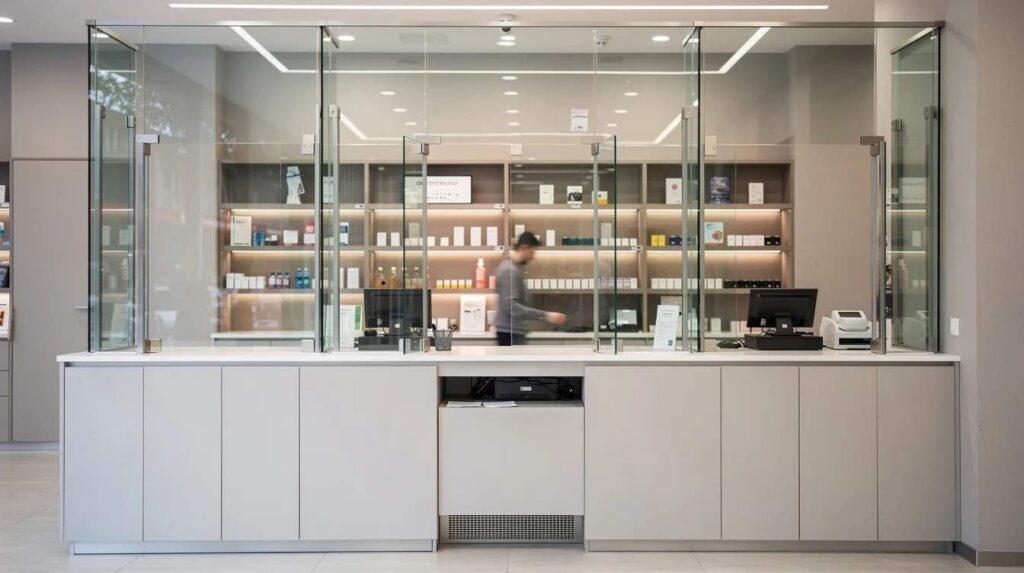
Average Bulletproof Glass Cost by Type (Per Square Foot)
This section provides ballpark 2026 price ranges per square foot for the main categories of ballistic glazing. Note that these are material-only estimates—installed system costs are covered in the next section.
The four main types of bulletproof glass fall into distinct price bands:
- Entry-level acrylic and polycarbonate: ~$30–$100 per sq ft
- Mid-range laminated glass and composites: ~$90–$150 per sq ft
- High-security glass-clad polycarbonate: ~$180–$350+ per sq ft
- Premium rifle-resistant systems: Up to $500+ per sq ft
Actual pricing varies with thickness, UL 752 rating level, and order quantity. Let’s break down each tier.
Entry-Level Acrylic & Basic Polycarbonate — ~$30–$100 per sq ft
Budget-friendly acrylic and light polycarbonate panels designed for handgun-level threats typically run from about $30 to $100 per square foot in 2026. Acrylic is the most budget-friendly bulletproof glass option, costing approximately $40–$55 per sq. ft. for basic configurations.
Key characteristics of this tier:
- Panels at the lower end are thinner (19–25mm) and suited for low-risk indoor reception barriers, kiosks, and ticket windows
- Higher-end options within this band carry UL 752 Level 1–2 ratings appropriate for small retail counters and convenience stores facing basic handgun risks
- Acrylic weighs about 50% less than equivalent glass systems, reducing retrofit complexity
- Acrylic and polycarbonate panels are lightweight, budget-friendly options that provide protection against low-caliber handguns, making them suitable for small businesses and indoor barriers
These materials are easier to retrofit into existing frames, which helps control both material cost and installation costs. However, acrylic is prone to scratching without hard-coatings and typically offers single-hit protection rather than multi-hit capability compared with other bullet-resistant materials ranked by performance.
Mid-Range Laminated & Composite Systems — ~$90–$150 per sq ft
Laminated glass systems and stronger polycarbonate composites fall between $90 and $150 per square foot, depending on thickness and rating. Mid-range bulletproof glass includes laminated glass systems or stronger polycarbonate composites suitable for schools, banks, and storefronts.
This tier serves a wide range of facilities that often rely on bullet resistant transaction windows as part of their security strategy:
- Banks and credit unions
- Pharmacies and dispensaries
- School vestibules and main entrances
- Municipal revenue offices
- Higher-traffic corporate reception areas
Laminated glass systems consist of multiple layers of glass bonded with tough interlayers, offering mid-level ballistic protection and commonly used in banks and schools. These systems commonly target UL 752 Level 1–3 handgun protection while maintaining up to 85% light transmission for optical clarity.
Polycarbonate composite systems are made from layered plastic materials that flex instead of shatter, providing higher abuse resistance and are ideal for security booths and transit stations. This range often becomes the “sweet spot” for commercial and institutional projects, balancing cost, appearance, and reliable bullet resistance.
High-Security Ballistic Glazing — ~$180–$350+ per sq ft
Basic bulletproof glass systems designed for low-threat environments can cost around $30–100 per square foot, while high-security options can reach $180–350+ per square foot. Thicker multi-layer glass-polycarbonate constructions designed for higher handgun levels and some rifle threats occupy this price tier.
Buildings using this level of protection include:
- Courthouses and police stations
- Cash-counting rooms
- Jewelry and pawn shops
- Critical infrastructure control rooms
- Secure reception areas for utility operators
Increased thickness (50–75mm) and multiple interlayers add significant weight, requiring upgraded framing and hardware. Impact and forced entry resistance are superior in this class, making it attractive for sites worried about sustained attacks or prolonged assault attempts. This tier typically covers UL 752 Levels 3–5 and some specialized multi-hit specifications.
Premium Rifle-Resistant Glass-Clad Polycarbonate — Up to ~$500+ per sq ft
Glass-clad polycarbonate (GCP) combines layers of glass with polycarbonate to create a thick barrier capable of stopping rifle rounds and is often used in high-threat environments like government facilities. These systems engineered to stop multiple rifle rounds (UL 752 Level 6–8) can reach $400–$500+ per square foot in 2026.
Premium rifle-resistant glazing is top-tier and used for embassies, armored vehicles, and critical infrastructure, but some projects may instead choose alternative bulletproof glass systems and overglazing to balance cost and protection. Specific applications include:
- Federal and state government buildings
- Embassies and consulates
- Data centers and military facilities
- Armored vehicles (window sets alone cost $10,000–$54,000)
- Ultra-secure luxury residences
This glazing combines a hard glass strike face with energy-absorbing polycarbonate, maintaining clarity while withstanding repeated high-energy impacts. Lead times are longer with this tier—often months—due to autoclave bonding and fabrication complexity. Buyers should plan projects well in advance.
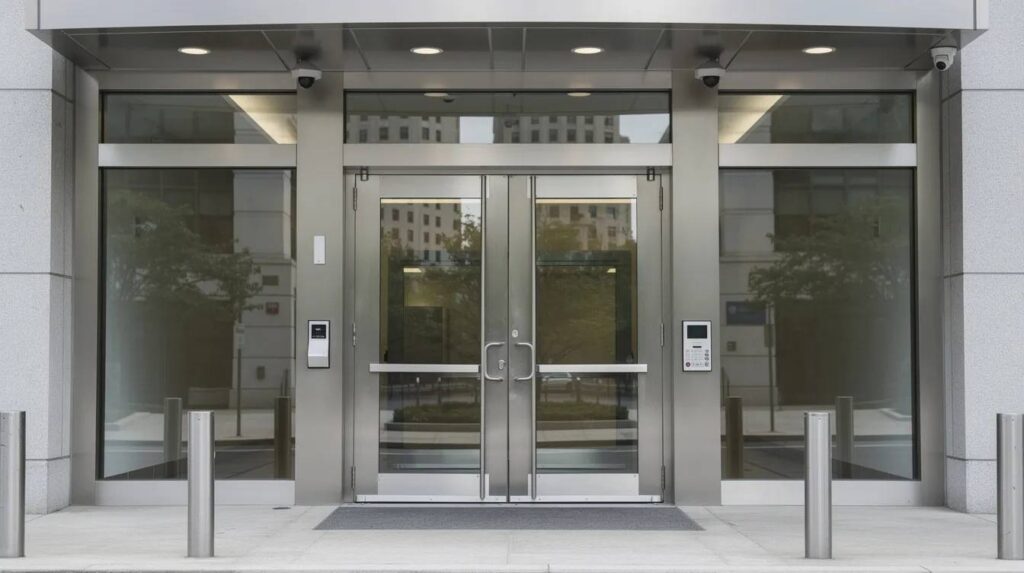
System-Level Pricing: Small, Mid-Size & High-End Bulletproof Setups
Per-square-foot prices don’t tell the whole story. Total cost for bulletproof systems includes reinforced framing, doors, hardware, transaction units, and installation labor. Material cost typically represents only 40–60% of the final price.
Installation costs for bulletproof glass systems can add significantly to the total project cost, with small systems starting from $7,000 to $10,000 and mid-size systems ranging from $15,000 to $25,000. Let’s examine what each tier includes.
Small Bulletproof Systems (Ticket Windows, Cashier Counters) — ~$7,000–$12,000+
Compact small bulletproof systems for gas stations, lotto counters, ticket booths, and small municipal payment windows typically start around $7,000 and can reach $12,000+ installed.
Common components include:
- A single ballistic transaction window (often Level 1–2)
- Speak-through or intercom system
- Deal tray or package passer
- Basic aluminum framing
These small systems usually cover 10–30 square feet of glass, so material cost is only part of the total cost. Custom fabrication, hardware upgrades, and on-site labor make up the rest. Overnight or off-hours installation often adds a small premium (10–15%) but minimizes operational downtime for 24/7 businesses like convenience stores.
This tier is ideal for owners wanting meaningful ballistic protection in small retail settings without fully enclosing their space, especially when combined with storefront security solutions for glass doors and windows to deter smash-and-grab attacks.
Mid-Size Bullet-Resistant Barrier Systems — ~$15,000–$30,000+
Mid size systems for larger convenience stores, banks, dispensaries, and multi-window reception areas usually range from $15,000 to $30,000+ depending on configuration.
Typical scope includes:
- Enclosure of one or more registers or service desks
- Multiple transaction windows with speak-throughs
- Integrated ballistic fiberglass below counters
- Lockable ballistic doors with controlled access
- Replacement of standard exterior windows with ballistic units in weather-resistant frames
Additional costs in this tier often include electrical work for buzzers and keypads, data pass-throughs, and custom millwork or branding. This is the most common tier for multi-location retail operators standardizing security measures across stores.
High-End Integrated Bulletproof Systems — $50,000+ and Up
Fully integrated high-end bulletproof systems for corporate headquarters, government buildings, or critical infrastructure often start around $50,000 and run into six figures.
Components typically include:
- Floor-to-ceiling ballistic glass entry lobbies
- Armored vestibules with physical barriers
- Ballistic wall panels and secure doors
- Custom architectural framing
- Integration with ai surveillance systems and access control
These projects encompass dozens to hundreds of square feet of glass and require coordination with architects, engineers, and local code officials. While material cost per square foot still ranges from $150–$500+ depending on rating, design and installation complexity are the major cost drivers.
Owners in this category should expect multi-week or multi-month project timelines from design to final commissioning. Most standard school windows cannot simply be swapped out—comprehensive structural modifications are typically required.
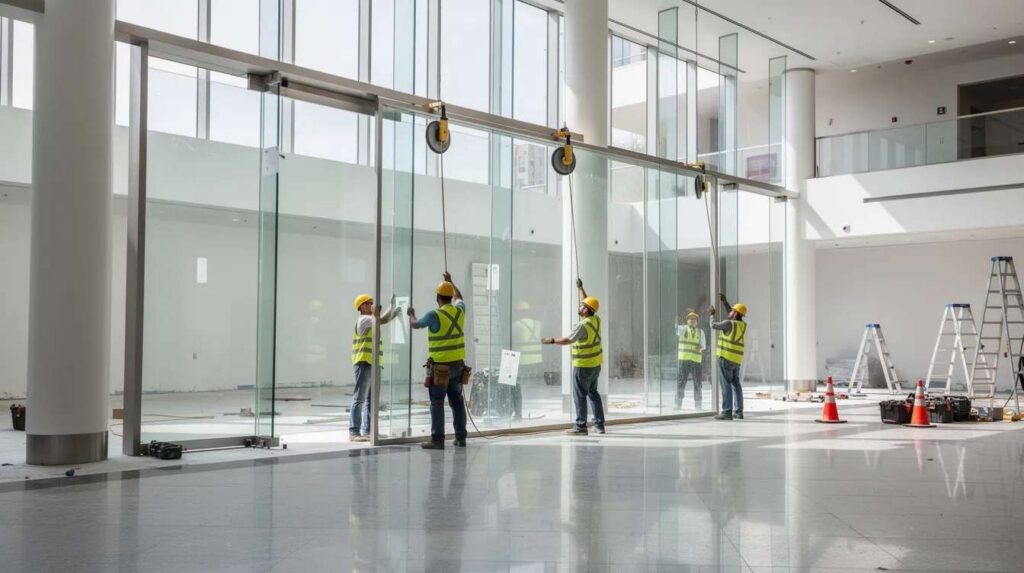
Key Factors That Affect Bulletproof Glass Cost
Two projects of the same size can have dramatically different prices due to ratings, materials, structure, and customization options. Understanding these factors helps buyers prioritize where to spend for maximum protection and value.
Ballistic Rating & Threat Level
Higher UL 752 levels require thicker, more complex glazing stacks and therefore cost more. Higher ballistic ratings require thicker, complex layers that increase manufacturing costs.
- Moving from Level 1 handgun protection to Level 6 rifle protection can double or triple material cost per square foot
- Level 1 material might cost $40/sq ft while Level 6 reaches $300+/sq ft
- Insurers and regulators may reference specific ratings for certain facility types, influencing required spend
Match your rating to realistic potential threats rather than over-specifying. Urban retail typically needs Level 1–3, not Level 8 rifle protection. Your threat profile should drive the decision.
Material Type & Construction
Material choice directly impacts price across types of bulletproof options:
- Acrylic: Most affordable, lightweight, good for basic protection
- Polycarbonate: Tougher than acrylic, higher price point, excellent impact resistance
- Laminated glass: Traditional glass aesthetics with ballistic performance, mid-range pricing
- Glass-clad polycarbonate: Highest cost, required for rifle resistance and multi-hit performance
Hybrid constructions raise both cost and weight. Optical quality requirements—low distortion for storefronts vs. back-of-house barriers—also influence material type selection. Many facilities mix materials: higher-cost glass where visibility matters, economical panels elsewhere, and retrofit bullet-resistant overglazing systems such as BulletShield on existing windows to upgrade protection without full replacement.
Panel Size, Thickness & Weight
Thicker and larger panels require more raw material and stronger support, directly increasing costs. Bulletproof glass can weigh up to 8 pounds per square foot, necessitating reinforced framing or structural upgrades to buildings.
Practical considerations:
- Oversize lobby windows may require cranes or special handling
- Extra-thick panels for Level 8 rifle protection can weigh several hundred pounds each
- Designers sometimes break large openings into multiple smaller panes to balance aesthetics and handling
- Shipping and logistics rise sharply with heavier glass, especially for remote locations
Early coordination with a ballistic glazing specialist helps right-size panels and avoid unnecessary overbuilding and incur additional costs.
Customization, Geometry & Aesthetics
Custom shapes, curved glass, branding etching, special tints, or integrated blinds increase unit cost and lead times—sometimes by 20–50%.
Cost-adding features include:
- Operable windows, hinged transaction panels, or sliding systems requiring additional hardware
- Acoustic performance enhancements
- Privacy coatings or energy-efficient interlayers
- Non-standard geometries requiring custom fabrication
Prioritize security-critical features first, then layer aesthetic upgrades as budget allows. “Non-standard” almost always means more expensive and slower to deliver.
Installation, Structural Work & Labor
Standard frames cannot hold bulletproof glass; specialized ballistic frames are required and are priced separately. Bulletproof glass installation requires specialized knowledge and skills to ensure proper fitting and structural integrity, as improper installation can compromise its effectiveness.
The installation of bulletproof glass often necessitates structural modifications to support the weight and thickness of the glass, which can include reinforced framing and upgraded hardware. Professional installation of bulletproof glass is critical for efficacy, with labor costs ranging from $75 to $200 per linear foot.
Key installation factors:
- Labor costs can equal or exceed material costs on complex retrofits
- Replacing a standard storefront may involve new mullions, anchoring into masonry or steel, and fire-safety coordination
- After-hours or weekend installations carry a premium but prevent revenue loss
- Proper installation of bulletproof glass is critical, as bonding it to the wrong frame can render it ineffective, highlighting the importance of using qualified professionals for the job
Using an experienced installation provider reduces rework and warranty risk, even if hourly rates are higher.
Maintenance, Warranty & Lifecycle Cost
Bulletproof windows require regular inspections and repairs to maintain their effectiveness, as environmental factors can degrade the materials over time. Most systems last 15–20+ years with proper care.
Lifecycle considerations:
- UV exposure can break down the protective layers of bulletproof glass, necessitating replacement approximately every 20 years
- Specialized cleaning solutions are recommended to preserve the integrity of bulletproof windows and ensure they continue to function effectively
- Non-abrasive cleaning methods prevent crazing and clouding on polycarbonate surfaces
- Manufacturers often recommend inspection schedules every 5 years
Budget for periodic inspections, hardware adjustments, and potential panel replacement as part of a long-term security plan.
Bulletproof Glass vs. Security Window Film & Other Options
Not every application or budget calls for full ballistic glazing. Shatter-resistant glass and films can improve performance against breakage, and security window film costs $25–$40 per square foot and excels at shatter resistance and delayed forced entry—buying 1–3 minutes against tools—but fails ballistic tests entirely.
Where film makes sense: Facilities may incorporate security window film alongside bulletproof windows and doors as part of a broader glazing strategy.
- Side windows and secondary glazing
- Older buildings with structural requirements that can’t support heavy glass
- Budget-conscious facilities adding layers of protection
- Side entrances where ballistic threats are lower
Where bullet resistant windows are essential:
- Entry vestibules and main entrances
- Cashier positions facing the public
- High-risk fronts at gas stations and retail counters
- Any location where you need to stop bullets
Other security measures like intrusion-resistant doors, metal detectors, access control, and surveillance systems should work in combination with ballistic glazing rather than in isolation, especially for sensitive facilities such as churches using bullet-resistant glass security solutions. Integrated bulletproof windows and doors with security glazing help create a layered defense around critical entry points. Bulletproof glass can provide protection against ballistic threats, but its effectiveness can be compromised by high-caliber firearms or sustained attacks, highlighting the need for a comprehensive security strategy.
Security window film should never be marketed or treated as a true ballistic substitute—it’s a complementary measure, not a replacement, for facilities that need to protect people from gunfire, though purpose-designed ballistic window film systems can significantly delay forced entry.
Why Choose Our Team for Your Bulletproof Glass Project?
We provide end-to-end service from initial consultation through design, fabrication coordination, and professional installation services. Our experience spans commercial buildings, municipal facilities, and school projects across various threat levels.
What sets us apart:
- Right-sized protection: We match UL ratings and materials to your actual risk profile and budget rather than automatically recommending the most expensive options
- Transparent pricing: Our written estimates break out material, framing, and labor so you understand exactly what drives your total cost
- Flexible scheduling: We work off-hours to minimize downtime for 24/7 operations
- Structural expertise: We assess whether your building needs structural upgrades before quoting, preventing surprises mid-project
Share your drawings, photos, or rough dimensions and we’ll provide a ballpark estimate quickly. We follow up with a site visit or virtual walk-through to finalize pricing for your specific security needs.
FAQs About Bulletproof Glass Costs
These frequently asked questions address the most common cost and budgeting concerns buyers have when planning a bulletproof glass project.
How much does bulletproof glass cost per square foot in 2026?
Bulletproof glass cost varies widely based on protection level and material. Budget acrylic runs $30–$100 per square foot, mid-range laminated glass costs $90–$150, high-security glazing reaches $180–$350+, and premium rifle-resistant systems can exceed $500 per square foot. Most commercial projects fall in the $90–$250 range installed.
What is the cheapest way to add bullet resistance to my windows?
The most economical approach combines lower-level acrylic panels (around $40–$55 per square foot) at high-risk positions like cashier counters with security window film on regular glass elsewhere. This selective coverage strategy can deliver meaningful protection at a fraction of full-facility bulletproofing costs, though film alone cannot stop bullets.
How much does it cost to bulletproof a small gas station counter?
Small bulletproof systems for gas station cashier windows typically cost $7,000–$12,000+ installed. This includes a Level 1–2 rated transaction window, speak-through or intercom, deal tray, and basic framing. The exact price depends on window size, material type, and whether installation happens during regular hours or overnight.
Are installation costs usually included in bulletproof glass quotes?
This vary widely by supplier. Some quotes show material-only pricing; others include installation. Our quotes break out materials, framing, structural work, and labor separately so there’s no confusion. Always confirm what’s included before comparing quotes—a lower material price can hide significant installation labor costs.
How long does bulletproof glass last before it needs replacement?
With proper maintenance, bulletproof glass typically lasts 15–20+ years. UV exposure gradually degrades polycarbonate layers, and environmental factors can affect seals and interlayers. Plan for periodic inspections every 5 years and budget for potential replacement around the 20-year mark for maximum protection in critical openings.
Can I retrofit bulletproof glass into my existing frames to save money?
Sometimes. Lightweight acrylic panels (UL Level 1–2) can occasionally fit existing frames if they’re structurally sound. However, standard frames cannot hold bulletproof glass at higher protection levels—the weight and thickness require specialized ballistic frames priced separately. Heavier glass-clad polycarbonate always requires new framing and often structural modifications.
Is bulletproof glass worth the cost for schools and public buildings?
For main entrances and reception areas, yes. Ballistic vestibules create a secure point of entry that can enhance safety and deter potential threats. Full-building bulletproofing is typically impractical at six figures per facility, but protecting key chokepoints offers meaningful security. Many school districts focus on vestibule hardening as their primary upgrade.
How can I get an accurate quote for my building?
Contact us with your dimensions, photos of existing windows and frames, and information about your threat profile and security concerns. We’ll provide an initial estimate, then schedule a site visit or virtual walk-through to assess structural requirements and finalize pricing. The more detail you share upfront, the more accurate your quote will be.
Ready to get started? Request a custom quote or schedule a security walk-through with our team. Share your building photos, dimensions, and security concerns, and we’ll provide a tailored estimate that accounts for your specific protection level, material preferences, and budget constraints.