Your front door is convenient for you—and often convenient for an intruder. This guide explains how tested ballistic doors, reinforced frames, and forced entry protection can turn a vulnerable entrance into a hardened access point without making your property look like a bunker.
Table of Contents
Use this guide to navigate the essentials of entry door ballistic protection, with a focus on front door security against both bullets and physical attacks.
- Understanding Entry Door Ballistic Protection
- How Bullet Resistance is Measured UL 752, NIJ & Other Standards
- Materials and Construction of Bullet Resistant Doors
- Where Entry Door Ballistic Protection Is Used
- Design, Custom Bulletproof Doors & Architectural Integration
- Forced Entry Protection vs. Ballistic Protection
- Selecting the Right Bullet Resistant Door for Your Project
- Installation, Retrofits & Long-Term Maintenance
- Why Choose Our Bullet Resistant Entry Door Solutions
- Frequently Asked Questions About Bullet Resistant Entry Doors
- Conclusion & Next Steps
Understanding Entry Door Ballistic Protection
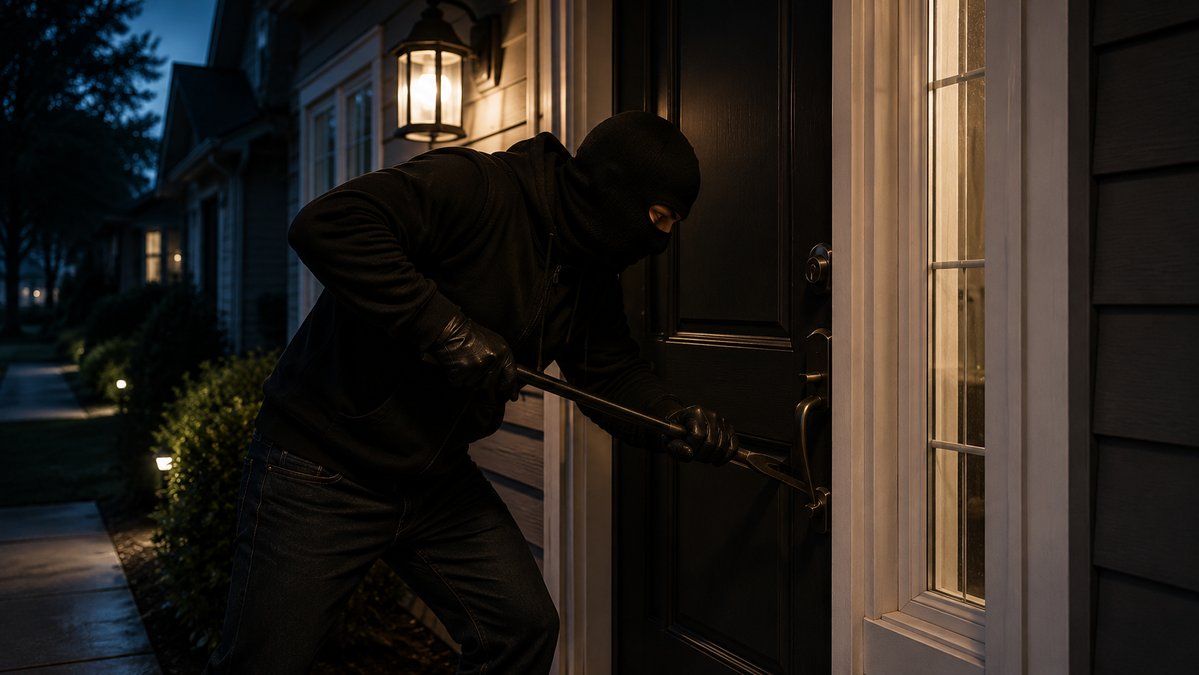
Recent burglary data shows that the front door is used in roughly 30–40% of break ins, and forced entry is common. That makes the entrance the first line of security for homes, retail stores, financial institutions, government buildings, and other government buildings.
In plain terms, entry door ballistic protection means a tested door assembly designed to resist specified ballistic attacks and often delay tool-based intrusion. “Bulletproof doors,” “bullet proof doors,” and “proof doors” are common phrases, but the more accurate term is bullet resistant doors because no door is bullet proof against every weapon.
Modern bullet resistant protection is especially relevant as schools, healthcare institutions, government facilities, and workplaces reassess safety from 2020–2025 active-threat concerns. Ballistic doors provide life safety against direct ballistic threats, and ballistic doors are installed in schools to enhance safety. Healthcare institutions use ballistic doors to protect patients and staff.
Key benefits include:
- bullet resistance against tested firearm rounds
- delayed intrusion during forced entry
- deterrence against opportunistic break ins
- support for security, safety, code, and policy goals
How Bullet Resistance is Measured UL 752, NIJ & Other Standards
Serious bullet resisting equipment is independently tested, not simply “heavy.” Ballistic doors are tested under UL 752 standards, and bullet resistant doors are tested under UL 752 standards. Ballistic entry doors are classified by UL 752 Ballistic Ratings, and UL 752 ratings measure the ballistic resistance of door materials.
UL 752 ratings range from Level 1 to Level 10. UL 752 ratings range from Level 1 to Level 10, with Level 1 doors withstand three shots from a 9 mm handgun. Level 1 doors withstand three shots from a 9 mm handgun, while a Level 3 ballistic door stops at least three .44 Magnum rounds. Level 8 doors resist five hits from a 7.62 mm rifle. Level 8 doors resist five hits from a 7.62 mm rifle.
| Rating range | Typical threat |
|---|---|
| Levels 1–3 | Handguns; Levels 1 through 3 of UL 752 are recommended for residential doors |
| Levels 4–8 | Rifle fire; Levels 4 to 8 are designed for military-grade rifles, including high powered rifles |
| Levels 9–10 | Specialized shotgun or heavier threats |
| NIJ 0108.01 may appear in specs, but UL 752 is the common architectural standard from underwriters laboratories for ballistic doors. Government buildings and highly secure sites may also require U.S. Department of State SD-STD-01.01 Rev G testing. |
- Ballistic resistance measures firearm performance: round type, number of shots, velocity, and distance.
- Forced entry ratings, such as ASTM F3038, measure minutes of resistance against tools, prying, and battering, while ballistic standards like UL 752 and NIJ define specific test levels for firearm threats.
The door leaf, door frame, hinges, lock edge, hinge side, surrounding frame, and wall must work together. Bullet resistant doors can stop projectiles based on their UL rating, but only when the tested assembly is installed correctly.
Materials and Construction of Bullet Resistant Doors
Bullet resistant doors can look like ordinary wood doors or steel doors, but the door core contains reinforced materials. Bullet resistant doors can be made from steel, wood, or composites. Bullet resistant doors are made from steel, wood, and composites. They are available in materials like steel, wood, and ballistic glass.
Common construction includes ballistic steel, cold rolled steel, composite materials, ballistic fiberglass, Kevlar, and other materials layered to deform, absorb, and trap rounds. Ballistic doors can be constructed with ballistic fiberglass panels. Ballistic doors can feature layered ballistic steel and Kevlar. Entry doors with ballistic protection absorb firearm impacts, and ballistic materials prevent deadly shattering or spalling.
A typical Level 3 door weighs between 150 to 200 pounds. Higher-rated armored doors may be steel stiffened and much heavier. Bullet resistant wood doors use laminated wood cores with fiberglass. A wood core can preserve a residential look, while steel skins or aluminum skins serve tougher commercial sites.
Vision panels, sidelights, transoms, and windows use rated glazing, and choosing the right bulletproof glass options for ballistic resistance is critical to match the door assembly’s protection. Acrylic ballistic doors are stronger and lighter than glass, while glass-clad polycarbonate and laminated polycarbonate help maintain visibility. Ballistic doors can be customized with various aesthetic finishes, including veneers, factory paint, and architectural cladding.
Residential front doors usually emphasize appearance, moderate weight, and UL 1–3 protection. Banks, embassies, and control rooms typically use thicker door leaf construction, smaller glass areas, multi-point locks, continuous hinges, and specialized hardware.
Where Entry Door Ballistic Protection Is Used
Different sectors use ballistic doors at entrances where people, assets, or interior areas need protection. The goal is not just to stop bullets; it is to protect occupants and buy time.
Private residences use a high security door for the front door, safe rooms, or a home’s exterior entrance exposed to high risk. Small businesses, pharmacies, and jewelry stores use a security door at street-facing entries to reduce vulnerability. Retail stores increasingly install ballistic doors for security.
Financial institutions use lobby doors, transaction-area doors, and controlled access points. Ballistic doors are used in banks for security. Ballistic doors are commonly used in banks and government facilities. Government facilities commonly utilize ballistic doors for protection, especially at government buildings and public-facing secure buildings.
Critical infrastructure, utilities, data centers, and control rooms use attack resistant entrances for protecting interior areas. Schools, healthcare facilities, and religious institutions use enhanced glazing and door glass security to slow active threats and support lockdown procedures.
Example: a street-facing store with a glass single door may replace the door leaf, frame, glazing, locks, and sidelights with a rated system that resists ballistic threats and forced entry.
Application goals:
- protect occupants and staff
- safeguard cash, records, medicine, and equipment
- deter opportunistic break ins
- meet high security policies
Design, Custom Bulletproof Doors & Architectural Integration
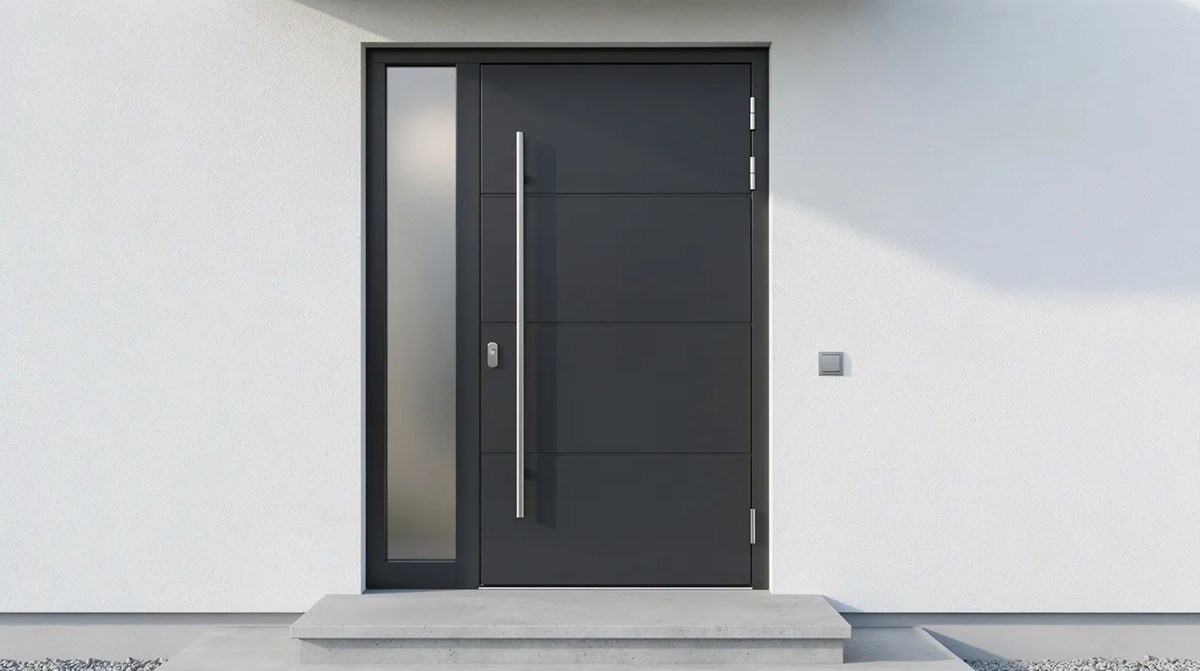
Custom bulletproof doors no longer need to look bunker-like. Many models can match existing millwork, storefront systems, or the building’s aesthetics while adding real ballistic protection.
Options include custom sizes, panel designs, stile-and-rail patterns, wood veneers such as oak or walnut, factory colors, and decorative glass that remains bullet resistant. Sidelights and transoms can be coordinated with ballistic glass to preserve natural light.
Architects can coordinate thresholds, closers, electrified locks, card readers, keypads, and hardware finishes without compromising bulletproof door performance and ratings. For unusual dimensions or a full line specification, contact factory support early.
Mini examples:
- A residence upgrades a colonial-style front door to a Level 2 or Level 3 assembly with wood cladding, reinforced locks, and matching sidelights.
- A bank branch upgrades its entry with steel, access control, limited glazing, and a finish that still feels professional.
Forced Entry Protection vs. Ballistic Protection
Forced entry resistance addresses crowbars, sledgehammers, prying, rams, and physical attacks. Ballistic resistance addresses firearm impacts. One does not automatically prove the other.
Many ballistic doors include reinforced locking mechanisms for security, but certified forced entry performance requires testing, and some facilities opt for forced entry resistant door retrofits to upgrade existing openings. Features may include multi-point locks, anti-pry shields, tamper-resistant cylinders, reinforced strikes, continuous hinges, and hardened hinge side protection.
A heavy steel door is not automatically bullet resistant, and a bullet resistant door is not automatically forced entry-rated. Financial institutions and government facilities often need defined ballistic and forced entry certifications, while homeowners may want balanced break-in resistance and handgun-rated protection.
Do not rely on the door alone. Instead, integrate the door into a comprehensive forced entry protection strategy. Pair it with:
- alarms and cameras
- lighting and access control
- emergency plans and staff training
- reinforced adjacent walls and windows
Selecting the Right Bullet Resistant Door for Your Project
Start with a realistic threat assessment. Are you concerned about handguns, rifle fire, targeted violence, or opportunistic break ins? Is the door for a residence, retail cash area, school vestibule, or critical infrastructure site?
For many homes, Levels 1–3 are the practical range. For banks, cash rooms, military-style threats, and high risk facilities, Level 4–8 assemblies may be required. They are engineered to withstand multiple projectiles without penetration, but heavier ratings affect cost, swing, closer force, and accessibility.
Also review fire resistance, fire ratings, emergency egress, ADA usability, and local code requirements. In many projects, adding bullet resistant UL 752 wall panels around the opening is part of the surrounding construction that a local contractor can help coordinate, but the ballistic assembly should be specified by experienced security professionals.
Total ownership includes:
- door, frame, glazing, and specialized hardware
- installation and structural reinforcement
- maintenance and future replacement of damaged panels
- durability compared with replacing standard doors after incidents
Installation, Retrofits & Long-Term Maintenance
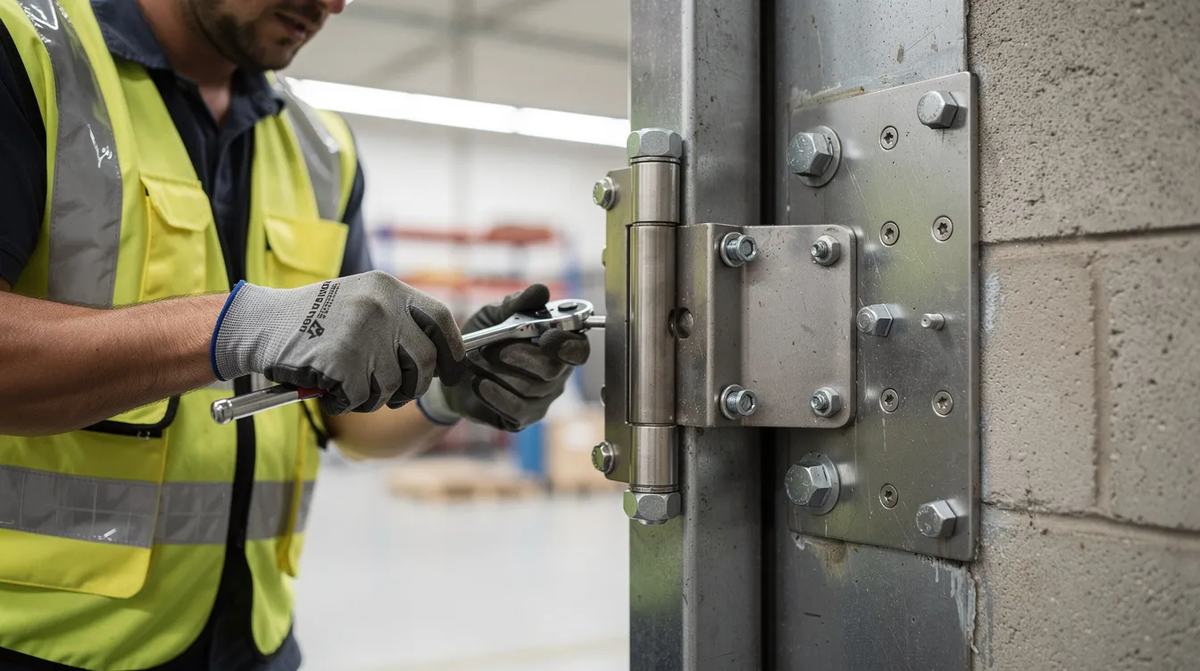
Even the best ballistic door can fail in a weak residential frame. Proper installation means compatible bullet resistant frames, correct anchoring into masonry or reinforced framing, and plumb, square openings.
Full frame replacement is usually better than placing a heavy slab into an existing frame, though some projects can leverage AccessShield door retrofit systems to strengthen existing entrances. Higher-rated assemblies can weigh 250–400+ pounds, so installers must plan for hinges, floor conditions, alarm wiring, access control, and hardware alignment.
Maintenance is simple but important: inspect locks, hinges, closers, seals, and alignment; lubricate moving parts; check for sagging; and replace damaged ballistic glass or panels only with rated components. Keep UL listings, test reports, submittals, and installation records for insurance, audits, and renovations.
Why Choose Our Bullet Resistant Entry Door Solutions
Our approach focuses on tested performance, practical design, and clear communication. We help evaluate the right UL 752 level, coordinate door and frame details, and align aesthetics with real security requirements.
We support residential front doors, retail stores, financial institutions, government buildings, control rooms, and specialized high risk facilities. Craftsmanship matters: tight fabrication tolerances, aligned locking systems, durable finishes, and hardware that supports the rating.
We also explain limits honestly. Bullet resistant doors meet UL 752 standards for firearm resistance, but every assembly has a defined rating. Send plans, elevations, or photos for preliminary review and budgetary pricing.
Frequently Asked Questions About Bullet Resistant Entry Doors
Can my existing front door be upgraded to be bullet resistant, or do I need a new door and frame?
Purpose-built doors and rated frames are strongly preferred. A slab-only retrofit rarely delivers reliable protection.
What UL 752 level do I need for my home?
Levels 1–3 are typical for residential doors, with Level 3 covering at least three .44 Magnum rounds. A risk assessment is still recommended.
Will a bullet resistant door look different from my other doors?
Not necessarily. Wood, steel, composites, veneers, paint, and aesthetic options can closely match surrounding doors.
Do bullet resistant doors also stop forced entry?
Some do, but forced entry and ballistic ratings are separate. Ask for test data for both, and consider forced entry security glazing and doors when you need protection against tools and smash-and-grab attacks as well as bullets.
How much do bullet resistant entry doors cost?
Costs vary by rating, glazing, hardware, fire ratings, finish, and installation. FEBR systems can cost much more than standard security doors, so request a project-specific quote.
How long does design, fabrication, and installation take?
Lead times often run several weeks to a few months depending on submittals, approvals, customization, and field conditions.
Conclusion & Next Steps
Bullet resistant doors transform vulnerable entrances into hardened access points against firearm threats and forced entry. The right system combines a rated door leaf, frame, glazing, hinges, locks, and surrounding construction.
Avoid relying on heavy but unrated doors. Choose tested assemblies, verify UL 752 requirements, and consider adjacent glass, walls, alarms, and daily usability.
If your front door, lobby, retail entrance, or service area feels exposed, contact our team to review your security goals, compare UL 752 level options, and design custom bulletproof doors that protect people while fitting the property. Professionally engineered entry door ballistic protection delivers lasting protection, safety, and peace of mind.