- What Are Anti Theft Windows?
- Understanding Anti-Theft Window Technology
- Types of Anti-Theft Window Solutions
- Installation and Cost Analysis
- Noise Reduction Benefits
- Customization Options for Anti-Theft Windows
- Maintenance and Inspection for Secure Windows
- Common Challenges and Solutions
- Conclusion and Next Steps
- Frequently Asked Questions
What Are Anti Theft Windows?
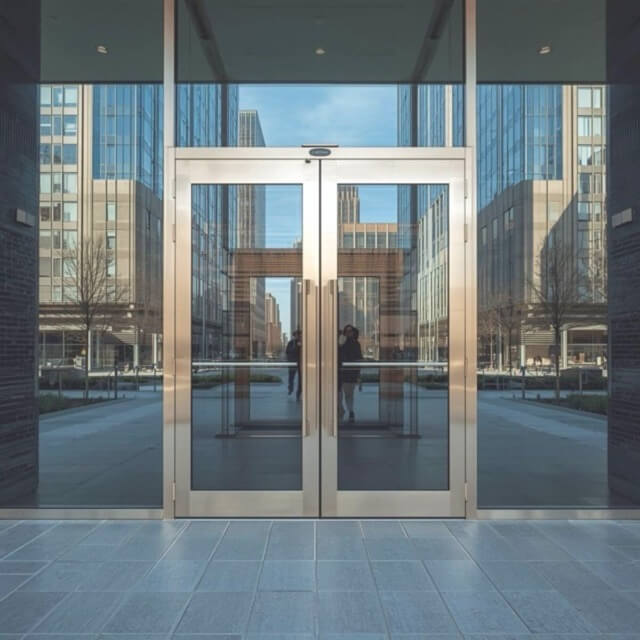
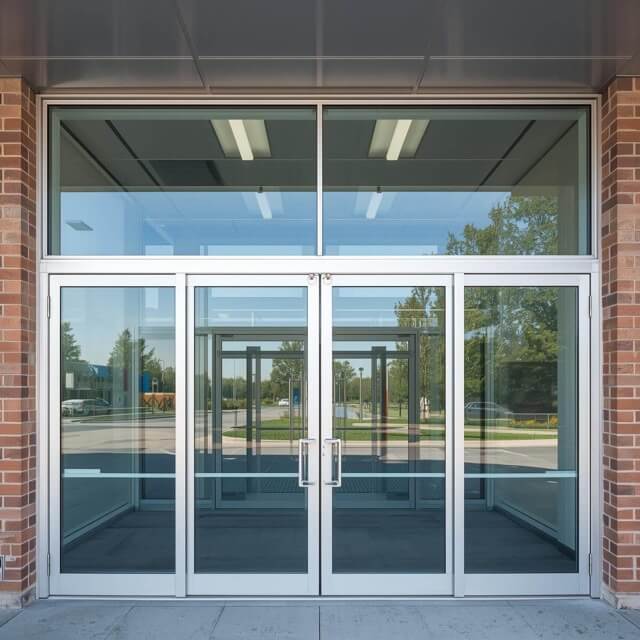
Anti-theft windows are specially engineered window assemblies designed to resist or delay unauthorized forced entry into your property. These security systems combine reinforced glazing, strengthened frames, and enhanced locking hardware to provide protection far beyond standard residential or commercial windows. If you’re evaluating how to protect vulnerable entry points in your home or business, understanding anti-theft window technology is essential for making informed security decisions.
This guide covers residential and commercial anti-theft window solutions, from retrofit options for existing windows to complete replacement systems. We exclude vault-grade security installations, focusing instead on practical solutions for homeowners, business owners, and property managers seeking enhanced protection against break-ins. Whether you’re securing ground-floor windows, basement access points, or storefront glazing, these solutions address the most common entry points criminals target.
Direct answer: Anti-theft windows use reinforced glass, multi-point locking hardware, and specialized framing to resist forced entry attempts for measured periods—typically 3 to 20 minutes depending on resistance class—making break-ins significantly harder, noisier, and riskier for thieves.
By reading this guide, you will understand:
- How resistance classes (RC1-RC6) translate to real-world protection against burglary attempts
- The differences between security films, polycarbonate shields, and complete window replacement systems
- Cost comparisons and installation considerations for each solution type
- How anti-theft windows integrate with alarm systems and security cameras for layered protection
- Practical steps for assessing your property’s vulnerabilities and prioritizing upgrades
Understanding Anti-Theft Window Technology
Anti-theft windows differ from standard windows through multiple integrated security layers working together. While a standard window might use basic glass panes and simple locks, burglar proof windows combine tested glazing materials, reinforced frames, and specialized hardware designed to resist specific attack methods and tools. This comprehensive approach means that even if one component faces stress during an attack, the overall system maintains integrity long enough to deter criminals or allow alarm response.
Anti-theft technology and standards apply to both windows and doors, so both should be considered when evaluating property security.
Resistance Classes and Standards
The European EN 1627-1630 framework defines six Resistance Classes (RC1 through RC6) that quantify exactly what tools, force levels, and attack durations a window must withstand during standardized testing. Higher resistance classes are specifically tested to withstand smash attempts with blunt objects or tools, ensuring enhanced protection against impact and forced entry. This system replaced older national classifications in 2011 and provides clear benchmarks for security performance.
| Resistance Class | Resistance Time | Tools Resisted | Typical Application |
|---|---|---|---|
| RC1 | Basic | Physical force (kicking, pushing) | Low-risk areas |
| RC2 | ~3 minutes | Screwdrivers, pliers, wedges | Residential ground floor |
| RC3 | ~5 minutes | Crowbars, additional drills | High-risk residential |
| RC4 | ~10 minutes | Axes, saws, heavy-duty tools | Commercial, retail |
| RC5 | ~15 minutes | Power tools | Critical infrastructure |
| RC6 | ~20 minutes | Advanced power tools | High-security facilities |
Police recommendations consistently call for RC2 or RC3 for accessible windows because most opportunistic break ins occur in under five minutes. When a burglar finds that entry takes longer than expected, the risk of detection increases substantially, often causing them to abandon the attempt entirely.
Security Glass Types
Security glazing forms the most visible component of anti-theft window systems, and several technologies exist to address different threat levels.
Laminated safety glass integrates two or more glass panes bonded via PVB (polyvinyl butyral) interlayers. When struck, the glass may crack, but the PVB film holds broken glass fragments together, preventing the easy creation of a hole large enough for entry. EN 356 standard classes (P1A through P8B) define impact resistance levels—for example, P4A glass must withstand multiple hammer impacts totaling 1,080 joules while retaining structural integrity.
Polycarbonate glazing offers approximately 250 times the impact resistance of standard plate glass. Rather than shattering, polycarbonate flexes under force from blunt objects, absorbing energy without breaking. Glass-clad polycarbonate composites combine outer glass surfaces (for scratch resistance and appearance) with polycarbonate inner layers, achieving high protection ratings while maintaining optical clarity. These materials can satisfy demanding classes like P6B2 through P8B2 for burglary and even ballistic protection. Whether these security features are covered or clearly visible can influence both the deterrence factor and the perception of security by potential intruders.
The choice between laminated glass and polycarbonate depends on factors including required resistance level, aesthetic concerns, UV exposure, and budget constraints.
Enhanced Hardware Components
Even the strongest glazing fails to provide adequate security if the window frame and locks cannot resist attack. Multi-point locking systems engage multiple cam or bolt locking points around the sash—sides, top, and bottom—with a single handle action. This design exponentially increases resistance to prying or spreading attacks. Sliding locks can slide into place to secure window sashes, while track locks attach directly to the track of sliding windows or doors to prevent unauthorized opening and enhance theft prevention.
Mushroom lock pins (also called mushroom-head cams) are locking pins shaped to engage keeper plates in a way that prevents the sash from being forced away from the frame even under sustained prying attempts. These components are standard in RC2 and RC3 windows.
Additional hardware includes:
- Anti-drill lock plates protecting vulnerable lock mechanisms
- Reinforced hinges capable of resisting lateral force
- Steel or aluminum-reinforced frames providing structural backbone
- Secure anchoring systems attaching the window frame to surrounding construction
Understanding these components helps explain why complete anti-theft window systems cost more than glazing upgrades alone—every element must meet resistance standards for the system to achieve certification.
Types of Anti-Theft Window Solutions
The market offers multiple approaches to window security, ranging from affordable retrofit options for existing glass to complete replacement systems. Your choice depends on current window condition, required protection level, budget, and whether alterations to existing architecture are acceptable.
Security Window Films
Security window films are retrofit adhesive films applied directly to existing glass surfaces. Film thicknesses typically range from 4 to 15 mils (approximately 0.1 to 0.4 mm), with thicker films providing greater resistance.
When glass protected by security film is struck, the film holds fragments together even after the glass cracks. This tear-resistant property prevents the quick creation of an entry hole—thieves must spend considerably more time and effort removing glass pieces, increasing their risk of detection. The delay factor is the primary security benefit.
Beyond protection, security films offer other benefits including UV filtering (blocking up to 99% of harmful rays), noise reduction, and thermal insulation. Some films are tinted or reflective for privacy while others remain completely clear to maintain appearance.
Current installation costs average $7-$15 per square foot for mid-grade films, with a typical residential project costing $350-$950 depending on window count and sizes. For a three-bedroom house with 200-250 square feet of glass, expect total costs of $2,000-$3,750. Quality films carry warranties of 10-15 years when properly maintained.
Limitations: Films do not address window frame weaknesses or inadequate locks. A determined burglar can potentially attack frame edges or hardware rather than the reinforced glazing itself.
Polycarbonate Security Shields
Polycarbonate security shields are retrofit panels installed over or in front of existing windows. These systems provide substantially greater impact resistance than films—capable of withstanding sustained attacks with blunt objects, crowbars, and even baseball bats without breach.
Products like DefenseLite retrofit systems cost $45-$90 per square foot depending on threat level requirements and design specifications. Thicknesses range from approximately half an inch to several inches for extreme protection needs. Warranties typically span 2-15 years depending on materials and UV exposure.
Installation involves mounting the shield panel in a secondary frame system positioned over the existing window. This approach protects both the glazing and, to some degree, the underlying frame from direct attack.
Trade-offs: Polycarbonate shields are more visible than films and may alter window appearance through added depth or subtle optical distortion. Pure polycarbonate is prone to scratching and UV yellowing unless protective coatings are applied. However, glass-clad variants address these concerns while maintaining impact resistance.
Complete Anti-Theft Window Systems
Complete anti-theft window systems involve removing existing windows and installing fully integrated replacements where every component—frame, glazing, locks, hinges, and anchors—is tested and certified together. This approach delivers the highest verifiable protection levels.
RC2 certified windows provide entry resistance against occasional burglary attempts using simple tools. RC3 systems resist more experienced attackers with crowbars for at least 5 minutes. RC4 windows withstand heavy-duty tools including axes and saws for approximately 10 minutes.
Manufacturers like heroal offer systems where combining an RC3 security window with RC3 roller shutters can achieve RC4 protection overall. This layered approach provides excellent protection while potentially reducing costs compared to standalone RC4 windows.
Complete replacements cost significantly more than retrofit options—potentially two to three times standard window replacement prices—but deliver verified, integrated performance that cannot be achieved by upgrading components individually.
Installation and Cost Analysis
Professional assessment and installation are critical for anti-theft window effectiveness. Even the highest-rated glazing fails if installed in weak frames or improperly anchored to the surrounding structure. Investing in proper installation and certified products can save money in the long run by reducing the risk of costly break-ins and property damage.
Security Assessment Process
A thorough security assessment involves several key steps:
- Vulnerability mapping: Identify all windows with ground-floor access, street visibility, proximity to dark areas, or concealment by landscaping—these are easier targets for thieves
- Current system evaluation: Document existing glass types, frame materials (wood, vinyl, aluminum), lock hardware condition, and overall window age
- Risk determination: Match local crime patterns and building use to appropriate resistance class—police generally recommend RC2 minimum for accessible residential windows, RC3 or higher for commercial applications
- Integration planning: Assess how windows will connect with existing alarm system infrastructure, security cameras, and glass break sensors
- Timeline establishment: Determine project phases, permit requirements, and completion schedule
This assessment identifies which windows require immediate attention and which can be addressed in later phases, allowing prioritization based on actual risk rather than assumptions.
Cost and Value Comparison
| Solution Type | Cost per Sq Ft | Resistance Level | Lifespan | Best For |
|---|---|---|---|---|
| Security Film | $7-$15 | Delay only | 10-15 years | Budget retrofits, existing windows |
| Polycarbonate Shields | $45-$90 | RC2-RC4 equivalent | 2-15 years | High-risk commercial, display windows |
| RC2 Window Replacement | $600-$1,200/window | 3 min resistance | 20-30 years | Residential ground floor |
| RC3 Window Replacement | $900-$1,800/window | 5 min resistance | 20-30 years | High-risk residential, office |
| RC4 Window Replacement | $1,500-$3,000/window | 10 min resistance | 20-30 years | Retail, store valuables display |
Additional cost factors include:
- Installation labor: Professional installation adds 20-40% to material costs
- Structural modifications: Reinforcing surrounding walls for proper anchoring
- Permits: Required for complete window replacements in most jurisdictions
- Insurance benefits: Many insurers offer premium discounts for certified RC2 or higher windows, potentially offsetting upgrade costs over time
- Property value: Documented security features can increase property valuation, particularly in higher-crime areas
For most residential applications, security films provide the best value for immediate protection enhancement. Securing windows and doors is especially important for properties that store cash, electronics, or other easily stolen valuables, as these are primary targets for burglars. Commercial properties with significant valuables—jewelry stores, for example—often justify polycarbonate or complete RC4 system investments given potential loss prevention benefits.
Noise Reduction Benefits
One of the often-overlooked advantages of anti-theft windows is their impressive noise reduction capabilities. Whether your property is located on a busy street, near a highway, or in a bustling commercial district, the right security glazing can make a noticeable difference in your indoor environment. Laminated glass and polycarbonate panels, commonly used in burglar proof windows, are engineered not only for security but also for their ability to dampen external noise. The interlayers within laminated glass absorb and block sound waves, significantly reducing the intrusion of traffic, construction, or urban noise.
For homeowners, this means a quieter, more peaceful living space—an important factor in overall comfort and quality of life. In commercial settings, such as offices or retail stores, noise reduction can enhance productivity and create a more inviting atmosphere for customers and staff. From a home security perspective, noise reduction also plays a subtle but important role: the sound of breaking glass or forced entry attempts is muffled, making it harder for burglars to break in without drawing attention. This added layer of discretion can further deter theft and protect your property, ensuring that your investment in security also delivers everyday comfort.
Customization Options for Anti-Theft Windows
Anti-theft windows are designed to be as versatile as they are secure, offering a wide range of customization options to suit any property. Whether you’re upgrading existing windows or installing new ones, you can choose from materials like wood, aluminum, or uPVC to match your current window frames and maintain the aesthetic of your home or business. This flexibility ensures that your security upgrades blend seamlessly with your existing architecture, preserving curb appeal while enhancing protection.
Customization extends to the glazing itself—select from laminated glass for a classic look with strong noise reduction, or opt for polycarbonate panels for maximum impact resistance. For example, a homeowner might select a burglar proof window with a traditional wooden frame and laminated glass to complement a historic property, while a business owner may prefer a durable aluminum frame paired with polycarbonate for high-traffic storefronts. Hardware options, including advanced locks and multi-point locking systems, can also be tailored to your specific security needs.
By choosing the right combination of frame, glazing, and hardware, you can protect your valuables, reduce the risk of break ins, and enjoy peace of mind—without compromising on style or functionality. Anti-theft windows prove that security and design can go hand in hand, offering property owners a solution that is both effective and attractive.
Maintenance and Inspection for Secure Windows
To ensure your anti-theft windows continue to provide top-level protection, regular maintenance and inspection are essential. Start by routinely checking the glass and window frame for any signs of damage, such as cracks, chips, or warping. Even minor flaws can compromise security, so prompt repairs are crucial to prevent burglars from exploiting weak points. Inspect locks and hardware to confirm they are functioning smoothly and securely—well-maintained locks are a key line of defense against break ins.
Fortunately, anti-theft windows are built to be durable and require minimal upkeep. Regular cleaning not only keeps the glass clear and the frame looking its best, but also helps you spot any issues early. For added security, consider integrating your windows with an alarm system or installing security cameras to monitor vulnerable areas. These devices can provide instant alerts in the event of a break attempt, ensuring your property remains protected around the clock.
By staying proactive with maintenance and leveraging integrated security technology, you can maximize the lifespan and effectiveness of your anti-theft windows. This ongoing vigilance helps safeguard your property, valuables, and peace of mind—making sure your investment in security continues to deliver value year after year.
Common Challenges and Solutions
Several concerns commonly arise during anti-theft window implementation. Addressing these proactively leads to better outcomes.
Aesthetic Impact Concerns
Modern security solutions minimize visible differences from standard windows. Clear security films are virtually invisible once installed and maintain normal appearance from both interior and exterior views. High-quality polycarbonate-glass composites maintain optical clarity while providing substantial protection. Complete window systems are available with custom framing finishes that match existing architecture, and many manufacturers offer profile options indistinguishable from standard residential windows.
Historical or Landmark Building Restrictions
Properties subject to historical preservation requirements face constraints on visible modifications. Interior-mounted security films represent the least intrusive option, adding protection without altering external appearance. Interior laminated glass replacements within existing frames can also work when frame modifications are prohibited. Secondary glazing systems—essentially storm windows with security glass—provide another code-compliant approach that preserves original windows while adding substantial protection.
Budget Limitations
When comprehensive upgrades exceed current budgets, phased implementation provides a practical path forward. Start by securing the most vulnerable windows—typically ground floor, basement, and those not visible from the street where break-ins are less likely to be witnessed. Security films on these priority windows can cost under $1,000 total while providing immediate benefit. Budget for complete replacements on highest-risk openings over subsequent years as funds allow.
Conclusion and Next Steps
Anti-theft windows provide measurable, tested resistance against forced entry—converting what might be a 30-second break-in through standard glazing into a multi-minute ordeal that dramatically increases burglar risk and often prevents successful entry entirely. By preventing unauthorized access, anti-theft windows help ensure that valuables are not stolen during attempted break-ins. The combination of reinforced glass, enhanced frames, and multi-point locking hardware creates protection that films, bars, or locks alone cannot match.
Immediate action steps:
- Conduct a basic vulnerability assessment of your property, noting accessible windows, current glass types, and existing lock hardware
- Determine appropriate resistance class based on local crime patterns and property use
- Obtain quotes from certified installers for your prioritized window list
- Verify installer credentials and request documentation of compliance with EN 1627 or equivalent standards
- Integrate window upgrades with existing security devices including alarm systems and security cameras for comprehensive protection
Related topics worth exploring: Door security upgrades (doors represent another primary entry point), comprehensive alarm system integration with glass break sensors, and exterior deterrents including motion-activated lights and visible security cameras that make your property less attractive to criminals seeking easier targets.
Frequently Asked Questions
How long do anti-theft windows delay burglars?
Under standardized EN 1627 testing conditions, RC2 windows resist forced entry for approximately 3 minutes, RC3 for 5 minutes, and RC4 for 10 minutes. Real-world performance varies based on attacker skill, tools available, and visibility—but these benchmarks represent meaningful delays. Since most opportunistic burglaries aim for entry in under two minutes, even RC2 protection substantially increases deterrence and the probability that an alarm response can occur before breach.
Can anti-theft windows be installed in existing frames?
Yes, several retrofit options work with existing frames. Security films apply directly to existing glass, providing delay protection without frame modifications. Polycarbonate shields mount over existing windows in secondary frames. For higher protection, security glazing units can sometimes replace standard glass within existing frames, though frame condition and dimensions affect feasibility. However, achieving RC3 or higher certification typically requires complete window replacement because frame, hardware, and glazing must all meet integrated test standards.
Do anti-theft windows increase property value?
Properties with documented security features often command premium valuations, particularly in areas with elevated property crime rates. Beyond direct value increase, RC2 or higher certified windows may qualify for insurance premium reductions—some insurers offer 5-15% discounts for verified security upgrades. The combination of reduced theft risk, lower insurance costs, and enhanced buyer appeal typically offsets a significant portion of installation costs over the ownership period.
What’s the difference between RC2 and RC2-N windows?
This distinction is critical and often misunderstood. RC2 windows include security glazing (typically P4A class glass) that resists impact attacks. RC2-N windows meet RC2 standards for frame construction and locking hardware only—they use standard glazing without impact resistance. An RC2-N window resists prying attacks but can potentially be breached by simply smashing the glass. For comprehensive protection, specify RC2 (not RC2-N) to ensure both the frame and glazing meet resistance standards.
Are window bars more effective than security glass?
Physical bars provide extremely strong barriers—often more resistant to breach than even high-class security glazing. However, bars present significant drawbacks: they alter property appearance substantially, may violate building codes (particularly emergency egress requirements for bedrooms), block natural light, and can create safety hazards during fires. Security glazing achieves substantial protection while maintaining normal appearance, light transmission, and escape routes. For most residential and commercial applications, modern security windows provide better balance between protection, safety, and aesthetics.
How do anti-theft windows work with alarm systems?
Anti-theft windows integrate with security systems through several mechanisms. Glass break sensors detect the distinctive frequency patterns of shattering glass and immediately trigger alerts. Window contact sensors detect unauthorized opening. The delayed entry provided by security glazing serves a crucial function: it gives alarm monitoring services and police time to respond before entry is achieved. A burglar who might breach a standard window in seconds before any response is possible faces 3-10 minutes of delay with security windows—often enough for patrol cars to arrive or for the criminal to decide the risk isn’t worth the potential reward. This integration of physical barriers with electronic monitoring creates layered protection more effective than either approach alone.