- Acrylic vs. Ballistic Resistant Polycarbonate: A Fundamental Difference
- How Laminated Polycarbonate Systems Defeat Ballistic Threats
- Understanding the Standard: A Guide to UL 752 Ballistic Ratings
- Decoding the UL 752 Levels
- Beyond the Panel: Why an Engineered System Is Non-Negotiable
- Architectural Integration: Security Without Aesthetic Compromise
- Conclusion: Moving from Myth to Professional-Grade Threat Mitigation
- Frequently Asked Questions
In the lexicon of security, few terms are as pervasive or as misleading as “bulletproof plexiglass.” This phrase persists in common parlance, yet it fails to represent the material science and engineering principles that define modern architectural security. While both acrylic and polycarbonate are transparent polymers often grouped under this generic label, their performance under ballistic duress is critically different. For architects, engineers, and security-conscious stakeholders, understanding this distinction is the first step toward specifying a viable protective solution.
Acrylic vs. Ballistic Resistant Polycarbonate: A Fundamental Difference
The material commonly mistaken for security glazing is acrylic, or polymethyl methacrylate (PMMA). Valued for its clarity and rigidity in commercial displays and signage, acrylic is fundamentally unsuited for ballistic applications. Its primary flaw is its brittleness. When struck by a projectile, acrylic does not absorb energy efficiently. Instead, it cracks and shatters, offering minimal resistance to penetration and creating hazardous spall, or sharp fragments, that can injure occupants.
In stark contrast, ballistic resistant polycarbonate is defined by its exceptional strength and ductility. With an impact strength approximately 250 times greater than glass, its unique polymer structure allows it to absorb immense energy by flexing and deforming without breaking. Instead of shattering, it yields, catching and decelerating a projectile. This inherent toughness makes polycarbonate the foundational material for virtually all modern transparent armor and security glazing. However, true ballistic performance is not achieved with a single sheet of material but through a laminated, engineered system.
How Laminated Polycarbonate Systems Defeat Ballistic Threats
True ballistic glazing is a sophisticated composite engineered by layering multiple sheets of polycarbonate with flexible interlayers. This construction is critical for managing a projectile’s kinetic energy. The process unfolds in a sequence:
- Initial Impact: The outer layer initiates the bullet’s deformation, blunting its tip and beginning the energy transfer.
- Energy Absorption: As the projectile pushes through, subsequent polycarbonate layers flex and absorb the impact. The flexible interlayers allow for controlled delamination, spreading the force over a much wider surface area.
- Projectile Capture: The combined thickness and ductile nature of the layers work to slow and ultimately capture the projectile within the panel.
- Spall Prevention: The innermost layer is engineered to remain intact, preventing any fragments from being projected into the protected space.
This engineered system is what differentiates a UL rated assembly from a simple sheet of plastic. The layers are carefully calibrated to defeat specific threat levels, as defined by standards like UL 752.
Understanding the Standard: A Guide to UL 752 Ballistic Ratings
Vague marketing claims of “bulletproof” offer no real assurance. For design and security professionals, the only acceptable benchmark for security glass is the UL 752 standard for Bullet-Resisting Equipment. This standard, established by Underwriters Laboratories, is a rigorous, third-party testing and certification protocol that provides a common language for specifying security.
When a glazing system is certified to a UL 752 level, it means a representative sample has successfully withstood a specific ballistic attack under controlled laboratory conditions. This removes ambiguity and ensures the solution delivers a quantifiable level of protection.
Decoding the UL 752 Levels
The UL 752 standard is structured into levels corresponding to distinct firearm and ammunition threats. Selecting the right level involves a thorough threat assessment to match protection to the most likely risk.
- UL 752 Level 1: Tested to withstand three shots from a 9mm handgun. This level is designed to protect against common, smaller-caliber handguns.
- UL 752 Level 2: Tested against three shots from a .357 Magnum, providing protection against higher-powered handguns.
- UL 752 Level 3: Tested to resist three shots from a .44 Magnum. This is a common specification for facilities facing threats from powerful handguns.
- UL 752 Levels 4-8: These higher levels address rifle threats. For instance, UL 752 Level 8 is tested to withstand five shots from a 7.62mm rifle, a common high-powered firearm.
A critical distinction must be made between a raw material and a certified system. True UL 752 certification applies to the entire assembled system, including the glazing, the frame, and the anchoring method. The test evaluates how all components work together, as an unverified assembly, such as a plastic panel bolted to a standard window frame, carries no performance guarantee.
Beyond the Panel: Why an Engineered System Is Non-Negotiable
The fallacy of a simple “bulletproof plexiglass” solution becomes most evident when considering the physics of an impact. The glazing panel is only one component. Without an engineered system to manage the immense forces involved, even the most robust panel will fail.
The kinetic energy from a projectile does not simply vanish. It is transferred from the impact point to the panel edges and into the framing system. If an existing frame was not designed for these forces, it becomes the weakest link, leading to catastrophic failure where the entire window assembly is dislodged from the building.
An engineered ballistic glazing system, such as a patented retrofit system, is designed holistically. The framing is an active component that flexes to absorb impact load in concert with the polycarbonate glazing. This assembly is secured to the building’s structure with anchors specified to withstand the instantaneous shock of a ballistic attack, safely distributing the load and maintaining the integrity of the building envelope. This systemic approach is also the key to achieving robust security that does not compromise architectural aesthetics.
Architectural Integration: Security Without Aesthetic Compromise
The most significant challenge in upgrading a building’s security is often its seamless integration. True architectural security does not feel like an addition but a natural fusion that upholds the original design intent. The goal is robust protection without a penalty in aesthetics, daylighting, or occupant experience.
The Design Flaw of Afterthought Security
When security is treated as an afterthought, the architectural consequences are severe. Default solutions often involve crudely bolting thick plastic sheets onto existing window frames. These installations are visually intrusive, with exposed fasteners and heavy framing that detract from the building’s façade and create a fortified, institutional atmosphere. For stakeholders concerned with design integrity, these bulky applications are unacceptable.
The ‘Virtually Invisible’ Advantage of Patented Retrofit Systems
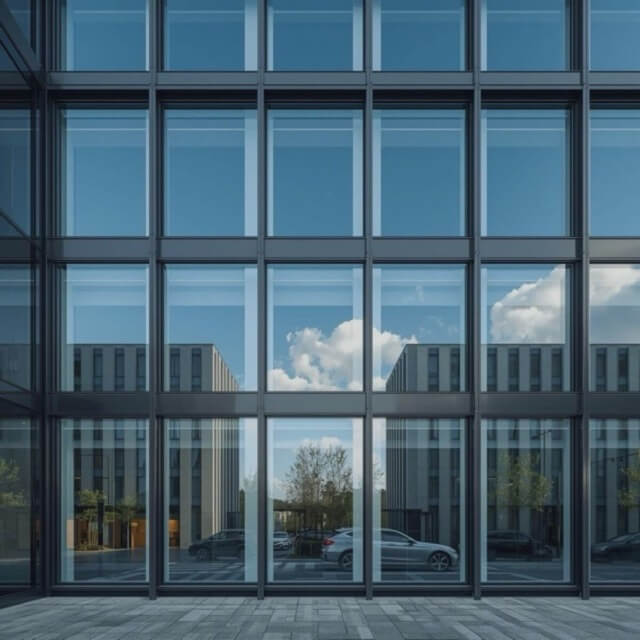
A far more sophisticated solution lies in engineered retrofit security systems like BulletShield for windows. These systems are designed to integrate with the building’s existing glazing. A patented retrofit system installs over the existing glass, creating an independent security shield anchored to the mullions. Its “virtually invisible” nature comes from precision engineering. The components are designed to appear as an original part of the window assembly, preserving the exterior glass, sightlines, and character of the building. This approach creates a standoff air gap, which is critical for dissipating impact energy, while the installation itself is non-destructive.
The ultimate measure of a successful security glazing installation is its ability to disappear. By custom-fabricating the system to match existing sightlines and finishes, the security upgrade becomes imperceptible. The building is hardened against attack without broadcasting its security posture, achieving protection without sacrificing its design integrity.
Conclusion: Moving from Myth to Professional-Grade Threat Mitigation
The security landscape demands precision, not approximation. The continued use of misleading terms like bulletproof plexiglass signals a misunderstanding of material science and threat mitigation. True security is not an off-the-shelf product but an engineered outcome.
Key Takeaways for Specifying Ballistic Glazing
- Certified Performance: Specify systems with a UL 752 rating. This provides verified, repeatable protection against defined threats, removing guesswork from your security plan.
- Superior Material Properties: Engineered, laminated polycarbonate offers the necessary ductility and impact resistance to absorb and dissipate energy from projectiles without the brittle failure characteristic of acrylic.
- Systemic Integrity: A ballistic rating must apply to the entire assembly, including the frame and anchoring. Professionally engineered systems ensure there are no weak points for a threat to exploit.
- Architectural Integration: Advanced retrofit systems are designed to be virtually invisible. They preserve the original aesthetic of the building, providing robust security without creating an unwelcoming appearance.
The challenge of implementing security without compromising a building’s design is solved not with generic plastic sheets, but with sophisticated engineering. True confidence comes from partnering with specialists who understand the balance between threat mitigation and architectural integrity. A proper consultation involves a thorough threat assessment and a detailed plan to integrate a solution, like a patented BulletShield retrofit system, into your specific architectural context. This professional engagement ensures your property is protected with a certified, reliable, and aesthetically appropriate system, rendering the myth of bulletproof plexiglass obsolete.
Frequently Asked Questions
What is the difference between bulletproof plexiglass and polycarbonate?
The term “bulletproof plexiglass” is a misnomer. Plexiglass is a brand name for acrylic, a brittle material that shatters on impact and is unsuitable for ballistic protection. True ballistic glazing uses polycarbonate, a highly ductile material that is engineered in laminated layers to absorb a projectile’s energy and prevent penetration. Ballistic resistant polycarbonate systems can be certified to specific UL 752 threat levels.
Is a thicker sheet of plastic better for stopping bullets?
No, thickness alone is not a reliable measure of protection. True ballistic resistance comes from an engineered system. This involves multiple layers of polycarbonate laminated with flexible interlayers that work together to deform, delaminate, and capture a projectile. The entire system, including the framing and anchoring, must be tested and certified to a standard like UL 752 to guarantee performance.
What does UL 752 rated glazing mean?
UL 752 rated glazing means a complete window or door assembly has been independently tested and certified by Underwriters Laboratories (UL) to withstand a specific ballistic attack. Each level (e.g., UL 752 Level 1 for handguns, Level 8 for rifles) corresponds to a different type of firearm and ammunition. This certification provides a verifiable and reliable benchmark of the system’s protective capabilities.
Can ballistic resistant windows look like normal windows?
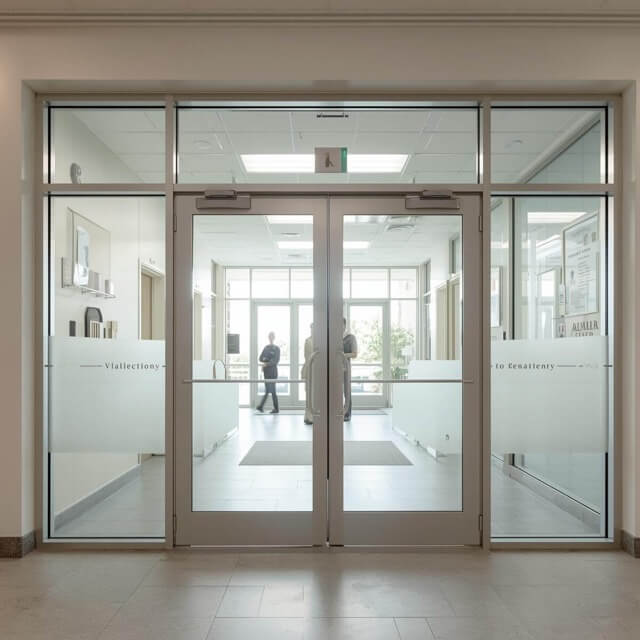
Yes. Modern retrofit systems are designed for seamless architectural integration. Systems like BulletShield are custom-engineered to fit over existing windows, matching the original sightlines, frame colors, and finishes. The result is a “virtually invisible” layer of protection that does not compromise the building’s aesthetic, daylighting, or views, making it ideal for high-design environments.