- It’s a System, Not Just Glass
- The Architect’s Dilemma: Replacement vs. Retrofit Integration
- The Science of Ballistic Performance: Materials and Systems
- Key Specification Criteria for Seamless Architectural Integration
- Putting Theory into Practice: A Case Study
- Frequently Asked Questions
To effectively specify security glazing, architects must understand the engineering principles that govern its performance. The term “bullet resistant glass” is a common but imprecise shorthand. True ballistic protection is achieved not by a single material, but by a holistic, engineered system where every component is critical.
It’s a System, Not Just Glass
A ballistic rating applies to an entire assembly, not just the glazing infill. A failure in any part of the system constitutes a total failure of the protective barrier. Specifiers must evaluate solutions based on the integrity of all integrated components, which work in concert to defeat a ballistic threat.
The primary components of any effective bullet resistant glazing system include:
- Glazing Infill: The transparent material itself, typically a laminated structure of multiple layers. It may be composed of glass, polycarbonate, acrylic, or a combination. Each layer serves a purpose, from shattering to absorb initial impact to deforming to catch the projectile.
- Framing: The frame that holds the glazing is as critical as the infill. If the frame is not engineered to withstand the same ballistic and shockwave forces, the entire glazing panel can be dislodged from its opening upon impact, rendering its ballistic rating meaningless.
- Anchoring: The method used to secure the frame to the building’s structure is a crucial engineering detail. The anchoring must be robust enough to transfer the immense kinetic energy of a ballistic impact into the surrounding wall assembly without failing.
Ballistic Resistance vs. Forced Entry Resistance
While often conflated, ballistic resistance and forced entry resistance address two distinct threat vectors. Ballistic resistance is the capacity of a system to stop projectiles of a specific caliber and velocity, as defined by standards like UL 752. The engineering focus is on absorbing and dissipating a sudden, high-energy impact to prevent penetration.
Forced entry resistance, in contrast, is the ability of a system to withstand a sustained physical attack using tools such as hammers or pry bars. This is measured by standards like ASTM F1233, which specify the tools and duration of the attack. The engineering goal is to delay or deny entry, allowing time for law enforcement to respond. A robust ballistic system often provides a degree of forced entry protection, but the two are not interchangeable and must be specified independently.
Common Misconceptions and Performance Realities
Several prevalent misconceptions can lead to inadequate specifications. The first is the idea of “bulletproof” glass. No commercially available glazing is truly bulletproof. All systems are rated as bullet resistant to a specific level of attack. A system rated for a handgun will not stop a rifle round.
Another myth is that greater thickness equates to better protection. While historically true, modern composites and patented lamination techniques allow for thinner, lighter, and clearer systems that meet or exceed the performance of older, bulkier solutions. This advancement is central to achieving high security with minimal aesthetic impact. Architects are no longer forced to choose between a high ballistic rating and clear, unobtrusive sightlines.
The Architect’s Dilemma: Replacement vs. Retrofit Integration
Once the appropriate UL 752 level is determined, the architect faces a critical implementation decision. This choice will have profound effects on the building’s structural integrity, operational continuity, and aesthetic character. The decision is between a traditional full replacement of existing windows and the integration of a modern retrofit security glazing system. For projects where design integrity is paramount, this choice defines the success of the security hardening effort.
The Drawbacks of Full Replacement
The traditional approach involves the complete removal and replacement of the existing window or door system. This “rip and replace” methodology is inherently invasive, disruptive, and often leads to an unacceptable level of design compromise.
Key disadvantages include:
- Structural Alteration: Heavy ballistic glass and steel frames require significant modifications to the existing wall structure to support the added weight, which is problematic in buildings not originally engineered for such loads.
- Aesthetic Incongruity: New, bulky ballistic frames rarely match the sightlines and profiles of the original architectural design. This is especially true for historic projects or buildings with custom curtain walls.
- Operational Disruption: Full replacement is a major construction project. It generates significant noise and dust, often requiring parts of the building to be shut down for extended periods.
- High Cost and Long Lead Times: Demolition, structural reinforcement, and custom-fabricated ballistic window systems are expensive and time-consuming.
The Retrofit Advantage: Preserving Original Glazing and Facades
A retrofit integration strategy offers a sophisticated alternative that bypasses the drawbacks of full replacement. This approach involves installing a secondary, protective glazing system inboard of the existing glass. The original windows, frames, and exterior facade remain completely untouched, preserving the architect’s original design vision.
By working with the existing structure, the retrofit advantage is clear. It eliminates the need for costly and complex structural modifications. The building’s exterior appearance is unchanged, ensuring that security enhancements are virtually invisible from the outside. This method is about augmentation, not alteration, making it the superior choice for maintaining architectural integrity.
Introducing Patented Retrofit Systems: The Engineering of BulletShield
Not all retrofit solutions are created equal. An effective system requires advanced engineering that goes beyond placing a new panel over an old one. BulletShield, a patented solution from Impact Security LLC, is a vented and serviceable over-glazing system engineered to provide elite ballistic protection while remaining visually unobtrusive.
The system consists of a custom-fabricated sheet of ballistic-grade polycarbonate that is securely mounted on the interior of the primary window frame. A proprietary aluminum framing system creates a standoff, or air gap, between the original glass and the protective BulletShield panel. This air gap is a critical design element, allowing the system to absorb and dissipate the immense energy of a ballistic impact. The vented framing prevents condensation and heat buildup, ensuring long-term optical clarity. This patented engineering transforms the existing window into a high-performance security asset.
Impact on Building Envelopes, Curtain Walls, and Vision Glass
For architects, the building envelope is a complex, integrated system. A key benefit of an engineered retrofit like BulletShield is its minimal impact on the building envelope.
Because the system is lightweight and attaches to existing window framing, it adds negligible dead load to the structure. This makes it an ideal solution for curtain walls and large expanses of vision glass, which are often not designed to support the immense weight of traditional ballistic glass. The installation does not disturb exterior seals or vapor barriers, preserving the building’s defense against water and air infiltration. The system is designed to integrate seamlessly, protecting the integrity of the envelope while hardening its most vulnerable points.

The Science of Ballistic Performance: Materials and Systems
A ballistic-rated glazing system is a complex assembly where performance is dictated by the precise integration of its parts. Understanding the fundamental material science and system engineering is crucial to specifying a solution that delivers certifiable protection without introducing unintended structural or aesthetic compromises.
Polycarbonate Glazing: Superior Impact Resistance
At the heart of modern, high-performance ballistic glazing lies polycarbonate. Unlike glass or acrylic, which are rigid and brittle, polycarbonate is a thermoplastic polymer known for its remarkable ductility and impact strength. When a projectile strikes, polycarbonate flexes and deforms, absorbing and dissipating kinetic energy across a wide surface area instead of shattering. A single, monolithic sheet can effectively “catch” a bullet, deforming significantly but remaining intact and preventing penetration. This flexibility forms the primary defensive layer in advanced retrofit systems.
Laminated Glass and Acrylics: Properties and Applications
While polycarbonate provides primary impact resistance, other materials serve specific roles. Laminated glass offers excellent rigidity and scratch resistance but is exceptionally heavy. It also becomes progressively more brittle and less light-transmissive as its thickness increases. Acrylic, another transparent thermoplastic, offers better impact resistance than standard glass but is significantly more brittle than polycarbonate. In the context of elite ballistic protection, both laminated glass and acrylic are generally considered legacy materials, superseded by the superior performance-to-weight ratio of polycarbonate-based systems.
The Critical Role of the Framing System
The most advanced glazing shield is rendered ineffective if its framing system fails. A ballistic impact imparts a tremendous and instantaneous load on the glazing and the anchors holding it in place. The framing system’s primary role is to secure the glazing panel and effectively transfer this impact load into the building’s structural substrate. In a retrofit application, the system must anchor securely to the existing window mullions or surrounding structure without compromising their integrity. A properly engineered frame ensures the entire security window system functions as a cohesive unit to defeat an attack.
How Patented Systems Integrate Materials for Maximum Efficacy
A patented, engineered system leverages the distinct properties of each material to create a solution greater than the sum of its parts. This is the core principle that differentiates a high-performance retrofit system from a simple piece of material. The typical configuration involves an outer polycarbonate shield that flexes to absorb kinetic energy, an engineered air gap, the building’s original glazing, and a patented framing system that securely anchors the shield, manages impact loads, and prevents moisture buildup. This multi-component approach optimizes performance, minimizes weight, and allows for seamless integration with an existing structure.
Key Specification Criteria for Seamless Architectural Integration
For the architect, ballistic performance is only one part of the equation. The true measure of a successful security glazing solution is its ability to disappear, providing robust protection without altering the original design vision. This requires careful evaluation of the system’s aesthetic and architectural impact.
Maintaining Optical Clarity and Light Transmission
A primary concern with any security glazing is its effect on daylighting and views. Modern, architectural-grade polycarbonates are formulated for exceptional optical clarity, achieving Visible Light Transmission (VLT) values comparable to standard glass. These advanced polymers incorporate UV inhibitors to ensure long-term clarity and color stability. When specifying a system, architects should request data on VLT and Haze ratings to ensure the solution will not create a distorted or discolored occupant experience.
Preserving Sightlines and Original Aesthetic Intent
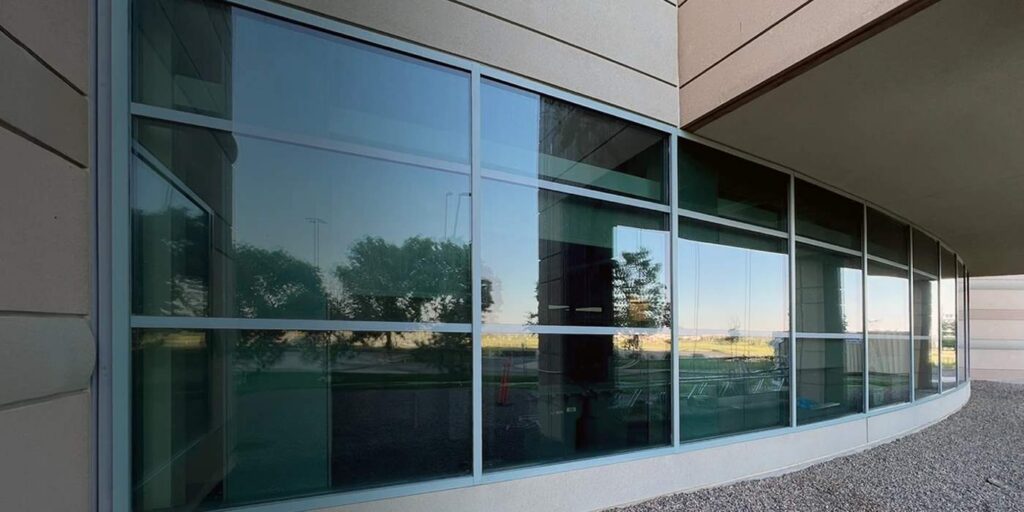
The most significant aesthetic advantage of a retrofit system is its ability to preserve the building’s original sightlines. Because the system is installed over existing windows, the original mullion dimensions, window proportions, and facade rhythm remain unchanged. This stands in stark contrast to full-replacement solutions, which often require thick, bulky frames that fundamentally alter a building’s character. A well-designed retrofit system becomes an almost invisible layer of protection.
Customizing Frame Finishes to Match Existing Architecture
To achieve true invisibility, the system’s framing components must blend seamlessly with the existing structure. The extruded aluminum frames used in leading retrofit systems can be finished to precisely match any architectural style or color palette. Options include a wide range of powder coats, anodized finishes, and custom colors. This level of customization allows the security frame to become visually continuous with the existing window mullions, rendering it unnoticeable to the casual observer.
Evaluating Standoff Distance and System Profile
The standoff, or air gap, is a critical performance component. From an architectural perspective, the goal is to specify a system with the minimum effective standoff distance required for the specified threat level. This minimizes the overall depth, or profile, of the system. A low-profile system is less apparent from oblique viewing angles. When evaluating solutions, architects should consider how the system terminates at corners and integrates with surrounding wall conditions to maintain a discreet appearance.
Putting Theory into Practice: A Case Study
Theoretical knowledge provides a foundation, but the true test of any security glazing system lies in its real-world application. This is where engineering principles must merge with design imperatives. The following scenario illustrates how a patented retrofit approach resolves the conflict between enhancing security and preserving architectural identity.
The Design Challenge: Upgrading a High-Value Asset
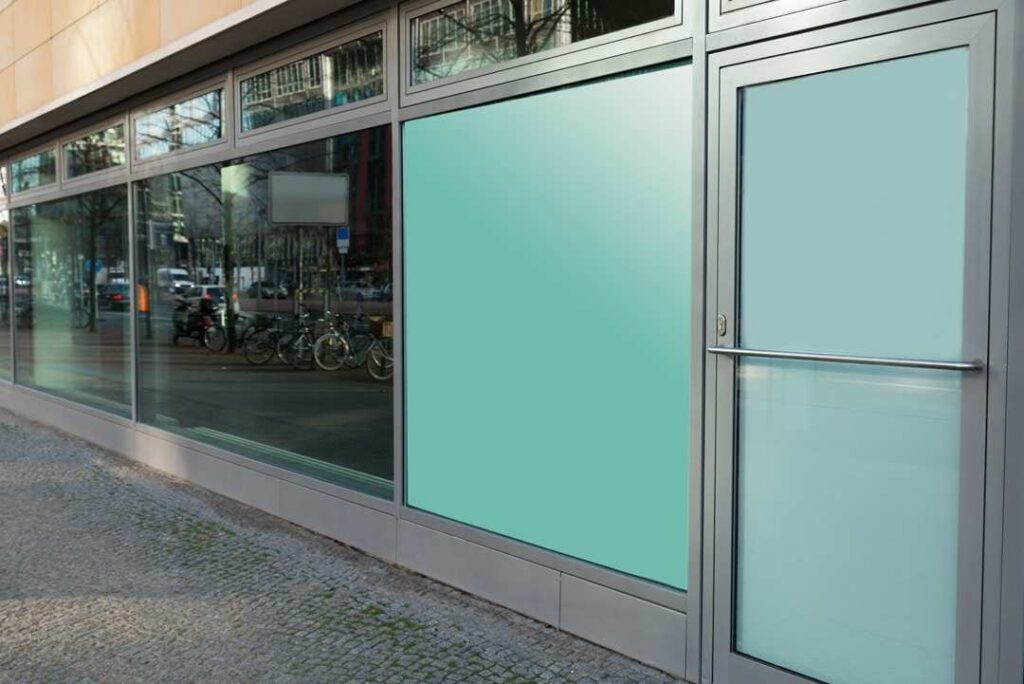
Consider a modern corporate campus celebrated for its expansive glass curtain walls. A risk assessment mandates an upgrade to a UL 752 Level 3 ballistic rating for all ground-floor glazing. The project’s primary constraint is absolute, the building’s clean, unobstructed exterior appearance is non-negotiable. The challenge is to integrate a robust ballistic barrier into a building not designed for one, without any discernible visual change.
The Unacceptable Compromise of Traditional Solutions
Conventional solutions immediately present an unacceptable compromise. A traditional full replacement of the existing window units with factory-made ballistic glass would require a complete demolition of the current system. New, heavy ballistic glass assemblies would necessitate thicker, bulkier framing, fundamentally altering the building’s facade and replacing its sleek profile with a heavy, fortified appearance. For the discerning architect and client, this outcome is a failure.
The Patented Retrofit Approach: A Step-by-Step Integration
A patented retrofit system offers a technically superior and architecturally sensitive alternative. The installation is a precise, engineered process that preserves the original building envelope.
The integration follows a clear sequence:
- Site Analysis and Digital Mapping: The process begins with a detailed survey of the existing window openings using laser scanning technology to create a precise 3D digital model.
- Custom System Fabrication: Based on the digital map, a sheet of ballistic-grade polycarbonate, engineered to the specified UL 752 threat level, is cut to size. A proprietary aluminum framing system is extruded and finished to perfectly match the existing window mullions.
- On-Site Installation: The custom-fabricated frame and polycarbonate shield are mounted directly over the interior surface of the existing glass, anchoring securely into the structural mullions of the original window frame.
- Final Detailing: The perimeter of the new system is sealed, creating a clean, airtight, and permanent installation.
The Result: A Visually Unchanged, Ballistically Secure Environment
Upon completion, the project successfully meets both objectives. The building’s ground floor is fortified to a UL 752 Level 3 standard, providing reliable ballistic protection.
From the exterior, the building appears completely unchanged. The original glass, frames, and sightlines are preserved. From the interior, the low-profile framing of the retrofit system blends seamlessly with the existing window structure, becoming unnoticeable to the casual observer. The architect has successfully upgraded the building’s security posture without sacrificing its original design vision, proving that robust protection and aesthetic integrity can coexist.

Frequently Asked Questions
What is the difference between bullet resistant and bulletproof glass?
No glazing material is truly “bulletproof” because given enough force or a powerful enough weapon, any barrier can be defeated. The correct industry term is bullet resistant glazing. These systems are engineered and tested to meet specific ballistic glass standards, like UL 752, which certify them to stop a certain number of rounds from a specific caliber of weapon.
Will a retrofit security glazing system change the appearance of my building?
A professionally engineered retrofit system is designed to be virtually invisible. Because it installs on the interior of the existing window, the exterior facade remains completely untouched. The interior framing can be custom-finished to match existing mullions, preserving the original aesthetic and sightlines from both inside and out.
How is a retrofit bullet resistant glazing system installed?
The process is precise and minimally disruptive. It begins with a digital survey of the existing windows. A custom polycarbonate shield and framing system is fabricated off-site. The installation team then mounts the new system to the interior of the existing window frames. This method avoids the demolition, noise, and disruption associated with a full window replacement.
Can retrofit security glazing be installed on curtain walls?
Yes. In fact, lightweight retrofit systems are an ideal solution for curtain walls and large spans of vision glass. Traditional ballistic glass is extremely heavy and often requires significant structural reinforcement that a curtain wall cannot support. A polycarbonate-based retrofit adds negligible weight, allowing for ballistic protection without compromising the original curtain wall structure.