- Beyond “Bulletproof Glass”: Precision for True Security
- Defining Precision: The Core Principles of Ballistic-Resistant Glazing
- The Gold Standard of Protection: Demystifying UL 752 Ballistic Ratings
- Engineered for Defense: Exploring Advanced Materials in Security Glazing
- Strategic Deployment: Integrating Ballistic Protection with Architectural Design
- Retrofit vs. Replacement: A Critical Decision for Existing Structures
- The Innovation of Patented Retrofit Systems: Enhancing Security Without Compromise
- Full Architectural Integration: When New Construction Demands Comprehensive Solutions
- Preserving Design Integrity: Aesthetic Considerations in Ballistic Glazing Implementation
- Beyond the Surface: Specifying the Optimal Ballistic Solution for Your Threat Landscape
- Conclusion: Empowering Precision in Advanced Threat Mitigation
- Frequently Asked Questions
Beyond “Bulletproof Glass”: Precision for True Security

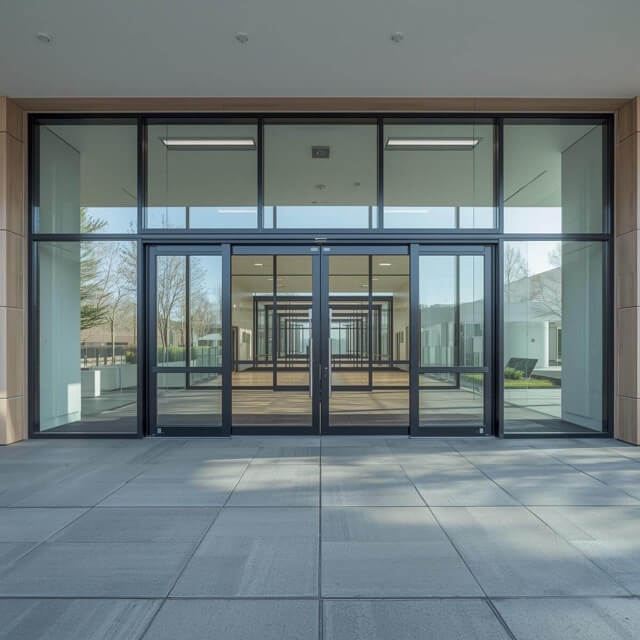
The vernacular term “bulletproof glass” carries an inherently misleading connotation of absolute invincibility, suggesting an impenetrable barrier to any ballistic projectile. This perception is not only inaccurate, but can be genuinely dangerous in security planning. In reality, no security glazing system is genuinely “proof” against all ballistic threats under all circumstances. Instead, these advanced materials are meticulously engineered to resist specific types of projectiles, fired from particular weapons, at defined velocities, and within stringent testing protocols. Failing to recognize this fundamental distinction and understanding what bulletproof glass is called more accurately can lead to a critical overestimation of a system’s capabilities, fostering a false sense of security that undermines an entire security strategy.
Why Precision in Terminology is the Foundation of Effective Security
Precision in terminology is paramount when designing and specifying security solutions. For architects, security consultants, and facility managers, the difference between “bulletproof” and “bullet-resistant” is not merely semantic; it represents a gulf in understanding regarding product performance and application. Adopting the correct industry standard, “ballistic-resistant glazing,” provides clarity and ensures all stakeholders operate from a shared, accurate understanding of performance limitations and engineered capabilities. This foundational accuracy is the first step toward effective security, enabling appropriate threat modeling, material selection, and system integration, and ultimately reducing the complexity in specifying and integrating security products.
The Direct Impact of Misnomers on Specification and Performance
The persistence of the “bulletproof” misnomer directly compromises the integrity of security specifications and the subsequent performance of installed systems. When a specifier requests “bulletproof glass,” they inadvertently introduce ambiguity that can lead to several critical issues:
- Mismatched Threat Levels: Without precise threat level definitions, a generic request might result in an under-specified system that cannot withstand the anticipated ballistic event, or an over-specified system leading to unnecessary cost and complexity.
- Inadequate System Integration: Ballistic resistance is a function of the entire assembly, glazing, frame, anchoring, and surrounding wall structure. A focus solely on the “glass” overlooks these critical interdependent components.
- Regulatory Non-Compliance: Building codes and security standards often reference specific ballistic resistance ratings, such as UL 752 or EN 1063. Generic terms preclude adherence to these essential benchmarks.
- Compromised Due Diligence: The lack of specific terminology inhibits thorough technical evaluation and comparison between different manufacturers’ products, making informed procurement challenging.
Ultimately, imprecise language can manifest as a security vulnerability, jeopardizing personnel and assets, and exposing organizations to significant liability.
Defining Precision: The Core Principles of Ballistic-Resistant Glazing
Understanding the “Bullet-Resistant” Distinction: An Engineered System, Not a Guarantee
The term “bullet-resistant” accurately conveys that these materials are designed to impede the penetration of a projectile and mitigate its effects, rather than guaranteeing absolute impermeability. It emphasizes an engineered capability, not an inherent invincibility. A ballistic-resistant system is a carefully calibrated assembly comprising multiple layers of materials such as polycarbonate, acrylic, and laminated glass, all integrated within a robust frame system. Its performance is rigorously tested against specific ballistic threats, yielding a quantifiable resistance level that corresponds to standardized classifications. This distinction is crucial, it signifies a measured response to a defined threat, rather than an all-encompassing shield.
The Fundamental Mechanics: How Ballistic Glazing Mitigates Threat
Ballistic-resistant glazing operates on principles of energy absorption and dispersion, designed to arrest the projectile without shattering into dangerous fragments. The core mechanics involve a multi-layered construction:
- Impact Layer: The outermost layer, typically a harder glass, is designed to deform and absorb initial impact energy, causing the projectile to flatten or break up.
- Intermediate Layers (Interlayers): Polymeric interlayers, such as PVB or SentryGlas Plus, provide adhesive strength, holding broken glass fragments in place and distributing energy across a wider area.
- Polycarbonate or Acrylic Core: These tough, resilient plastics flex and deform significantly, absorbing a substantial portion of the remaining kinetic energy and preventing full penetration. Multiple layers of these materials, laminated together, enhance resistance.
- Spall Shield: Often, the innermost layer is a non-spalling material like polycarbonate, designed to contain any glass fragments (spall) that might detach from the protected side upon impact, safeguarding occupants.
This sophisticated lamination process transforms the projectile’s kinetic energy into localized deformation and delamination of the layers, effectively “catching” the bullet while preserving the integrity of the barrier.
Moving Beyond Product: Embracing the Systemic Approach to Ballistic Protection
Effective ballistic protection extends far beyond the glazing panel itself. It demands a comprehensive, systemic approach. A high-performance ballistic-resistant panel installed within an inadequate frame or an unreinforced wall provides only a false sense of security. The entire building envelope component must function as a cohesive unit:
- Ballistic-Resistant Glazing: The core component, specified to the precise threat level.
- Ballistic-Resistant Framing: Frames must be engineered from materials like steel, aluminum, or composites, with sufficient thickness and structural integrity to match the glazing’s resistance and prevent bypass.
- Anchoring and Fasteners: The methods and hardware used to secure the frame to the building structure are critical to resist the dynamic forces of an impact and prevent structural failure.
- Wall Reinforcement: Surrounding wall sections must also offer commensurate ballistic resistance, preventing threats from bypassing the glazing system entirely.
This integrated approach ensures that the entire protective barrier performs as intended, providing a holistic security solution rather than merely a product-level intervention.
The Gold Standard of Protection: Demystifying UL 752 Ballistic Ratings
The Indispensable Role of Industry Standards in Security Specification
Effective security specification begins with a common language and verifiable performance metrics. Industry standards fulfill this critical need, providing a standardized framework that transcends marketing claims and subjective assessments. They ensure that when a security professional specifies a ballistic-resistant material, there is a clear, universally understood definition of the threat it is designed to mitigate. This clarity is fundamental for architects and specifiers navigating the complexities of advanced threat mitigation.
Standards eliminate ambiguity by establishing objective criteria for product performance. They define the type of projectile, velocity, and impact energy a material must withstand, along with post-impact integrity requirements. Without these benchmarks, selecting appropriate security glazing for a facility would be an exercise in conjecture, leading to potential under-specification or costly over-engineering. Adherence to these protocols ensures that a chosen solution delivers its intended protective capability under defined ballistic threats.
Decoding UL 752: A Comprehensive Guide to Threat Levels and Performance Categories
Among the most respected and widely adopted standards for ballistic resistance in North America is Underwriters Laboratories (UL) Standard 752, “Standard for Bullet-Resisting Equipment.” UL 752 is not merely a pass/fail assessment, it meticulously categorizes ballistic-resistant materials into various bullet resistant glass levels based on their ability to defeat specific firearm and ammunition threats. This structured approach allows for precise alignment of protection levels with identified risk profiles.
Each UL 752 level corresponds to a defined threat, ensuring that a system specified to a particular rating offers guaranteed protection against that threat. For example, lower levels typically address common handgun calibers, while progressively higher levels encompass shotguns, high-powered rifles, and armor-piercing rounds. Understanding these distinctions is paramount for effective threat mitigation.
- UL Level 1-3: Primarily designed to resist handgun threats, ranging from 9mm to .44 Magnum projectiles. These levels are common in retail and administrative environments.
- UL Level 4-6: Addresses rifle threats, typically from 7.62mm and 5.56mm rounds, with increasing stopping power and projectile mass. Applications include government buildings and high-security facilities.
- UL Level 7-8: Engineered for extreme threats, including multiple impacts from 7.62mm armor-piercing rounds. These are reserved for critical infrastructure and military applications where maximum resistance is non-negotiable.
The Rigor of Testing: Ensuring Verified and Reliable Ballistic Protection
The credibility of UL 752 ratings stems from a stringent, empirical testing methodology. To achieve a specific UL rating, glazing systems undergo a rigorous evaluation process that simulates real-world ballistic attack scenarios. This involves firing prescribed ammunition at defined velocities and patterns onto test samples.
Key aspects of the testing protocol include:
- Projectile Specification: Exact type, caliber, and weight of bullet.
- Muzzle Velocity: Precise speed at which the projectile strikes the sample.
- Shot Pattern: Specific number and arrangement of impacts on the test panel.
- Backface Deformation and Spall: Crucially, the material must prevent the projectile from penetrating and also prevent the release of dangerous fragments (spall) from the non-attack side. Spall mitigation is critical, as fragments can cause severe injury even if the primary projectile is stopped.
This meticulous testing ensures that any glazing system bearing a UL 752 certification has been scientifically validated to provide reliable ballistic protection. Specifying a product with a verified UL 752 rating eliminates guesswork, providing an assured level of performance that is critical for comprehensive security design.
Engineered for Defense: Exploring Advanced Materials in Security Glazing

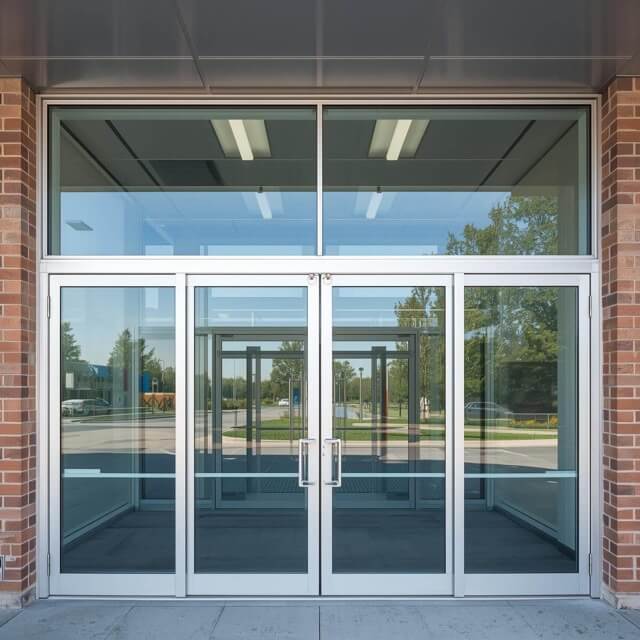
Beyond understanding threat levels, selecting the correct material composition is fundamental to designing an effective ballistic-resistant glazing system. Modern security glazing is not a monolithic product but a sophisticated assembly of advanced materials, each contributing unique properties to the overall protective capability. The selection process involves balancing ballistic performance with optical clarity, weight, durability, and cost.
Laminated Glass: The Art of Layered Strength and Impact Dissipation
Laminated glass forms the bedrock of many ballistic-resistant solutions. It consists of multiple panes of glass bonded together with one or more interlayers, typically made from materials such as polyvinyl butyral (PVB) or SentryGlas. This layered construction is engineered to dissipate impact energy. Upon ballistic impact, the glass layers absorb the initial force, while the flexible interlayers deform, preventing the projectile from passing through and holding shattered glass fragments in place.
The primary advantage of laminated glass in ballistic applications is its ability to maintain structural integrity post-impact. Even if the outer glass layers shatter, the interlayers keep the pane intact, preventing penetration and reducing the risk of spall. This makes it highly effective for both ballistic resistance and forced entry protection. Variations in glass thickness and interlayer type allow for customization to achieve different UL 752 ratings.
High-Performance Polymers: The Role of Polycarbonate in Advanced Security Panels
Polycarbonate is a thermoplastic polymer renowned for its exceptional impact strength and optical clarity. When utilized in security glazing, often in monolithic sheets or as part of a multi-ply system, polycarbonate security panels offer significant ballistic resistance with a distinct advantage in weight reduction compared to all-glass solutions of comparable protection levels. Its inherent ductility allows it to absorb and disperse impact energy by deforming rather than shattering.
Polycarbonate panels are particularly valued in applications where structural weight limitations are a concern, or where extreme impact resistance is required in a relatively thin profile. While highly resistant to impact, monolithic polycarbonate can be susceptible to scratching and UV degradation over extended periods, factors that must be addressed through specialized coatings or hybrid constructions.
Hybrid Composites: Optimizing Clarity, Weight, and Ballistic Resistance
Hybrid composite glazing represents the pinnacle of engineered ballistic protection, combining the best attributes of both glass and polycarbonate. These systems typically feature an exterior layer of glass for scratch resistance and superior optical clarity, bonded to an interior core of high-performance polycarbonate. This combination creates a synergistic effect, leveraging the rigidity and surface durability of glass with the extreme impact absorption and spall containment capabilities of polycarbonate.
The layered composition allows engineers to fine-tune the system’s performance, optimizing for specific threat levels while also managing factors like overall thickness and weight. By strategically layering different materials, hybrid composites can achieve high UL 752 ratings, often with a thinner and lighter construction than equivalent all-glass solutions. The glass face resists abrasion and maintains aesthetic appeal, while the polycarbonate effectively stops projectiles and mitigates dangerous spalling.
Material Selection: Balancing Protection, Aesthetics, and Long-Term Durability
The decision-making process for ballistic-resistant glazing materials extends beyond just the UL 752 rating. A comprehensive specification considers a multitude of factors to ensure the system is not only secure but also practical, durable, and aesthetically integrated into the architectural design. The ultimate goal is to select an engineered solution that harmonizes protection with operational requirements.
Critical considerations for material selection include:
- Ballistic Threat Level: The primary driver, dictating the minimum required UL 752 rating.
- Weight Constraints: The total weight of the glazing affects structural loads and framing system requirements. Polycarbonate and hybrid options often reduce weight.
- Optical Clarity and Distortion: High-quality optics are essential for visibility, especially in surveillance or public-facing areas.
- Abrasion and Chemical Resistance: The exterior surface must withstand environmental factors and routine cleaning without degradation. Glass offers superior scratch resistance.
- UV Stability: Materials must resist yellowing or clouding over time due to ultraviolet exposure.
- Thermal Performance: Glazing contributes significantly to a building’s energy efficiency. Integrating insulating properties is often necessary.
- Cost: Initial material and installation costs, as well as long-term maintenance implications.
- Aesthetics: The appearance, thickness, and edge finishing must align with the architectural vision.
Careful consideration of these factors ensures that the selected ballistic-resistant glazing is not just a protective barrier but an integral, optimized component of the building’s overall security and operational infrastructure.
Strategic Deployment: Integrating Ballistic Protection with Architectural Design
Effective ballistic protection extends far beyond the glazing itself, requiring strategic integration into the building’s overall architectural design. This comprehensive approach ensures that security measures enhance, rather than detract from, both the structural integrity and aesthetic vision of a facility. The decision-making process for implementation is heavily influenced by whether the project involves an existing structure or new construction, each presenting distinct challenges and opportunities for sophisticated security engineering.
Retrofit vs. Replacement: A Critical Decision for Existing Structures
When enhancing the security of an existing building, specifiers face a fundamental choice. A complete replacement of existing fenestration, or the implementation of a retrofit security system. A full replacement involves removing current windows, frames, and often portions of the surrounding wall system to install new, purpose-built ballistic-resistant units. This option provides the highest level of integrated protection, as the new system is designed from the ground up to resist specific ballistic threats and can address potential vulnerabilities in the entire opening.
Conversely, retrofit solutions involve applying ballistic-resistant materials to existing window systems. This approach is often more cost-effective and less disruptive, making it a preferred choice for projects with budget constraints or operational limitations where extensive demolition and reconstruction are unfeasible. The viability and effectiveness of a retrofit depend heavily on the structural integrity of the existing frame and wall system, as these must be capable of absorbing and distributing the forces generated during a ballistic event.
The Innovation of Patented Retrofit Systems: Enhancing Security Without Compromise
The evolution of ballistic-resistant technology has led to the development of highly innovative, patented retrofit security systems that significantly enhance security without requiring extensive structural overhauls. These advanced solutions are engineered to integrate seamlessly with existing framing, often utilizing specialized attachment mechanisms that transfer ballistic load forces effectively to the building structure. Such systems can transform standard glass into a robust ballistic barrier, providing certified protection levels.
Key advantages of patented retrofit systems include:
- Minimized Disruption: Installation often occurs with minimal impact on building operations, reducing downtime and inconvenience.
- Cost Efficiency: Retrofits typically incur lower material and labor costs compared to full window replacements.
- Preservation of Aesthetics: Many systems are designed to be low-profile, maintaining the original architectural appearance of the facade.
- Rapid Deployment: The streamlined installation process allows for quicker security upgrades in response to emerging threats.
Full Architectural Integration: When New Construction Demands Comprehensive Solutions
For new construction projects, the opportunity exists for full architectural security integration of ballistic protection from the initial design phase. This approach allows for optimal performance and efficiency, as security elements can be factored into structural calculations, material specifications, and aesthetic considerations from the outset. True architectural integration ensures that all components, including glazing, frames, curtain wall systems, and adjacent building materials, work synergistically to provide a cohesive and robust defensive perimeter.
This integrated design process facilitates the selection of ballistic-resistant glazing that not only meets specific threat level requirements but also harmonizes with the building’s energy performance goals, daylighting strategies, and overall aesthetic vision. By engaging security engineering experts early in the design process, architects and developers can avoid costly retrofits or compromises later, ensuring a truly resilient and functional structure.
Preserving Design Integrity: Aesthetic Considerations in Ballistic Glazing Implementation
A common misconception is that robust security measures inherently compromise architectural aesthetics. Modern ballistic-resistant glazing systems, however, are engineered to offer high levels of protection without sacrificing design integrity. Advances in materials science and fabrication techniques have resulted in products that are virtually indistinguishable from standard architectural glass.
Contemporary ballistic glazing can provide:
- Exceptional Clarity: Multi-ply laminates and specialized interlayers are designed to minimize distortion and maintain high light transmission.
- Color Neutrality: Advanced compositions ensure minimal tint or haze, preserving the true colors of views and interiors.
- Flexible Design Options: Available in various thicknesses, sizes, and configurations, including curved or decorative options, to meet diverse architectural demands.
- Integrated Framing: Framing systems are often designed to conceal the structural elements necessary for ballistic resistance, presenting a sleek, finished appearance.
Beyond the Surface: Specifying the Optimal Ballistic Solution for Your Threat Landscape
The effective deployment of ballistic-resistant glazing demands a meticulous approach that goes beyond generic product selection. It necessitates a deep understanding of the specific threat landscape, precise performance requirements, and a holistic integration strategy. Specifying truly effective solutions requires moving past broad assumptions and engaging in detailed analytical processes.
The Imperative of a Comprehensive Threat Assessment
The foundational step in specifying any ballistic-resistant system is a comprehensive threat assessment. This critical evaluation identifies and categorizes potential hostile acts, evaluates the probability of such occurrences, and assesses the potential impact on personnel, assets, and operations. A thorough assessment considers:
- Geographic Location and Proximity: Analysis of local crime rates, geopolitical factors, and the nature of surrounding environments.
- Asset Value and Criticality: Identification of key personnel, sensitive information, and critical infrastructure requiring protection.
- Historical Data and Intelligence: Review of past incidents, both local and global, that inform potential attack vectors and weapon types.
- Operational Vulnerabilities: Examination of entry points, public access areas, and potential standoff distances.
This assessment provides the data necessary to define the specific ballistic threats, ranging from small arms fire to high-powered rifle rounds, against which protection is required.
Matching Performance to Peril: Aligning Ballistic-Resistant Glass Levels with Risk Profiles
Once a comprehensive threat assessment is complete, the next crucial step is to align the ballistic performance level of the glazing with the identified risk profiles. This is where the distinction between “bulletproof” and “bullet-resistant” becomes acutely practical. Ballistic-resistant glazing is rigorously tested and certified to withstand specific calibers and velocities of projectiles, as defined by industry standards such as UL 752 (North America) or EN 1063 (Europe). Each level correlates to protection against a particular type of weapon and ammunition. These bullet resistant glass levels are critical for precise specification.
- Under-specifying protection can leave critical vulnerabilities exposed, leading to catastrophic failure during an attack.
- Over-specifying can lead to unnecessary costs, increased weight, and potential aesthetic compromises without providing a commensurate increase in practical security for the actual threat.
The precise matching of performance to peril ensures that resources are allocated efficiently and that the deployed solution offers the optimal balance of protection, cost, and design integration for the specific threat landscape.
Integrating Advanced Mitigation: Addressing Forced Entry and Blast Resilience
While ballistic resistance is paramount, a truly robust security strategy often requires integrating advanced mitigation capabilities to address additional threat vectors. Forced entry and blast resilience represent distinct but often co-occurring risks that ballistic-resistant glazing systems can be engineered to mitigate.
- Forced Entry Resistance: Beyond projectile impact, systems can be designed to withstand sustained manual attack or impact from heavy objects, preventing unauthorized access through an opening. This involves robust framing, advanced interlayers, and secure anchoring.
- Blast Resilience: In environments susceptible to explosive threats, glazing systems can be engineered to absorb and dissipate blast pressures, mitigating fragmentation hazards and preventing structural collapse. This often involves specialized laminates and flexible attachment methods that allow the window system to flex and absorb energy.
A comprehensive security solution considers all potential threats holistically, ensuring that the chosen glazing system offers layered protection against a spectrum of potential attacks, not just ballistic ones.
The Value of Expert Partnership in Security Engineering and Specification
Navigating the complexities of ballistic-resistant glazing specification and integration requires specialized expertise. Engaging with experienced security engineers and manufacturers is not merely an option, but an imperative. These partnerships bring a depth of knowledge regarding:
- Threat Analysis: Assisting in comprehensive threat assessments and risk stratification.
- Product Performance: Guiding the selection of appropriate ballistic and multi-threat performance levels for specific applications.
- Integration Engineering: Designing systems that integrate seamlessly with existing or new construction, ensuring structural compatibility and effective load transfer.
- Regulatory Compliance: Ensuring adherence to relevant building codes, safety standards, and certification requirements.
- Lifecycle Considerations: Providing insights into maintenance, longevity, and future scalability of security infrastructure.
An expert partnership transforms the complex task of security specification into a strategic process, culminating in a robust, integrated, and cost-effective solution that truly protects occupants and assets.
Conclusion: Empowering Precision in Advanced Threat Mitigation
Recalibrating Understanding: From Misconception to Masterful Specification
The pervasive, albeit inaccurate, term “bulletproof glass” often obscures the nuanced engineering and precise terminology essential for effective security specification. The critical question of what is bulletproof glass called more accurately leads to “bullet-resistant glazing,” which is never truly “bulletproof”. Rather, materials are designed to be “bullet-resistant” to specific threat levels under defined test protocols. This distinction is not merely semantic, it represents a fundamental shift from a simplistic, generalized expectation to a sophisticated, informed approach to security design.
Masterful specification begins with this foundational understanding. Recognizing that ballistic rated glazing systems are rated against standardized threats, such as those detailed in UL 752 or ASTM F1233, empowers specifiers to move beyond vague assumptions. It provides the clarity needed to evaluate performance metrics accurately and select solutions that genuinely align with a facility’s specific risk profile, thereby mitigating the complexity often associated with integrating security products.
The Strategic Imperative of Engineered Ballistic Glazing Systems
True advanced threat mitigation extends far beyond the glazing itself, it encompasses an entirely engineered ballistic glazing system. This system includes the glazing laminate, the framing, the anchoring mechanisms, and the surrounding wall construction, all designed to work cohesively to resist ballistic attack. The strategic imperative lies in understanding that any weak point in this integrated system can compromise the overall security performance.
Therefore, specifying ballistic resistance demands a holistic perspective. Different threat levels necessitate distinct material compositions and structural integrations, each engineered to absorb and dissipate energy effectively without catastrophic failure. This comprehensive approach ensures that the entire protective envelope performs as intended, providing reliable resistance against defined ballistic threats and maintaining the structural integrity necessary for occupant safety and operational continuity.
Partnering for Uncompromised Protection and Design Excellence
Achieving superior ballistic protection while upholding architectural vision and functional requirements necessitates a collaborative approach. Engaging specialized security consultants and experienced manufacturers early in the design process is not merely advantageous, but strategically critical. These partnerships bring a wealth of expertise in threat assessment, material science, installation methodologies, and regulatory compliance.
Modern advancements in ballistic-resistant glazing allow for significant aesthetic flexibility, meaning robust security does not have to come at the expense of natural light, sightlines, or architectural appeal. By leveraging expert partnerships, project teams can identify and implement tailored solutions that seamlessly integrate high-performance security features into the building’s design. This ensures uncompromised protection, enhances occupant confidence, and preserves design excellence, ultimately delivering a secure environment optimized for both safety and aesthetics.
Frequently Asked Questions
What is bulletproof glass called in the security industry?
In the security industry, what is commonly referred to as “bulletproof glass” is accurately known as “ballistic-resistant glazing” or “bullet-resistant glass.” This terminology reflects that these materials are engineered to resist specific ballistic threats, rather than being absolutely “proof” against all projectiles.
How are bullet-resistant glass levels determined?
Bullet-resistant glass levels are determined by rigorous testing against industry standards, such as UL 752 in North America. These standards categorize materials based on their ability to withstand specific types of firearms, calibers, and ammunition, from handguns to high-powered rifles, without penetration or dangerous spalling.
Can existing buildings upgrade to ballistic protection without full replacement?
Yes, existing buildings can significantly enhance their security through retrofit security solutions. Innovative and patented retrofit systems can integrate with existing window frames, providing certified ballistic protection without requiring the complete removal and replacement of existing fenestration.
What materials are used to make ballistic rated glazing?
Ballistic rated glazing is typically composed of multiple layers of materials such as laminated glass (often with PVB or SentryGlas interlayers), polycarbonate, and acrylic. Hybrid composites combine these materials, leveraging the scratch resistance and clarity of glass with the impact absorption of polycarbonate to optimize performance, weight, and durability.
Why is a comprehensive threat assessment important for specifying security glazing?
A comprehensive threat assessment is crucial because it identifies the specific types of ballistic threats a facility might face, its vulnerabilities, and the assets requiring protection. This allows specifiers to precisely match the ballistic rated glazing’s performance levels to the identified risk profile, ensuring an effective and cost-efficient security solution without over- or under-specifying.