- The Inherent Limitations of Traditional Ballistics Glass
- Engineered Retrofit Glazing: The Modern Strategic Solution
- The Science of Retrofit Security Glazing and UL 752 Standards
- Streamlining Specification with a Single-Source System
- Frequently Asked Questions
The term ‘bulletproof glass’ evokes images of impenetrable, inch-thick barriers. It was a solution born from a different era for a different set of security challenges. Today, architects and building owners face a more complex reality. The need to protect occupants from ballistic threats must be reconciled with the principles of modern design: transparency, connection to the outdoors, and aesthetic integrity. This reality demands a new paradigm in protective glazing.
Contemporary security concerns have shifted from targeted attacks on high-risk facilities to unpredictable acts of violence in public and private spaces. Schools, corporate offices, and government buildings, often designed with extensive glass facades, are recognized as potential soft targets. The threat is no longer just a high-velocity projectile but also includes forced entry and active shooter events where response time is the most critical variable. This evolution presents a significant challenge, as the very glass that defines modern buildings is the building envelope’s most vulnerable point.
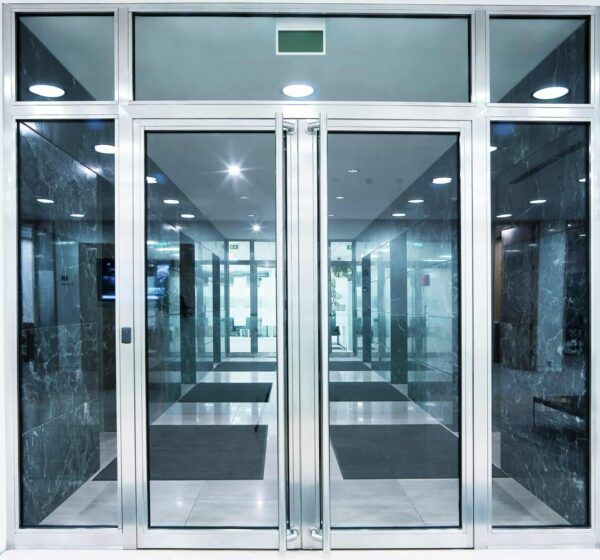
The Inherent Limitations of Traditional Ballistics Glass
For decades, architects tasked with securing a building faced a difficult compromise. The available solutions for ballistic protection often stood in direct opposition to core design principles, forcing a choice between occupant safety and the building’s intended aesthetic.
Traditional ballistics glass, by its nature, is a monolithic and imposing material. Its considerable thickness and weight demand bulky, heavy-duty framing that can dominate a building’s facade and fundamentally alter its architectural language. The elegant, minimalist lines that define modern design are often the first casualties. For historic preservation projects, the challenge is even greater, as such visually disruptive elements can irrevocably compromise a building’s character.
Beyond the bulky framing, monolithic systems introduce significant material limitations. Constructed by laminating multiple layers of glass, the resulting product can be several inches thick. This creates optical distortions, including a noticeable greenish tint that alters color perception and reduces light transmission. The sheer weight, which can exceed 25 pounds per square foot, requires not just heavy frames but often substantial, costly reinforcement of the building’s structure.
Upgrading an existing building with traditional ballistics glass is a full-scale construction effort. The process involves the complete removal of existing window systems, a labor-intensive and highly disruptive task that can render sections of a building unusable for extended periods. The long lead times for custom fabrication and significant soft costs for business interruption make such upgrades impractical for many projects.
Engineered Retrofit Glazing: The Modern Strategic Solution
For architects and building owners, specifying modern, patented retrofit security glazing is no longer just an alternative to traditional ballistics glass. It is the superior strategic choice for enhancing occupant safety without sacrificing the building’s original design integrity or incurring the immense disruption of full replacement. Unlike their monolithic counterparts, these advanced systems are engineered to integrate seamlessly with existing infrastructure.
This approach resolves the architect’s core dilemma by delivering a solution that excels where traditional methods fall short.
- Architectural Preservation: Retrofit systems are designed to be installed onto existing window or door frames, preserving the original aesthetics of the building. This is especially critical for historic renovations.
- Engineered Performance: These systems use a laminated composition of polycarbonate and glass, anchored to the existing window frame. This assembly works as a single unit to absorb and dissipate impact energy.
- Implementation Efficiency: By eliminating the need for full window demolition, retrofit solutions dramatically reduce project timelines, costs, and operational disruption.
- Simplified Specification: Integrated retrofit solutions from a single-source manufacturer eliminate the complexity of coordinating multiple vendors, ensuring the system performs as one cohesive unit.
The Science of Retrofit Security Glazing and UL 752 Standards
Unlike the brute-force approach of thick, heavy glass, modern retrofit systems leverage advanced material science. The core component is a sheet of polycarbonate, a polymer renowned for its exceptional impact resistance, which is laminated to the interior surface of the existing window. When a projectile strikes, the exterior glass shatters but is held in place, while the polycarbonate shield flexes to absorb and dissipate the kinetic energy. This dynamic response allows the system to defeat ballistic threats with a component that is significantly thinner and lighter than traditional ballistics glass, while also containing spall.
A common misconception is that retrofit glazing is simply a thicker version of security film. In reality, it is a fully engineered, mechanically anchored system. Patented solutions, like those from Impact Security LLC, integrate the polycarbonate shield with the existing window frame using a proprietary anchoring system. This mechanical connection is critical, as it ensures impact forces are transferred from the glazing to the building’s structure.
A crucial point for specification is that retrofit security glazing systems are tested and certified to the same rigorous standards as traditional options. The primary standard in North America is Underwriters Laboratories UL 752, which defines eight levels of ballistic resistance. An engineered retrofit system like BulletShield, certified to a specific UL 752 level, provides the same projectile-stopping power as a monolithic glass assembly with the same rating. This allows architects to specify a certified level of protection with confidence.
The inherent properties of polycarbonate-based retrofit systems also provide multi-hazard security. The same flexibility that defeats a ballistic attack makes the glazing exceptionally resistant to forced entry. This resilience extends to blast mitigation, where the shield is designed to absorb the blast wave and contain glass fragments, a primary cause of injury.
Preserving Architectural Integrity with Invisible Protection
The fundamental challenge in security upgrades is to integrate robust protection without compromising the building’s aesthetic. Modern retrofit security glazing for buildings is engineered to eliminate this compromise, offering protection that is virtually invisible.
Because the system is applied to the interior side of the existing windows, the original exterior architectural glazing, mullions, and curtain wall remain untouched. This ensures the building’s exterior reflectivity, color, and sightlines are unchanged, maintaining the architect’s original design intent. The goal of security is to create safety, not fear. An overt display of heavy fortifications can create an unwelcoming, “fortress” environment. Retrofit security glazing provides a formidable barrier that remains nearly imperceptible. Engineered for exceptional optical clarity, these systems do not create the visual distortion or bulky appearance associated with thick monolithic glass.
Standardized security solutions are often incompatible with custom architecture or historic preservation. Advanced retrofit systems, however, can be precisely fabricated to match the exact dimensions and contours of virtually any existing glazing. This level of customization transforms security from a restrictive add-on into a seamlessly integrated feature, allowing upgrades to modern ballistic protection levels without altering irreplaceable, original window frames or glass.
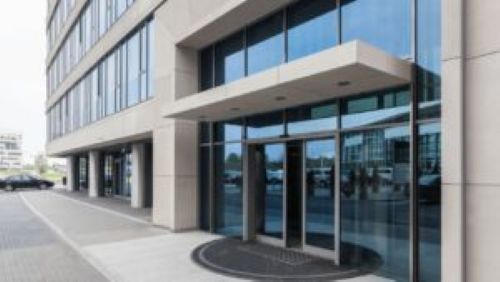
Streamlining Specification with a Single-Source System
The performance of any security glazing system is determined by its weakest link. For architects, specifying a cohesive, reliable system can be complex, especially when integrating products from multiple vendors. A modern, single-source approach transforms this challenge into a streamlined, predictable process.
Sourcing components from different manufacturers introduces significant risk. A fragmented method lacks unified system accountability. When components are not designed and tested to work together, critical vulnerabilities can emerge at the interfaces between the glazing and the frame. If a failure occurs, determining liability becomes a contentious process.
In stark contrast, specifying a single-source, engineered retrofit system eliminates these integration risks. Leading manufacturers offer comprehensive, patented systems where every component has been designed, tested, and certified to work in unison.
The process of engaging with a manufacturer of an engineered retrofit system follows a logical progression:
- Initial Consultation and Threat Assessment: The process begins with a discussion to understand security objectives and define the specific threats to be mitigated, from forced entry to various ballistic threats.
- Site Survey and Analysis: A technical team evaluates the existing glazing and framing systems to determine their capacity to support the new system.
- System Design and Engineering: Based on the assessment, engineers design a custom-fit solution, including the appropriate glazing composition and a patented anchoring system.
- Specification and Submittals: The manufacturer delivers a complete submittal package with detailed drawings, test certifications, and precise specification language.
- Installation and Commissioning: Certified installers trained on the manufacturer’s system handle the installation, ensuring the field application meets the same exacting standards as the engineering design.
This collaborative design process ensures the engineered solution balances the required security performance with the building’s operational needs and aesthetic intent. It empowers the architect to deliver a solution that is secure, elegant, and perfectly integrated, moving far beyond the compromises of traditional ballistics glass.
Frequently Asked Questions
Is retrofit security glazing as strong as traditional bullet resistant glass?
Yes. Professionally engineered and installed retrofit systems are tested and certified to meet the same UL 752 standards for ballistic resistance as traditional monolithic ballistics glass. A system rated to UL 752 Level 7, for example, offers the same level of protection regardless of whether it is a retrofit or traditional solution.
What is the difference between retrofit security glazing and security film?
The difference is substantial. Security film is a thin, adhesive-backed polyester sheet applied to glass to hold it together upon impact. An engineered retrofit glazing system is a much thicker layer of polycarbonate or a glass-polycarbonate laminate that is mechanically anchored to the window frame. This creates a robust, unified structure capable of defeating ballistic and high-impact forced entry threats, which security film is not designed to do.
Will installing a retrofit system damage my existing windows?
No. A key advantage of retrofit security glazing is that it is designed to be installed onto existing window frames without altering or damaging them. The system is mounted on the interior side, preserving the original glass and frame, which is especially important for historic buildings or those with unique architectural features.
How does a retrofit system protect against forced entry?
The polycarbonate used in retrofit systems is extremely ductile and impact-resistant. While a heavy object like a sledgehammer will shatter the exterior glass, the polycarbonate layer will absorb repeated impacts without failing. Combined with its mechanical anchor to the frame, the system maintains the integrity of the building envelope, significantly delaying or completely preventing entry.