Your glass windows are likely the most vulnerable entry points on your property. Standard glass shatters in seconds under a hammer or wind-borne debris, creating immediate access for intruders and dangerous flying glass shards. Tinted security window film transforms this weakness into a protective barrier that holds broken glass together, reduces heat, and enhances privacy—all without replacing your existing windows.
Table of Contents
- What Is Tinted Security Window Film?
- How Tinted Security Film Works
- Key Benefits of Tinted Security Window Film
- Types & Thicknesses of Tinted Security Window Film
- Safety, Glass Compatibility & Technical Considerations
- Installation: Professional vs. DIY
- Cost, Lifespan & Return on Investment
- Ideal Applications for Tinted Security Window Film
- Frequently Asked Questions
- Why Choose Our Company
What Is Tinted Security Window Film?
Tinted security window film is a thick, optically clear or tinted polyester laminate applied to existing glass to increase impact resistance, slow forced entry, and reduce heat and UV exposure. Window film is a thin layer of polyester or other strong material applied to glass surfaces, serving various purposes depending on the type of film—but security variants are engineered specifically for protection rather than aesthetics alone.
The critical distinction lies in thickness and construction. Regular window tint is primarily designed for comfort and energy efficiency, often found in cars and buildings to reduce heat and protect furnishings from fading. These standard automotive or solar tints typically measure just 1–2 mils thick and focus on glare reduction or appearance. Security window film ranges from 4 to 15 mils thick and is specifically designed to hold shattered glass pieces together under impact, preventing immediate penetration and injury from broken glass hazards.
Modern products offer flexibility in appearance. You can choose:
- Clear films that maintain your window’s original look
- Neutral or gray tints for balanced light control
- Reflective or mirrored finishes for maximum daytime privacy
Common applications span residential homes, retail storefronts, office buildings, schools, and public structures. These films gained significant traction in the early 2000s, particularly post-9/11 for blast mitigation in federal buildings and as crime and storm resilience solutions nationwide.
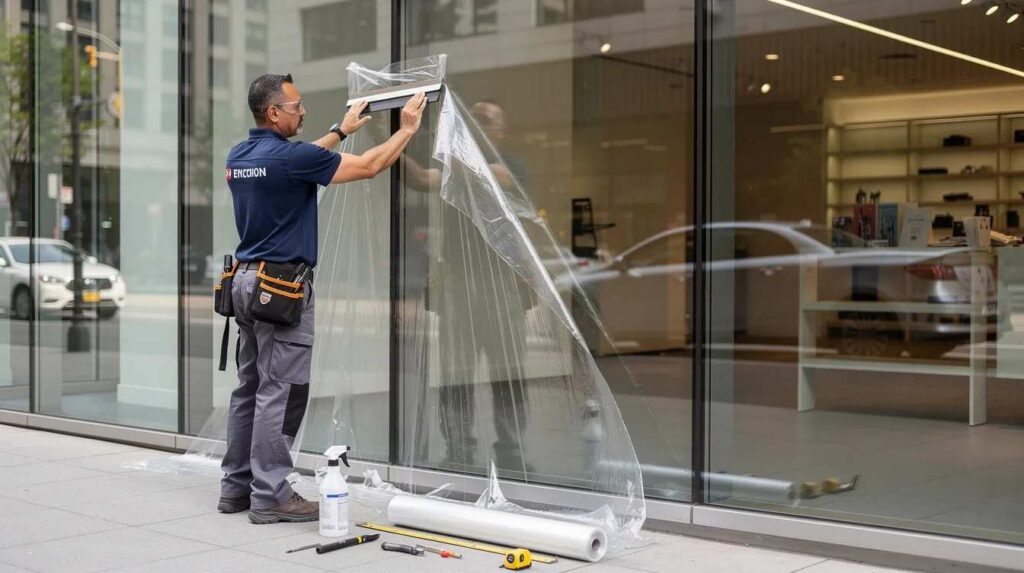
Security films are typically professionally installed on the interior surface of the glass. This positioning protects the adhesive from environmental degradation and extends lifespan—often 10–15 years or more on vertical applications when properly installed.
How Tinted Security Film Works
Security film’s protective mechanism relies on multi-layer polyester construction, aggressive pressure-sensitive adhesives, and optional frame anchoring systems. Together, these components create a flexible membrane that acts as a safety net, holding glass fragments together during impacts or blasts rather than allowing them to scatter.
Impact Resistance
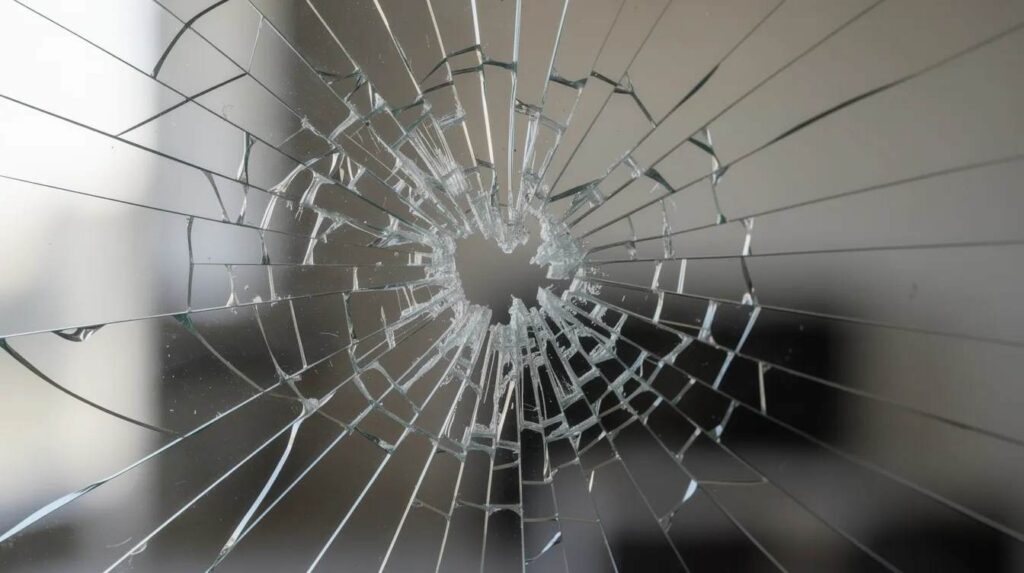
When struck by a rock, baseball bat, hammer, or wind-borne debris, the film absorbs and distributes kinetic energy across the entire surface rather than at a single point of contact. The material can stretch up to 400% of its original size before potential failure. Shatterproof protection of security films helps hold shattered glass shards together during an impact, preventing injury from flying shards. The glass breaks but remains largely contained within the film’s embrace.
Solar Energy Management
The tint and reflective coatings integrated into security films reject solar energy through two mechanisms:
- Reflection: Bouncing infrared and visible light wavelengths away from the glass
- Absorption: Capturing heat energy within the film layers before it enters the interior
This solar control significantly reduces interior temperatures and glare on screens, improving comfort without closing blinds entirely.
UV Protection
Most quality films block 99% of UVA and UVB rays, protecting skin and preventing fading of furniture and artwork. Window films can block up to 99% of harmful UVA and UVB rays, which helps protect interiors from fading and damage caused by sunlight. This protection operates in the 280–380 nm wavelength range where UV causes approximately 40% of interior fading, similar to advanced UV-protective polycarbonate window panels.
Frame Anchoring Systems
For maximum performance against forced entry or blast events, security films are often paired with structural silicone attachment systems. These bond the film edges directly to the window frame, transforming the glazed unit into a single, stronger system capable of withstanding repeated strikes or blast fragments per industry testing standards.
Key Benefits of Tinted Security Window Film
With FBI-reported burglary upticks in major cities, increasingly severe storms, rising energy costs, and privacy demands in dense neighborhoods, tinted security window film addresses multiple concerns simultaneously.
Security & Forced Entry Resistance
Security film doesn’t make glass unbreakable, but it fundamentally changes the break-in equation. As with other shatter-resistant glass security solutions, its purpose is to slow and frustrate attacks rather than create truly unbreakable windows. On average, security window film can prolong the time it takes for an intruder to break through a window from under 10 seconds to approximately 1 minute, providing valuable time for occupants to react or for law enforcement to arrive.
Security films can make glass 2–3 times stronger, delaying forced entry by up to 60–90 seconds. This delay is critical—most smash-and-grab retail theft attempts rely on quick access. When entry becomes difficult, intruders often abandon the attempt.
Natural Disaster & Accident Safety
Security window film is designed to hold glass together in the event of breakage, reducing the risk of injury from flying glass shards during accidents or natural disasters. Protection extends to:
- Hurricane and tornado-driven debris
- Earthquake glass breakage
- Derechos and severe thunderstorms
- Everyday accidents (errant sports balls, pet collisions, workplace mishaps)
Films meeting ANSI Z97.1 and CPSC 16 CFR 1201 standards provide documented impact safety performance.
Privacy & Glare Control
Security films can significantly lower Visible Light Transmission (VLT), making it harder for outsiders to see valuables inside a building. Daytime tinted or reflective films create a one-way mirror effect, limiting visibility into buildings while maintaining interior visibility.
Security films can reduce screen glare on computers and TVs by filtering direct sunlight, improving comfort without needing to close blinds. This reduces glare by 50–70% in typical installations.
Energy Savings
Tinted security films can block up to 79% of solar heat gain, potentially lowering cooling costs by up to 30%. In hot-summer states like Texas, Florida, and Arizona, this heat reduction translates to measurable HVAC savings on west and south-facing glazing.
Reflective window films are designed to manage solar energy by reflecting it away from the window, which helps reduce heat gain inside buildings and improve energy efficiency.
UV & Fade Protection
Security window film can block up to 99% of harmful UVA and UVB rays, helping to protect interiors from fading and damage caused by sunlight exposure. This passive protection operates 24/7 without electricity, preserving hardwood floors, carpets, artwork, and merchandise displays.
Always-On Protection
Unlike alarms or cameras that require power and monitoring, security film is always active. It helps protect your property whether anyone is home or watching a feed—no batteries, no internet connection, no monthly fees.
Types & Thicknesses of Tinted Security Window Film
Film selection depends on threat level (storms, vandalism, high-crime areas), desired privacy, aesthetic preferences, and local building codes.
Film Thickness Options
| Thickness | Category | Best For | Entry Delay |
|---|---|---|---|
| 4 mil | Safety film | Injury reduction, basic glass safety | 10–20 seconds |
| 7–8 mil | Forced entry | Residential/light commercial burglary resistance | 45–60 seconds |
| 12–15 mil | High-security | Jewelry stores, pharmacies, schools, government sites | 60–90+ seconds |
| 4 mil safety window film serves as entry-level protection focused on injury reduction. It helps during accidents and mild storms but offers limited delay for serious break in attempts. |
7–8 mil forced entry film represents the most common choice for residential and light commercial applications. High-quality security films are often 7–8 mil or thicker and are engineered to withstand extreme forces from natural disasters while maintaining good optical clarity.
12–15 mil high-security film provides multi-ply protection for vulnerable buildings where resistance to repeated strikes, riots, or blast fragments is critical.
Appearance Options
Clear films maintain transparency with minimal visual change—ideal when the right window film means zero aesthetic compromise.
Neutral/gray tints provide balanced enhanced daytime privacy and natural light transmission, typically with 20–50% VLT.
Reflective/mirrored films maximize daytime privacy with up to 90% external reflection. Note that reflective films require more light outside than inside to create the privacy effect—at night, the effect reverses.
Ceramic and nano-ceramic films deliver premium performance. Ceramic window films provide heat rejection and UV protection without the reflective appearance of traditional films, making them suitable for those seeking a non reflective option. These require careful glass compatibility checks due to higher solar absorption.
Frosted or decorative films blur visibility regardless of lighting conditions, making them suitable for privacy in sensitive areas where excellent privacy matters more than outward views.
Safety, Glass Compatibility & Technical Considerations
Not every film is safe for every glass type. Incorrect pairing can increase thermal stress and potentially cause glass fracture, making pre-installation assessment essential.
Glass Type Considerations
| Glass Type | Characteristics | Film Compatibility |
|---|---|---|
| Annealed (standard) | Common in pre-1990 homes | Most films; sensitive with dark tints in full sun |
| Heat-strengthened | 2x stronger than annealed | Handles higher absorption |
| Tempered | 4x stronger; shatters completely if failed | Good compatibility; check edge conditions |
| Laminated glass | Already has safety interlayer | Often compatible; verify with manufacturer |
| Understanding the nuances of shading is crucial for successful window tinting, as external shading can create a risk of thermal fracture where shaded and sunlit areas of the glass meet. Partial shading from overhangs and tree shadows creates localized hot spots, which is why many high-security projects also evaluate comprehensive glass security upgrades when planning protective glazing. |
Insulating Glass Units (IGUs)
Double and triple-pane windows trap more heat between panes. Dark or highly absorptive films on IGUs require engineering data and manufacturer film-to-glass charts. Without proper verification, thermal stress can crack sealed units.
Low-E Coatings
Interior versus exterior low-E positions significantly affect compatibility. Hard-coat low-E on surface #2 (interior-facing surface of the outer pane) paired with strongly absorptive tints can exceed safe absorption limits, especially in cold climates or high-altitude regions like Denver.
Environmental Factors
The choice of window framing is essential for the safe application of window film, as it affects how well the glass can handle thermal expansion from sunlight absorption. Key variables include:
- Nearby reflective surfaces (metal roofs, neighboring glass buildings) that intensify solar irradiance
- Climate extremes affecting design temperatures
- Window frame material and condition
The location and orientation of heating and cooling vents are critical for the effective use of window film, as vents directing air towards the glass can cause temperature variations that lead to thermal stress. Consider redirecting vents or diffusers before installing darker security tints.
Standards & Testing
Films can be part of code-compliant safety strategies when specified correctly. Reference standards include ANSI Z97.1 (impact safety), CPSC 16 CFR 1201 (safety glazing), UL 972 (burglary resistance), and GSA blast criteria for high-threat applications.
Installation: Professional vs. DIY
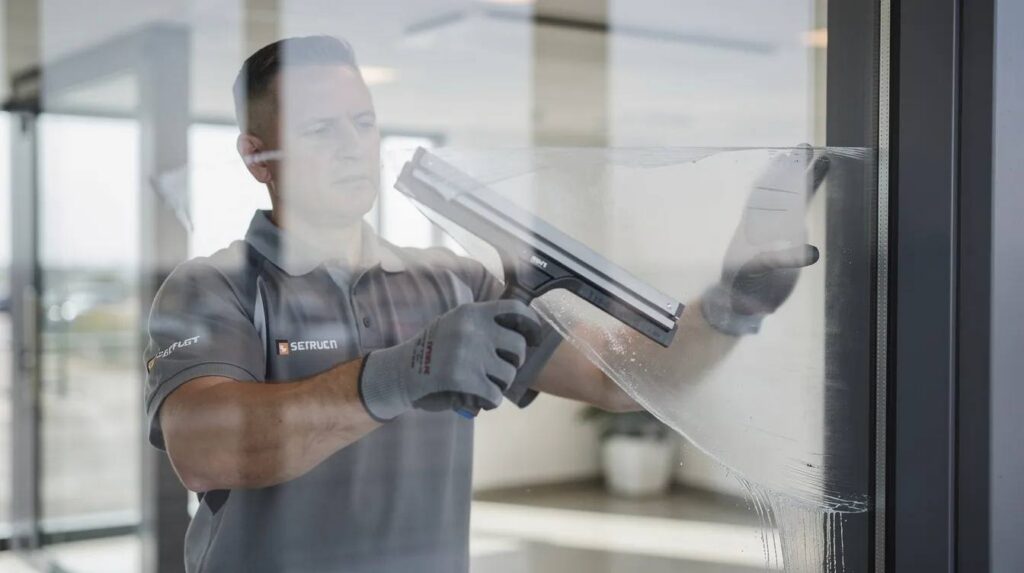
The installation process for security film is more technical than standard window tint due to film thickness, required edge precision, and frame anchoring requirements.
Pre-Installation Preparation
Professional installers conduct:
- Detailed glass inspection for chips, existing cracks, and failed seals
- Frame and sealant condition review
- Precise measurements including mullion and gasket clearances
- Assessment of whether existing tint removal is needed
Surface Cleaning
Achieving a contamination-free surface requires specialized scrapers, scrub pads, and low-residue slip solutions. Professional installers typically use a few drops of baby shampoo per quart of distilled water as a slip solution that allows repositioning during application.
Film Handling Techniques
Thicker security films are stiffer and harder to manipulate than regular tint. Professional techniques include:
- Wetting both glass and film liberally for positioning
- Using heat guns for curved surfaces
- Employing hard-card squeegees to evacuate slip solution and air
- Maintaining proper edge gaps (typically 1/8–1/4 inch from frame) for thermal expansion
Anchoring Options
| Method | Application | Security Level |
|---|---|---|
| Daylight installation | Film stops short of frame | Basic safety only |
| Wet-glazed silicone | Structural silicone bead bonds film to frame | Forced entry resistance |
| Mechanical retention | Tracks or brackets secure film edges | High-security/blast mitigation |
DIY vs. Professional Installation
DIY installation suits small job applications on non-critical panes. However, DIY on security film frequently results in:
- Trapped contamination causing bubbles
- Improper edge clearances leading to peeling
- Poor or missing anchoring that reduces security performance significantly
For larger or high-risk areas, experienced installers with proper certification deliver reliable results. A professional installer ensures the film performs as tested.
Curing Period
Thicker security films may show a hazy or milky appearance initially. Full curing takes 2–8 weeks depending on film thickness, temperature, and humidity. Cooler months (December–February in northern climates) extend this timeline. Avoid cleaning or disturbing the film during this period.
Cost, Lifespan & Return on Investment
Installed cost varies by thickness, access requirements, region, and whether anchoring systems are specified.
Typical Cost Ranges
| Category | Characteristics | Relative Cost |
|---|---|---|
| Entry-level (4–8 mil) | Basic safety, daylight installation | Lower tier |
| Mid-range (7–8 mil) | Forced entry resistance, standard anchoring | Moderate |
| High-security (12–15 mil) | Multi-ply with IPA attachment | Premium |
Factors Influencing Price
- Window size, shape, and accessibility (lifts add 20–50%)
- Glass condition and age
- Film type (standard dyed vs. ceramic adds 20–30%)
- Existing tint removal requirements
- Regional labor rates (urban areas typically 20% higher)
Lifespan Expectations
Quality security films often carry 10-year or longer warranties on vertical glass when professionally installed. With proper maintenance using microfiber cloths and ammonia-free cleaners, films can last 15–20 years. Extreme sun exposure and harsh cleaning chemicals shorten lifespan.
Insurance & Property Value
Some insurers consider security film as a risk-mitigation measure for break ins or storm damage. Property damage claims may decrease with documented film installation, especially when part of a broader bullet-resistant window and door security package. Ask your provider about available credits or endorsements—discounts of 5–15% have been reported.
Energy Savings Payback
In hot-summer regions, energy saving benefits from reduced cooling loads help offset initial investment. South and west-facing windows in Florida or Texas homes can see meaningful AC savings annually, often achieving 5–10 year payback periods.
Intangible Returns
Beyond direct sunlight control and cost effective utility savings, consider:
- Peace of mind for families and employees
- Reduced downtime after vandalism attempts
- Lower inventory loss risk for retailers
- Improved safety for building occupants
- Added layer of protection that requires no maintenance or monitoring
Ideal Applications for Tinted Security Window Film
While any glass can benefit from added protection, certain properties see the greatest value from security film installation.
Residential Properties
Ground-floor windows, patio doors, and basement entries represent priority locations—these account for approximately 70% of burglary entry vectors. Urban homes and properties in high-crime neighborhoods benefit from both the security and privacy effect of tinted films.
Retail & Commercial Storefronts
Classic smash and grab targets include jewelry stores, electronics retailers, cannabis dispensaries, and pharmacies. Security film provides added security that deters opportunistic theft while also blocking more light from fading merchandise displays.
Office Buildings
Boardrooms, lobby glass, and street-level glazing benefit from both confidentiality and injury prevention. The film can enhance privacy during sensitive meetings while protecting employees from glass breakage hazards.
Schools & Religious Facilities
These locations benefit from dual protection: shielding students and staff from flying glass during incidents while improving visual privacy from outside observers. Many school security upgrades now include security window film as a cost effective alternative to complete window replacement and are increasingly guided by enhanced school glazing security standards and ballistic-resistant window film solutions for active-shooter delays.
Storm-Prone Regions
Coastal areas and Tornado Alley residents use films as part of broader mitigation plans. For properties facing both storm risk and elevated crime, comparing traditional security films with advanced retrofit window security systems like DefenseLite can help determine the right balance of impact resistance and cost. Post-hurricane installations have demonstrated significant claims reductions by keeping glass intact during property damage events from wind-borne debris.
Historic Buildings
Films upgrade glass performance without replacing original windows, preserving architectural character while adding safety and solar control. In high-risk historic sites, owners sometimes pair film with engineered over-glazing systems like DefenseLite to achieve a stronger, yet unobtrusive, protective barrier. One layer of quality film can secure windows that otherwise couldn’t meet modern safety standards.
Frequently Asked Questions about Tinted Security Window Film
Is security film bulletproof or hurricane-proof?
No. Security film is not bulletproof—it may resist handgun impacts but not rifle fire. Similarly, it’s not hurricane-proof, as window frame failure can occur before film failure in extreme events. However, it significantly reduces shattering and delays penetration, making entry more difficult during break in attempts and containing debris during storms.
How does daytime vs. nighttime privacy work with tinted films?
Tinted and reflective films create privacy based on lighting differential. During daytime when it’s brighter outside, outsiders see their reflection while you maintain clear outward visibility. At night, this reverses—interior lights make your space visible from outside. Pair filmed windows with curtains or shades for nighttime privacy.
Can film be applied to both single and double-pane windows?
Yes, but with different considerations. Single-pane annealed glass (common in older homes) tolerates most films but may be sensitive to very dark tints in direct sunlight. Double-pane IGUs require careful film selection to avoid heat trapping that could cause seal failure. Always verify compatibility before installation.
How dark can security film be while meeting codes?
Many jurisdictions and HOAs require minimum 35% VLT for residential applications. However, clear security films at full protective thickness (8+ mil) are available for those who don’t want any tinted look. A full range of options exists between maximum clarity and maximum privacy.
How should I clean filmed windows?
Wait at least 4 weeks after installation before cleaning. Use mild soap and soft microfiber cloths. Avoid razor blades, abrasive scrubbers, and ammonia-based cleaners that can damage the film surface. Regular tint maintenance extends lifespan significantly.
Can security film be removed and replaced?
Yes. Removal involves softening the adhesive with heat (steam guns work well) and scraping. Residue cleans off with appropriate solvents, allowing new film installation on the same glass. Professional removal prevents glass damage.
What do warranties typically cover?
Quality manufacturers offer 10–25-year warranties covering delamination, bubbling, and discoloration. Most warranties require professional installation to remain valid. DIY installation often voids coverage, making professional installation worthwhile for long-term protection.
Why Choose Our Company for Tinted Security Window Film
We specialize in both security and solar control window films, with extensive experience across homes, retail locations, and commercial sites since the mid-2010s.
Expertise & Certification: Our installers maintain current certifications and ongoing training on glass compatibility and safety standards. We’ve completed challenging projects including large storefronts, high-rise offices, schools, and retrofits on older, sensitive glass.
Consultation Process: Every project begins with an on-site assessment of your glass type, shading conditions, vent locations, and specific risk factors. You receive written recommendations and clear, itemized proposals—no surprise charges.
Product Selection: We offer access to multiple film technologies rather than one-size-fits-all solutions. Whether you need clear protection, ceramic heat rejection, reflective privacy, or multi-ply high-security performance, we match the right film to your needs.
Installation Quality: Our dust-control measures, edge-sealing practices, and tested attachment systems maximize actual security performance—not just theoretical ratings.
Ongoing Support: Post-installation inspections, clear care instructions, and assistance with warranty claims ensure your investment performs for years.
Ready to secure your property? Contact our team today to schedule a free security assessment or request a customized quote for your home, storefront, or commercial building.