- Defining the UL 752 Level 3 Certification
- Understanding the Specific Threat: The .44 Magnum Test Round
- Ballistic Testing Methodology: Shot Placement and Velocity
- Beyond Stopping the Bullet: Analyzing Spall and Backface Deformation
- The Architect’s Dilemma: Trade-Offs of Traditional Level 3 Ballistic Glass
- BulletShield: How Patented Retrofit Systems Achieve Level 3 Protection
- Seamless Integration: Preserving Architectural Integrity with Advanced Security
- Key Specification Criteria for Level 3 Ballistic Resistant Glazing
- Conclusion: Unifying Advanced Security and Architectural Excellence
- Frequently Asked Questions
For architects and security specifiers, the Underwriters Laboratories (UL) 752 standard is the authoritative benchmark for ballistic-resistant materials. It provides a clear, tiered system for evaluating the protective capabilities of security glazing. Understanding the specifics of each level is critical for aligning protection with a credible threat assessment.
Level 3 is a common and robust specification, engineered to defeat multiple shots from a high-powered handgun. It represents a significant step up from lower levels, which are designed to stop smaller caliber rounds. This standard establishes level 3 ballistic glass as a foundational layer of protection for facilities facing determined threats.
Defining the UL 752 Level 3 Certification
A UL 752 Level 3 rating is not a subjective measure of strength. It is a formal certification granted only after a glazing assembly has successfully passed a rigorous, standardized test. This certification confirms that the material can withstand a specific ballistic attack without allowing penetration of the projectile or creating hazardous spall on the protected side.
This level of protection is frequently specified for government buildings, corporate headquarters, financial institutions, and luxury retail storefronts. It provides a reliable defense against the most powerful handguns commonly available, making it a critical component in a comprehensive physical security plan.
Understanding the Specific Threat: The .44 Magnum Test Round
The defining threat for a UL 752 Level 3 rating is the .44 Magnum handgun. This weapon was chosen by UL test engineers because it delivers substantially more kinetic energy than the 9mm and .357 Magnum rounds used to test Levels 1 and 2, respectively. It represents a significant escalation in ballistic force.
The test specifically calls for a 240-grain lead semi-wadcutter projectile. The distinct shape and mass of this bullet are designed to maximize energy transfer upon impact. By proving its ability to defeat this formidable round, a Level 3 rated system demonstrates a capacity to handle a serious, deliberate armed assault.
Ballistic Testing Methodology: Shot Placement and Velocity
To achieve certification, a 12-by-12-inch sample of the security glazing must withstand a precise and repeatable attack protocol. The test is not merely about stopping a single bullet, but about maintaining structural integrity after multiple impacts in a concentrated area.
The methodology requires three shots to be fired at the sample, forming a triangular pattern with 4 to 5 inches between each point of impact. This pattern tests the material’s ability to resist failure even after it has been weakened by previous shots. The velocity of each projectile is also carefully measured and must fall within a strict range of 1350 to 1485 feet per second. This ensures that the glazing is tested against the full, specified energy of the .44 Magnum round.
Beyond Stopping the Bullet: Analyzing Spall and Backface Deformation
A critical, and often overlooked, aspect of the UL 752 test is the analysis of what happens on the protected side of the glazing. Simply stopping a bullet is insufficient if the impact itself creates secondary projectiles that can harm occupants. This phenomenon is known as spall.
Spall consists of tiny, high-velocity fragments of glass or polycarbonate ejected from the rear face of the glazing upon impact. During testing, a thin cardboard witness panel is placed 18 inches behind the test sample. To pass the test and achieve a “no-spall” rating, the glazing must not allow any perforations in this witness panel. This ensures that even under ballistic attack, the protected space remains safe from secondary projectiles, which can be just as lethal as the bullet itself.
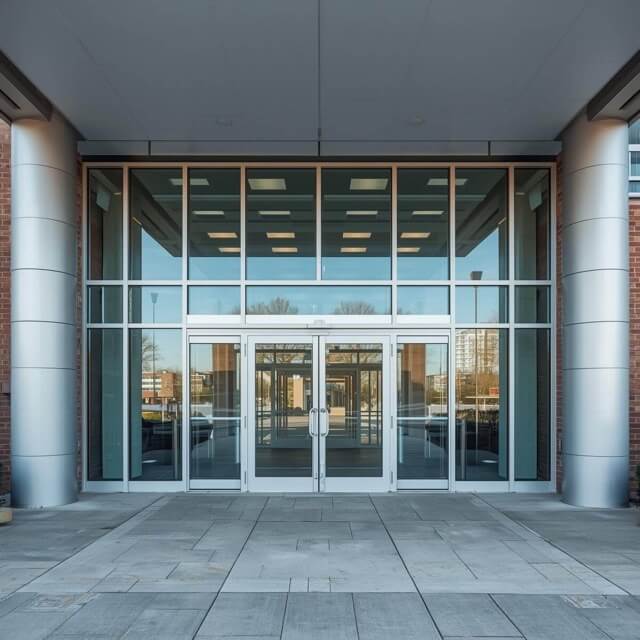
The Architect’s Dilemma: Trade-Offs of Traditional Level 3 Ballistic Glass
While meeting the UL 752 Level 3 standard is essential, the conventional methods for achieving it have long presented architects with a series of difficult compromises. For decades, the only viable solution was to specify monolithic, factory-produced ballistic glass panels and frames. This approach forces a direct trade-off between security, aesthetics, structural integrity, and budget.
The Challenge of Full Rip-and-Replace Installations
The conventional path to Level 3 protection involves the complete removal of the existing window and framing system. This “rip-and-replace” process is inherently disruptive, invasive, and costly. It entails significant demolition, creating dust, noise, and security vulnerabilities during the extended installation period. For occupied buildings, this can mean unacceptable operational downtime or the complex logistical challenge of phasing work around business hours.
Weight, Thickness, and Structural Load Implications
Traditional level 3 ballistic glass is a brute-force solution. These assemblies are typically composed of multiple layers of glass and polymer interlayers, resulting in a glazing unit that is often 1.25 inches thick or more. This thickness corresponds directly to immense weight, frequently exceeding 15 pounds per square foot.
Most existing building envelopes and curtain wall systems are not engineered to support this substantial dead load. Consequently, achieving Level 3 protection often requires costly and complex structural modifications to the building itself. This introduces engineering challenges, inflates project costs, and places severe limitations on where ballistic protection can even be implemented.
Compromising Aesthetics: Optical Distortion and Obtrusive Framing
For the design-conscious architect, the aesthetic compromises of traditional ballistic glass are often the most significant drawback. The sheer thickness and multi-layered composition can lead to poor optical quality, including reduced light transmission, noticeable color shifts, and distracting visual distortion.
This problem is compounded by the framing. The immense weight of the glass necessitates thick, industrial-looking steel or heavy-duty aluminum frames. These obtrusive profiles disrupt clean sightlines and are fundamentally at odds with the goals of modern, minimalist, or historically sensitive architecture. This forces a difficult choice to accept a design that feels more like a fortress than a welcoming space, or forgo the necessary level of security.
The Financial and Logistical Costs of Conventional Protection
When all factors are considered, the total cost of traditional ballistic protection extends far beyond the material itself. Project stakeholders must account for a cascade of expenses and complexities that can derail budgets and timelines.
- High Material Costs: The manufacturing process for thick, multi-laminated ballistic glass is expensive.
- Structural Modification: Engineering assessments and physical reinforcement of the building structure add significant cost.
- Intensive Labor: Demolition of the existing envelope and installation of the new, heavy system is a labor-intensive process.
- Logistical Complexity: Coordinating demolition, structural work, and installation requires more vendors and extends project schedules.
- Business Interruption: For retrofits in active facilities, the costs associated with downtime or phased construction can be substantial.
These challenges define the architect’s dilemma. They have historically framed ballistic security not as an integrated feature, but as a cumbersome and compromising addition that works against the primary design vision.
BulletShield: How Patented Retrofit Systems Achieve Level 3 Protection
Where traditional approaches to ballistic security require the complete removal and replacement of existing glazing, advanced retrofit systems offer a fundamentally different engineering philosophy. Instead of relying on a single, massive barrier, these systems create a dynamic, multi-component defense that integrates with and enhances the building’s existing envelope. This method achieves UL 752 Level 3 protection through intelligent design rather than brute force, dissipating a projectile’s energy across a sequence of engineered layers.
The Engineering Behind Retrofit Security on Existing Glass
The core principle of a bulletproof window retrofit is to create a standoff shield that works in concert with the window it protects. This is not an applied film or a simple pane of acrylic. It is an engineered assembly mounted to the exterior of the existing window frame.
Upon impact from a projectile, this system manages kinetic energy in stages. The outer shield absorbs the initial and most significant portion of the force, while the air gap and the original window pane handle the residual energy. This sequential dissipation prevents penetration and minimizes spall. By separating the functions of ballistic resistance and weather-proofing, the system optimizes both without compromise.
Leveraging Polycarbonate for Superior Performance
The material science behind retrofit systems is critical to their performance. The primary shield is typically constructed from a monolithic sheet of ballistic-grade polycarbonate security glazing. Renowned for its exceptional ductility and impact strength, polycarbonate can deform significantly upon impact, absorbing and spreading a projectile’s force over a wide surface area without shattering.
This outer shield works synergistically with the building’s existing glass. It serves as the system’s anvil, providing a rigid backstop and helping to flatten or deflect the bullet, while the polycarbonate shield contains the full impact. This layered approach is more effective at stopping the .44 Magnum round specified in the UL 752 Level 3 test than a single, thick layer of material of the same weight.
The Role of the Patented Air Gap and Venting System
Between the external polycarbonate shield and the original window lies a precisely engineered air gap. This separation is not an incidental space but a critical functional component. It provides the necessary room for the polycarbonate to safely flex inward upon impact, a process essential for dissipating the projectile’s kinetic energy. Without this gap, the impact energy would transfer directly to the original glass and frame, leading to catastrophic failure.
A patented perimeter venting system also prevents this sealed air gap from becoming a liability. It allows air to circulate, equalizing pressure and temperature differences caused by solar gain. This innovation effectively eliminates the risk of condensation or fogging that can plague lesser-designed systems, ensuring long-term optical clarity and maintenance-free performance.
Attaching to Existing Frames: A Non-Invasive Approach
A key advantage for architects and building owners is the system’s non-invasive installation methodology. The ballistic shield is secured within a proprietary, custom-extruded aluminum frame. This frame is then anchored directly onto the surface of the existing window mullions or surrounding facade.
This approach provides several distinct benefits:
- Minimal Disruption: Installation occurs entirely from the exterior, with no need for tenant relocation or significant operational downtime.
- Structural Integrity: The original window system remains intact, preserving the building’s weather seal and structural design.
- Cost-Effectiveness: It eliminates the enormous expense and complexity associated with demolition, fabrication of new glazing, and full window replacement.
By bonding to the existing structure, the system effectively upgrades the entire window opening into a high-performance security asset without altering its fundamental construction.
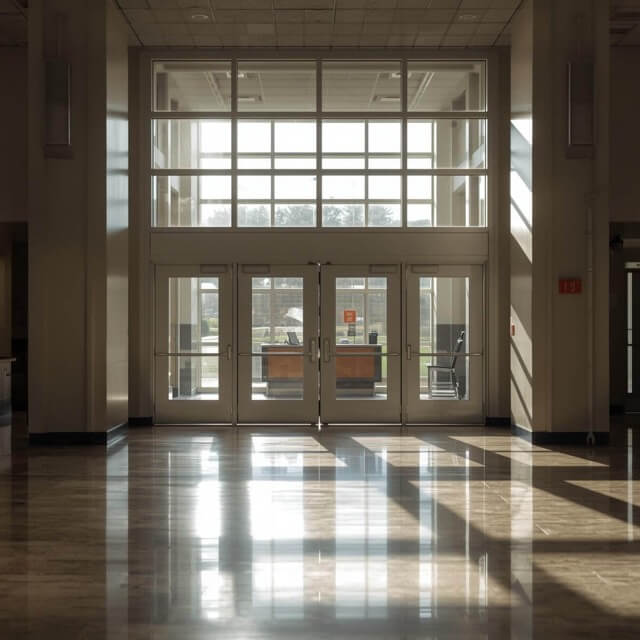
Seamless Integration: Preserving Architectural Integrity with Advanced Security
For architects, the most significant challenge in security specification is often the aesthetic compromise. Traditional ballistic solutions can detract from a building’s design with their bulk, tint, and heavy framing. The primary design goal of an advanced retrofit system is to make UL 752 Level 3 protection virtually undetectable, ensuring security enhances safety without sacrificing the architectural vision.
Maintaining the Original Design Vision: A Virtually Invisible Solution
From the exterior, a properly specified and installed retrofit system is designed to disappear. The high-optic polycarbonate shield and low-profile aluminum framing integrate cleanly with the existing curtain wall or window system. Unlike thick, multi-laminate ballistic glass, which often produces a noticeable green tint and visual distortion, this over-glazing solution maintains the intended appearance of the original facade. The result is a building that is hardened against attack but does not project a fortress-like aesthetic.
Maximizing Natural Light and Preserving Unobstructed Views
Daylighting and views are central to modern architectural practice. A retrofit system preserves these qualities by design. The ballistic-grade polycarbonate used offers light transmission levels nearly identical to glass, allowing natural light to flood interior spaces as intended. Because the original window remains in place, the view from inside is clear and unobstructed. The system avoids the visual distortion and reduced clarity that can result from looking through more than an inch of laminated glass, ensuring the connection to the outdoors is maintained.
Customization Options for Architecturally Sensitive Projects
Recognizing that every building has a unique material and color palette, the system’s aluminum framing components are fully customizable. This ensures seamless integration with any architectural style, from sleek contemporary curtain walls to historically significant facades. Finishing options include:
- A full spectrum of powder coat colors to precisely match existing mullions or trim.
- Durable anodized finishes for a modern, metallic appearance.
- Custom cladding and finishing solutions for projects requiring adherence to strict historical preservation standards.
This level of customization empowers architects to specify robust ballistic protection without being limited to a narrow range of standard finishes that would disrupt their design.
Security That Complements, Not Compromises, Design
Ultimately, this retrofit approach directly resolves the architect’s core dilemma: the perceived conflict between high-level security and design excellence. By separating the ballistic shield from the existing glazing, the system delivers UL 752 Level 3 protection in a lightweight, low-profile, and optically clear package.
Architects no longer need to sacrifice clean lines, historical character, or transparent aesthetics to meet critical safety requirements. This technology provides a pathway to implement advanced threat mitigation that complements the design vision, empowering the creation of spaces that are both safe and inspiring.
Key Specification Criteria for Level 3 Ballistic Resistant Glazing
Specifying a UL 752 Level 3 system requires a holistic approach that extends beyond simply selecting a piece of bullet-resistant material. True security is achieved when the glazing, framing, and installation method function as an integrated assembly. For architects, understanding these interdependent criteria is the first step toward creating a protective envelope that enhances, rather than compromises, the building’s design.
Assessing Existing Fenestration and Framing for Retrofit Compatibility
Before any material is specified, a thorough assessment of the existing window and door systems is paramount. The structural integrity of the existing framing dictates the viability of a retrofit solution versus a full replacement. A traditional ballistic glass installation, with its significant weight, almost always necessitates the removal of the entire fenestration system. This process is not only costly and time-intensive but can also fundamentally alter the building’s original aesthetic.
An engineered retrofit system, by contrast, is designed to integrate with the existing infrastructure. The assessment must confirm that the current frames can bear the load of the new security glazing and, more importantly, withstand the kinetic energy transfer during an attack. A key advantage of advanced over-glazing systems is that their mounting hardware is often engineered to anchor directly into the building structure. This effectively braces and strengthens the original window frame, making a retrofit a viable option for many commercial buildings.
Specifying Materials: Polycarbonate vs. Laminated Glass
The choice of glazing material has profound implications for a project’s weight, optical clarity, and overall cost. For decades, traditional laminated glass was the default for ballistic protection, but modern material science offers more effective alternatives.
- Laminated Glass: Comprised of multiple layers of glass bonded with an interlayer, this material achieves Level 3 protection through sheer mass. The resulting assemblies are exceptionally thick and heavy, placing significant structural demands on the frame and building. This can also lead to issues with light transmission and color neutrality.
- Polycarbonate Security Glazing: As a material, polycarbonate is significantly lighter and stronger than glass, capable of absorbing and dissipating impact energy without shattering. Modern Level 3 solutions often use polycarbonate to create a thinner and lighter panel that still meets the UL 752 standard. For architects, this translates into less obtrusive sightlines, reduced structural load requirements, and greater design flexibility without sacrificing safety.
Evaluating Multi-Threat Capabilities: Forced Entry and Blast Resistance
The UL 752 standard is narrowly focused on ballistic performance. It does not certify resistance against other common threats, such as forced entry using tools or the effects of a nearby explosion. A truly robust architectural security specification must account for this reality.
This is where material properties become critically important once again. The inherent ductility of polycarbonate makes it exceptionally resilient against blunt-force impacts from hammers, pry bars, and other tools used in forced entry resistance. While laminated glass might stop a bullet, it can be defeated with sustained physical attack. Specifying a multi-threat solution ensures the glazing system addresses the most likely risks a building will face, providing a higher level of security value.
Understanding Manufacturer Certifications and Testing Documentation
Claims of ballistic resistance are meaningless without independent verification. When specifying a Level 3 system, it is essential to demand and scrutinize the manufacturer’s third-party testing documentation from a Nationally Recognized Testing Laboratory (NRTL) like UL.
However, architects must look deeper than a simple certificate. It is crucial to review the full test report for the specific product being considered. This document provides critical context, detailing the complete assembly that was tested, including the glazing, frame, anchoring methods, and sample size. A manufacturer’s certification is only valid if the product is installed in a manner consistent with the tested assembly. Reputable manufacturers provide this documentation transparently, demonstrating that their entire system has been proven to perform under UL 752 Level 3 conditions.
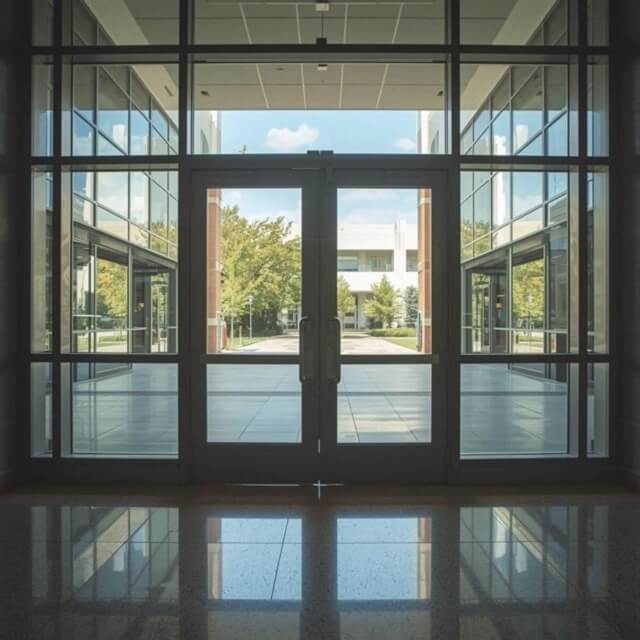
Conclusion: Unifying Advanced Security and Architectural Excellence
The specification of security glazing has long been a source of tension between performance requirements and design aspirations. For architects and specifiers, the challenge has been to meet stringent security standards like UL 752 Level 3 without compromising the aesthetic and functional intent of the building. Modern, engineered solutions have finally resolved this long-standing conflict.
Overcoming the Security vs. Aesthetics Compromise
Historically, achieving UL 752 Level 3 ballistic protection meant accepting a series of compromises. The default solution, thick and heavy level 3 ballistic glass, required substantial structural modifications and introduced visual distortion. This forced a difficult choice between the design vision and uncompromising security standards.
This is a false dichotomy driven by outdated material assumptions. By decoupling the ballistic-resistant layer from the primary building envelope, advanced retrofit systems render this compromise obsolete. They demonstrate that robust security and architectural integrity are no longer mutually exclusive goals.
The Superiority of Retrofit Solutions for Modern Challenges
Patented retrofit systems represent a paradigm shift in protective design. Instead of replacing existing glazing, these systems are engineered to integrate with it, offering a solution that is not only effective but also highly adaptable.
The key advantages for architects and security specifiers include:
- Architectural Invisibility: The system is installed over existing glass, preserving original sightlines, daylighting, and facade aesthetics.
- Reduced Structural Load: By using advanced materials like polycarbonate, a retrofit system provides UL 752 Level 3 protection at a fraction of the weight of traditional ballistic glass, eliminating the need for costly structural reinforcement.
- Minimal Disruption: Installation is clean, quiet, and can be completed from the exterior or interior without vacating building occupants, allowing for business continuity.
- Enhanced Overall Performance: The system’s standoff design creates an insulating air gap that improves thermal performance and provides significant sound attenuation.
Next Steps for Architects and Security Specifiers
Integrating this advanced level of protection without aesthetic compromise requires a shift in the specification process. Rather than defaulting to a material, the focus should be on defining the performance outcome.
When specifying UL 752 Level 3 protection for glazing, we recommend a clear, three-step approach. First, consult with a security glazing specialist early in the design or threat assessment phase. Second, request detailed drawings and sightline studies to verify how the system will integrate with your specific window and curtain wall designs. Finally, obtain material and finish samples to confirm that the system’s components will seamlessly match the existing building aesthetics.
By adopting this performance-based approach, architects can confidently deliver on their design vision while providing clients with a superior level of security that is effective, discreet, and intelligently engineered for the built environment.
Frequently Asked Questions
What is the main difference between traditional level 3 ballistic glass and a retrofit system?
Traditional level 3 ballistic glass is a single, thick, and heavy unit composed of laminated glass that replaces the entire existing window and frame. A retrofit system, by contrast, is a lighter-weight polycarbonate shield installed over the existing window, creating a protective air gap. This preserves the original window, reduces structural load, and minimizes installation disruption.
Will a bulletproof window retrofit change my building’s appearance?
No. A high-quality retrofit system is designed to be virtually invisible. The polycarbonate shield is optically clear, and the low-profile aluminum framing can be custom-finished to match the building’s existing window mullions and facade color. The goal is to provide robust security without altering the intended architectural aesthetic.
Is polycarbonate security glazing as clear as standard glass?
Yes. Modern, optical-grade polycarbonate offers light transmission levels and clarity that are nearly identical to glass. Unlike thick, multi-layered ballistic glass which can have a green tint, polycarbonate provides a clear, distortion-free view, preserving natural light and the connection to the outdoors.
Does a UL 752 Level 3 rating also protect against forced entry?
The UL 752 standard is specific to ballistic testing and does not certify for forced entry. However, the materials used in advanced retrofit systems, particularly polycarbonate, are inherently resistant to physical attack. Polycarbonate’s ductility allows it to withstand repeated blows from hammers or pry bars far better than laminated glass, which can be broken with sustained effort. For comprehensive protection, you should specify a system tested for both ballistic and forced entry resistance.