Table of Contents
- Introduction to Bulletproof Materials
- Understanding Ballistic Protection Standards
- Types of Bulletproof Materials
- Material Performance and Selection Criteria
- Common Challenges and Solutions
- Conclusion and Next Steps
- Frequently Asked Questions
Introduction to Bulletproof Materials
Bulletproof materials are engineered substances designed to absorb, deflect, or stop projectile penetration through mechanisms including tensile strength, compressive hardness, and energy dissipation. However, there is no such thing as a truly bulletproof thing; no material is truly “bulletproof.” Instead, products labeled as “bulletproof” are actually bullet-resistant, meaning they can withstand a certain number of rounds from specific calibers fired from particular weapons. Understanding this distinction is essential for making informed protection decisions.
Modern bulletproof materials include aramid fibers like Kevlar and Twaron, ultra-high-molecular-weight polyethylene (UHMWPE) such as Dyneema and Spectra Shield, ceramic compounds including boron carbide and silicon carbide, and steel composites. These materials were created through advanced research and engineering to provide ballistic protection. For example, Kevlar is a strong synthetic fiber that is generally used in body armor and protective clothing due to its high tensile strength and ability to flex without breaking. High-performance fibers like UHMWPE and aramids are also used in protective clothing for various industries. Each material type offers distinct advantages in ballistic protection depending on the threat profile, weight requirements, and application environment.
This guide serves security professionals evaluating body armor options, property owners considering ballistic protection for buildings, and individuals seeking personal defense solutions. The choice of bulletproof material is crucial, as the right selection ensures adequate protection tailored to the user’s specific needs. Whether you’re selecting bulletproof vests for patrol officers, armoring a safe room, or specifying ballistic materials for vehicle applications, the information here will help you navigate the complex landscape of protection options.
Key outcomes from this guide:
- Understand ballistic standards and testing levels that define material performance
- Compare synthetic material, ceramic, and metal-based bulletproof products
- Apply selection criteria based on protection level, overall weight, and durability
- Identify common challenges and practical solutions for real-world applications
- Verify certifications and make confident purchasing decisions
Understanding Ballistic Protection Standards
Standardized testing matters because it provides a consistent framework for comparing bulletproof materials across manufacturers. Without uniform test protocols, claims about bullet resistance would remain unverified, making it difficult to understand whether a product actually delivers the protection it promises. Ballistic standards are tests designed to evaluate the durability of bullet-resistant materials based on their ability to withstand a certain number of rounds from specific calibers of bullets fired from designated weapons. The course, or specific layering method, of aramid materials used in the construction of bulletproof vests can significantly influence how these materials perform during standardized ballistic tests.
NIJ Standards and Testing Levels
The National Institute of Justice (NIJ) Standard 0101.06, published in 2008, remains the primary U.S. benchmark for body armor ballistic resistance. This standard defines protection levels ranging from soft armor ratings (IIA, II, IIIA) for handgun threats to hard armor ratings (III, IV) for rifle and armor-piercing ammunition.
Testing methodology involves shooting specified ammunition at armor panels mounted on clay backing material. The backface signature—depth of deformation into the clay behind armor—must not exceed 44 mm. Additionally, V50 ballistic limit tests quantify the velocity at which there’s a 50% chance of penetration, providing a scientific measure of protection capability.
Protection levels and corresponding threats:
- Level II/IIIA body armor stops common handgun rounds like 9mm and .44 Magnum
- Level III body armor stops standard rifle rounds like 7.62mm NATO M80 FMJ
- Level IV body armor is designed to stop armor-piercing rifle ammunition, specifically tested against .30-caliber M2 AP rounds
Standard concealable vests for patrol officers provide soft armor protection at Levels II and IIIA, while hard armor is used in tactical plate carriers to withstand high-powered rifle rounds at NIJ Level III and IV.
International Standards
Beyond NIJ, several international standards govern ballistic materials testing. The Underwriter’s Laboratory (UL) has established a set of ballistic standards, known as UL 752, which ranks materials on eight levels of bullet resistance—commonly used for architectural applications like ballistic glass and polycarbonate shields in bank teller windows, airports, and storefronts.
European VPAM standards (Vereinigung der Prüfstellen für Angriffshemmende Materialien und Konstruktionen) allow for more particular test conditions, including curved surfaces and oblique angles, while dedicated ballistic standards, such as UL 752 and NIJ, define protection levels, ammunition types, and shot counts for certifying bullet-resistant windows and materials. UK HOSDB standards historically used different testing bullets and velocities, while Russian GOST standards address threats typical to that region, including steel-core bullets and extreme temperature conditions.
These differences in protocols affect how materials are certified across markets. When selecting bulletproof products for international deployment, verify that testing aligns with relevant regional standards—a plate certified to NIJ Level III may require separate VPAM testing for European use.
Types of Bulletproof Materials
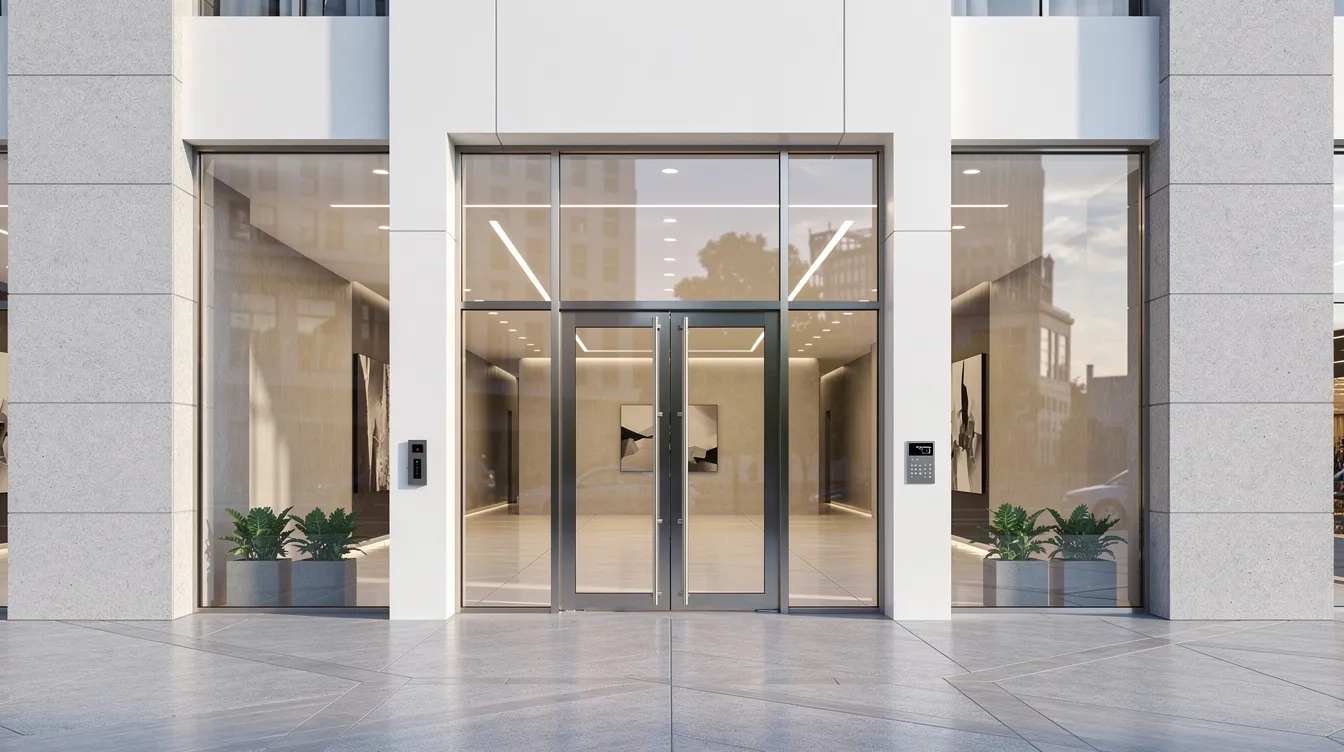
Building on ballistic standards, bulletproof materials can be categorized into three primary groups: synthetic fiber materials for flexible soft armor, ceramic materials for hard armor plates, and metal-based materials, including steel and composites. Each category offers distinct properties that determine suitability for specific applications.
Synthetic Fiber Materials
Soft armor is made from layered synthetic fibers like Kevlar or Dyneema, designed to catch lower-velocity handgun rounds by stretching and dispersing energy across multiple layers. These materials form the foundation of concealable bulletproof vests and protective clothing worn by law enforcement and security personnel.
Aramid fibers (Kevlar, Twaron) were developed in the 1960s by DuPont and remain widely used in ballistic protection. Kevlar is a lightweight and flexible material that has excellent impact resistance, making it effective against most handgun rounds, but it is less effective against high-velocity rifle rounds. Aramid fibers offer good thermal stability but can degrade with UV exposure over time. The flex of aramid fibers allows for greater comfort and mobility, benefiting the user in both body armor and protective clothing applications.
Ultra-high-molecular-weight polyethylene (UHMWPE) represents a significant advancement in synthetic material technology. Dyneema is one of the most widely used lightweight polyethylene materials in bulletproof vests, known for being up to 15 times stronger than steel and 40% stronger than aramid fibers based on its strength-to-weight ratio. UHMWPE is a lightweight synthetic material that is very strong for its weight—15 times stronger than steel—providing excellent impact resistance and is commonly used in bulletproof and stab-proof vests. The strong and flexible nature of UHMWPE makes it ideal for protective clothing, allowing the user to benefit from both protection and ease of movement.
Layering techniques enable multi-hit capability by distributing bullet energy across multiple sheets of material. However, UHMWPE has a low melting point (~130-140°C) and can degrade over time, particularly under sustained load or high-temperature conditions—factors to consider for long-term applications. The combination of strength and flex in these advanced materials ensures that the end-user receives both effective protection and comfort, especially in concealed or wearable bullet proof material applications.
Ceramic Materials
Ceramics are preferred in hard body armor because they shatter incoming bullets, disrupting the projectile before it can penetrate. Hard body armor utilizes rigid inserts made of ceramic or steel plates within a plate carrier, with ceramic strike faces backed by fiber composites that catch fragments and reduce blunt trauma.
Common ceramic types include:
- Alumina oxide (Al₂O₃): Most affordable option with density ~3.9 g/cm³ and hardness ~15 GPa; commonly used in entry-level rifle plates
- Silicon carbide (SiC): Density ~3.2 g/cm³ with hardness ~26 GPa; lighter than alumina for equivalent protection
- Boron carbide (B₄C): Premium material with density ~2.5 g/cm³ and hardness exceeding 35 GPa; provides the lightest weight Level IV protection
Ballistic plates using ceramic construction typically measure 0.5 to 0.9 inches thick and weigh between 5.5 and 7.5 pounds for a standard 10”×12” plate. The ceramic hardness directly correlates to rifle threat protection capabilities—harder ceramics more effectively shatter armor-piercing projectiles.
Metal-Based Materials
Steel is one of the oldest and most common bulletproof materials, providing excellent protection against most types of bullets, including handgun rounds, shotgun slugs, and even rifle rounds, but it is heavy and can be difficult to conceal. Steel plate armor offers exceptional durability and multi-hit capability, making it ideal for applications where weight is less critical than longevity.
Hardened steel plates (AR500/AR550 alloys) require spall coating to prevent dangerous fragmentation when rounds impact the surface. Common coatings include polyurea and Kevlar wraps that trap spall and protect the wearer from secondary fragments. Multi-curve designs improve comfort and coverage for wearable applications.
Armored vehicles use a stratified approach combining ballistic steel, high-strength alloys, and ceramic composites. New designs of armored vehicles incorporate carbon fiber and UHMWPE to reduce weight for better fuel efficiency and mobility, demonstrating how hybrid approaches leverage the benefits of multiple material types.
Material Performance and Selection Criteria
Selecting bulletproof materials requires balancing protection level with overall weight, cost, and mobility constraints. The “best” material depends entirely on application requirements—what works for a patrol officer’s concealable vest differs substantially from armored vehicle specifications or architectural ballistic protection.
Weight and Mobility Comparison
Weight significantly impacts wearability, endurance, and tactical effectiveness. Lighter materials enable longer wear periods and faster movement, while heavier options often provide greater durability and multi-hit performance.
| Material Type | NIJ Level | Weight (per 10”×12” plate) | Typical Thickness |
|---|---|---|---|
| Aramid (Kevlar) soft panels | IIIA | 3-5 lbs total (front & back) | 10-20 mm |
| UHMWPE soft panels | IIIA | 2-4 lbs total | 8-15 mm |
| Ceramic + backing | III/IV | 4-7 lbs | 0.5-0.9” |
| Steel plate | III | 7-9 lbs | 0.21-0.30” |
| Ballistic shields for tactical teams often use composites like ceramic and polyethylene to balance protection with portability, similar to how property-focused rankings of bullet-resistant materials for buildings emphasize polycarbonate shields and other glazing solutions that trade weight for multi-hit performance. This hybrid approach enables operators to navigate high-threat environments without excessive fatigue. For applications requiring extended wear, UHMWPE-based solutions typically offer 25-40% weight reduction compared to aramid at similar protection levels. |
Durability and Lifespan Analysis
Material degradation factors vary significantly by type, affecting replacement scheduling and total cost of ownership:
Aramid fibers: UV exposure causes gradual strength reduction; moisture can affect performance in older formulations. Typical service life is 5-7 years under normal use conditions with proper storage away from direct sunlight.
UHMWPE: Temperature sensitivity limits applications in extreme heat; low melting point means careful storage is essential. Bonding between layers can weaken over time, particularly under sustained pressure.
Ceramic plates: Properly maintained ceramic plates can last 10+ years, but any impact—even non-penetrating drops—can create internal crack patterns that compromise protection. Visual inspection cannot reliably detect internal damage.
Steel plates: Excellent longevity (15-20+ years) provided anti-corrosion treatments remain intact. Primary concerns are rust in humid environments and degradation of spall coatings from wear or UV exposure.
Ballistic materials are rated based on their performance in standardized tests that measure their ability to stop bullets, with different materials achieving varying levels of protection depending on their composition and thickness. Regular inspection protocols help identify when replacement is necessary before protection is compromised.
Application-Specific Selection Process
A systematic approach ensures bulletproof products match actual requirements:
Step 1: Identify threat level and ballistic requirements. Determine specific calibers and velocities requiring protection. Historical threat analysis and regional considerations guide this assessment—rifle threats require hard armor, while handgun-only environments may permit lighter soft armor solutions.
Step 2: Determine weight and mobility constraints. Evaluate wear duration, movement requirements, and concealability needs. Patrol officers typically prioritize flexible, lightweight options, while static security positions can accommodate heavier, more durable materials.
Step 3: Evaluate environmental conditions. Consider temperature extremes, humidity, UV exposure, and potential for mechanical damage. UHMWPE struggles in sustained high heat; steel requires moisture control; ceramics demand careful handling to prevent crack formation.
Step 4: Calculate total cost of ownership. Factor in purchase price, replacement cycles, maintenance requirements, and installation costs. Cheaper initial options may prove expensive if frequent replacement is required—a quality ceramic plate lasting 10 years often costs less per year than budget alternatives requiring replacement every 3-5 years.
Common Challenges and Solutions
Real-world applications present practical challenges that require specific solutions. Understanding these issues before deployment prevents protection gaps and ensures materials perform as expected throughout their service life.
Spalling and Secondary Fragment Protection
When bullets impact steel plates, they fragment along with surface material, creating dangerous spall that can injure the wearer. This secondary fragmentation poses a significant risk without proper mitigation.
Solution: Apply anti-spall coatings such as polyurea or aramid wraps to steel plates. These coatings contain fragments while maintaining ballistic performance. Additionally, ensure proper backing material selection—fiber backings behind ceramic strike faces catch ceramic debris and bullet fragments. Replace plates immediately if coating integrity is compromised.
Multi-Hit Performance Degradation
Ceramics tend to fracture locally after first impact, reducing ballistic protection in that area. Subsequent hits to the same location are more likely to penetrate, creating potential protection gaps during extended engagements.
Solution: Implement overlapping coverage zones using multiple plates positioned to provide redundant protection. Consider arrayed tile configurations where many small ceramic tiles limit damage to a single tile per impact rather than compromising the entire plate. Establish inspection protocols for identifying compromised areas—any visible damage to ceramic plates warrants immediate replacement.
Critical areas of aircraft and vessels are reinforced with advanced composites to protect against fragmentation and small-arms fire, demonstrating how professional applications address multi-hit concerns through layered protection strategies; similarly, advanced polycarbonate security glazing systems are used in high-risk buildings to resist forced entry, ballistic threats, and riot damage.
Environmental Performance Issues
Environmental factors degrade bulletproof materials over time, potentially reducing protection below certified levels without a visible indication.
Solution: Implement material-specific storage and maintenance protocols:
- Store soft armor flat in climate-controlled environments (temperature 40-80°F, humidity below 80%)
- Protect aramid from direct UV exposure using covers or interior storage
- Maintain steel coatings and inspect for rust, particularly at edges and stress points
- Handle ceramic plates carefully—no dropping or stacking heavy items on top
Ballistic fiberglass panels are installed behind drywall in safe rooms to reinforce walls, showing how proper installation protects materials from environmental exposure while maintaining protection capability. Retrofit bullet-resistant glazing systems like BulletShield offer similar concealed protection for existing windows and doors.
Conclusion and Next Steps
Bulletproof material selection requires balancing protection level, overall weight, durability, and cost against specific threat requirements. No single material serves all applications optimally—aramid and UHMWPE provide lightweight flexibility for soft armor against handgun threats, ceramics deliver rifle-rated protection with reasonable weight, and steel offers unmatched durability and multi-hit capability at the cost of increased mass.
Immediate next steps:
- Assess your specific threat requirements by identifying likely calibers and engagement scenarios
- Consult ballistic testing data and verify NIJ certification on the official Compliant Products List
- Obtain quotes from qualified manufacturers who can provide test reports and warranty information
- Plan for maintenance and replacement cycles as part of the total cost of ownership
Related topics worth exploring:
- Detailed ballistic testing procedures for understanding certification specifics
- Installation techniques for architectural ballistic glass and overglazing protection
- Maintenance schedules optimized for your specific material types
For professional consultation on custom ballistic solutions—whether body armor, vehicle armoring, or architectural protection—working with certified suppliers ensures materials meet claimed standards and perform reliably when protection matters most.
Frequently Asked Questions
What is the strongest bulletproof material available in 2026?
Research published in late 2025 demonstrated an advanced aramid super-fiber enhanced with treated single-walled carbon nanotubes, achieving dynamic strength up to ~10 GPa and toughness ~700 MJ/m³—more than double standard Kevlar performance. However, this remains in the research phase and isn’t commercially available. For currently fielded materials, boron carbide (B₄C) ceramics with UHMWPE backing represent the strongest commonly available option, providing Level IV protection against armor-piercing rifle ammunition.
How long do bulletproof materials last before replacement?
Soft armor typically has a service life of 5-7 years under normal use conditions. Hard armor plates—ceramic or steel—can last 10-20+ years if properly cared for. However, any impact (even non-penetrating), damage (cracks, delamination), or environmental exposure (moisture, UV, heat) can necessitate earlier replacement. Manufacturers provide specific guidance, and regular inspection is essential.
Can bulletproof materials stop knife attacks and other sharp weapons?
Not necessarily. Ballistic standards like NIJ 0101.06 govern projectile resistance, while stab protection falls under separate standards (e.g., NIJ 0115.00). Materials effective against bullets may not resist edged weapons—stab-proof vests require a different construction. Some products achieve dual certification for both threats, but protection claims must be verified against applicable standards for your specific threat concerns.
What’s the difference between soft armor and hard armor plates?
Soft armor uses flexible synthetic fibers (aramid or UHMWPE) to protect against handgun threats up to NIJ Level IIIA. It offers concealability and comfort for extended wear. Hard armor uses rigid inserts—ceramic or steel plates within a plate carrier—to defend against rifle rounds at NIJ Levels III and IV. Hard armor provides superior protection against high-velocity threats but adds significant weight and reduces flexibility.
How much does professional bulletproof material installation cost?
Costs vary widely by application. Soft armor panels range from a few hundred to over a thousand dollars, depending on the protection level and coverage. Hard plates (Level III/IV) cost $200-$800+ per plate based on material (alumina, SiC, boron carbide), size, and cut. Acrylic panels for architectural use—while lightweight and versatile—typically provide only UL-rated Level 1 or Level 2 ballistic resistance, making them suitable for properties with less stringent bullet resistance needs. Vehicle armoring and architectural protection involve substantially higher costs factoring materials, installation labor, and engineering.
Are there transparent bulletproof materials for windows and barriers?
Yes. Ballistic glass and polycarbonate shields are used for bank teller windows, airports, and storefronts, where integrated bulletproof windows and doors with security window film can be specified as part of a complete glazing protection package. As an example, acrylic panels are a transparent bullet proof material valued for their clarity and ability to transmit natural light, making them ideal where daylight and visibility are important. However, acrylic panels typically provide only UL-rated Level 1 or Level 2 ballistic resistance, making them suitable for properties with less stringent bullet resistance needs. In turn, multi-layer laminates combining glass, polycarbonate, and acrylic polymers can offer higher levels of protection, especially when deployed as part of bulletproof window and door systems with glass security films that are tested for both forced-entry and ballistic resistance. Protection levels depend on thickness and construction—UL 752 standards rate transparent materials across eight levels. Transparent ballistic barriers are thick, heavy, and expensive compared to opaque alternatives, but provide essential protection where visibility is required.
What maintenance is required for different bulletproof materials?
Soft armor requires regular inspection for tears, delamination, and damage; cleaning per manufacturer instructions; and storage away from UV exposure in flat, unsupported positions. Hard plates need inspection for cracks (ceramic), denting (steel), rust, and spall-coating integrity. Avoid dropping ceramic plates. Store all materials in dry, temperature-controlled environments. Follow manufacturer guidelines for cleaning coatings—some solvents damage fiber components.
How do I verify bulletproof material certifications and testing?
Ensure products appear on official compliance lists—NIJ maintains a Compliant Products List for body armor. Request independent laboratory test reports showing compliance with relevant standards (NIJ 0101.06, UL 752, or equivalent). Verify that test documentation specifies ammunition types, velocities, conditioning procedures, and shot count. Be cautious of marketing terms like “Level 3+” which are not official NIJ designations and may vary by manufacturer. Reputable suppliers provide transparent certification documentation upon request.