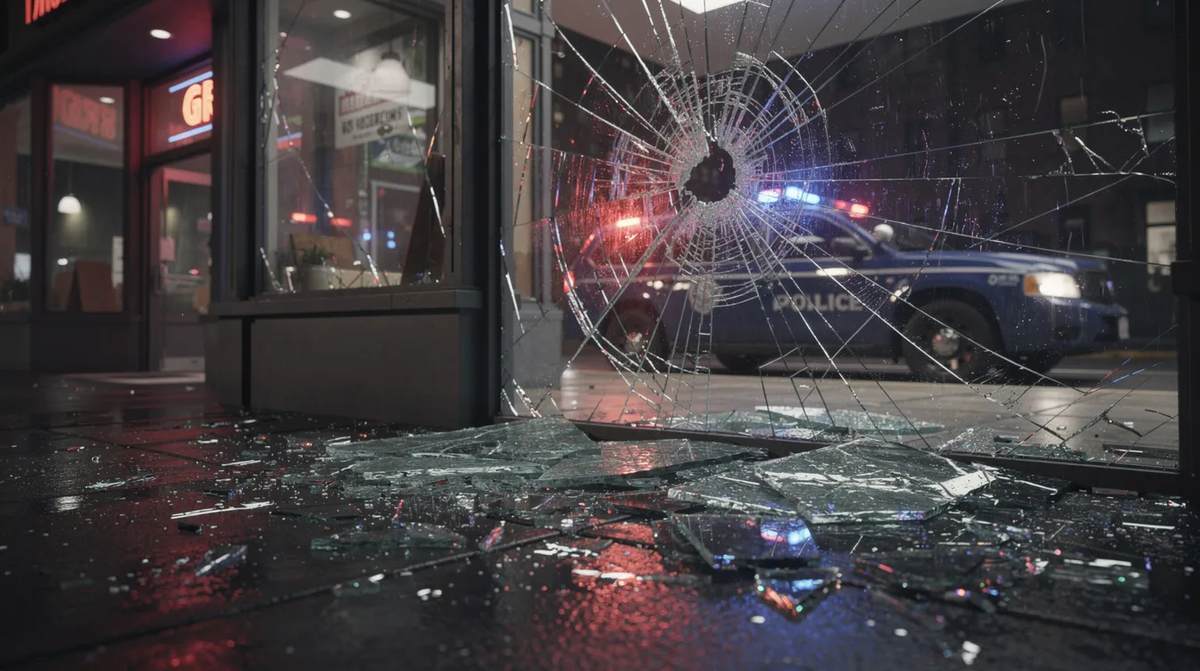
When civil unrest erupts, glass storefronts become the first casualty. Retailers reported a 93% increase in shoplifting incidents from 2019 to 2023, and smash and grab attacks have surged alongside widespread riot events. If your storefront relies on regular glass, you’re operating with a vulnerability that criminals can exploit in seconds.
Table of Contents
- Why Storefront Glass Is So Vulnerable During Riots
- How Rioters Attack Storefront Windows and Doors
- Riot Protection Options for Storefront Glass
- Designing a Layered Storefront Security Strategy
- Retrofit Solution vs. Full Storefront Replacement
- Key Factors When Choosing Storefront Security Glazing
- Riot Protection FAQs for Storefront Owners
- Conclusion and Next Steps
Why Storefront Glass Is So Vulnerable During Riots
Standard annealed glass and tempered glass meet basic building codes, but they offer almost no resistance to deliberate forced entry when compared with tempered glass alternatives such as security films and polycarbonate shields. Standard storefront windows made with these materials can be breached in under 30 seconds using common hand tools like hammers, bricks, and crowbars. Tempered glass shatters into small pebbles on impact, immediately creating an open path for a would be intruder. Standard annealed glass cracks into dangerous shards that fall away just as fast.
The financial damage is steep. Interface Systems found that the average loss per smash and grab incident reaches roughly $22,000, with outliers approaching $100,000. When you factor in emergency board-ups, insurance deductibles, merchandise loss, and operational downtime, even a single break in can cost a retail store tens of thousands. U.S. retailers collectively lost an estimated $45 billion to theft in 2024 alone.
Effective storefront security requires more than just stronger glass. It demands reinforcing the entire system-glass, frames, windows and doors, and surrounding hardware-to deny entry long enough for law enforcement to respond as part of a broader comprehensive forced entry protection strategy.
How Rioters Attack Storefront Windows and Doors
Understanding attack patterns helps you protect the right areas. Here’s how bad guys typically target glass storefronts:
- Attackers strike storefront glass repeatedly at eye or lock height using improvised tools, aiming to create a hole large enough to reach merchandise
- In a smash and grab attempt, looters only need a brief opening in storefront windows to snatch high-value items-they don’t need to remove the entire pane
- Glass entry doors and sidelites near locks are primary access points because they allow prying and leverage with crowbars
- Rioters exploit weak corner joints, glazing beads, and inadequate frames around existing glazing systems
- Exterior projectiles like metal trash bins and heavy furniture should be removed from sidewalks, as attackers will throw them through windows
- Alarms and cameras alone don’t stop rapid glass breakage-they document it, but they won’t keep criminals out
Riot Protection Options for Storefront Glass
There is no single product that covers every scenario. The best glass protection strategy combines proven solutions matched to your specific security requirements and threat level. During civil unrest, implementing a multi-layered security strategy is essential.
Each option below aims to prevent body passage through storefront windows-not just reduce broken glass-while maintaining visibility and natural light through the building’s facade.
Security Glass and Laminated Storefront Glazing
Laminated glass consists of two or more glass lites bonded with a polymer interlayer. Laminated glass holds fragments together when shattered, preventing the glass from falling out and creating an immediate opening. It slows intruders, resists single-blow entry, and adds sound reduction for retail storefronts. However, a sustained aggressive attack with heavy tools can eventually breach it. Laminated security glazing is a strong baseline upgrade over standard glass in moderate-risk areas.
Riot Glass and Polycarbonate Overglaze Shields
Riot glass is impact-resistant security glazing engineered specifically for riots, forced entry protection, and smash and grab attacks. Riot protective window glass and doors are virtually unbreakable and retrofittable, and they are GSA Approved and ASTM certified. Riot Glass can withstand sustained attacks for up to 1 hour under test conditions.
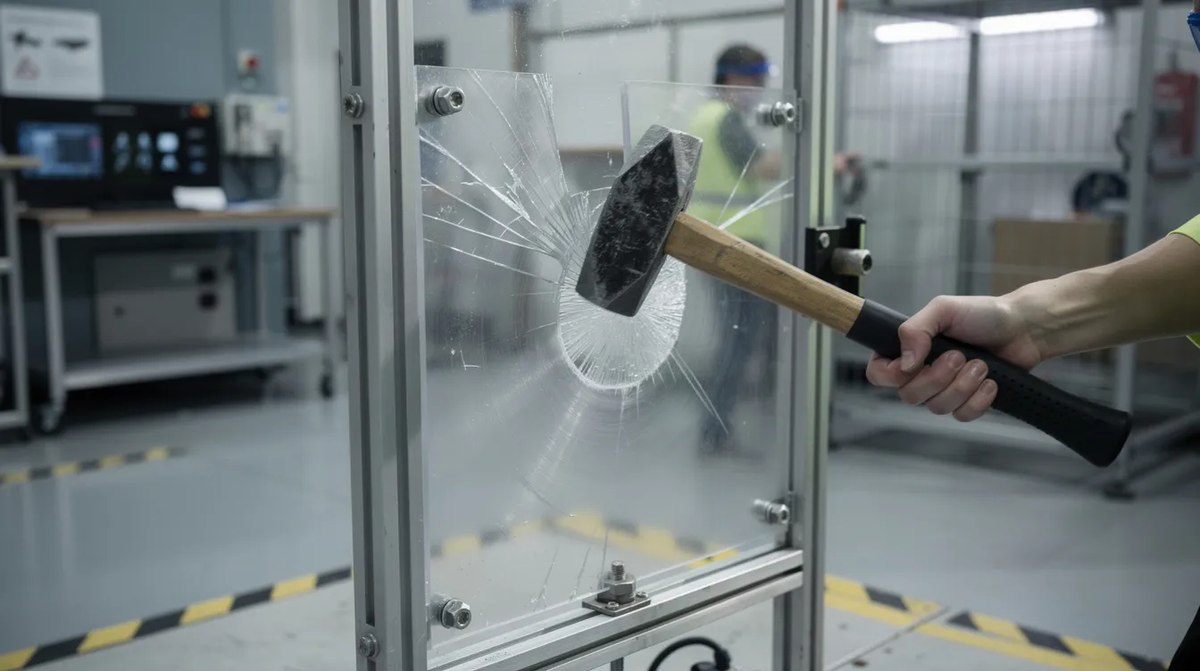
Polycarbonate glazing is flexible and absorbs shock from impacts rather than cracking through. Polycarbonate shields are 250 times stronger than standard glass, and smash-proof anti-theft glass panels use these materials to create a durable buffer over existing storefront windows. DefenseLite’s riot protective glass is also 250 times stronger than standard glass. Polycarbonate glazing can withstand repeated blows from weapons like hammers while maintaining visibility and providing robust protection. Polycarbonate shields are ideal for protecting against smash and grab thefts, and polycarbonate overglaze systems are often retrofitted to existing glass without removing the existing window system.
Most riot protective glass is between 4-6mm thick, making these access denial glazing shields virtually invisible on the storefront. For businesses seeking comprehensive riot protection for storefronts, these riot glass products offer different compositions tailored to the strength level needed for each location. Creating a physical barrier between rioters and windows effectively prevents looting.
Security Window Film and When to Use It
Security window film is a budget-friendly way to upgrade existing storefront glass without full replacement, especially when using stackable RiotLite security glazing film to increase impact resistance and fragment retention. Security window film reinforces glass fragment retention but does not make it unbreakable-it holds shattered pieces in place, delaying entry by roughly 45 seconds to 3.5 minutes, whereas DefenseLite engineered overglaze systems are designed to be significantly harder to breach. Film works best as an entry-level enhancement or as one layer within a broader system, not as standalone riot countermeasure for an easier target storefront.
Physical Barriers: Shutters, Screens, and Max-Security Doors
Heavy-duty metal shutters act as a deterrent against smash and grab tactics while securing properties after hours. Roll-down security shutters create a solid mechanical shield over doors and windows. Reinforced door frames and anti-pry hardware protect entry points even when glass is targeted. For luxury retail stores or historic districts where visible shutters conflict with design intent, combining discreet polycarbonate glazing with reinforced doors preserves brand aesthetics while keeping the space secure.
Designing a Layered Storefront Security Strategy
Defense in depth means no single failure point compromises your entire store. Three layers-exterior deterrence, reinforced security glazing solutions, and interior access control-work together so that each layer forces attackers to spend more time, create more noise, and increase the chance police arrive before unauthorized entry is achieved.
Start with a professional risk assessment evaluating local crime patterns, your storefront layout, existing glass type, and the specific framing around your windows and doors. Prioritize high-value display windows and main entrances for the strongest upgrades, especially in areas vulnerable to protest-related looting and opportunistic smash-and-grab crimes.
Exterior Layer: Deterrence and Impact Resistance
- Reinforce frames with anti-pry hardware around glass entry doors
- Clear your perimeter and ensure outdoor lighting functions properly to enhance security during unrest
- Installing smart lighting such as motion-activated floodlights can deter looters
- Consider bollards where vehicle ramming threatens storefront windows
- Clear storefront displays to move high-value items out of sight and deter potential looters
Middle Layer: Security Glazing and Retrofits
This is the core defense. Reinforcing existing glass windows with multi-layer security glazing delays or prevents forced entry through your most vulnerable openings. A retrofit solution can attach to an existing window frame without removing original existing storefront glass, similar to forced entry security glazing overlays for doors and windows. Prioritize ground-floor storefront windows, glass doors, and display cases containing easily fenced merchandise. Properly engineered systems from the glass industry can resist repeated impacts for 15–60 minutes under ASTM F1233 test conditions. ASTM F3038 tests simulate mob attacks on protective glazing systems, providing real-world validation.
Interior Layer: Access Control and Technology
Interior security protects property and people even if outer glass is compromised:
- Install reinforced stockroom doors and lockable display cases with laminated or polycarbonate glazing shields
- Testing security cameras and ensuring alarm systems are active is crucial for monitoring during a widespread riot
- Utilizing cloud backups for video storage helps ensure footage survives physical damage
- Emergency alerts should be established for rapid staff communication during civil disturbances
- Cash drawers should be emptied and left open at night to deter looting
- Cataloging all assets and maintaining digital copies can aid in insurance claims
- Training staff on de-escalation and safe evacuation procedures enhances retail riot protection
- Establishing a well-documented crisis management plan is important for employee safety
- Prioritizing life over property is critical during severe civil disturbances
Retrofit Solution vs. Full Storefront Replacement
Retrofit overglaze systems mount on or behind existing glass, minimizing disruption and preserving existing framing in institutional buildings and retail storefronts alike. Full replacement offers integrated high-security framing but costs more and requires longer downtime. For most occupied businesses, retrofits deliver the fastest path to protection without shutting down operations.
When a Retrofit Makes the Most Sense
Retrofits work best for leased retail spaces, national chains with standardized storefronts, and historic buildings with strict exterior requirements. Installation typically takes one to two days, requires no demolition of the existing window, and can be removed or upgraded later if your security needs change. Retrofits are ideal for quick deployment before anticipated events like large demonstrations. World class talents and metal artisans in a custom manufacturing shop can fabricate solutions matched to any frame profile.
When to Consider Full Storefront Replacement
Full replacement suits severely damaged storefront windows, major remodels, or new construction where you can optimize sightlines and integrate thicker security glass from the start. This approach is preferred for flagship locations where long-term forced entry protection, ballistic attack resistance, and branding are all top priorities. Coordinate with architects early so aesthetic goals and security performance align.
Key Factors When Choosing Storefront Security Glazing
Storefront security decisions should be driven by threat type (riots, burglary, ballistic), location crime rates, local codes, and insurance requirements. Involve both security professionals and glazing specialists when evaluating your doors and windows, particularly when considering commercial security window systems like DefenseLite and BulletShield.
Appearance, Branding, and Customer Experience
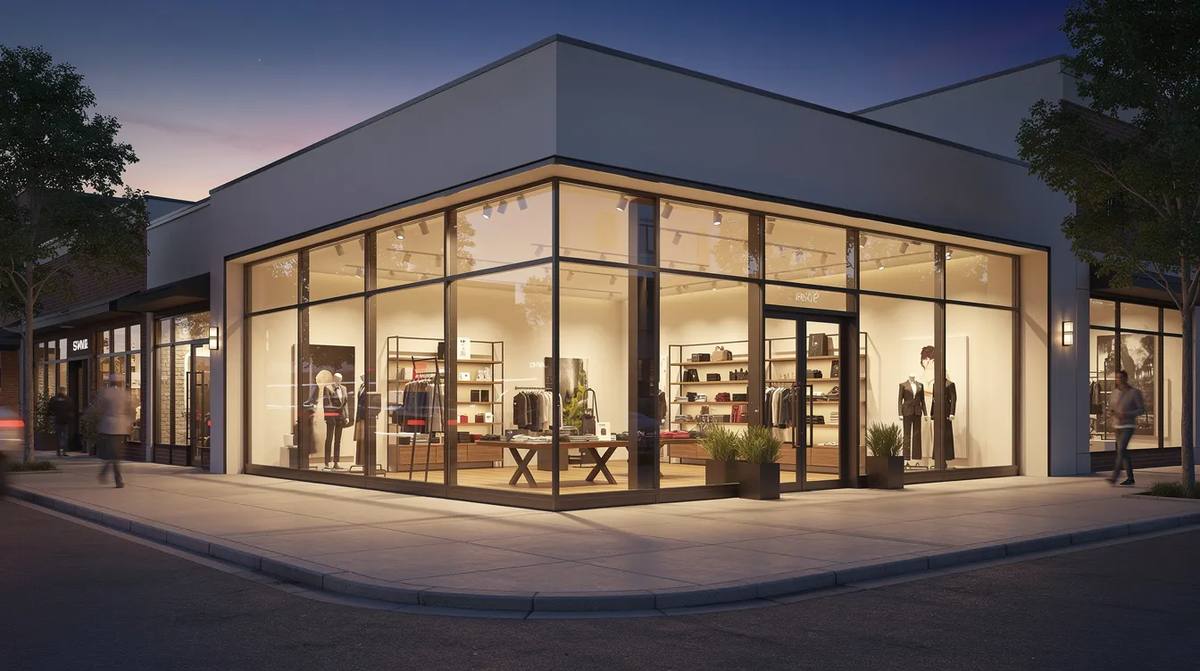
High-end retailers must maintain clear, welcoming glass storefronts. The best solutions are crystal clear, low-distortion, and color-stable-no “prison” look. Slim mullions and frames keep merchandise displays visible. How little luck attackers have against invisible security glazing actually increases customer confidence without signaling fear.
Cost, Installation, and Maintenance Considerations
Costs scale with threat level: security window film runs $8–$20/sq ft, laminated security glass $130–$180/sq ft, and premium ballistic options $180–$250+/sq ft installed. Retrofit panels install in one to two days; full replacement projects take several weeks. Budget for periodic inspections of fasteners, seals, and protective coatings so protection stays aligned with evolving risks and other crimes trends.
Riot Protection FAQs for Storefront Owners
What is the difference between tempered glass and security glass for storefronts?
Tempered glass shatters into small pieces on impact, immediately allowing entry. Security glass includes interlayers that hold broken glass in place, preventing body passage and effectively repelled forced entry attempts even when the glass is visibly cracked.
How long can riot-resistant glazing withstand forced entry?
Riot Glass can withstand attacks for up to 1 hour. Security films delay entry for 45 seconds to 3.5 minutes. Performance depends on glazing type, frame strength, and tools used.
Can you retrofit security glazing onto existing aluminum storefront frames?
Yes. Polycarbonate overglaze shields and glass-clad panels can be mounted onto existing frames using specialized adapters. Verify frame strength and code compliance before installation.
What do different levels of storefront glass protection cost?
Standard storefront glass costs $90–$140/sq ft installed. Laminated upgrades run $130–$180/sq ft. Premium or ballistic options reach $180–$250+/sq ft. Pricing depends on threat level, glass thickness, frame modifications, and labor.
Will security glazing make my storefront look darker or distorted?
No. Modern security glazing and polycarbonate shields are engineered for high optical clarity with UV-stable coatings that prevent yellowing or haze, keeping your store bright and inviting.
Conclusion and Next Steps
Upgrading your storefront windows and doors is the most effective way to prepare for riots, smash and grab crime, and other forms of civil unrest. No single product solves every threat-but a layered approach combining security glazing, strong frames, physical barriers, and interior protocols creates a system where every layer buys time and denies access.
Don’t wait for broken glass to force the conversation. Schedule a professional assessment of your glass storefronts now to identify weak points, evaluate your existing glass, and build a customized plan that matches your risk profile, budget, and brand. Reach out today for a tailored riot protection plan and retrofit solution options that keep your business open, secure, and looking its best.