Table of Contents
- Introduction: Why Riot Window Protection Matters in 2026
- How Riot Window Protection Systems Work
- Riot Glass vs. Security Window Film: Choosing the Right Level of Protection
- Protecting Glass Storefronts from Smash-and-Grab and Looting
- Riot Window Protection for Schools, Hospitals, and Public Buildings
- Extreme Weather, Accidents, and Everyday Protection
- FAQ: Common Questions About Riot Window Protection
- Why Choose Our Riot Window Protection Solutions
- Conclusion and Next Steps
Introduction: Why Riot Window Protection Matters in 2026
Since 2020, many U.S. cities have dealt with a rise in break in attempts, 2020–2021 protest damage, and 2024 retail looting waves along urban corridors. FBI reporting on flash mob shoplifting showed 2024 incidents exceeded 2020 levels, with more than $8 million in stolen goods and significant property damage. For owners concerned about security concerns, broken windows, glass replacement, and business downtime, exposed glass is no longer a minor detail.
Traditional tempered glass on windows and doors can fail in seconds under forced entry, bricks, crowbars, or repeated blows. riot window protection means layered systems specifically designed to hold glass, block entry, deter looters, and protect people during sustained attacks, civil unrest, active threats, and some ballistic threats. Options include riot glass polycarbonate shields, laminated security glass, and security window film.
How Riot Window Protection Systems Work
Modern systems are usually installed as retrofits over existing windows, glass doors, and frames, avoiding major tear-outs. Windows and glass doors are primary vulnerabilities of a building, so upgrades focus first on vulnerable entry points where burglars are most likely to start gaining entry.
Core components include clear polycarbonate shields, riot-resistant glass, reinforced safety and security glass, anchoring brackets, specialty frames, and optional security film. Polycarbonate panels flex on impact to deflect energy away from the window; polycarbonate glazing shields can be up to 250 times stronger than glass. Security glazing systems can withstand battering from heavy tools like sledgehammers and bricks, turning a fast smash and grab into a noisy, prolonged effort.
Laminated glass bonds fragments together after cracking. Thick Mylar-based films hold broken glass together and delay entry after cracking, while ASTM F3561-tested security films prevent flying glass shards from causing injury after a break. Frames matter: weak edges create an easier target and can cause a security breach even when the glass itself has exceptional strength.
Riot Glass vs. Security Window Film: Choosing the Right Level of Protection
Both improve security, but they serve different security needs, threats, and cost levels within a broader comprehensive forced entry protection strategy.
Polycarbonate riot glass shields are clear overglaze systems installed over existing windows and doors, similar to other riot protective window glass systems. Riot Glass can withstand multiple impacts from weapons, Riot Glass can repel intruders for up to 1 hour during attacks, and Riot Glass can withstand sustained attacks for up to 1 hour. Riot Glass is nearly indestructible and virtually invisible, and Riot Glass maintains visibility while providing security. Most riot protective glass is between 4-6mm thick. Most riot protective glass is between 4-6mm thick. Riot Glass offers bullet-resistant glazing rated UL 752 Level 8, and Riot Glass can withstand a multi-shot attack from an AK-47, though only rated ballistic systems are intended to stop bullets or resist a ballistic attack.
Laminated security glass uses interlayers between glass plies. It is a strong choice for new façades, full upgrades, and doors and windows needing durability, unobstructed views, natural light, and visual appeal.
Security window film / security film is a multi-layer sheet bonded to glass, and solutions like RiotLite security window film apply as durable interior laminates. Riot Glass Film is 250 times stronger than standard glass, Riot Glass Film strengthens windows against break-ins and shattering, and Riot Glass Film enhances security by holding shattered glass in place. Riot Glass Film can be installed on most existing windows, Riot Glass Film maintains visibility while enhancing security, and Riot Glass security window film lasts 10 to 15 years. Riot Glass Film provides UV ray protection, blocking 99.9% of rays; Riot Glass security film blocks up to 99.9% of UV rays. Riot Glass Film is available in 6-mm and 12-mm thicknesses.
Choose only film for moderate-risk upper floors, riot glass plus locks for high-risk retail, or mixed custom solutions for doors, transoms, and sidelites.
Protecting Glass Storefronts from Smash-and-Grab and Looting
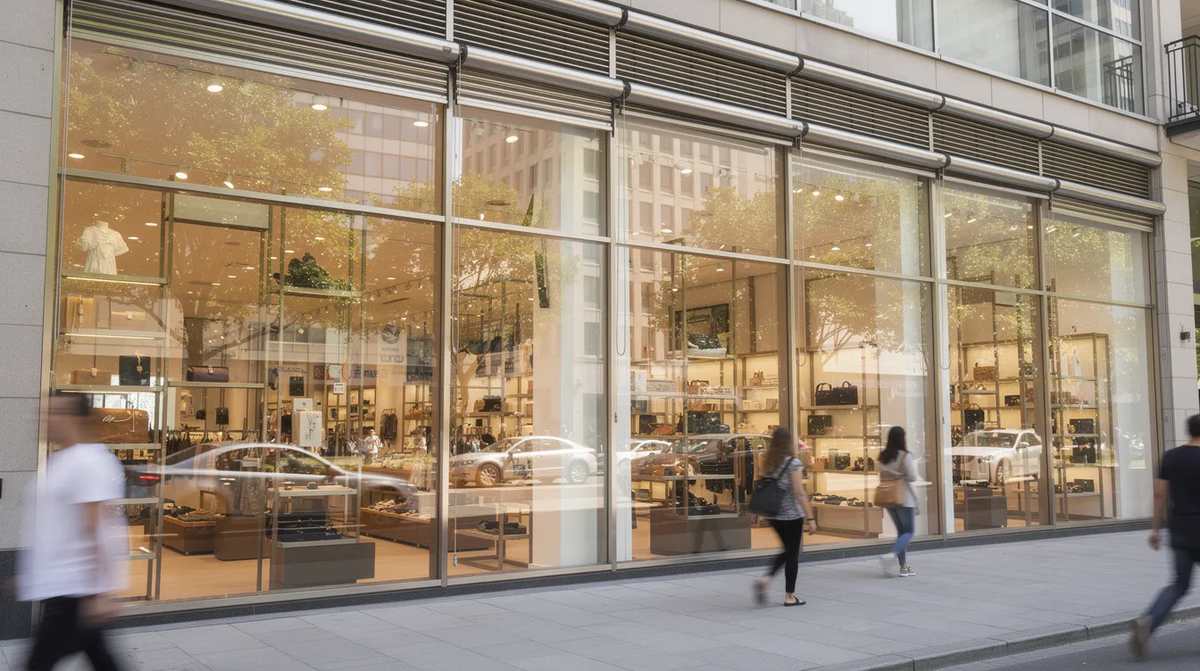
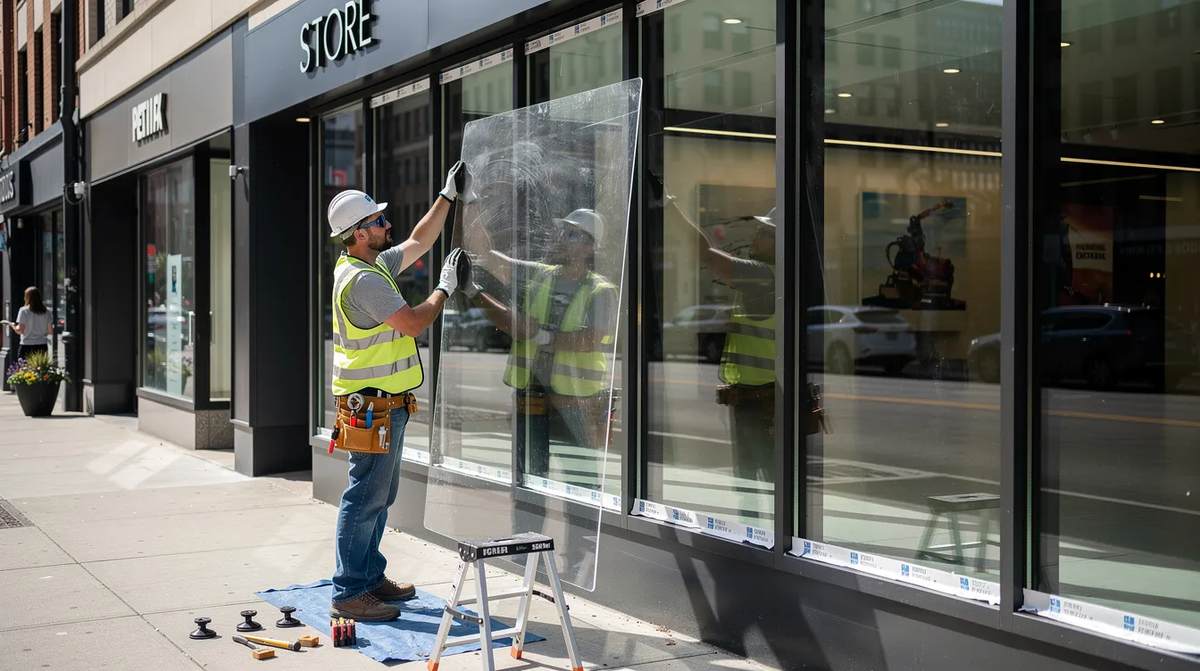
Glass storefronts are prime targets because large panes and glass doors invite quick impact, making storefront glass protection during riots a critical planning concern. Retrofitted riot glass panels create physical protection while maintaining curb appeal, natural light, visibility, and the visual appeal of boutiques, restaurants, and offices without sacrificing visual appeal.
Real attacks use sledgehammers, pry bars, battery saws, concrete, and bricks, which is why smash-proof anti-theft glass panels are designed to absorb repeated blows. Security glazing transforms smash-and-grab attempts into noisy and prolonged efforts, and riot protection systems deter looters and block projectiles during civil unrest. Riot Glass can repel intruders for up to 1 hour during attacks, often long enough for alarms, police response, or criminals to move on.
Prioritize doors and sidelites first, then display windows, then rear or alley-facing windows and doors. Roll-down shutters provide high physical defense and act as visual deterrents, and plywood boarding is a cost-effective short-term measure for window protection, but clear storefront security glazing avoids the boarded-up look and visibility issues.
Riot Window Protection for Schools, Hospitals, and Public Buildings
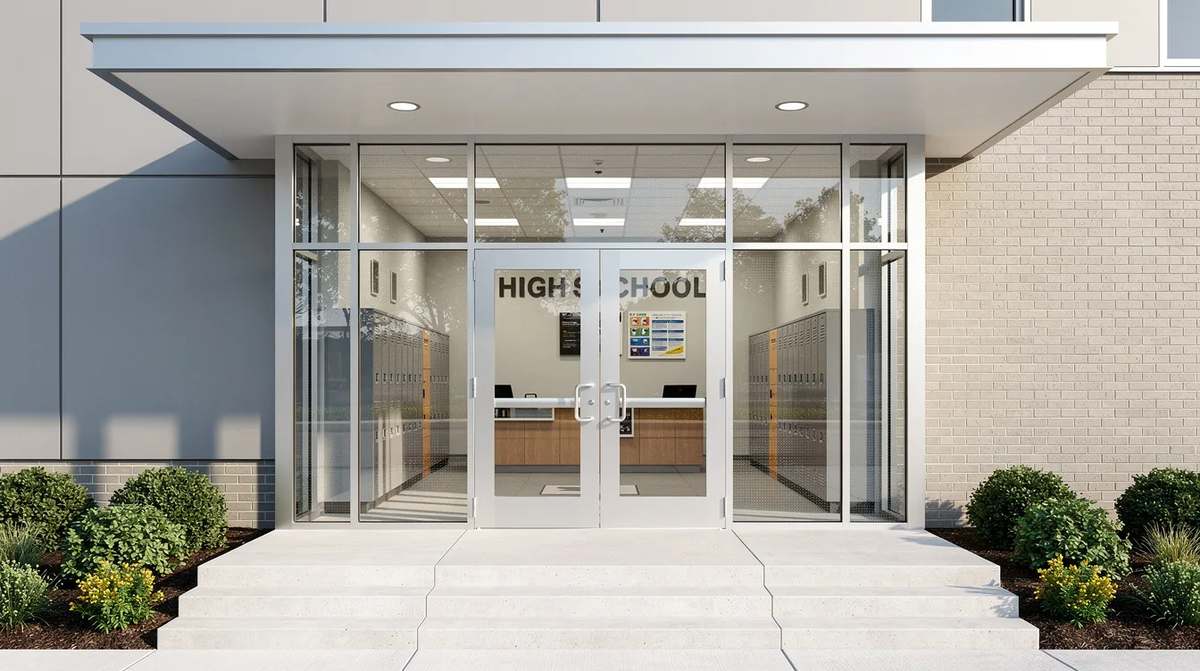
Schools, hospitals, and municipal sites face rising security threats, potential threats, targeted vandalism, and active threats. In a school, reinforced classroom windows, entry vestibules, and glass doors and windows help slow intruders, reduce injuries, and preserve a welcoming look. Riot Glass Film can deter burglars from targeting schools.
Hospitals use bullet-resistant security glass and films to protect reception teams, pharmacies, behavioral health areas, and emergency entries. Government buildings may require the highest level of forced entry, blast, or ballistic ratings while still appearing like standard windows and doors.
For older courthouses, heritage schools, or historic property, custom framing can be installed with minimal façade changes. A typical case: an upgraded vestibule with ballistic window film and glazing delayed forced entry attempts long enough to prevent further damage and keep staff safe.
Extreme Weather, Accidents, and Everyday Protection
This protection is not only for riots. Extreme weather, vehicle impacts, job-site debris, and vandalism can crack or break glass. Laminated systems and some riot glass assemblies help the building envelope stay closed in hurricanes, derechos, and extreme conditions.
Riot shields isolate fire and impact damage to the exterior of a building. Security film reduces shard hazards after explosions or storms, while UV rejection reduces fading. That means one upgrade can create safety, comfort, and long-term benefits while lowering future property damage and repair cost.
FAQ: Common Questions About Riot Window Protection
Is riot glass the same as bulletproof glass?
No. Riot glass focuses on forced entry and impact delay. Ballistic security glass is tested to firearm standards such as UL 752. Some products add ballistic protection, but not every riot product is built for ballistic threats.
How much does riot window protection typically cost per square foot?
Security film often runs about $8–$25 per square foot installed. Laminated security glass may run $25–$50. Polycarbonate riot glass commonly ranges from $40–$75, with ballistic systems costing more depending on specific security requirements.
Will security window film stop a determined intruder?
It delays entry and helps hold glass together, but film alone is not maximum protection against long attacks. For heavy tools, use film with strong frames or choose rigid security glazing.
Can these systems be installed over my existing windows and doors?
Yes. Many systems are installed over existing glass storefronts, windows, and doors, which limits downtime and avoids unnecessary glass replacement.
How visible is riot glass from the street?
High-quality systems are clear, low-distortion, and often virtually invisible, so a business can improve security while maintaining displays, daylight, and curb appeal.
How long do these systems last?
Film warranties often run 5–10 years, while higher-grade riot panels may last longer with proper cleaning. As noted above, Riot Glass security window film lasts 10 to 15 years.
How do I know what I need?
Start with a site assessment that reviews crime patterns, frame strength, doors, locks, exposure, and whether you need protection from burglars, looting, extreme weather, or ballistic attack.
Why Choose Our Riot Window Protection Solutions
We provide innovative solutions for commercial and institutional properties that need security glass, riot glass, and security film without making the building look fortified. Our team evaluates the opening, threat level, frame condition, and budget before recommending solutions.
Our approach includes clear proposals, transparent pricing, coordinated installation, and tested systems designed for forced entry and, where specified, ballistic threats. We can create mixed designs: riot glass at primary entry areas, security window film on upper windows, and reinforced hardware where doors are weakest.
We focus on craftsmanship, durability, clean installation, and long-term support. For many owners, the game changer is gaining serious protection while keeping unobstructed views.
Conclusion and Next Steps
Unprotected glass is often the weakest link in building security. The right riot window protection turns fragile openings into a durable material barrier against break-ins, looting, projectiles, and weather-related damage.
Before choosing, assess location, market risk, building use, and potential threats. Then match the system to the job instead of buying on cost alone.
If you are concerned about your property, schedule a site assessment or request a custom quote. Acting before the next unrest period or storm season helps protect people, property, and business continuity with confidence.