Glass is often the fastest path into a building during looting, burglary, or civil unrest. Riot resistant windows harden that weak point while preserving an open and inviting look, natural light, and visual appeal.
Table of Contents
- What Are Riot Resistant Windows? (Fast Answer)
- How Riot Resistant Windows Work
- Riot Glass vs. Security Film: Choosing the Right Protection
- Types of Riot Resistant Window Solutions
- Real-World Threats Riot Resistant Windows Help Address
- Designing a Riot Resistant Window Strategy for Your Building
- Professional Installation and Maintenance
- Cost, Budgeting, and Return on Security Investment
- FAQ: Riot Resistant Windows, Glass, and Security Film
- Conclusion & Next Steps
What Are Riot Resistant Windows? (Fast Answer)
Riot resistant windows are reinforced doors and windows engineered to resist break ins, forced entry, looting attempts, and riot damage. They are designed to stand up to bats, bricks, crowbars, sledgehammers, thrown objects, prolonged kicking, repeated attempts, and in some configurations, bullets or stray bullets.
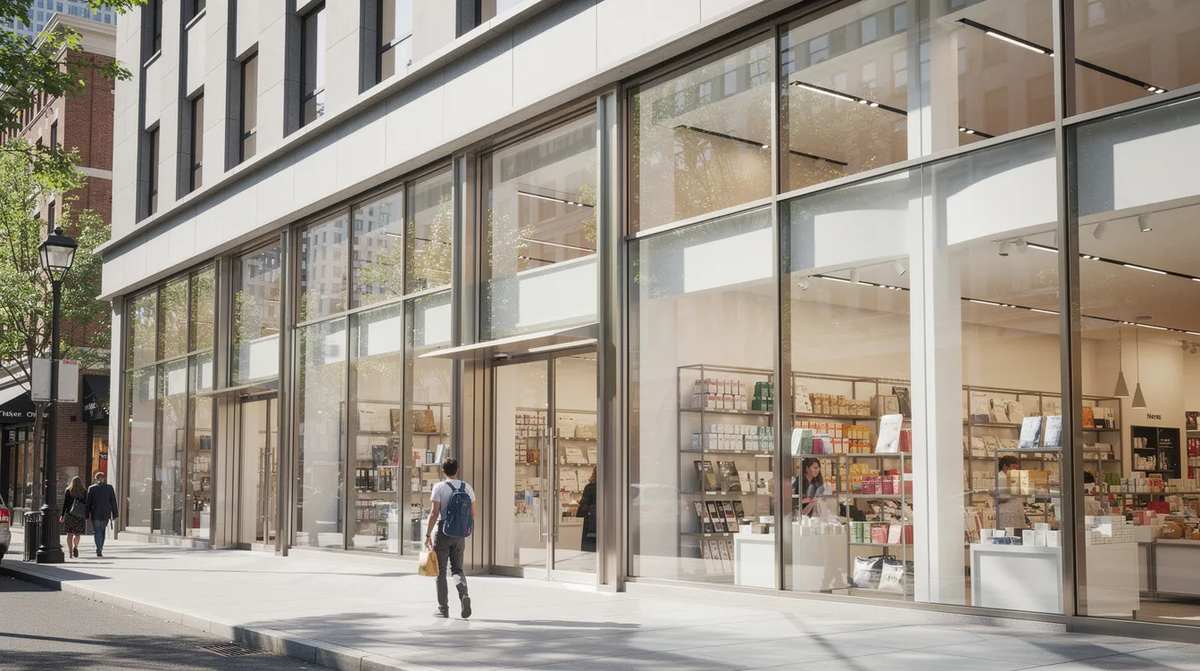
Regular glass is an easy target: standard windows utilize single/double-pane tempered glass that shatters on impact, and standard windows fall out of their frames upon fracturing. Unlike basic safety glass, riot-resistant windows are designed to withstand intense physical attacks and provide critical protection against acts of violence. Modern systems can be retrofitted over existing glass windows, existing doors, and existing glass without making a building look like a fortress.
How Riot Resistant Windows Work
“Riot resistant” is a performance goal, not a single product. These systems use laminated security glass, polycarbonate shields, hybrid glazing, or security film, plus reinforced frames, anchors, and professional installation.
Laminated security glass uses multi-layered construction to prevent forced entry. Even when cracked or pitted, these windows maintain physical integrity and hold glass together instead of creating an open entry point.
Polycarbonate and acrylic shields flex, absorb energy, and effectively disperse impact forces from heavy tools. Riot-resistant systems create a protective buffer zone against attacks and can reduce injuries and damage from explosions.
Ballistic tiers add thickness and tested interlayers. These windows are tested and rated according to forced-entry and ballistic standards such as UL 752, and understanding the types of bullet-resistant materials ranked by performance can help you select the right level of protection, with some bullet resistant assemblies designed for handgun or rifle threats.
Riot Glass vs. Security Film: Choosing the Right Protection
Riot glass and security window film are useful, but they solve different security concerns. Think of film as delay and riot glass as stronger denial.
- Both riot glass and security film are used to upgrade riot resistant windows on storefronts, glass doors, lobby areas, and interior doors and windows.
Security film is a thin laminate applied directly to glass. Security film delays entry but does not prevent it, especially during determined break in attempts with tools. It is affordable and works well against quick smash-and-grab burglary.
Riot glass offers a virtually invisible rigid barrier, often installed over existing windows. Riot protective window glass and riot‑proof windows and doors are engineered to be many times stronger than standard glass and withstand multiple impacts from heavy tools, hammers, bricks, and axes while resisting forced entry from various weapons.
Types of Riot Resistant Window Solutions
There is no one-size-fits-all solution in today’s market.
- Laminated glass: a baseline security glass upgrade for offices, schools, and retail.
- Security film: a fast retrofit for existing glass where budget is limited.
- Rigid riot proof systems: polycarbonate or hybrid panels that protect windows and doors while sacrificing visual appeal as little as possible, similar to forced entry security glazing systems for doors and windows.
- Forced entry systems: engineered framing, lock hardware, anchors, and glazing for repeated blows from rioters, burglars, and looters.
- Bullet resistant systems: maximum security protection for government buildings, high end retail stores, and other potential threats, making it important to understand that most so‑called shatterproof or unbreakable window options are really shatter‑resistant.
Riot Glass can be retrofitted over existing windows. Riot Glass installation typically requires no glass replacement. Riot Glass panels are available in thicknesses of 4-6mm, and most riot protective glass is between 4-6mm thick. Riot Glass is rated up to UL 752 Level 7 for ballistic resistance. Riot Glass maintains clarity while providing robust protection, and Riot Glass provides a visual appeal similar to regular glass.
Real-World Threats Riot Resistant Windows Help Address
After the 2020 protests and looting in major U.S. cities, many businesses learned that glass storefronts were the weak link. Smash-and-grab theft and organized burglary continued to rise through 2024–2025.
Common threats include:
- Riots, rioters, and civil unrest
- Looting, looters, and targeted break ins
- Vandalism at schools and government buildings, where ballistic window film solutions that delay active threats can add critical time for response
- Bricks, bats, axes, and other impact tools
- Stray bullets in higher-risk areas
Riot glass provides protection against smash-and-grab theft during riots. Riot-resistant windows can deter smash-and-grab theft by denying quick access, giving employees time to secure a safe area, trigger alarms, and wait for response. In many cases, this protection reduces the need for roll down gates, bars, plywood, or temporary protective measures during severe weather.
Designing a Riot Resistant Window Strategy for Your Building
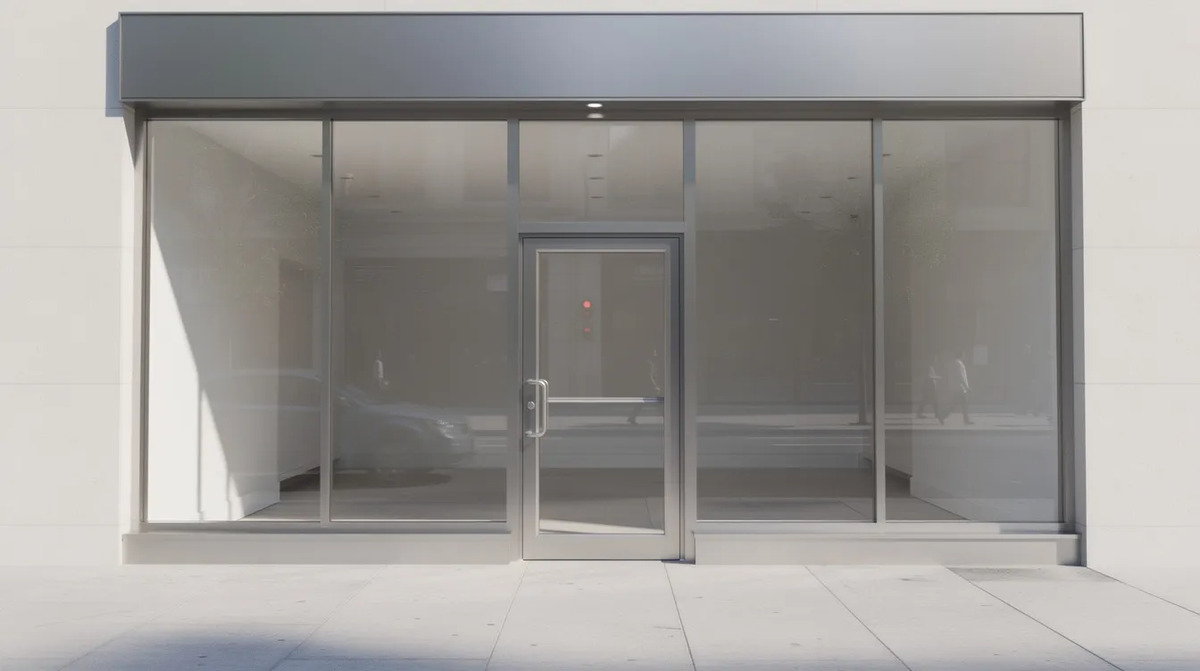
Start with risk: location, crime trends, insurance history, business hours, and how your existing windows and glass doors are built. If criminals can reach it, climb to it, or hide near it, prioritize it.
A practical tiered defense looks like this, and it works best as part of a comprehensive forced entry protection strategy:
| Area | Recommended protection |
|---|---|
| Front entry | Riot glass or forced entry security glass |
| Display windows | Rigid panels or laminated security glass |
| Rear doors | Reinforced frames, lock upgrades, and RiotLite security film |
| Upper windows | Security window film where access is harder | | Cash rooms | Bullet resistant glazing where needed | Coordinate cameras, alarms, and access control so impact on windows and doors triggers recordings and alerts. The goal is not just to stop rioters; it is to create enough delay that the building stays secure.
Professional Installation and Maintenance
Professional installation matters because the glass, frame, sealants, and anchors must work as one system. A weak frame can fail even when the glazing is strong.
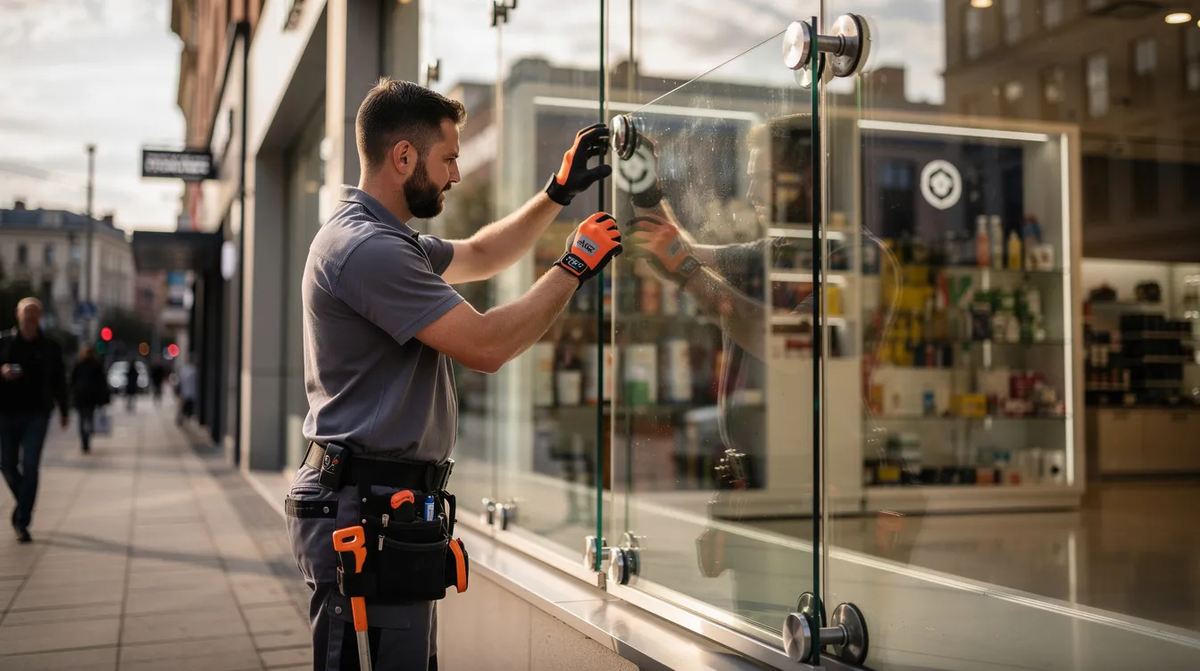
Installers typically survey the site, measure openings, evaluate doors, choose film or security glass thickness, fabricate panels, and install tested attachment systems. Older frames may need reinforcement before they can support added load.
Maintenance is simple: clean with approved products, inspect for scratches or loose hardware, and replace damaged panels after an incident. Many systems are “set it and forget it” compared with gates or boarding.
Cost, Budgeting, and Return on Security Investment
Riot resistant windows are a capital investment, but one break, theft, or closure can cost far more. Main cost drivers include size, thickness, ballistic rating, frame upgrades, number of openings, and labor.
Security film is the entry-level option. Retrofitted polycarbonate or laminated riot glass systems are mid-range. Choosing a tested solution like the RiotLite window film system rated to ASTM F3561 can improve forced-entry performance, while full bullet resistant maximum security assemblies cost more but provide an incomparable level of defense where life safety is the concern.
Benefits can include fewer losses, less downtime, reduced board-up needs, possible insurance advantages, energy and sound insulation benefits, UV protection, and stronger property value and security, especially for retailers seeking the ultimate solution to protect storefront glass during riots and looting. These windows block up to 99% of incoming UV rays, reduce sun damage, preserve natural light while maintaining aesthetics, and can be phased over 12–24 months to match budget; some systems can even be specified to meet blast resistant performance standards such as GSA/ISC criteria.
FAQ: Riot Resistant Windows, Glass, and Security Film
Are riot resistant windows bulletproof?
No. “Bulletproof” is misleading. Bullet resistant glass is tested for specific threats, velocities, and shot counts.
Can riot glass go over existing storefront windows?
Yes. Riot glass can be retrofitted over existing windows for added security, often without replacing existing glass.
How long does film delay forced entry?
Film can slow entry from seconds to minutes, but determined attackers may still penetrate it.
Will my building look different?
Usually very little. Proper systems are virtually invisible and maintain appearance.
Do I still need shutters?
Not always. Strong glazing can reduce reliance on gates, shutters, and temporary boarding.
How long do systems last?
Security film often needs inspection over time; security glass and riot glass last longer but should be checked after attacks.
Conclusion & Next Steps
Standard glass is a critical vulnerability, but riot resistant windows transform doors and windows into hardened security assets. The right solution may be film, laminated security glass, rigid riot glass, or bullet resistant protection, depending on threats and budget.
If you are concerned about break ins, looting, or severe property damage, schedule a professional site assessment. Review your current doors and windows, identify weak points, and get a tailored plan before the next incident occurs.