Security threats against public buildings, government facilities, and commercial properties have escalated sharply since 2020. If you’re an architect, security consultant, or facility owner trying to make sense of tested door systems versus marketing claims, this article breaks down everything you need to know-from testing standards and ballistic ratings to real-world applications and specification best practices.
Table of Contents
- Introduction: Why Forced Entry Resistant Doors Matter in 2026
- What Are Forced Entry Doors and How Do They Work?
- Testing Standards and Ratings for Forced Entry Resistance
- Ballistic Resistance vs. Forced Entry: Understanding FE/BR Door Assemblies
- Key Standards for Fenestration Systems and Vision Panels
- Applications: Where Forced Entry Doors Are Most Critical
- Design and Specification Considerations for Forced Entry Door Projects
- Fire Ratings, Code Compliance, and Performance Trade-Offs
- Cost, Budgeting, and Lifecycle Considerations
- FAQ: Common Questions About Forced Entry Resistant Doors
- Why Choose Our Team for Forced Entry and Ballistic Door Solutions
- Conclusion: Turning Vulnerable Entry Doors into Tested Security Barriers
Introduction: Why Forced Entry Resistant Doors Matter in 2026
The threat landscape facing buildings in the open world has intensified. Active shooter incidents in the United States rose 52.5% between 2020 and 2021 alone, climbing from 40 to 61 FBI-designated events. Over the five-year period from 2019 to 2023, there were 229 FBI-designated active shooter incidents—an 89% increase over the previous five years. Burglaries, smash-and-grab attacks, and targeted assaults against critical infrastructure continue to climb, while civil unrest adds further risk to governmental and high-profile public buildings.
Forced-entry resistant doors significantly increase response time for law enforcement by creating a documented barrier between attackers and occupants and work best as part of a comprehensive, layered forced entry protection strategy that includes surveillance, access control, and trained response protocols. Unlike hollow-core doors that kick open easily and do not absorb high-impact forces, these assemblies are engineered and tested to withstand sustained, tool-based physical attacks for a specific, measurable period of time-whether that’s 5, 15, or 60 minutes.
The distinction between generic security doors sold at retail stores and properly tested forced entry doors used in government, education, and commercial facilities is critical. A label that says “security” means nothing without a test report from an accredited laboratory. Forced entry doors are critical for commercial and government projects where lives and assets are at stake, and specifying the wrong product can leave an entire facility vulnerable.
This article walks through the testing standards, levels of protection, applications, and specification practices that matter. Whether you’re protecting a school, a data center, or a diplomatic facility, you’ll find the technical depth needed to make an informed decision. Throughout, we’ll reference forced entry resistant doors as complete, tested systems-not as individual components.
What Are Forced Entry Doors and How Do They Work?
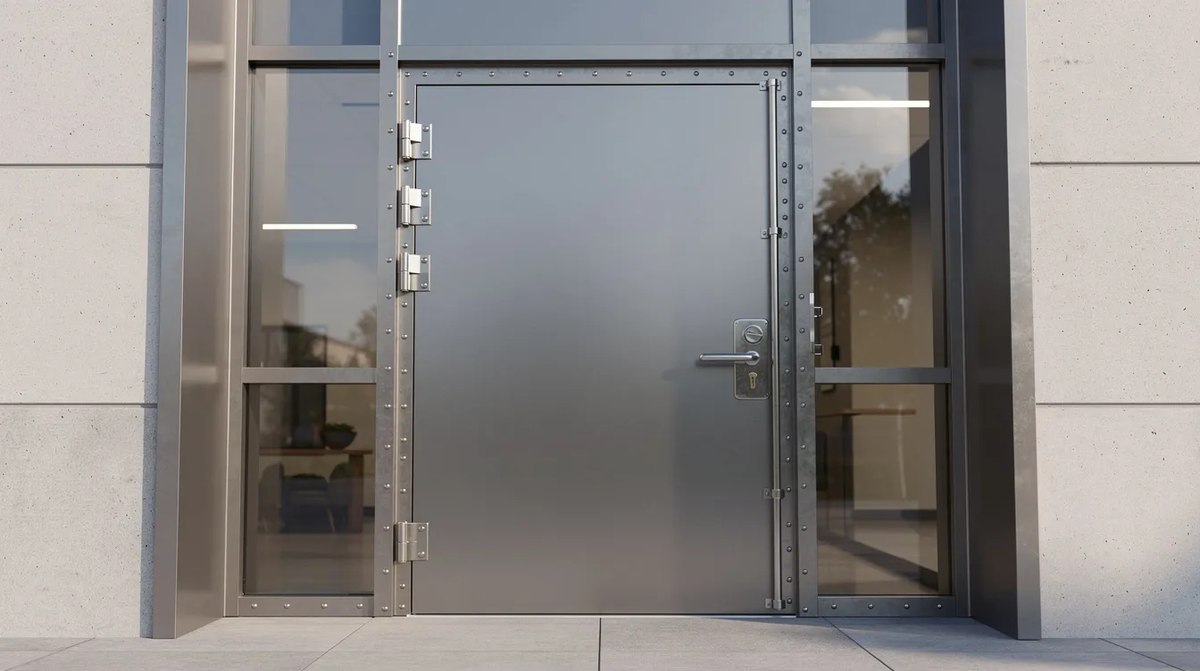
A forced entry door is a complete assembly-door leaf, frame, hardware, and glazing-engineered and third party tested to delay or prevent unauthorized entry using tools, impact, and sustained physical force. These doors create a robust barrier that forces intruders to make noise and spend time, buying critical minutes for occupants to shelter or evacuate and for first responders to arrive.
It is important to understand that no door is “unbreakable.” Forced-entry resistant doors delay unauthorized entry until help arrives. Given enough time, tools, or explosive force, any barrier can eventually be compromised. The value is in measurable, documented delay-not absolute invulnerability. Resistant doors force intruders to spend valuable minutes making noise, which activates alarm systems and draws attention.
Construction Elements
The construction of a forced entry door starts with reinforced steel or aluminum skins over a welded door core material that provides structural rigidity. Internal stiffeners and reinforcement plates add mass at the center of the door and around locking points. Heavy-gauge frames feature anti-pry rebates or interlocking profiles that prevent the assembly from being defeated at its edges. Reinforced frames prevent splintering or warping when under pressure from a crowbar or similar pry tool.
Multi-point locking mechanisms, security hinges with non-removable pins, and proprietary door face material options round out the assembly. Manufacturers also use advanced materials such as steel edge construction techniques and cold rolled steel components to maximize resistance while managing overall weight, and retrofit solutions like Access Shield forced entry resistant door systems can upgrade existing commercial entrances without full replacement.
Visible security features discourage opportunists from targeting the property. Even the appearance of a well-built forced entry door can serve as a deterrent.
FE vs. FE/BR: Two Categories
- Basic forced entry doors (FE) resist physical attacks only. They are tested against tool-based assaults-sledgehammers, pry bars, cutting tools-and rated for a specific time duration.
- Forced entry bullet resistant (FE/BR) doors combine forced entry resistance with ballistic resistance against handguns and rifles. These assemblies undergo both forced entry and ballistic testing protocols.
Some manufacturers integrate these doors into matched entry bullet resistant assembly packages, covering doors, sidelites, and frames as one tested unit. This system approach ensures that no single component is weaker than the rest. Here are a few forced entry fast facts worth keeping in mind: every element of the assembly must be tested together, and swapping out a single hinge or lock can void the entire rating.
Testing Standards and Ratings for Forced Entry Resistance
One of the most common mistakes in specifying forced entry resistant systems is relying on marketing language rather than verified test reports. Phrases like “high-security” or “heavy-duty” carry no standardized meaning. Only doors tested under recognized forced entry standards by independent laboratories offer measurable, documented protection and applications durability.
Key Standards
- ASTM F3038 – This is the standard test method for timed evaluation of forced-entry-resistant systems. ASTM F3038 is a certification standard for forced entry resistance that covers doors, windows, and modular panels. It evaluates complete assemblies under tool-based attack by multiple testers over defined time intervals. Standard test methods evaluate forced-entry resistance after simulated attacks of specified duration.
- U.S. Department of State SD-STD-01.01 Rev G – The stringent department of state standard used for diplomatic, military, and high-security facilities worldwide. It defines forced entry levels including FE5 (5 minutes), FE15 (15 minutes), and FE60 (60 minutes), with increasing attacker numbers and tool sophistication at each level. The time dos st std protocol for FE5, for example, uses two professionals attacking in three different areas, while FE15 involves six professionals with larger tools in a man concentrated assault team configuration. The US Department of State maintains a certified equipment list for compliant products.
- ASTM F1233 and UL 972 – These standards address forced entry resistant glazing paired with doors. ASTM F1233 combines ballistic fire and forced entry tests for vision panels and sidelites, while UL 972 covers burglary-resisting glazing under tool and impact attack.
- UL 752 – Defines ballistic resistance levels (1 through 10) for doors, windows, and wall panels. Relevant certification standards combining forced entry and ballistic resistance for building systems typically reference both UL 752 and one of the forced entry protocols above.
How Timed Tests Work
Testing simulates real-world attack scenarios. Multiple attackers use a defined set of tools-sledgehammers, pry bars, bolt cutters, axes, and battering rams-against the complete assembly for the rated time period. A simulated active shooter attack may precede the forced entry test in combined FE/BR protocols. The assembly passes only if no opening large enough for a defined test object to pass through is created within the rated time.
Independent third-party laboratories or Nationally Recognized Testing Laboratories (NRTLs) perform the testing, not the door manufacturers themselves. When evaluating products, request up-to-date test reports-ideally tested or revalidated within the last 5 to 10 years. The SD-STD-01.01 Rev G standard includes record retention end dates for test validity.
The rating applies to the complete assembly-door leaf, frame, glazing (if present), and hardware-not just individual components. A door leaf rated for 60 minutes means nothing if the frame or hardware is a weaker link.

Ballistic Resistance vs. Forced Entry: Understanding FE/BR Door Assemblies
Ballistic resistance refers to a door’s ability to stop projectile threats-specific calibers, shot counts, and velocities-as defined by standards like UL 752 and NIJ levels. Forced entry resistance, by contrast, addresses sustained tool-based physical attacks over time. Many facilities now require both, because a real-world attack may begin with gunfire and transition to forced breach.
How FE/BR Doors Are Built
A forced entry bullet resistant door combines ballistic protection and physical attack resistance in a single assembly. Construction typically involves thicker steel skins, ballistic core material, and reinforced frames capable of handling both gunfire and prolonged physical assault. The FEBR assembly is engineered so that every layer-from the face skin gauge of the exterior skins to the internal ballistic plate-works together.
Ballistic Levels and Project Types
| UL 752 Level | Threat | Typical Applications |
|---|---|---|
| Level 3 | 9mm, .44 Magnum handguns | Financial institutions, government offices |
| Level 4–5 | .30 caliber rifles | Courthouses, police facilities |
| Level 6–8 | 5.56mm M193/M855, 7.62mm NATO rifles | Embassies, military, data centers |
| A door that combines ballistic and forced entry protection into one assembly must be tested as a complete system. An entry bullet resistant assembly should include door, glazing, and frame tested together so that ballistic and forced entry performance are consistent across all components. Simply using a bullet-resistant door leaf in a standard frame defeats the purpose. |
Trade-Offs to Consider
Higher ballistic levels and longer forced entry ratings increase door weight, hardware demands, and cost. A 3-by-7-foot UL 752 Level 3, FE-rated steel door with a solid core can weigh approximately 275 pounds. At FE60 with rifle-level ballistic resistance, some models reach 280 kg (about 620 pounds) for the door leaf alone. These weights affect hinge loading, threshold stability, structural support, and whether automatic operators can be used effectively.
Key Standards for Fenestration Systems and Vision Panels
Glazing and fenestration systems are frequent weak points in otherwise robust door assemblies. If a door achieves 60 minutes of forced entry resistance but the vision panel can be breached in 30 seconds, the entire system fails. Every glazing element integrated into a forced entry door system must be tested to matching or complementary standards.
Testing After Combined Attacks
Standards now evaluate fenestration performance after simulated active shooter or mob attack attempting breach. The newer ASTM F3561-22 standard, for example, formalizes forced entry testing after ballistic attack scenarios-reflecting real incidents where attackers fire through glazing and then attempt physical breach. Standard test methods evaluate the glazing’s residual integrity after bullet strikes before tool attacks begin and are often coordinated with UL 752 and NIJ ballistic resistance standards for complete assemblies.
Glazing Materials
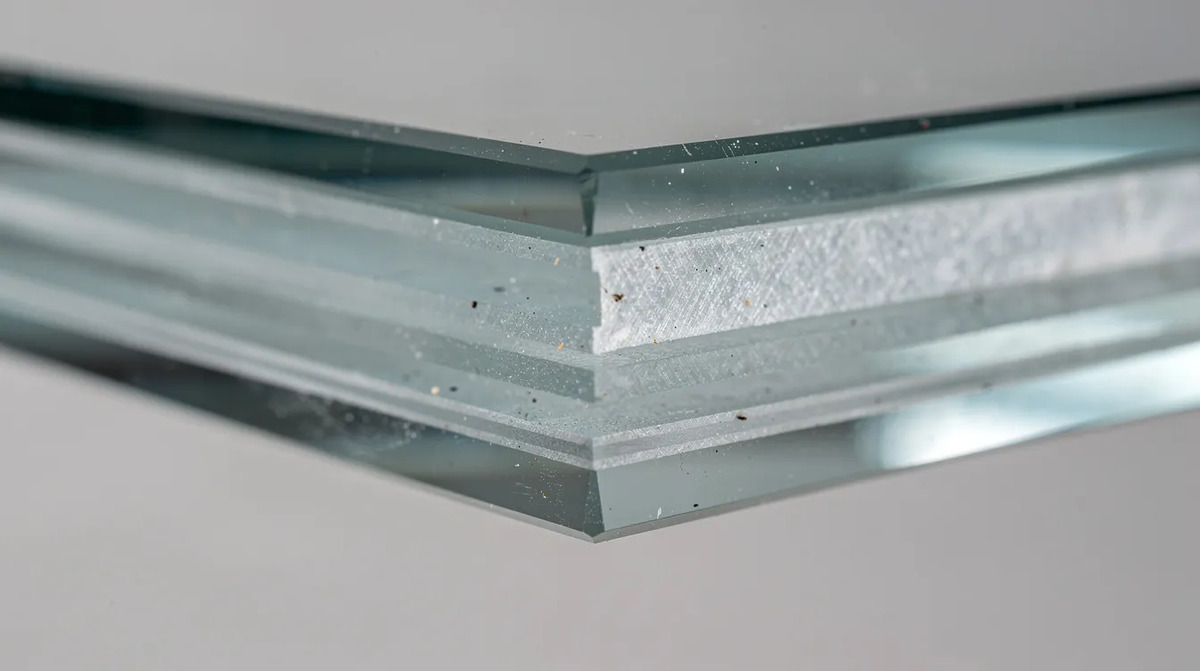
Vision lites and sidelite windows in forced entry doors typically use one of several materials, including high-impact polycarbonate substrates used in security glazing:
- Laminated glass, which includes an inner plastic interlayer that holds shattered glass together even after impact
- Polycarbonate layers that absorb energy from tool strikes
- Glass-clad polycarbonate composites, including advanced bullet resistant glass options for ballistic threats, tested under ASTM F1233, UL 972, or similar forced entry resistance criteria
Impact-resistant glass prevents smash-and-grab attacks by holding together when shattered, making it far harder for an attacker to create a passable opening. Many forced entry doors are rated for hurricanes using impact-resistant glass, which serves dual purposes in coastal or high-wind regions and aligns with broader hurricane proof window and glazing strategies in coastal construction.
Glazing Area vs. Security Performance
Larger glazing areas reduce the door’s overall forced entry performance. For assemblies rated at 5 to 30 minutes, moderate vision panels are feasible with properly rated glazing. For 60-minute performance, designs often limit glazing to peepholes or small lites because the transparent portion represents the most attackable surface. The SD-STD-01.01 Rev G protocol explicitly limits certain tools (axes, mauls) on transparent portions during later test phases, but glazing still remains the most vulnerable zone.
Architects should align door and glazing ratings so the overall entry resistant system has no obvious weak link. If the door achieves FE15 but the sidelite only achieves FE5, the system effectively has a 5-minute rating.
Applications: Where Forced Entry Doors Are Most Critical
The risk profile of a building and its daily use dictate where forced entry doors deliver the most value in 2026. Not every opening needs the highest level of protection-but the right openings absolutely do.
K–12 schools and universities are increasingly focused on intrusion delay and active threat response. Schools require a mix of burglary prevention and safety measures, making FE5 or FE15 doors with ballistic glazing at UL Level 3 a common specification for administrative offices and entry vestibules. Reinforced doors enhance safety for staff during emergencies in high-risk facilities like these, especially when paired with school security glazing that meets ASTM F3561 active shooter standards.
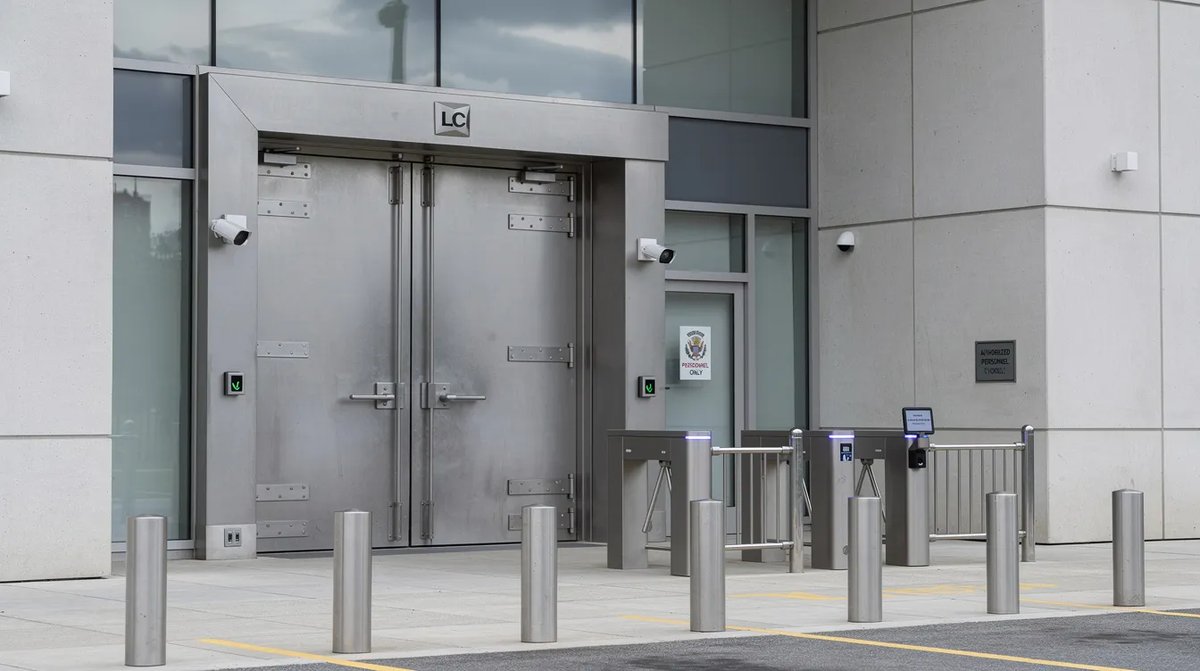
Government and municipal buildings, including facilities governed by department of state standards, represent another primary application. Government buildings are at higher risk for physical attacks and often require higher security door specifications. Embassies and consulates deploy FE/BR doors under SD-STD-01.01 Rev G as a baseline requirement, with protection designed to resist both armed attack and tool-based breach. Mission critical buildings in the government sector often need anywhere the highest level of forced entry resistance available.
Financial institutions, data centers, and critical infrastructure sites protecting sensitive assets commonly specify UL 752 rifle-level ballistic resistance plus FE15 or FE60 for server room entries and vault corridors. Control rooms and executive offices within these facilities are also high-priority locations. Guard houses at perimeter entry points frequently require FE/BR assemblies as well, often in combination with UL 752 bullet resistant wall panels to extend protection beyond the door leaf.
Religious facilities and community centers concerned about targeted attacks have become a growing market for forced entry door systems. Security doors reduce the risk of burglary significantly in these settings, where congregation areas and administrative spaces need layered defense supported by bullet-resistant glass security solutions for churches and worship spaces.
High-value retail, pharmacies, and cannabis dispensaries face persistent burglary and smash-and-grab risks. Retail tenants are primarily concerned with theft prevention, and pharmaceutical storage rooms commercial operations need reinforced back-of-house entry points. Security screen doors provide an additional barrier that slows down attackers at secondary entrances and loading areas, and retrofit forced entry security glazing and door systems can harden storefronts without full replacement.
Integration and Prioritization
Forced entry doors should be integrated with perimeter security strategies such as access control, surveillance, and fencing to create layered protection. A single hardened door without camera coverage or alarm integration leaves gaps, and pairing doors with safety and security glass systems for windows and sidelites closes common perimeter vulnerabilities.
Typical door locations where forced entry resistance is prioritized include main public entry doors, employee entrances, loading docks, secure corridors, and safe rooms. Facility owners should conduct a formal risk assessment to decide which openings justify higher forced entry ratings versus standard commercial doors, applying protection and durability resources where failure consequences are most severe.
Design and Specification Considerations for Forced Entry Door Projects
Successful forced entry door projects require early and sustained coordination among security consultants, architects, general contractors, and door hardware specialists. Treating the door as an afterthought-specified late or value-engineered without review-frequently results in products that fail to meet the required level of protection.
Key Design Decisions
- Threat level and required attack duration: Determine whether the project calls for 5, 15, or 60 minutes of forced entry resistance based on response time analysis and threat assessment. Design professionals should assess risk severity when specifying doors.
- Need for ballistic resistance and chosen UL 752 levels: Decide whether the threat includes firearms and at what caliber level.
- Door configuration: Single leaf, double door designs specifications, with or without sidelites, sliding versus swinging-each configuration has testing implications. Pair configurations require attention to astragals and meeting stile security.
- Desired glazing area versus required security performance: More glass means more cost, more weight, and potentially lower forced entry duration.
Materials
Steel delivers the highest forced entry resistance for swinging doors, particularly when constructed with cold rolled steel skins and welded internal reinforcement. Aluminum is lighter and can work for lower threat levels but requires thicker profiles or composite reinforcement. The face skin gauge and steel requirements of the door leaf directly affect resistance to cutting and battering tools. A rust inhibiting primer finish protects against corrosion, particularly on exterior-facing assemblies exposed to weather.
When requesting physical samples or color samples from manufacturers, verify that the sample represents the actual tested configuration. Aesthetic finishes should not compromise the tested assembly. Many manufacturers offer the ability to select final colors after the structural specification is locked, and some provide a seamless EPD (Environmental Product Declaration) for sustainability documentation.
Hardware
Hardware is where many forced entry door projects fail. Key requirements include:
- Multi-point locks that secure the door at top, center, and bottom simultaneously, distributing force evenly across the frame
- High-security cylinders resistant to picking and drilling
- Continuous or security hinges-the hinge reinforcement gauge and handed hinge reinforcement gauge must match the door weight and attack resistance requirements. Hinges with interlocking pins prevent intruders from lifting the door off its tracks
- Heavy metal plates that anchor the lock directly into the structure, reinforcing the lock edge and hinge edge against prying and impact
- Heavy-duty, elongated steel strike plates that prevent frames from splitting during kick-ins
- Surface or concealed vertical rods for pair configurations
- Electric locking or electric strikes for integration with access control systems
The specifications bottom channel gauge and channel gauge of the frame’s floor connection must be adequate to resist undermining attacks. Every component-from the lock edge reinforcement to the threshold anchoring-contributes to or detracts from the overall rating.
Special Conditions
Retrofitting forced entry doors into existing frames presents challenges. Existing framing may be too weak to support the door leaf weight, and modifications to wall structure are often needed. Any retrofit must still meet the required standard as a complete assembly.
Non-standard opening sizes may limit vendor options. When specifying, contact factory representatives early to confirm lead times for custom dimensions-FE/BR doors commonly require 8 to 12 weeks or more.
Integration with automatic operators is possible for some configurations. High-security sliding systems like the assa abloy SL500 Forced Entry Resistant models demonstrate that automation and forced entry performance can coexist, but specifiers must verify that the complete assembly-including the operator-has been tested together and address the unique vulnerabilities highlighted in sliding glass door security best practices.
The required company providing the door, frame, and hardware should be identified early in the project to ensure a single point of accountability for the tested assembly.
Fire Ratings, Code Compliance, and Performance Trade-Offs
Forced entry, ballistic resistance, and fire rating are separate performance domains. An assembly may be certified for one, two, or all three, but each requires independent testing. Assuming that a forced entry door automatically carries a fire rating-or vice versa-is a common and costly mistake.
Individual components (door leaf, core material, glazing, hardware) may carry 60 to 120 minute fire ratings on their own. However, the entire forced entry door assembly must be tested as a unit under protocols like UL 10C to legitimately claim a fire-rated door opening. Swapping hardware or modifying glazing after fire testing can void the label.
Common Scenarios
- FE-only doors with no fire rating are appropriate for exterior entries on non-rated walls where fire separation is not required by code.
- FE/BR doors whose individual components meet fire criteria but lack a full assembly fire label cannot be used where code mandates a rated opening. This is a frequent specification gap.
- Combined forced entry and fire-rated openings are required where building code demands it-certain egress corridors, fire partitions, or stairwell doors that also serve as security barriers.
Code Coordination
Early coordination with code officials and the design team is essential to avoid conflicts between forced entry performance, life safety codes, and accessibility requirements. High door weights may conflict with ADA opening-force limits. Panic hardware requirements for egress may appear to conflict with multi-point locking, although listed panic devices compatible with forced entry assemblies do exist.
Specifiers should clearly state required labels and test standards in Division 08 specifications so bidders provide compliant, documented assemblies. Include the specific standard (e.g., ASTM F3038, SD-STD-01.01 Rev G), the required fire label (if applicable), and the interior hardware compatibility requirements. This level of specificity prevents substitution of untested products during bidding.
Cost, Budgeting, and Lifecycle Considerations
True forced entry doors are substantially more expensive than standard commercial or security doors from big-box retailers. Understanding the cost structure helps stakeholders budget appropriately and avoid sticker shock during procurement.
Relative Cost Comparisons
- Forced entry bullet resistant doors can cost several times more than basic bullet-resistant doors that lack timed forced entry testing. The addition of documented, timed attack resistance adds significant engineering, materials, and testing cost.
- Compared with off-the-shelf hollow metal or steel security doors, forced entry assemblies can be dozens of times more expensive on a per-opening basis. A standard 3-by-7-foot commercial hollow metal door might cost a few hundred dollars; a comparable FE/BR assembly can cost thousands.
What Drives Cost
Rating level is the primary cost driver. A 5-minute forced entry rating costs far less than a 60-minute rating. Adding ballistic resistance-especially at rifle levels (UL 752 Level 6 and above)-raises costs substantially due to ballistic plate, heavier frames, and specialized hardware. Custom sizes, non-standard configurations, and extensive glazing areas further increase price and extend lead times.
Steel requirements, including the Buy American Act and Buy America provisions for federally funded projects, also affect sourcing and cost. Products must comply with American iron and steel sourcing rules where applicable, and the trade agreement act may apply to government procurement. These American act compliance requirements can limit the vendor pool and increase material costs. Specifiers on government projects should verify that their selected manufacturer meets these procurement mandates.
Lifecycle Value
The cost premium pays dividends over the facility’s life. Reduced risk of catastrophic breach means lower potential for loss of life, asset damage, and operational disruption. Many insurance providers offer discounts for buildings with certified high-security doors, and insurance providers often reduce premiums for properties with impact-rated doors. These savings can offset a meaningful portion of the upfront cost over time.
After an attempted attack, a properly rated forced entry door may remain functional-avoiding the full replacement cost that a failed standard door would incur.
The best budgeting approach is to prioritize the highest ratings for the most critical openings while using intermediate or standard doors at lower-risk locations. A risk assessment identifies which openings demand the highest level of protection versus those where a lesser rating is sufficient.
FAQ: Common Questions About Forced Entry Resistant Doors
Are forced entry doors completely burglar-proof?
No. Forced entry doors delay and resist tool-based attacks for a specified period-5, 15, or 60 minutes depending on the rating-but they are not impenetrable. Given enough time, sophisticated tools, or explosive force, any barrier can eventually be breached. The value lies in documented delay that allows alarm activation, occupant evacuation, and law enforcement response.
How are forced entry doors different from regular bullet-resistant doors?
A bullet-resistant door stops projectiles but may offer little resistance to physical breach with tools. A forced entry bullet resistant door does both-it resists ballistic threats and withstands sustained tool attacks for a tested duration. The FE/BR designation means the complete assembly has been tested under both forced entry and ballistic protocols, not just one.
Can forced entry doors include full glass panels or sidelites?
Yes, but transparent elements are typically limited in area and must be tested under standards like ASTM F1233 or UL 972. Larger glazing areas reduce overall forced entry duration. For 60-minute ratings, vision panels are often restricted to small lites or peepholes. Fenestration systems must be rated to match or exceed the door’s forced entry and ballistic performance to avoid creating a weak link.
What maintenance do forced entry doors require to keep their rating valid?
Regular inspection of hardware, hinges, locks, and frame integrity is essential. Seals, thresholds, and weather stripping should remain intact. No unapproved modifications should be made to any component of the tested assembly-changing a lock cylinder, adding a closer, or replacing glazing can void the rating. Retain all test report documentation and follow manufacturer maintenance schedules.
How do I know if a door is truly tested and certified for forced entry resistance?
Request the certified lab test report. Verify the lab name and accreditation, the specific test standard (ASTM F3038, SD-STD-01.01 Rev G, UL 752), the test date, and the record retention period. Confirm that the tested assembly matches what is being supplied-same door leaf, frame, hardware, and glazing. For department of state projects, check that the product appears on the DOS certified equipment list. Be cautious of any invalid captcha submit experience or other barriers when trying to access test documentation online-legitimate manufacturers make reports available upon request.
Can I retrofit a forced entry door into an existing frame?
It is possible but challenging. Existing framing may not support the weight or resist the forces that a forced entry door is designed to handle. Wall structure reinforcement, new anchoring, and potentially new framing are often required. The retrofit must still meet the applicable standard as a complete assembly-frame, door leaf, hardware, and glazing tested together.
Do forced entry doors meet Department of State requirements for embassies and government facilities?
Yes, when properly specified and sourced. Doors tested to SD-STD-01.01 Rev G at FE5, FE15, or FE60 levels with appropriate ballistic ratings are used worldwide in embassies, consulates, and other diplomatic facilities. These products undergo the most rigorous testing protocols available, including mob attack and sustained multi-attacker assault scenarios.
Are there any government procurement rules that affect forced entry door purchasing?
Yes. Federally funded projects may require compliance with the Buy American Act, Buy America provisions, and the Trade Agreement Act. These rules mandate sourcing of American iron and steel and can affect which manufacturers and products are eligible. Verify compliance requirements early in the specification process.
Why Choose Our Team for Forced Entry and Ballistic Door Solutions
Our team brings deep experience with forced entry doors across the full spectrum of standards-from ASTM F3038 commercial applications to department of state SD-STD-01.01 Rev G diplomatic and military projects. We understand the technical requirements of integrated FE/BR assemblies and work with architects and security consultants to specify the right system for each project’s unique threat profile.
We provide engineering support for complex openings and custom sizes, coordinating doors, frames, hardware, and glazing into one tested system. Our specification assistance covers submittals, code review, and compliance verification-including Buy American Act and trade agreement act documentation when required. We maintain close working relationships with major hardware and access control platforms, including compatibility with high-security products from brands like ASSA ABLOY, to ensure seamless integration with electronic access control and monitoring systems.
For clients, this translates to reduced risk, smoother approvals, dependable lead times, and continuous support from design through installation and maintenance. If you are evaluating forced entry or ballistic door solutions for an upcoming project, we invite you to contact factory specialists on our team for a site assessment, design consultation, or help selecting the appropriate level of forced entry resistance.
Conclusion: Turning Vulnerable Entry Doors into Tested Security Barriers
Not all security doors are equal. Only rigorously tested forced entry resistant doors-verified under standards like ASTM F3038, SD-STD-01.01 Rev G, and UL 752-can reliably delay determined attackers for a documented period. The difference between a door that carries a “security” label and one that carries a certified test report is the difference between assumption and assurance.
Matching forced entry ratings, ballistic resistance, and fenestration performance to the actual threat profile of each project is essential. Over-specifying wastes budget; under-specifying puts lives at risk. A formal risk assessment, combined with expert guidance on standards and products, produces the best outcomes.
Review your current entry doors. Identify critical openings. Engage specialists to evaluate which locations need properly tested forced entry door systems and which can remain at standard commercial levels. Schedule a consultation with our team to get project-specific recommendations, request physical samples of tested assemblies, or download our technical guide on forced entry and ballistic door assemblies.
As threats continue to evolve beyond 2026, investing in documented forced entry resistance today is one of the most tangible steps you can take toward long-term facility resilience and occupant safety. The doors you specify now will define how your building responds when it matters most.