- Why Traditional Security Solutions Force a Compromise
- Retrofit Security Glazing: An Engineered Solution for Ballistic Glass Windows
- Comparing Protection: UL 752 Rated Glazing for Retrofit vs. Traditional Systems
- Seamless Integration: How Retrofit Systems Preserve Architectural Aesthetics
- Conclusion: Uncompromising Security, Uncompromised Design
- Frequently Asked Questions
For the modern architect, specifying building materials is a careful negotiation between form, function, and finance. When security mandates enter the equation, particularly the need for ballistic protection, this negotiation often becomes a difficult compromise. The challenge is no longer simply about meeting a performance standard but about preserving the very essence of a building’s design.
Why Traditional Security Solutions Force a Compromise
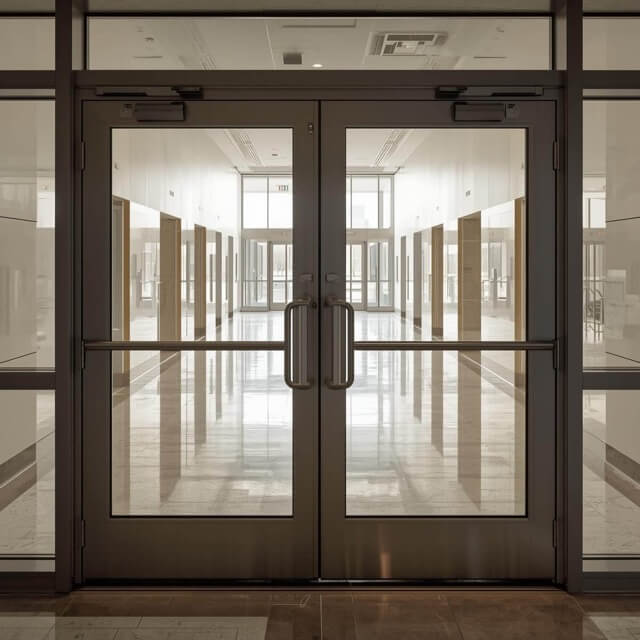
Historically, robust physical security has been synonymous with visual obstruction. Traditional ballistic glass windows, by their very nature, are conspicuous. They rely on brute force principles, employing thick, heavy layers of glass and polymer laminated into cumbersome units that demand oversized, industrial-grade framing.
This approach creates a direct conflict with contemporary architectural values. Where design intent calls for transparency, light-filled spaces, and elegant sightlines, traditional security glazing imposes thick, tinted, and visually distorting barriers. The result is often a structure that feels less like an open, welcoming space and more like a fortified bunker, fundamentally altering the occupant experience and undermining the architect’s vision. This is the fundamental compromise, where security is achieved at the direct expense of aesthetics.
The Growing Need for Integrated Ballistic Protection
The demand for inconspicuous, high-level security is no longer a niche requirement for government or military facilities. Today, a broad range of projects, from corporate headquarters and schools to luxury retail and public venues, require protection against ballistic and other violent attacks. Stakeholders now view occupant safety not as an optional upgrade but as a foundational component of a building’s design and a crucial element of their duty of care.
This shift has created a pressing need for security solutions that are seamlessly integrated into the architectural fabric. The expectation is no longer just for protection, but for protection that is invisible. Architects are now tasked with delivering UL 752 rated security without signaling threat or creating a climate of fear, a task for which traditional, heavy-handed solutions are ill-equipped.
Defining the Core Conflict: Aesthetics vs. Threat Mitigation
This situation forces architects into a core conflict, pitting the essential goals of their design against the critical mandate for occupant protection. On one hand, the architectural vision is paramount. On the other, the responsibility to mitigate advanced threats is non-negotiable.
This dilemma can be summarized by two competing sets of priorities:
- Architectural and Aesthetic Goals: These prioritize the human experience, focusing on maximizing natural light, maintaining clear views, and achieving a specific design language through clean lines and minimalist components.
- Advanced Threat Mitigation: This priority is driven by risk analysis and security protocols, demanding certified physical barriers capable of defeating specific ballistic threats, preventing forced entry, and safeguarding human life.
Historically, satisfying one of these priorities meant sacrificing the other. The following sections explore the conventional approach to resolving this conflict and analyze the significant drawbacks that have led architects to seek a better way.
Retrofit Security Glazing: An Engineered Solution for Ballistic Glass Windows
The architectural challenge of integrating robust security without aesthetic compromise has been solved not by reinventing the window, but by re-engineering the protective layer. Advanced retrofit security glazing systems represent a fundamental shift away from the brute-force approach of traditional ballistic glass. Instead of a disruptive and costly full replacement, these systems are engineered to augment existing glazing, delivering certified protection while remaining virtually invisible.
Introducing Retrofit Systems: The Over-Glazing Concept
At its core, a retrofit security glazing system is an “over-glazing” solution. It involves installing a custom-fabricated, transparent security shield over the existing window and door glass. This protective layer is not bonded to the glass itself but is anchored directly to the window mullion or door frame, typically on the interior side for maximum security and concealment.
For architects, the primary benefit of this approach is the preservation of the original design. The building’s exterior façade, original fenestration, and sightlines remain completely unchanged. From both the interior and exterior, the system is designed to be unobtrusive, preserving the flow of natural light and the intended architectural aesthetic. This method effectively decouples the security function from the building’s primary weather and thermal envelope.
The Material Science of Bullet-Resistant Polycarbonate
Unlike traditional ballistic glass, which relies on heavy, thick layers of glass and laminated polymer, modern retrofit systems primarily utilize polycarbonate. Polycarbonate is a thermoplastic polymer renowned for its exceptional impact strength, optical clarity, and light weight. A sheet of polycarbonate can be up to 250 times more impact-resistant than glass of the same thickness, yet weighs significantly less.
To ensure long-term performance and durability, these polycarbonate shields are not raw material. They are typically coated and laminated with proprietary materials that provide critical attributes. An abrasion-resistant hard coat finish protects the surface from scratching and hazing, ensuring sustained clarity. A UV-filtering layer prevents the polycarbonate from yellowing or degrading over time, preserving its optical neutrality and protective qualities. In some configurations, multiple layers of polycarbonate and other flexible polymers are laminated together to achieve higher levels of ballistic protection without excessive thickness or weight.
How Patented Anchoring Systems Create a Robust Barrier
The effectiveness of any over-glazing system is contingent on its anchoring mechanism. A ballistic-rated panel without a proper frame is ineffective, as the impact energy would simply tear the panel from its mounting. The true innovation lies in patented anchoring systems engineered to absorb and transfer immense kinetic energy away from the glazing and into the building structure itself.
A system like BulletShield, for example, utilizes custom-extruded aluminum framing that securely grips the polycarbonate shield. This frame is then mechanically fastened deep into the structural members of the window mullion. When a projectile strikes the shield, the force is not concentrated at the point of impact. Instead, it is distributed across the entire surface of the panel and safely channeled into the robust frame, which in turn dissipates the load into the building’s infrastructure. This engineered load path is the critical element that allows a lightweight system to defeat high-energy ballistic threats.
The Technical Advantages of a Decoupled Security Layer
The intentional air gap between the existing window glass and the interior security shield is a key design feature, not an incidental space. This “decoupled” design creates several distinct technical advantages over monolithic ballistic glazing.
When a projectile strikes the shield, the air gap allows the polycarbonate to safely flex and deform, absorbing a significant amount of the impact energy. This dynamic response is more effective at stopping projectiles than the rigid shattering of traditional glass. This design also provides superior protection for occupants. Traditional ballistic glass can produce spall, which are dangerous, high-velocity shards of glass on the non-strike face. The decoupled system completely contains any spall from the security shield, and the shield itself protects occupants from any fragmentation of the original window glass. The inherent flexibility and energy dispersion of polycarbonate allows it to withstand multiple impacts in close proximity, a common scenario in active threat events.
Comparing Protection: UL 752 Rated Glazing for Retrofit vs. Traditional Systems
For architects and specifiers, independent, third-party certification is the ultimate measure of a security product’s reliability. The argument for retrofit systems rests not on conceptual benefits alone, but on certified performance that meets or exceeds the same standards applied to traditional ballistic windows.
A Primer for Architects: Deconstructing the UL 752 Standard
Underwriters Laboratories 752 is the nationally recognized standard for Bullet-Resisting Equipment. It provides a reliable framework for evaluating the ballistic stopping power of materials and assemblies. UL 752 is a performance-based standard. It does not dictate materials or construction, but rather certifies that a complete system can defeat a specific threat.
The standard consists of ten levels, with Levels 1 through 8 being the most commonly specified for architectural applications. Each level corresponds to a specific type of firearm, ammunition, and number of shots that the system must withstand without penetration.
- UL 752 Level 1: Protects against handguns like a 9mm FMJ.
- UL 752 Level 2: Protects against higher-power handguns like a .357 Magnum JSP.
- UL 752 Level 3: Protects against powerful handguns like a .44 Magnum SWC.
- UL 752 Level 8: Protects against high-power military rifles firing 7.62mm FMJ rounds.
How Retrofit Systems Achieve High-Level Ballistic Ratings
Retrofit security glazing systems are tested and certified as a complete assembly, including the polycarbonate shield, the patented anchoring system, and all hardware. A system like BulletShield achieves its UL 752 rating by combining material science with mechanical engineering.
By varying the thickness and composition of the polycarbonate shield and tailoring the anchoring system, manufacturers can engineer solutions to meet specific threat levels. A system designed for UL 752 Level 1 might use a single, thinner sheet of polycarbonate, while a system certified to UL 752 Level 8 will utilize a thicker, multi-layer laminated panel. The critical point is that these retrofit systems are proven to meet the exact same performance criteria as their traditional, heavy-glass counterparts, providing architects with certified bullet resistant glass alternatives.
Analyzing Performance in Real-World Threat Scenarios
While two systems may share the same UL 752 rating, their real-world performance can differ. In an active threat scenario, a decoupled polycarbonate system offers distinct safety advantages over a monolithic ballistic glass assembly.
When a traditional ballistic glass window is struck, it typically experiences significant cracking and may produce hazardous spall on the interior, even if it prevents penetration. This can injure occupants and obscure vision.
In contrast, a retrofit system manages the impact more dynamically. The polycarbonate shield flexes to absorb the projectile’s energy. The primary window behind it may fracture from the pressure wave, but all glass fragments are contained between the two layers. The polycarbonate shield remains intact, providing a continuous, clear barrier against follow-on shots and maintaining the security of the building envelope.
Beyond Ballistics: Co-Benefits of Forced Entry and Blast Mitigation
The physical properties that make retrofit ballistic protection effective also make it exceptionally resistant to other forms of attack. This multi-threat capability provides a much higher return on investment than a single-purpose security solution.
The same engineered system that stops a bullet offers robust protection against:
- Forced Entry: The immense impact strength and flexibility of polycarbonate, combined with a structural anchoring system, can withstand sustained attacks from tools like sledgehammers, axes, and pry bars for extended periods. This delays or deters intruders, providing critical time for law enforcement to respond.
- Blast Mitigation: In a bomb blast, the greatest danger to occupants is often flying glass. A retrofit security shield holds the existing glass in its frame, preventing it from turning into lethal projectiles and helping to maintain the building envelope against the blast pressure wave.
- Incidental Benefits: These systems also inherently improve storm protection against wind-borne debris and offer significant sound attenuation, creating quieter, more comfortable interior environments.
Seamless Integration: How Retrofit Systems Preserve Architectural Aesthetics
For decades, specifying ballistic protection meant accepting significant aesthetic compromises. Traditional solutions required the complete removal and replacement of existing windows with heavy, thick-framed units that often altered a building’s character. Advanced retrofit security glazing systems fundamentally change this dynamic, allowing architects to add robust protection while preserving their original design intent.
Achieving a Virtually Invisible Security Footprint
The primary design advantage of a retrofit system is its ability to create a layer of protection that is nearly undetectable. Unlike full replacement windows, these systems are installed on the inside of the existing window or door frame. This security over-glazing technique is key to its discreet nature.
A patented, custom-extruded aluminum framing system is anchored to the existing mullions or window surround. This frame securely holds the security glazing panel, creating a sealed air gap between it and the primary window. Because the new frame is situated within the depth of the existing window assembly, it becomes visually recessive, blending into the existing sightlines. The result is a security hardening solution without the bulky appearance of armored frames or obtrusive hardware.
Maintaining Original Sightlines, Glass Clarity, and Building Character
A common concern with security glazing is the potential for visual distortion or discoloration. Traditional ballistic glass, composed of multiple thick layers, can exhibit a greenish tint that alters color perception and diminishes light transmission. This is not the case with modern retrofit systems.
These systems utilize advanced materials like polycarbonate engineered for exceptional optical clarity. This ensures that views remain unobstructed and natural light is not compromised. From the exterior, the building’s facade is unchanged. The original glass remains the face of the building, maintaining the intended reflections, transparency, and architectural character. The security layer behind it is effectively invisible to passersby.
Custom Solutions for Curtain Walls, Storefronts, and Historic Windows
Architectural designs are not monolithic, and a one-size-fits-all security solution is rarely effective. Retrofit security glazing excels in its adaptability to a wide range of fenestration types, ensuring the solution conforms to the design, not the other way around.
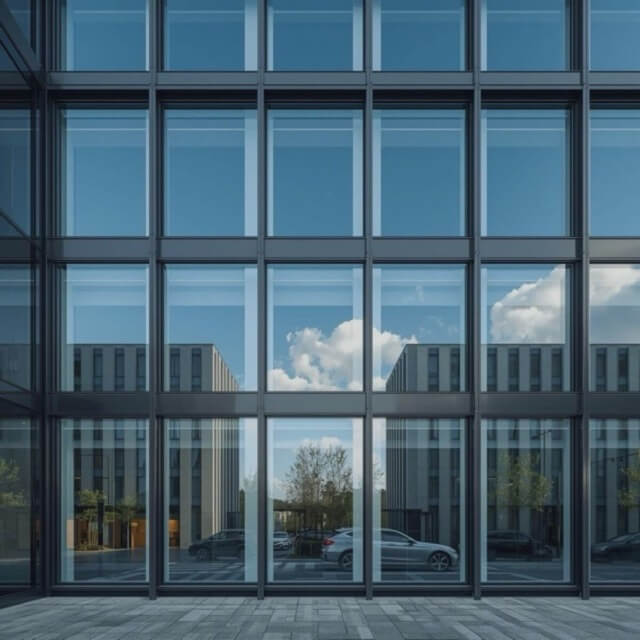
- Curtain Walls and Ribbon Windows: For modern glass curtain wall systems, the lightweight framing can be seamlessly integrated with the existing mullion grid. It reinforces expansive glass spans without adding visual weight or interrupting the clean lines of the facade.
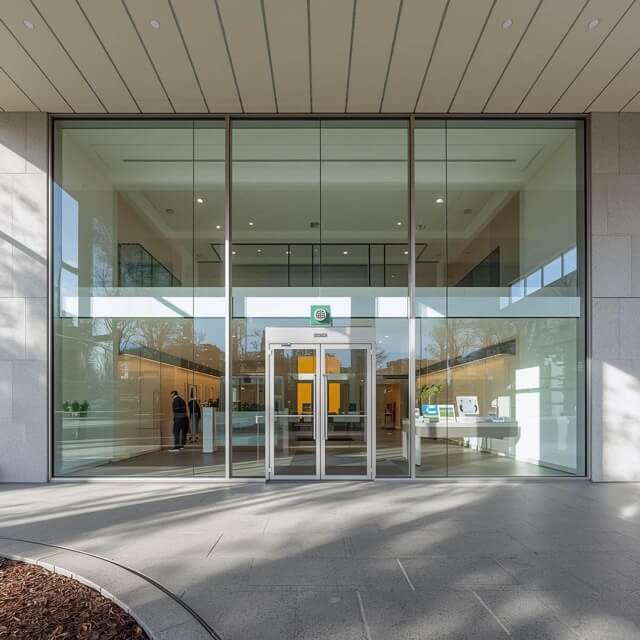
- Retail Storefront Systems: Storefronts demand a balance of high security and maximum transparency. A retrofit system provides a formidable barrier against forced entry and smash-and-grab theft while remaining virtually invisible, ensuring the focus remains on the retail display, not the security measures.
- Historic and Landmark Windows: Perhaps the most compelling application is in historic preservation. Replacing original, often irreplaceable, windows on a landmark building is typically not an option. Because a retrofit system is installed independently on the interior, it leaves the historic fenestration completely intact, providing modern, certified protection while adhering to strict preservation guidelines.
Answering the Architect’s Core Question: Will This Ruin My Design?
The answer is unequivocally no. On the contrary, a retrofit security glazing system is a tool for design preservation. It resolves the conflict between the need for occupant safety and the desire for architectural integrity.
By protecting the original glass, maintaining pristine sightlines, and integrating discreetly with any window system, this technology allows the original architectural vision to be fully realized and secured. It empowers architects to specify a high level of ballistic and forced entry protection without sacrificing the very aesthetic details that define their work. Security becomes an invisible layer of confidence, not a visible compromise.
Conclusion: Uncompromising Security, Uncompromised Design
The conventional approach to ballistic protection has long presented architects with a dilemma, forcing a trade-off between robust security and the integrity of their design. Traditional ballistic glass windows, with their inherent weight, thickness, and visual distortion, often compromise the aesthetic vision of a building. The technical evolution of security glazing has rendered this compromise obsolete. Advanced retrofit systems deliver certified ballistic resistance that is not only effective but also virtually invisible.
Key Takeaways: Why Retrofit is the Superior Architectural Choice
For architects specifying security, retrofit security glazing systems present a clear advantage over full window replacement. The core benefits address the primary pain points of cost, disruption, and aesthetic impact.
- Preservation of Design Integrity: Retrofit systems are installed over existing glass, leaving the original facade, sightlines, and architectural details completely undisturbed.
- Reduced Structural Load: These lightweight systems avoid the significant structural engineering and frame reinforcement required to support heavy traditional ballistic glass.
- Minimal Disruption and Faster Installation: Installation is performed from the interior and is significantly faster than a full window tear-out and replacement, minimizing operational downtime.
- Enhanced, Multi-Threat Performance: Beyond certified ballistic protection, these systems provide exceptional defense against forced entry, blast, and smash-and-grab crime.
- Cost-Effectiveness: Eliminating the need for demolition, structural modification, and full window replacement makes retrofitting a more financially viable option.
You No Longer Have to Choose Between Safety and Style
The proven performance of engineered retrofit security glazing systems confirms that architects are no longer forced to sacrifice aesthetics for security. These solutions directly refute the outdated notion that effective protection must be obtrusive.
By separating the security layer from the primary building envelope, a patented system places a durable, ballistic-rated shield over the existing window. This approach allows the original glass to function as intended, maintaining the building’s visual character, while the interior polycarbonate assembly absorbs and dissipates kinetic energy from ballistic and physical attacks. The result is a fortified structure that meets stringent UL 752 ratings for ballistic resistance without looking like a fortress. This proves that architectural security can be an integrated, almost imperceptible element of design rather than a detractor from it.
Next Steps for Specifying Modern Bullet-Resistant Glazing
Incorporating advanced security glazing into a project requires a clear, technically informed process. For architects ready to specify these modern solutions, the following steps provide a reliable framework.
- Initiate a Professional Risk Assessment: Begin by commissioning a formal Threat, Vulnerability, and Risk Assessment (TVRA) for the property. This foundational step identifies specific threat vectors and informs the required level of protection.
- Engage Specialists Early: Consult with a retrofit security glazing expert during the schematic design or early planning phase. Early collaboration ensures seamless integration and allows the specialist to provide custom solutions tailored to the project’s unique requirements.
- Request Performance and Certification Data: Require transparent access to third-party testing data and certifications for any proposed system. Verify that the system meets the necessary UL 752 ballistic rating and has been tested for forced entry resistance.
- Specify the Complete System: A successful installation depends on more than just the glazing. Ensure the specification details the entire engineered assembly, including the patented framing, anchors, and any venting components that are critical to system performance.
Frequently Asked Questions
What is the difference between retrofit security glazing and traditional ballistic glass windows?
Retrofit security glazing is an over-glazing system installed on the interior of existing windows. It uses a lightweight polycarbonate shield anchored to the window frame. Traditional ballistic glass windows are complete, heavy, multi-layered glass and polymer units that require a full replacement of the original window and often need structural reinforcement of the frame.
Will retrofit ballistic protection change the appearance of my building?
No. A key advantage of retrofit systems is their virtually invisible nature. Because they are installed on the interior and use optically clear polycarbonate, the building’s exterior facade, original glass, and architectural sightlines remain completely unchanged. The system preserves the original design intent.
Can retrofit security glazing achieve the same UL 752 ratings as new bullet resistant glass?
Yes. Reputable retrofit systems are tested and certified as a complete assembly to the same UL 752 standards as traditional ballistic glass. By adjusting the thickness and composition of the polycarbonate and using engineered anchoring, these systems can achieve ratings from UL 752 Level 1 through Level 8, providing certified protection against a wide range of ballistic threats.
Is retrofit security glazing only for ballistic threats?
No. The material properties and engineered anchoring that make these systems effective against bullets also provide robust protection against other threats. They are highly effective at preventing forced entry, mitigating the effects of bomb blasts by containing glass shards, and defending against smash-and-grab crime.
How is retrofit security glazing installed on historic buildings?
Retrofit systems are ideal for historic preservation because they do not alter the original structure. The system is installed on the interior side of the window frame, leaving the original, often irreplaceable, historic windows completely untouched. This allows the building to meet modern security needs while adhering to strict preservation guidelines.