- Can Bullet Proof Film for Windows Actually Stop Bullets?
- Understanding Security Window Film vs. Ballistic Protection
- Types and Applications of Security Window Films
- Professional Installation and Anchoring Systems
- Common Challenges and Solutions
- Conclusion and Next Steps
- Frequently Asked Questions
Can Bullet Proof Film for Windows Actually Stop Bullets?
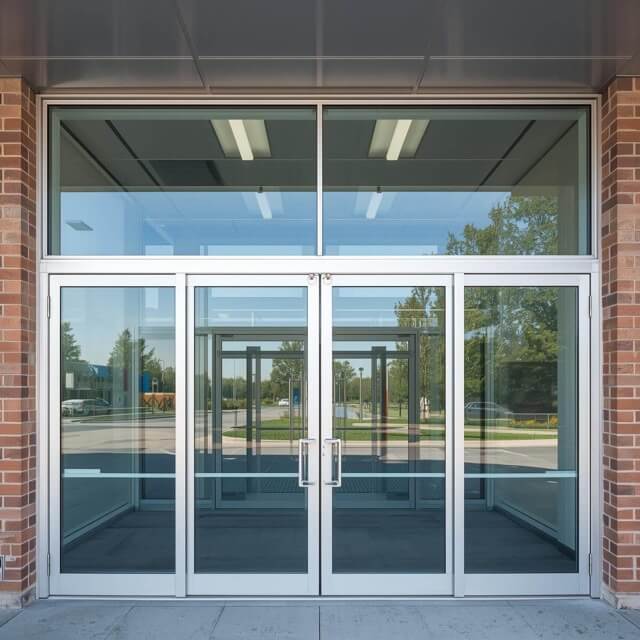
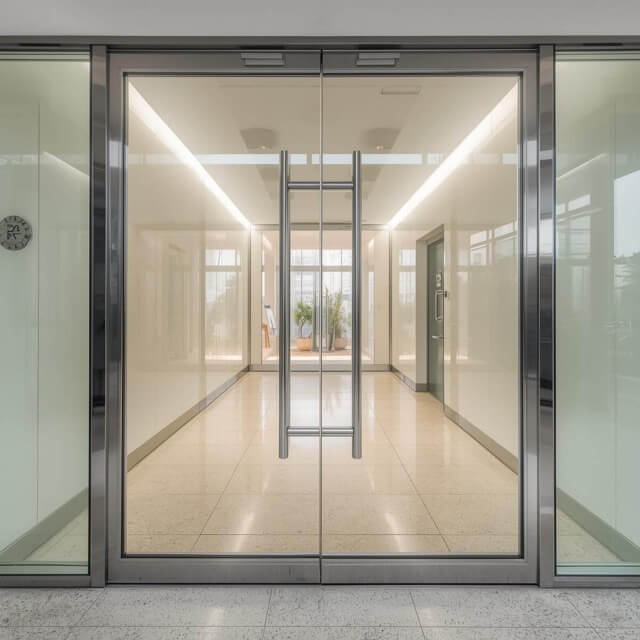
There is no such thing as bullet proof film for windows that can stop bullets on its own. Security window film, commonly referred to as “bulletproof film” in marketing materials, cannot meet ballistic protection standards when applied to existing glass without additional certified components. This distinction matters for anyone evaluating security products for their property.
This content covers what security window film actually does, how it differs from true ballistic window film systems, and when each solution makes sense. Property owners, school administrators, facility managers, and security professionals will find practical guidance for matching protection levels to real-world threats. Understanding these differences prevents costly mistakes and ensures safety measures actually address your risk profile.
Direct answer: Security film holds broken glass together and can delay forced entry by 15–45 seconds or more, but it cannot stop bullets. Only independently tested ballistic glass systems certified to standards like UL 752 provide actual bullet resistant protection.
By the end of this article, you will understand:
- The technical difference between security film products and bullet resistant glass
- What protection levels do different film thicknesses actually provide
- How installation and anchoring affect real-world performance
- Cost-effective strategies for different threat scenarios
- When security film makes sense versus when ballistic glazing is required
Understanding Security Window Film vs. Ballistic Protection
Security window film is a protective layer of polyester or PET material bonded to window glass with powerful adhesives. Its primary function is preventing glass from shattering into dangerous fragments when broken, not stopping bullets from penetrating. This fundamental distinction shapes every security decision involving glazing.
What Security Window Film Actually Does
When an intruder attempts to break through a window, security film holds the broken glass together, creating a barrier that requires sustained effort to breach. Rather than shattering and allowing immediate entry, the filmed glass tears and stretches, forcing attackers to work through a resistant membrane. Testing shows properly installed films can delay entry by 15–45 seconds in smash-and-grab scenarios, sometimes extending to several minutes depending on film thickness, glass type, and anchoring method.
This protection applies to forced entry attempts, extreme weather events, and accidents where flying debris might otherwise create dangerous projectiles. Security film on door glass and large window panes reduces injury risk from glass fragments while buying time for occupants to respond or for authorities to arrive. The protection is meaningful for break ins and intrusion attempts—but it addresses a different threat than a ballistic attack.
True Ballistic Protection Requirements
Bullet resistant window systems must meet specific certification standards that security film alone cannot achieve. UL 752 defines eight threat levels in North America, ranging from Level 1 (9mm handgun) through Level 8 (high-velocity rifle fire). Each level specifies the caliber, velocity, and number of shots the glazing must withstand without penetration.
The materials required for ballistic protection differ fundamentally from window film. A UL Level 3 ballistic glass panel (rated against .44 Magnum) typically measures approximately ½ inch thick and weighs around 5.25 pounds per square foot. Higher levels protecting against rifle threats exceed one inch thickness with weights of 13–16 pounds per square foot. These bullet proof glass assemblies combine multiple layers of glass, polycarbonate, and specialized interlayers—engineered composites that absorb and disperse bullet energy.
Even heavy-duty security films at 20+ mil thickness cannot replicate this performance. Film thickness and adhesive strength simply cannot substitute for the mass and material properties required to stop bullets. Understanding this gap is essential for security professionals tasked with protecting students, employees, or customers against ballistic threats.
Types and Applications of Security Window Films
With the foundational differences established, specific film categories serve distinct security needs. Choosing the right type depends on your threat assessment, budget, and existing glazing conditions.
Standard Security Films (4-14 mil thickness)
Films in the 4–14 mil range provide baseline protection for residential and light-commercial applications. An 8–12 mil film installed on storefronts, glass doors, or first-floor windows offers meaningful resistance against opportunistic break ins and accidental glass breaking. These films hold glass fragments together effectively and create enough resistance to deter most smash-and-grab attempts.
Typical applications include retail storefronts, residential sliding doors, patio windows, and interior glass partitions in commercial buildings. The cost-to-protection ratio makes standard films an effective solution for properties facing moderate risk from intrusion or environmental hazards like storms.
Heavy-Duty Security Films (15+ mil thickness)
Thicker films (15–27 mil) deliver enhanced forced entry resistance suitable for schools, government buildings, and high-value commercial properties. These products can delay entry significantly longer than standard films, particularly when combined with tempered glass and structural anchoring systems. Some manufacturers offer films tested under ASTM F3561—a standard specifically addressing active shooter mitigation for glazing systems.
For context, certain 27 mil film systems properly installed on ¼-inch tempered glass with structural caulk anchoring have achieved ASTM F3561 Level 3 performance in testing. However, this rating addresses forced entry delay—not ballistic resistance. Heavy-duty films serve institutions seeking to prevent active shooter situations from escalating by slowing an intruder’s ability to gain entry through glass barriers, buying critical response time.
Ballistic Glass Enhancement Films
A specialized category exists for films designed to work with certified ballistic glazing rather than replace it. These products reduce spalling (glass fragments thrown toward the interior when bullets strike) and help maintain optical clarity on ballistically rated glass. Some coatings can restore performance to damaged ballistic panels or improve existing installations.
These enhancement films are installed on bullet resistant window assemblies as supplementary protection—they do not transform standard glass into bullet proof glass. Their role is optimizing certified systems rather than creating ballistic protection where none exists.
Different threat profiles call for different solutions. Residential properties facing burglary risk benefit from standard films. Schools and businesses facing elevated intrusion threats may warrant heavy-duty options. Facilities requiring actual ballistic protection need certified bullet resistant glass systems—with or without enhancement films.
Professional Installation and Anchoring Systems
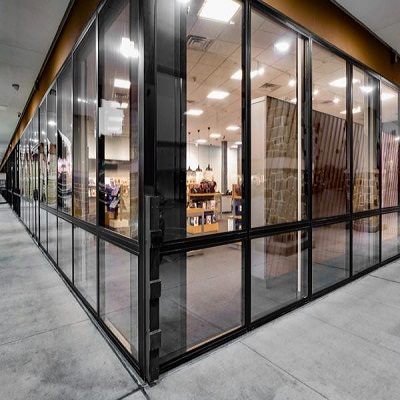
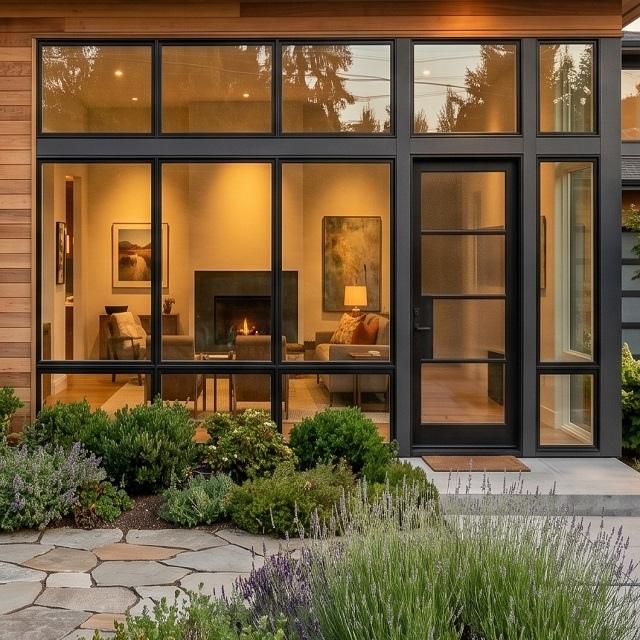
The effectiveness of any security film depends heavily on installation quality and anchoring method. A perfectly manufactured film improperly installed provides minimal protection because the glass-and-film assembly can pop out of the window frame under impact.
Installation Process
Professional installation follows a specific sequence that determines long-term performance:
- Surface preparation – The glass surface must be thoroughly cleaned and degreased to ensure maximum adhesive bond strength
- Film application – Technicians apply the film without bubbles or wrinkles, ensuring complete contact across the entire glass area
- Trimming and finishing – Edges are cut precisely to maximize coverage while maintaining clean sight lines
- Structural anchoring – The film is sealed to the existing glazing frame using adhesive beads or mechanical attachments to prevent the assembly from ejecting under force
Skipping or rushing any step compromises security. Industry data suggests over 60–70% of field failures stem from improper anchoring rather than material defects. The installed system must keep the filmed glass in the frame even when completely shattered.
Anchoring Methods Comparison
| Method | Effectiveness | Cost | Best Application |
|---|---|---|---|
| Wet glazing (basic adhesive) | Moderate | Low | Residential, low-threat commercial |
| Structural adhesive (silicone/caulk) | High | Medium | Schools, government buildings, retail |
| Mechanical attachment (U-channels, screws) | Highest | High | High-security, blast mitigation, forced entry resistance |
Wet glazing offers the lowest cost but provides limited performance under dynamic loads. Structural adhesives deliver reliable anchoring for most cases where forced entry resistance is the primary goal. Mechanical attachment provides maximum retention strength, keeping shattered glass panels in place even under sustained attack or blast conditions.
Choosing an anchoring method involves balancing cost against threat level. For businesses protecting against opportunistic break ins, structural adhesive typically provides adequate security. Facilities facing determined attackers or blast threats should consider mechanical systems despite higher installation costs.
Common Challenges and Solutions
Selecting and implementing window security involves navigating several common pitfalls. Addressing these proactively ensures your investment delivers expected protection.
Misconceptions About Film Capabilities
Marketing materials sometimes use “bulletproof film” loosely, creating unrealistic expectations. No security film alone has achieved UL 752 or EN 1063 ballistic certification. Any vendor claiming otherwise should provide complete test reports specifying the entire glazing system—including glass type, thickness, frame construction, and anchoring method—not just the film component. Request documentation before purchasing based on bullet resistant claims.
Balancing Cost vs. Protection Level
Bullet resistant window systems cost significantly more than security film retrofits—often 2–5 times higher per square foot before accounting for heavier frames and structural modifications. However, threat assessment should drive this decision, not budget alone. Properties facing genuine ballistic threats (high-crime areas, government facilities, specific threat intelligence) require certified ballistic glass regardless of cost. Properties facing primarily forced entry or extreme weather risks can achieve meaningful protection with properly installed heavy-duty security film at substantially lower expense.
Installation Quality Issues
Poorly installed film—with bubbles, inadequate surface prep, unsealed edges, or missing anchoring—provides false confidence. Insist on installer certification through recognized organizations and demand manufacturer warranties covering both materials and installation. Quality documentation should include inspection records, adhesive specifications, and anchoring method verification. Paying for professional installation protects your investment and ensures tested performance translates to real-world protection.
Conclusion and Next Steps
Security window film provides valuable protection against forced entry, shattering, and flying debris—but it is not bulletproof. True ballistic protection requires certified bullet resistant glass systems meeting standards like UL 752, not film applied to existing glass. Understanding this difference prevents dangerous misconceptions and ensures your security investment matches actual threats.
Immediate next steps:
- Conduct a threat assessment identifying likely risks to your property (forced entry, ballistic attack, natural disasters)
- Consult with certified security professionals to match protection levels to identified threats
- Compare security film options against ballistic glazing based on your assessment results
- Obtain multiple quotes, including complete system specifications (film thickness, glass type, anchoring method)
- Verify installer credentials and require performance warranties before proceeding
For comprehensive property protection, consider integrating window security with access control, surveillance systems, and emergency response protocols. Glazing represents one layer of effective security—coordinating multiple safety measures delivers the strongest defense against diverse threats.
Frequently Asked Questions
Can any window film stop bullets?
No. Security film alone cannot stop bullets from any firearm. Only certified ballistic glass systems—tested and rated under standards like UL 752 or EN 1063—provide bullet resistant protection. These systems combine specialized glass, polycarbonate layers, engineered interlayers, and certified frames. Claims that film alone offers ballistic protection should be verified with complete system test reports including all components.
How thick does security film need to be for schools?
Schools seeking enhanced protection typically install films between 12 and 27 mil thickness. For forced entry delay and active shooter response time, films around 15–20 mil provide approximately 30 seconds to several minutes of protection against a sustained attack. Achieving higher certifications like ASTM F3561 Level 3 requires combining thick film (around 27 mil in tested systems) with tempered glass and structural anchoring—not film alone.
What’s the cost difference between security film and bulletproof glass?
Security film retrofits cost substantially less per square foot than ballistic glazing systems. Exact pricing varies by region, panel size, and specifications, but expect bullet resistant glass (UL 752 Level 3 and above) to cost 2–5 times more than heavy-duty security film including installation. Ballistic systems also require custom framing and potentially structural building modifications, adding further expense. Film offers budget-friendly upgrades for lower-risk profiles; ballistic glazing is appropriate where life safety against firearm threats justifies the investment.
How long does security window film last?
Properly installed high-quality security window film lasts 15–20 years under normal conditions. Manufacturer warranties typically cover 10–15 years against peeling, yellowing, hazing, and bubble formation. Factors affecting lifespan include UV exposure, climate extremes, film thickness, adhesive quality, and maintenance practices. Inspect filmed windows periodically and plan for eventual replacement before degradation compromises performance.
Can I install security film on laminated or tempered glass?
Yes, security film is compatible with annealed, tempered, and laminated glass in most cases. Tempered glass fractures into small pieces when broken—security film helps hold these fragments together, maintaining the barrier. Laminated glass already contains an interlayer but adding security film can enhance forced entry resistance. For ballistic applications, specific glass types (laminated glass or glass-clad polycarbonate) form part of certified systems, but film alone does not create bullet resistance regardless of glass type.
Does security film work on residential windows?
Yes, security film provides meaningful protection for residential applications. First-floor windows, sliding glass doors, and exposed large panes benefit from film installation, reducing burglary risk, injury from broken glass, and damage from extreme weather or debris. For homes in hurricane zones or high-crime areas, thicker films with structural anchoring offer enhanced protection. However, residential security film cannot stop bullets—homeowners facing genuine ballistic threats require certified bullet resistant solutions rather than film retrofits.