Table of Contents
- Introduction: Why Security Glazing for Civil Unrest Can’t Wait
- Civil Unrest Threats to Glass Doors and Windows
- Vulnerable Glass Entry Points: Where Attackers Strike First
- Security Glazing Options for Civil Unrest Scenarios
- Government Building and Courthouse Security Glazing
- Understanding J Series Sub-Framing and Similar Retrofit Systems
- Selecting the Right Security Glazing for Your Building
- Installation, Timeline, and Cost Considerations
- Why Choose Our Team for Security Glazing and Civil Unrest Protection
- Conclusion: Strengthening Glass Before the Next Wave of Civil Unrest
- Frequently Asked Questions About Security Glazing for Civil Unrest
Introduction: Why Security Glazing for Civil Unrest Can’t Wait
The years since 2020 have made one thing clear: glass is the weakest link in the building envelope. Civil unrest can lead to property damage and looting, and over 120 residential break-ins were reported during LA protests in 2025 alone. From Minneapolis to Portland to Los Angeles, business owners watched as storefronts, courthouses, and government buildings suffered major damage from thrown projectiles, coordinated forced entry attempts, and opportunistic looting.
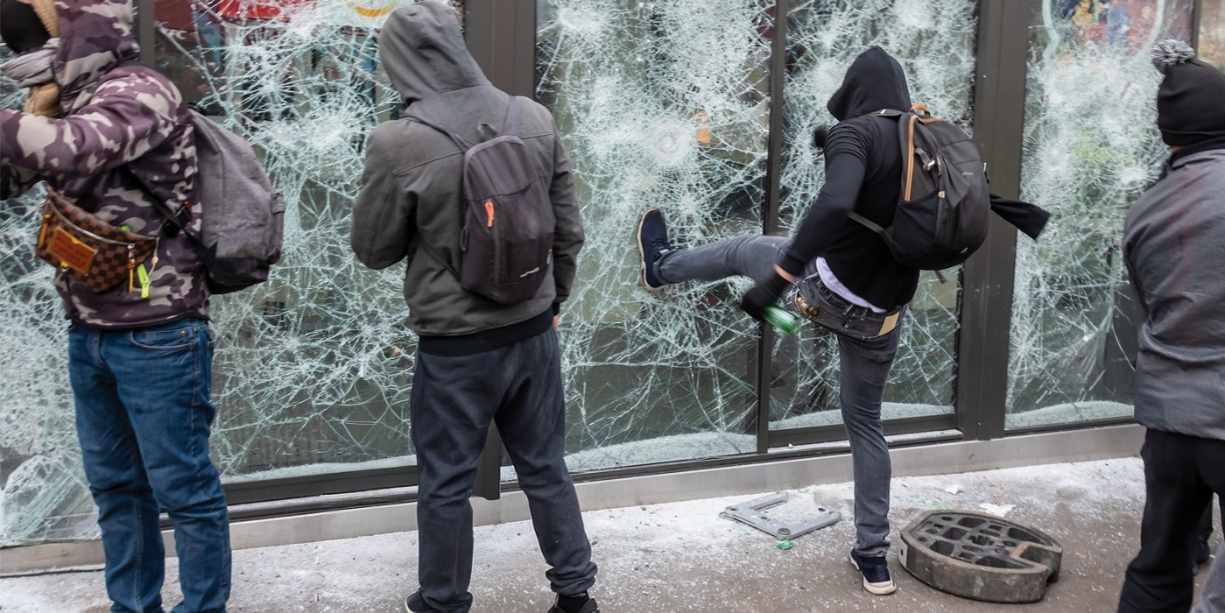
Security glazing for civil unrest is the proactive, permanent alternative to boarding up windows with plywood or hoping that standard locks hold. Unlike temporary measures, security glazing is permanently installed and optically clear, meaning your building looks normal while maintaining a serious defensive barrier. It acts as a first line of defense during civil unrest, buying critical time for law enforcement response and protecting building occupants from flying shards.
This complete guide walks you through how different glazing solutions perform against real-world civil unrest threats, how they retrofit onto existing windows and doors, and what to consider whether you manage a retail store, a modern office, or a 19th-century courthouse.
Civil Unrest Threats to Glass Doors and Windows
Civil unrest encompasses protests, riots, and politically motivated vandalism. Typical attack patterns against glass surfaces include thrown bricks and rocks, coordinated forced entry with tools, and arson attempts at entry points. Riots can escalate from peaceful protests within 6 to 8 hours, giving property owners very little warning to prepare.
Recent patterns tell a consistent story:
- Downtown business districts in Minneapolis, Portland, and Los Angeles boarded up glass doors and storefront windows during 2020–2025 unrest
- Courthouses, police stations, and federal buildings sustained repeated attacks on glass entry points
- Flash mob shoplifting incidents between 2020 and 2024 involved significant property damage with broken glass as a common outcome
- Properties near commercial districts face higher risks during riots due to proximity to protest routes
Standard home security systems are ineffective during mob scenarios because conventional annealed or tempered glass shatters rapidly under repeated impact. Looters looking for quick access treat standard glazing as easy targets, gaining entry in seconds. Security glazing prevents serious injuries from broken glass fragments while simultaneously denying attackers the fast access they depend on. When civil unrest overwhelms local law enforcement and stretches response times, physical barriers become the primary protection during those critical first 15 to 30 minutes.
Vulnerable Glass Entry Points: Where Attackers Strike First
Effective security starts with mapping and prioritizing every glass entry point and large glass surface across your building envelope. Attackers choose the path of least resistance, which means your weakest pane determines your actual security level.
Common high-risk areas include:
- Ground-floor glass doors and storefront glass exposed to riots facing streets
- Lobby curtain walls and large glazed panels in plain sight
- Side and rear service entries with vision lites, especially in unlit alleys
- Transoms and sidelites around exterior doors, which often use thinner, weaker glazing than the primary door panel
- Low-mounted windows near sidewalks and parking lots
Transoms and sidelites are a frequent bypass point. Even if the front door is heavily reinforced, an attacker can gain entry through adjacent glass that nobody thought to upgrade. Framing matters for security glazing as well-a weak door frame or deteriorated window frame can lead to complete failure regardless of how strong the glass itself is.
Before selecting any solution, create a vulnerability checklist of all glazed entry points, including interior glass partitions leading to secure areas. Photograph and measure each opening to streamline consultations with security professionals later.
Security Glazing Options for Civil Unrest Scenarios
There is no one-size-fits-all solution. Options range from low-cost security film to fully engineered polycarbonate and bullet resistant systems, each suited to different threat levels and budgets. Security glazing options fall into two broad performance categories: forced entry grades and ballistic grades.
Civil unrest planning typically emphasizes forced entry resistance with optional ballistic protection for higher-risk sites. Three main categories form the backbone of any glazing strategy:
- Safety and security window film – applied to existing glass
- Laminated and security glass – replacement glazing with interlayers
- Polycarbonate security glazing systems – non ballistic containment and bullet resistant systems
Relevant testing standards include ASTM F3038 for timed forced entry resistance and UL 752 ballistic performance standards for ballistic performance. These ratings give property owners a time-based or ballistic benchmark showing exactly how long systems withstand attack.

Safety and Security Window Film on Existing Windows
Security film is an entry-level upgrade that strengthens a building’s existing windows by holding shards together after impact. Heavy-duty films can be applied directly to existing glass surfaces and anchored to frames with structural sealant to improve hold.
Security window film delays forced entry attempts, providing critical response time for security personnel and law enforcement to respond, and high-impact laminate systems like RiotLite security glazing further increase shatter resistance and durability against violent threats. However, window film will not turn standard glazing into a true forced entry or bullet resistant barrier. Under sustained attacks with heavy tools, determined intruders can still breach the opening.
Film works best for:
- Small businesses with limited budgets
- Residential applications near protest corridors
- Low-to-moderate risk offices seeking a family’s safety improvement
Approximate material costs run a few dollars per square foot, making it the most accessible upgrade. Pair film with heavy duty deadbolts, reinforced doors, perimeter lighting, and visible cameras for a basic but layered protection strategy around glass doors and first-floor windows.
Laminated and Security Glass Systems
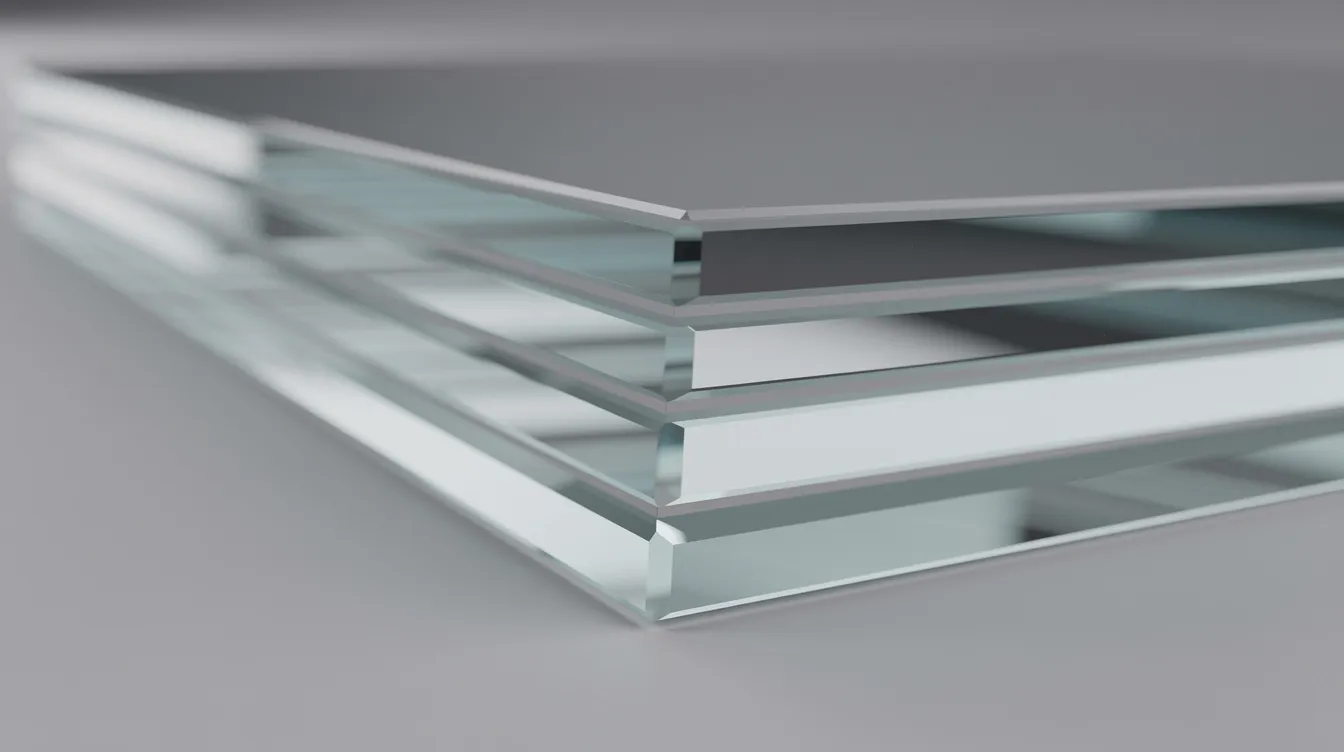
Laminated security glass represents a meaningful step above film. It features a plastic interlayer between two panes of glass, typically PVB or ionoplast, bonded under heat and pressure. Laminated glass holds together when impacted, preventing easy entry even after the outer layer cracks.
Laminated security glass provides high-level forced entry resistance and can be engineered to meet specific standards involving repeated blows with blunt objects. Some configurations offer limited bullet resistance, though they are not equivalent to dedicated retrofit bullet resistant systems.
Common applications include:
- Street-level storefronts, banks, and pharmacies
- Schools reinforcing windows and doors
- Public-facing lobbies and entry points
Laminated glass generally requires replacement of the glazing unit rather than a simple overlay, which affects project timelines. Material costs typically range from $10 to $50 per square foot depending on interlayer type, thickness, and coatings. The aesthetic advantage is significant: laminated glass maintains a traditional glass appearance with high visible light transmission around 88 to 92 percent, making it ideal for showrooms and public-facing spaces.
Polycarbonate and Bullet Resistant Glazing
Multi-layer polycarbonate and glass-clad polycarbonate (GCP) systems deliver the highest level of resistance against civil unrest threats. Riot glass provides protection up to 250 times stronger than standard glass, and riot glass can withstand impacts from sledgehammers and crowbars without yielding. Polycarbonate shields are virtually unbreakable under heavy tool attacks, making them the go-to choice for high-risk facilities.
Containment grade, or non ballistic, configurations focus on prolonged denial of access. Security panels absorb high-energy impacts from common riot weapons, and security glazing absorbs repetitive blunt force and remains intact within its frame across extended attacks.
Glass-clad polycarbonate combines layers of glass and polycarbonate to deliver both hardness and flexibility. GCP offers high levels of threat mitigation against forced entry and ballistic attacks. The outer layer of glass in GCP resists scratches and graffiti, maintaining clarity over time. Polycarbonate shields can be retrofitted over existing windows, reducing project scope.
Bullet resistant options are rated under UL 752, covering handgun threats at lower levels and rifle threats at higher levels, and integrating UL 752-rated bullet resistant wall panels alongside glazing can extend this ballistic envelope to adjacent walls and counters. These systems serve courthouses, data centers, embassies, and high-value retail stores. Modern systems maintain 70 to 80 percent or higher visible light transmission, avoiding the bunker aesthetic while providing serious protection.
Government Building and Courthouse Security Glazing
Civil unrest increasingly targets symbolic locations-courthouses, government buildings, city halls, and law enforcement facilities. Hardened glazing at these sites is essential for continuity of operations and public confidence. Ballistic grades are rated under UL 752 standards, and security measures at government properties must balance forced entry resistance, potential bullet resistant performance, and architectural preservation.
Risk assessments for government properties typically evaluate:
- Public access areas like lobbies and service counters
- Judge and staff circulation routes
- Detention transfer paths
- Secure evidence and records rooms with windows or glass doors
Multi-layer security glazing is used on key facades, public-facing counters with transaction windows, and interior glass partitions separating secure zones from public spaces.
Courthouse Hardening and Bullet Resistant Solutions
Courthouse hardening is a structured program to upgrade doors, glass entry points, and interior sightlines against civil unrest, targeted attacks, and active threats including active-shooter scenarios. Forced entry grades are tested to standards like ASTM F1233, and dedicated forced entry security glazing systems provide measurable benchmarks for resistance.
Bullet resistant glazing is commonly installed at:
- Judge entrances and private corridors
- Prisoner transfer paths
- Clerk counters and reception areas
- Any position with direct lines of sight into courtrooms
Riot glass products can achieve UL 752 ballistic ratings, making them suitable for the most demanding courthouse applications. Layered solutions combine containment grade polycarbonate on the public side with bullet resistant glass-clad polycarbonate at higher-risk positions. Security glazing should be integrated with a monitored alarm system, glass break detectors, duress alarms, reinforced doors, and access control for a cohesive security envelope.
Retrofitting Historic Government Buildings and Courthouses
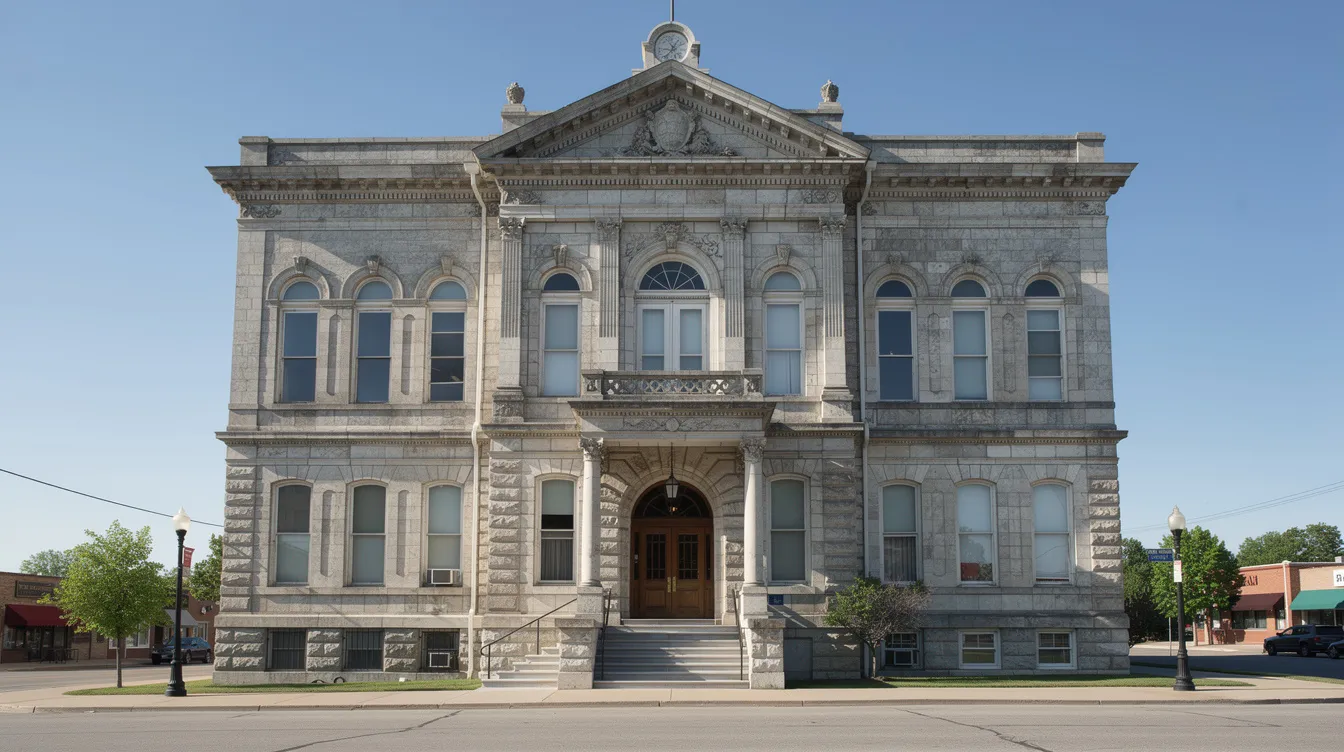
Hardening historic buildings presents a unique challenge. Strict preservation rules limit visible changes to facades, window profiles, and masonry, yet civil unrest demands modern security performance. Historic government buildings and other historic government buildings listed on registers require exterior appearance to remain essentially unchanged.
Riot glass can be retrofitted without drilling into existing frames, using non-invasive compression-fit sub frames that mount over or behind existing windows. This approach preserves original sash and glass where required while adding a robust protective barrier. Retrofitting is often preferred to avoid full-frame replacement costs, especially for 19th- and early-20th-century courthouses and federal buildings.
Riot glass can be retrofitted over existing windows and doors, making these systems particularly valuable for historic buildings where traditional replacement would trigger costly preservation reviews and potential violations.
Understanding J Series Sub-Framing and Similar Retrofit Systems
Sub framing in this context refers to a secondary frame installed inside the existing opening to support new security glazing without demolishing or damaging the primary window frame. The j series sub framing design acts as a compression-fit exoskeleton that clamps securely around the window opening, distributing impact forces and anchoring polycarbonate or glass-clad panels.
The J Series meets ASTM F3808 standards for 15-minute forced entry resistance, meaning a coordinated attack with hand tools must be sustained for at least 15 minutes before any breach occurs. These systems are pre-engineered for government buildings and historic sites where no drilling is allowed into stone or ornamental metal, and where rapid installation between court sessions or public operating hours is necessary.
Some j series configurations accommodate both containment grade and bullet resistant glazing, allowing facilities to upgrade protection later by swapping panels while keeping the same sub frame. Installation advantages include minimal disruption, preservation of existing windows, and straightforward maintenance access for cleaning or panel replacement after an incident.
Benefits of Compression-Fit Sub-Framing for Civil Unrest Protection
Compression-fit series sub framing distributes the energy of impacts from bats, hammers, and thrown projectiles across the entire frame perimeter. This reduces the risk of panel blow-out or frame failure under sustained attack. High-security glazing installed within these frames can withstand sustained tool attacks for minutes or hours.
Key advantages:
- Speed of deployment: Larger government campuses and commercial properties can be retrofitted in phases without full closure
- Aesthetic integration: Low-profile framing aligns with existing mullions so the building still appears to have standard glazing
- Dual benefit: Because the original glass often remains in place behind the new panel, acoustic performance and thermal efficiency improve as a side benefit
- Flexibility: Panels can be swapped between containment grade and ballistic grade as threat profiles change
Specifiers should verify compatibility with local building codes and fire egress requirements, particularly around operable windows, emergency exits, and glass doors that must remain functional.
Selecting the Right Security Glazing for Your Building
The best solution depends on threat level, building type, heritage status, budget, and operational needs like visibility, daylight, and public access. A staged decision process works well: conduct a risk assessment, prioritize critical entry points, match threat levels to glazing performance tiers, then evaluate retrofit versus replacement paths.
Property types demand different approaches:
| Property Type | Recommended Starting Point | Priority Areas |
|---|---|---|
| Small retail stores | Security film + laminated glass on front door | Street-facing windows and doors |
| Multi-tenant offices | Laminated glass on ground floor | Lobby, entry points, parking-level glass |
| Schools and medical | Laminated or polycarbonate | Main entries, classroom doors |
| Government buildings | Polycarbonate/GCP with sub-framing | All public-facing glass, courtrooms |
| Residential applications | Film + reinforced entry | Front door sidelites, ground-floor windows |
| Document current conditions with photos and measurements to streamline professional consultations and reduce change-orders later. |
Assessing Threat Levels and Use Cases
Categorize your risk into three tiers:
- Opportunistic vandalism – thrown objects, kicks, single attempts. Security film and basic laminated glass are often sufficient.
- Organized looting and forced entry during civil unrest – multiple attackers with tools. Forced entry resistance glazing meeting ASTM F3038 or polycarbonate systems are appropriate.
- Targeted attacks with firearms – ballistic grade glazing rated under UL 752, combined with reinforced frames, security bars, and access control.
Proximity to government buildings, major protest routes, or high-value retail corridors elevates risk. Check historical incident data, insurance reports, and municipal crime maps when determining baseline threat level. As a temporary measure during imminent unrest, 3/4-inch plywood can effectively board up windows, but it offers no long-term solution and signals vulnerability.
Building occupancy patterns matter. A 24/7 facility with overnight staff requires more delay and protection from glazing than a building occupied only during business hours.
Balancing Performance, Budget, and Aesthetics
Full polycarbonate or bullet resistant systems provide the strongest protection, but many building owners achieve meaningful improvements through targeted upgrades-security film on less critical windows and higher-grade glazing on primary entry points.
A layered approach works best:
- Combine reinforced doors with heavy duty deadbolts and upgraded frames
- Add perimeter lighting and motion detection systems with cloud storage
- Install security glazing tailored to each opening’s risk profile
- Use visible cameras as a deterrent alongside physical barriers
For retail and hospitality properties, preserving a clear, welcoming storefront matters. Riot-protective glass solutions maintain transparency without heavy tints. Budget-wise, prioritize doors and ground-floor street-facing glass first, then expand to upper floors and interior partitions as funds allow. For mission-critical locations, lifecycle costs, warranties, and potential insurance premium reductions may justify higher initial investment.
Installation, Timeline, and Cost Considerations
Total project impact includes assessment, manufacturing lead times, installation scheduling, and coordination with building operations or security personnel. A typical workflow follows this sequence:
- Site survey and measurements
- Engineering and product selection
- Fabrication of custom panels and sub frames
- Professional installation on-site
- Final inspection and security testing
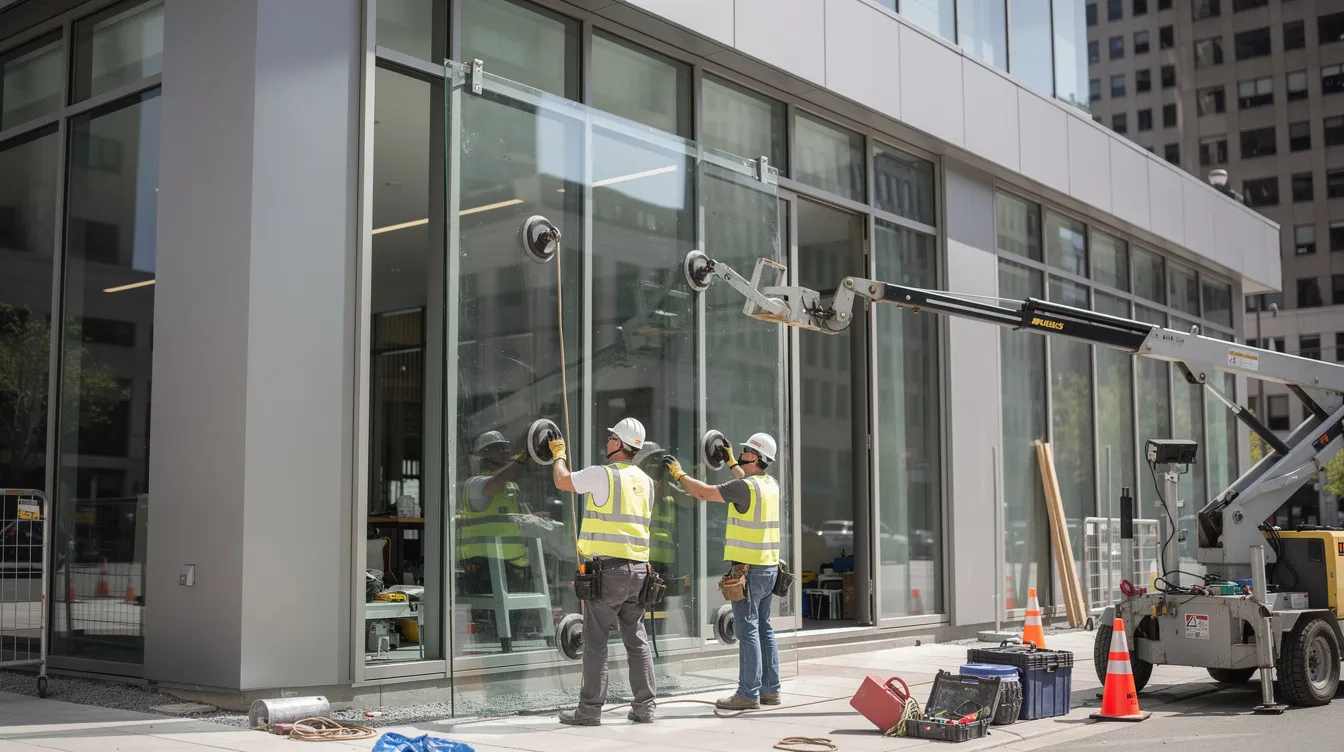
Retrofit systems on existing windows significantly reduce demolition, debris, and downtime compared to full window replacement. General cost ranges per square foot:
| Solution Tier | Material Cost (per sq ft) | Installed Cost (per sq ft) |
|---|---|---|
| Security film | $3–$8 | $5–$15 |
| Laminated security glass | $10–$50 | $25–$60+ |
| Polycarbonate / bullet resistant | $30–$100+ | $60–$150+ |
| Complex openings, curved glass, or historic facades increase pricing. Schedule upgrades during lower-risk periods when possible, but modular retrofit systems can be deployed rapidly when urgent threats arise. |
Maintaining and Inspecting Security Glazing After Civil Unrest
Security glazing is a long-term asset but requires periodic inspection, especially after storms, minor vandalism, or civil unrest events that may have stressed frames and anchors even without visible failure.
Maintenance guidelines:
- Use gentle cleaning methods suitable for coated polycarbonate-avoid abrasive pads
- Inspect sealants, gaskets, and anchor points annually
- Replace scratched or compromised panels in high-visibility areas promptly
- Document and photograph any impact marks or forced entry attempts for insurers
Many systems include multi-year warranties covering clarity, delamination, and coating performance. Keep warranty documents and installation records accessible. After any incident, conduct a post-event review to determine whether additional windows, glass doors, or interior partitions should be upgraded based on how intruders interacted with the building.
Why Choose Our Team for Security Glazing and Civil Unrest Protection
We specialize in security glazing for civil unrest, forced entry protection, and government building hardening. Our team has direct experience retrofitting occupied courthouses and historic government buildings, working within ASTM and UL standards to deliver measurable performance.
We evaluate your existing windows and doors, recommend the right combination of film, laminated glass, or polycarbonate solutions, and design retrofit sub framing that preserves the character of historic facades. Every project includes a clear timeline, detailed cost proposal, and coordination with facility managers to minimize disruption.
Ready to protect your property? Schedule a consultation or security assessment with our team today.
Conclusion: Strengthening Glass Before the Next Wave of Civil Unrest
Unsecured glass doors and windows remain a known weak point during riots and civil unrest. Modern security glazing offers durable, discreet protection that can be retrofitted onto most existing buildings-from small retail stores to historic courthouses-without sacrificing aesthetics or daylight.
The key benefits are straightforward: delayed or denied forced entry, protection from flying glass, continuity of operations in government buildings, and preservation of historic architecture through systems like compression-fit sub framing. Riot glass solutions provide protection up to 250 times stronger than standard glass while remaining optically clear.
Take a proactive step now. Assess your current glass vulnerabilities, prioritize your most critical entry points, and consult with specialists on the appropriate glazing level for your risk profile. Reach out today for a tailored security glazing plan that addresses both everyday security and high-stress civil unrest scenarios.
Frequently Asked Questions About Security Glazing for Civil Unrest
What is the difference between security film and polycarbonate glazing?
Security film is a polyester layer applied to existing glass that holds shards together and delays forced entry, and specialized ballistic-resistant window films can significantly improve anti-breach performance even when they are not fully bulletproof. Polycarbonate glazing, by contrast, is a specifically designed panel up to 250 times stronger than standard glass that can prevent forced entry entirely for extended periods. Film is a budget-friendly first step; polycarbonate is a comprehensive barrier.
Is security glazing truly “unbreakable”?
No glazing is technically indestructible, which is why the industry uses terms like “forced entry resistant” and “bullet resistant” rather than absolutes. However, containment grade polycarbonate is virtually unbreakable under attacks with common riot tools and can resist sustained impacts for 15 minutes or longer under ASTM testing protocols.
Can security glazing be installed on all existing windows?
Most existing windows, including historic wood frames and aluminum storefronts, can accept retrofit security glazing through sub framing or over-glazing systems. The surrounding structure and frame condition must be assessed first, since a weak frame undermines even the strongest panel.
When should I choose bullet resistant glazing over impact-resistant?
Bullet resistance is most relevant when firearms are a credible part of your threat profile-typically at government buildings, courthouses, and high-value facilities. For most civil unrest scenarios, forced entry resistance is the priority. Riot glass products can achieve UL 752 ballistic ratings when firearm threats justify the added investment.
How long does a project take from consultation to completion?
For a small business replacing storefront windows with laminated security glass, expect 2 to 4 weeks including site survey, fabrication, and installation. A mid-sized government building using sub frames and forced entry or bullet resistant systems may require 3 to 6 months, including historic preservation approvals and phased installation.
Is phased installation a good strategy?
Absolutely. Many property owners start with the highest-risk entry points-front door, ground-floor street-facing glass-and expand in phases. Mixing multiple layers and different glazing levels within one property is both practical and cost-effective.
Is Security Glazing a Replacement for Traditional Alarms and Guards?
Security glazing complements, rather than replaces, electronic security and security personnel. It buys time and delays or prevents forced entry, allowing alarms and response plans to work as intended. Upgrading glazing forces attackers to spend more time and make more noise at entry points, making a monitored alarm system and glass break detectors far more effective. The goal is layered security: glazing, doors, locks, surveillance, lighting, and trained staff all working together during chaotic civil unrest conditions. Grade 1 deadbolts provide serious resistance against forced entry and should be part of the same upgrade cycle.