Windows fail fast when a crowd turns violent. During civil unrest, attackers may use bricks, hammers, pry bars, and improvised rams to turn standard glass doors and storefront windows into open access points within minutes.
Modern protection is not only about stopping glass from breaking. It is about delaying forced entry, preventing penetration, and keeping window openings secure long enough for alarms, police, or on-site security to respond.
Table of Contents
- Introduction: Why Windows Fail First in a Mob Attack
- How Mob Attacks Typically Break Windows
- Key Materials for Forced Entry Resistance and Mob Protection
- Threat Levels and Security Testing Standards
- Applications by Building Type: Where Mob Attack Window Protection Matters Most
- Installation Options: Retrofit vs. New Construction
- Beyond Glass: Deterrence, Alarm Response, and Insurance Benefits
- Maintenance and Longevity of Security Glazing Systems
- FAQs: Common Questions About Mob Attack Window Protection
- Conclusion and Next Steps
Introduction: Why Windows Fail First in a Mob Attack
Since 2014, and especially during 2020–2024 unrest, businesses, schools, hospitals, and government buildings have seen how quickly glass becomes the weak point of a building. Retailers often board up with plywood after damage, but by then inventory, records, and occupant safety may already be at risk.
In practice, mob attack window protection means hardening glass, doors, and frames so attackers cannot create a body-sized opening even if the surface cracks. Securing windows against a mob attack requires a multi-layered defense strategy focused on delay and deterrence.
How Mob Attacks Typically Break Windows
A typical attack starts with thrown objects, then escalates. Attackers test the surface, strike the same spot repeatedly, pry at the window frame, and try to pull broken glass out until entry is possible.
Common methods include:
- Bricks, rocks, and street debris
- Repeated strikes with hand tools
- Crowbars, axes, and common break in tools
- Improvised battering rams
- Low-speed vehicle impact
- Cutting, prying, and pulling at glazing edges
A single smash-and-grab may last seconds. A coordinated mob attack can involve dozens of impacts over several minutes. Standard glass, including many tempered panes, can create body-passage openings in roughly 60–90 seconds under sustained impact. Glass fragments also endanger occupants, police, and cleanup crews.
Debris protection matters too: clearing loose items around the property denies attackers easy projectiles.
Key Materials for Forced Entry Resistance and Mob Protection
Not all security glass is equal. The right security solution depends on threat level, budget, appearance, and whether the project involves existing windows or new construction.
Security Film: Entry-Level Protection for Glass
Security film is a thick PET layer, often 8–15 mil, applied to existing glass or existing storefront glass. Applying shatter-resistant security films can slow down forced entry and prevent dangerous flying glass shards.
Heavy-duty, multi-layered security films can prevent glass from shattering or falling out of the frame, especially when anchored correctly. Film is useful for low to medium risk office windows, upper floors, and areas facing vandalism. However, security film alone is usually not enough for sustained multi-attacker entry attempts.
Laminated Security Glass: Upgraded Protection for Doors and Storefronts
Impact-resistant glass features a tough plastic interlayer similar to car windshields. Laminated security glass uses multiple glass plies bonded with PVB, ionoplast, or SGP interlayers to improve forced entry resistance.
When cracked, laminated glass forms a torn but connected membrane that delays access. It is common in storefronts, institutional buildings, and some government buildings. It also offers acoustic and UV benefits. For higher risk, laminated glass is often paired with polycarbonate security glazing and other shatter-resistant glass solutions and reinforced framing.
Polycarbonate Security Glazing: Highest Level Mob Attack Protection
Polycarbonate security panels are 250 times stronger than glass. Polycarbonate is 250 times stronger than glass and is often described as virtually unbreakable compared with standard glazing.
Polycarbonate absorbs shock and prevents unauthorized entry. Polycarbonate absorbs and deflects impact energy effectively, flexing instead of opening. Polycarbonate can be installed over existing glass for added protection, and polycarbonate can delay entry for several minutes during attacks.
Polycarbonate panels maintain clarity with 90% light transmission, preserving natural light and an aesthetically pleasing look. Abrasion-resistant polycarbonate is best for public-facing windows. Polycarbonate glazing is effective against smash-and-grab thefts at banks, pharmacies, jewelry cases, schools, and critical retail locations.
Threat Levels and Security Testing Standards
Choose protection by threat level, not marketing language.
| Threat level | Scenario | Typical solution |
|---|---|---|
| Low | Vandalism, thrown objects | Security film, laminated glass |
| Medium | Organized burglary, limited tools | Thicker laminated security glass, basic polycarbonate |
| High | Riot, active shooter, vehicle attack | Tested polycarbonate systems, ballistic-rated glazing, reinforced frames |
ASTM F1233-08: Defining Penetration and Body-Passage Risk
ASTM F1233-08 defines levels of forced-entry protection. It evaluates security glazing against blunt tools, sharp tools, firearms, and other attacks. The key distinction is small penetration versus body-passage penetration. For mob protection, stopping body passage is the focus.
ASTM F3038: Simulating a Sustained Armed Mob Attack
ASTM F3038 simulates sustained mob attacks on glazing systems. ASTM F3038 tests glass for mob attack resistance, and ASTM F3038 simulates sustained aggression from multiple attackers.
This standard test method uses timed attacks with heavy tools to determine whether a system prevents a body-sized opening. Unlike simple impact tests, it evaluates glazing, anchors, and frames as systems.
Matching Products to Low, Medium, and High Threat Levels
For low risks, film may be enough. For medium risks, laminated glass or basic polycarbonate improves entry protection. For high risks, use documented systems with forced entry protection, ballistic resistance, or both.
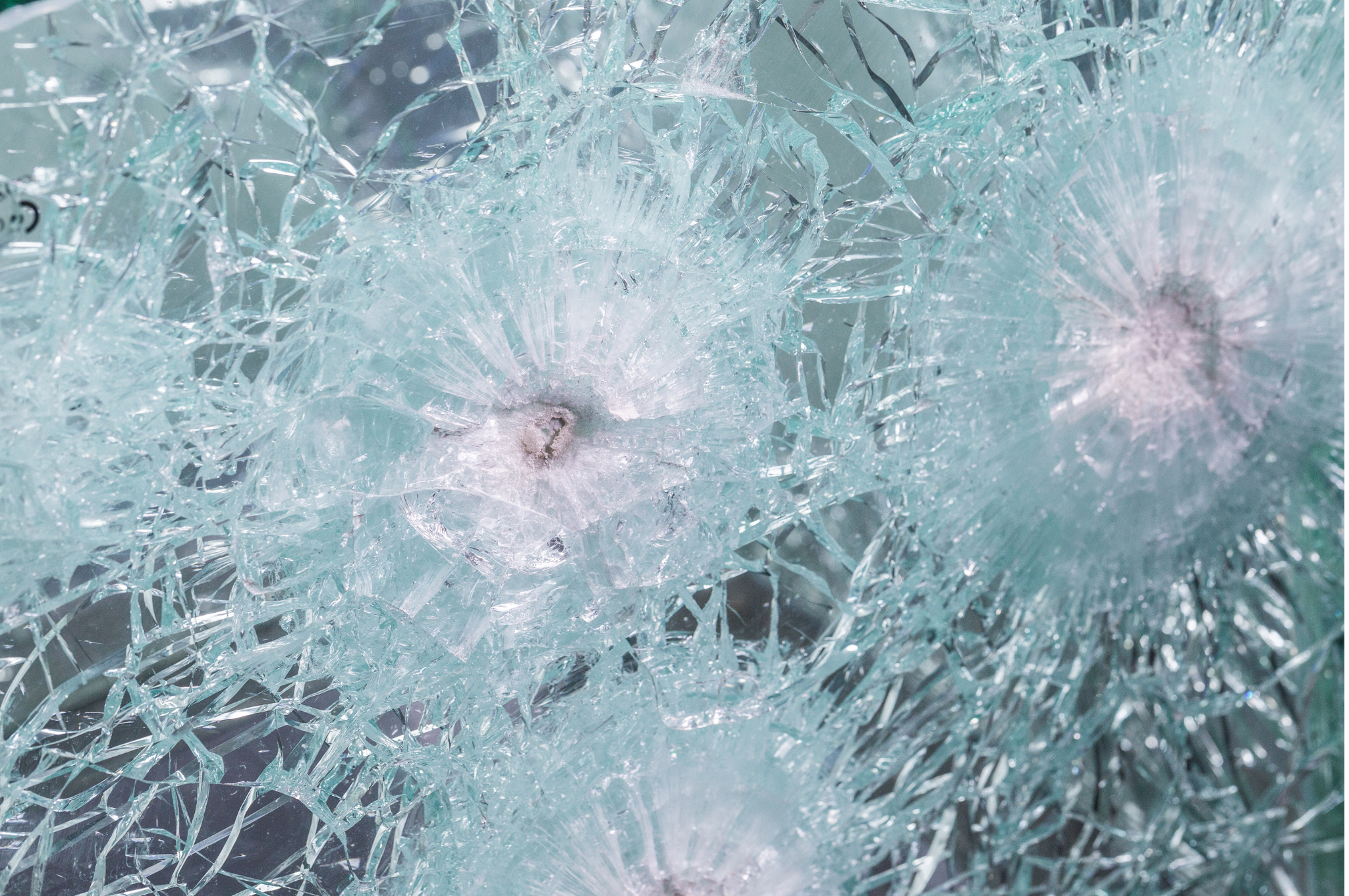
ASTM F3561 Level 8 resists sustained forced-entry attacks. UL 752 ballistic resistance standards certify ballistic-resistant glazing against firearms. Bullet-resistant glass prevents penetration and stops glass fragments, but not all ballistic products are designed to stop bullets and resist prying unless tested for both forced entry and ballistic performance.
Applications by Building Type: Where Mob Attack Window Protection Matters Most
Retail Storefronts and Pharmacies
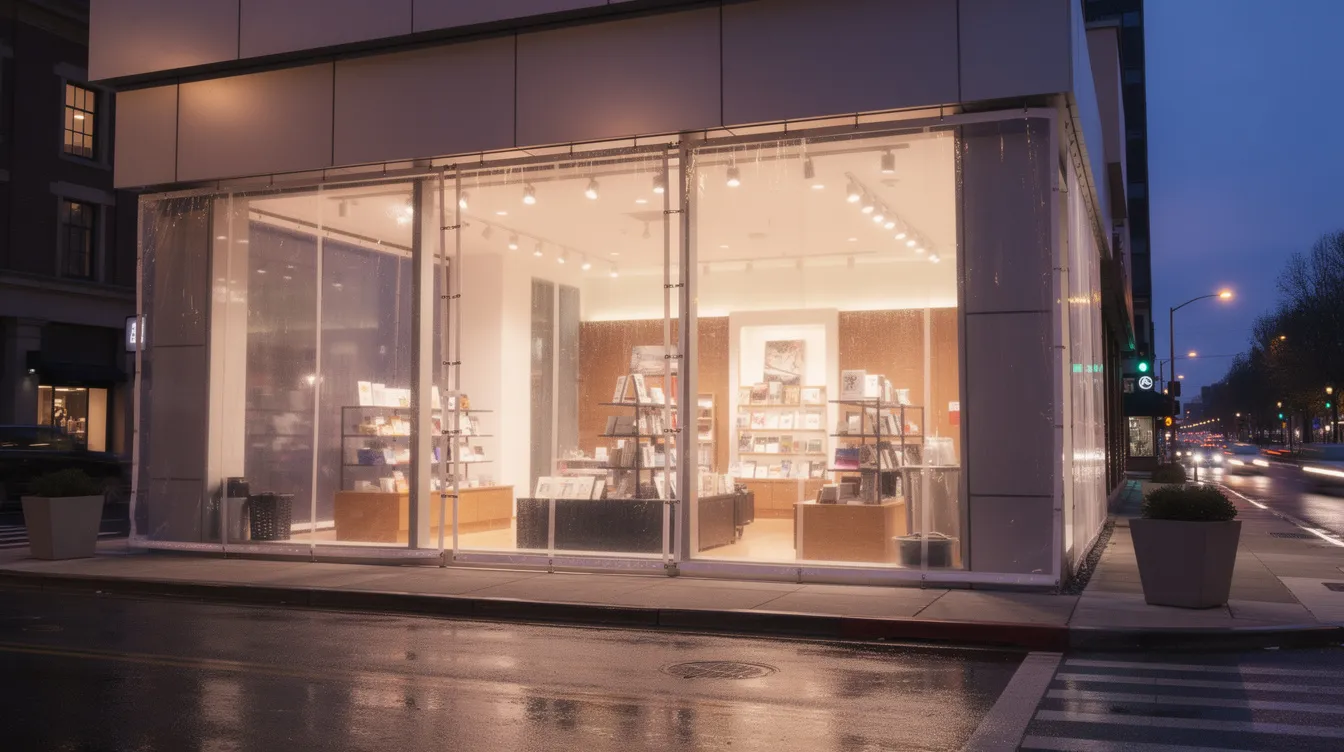
Street-facing glass is the first target during looting. Polycarbonate over existing glass helps protect inventory without daily shutters. In high-risk districts, storefront security solutions for glass doors and windows provide 24/7 resistance without needing to board up every night.
Schools, Universities, and Worship Centers
Schools and worship centers need openness and security. Priority areas include doors, sidelites, vestibules, and ground-floor classroom windows, where reinforced window and door glass that meets ASTM F3561 can significantly improve protection. Even a few minutes of delay can improve lockdown and law enforcement response.
Hospitals and Healthcare Facilities
Healthcare facilities must remain accessible. Clear laminated glass or hard-coated polycarbonate at emergency entries, pharmacies, and triage areas can resist improvised weapons while avoiding a fortress appearance, drawing on the same types of safety and security glass protections for windows and doors used in other high-risk facilities.
Government Buildings and Courthouses
Government and courthouse projects often require the highest level of protection. Public lobbies, council chambers, and courtroom galleries may need ballistic-grade glazing plus forced entry resistance, similar to bullet-resistant glass security solutions for churches and places of worship, in a secure, civic-looking design.
Corporate Offices and Critical Infrastructure
Corporate offices, utilities, transport hubs, and data centers should focus on lobbies, atriums, control rooms, and street-facing windows. Hardened glazing, combined with a comprehensive forced-entry protection strategy that goes beyond the glass, reduces repair cost, downtime, and operational disruption.
Installation Options: Retrofit vs. New Construction
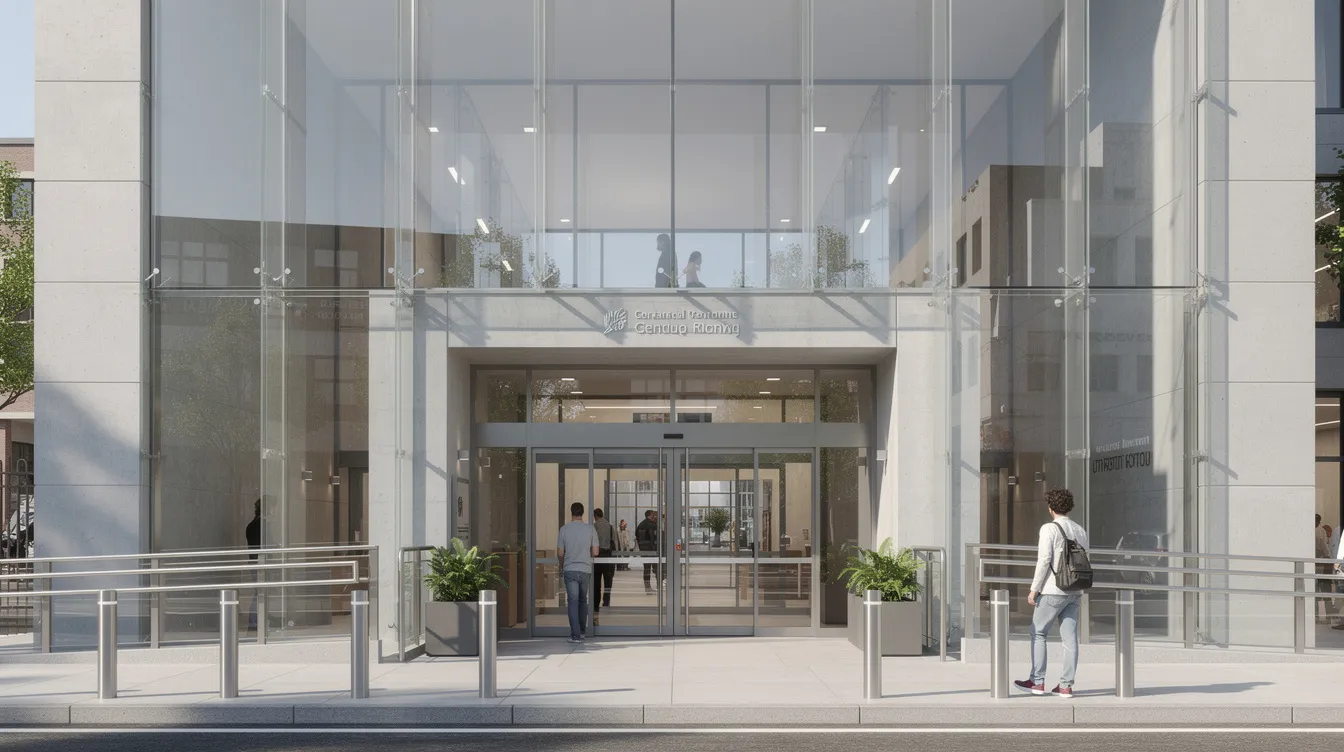
Most projects retrofit existing windows. Secondary glazing can add polycarbonate or laminated panels over current glass. Film is faster and lower cost. For vulnerable storefronts in protest-prone areas, specialized solutions to protect storefront glass during riots and looting can be integrated into these retrofit strategies. The reality is that the window frame, anchors, stops, and sealants matter as much as the glass.
New construction allows cleaner sightlines, energy upgrades, reinforced frames, and tested assemblies. For high threat level work, professional installation is critical because weak frames can break before the glazing does.
Beyond Glass: Deterrence, Alarm Response, and Insurance Benefits
Effective protection is layered. Physical barriers can include solid obstructions that block direct impact and prevent entry. Woven stainless steel screens are resistant to knife slashes, heavy impacts, and prying tools.
Roll-down metal shutters provide the highest level of physical protection against projectiles and looting, although shutters can reduce visibility and require deployment. Clear security glazing works continuously.
Alarms, impact sensors, and monitoring gain value when windows hold. The goal is to buy time so police and security can respond before most attackers gain access. Property owners should also document bulletproof windows, doors, and security window film solutions vetted against industry standards for insurers and risk managers.
Maintenance and Longevity of Security Glazing Systems
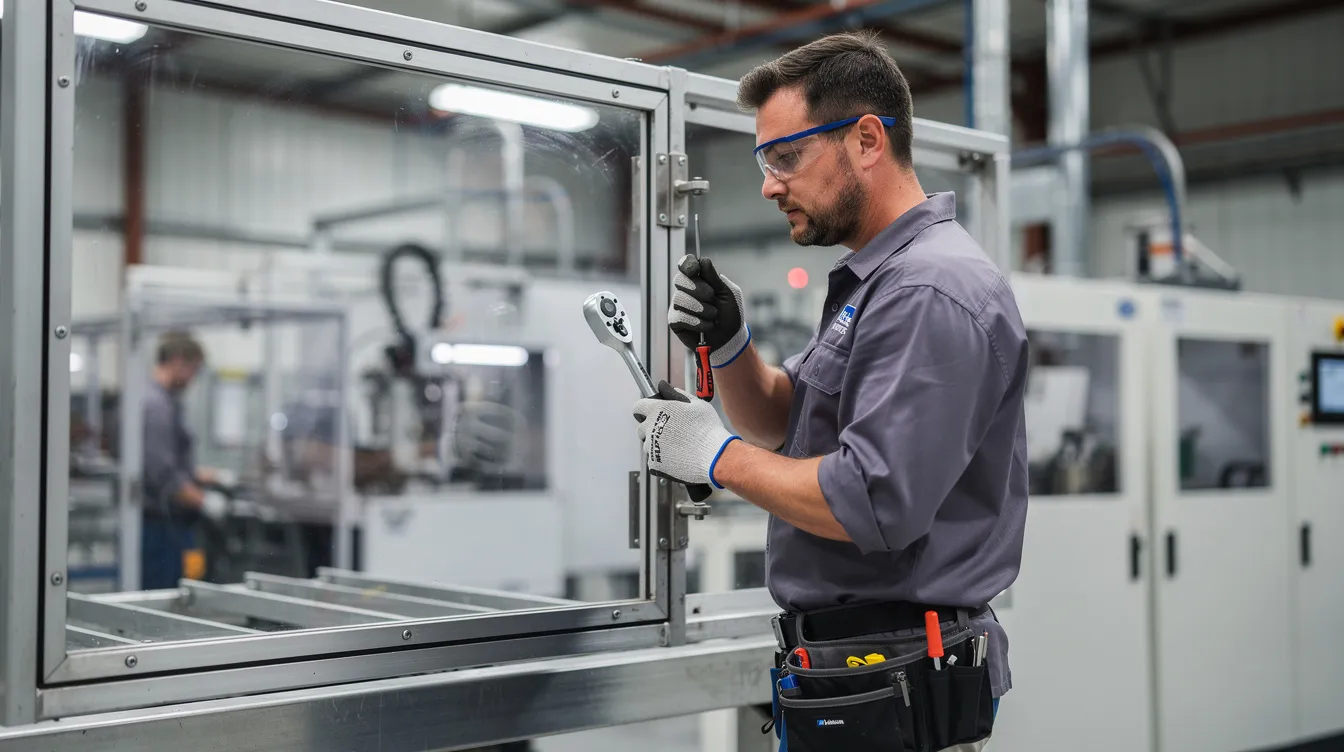
Well-selected systems can last 10–20+ years. Clean polycarbonate with mild soap, water, and soft cloths. Avoid abrasive pads and harsh solvents. Inspect fasteners, seals, glazing stops, and frames after severe weather or any attack.
Abrasion-resistant coatings help preserve clarity on high-touch surfaces. Replace severely damaged panels promptly to maintain tested performance.
FAQs: Common Questions About Mob Attack Window Protection
Is security film enough to stop a mob attack?
Usually not by itself. Film slows forced entry, holds glass fragments together, and improves safety, but sustained attackers with hand tools may defeat film-only systems.
How thick should polycarbonate be for riot protection?
Thickness depends on opening size, frame design, and testing target. A qualified installer should match polycarbonate, anchors, and frames to the threat level.
Will security glazing make my building look like a fortress?
Not necessarily. Modern glazing, film, and polycarbonate systems can remain clear, maintain natural light, and look similar to standard glass.
Can I retrofit security glazing without replacing my existing windows?
Yes. Polycarbonate can be installed over existing glass, and film can be applied to many existing windows, but the frame must be evaluated.
What standards should I ask for?
Ask for ASTM F1233-08, ASTM F3038, ASTM F3561, or UL 752 documentation depending on whether your risk is forced entry, mob attack, active shooter, or firearms.
What is mob attack window protection?
Mob attack window protection is a tested approach to keeping attackers from creating body-sized access through glass during riots, looting, or coordinated forced entry.
Conclusion and Next Steps
Unprotected glass fails quickly during civil unrest. Security film, laminated security glass, metal shutters, and polycarbonate systems all have a place, but the right choice depends on your building, budget, and threat level.
Start with a risk assessment. Prioritize ground-floor doors, storefront windows, sidelites, and high-value areas. Then choose tested glazing systems that delay entry, preserve visibility, and keep your building welcoming where possible.
Contact a qualified security glazing professional to evaluate your site, compare options, and build a protection plan that keeps people and property secure, potentially incorporating bulletproof windows, doors, and security window film systems matched to your threat level.