Table of Contents
- What Is Riot Resistant Storefront Glass?
- Understanding Today’s Threats to Commercial Storefronts
- How Riot Resistant Storefront Glass Works
- Riot-Resistant Options for Existing Glass Storefronts
- Retrofit Solution vs. Full Storefront Replacement
- Design, Aesthetics, and Customer Experience
- Cost, Installation, and Maintenance
- How to Choose the Right Level of Protection
- FAQs About Riot Resistant Storefront Glass
- Why Choose Our Team for Storefront Security Glazing
- Next Steps: Protecting Your Glass Storefronts Before the Next Incident
What Is Riot Resistant Storefront Glass?
Since 2020, civil unrest and organized retail crime have forced commercial property owners to rethink how they protect their buildings. Retailers reported a 93% increase in shoplifting incidents from 2019 to 2023, and smash and grab theft has escalated in cities nationwide. Standard glass simply isn’t built for these threats.
Riot resistant storefront glass is an impact-resistant security glazing system engineered to resist forced entry, looting, and projectile impacts while maintaining an open and inviting look. It is virtually unbreakable and blends seamlessly with existing glass, making it suitable for glass storefronts, glass doors and windows across retail storefronts, banks, pharmacies, and government buildings. Riot Glass is designed to be retrofitted onto existing glass systems and can be installed over existing glass without structural changes. Unlike regular glass or basic security film, these systems are tested for prolonged, repeated attacks-not just accidental breakage.
Understanding Today’s Threats to Commercial Storefronts
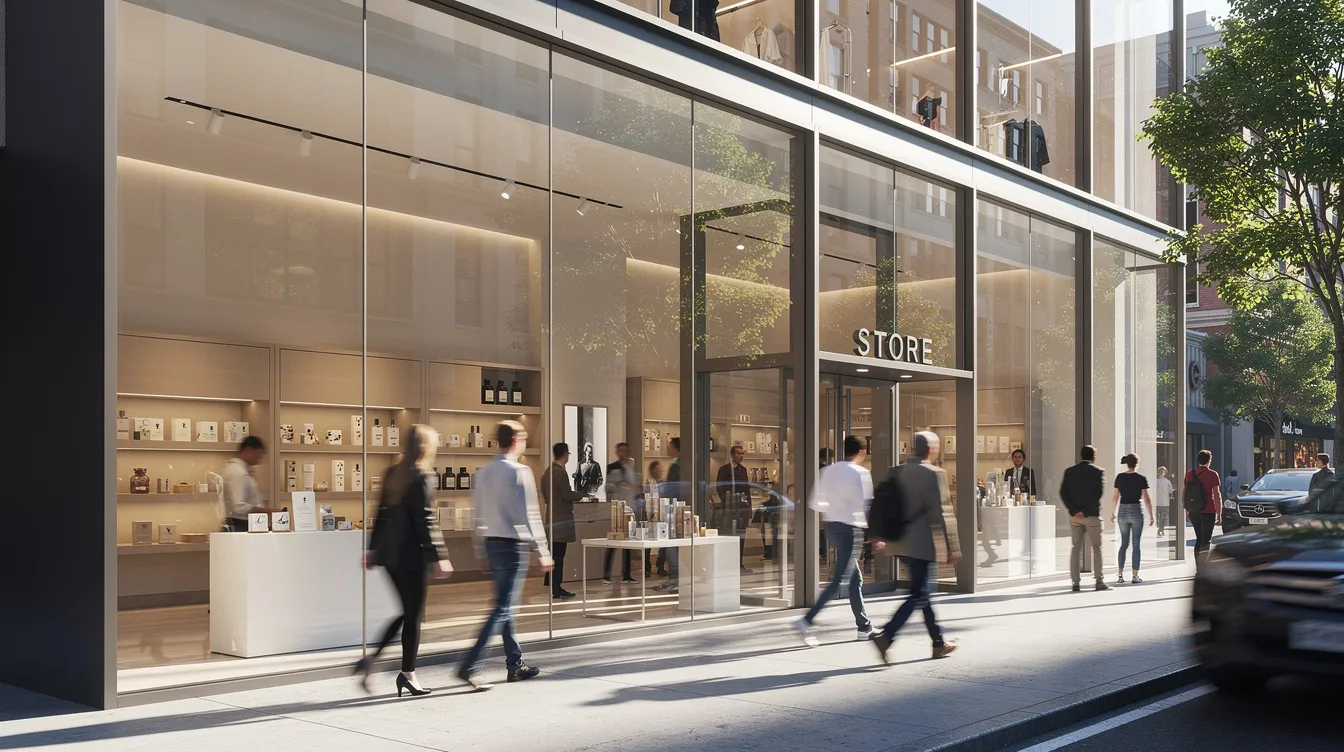
U.S. retailers experienced over $112 billion in shrink in 2022, with external theft accounting for roughly 36% of those losses. Smash and grab attacks using sledgehammers, bats, bricks, and crowbars can breach standard glass in seconds, making any commercial building with large commercial storefront windows an easier target.
Tempered and annealed glass are designed for safety, not security. Once shattered, they offer zero barrier against would be intruders. Cameras and alarms record and alert, but they cannot physically stop burglars from stepping through broken storefront windows. High end retail stores, pharmacies, cannabis dispensaries, and luxury retailers with street-facing merchandise and large glass facades face the highest risk, especially during election cycles and periods of civil unrest. Riot Glass provides protection against smash-and-grab theft by creating a physical barrier that cameras and alarms alone cannot replicate.
How Riot Resistant Storefront Glass Works
Modern security glazing is a layered system, not just thicker glass. Multiple glass plies are bonded with interlayers-PVB or ionoplast materials-that hold fragments together under impact. Advanced interlayers like SGP provide significantly greater tear strength than standard laminates, keeping the barrier intact even after the outer surface cracks.
Glazing composition is critical when choosing riot-resistant storefront glass. Glass-clad polycarbonate combines tempered glass on the exterior with polycarbonate on the interior, where polycarbonate acts as a shock absorber by bending and dissipating energy. The concept of “access denial” means the glass may crack or craze, but no human-sized opening forms. Riot Glass resists impacts from tools like sledgehammers, bats, hammers, and axes, and can withstand multiple impacts from blunt-force attacks during riot situations. In tested scenarios, these systems can keep intruders out for up to 1 hour during attacks-enough time for law enforcement response.
The strength of security glass is dependent on the frame holding it. Heavy-duty frames must hold thick security glazing securely in place, and heavy-duty framing systems are built to absorb extreme energy loads. Systems are tested to standards including UL 972 for burglary resistance, ASTM F1233 for forced-entry resistance in glazing systems, and ASTM F1915, which measures glazing resistance during prolonged attacks. UL 752 is a ballistic rating for security glass against handguns and rifles.
Riot-Resistant Options for Existing Glass Storefronts
Businesses don’t always need to rip out their current windows and doors. Several retrofit options work with existing glass windows and existing glazing to deliver maximum protection without sacrificing visual appeal.
Laminated Security Glass for Storefronts
Laminated security glass bonds two or more glass sheets with tough interlayers that hold shards together on impact. It fits into most existing commercial storefront window frames with minimal modification. High-grade security laminates provide optical clarity for retail shopping, preserving natural light and sightlines. However, laminated glass offers only light security against forced entry when used alone-very determined attackers with heavy tools may eventually penetrate it. It works best for moderate-risk retail store locations or as a base layer combined with other types of protection.
Polycarbonate Riot Shields Over Existing Glass
Polycarbonate glazing shields are made of a strong plastic blend, typically ¼″ to ⅜″ thick, mounted over existing glass storefronts. DefenseLite’s riot protective glass is 250 times stronger than regular glass and absorbs repeated blows from bats, bricks, and hammers without failing. Glass-clad polycarbonate prevents spalling and offers ballistic protection. These shields are virtually invisible from the sidewalk, preserving visual appeal and the retail store’s brand experience. Well-designed systems include ventilation gaps to prevent heat buildup. This is the top retrofit solution for high-risk locations facing threats from looting and civil unrest.
Security Window Film: Where It Fits (and Where It Doesn’t)
Security window film is a clear adhesive layer applied directly onto existing glass to hold shards together when broken. It can deter a quick smash and grab by buying seconds for alarms to trigger. But security film is not designed for extreme conditions or prolonged attacks by multiple people with heavy tools. Use it on upper-story windows, sidelites, or as a supplementary layer-not as standalone protection on vulnerable entry points like street-level storefront glass and glass doors.
Bullet Resistant Storefront Upgrades
Bullet resistant glazing is tested to resist specific calibers and shot counts. Riot Glass is GSA Approved and certified for ballistic protection and is designed to resist ballistic impacts from firearms. These upgrades make sense for banks, pharmacies with controlled substances, cannabis dispensaries, and some government buildings. Bullet resistant systems require heavier framing and proper anchoring, but they also deliver excellent forced entry protection against riot, looting, and smash-and-grab scenarios. The security needs of each property determine which UL 752 level is appropriate.

Retrofit Solution vs. Full Storefront Replacement
The two main paths are retrofitting over existing glass or replacing the entire storefront with new security framing and glazing. Key decision factors include the condition of your existing glass and frames, budget, required threat level, and how much downtime your business can tolerate.
A retrofit solution often mounts into existing aluminum framing with minimal demolition, allowing overnight installation so customers never see disruption. Full replacement may be required for very old frames or where bullet resistant framing is needed. Many retailers start with riot-resistant shields and later upgrade specific openings as risk or regulations change-avoiding costly board ups in the meantime.
Design, Aesthetics, and Customer Experience
Retailers worry that visible security-window bars, gates, shutters-will scare customers away. Riot-resistant glass preserves natural light and aesthetics without bulky security measures, maintaining an inviting storefront that encourages window shopping. Modern systems match existing mullion colors, use slim-line frames, and align with current sightlines. You can protect your property and enhance curb appeal rather than sacrificing visual appeal. A high-end boutique, a national pharmacy chain, or a quick-serve restaurant can all safeguard their commercial glass without looking like a fortress.
Cost, Installation, and Maintenance
Approximate 2024–2026 cost ranges per square foot:
- Security film: $8–$20
- Laminated security glass: $25–$100+
- Polycarbonate shields: $50–$150+
- Bullet resistant assemblies: $150–$600+
Variables that affect cost include glass thickness, performance rating, size of openings, frame modifications, and whether night or weekend work is required. A typical small-to-medium storefront retrofit takes 2–4 weeks of fabrication followed by 1–3 nights of installation. Maintain systems with non-abrasive cleaners, periodic inspection of gaskets and fasteners, and UV-protective coatings on exterior polycarbonate. Most systems carry multi-year warranties and are built for long-term durability.
How to Choose the Right Level of Protection
Start with a basic risk assessment: location crime data, past incidents at your property, inventory value and portability, and how much glass faces the street. Corner lots with multiple glass walls and recessed entrances are more vulnerable than secure interior mall spaces.
A simple decision framework:
- Lower risk: security film plus laminated glass on key doors and windows
- Moderate risk: laminated security glass or interior polycarbonate shields on primary storefronts
- High risk or repeated break ins: full riot-resistant polycarbonate systems on all street-facing commercial glass
- Extreme risk or weapons threats: bullet resistant systems at transaction points and entrances
Coordinate glazing upgrades with improved lighting, alarm monitoring, access control, and camera coverage to build layered defense. A professional site survey is essential before choosing a solution.
FAQs About Riot Resistant Storefront Glass
Will riot resistant storefront glass stop all break ins?
It dramatically increases resistance and delay but is not absolutely impenetrable. The goal is to deter attempts and slow would be intruders long enough for police response-Riot Glass provides protection for up to 1 hour during attacks.
Is it truly invisible, or will my customers notice it?
Most systems are virtually invisible from normal viewing distances. Shatter resistance is built into the layered construction, not visible surface features.
Can you install over my existing glass without shutting down my store?
Yes. Retrofit shields mount over existing glass windows during off-hours, keeping your business open.
What’s the difference between forced entry resistant and bullet resistant glazing?
Forced entry resistance covers tools and blunt impacts. Bullet resistant glazing is rated against specific firearms under UL 752. Bullet resistant systems are thicker, heavier, and costlier.
Can I protect just my doors and front display windows to save money?
Absolutely. Targeting vulnerable entry points delivers strong risk reduction at lower cost.
Does security glass affect heating, cooling, or UV fading?
Many systems include UV-filtering interlayers that actually reduce merchandise fading while maintaining natural light.
Why Choose Our Team for Storefront Security Glazing
We specialize in upgrading glass storefronts for security across commercial properties-not selling generic glass products. Our team brings deep expertise in forced entry and bullet resistant systems, familiarity with local permitting, and experience working with national facilities teams to roll out upgrades across multiple locations.
Every project starts with an on-site assessment and a detailed written proposal tailored to your retail store’s branding and architecture. We offer after-hours installation, clean job sites, and responsive warranty service so your business stays running smoothly.
Next Steps: Protecting Your Glass Storefronts Before the Next Incident
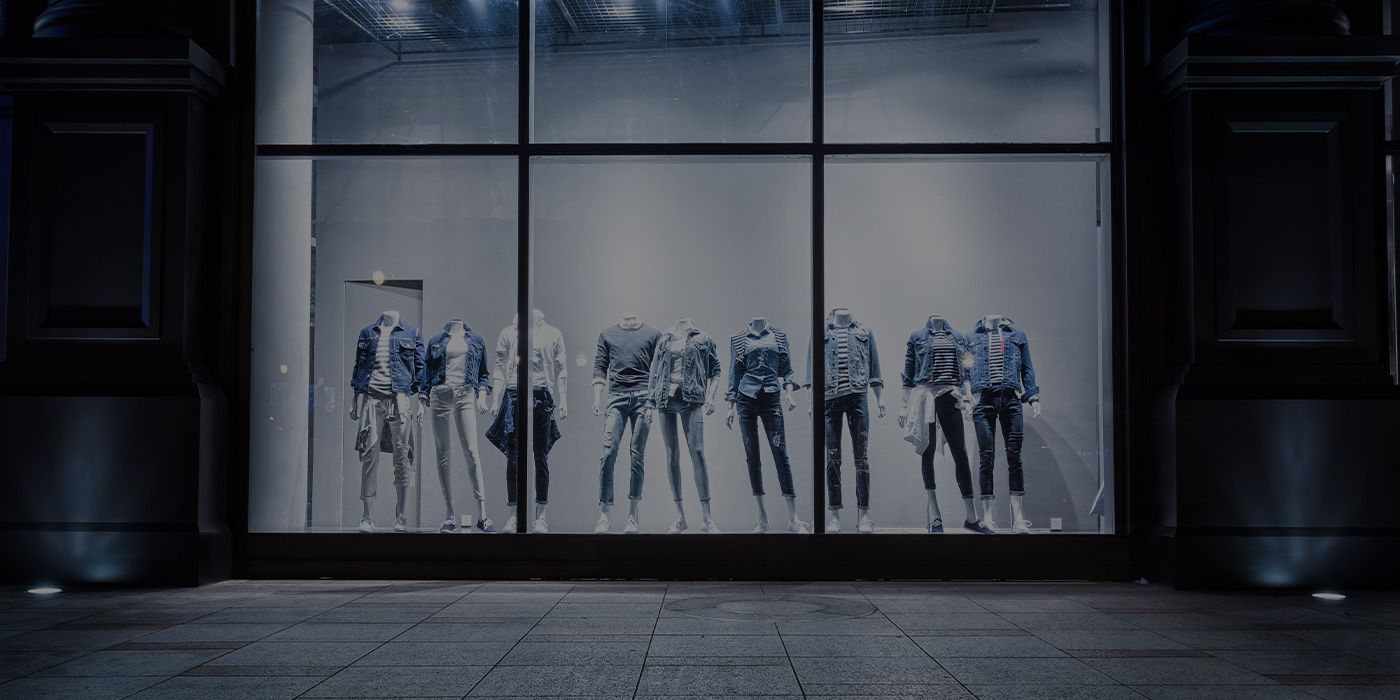
Every day without upgraded security glazing leaves your storefront windows exposed to break ins, vandalism, and looting. Upgrading to riot-resistant storefront glass means fewer emergency board ups, preserved aesthetics, and a secure environment for staff and customers alike.
Don’t wait for the next high-risk season to scramble for plywood. Request a site visit, send your storefront photos and measurements, or contact our team today for a tailored quote. We’re here as your long-term partner in keeping your doors and windows, your merchandise, and your people safe.