- What Is Riot Glass?
- Understanding Riot Glass Technology
- Protection Applications and Threat Mitigation
- Installation and Implementation Process
- Common Challenges and Solutions
- Conclusion and Next Steps
- Frequently Asked Questions
What Is Riot Glass?
Riot glass is specialized security glazing engineered to protect commercial and residential properties against forced entry, ballistic threats, vandalism, and civil unrest. Unlike regular glass that shatters instantly under impact, this retrofit security glazing system technology uses multiple layers of polycarbonate and plastics to create virtually unbreakable protection for windows and doors.
This guide covers the complete range of riot glass applications, from material composition and construction methods to installation procedures and cost considerations. The content targets commercial property owners, facility managers, and security personnel who need to safeguard vulnerable entry points without sacrificing visual appeal. Understanding this technology matters because traditional glass creates easier target opportunities for burglars, rioters, and those attempting smash and grab theft.
Direct answer: Riot glass is a clear, impact-resistant security glazing system made from multiple layers of polycarbonates and plastics that can be retrofitted over existing windows and doors, providing protection up to 250 times stronger than standard glass while remaining virtually invisible.
By reading this guide, you will gain:
- Complete understanding of riot glass materials and construction methods
- Knowledge of protection capabilities against various threat types
- Step-by-step insight into the installation and retrofit process
- Clear cost comparisons and budget planning information
- Practical application scenarios for your specific security needs
Understanding Riot Glass Technology
The foundational technology behind riot glass systems combines advanced polymer science with layered construction techniques to create security glazing that absorbs and distributes impact energy rather than shattering. This approach delivers maximum protection while maintaining the aesthetic qualities that building owners require.
Material Composition and Construction
Riot glass panels consist of engineered polycarbonate sheets, sometimes combined with acrylic layers and specialized plastic laminates. The ArmorPlast AP Series, for example, uses monolithic polycarbonate sheets with AR/UV hard coatings to resist scratching, graffiti, and weathering. These panels range from approximately 6mm in thickness for containment applications to substantially thicker configurations for ballistic protection.
Glass-clad polycarbonate (GCP) represents the premium tier of security glass construction. Products like the RG3-LS bond tempered or heat-strengthened glass on the attack side with polycarbonate backing. This combination provides the surface hardness of glass to resist scratching while the polycarbonate layer prevents spall and holds broken fragments in place. Specifications for these systems include approximately 1.2-inch thickness and light transmission of around 75%, maintaining visual appeal for storefronts and commercial properties.
The layered construction creates impact resistance that stands up to repeated blows from sledgehammers, crowbars, and other burglary tools. When force strikes the surface, energy is distributed across multiple layers rather than concentrating at a single point, which is why regular glass fails immediately while riot glass maintains integrity through sustained attacks.
Security Glazing vs Traditional Glass
Standard window glass provides essentially zero resistance to determined forced entry attempts. A single blow from a brick or tool creates an immediate breach, giving burglars instant access to protected spaces. This vulnerability makes traditional glass doors and windows the preferred entry point for criminals targeting commercial properties.
Riot glass fundamentally changes this equation by remaining intact under prolonged attacks. Where standard glazing fails in seconds, security glazing systems resist tool-based attacks for minutes or longer, dramatically increasing the risk of detection and apprehension for criminals. This time delay factor transforms protected entry points from vulnerabilities into reliable deterrents.
The practical security benefit extends beyond simple break resistance. Polycarbonate-based systems maintain structural integrity even when surface damage occurs, meaning partial penetration doesn’t create the complete failure that burglars need to gain entry. This sustained protection capability connects directly to reduced property damage and theft prevention in real-world threat scenarios.
Protection Applications and Threat Mitigation
Understanding riot glass technology naturally leads to examining how these systems protect against specific security threats that concern property owners, from opportunistic burglary to organized civil unrest and ballistic impacts.
Forced Entry and Burglary Prevention
Riot glass creates substantial barriers against common burglary tools, including sledgehammers, crowbars, pick-axes, and bats. When properly installed with secure framing systems, containment-grade panels described as “virtually unbreakable” resist sustained battering that would immediately defeat standard windows.
The critical security factor is time. Every minute a burglar spends attempting entry increases their risk of detection by alarms, security personnel, or passersby. Riot glass transforms quick break-and-enter scenarios into prolonged, noisy, conspicuous attacks that most criminals abandon. This deterrent effect protects both residential and commercial entry points.
Systems rated under ASTM F3561 standards provide verified forced entry resistance at multiple levels. Level 8 rated systems withstand extremely high cumulative impact energy—approximately 400 ft-lb per impact with total energy resistance exceeding 3,600 ft-lb across repeated strikes. This protection level exceeds what most forced entry attempts can generate.
Smash and Grab Theft Protection
Retail storefronts face particular vulnerability to smash and grab attacks, where criminals break display windows, grab high-value merchandise, and flee before response arrives. Traditional glass turns these crimes into ten-second operations requiring minimal planning or tools.
Security glazing defeats grab-and-run tactics by maintaining integrity after initial impact. A shoplifter cannot quickly shatter the barrier, reach through, and extract merchandise. Even sustained attacks fail to create the rapid breach that makes smash and grab theft profitable for criminals. Display cases and storefront windows protected by riot glass secure visible merchandise while maintaining the transparency retailers need.
The business continuity benefit extends beyond theft prevention. Broken storefront glass causes injuries, triggers forced closures, and creates substantial replacement costs. Riot glass reduces these disruptions while protecting inventory and maintaining visual appeal for customers.
Civil Unrest and Riot Defense
During riots, looting events, and civil unrest, thrown bricks, rocks, bottles, and improvised projectiles create immediate property damage when they strike standard glass. Business owners traditionally respond by boarding up with plywood—an unsightly solution that signals vulnerability and disrupts normal operations.
Riot glass acts as a permanent board-up alternative that maintains business appearance while providing continuous protection. Systems like the J Series sub-framing allow non-invasive retrofit for courthouses and historic buildings, with approval from GSA and historic preservation authorities. This approach proved its value during the January 6th Capitol events, where a window breach prompted renewed interest in security glazing for government buildings.
Some riot glass products meet hurricane missile impact standards, providing dual-purpose protection against both civil unrest and storm-related threats. Properties in storm-prone areas gain year-round protection without the visual degradation of shutters or boarding. This comprehensive approach addresses multiple threat types within a single investment.
Installation and Implementation Process
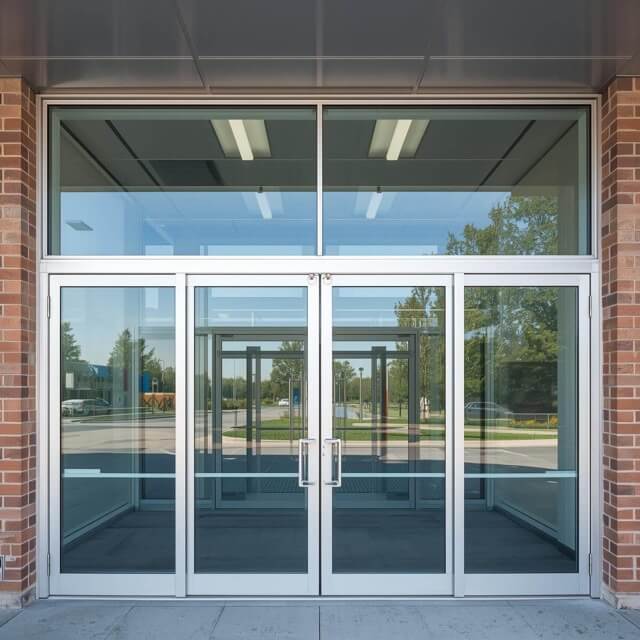
Riot glass installation works as a retrofit solution that upgrades existing windows and doors without requiring the complete replacement of window assemblies. This capability makes security glazing accessible for properties ranging from small retail locations to large government facilities.
Retrofit Installation Procedure
Retrofit installation is appropriate when existing window frames remain structurally sound and replacing entire window assemblies would create unnecessary cost or disruption. The process applies to most commercial properties, schools, and residential buildings with standard window configurations.
- Property assessment and measurements: Security professionals evaluate threat scenarios (smash and grab, forced entry, ballistic protection needs), measure existing framed openings, and assess frame strength and condition. This step determines whether surface-mounted installation or full frame replacement provides optimal protection.
- Product selection and custom fabrication: Based on assessment results, specifiers choose between full polycarbonate systems, glass-clad configurations, and specific protection levels. Panels are fabricated to exact dimensions with specified coatings (AR, UV, anti-graffiti) and tint options. Custom sizing ensures proper fit within existing frames.
- Professional installation by certified dealers: Trained installers mount panels using specialized framing systems such as the Universal Framing System (UFS) or J Series sub-framing for non-invasive applications. Proper edge engagement, compatible sealants, and appropriate finish work ensure both security performance and aesthetic integration.
- Testing and quality assurance verification: Final inspection confirms light transmission, checks for optical distortion, verifies ballistic or forced entry ratings through certified lab documentation, and ensures panels meet specification requirements. Warranty documentation and maintenance guidelines complete the handoff.
Cost and Implementation Comparison
| Criterion | Riot Glass | Security Window Film | Ballistic Glass |
|---|---|---|---|
| Initial Cost | $40-75 per sq ft | $14-16 per sq ft | $200+ per sq ft |
| Protection Level | High forced entry, optional ballistic | Moderate fragment retention | Maximum ballistic protection |
| Installation Time | Days to weeks | Days | Weeks to months |
| Aesthetic Impact | Virtually invisible | Minimal | May require frame modifications |
Security window film provides the lowest-cost option but offers limited protection—primarily fragment retention rather than true forced entry resistance. This solution suits properties facing lower threat levels or working within tight budgets.
Riot glass occupies the middle ground, delivering substantial forced entry protection with optional ballistic ratings at moderate cost. For most commercial properties and schools, this price-to-protection ratio represents optimal value.
Full ballistic glass systems at $200+ per square foot provide maximum protection against firearms but create substantially higher project costs. Government buildings, banks, and detention facilities often justify this investment level, while typical commercial properties find better value in riot glass configurations.
Common Challenges and Solutions
Property owners typically raise several concerns when considering security glazing implementation. Addressing these questions directly helps decision-makers move forward with appropriate solutions.
Budget and Cost Concerns
The $40-75 per square foot cost range for riot glass exceeds standard glazing by significant margins, creating initial sticker shock for budget-conscious property owners. However, this investment provides returns through multiple channels: reduced theft losses, lower insurance premiums, avoided temporary boarding costs, and eliminated frequent replacement expenses.
Warranty coverage extending up to 15 years (with standard 5-year limited warranties covering coating failure, yellowing, and delamination) provides long-term value assurance. When calculated across the protection lifespan, riot glass often delivers a lower total cost of ownership than repeated repairs and replacement of vulnerable standard windows.
Aesthetic and Visibility Concerns
Commercial properties depend on visual appeal to attract customers and project a professional image. Security bars, plywood boarding, and similar protective measures create fortress appearances that damage business perception and deter legitimate visitors.
Riot glass maintains curb appeal through virtually invisible protection. With light transmission reaching 75-88% depending on configuration, protected windows look essentially identical to standard glazing. J Series sub-framing systems mount without drilling or permanent modification, allowing later removal without visible alterations to building facades.
Maintenance and Durability Questions
Polycarbonate systems require different care than traditional glass. Without hardened coatings, polycarbonate scratches more easily and may yellow under UV exposure. Quality riot glass products address these concerns through AR/UV coatings and UV stabilizers that preserve clarity over time.
Maintenance requirements remain minimal: regular cleaning with non-abrasive cleaners and periodic inspection of sealants and edge engagement. Panels perform reliably under extreme conditions when properly installed, with thermal expansion accommodation built into framing system designs. Warranties covering yellowing and hazing provide assurance that clarity maintenance won’t create unexpected replacement costs.
Conclusion and Next Steps
Riot glass stands as the premier security glazing solution for properties facing forced entry threats, smash and grab theft risk, civil unrest exposure, and optional ballistic protection needs. The combination of impact resistance, maintained visibility, and retrofit installation capability makes this technology accessible for commercial properties, government buildings, schools, and residential applications.
Immediate next steps:
- Conduct a property security assessment, identifying vulnerable entry points and primary threat types
- Request consultation with certified riot glass dealers to evaluate appropriate protection levels
- Obtain custom quotes based on your specific window and door configurations
- Review warranty terms and installation timelines for budget planning
Related topics worth exploring include ballistic glass upgrades for properties requiring firearm protection, comprehensive security system integration combining glazing with alarms and access control, and ASTM F3561 compliance requirements for educational facility applications.
Frequently Asked Questions
What is the difference between riot glass and security film?
Riot glass consists of thick polycarbonate or glass-clad polycarbonate panels providing structural forced entry resistance and optional ballistic protection. Security film is an adhesive laminate applied to existing glass that primarily improves fragment retention but offers substantially lower forced entry resistance. Riot glass costs more ($40-75 vs $14-16 per square foot) but delivers significantly greater protection against determined attacks.
How much does riot glass installation cost per square foot?
Materials and installation for protective riot glass systems typically run $40-75 per square foot for non-ballistic forced entry protection. Full ballistic-rated glass meeting UL 752 Level 1 or higher standards begins at $200+ per square foot. Additional cost drivers include panel size, custom framing requirements, coatings, and building code compliance needs.
Can riot glass be installed on existing windows and doors?
Yes, most riot glass systems are specifically designed for retrofit installation. Options include surface-mounted panels over existing glazing, over-glazing configurations, and non-invasive sub-framing systems like the J Series that mount without drilling into existing frames. The Universal Framing System (UFS) provides another versatile retrofit approach for various window types.
Is riot glass bulletproof or just impact-resistant?
Protection level depends on the specific product and rating. Containment-grade polycarbonate panels resist forced entry and impacts but do not stop bullets. Glass-clad polycarbonate systems can achieve UL 752 ballistic ratings: Level 3 protects against .44 Magnum handgun rounds, while Level 7 configurations stop 5.56mm rifle fire. Specify ballistic-rated products if firearm protection is required.
How long does riot glass installation take for a typical commercial property?
Project timelines vary based on scope and complexity. Initial assessment and measurements require several days, custom panel fabrication typically takes 2-4 weeks, and physical installation for storefront windows or doors may require 1-2 days. Overall project duration from initial consultation to completion usually spans 4-8 weeks, including procurement and mounting.
What warranty coverage is available for riot glass systems?
Standard riot glass products carry 5-year limited warranties covering coating failure, yellowing, delamination, and hazing. Some non-ballistic polycarbonate panels offer extended 7-year warranty coverage. Premium installations may include warranties up to 15 years, depending on the manufacturer and product line. Warranty terms typically require proper maintenance and exclude damage from improper cleaning or installation.