Retailers no longer plan only for burglary after hours. Today, retail businesses also face broad-daylight smash and grab theft, organized retail crime, vandalism, and civil unrest events that can turn storefront glass into the easiest entry point. The goal is not just stronger glass; it is delaying entry long enough for alarms, police, or security personnel to respond.
Table of Contents
- Understanding Today’s Looting and Smash and Grab Threats
- What Is Security Glazing for Storefront Glass?
- Best Glass Options for Looting Prevention
- Retrofit Solutions for Existing Retail Storefronts
- Comparing Permanent and Temporary Protection Methods
- Testing, Standards, and Real-World Performance
- FAQ: Looting Prevention Storefront Glass
- Conclusion & Next Steps
Understanding Today’s Looting and Smash and Grab Threats
Retail theft incidents increased during civil unrest in 2020, and the problem has not disappeared. The FBI reported more flash mob shoplifting incidents in 2024 than in 2020, with more than $8 million in stolen goods across recorded 2020–2024 events. That is why many retailers now search for looting prevention storefront glass before the next break ins occur.
Looters rely on speed to breach storefronts. Rioters primarily target storefront glass during civil unrest because standard glass can be breached in seconds, and smash-and-grab thefts occur in broad daylight during civil unrest. Bricks, hammers, crowbars, sledgehammers, battery-powered saws, and simple force can break ordinary doors and windows fast.
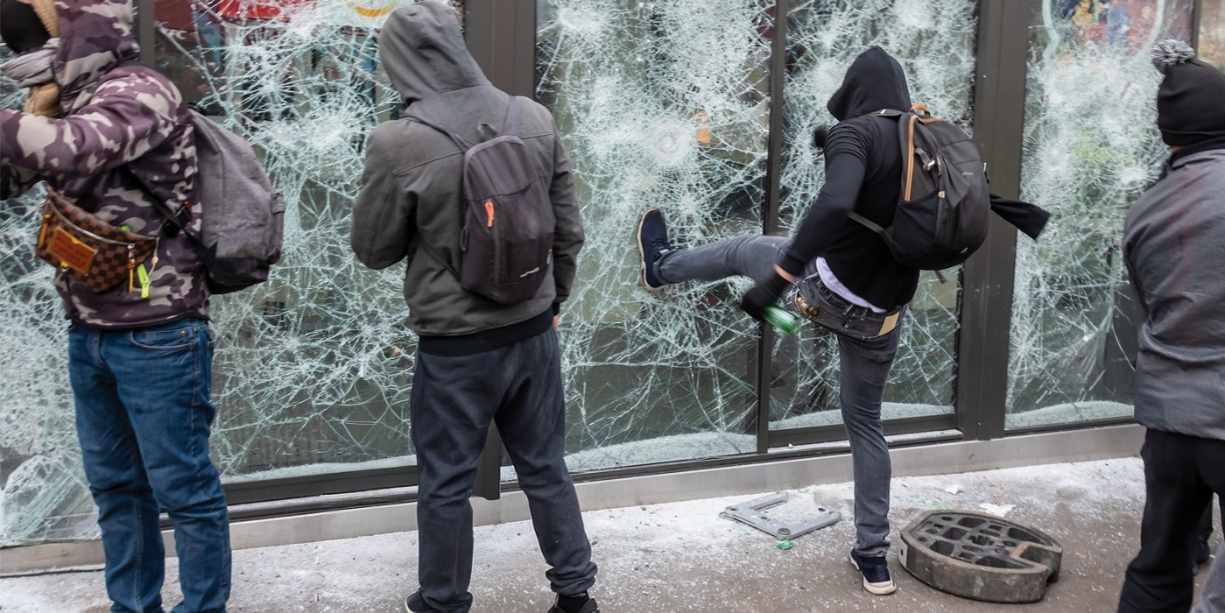
The loss is bigger than broken glass. Retail businesses face significant financial losses from civil unrest: stolen merchandise, emergency plywood, lost customers, insurance pressure, premium increases, and days of closed space.
Key risks include:
- forced entry through glass doors and windows
- vandalism by vandals, looters, or thieves
- smash and grab attacks on display cases and merchandise
- riots, civil unrest, and organized retail crime
What Is Security Glazing for Storefront Glass?
Security glazing is a complete system: glass, interlayers, panels, locks, and framing engineered to resist forced entry. Modern security glass and riot glass differ from standard annealed or tempered glass because they are designed to crack without creating a body-size opening.
Laminated glass consists of layers of glass bonded with a tough plastic interlayer. Systems may also use polycarbonate, acrylic, or reinforced glazing assemblies. The panel may break visually, but the interlayer and frame hold the property secure and safeguard employees.
Main categories include:
- laminated safety glass
- containment-grade security glass
- polycarbonate security glazing
- ballistic-rated glazing for ballistic protection
All can remain clear, preserving visibility, appearance, daylight, and a welcoming storefront. Security glazing can prevent easy entry during riots and looting, while retail security glazing can delay forced entry by criminals.
Best Glass Options for Looting Prevention
Different threat levels need different protection. A suburban boutique, downtown pharmacy, luxury retail store, and jewelry market location do not share the same risk, so retailers often look for the ultimate solution to protect storefront glass that balances appearance and security.
Laminated Security Glass for Storefronts
Replacing standard glass with laminated glass significantly delays access. Thicker laminated glass can withstand hundreds of repeated blows before puncture.
Best for: new retail storefronts, moderate burglary risk, boutiques, and locations where safety and clean design matter.
Limits: standard aluminum storefront frames often fail before the security glass does, so reinforcing framing and locks are necessary for secure glass installations.
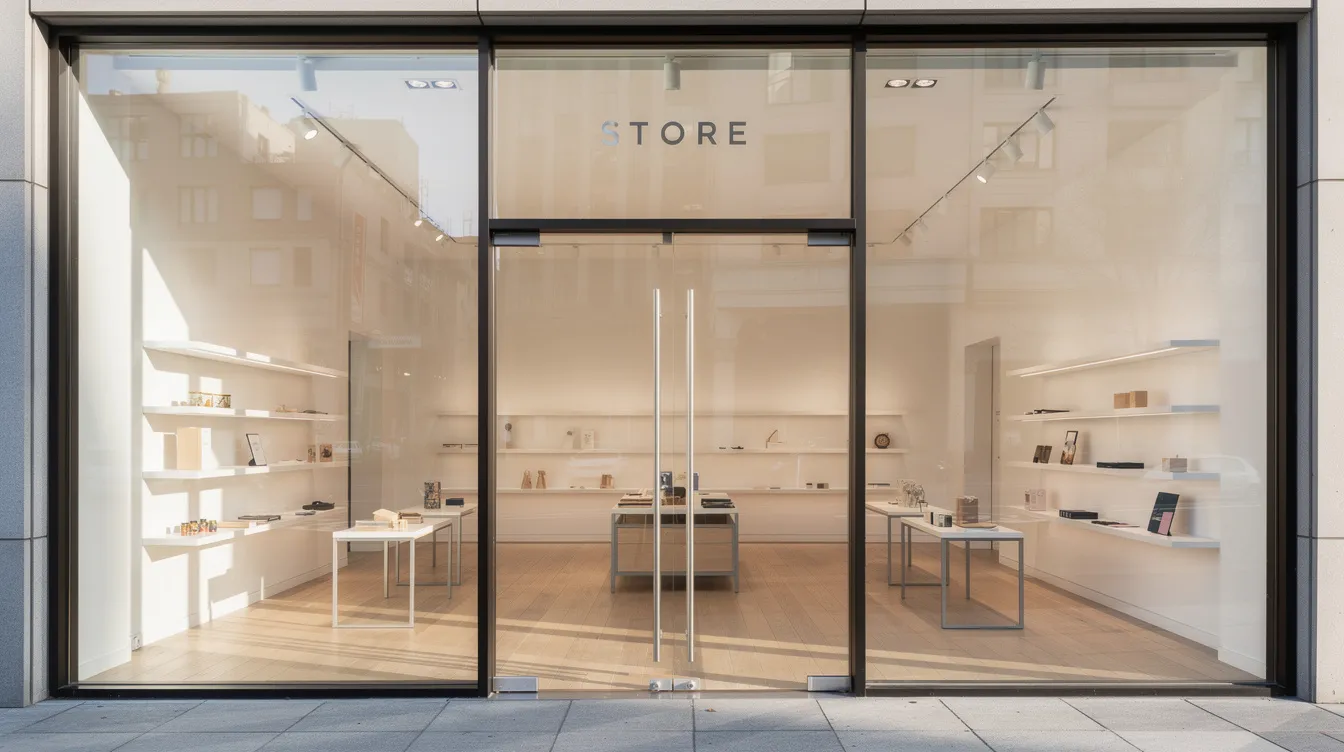
Polycarbonate and Riot Glass Systems
Polycarbonate glazing can withstand significant impact without breaking. Polycarbonate glazing can absorb shock and resist tearing, and polycarbonate glazing is flexible and difficult to tear. Shatterproof polycarbonate shields repel prolonged aggressive strikes.
Riot Glass resists impacts from hammers and crowbars. Riot Glass resists impacts from hammers and crowbars in repeated attack instances. Retail security glazing, including riot protective window glass and doors, can withstand multiple impacts from tools, and retail security glazing can withstand repeated impacts from common tools.
| Option | Impact resistance | Best use | Notes |
|---|---|---|---|
| Laminated glass | High | Moderate risk | Clean, code-friendly |
| Polycarbonate | Very high | High-risk stores | Lightweight, strong |
| riot glass | Very high | looting, riots | Powerful solution |
| RiotLite | High | High-impact threats | RiotLite security glazing laminate is a laminate solution designed for high-impact threats |
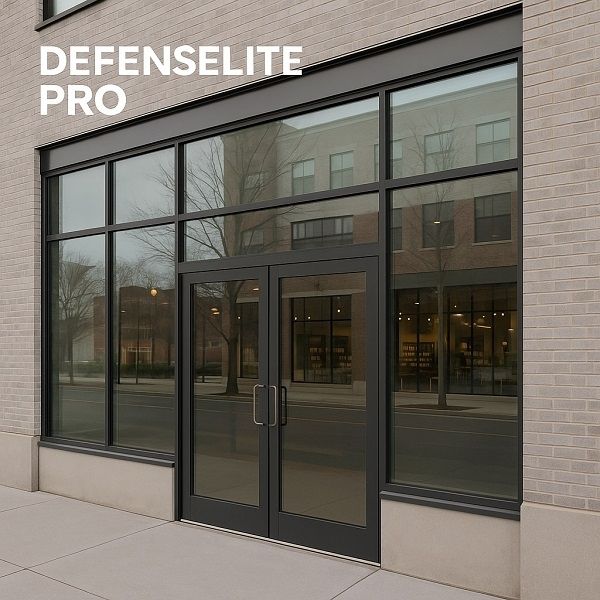
DefenseLite® has 250 times greater impact resistance than glass. Storefront security solutions for glass doors and windows using DefenseLite® shields are designed to be nearly invisible, preserving curb appeal while significantly increasing protection. DefenseLite® has impact resistance 250 times greater than glass.
Security Glass vs. Ballistic-Resistant Glazing
Forced-entry glazing focuses on looting, smash and grab, and burglary. Ballistic protection is for firearm threats. Higher ballistic ratings add cost, thickness, and weight, so in most cases the right solution is a threat assessment, not overbuilding.
Retrofit Solutions for Existing Retail Storefronts
Security glazing can be retrofitted onto existing storefronts, so a business does not always need full replacement. Forced-entry resistant doors and windows with retrofit security glazing mount over existing glass from the interior or exterior, creating a stronger barrier while the original glass stays in place.
The process is simple: site survey, measurement, engineering review, custom fabrication, installation of secure framing, panel mounting, and final inspection. Many projects are installed after hours to reduce disruption to customers.
Retrofits are low-profile and often nearly invisible. They are a cost effective solution compared with full demolition, and they help avoid repeated board-up cost after every incident.
Key Advantages of Retrofitting Over Existing Storefront Glass
- faster installation than full replacement
- cost effective phased upgrades by façade
- 24/7 protection instead of event-based plywood
- preserves brand appearance and retail visibility
- pairs well with alarms, reinforced locks, and cameras
High-decibel glass-break sensors alert authorities when triggered. High visibility lighting eliminates shadows and exposes looting activity. Glass measures work best when paired with physical deterrents.
Comparing Permanent and Temporary Protection Methods
Physical barriers are effective in deterring looting during high-risk periods, but temporary measures should not be the only focus for long-term protection.
Plywood Boarding and Ad Hoc Barricades
Plywood is useful before storms or sudden civil unrest, but it blocks windows, harms curb appeal, and can be pried off. It may slow intruders, but determined attackers with tools can still lead a breach.
Bars, Gates, and Roll-Down Shutters
Roll-down security shutters protect glass outside of business hours. Roll-down security shutters serve as a visual deterrent, and bars or gates can reduce theft and vandalism.
The tradeoff is appearance. Many retail storefronts avoid a fortress look because it can affect leasing standards, customers, and street appeal.
Security Window Films and Laminates
Security film holds shattered glass together after impact. Heavy-duty polyester film holds broken shards firmly together in the frame. Heavy-duty attachment systems secure security film to the window frame.
Films are helpful for low-risk windows, offices, and display cases, but they are not equal to thick security glazing or polycarbonate panels against violent looters.
Testing, Standards, and Real-World Performance
Advanced security glazing systems can withstand prolonged violent attacks, but buyers should ask for test data. Forced-entry testing simulates multiple attackers, tools, and time under pressure.
ASTM F1233-08 defines levels of protection for security glazing. ASTM F1233-08 defines levels of protection for security glazing and ballistic resistance. ASTM F3038 measures mob-style attack resistance, while ASTM F3038 focuses on whether attackers create a passage opening.
Security window systems are certified under testing protocols like UL 972 or ASTM F1233. “Contraband penetration” means a small opening; a “body passage opening” means entry. Delaying entry is essential for effective storefront glass security.
Matching Protection Levels to Your Risk and Budget
Start with a risk review: street-facing glass, alley doors, cash-wrap zones, prior break points, local police feedback, and insurer requirements. Upgrade the weakest storefront areas first, then expand as budget allows.

FAQ: Looting Prevention Storefront Glass
Many owners ask the same practical questions before upgrading storefront glass.
How is looting prevention storefront glass different from regular tempered glass?
Tempered glass may crumble quickly. Security glazing is built to stay in place and delay entry after impact.
Will security glazing change how my store looks?
Usually no. Many panels are clear, clean, and almost invisible from the street.
Can installation happen without closing my store?
Often, yes. Many retrofit projects are scheduled after hours to avoid disrupting retail operations.
How long does installation take?
A typical storefront may take hours to a few days, depending on size, framing, and custom panels.
Does security glass replace alarms and cameras?
No. The best protection combines glazing, sensors, lighting, locks, and security personnel.
Will insurance rates go down?
Possibly. Ask your insurer whether documented security upgrades qualify for credits.
How do I clean polycarbonate or riot glass?
Use approved cleaners, soft cloths, and avoid abrasives that can scratch the surface.
Conclusion & Next Steps
Modern security glazing gives retailers a permanent alternative to plywood, bars, repeated repairs, and emergency board-ups. It helps protect against forced entry, smash and grab theft, civil unrest, burglary, and looting while preserving visibility and appearance.
If your storefront is an easy target, schedule a site-specific security audit. The right looting prevention storefront glass can protect employees, customers, merchandise, and your investment before the next wave of organized retail crime.