Table of Contents
- Introduction to polycarbonate security glazing
- Understanding polycarbonate security glazing fundamentals
- Key benefits and performance characteristics
- Installation methods and technical specifications
- Common challenges and practical solutions
- Conclusion and implementation steps
- Frequently Asked Questions
Introduction to Polycarbonate Security Glazing
Polycarbonate security glazing represents a category of engineered transparent barriers—panels, laminates, or hybrid assemblies—designed to resist forced entry, ballistic threats, vandalism, and impact damage far beyond what regular window glass can withstand. Unlike basic safety film or decorative coatings, polycarbonate security glazing functions as transparent armor providing genuine structural resistance against intentional attacks.
This guide covers residential, commercial, governmental, and institutional applications where security threats extend beyond simple breakage—including retail stores facing smash-and-grab theft, schools requiring active threat protection, detention facilities needing tool-attack resistance, and government buildings requiring ballistic protection. Basic window film products, UV films, and decorative glazing fall outside this scope. The target audience includes facility managers evaluating building hardening options, security professionals specifying threat-resistant materials, architects designing secure spaces, and building owners protecting assets and occupants from evolving risks.
Direct answer: Polycarbonate security glazing is a shatter-resistant, impact-resistant transparent barrier manufactured from thermoplastic polymer that is 250 times stronger than glass. It maintains transparency while providing protection against forced entry attempts, ballistic attacks, bomb blasts, and natural disasters—flexing and absorbing energy rather than shattering.
After reading this guide, you will understand:
- How different polycarbonate glazing systems compare in protection levels, weight, and cost
- The testing standards (UL 752, ASTM F1233, ASTM F1915) that define measurable security performance
- Installation requirements including frame compatibility and professional mounting procedures
- Cost justification approaches and ROI calculations for security glazing investments
- Maintenance practices that preserve optical clarity and UV protection over 15–25 year lifespans
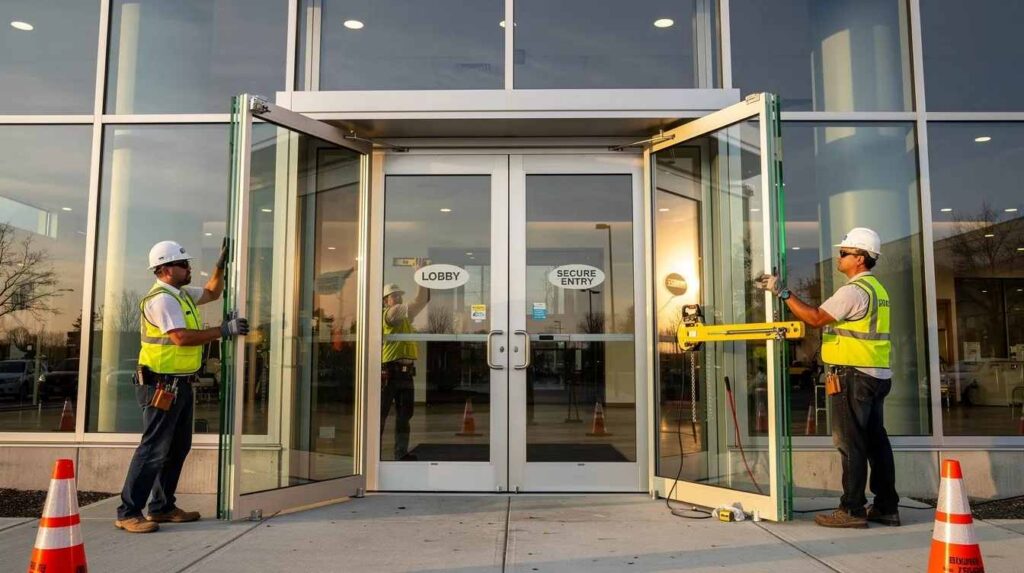
Understanding Polycarbonate Security Glazing Systems
Polycarbonate security glazing consists of engineered transparent barriers designed specifically for forced entry resistance and ballistic protection. The material’s unique properties—high impact resistance, flexibility under stress, and shatter-resistant composition—make it fundamentally different from traditional glass or other glazing materials like acrylic or other plastics, reflecting the underlying polycarbonate chemical structure and composition.
There are generally two types of polycarbonate-based security glazing: full polycarbonate security glazing systems and glass-clad polycarbonate security glazing systems. Understanding these categories helps facility managers, security professionals, and building owners select appropriate protection levels for specific threat profiles including break-ins, civil unrest, and active shooter scenarios.
Full Polycarbonate Security Glazing
Full polycarbonate security glazing systems are composed primarily of polycarbonate plastic, which is lightweight and virtually unbreakable, making it highly retrofittable into existing frames. These panels contain no glass components—they’re manufactured entirely from polycarbonate sheets, sometimes with specialized coatings for UV protection and abrasion resistance.
Polycarbonate is roughly half the weight of glass, which reduces structural strain on window frames and simplifies installation. This weight advantage makes full polycarbonate panels ideal for retrofit applications where existing glazing frames cannot support heavier materials without reinforcement. The material’s flexibility allows it to absorb and dissipate impact energy through plastic deformation rather than catastrophic failure.
Full polycarbonate security glass is significantly more shatter-resistant than traditional glass, flexing and absorbing energy upon impact, which prevents breakthroughs while maintaining transparency. Even when damaged, polycarbonate remains intact, reducing liability and protecting occupants from flying glass. These properties explain why polycarbonate panels are 250 times stronger than glass and designed to maintain their integrity against aggressive attacks, including bomb blasts and forced entry attempts.
Glass-Clad Polycarbonate Systems
Glass-clad polycarbonate security glazing combines an outer layer of ballistic-grade security glass with an inner layer of polycarbonate, providing both hardness and resistance to shattering. This hybrid construction addresses the primary limitation of full polycarbonate—surface softness—while retaining superior impact absorption, mirroring how advanced polycarbonate security glazing systems are engineered for high-risk environments.
The outer glass layer provides scratch resistance and the familiar aesthetic of regular glass, making glass-clad systems appropriate for facades, main entrances, and institutional applications where appearance matters. The inner polycarbonate layer captures spall (dangerous fragments) during ballistic attack and prevents complete penetration even after the outer glass fractures.
Glass-clad polycarbonate systems achieve higher ballistic resistance ratings than many laminated security glass alternatives of similar thickness. However, they weigh more than full polycarbonate panels and require more robust frame structures. The material costs and fabrication complexity also exceed full polycarbonate options.
Understanding these system differences provides the foundation for evaluating specific performance characteristics—the measurable protection levels that determine which glazing solutions match particular threat levels and align with broader safety and security glass solutions.
Key Benefits and Performance Characteristics
Both full polycarbonate and glass-clad polycarbonate systems deliver quantifiable protection advantages over regular window glass, laminated glass, and thicker glass alternatives. Selecting between them requires understanding tested performance characteristics across three categories: impact resistance, ballistic protection, and environmental durability.
Impact and Forced Entry Resistance
Polycarbonate security glazing provides extraordinary forced entry resistance because the material flexes rather than shatters under attack. Testing standards like ASTM F1233 measure resistance to sustained tool attacks using sequences of hand tools, crowbars, axes, and sledge hammers. Different classes (Class 1 through Class 5) specify varying numbers of strikes, durations, and tool varieties.
Breaching a polycarbonate panel can take significant time, often forcing intruders to abandon their attempts—a critical advantage for storefront security solutions for glass doors and windows exposed to smash-and-grab attacks. Where regular glass might yield to a single sledgehammer strike, polycarbonate absorbs multiple impacts while maintaining structural integrity. The material’s high impact resistance means it continues protecting even after visible damage, unlike laminated glass which may remain in-frame but develop penetrable weak points.
ASTM F1915 (detention glazing standard) tests resistance to blunt force strikes, sharp instrument attacks, and combinations of flame plus blunt force—with Grade 4 requiring resistance under 60 minutes and 600 impacts, complementing newer ASTM F3561 active shooter resistance standards for schools. Polycarbonate-based systems routinely achieve these ratings, making them standard specifications for correctional facilities, psychiatric units, and high-security government buildings.
Ballistic Protection Capabilities
Polycarbonate security glazing can achieve high levels of ballistic resistance, with some products rated up to UL 752 Level 7, capable of stopping 5.56mm M193 ball ballistic attacks. The UL 752 standard defines Levels 1 through 8 based on weapon type, number of shots, and projectile velocity—Level 1 stops three shots of 9mm ammunition while Level 8 stops five shots of 7.62×51mm military rifle rounds.
Polycarbonate security glazing can achieve high levels of ballistic resistance, capable of stopping bullets, with some models rated up to UL 752 Level 6, which can withstand five shots of 9mm ammunition at increased velocity. Specialized laminated versions of polycarbonate can stop projectiles from handguns and high-powered rifles, with some configurations meeting UL levels 1 through 8.
Unlike regular glass or standard laminated security glass, polycarbonate provides spall prevention—fragments from the attack side don’t penetrate through to protect people on the safe side. This characteristic proves critical in active shooter scenarios where secondary injuries from flying glass can cause significant harm.
Environmental and Operational Advantages
Most security-grade polycarbonate includes coatings that block up to 99.9% of harmful UV rays, protecting interior furnishings and occupants while maintaining natural light transmission. Modern polycarbonate includes UV coatings to prevent yellowing or becoming brittle from sun exposure over 15–25 years.
Polycarbonate maintains its structural integrity across a wide temperature range, typically from −40°F to 212°F, and can withstand extreme temperatures up to 270°F for hours without cracking. The material withstands extreme weather, including winds over 155 MPH, heavy snow, and hail—performance that thicker glass and many laminated glass alternatives cannot match.
Polycarbonate is a more efficient insulator than glass, potentially reducing heating and cooling costs by up to 20–35%, especially when deployed in energy-efficient security glazing retrofit systems. When installed as an overglaze system with custom vented aluminum extrusion creating an air space between the primary window and protective panel, the dual-layer system significantly improves energy efficiency.
Key performance advantages:
- Impact resistance: 250× stronger than regular glass
- Ballistic resistance: Available ratings from UL 752 Level 1 through Level 8
- Temperature range: Operational from −40°F to 212°F, surviving up to 270°F
- UV protection: Blocks up to 99.9% of harmful UV radiation
- Energy efficiency: Potential heating/cooling savings of 20–35%
These performance characteristics translate into practical value only when systems are properly installed—making installation methods and specifications critical to achieving rated protection levels.
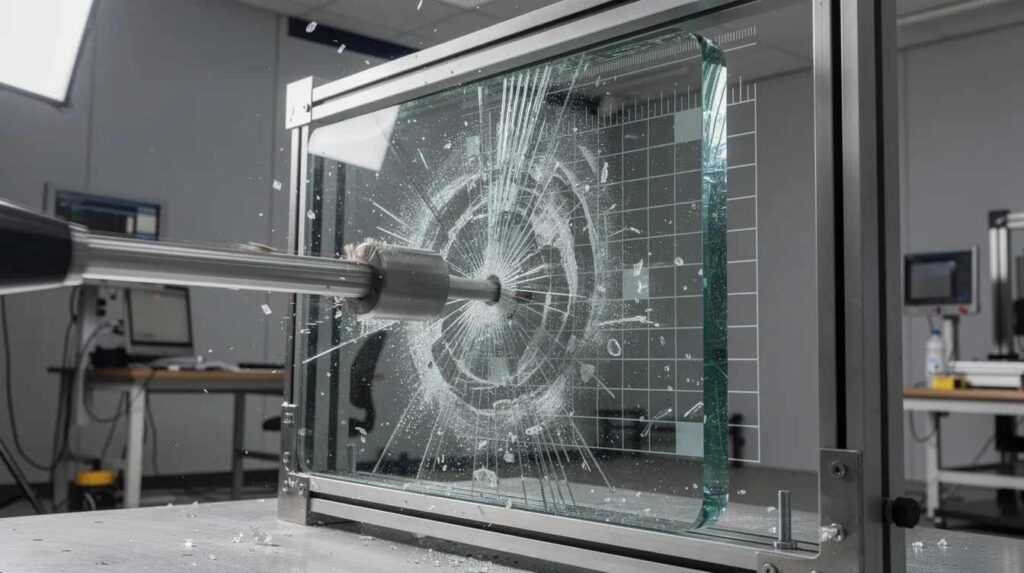
Installation Methods and Technical Specifications
Security glazing performance in laboratory testing doesn’t guarantee field performance without proper installation. Frame preparation, anchoring systems, and sealing all affect whether installed panels achieve their rated protection against forced entry, ballistic attack, or environmental extremes.
Professional Installation Process
Professional installation is required for ballistic-rated and forced-entry-resistant systems where certification validity depends on matching tested configurations. DIY installation may be appropriate for basic protective panels in low-threat applications, but most security applications warrant certified installers.
Step 1: Site assessment and threat evaluation. Assess existing threat levels—burglary risk, civil unrest potential, ballistic threat profiles—and determine required UL 752, ASTM F1233, or ASTM F1915 ratings. Identify which windows, storefront windows, doors, and door glass present the highest vulnerability. Evaluate existing glass, door frames, and structural capacity to support security glazing weight.
Step 2: Custom measurement and panel fabrication. Panels require fabrication to precise dimensions with tolerances typically within ±1/16 inch. Full polycarbonate sheets or glass-clad systems are manufactured with appropriate coatings (hard coat, UV protection, abrasion resistance) and interlayers. Larger panels may require two layers or multiple layers depending on threat level requirements.
Step 3: Frame preparation and anchoring system installation. Existing window and door frames may require reinforcement to support heavier hybrid panels. Retrofit systems often use aluminum extrusions or adapters that mount over existing frames. Anchor methods—bolts, security-tipped fasteners, structural adhesives—must match protection specifications. Stand-off distances create appropriate air space for venting and thermal management.
Step 4: Panel mounting and sealing verification. Install panels, ensuring tight seals and weatherproofing without damaging coatings. Verify optical alignment and confirm that the system maintains transparency without distortion. Check that glazing sits properly within frame tolerances.
Step 5: Final inspection and performance testing. Verify installed glazing meets specified ratings through documentation review and visual inspection. Confirm sealing integrity, frame anchoring, and coating condition. Provide maintenance documentation and train facility staff on proper care procedures.
Glazing System Comparison
| Criterion | Full Polycarbonate | Glass-Clad Polycarbonate | Laminated Security Glass |
|---|---|---|---|
| Impact Resistance | Excellent (250× glass) | Excellent | Good |
| Ballistic Rating | Up to UL 752 Level 4 | Up to UL 752 Level 8 | Varies by configuration |
| Weight (per sq ft) | 1.5–3 lbs | 9–22 lbs | 6–15 lbs |
| Thickness | 0.25–0.5 inches | 0.86–2.07 inches | 0.5–1.5 inches |
| Cost Range | $40–$75/sq ft | $75–$200+/sq ft | $50–$150/sq ft |
| Scratch Resistance | Moderate (requires coating) | High (glass surface) | High |
| Retrofit Ease | Excellent | Moderate | Moderate |
| Aesthetic Appearance | Plastic appearance | Glass appearance | Glass appearance |
| Selecting the appropriate system: Full polycarbonate panels provide maximum protection for their weight and excel in retrofit applications where existing glazing frames cannot support heavy loads. Glass-clad polycarbonate systems offer maximum protection, including higher ballistic resistance and glass aesthetics for new construction or buildings requiring maintaining transparency with traditional appearance. Laminated security glass serves applications where budget constraints limit options but protection exceeds regular glass requirements. |
Understanding these trade-offs helps building owners anticipate common implementation challenges and plan appropriate solutions.
Common Challenges and Practical Solutions
Security glazing installations face predictable obstacles that proper planning can address. Frame compatibility, optical quality concerns, and cost justification represent the most frequent implementation challenges.
Frame Compatibility and Structural Support
Challenge: Existing window and door frames may lack the capacity to support heavier glass-clad polycarbonate panels, or existing glazing dimensions don’t accommodate thicker security materials without modification.
Solution: Conduct structural calculations to determine frame load capacity before specifying glazing weight. For retrofit applications, select full polycarbonate systems that install over existing glass using custom vented aluminum extrusion frames—these distribute load while maintaining the existing window system. When frame reinforcement is necessary, steel or aluminum inserts can increase capacity. Our certified installers evaluate structural requirements during site assessment and recommend appropriate reinforcement when needed, ensuring that the installed system achieves rated performance without frame failure for projects such as Chicago window security and safety glazing upgrades.
Optical Clarity and Maintenance Concerns
Challenge: Polycarbonate surfaces are softer than glass and more susceptible to scratching. Improper cleaning or harsh chemicals can degrade coatings, reducing transparency and UV protection over time.
Solution: Specify polycarbonate panels with abrasion-resistant hard coats and dual-side UV coatings. Clean using only mild pH-neutral cleaners with soft, non-abrasive cloths—never use ammonia-based products, scouring pads, or high-pressure washing. Remove protective shipping films immediately after installation to prevent adhesive residue. Schedule annual coating inspections to identify wear before it affects optical quality. Manufacturers typically warranty coatings for 7 years against yellowing and hazing, with an expected field life of 15–25 years with proper maintenance—an important consideration for long-term Memphis security window glazing installations.
Cost Justification and ROI Calculation
Challenge: Polycarbonate security glazing is more expensive than standard tempered glass—initial material and installation costs can appear prohibitive without long-term analysis.
Solution: Calculate total cost of ownership rather than upfront expense alone. The cost of replacing traditional glass windows can add up quickly for businesses, especially in areas prone to vandalism or civil unrest, making polycarbonate a cost-effective alternative over time. Polycarbonate panels are significantly more durable than traditional glass, providing superior protection against forced entry and reducing the frequency of costly window replacements.
ROI Formula: Annual ROI = (Annual glass replacement savings + Insurance premium reduction + Energy savings + Avoided downtime costs) ÷ Security glazing investment
For retail stores experiencing even 2–3 glass breakages annually, payback periods often fall within 3–5 years. Insurance carriers may offer premium reductions for certified security glazing installations—document your specifications and share test certifications with underwriters. Energy efficiency improvements of 20–35% provide ongoing utility savings that compound over the system’s 15–25-year lifespan.
Addressing these challenges during planning ensures that implementation delivers the security, durability, and cost benefits that drive glazing upgrade decisions.
Conclusion and Implementation Steps
Polycarbonate security glazing provides proven, tested protection against forced entry, ballistic threats, and impact damage while maintaining transparency and natural light transmission. Whether through full polycarbonate retrofit systems or glass-clad hybrid panels, these glazing solutions deliver measurable security improvements backed by UL 752, ASTM F1233, and ASTM F1915 certifications.
Immediate implementation steps:
- Conduct threat assessment — Identify specific risks (burglary, civil unrest, ballistic threat, natural disasters) and prioritize vulnerable openings, including storefront windows, door glass, and public-facing glazing
- Define protection requirements — Match threat profiles to appropriate standards: UL 752 levels for bullet resistance, ASTM F1233 classes for forced entry, ASTM F1915 grades for detention applications
- Request professional consultation — Engage certified installers to evaluate existing frames, recommend appropriate systems, and provide accurate cost estimates
- Plan pilot installation — Test one opening to evaluate the installation process, optical quality, and frame compatibility before full deployment
- Establish maintenance protocols — Document cleaning procedures, inspection schedules, and warranty requirements to preserve performance over the system’s lifespan
Related security measures worth evaluating alongside glazing upgrades include access control integration, security camera placement optimized for hardened entry points, and emergency response planning that accounts for extended breach resistance times.
Our team specializes in custom polycarbonate security glazing solutions for retail stores, educational facilities, government buildings, and healthcare environments. With certified installation services and technical expertise across UL-rated and ASTM-certified products, we help building owners select and implement glazing systems matched precisely to their threat profiles and budget parameters. Contact us for a site assessment and detailed proposal.
Frequently Asked Questions
How long does polycarbonate security glazing last compared to regular glass?
Polycarbonate security glazing with proper UV coatings lasts 15–25 years before replacement, with manufacturers typically warranting coatings against yellowing and hazing for 7 years. Unlike regular glass, which may have indefinite optical life but fails catastrophically upon impact, polycarbonate remains functional even after sustaining damage. Modern polycarbonate includes UV coatings to prevent yellowing or becoming brittle from sun exposure over 15–25 years, making it suitable for long-term installations in sun-exposed locations.
Can polycarbonate security glazing be installed on existing window frames?
Yes—full polycarbonate security glazing systems are composed primarily of polycarbonate plastic, which is lightweight and virtually unbreakable, making it highly retrofittable into existing frames. Many retrofit systems mount over existing glass using custom vented aluminum extrusion that creates air space while distributing panel weight. Polycarbonate is roughly half the weight of glass, which reduces structural strain on window frames and simplifies installation. However, frames should be evaluated for load capacity, and heavier glass-clad systems may require reinforcement.
What maintenance is required for polycarbonate security glazing systems?
Regular cleaning with mild pH-neutral cleaner and soft, non-abrasive cloths maintains optical clarity. Avoid ammonia-based cleaners, scouring pads, and high-pressure washing. Schedule annual inspections to identify coating wear, seal degradation, or frame issues. Remove any protective shipping films immediately after installation. With proper maintenance, coatings retain performance throughout the warranty period and beyond.
How does polycarbonate security glazing perform in extreme weather conditions?
Polycarbonate can withstand extreme weather, including winds over 155 MPH, heavy snow, and hail. The material maintains its structural integrity across a wide temperature range, typically from −40°F to 212°F, and can withstand extreme temperatures up to 270°F for hours without cracking. Unlike regular glass that may shatter under thermal stress or impact from wind-borne debris, polycarbonate flexes and absorbs energy while remaining intact.
What are the insurance benefits of installing polycarbonate security glazing?
Insurance carriers may reduce premiums for certified security glazing installations because the reduced risk of break-ins, vandalism damage, and forced entry claims lowers the insurer’s exposure. The cost of replacing traditional glass windows can add up quickly for businesses, especially in areas prone to vandalism or civil unrest—polycarbonate reduces claim frequency. Document your UL 752, ASTM F1233, or ASTM F1915 certifications and share test reports with underwriters to support premium reduction requests.
Can polycarbonate security glazing be tinted or customized for privacy?
Yes—polycarbonate panels can incorporate tinting, low-emissivity coatings, and privacy films. Glass-clad polycarbonate systems can use tinted or reflective outer glass layers. Solar control interlayers reduce heat gain while maintaining natural light. However, any coatings or tinting must be tested as part of the complete assembly to ensure they don’t compromise ballistic resistance or impact performance. Specify custom requirements during the initial consultation.
How do I determine the right security level for my building’s needs?
Base selection on identified threats and regulatory requirements. For retail stores facing smash-and-grab risk, ASTM F1233 Class 2 forced entry resistance typically suffices. Schools hardening against active threats should consider UL 752 Level 1–3 ballistic ratings plus forced entry certification, similar to how Kansas City residential and commercial security glazing projects are tailored to specific threat levels. Government buildings and detention facilities require higher specifications matched to threat assessments, just as bullet-resistant glass security solutions for churches must be designed around unique risks to places of worship. A security consultant can help translate risk profiles into appropriate glazing specifications and ensure code compliance.
What certifications should I look for in polycarbonate security glazing products?
Critical certifications include:
- UL 752 — Ballistic resistance (Levels 1–8 define specific calibers and shot counts)
- ASTM F1233 — Forced entry resistance (Classes define tool attack sequences)
- ASTM F1915 — Detention glazing (Grades 1–4 for institutional security)
- ASTM F3561 — Active shooter resistance testing (published 2022)
- ANSI Z97.1 — Safety glazing certification
- ASTM E119 — Fire resistance (when required)
Verify that products carry current test certifications from accredited laboratories, and confirm that your planned framing and installation method matches tested configurations—ratings apply only when installed according to tested specifications.