- How GCP Defeats Brute Force Attacks
- Architectural Compromises of Standalone Glass Clad Polycarbonate
- Seamless Integration: Preserving Design with Advanced Glazing Systems
- Frequently Asked Questions
Disclaimer: The term ‘bulletproof glass’ is often misleading, as no glass or film combination can completely withstand every physical or ballistic attack. Instead, school and safety officials rely on high-grade bullet-resistant protective glazing and films designed to absorb severe impact, which can help slow, disrupt, or prevent forced entry during active shooter situations and buy vital time for first responders.
While glass clad polycarbonate is often specified for its security attributes, a nuanced understanding of its performance is critical for architects. The material’s value lies in its ability to resist specific threats, but its effectiveness is not absolute. Analyzing how it performs under duress reveals both its strengths and the inherent trade-offs that drive the need for a more integrated, system-based approach to security design.
How GCP Defeats Brute Force Attacks
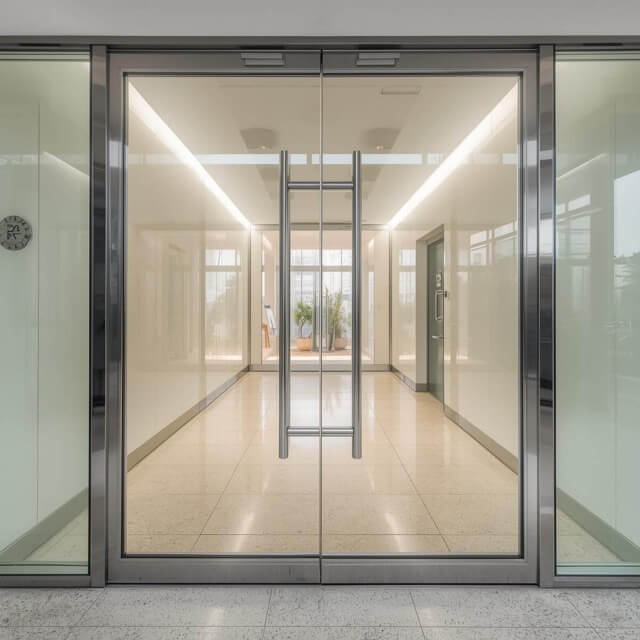
The security performance of glass clad polycarbonate stems directly from its composite structure. When subjected to a brute force attack from a blunt object, the sacrificial outer layer of glass fractures. This initial impact absorbs a degree of energy, but its primary role is to protect the polycarbonate core from abrasion and environmental wear.
The true work of defeating the attack falls to the inner polycarbonate layer. As a ductile material, polycarbonate does not shatter. Instead, it flexes and deforms upon impact, absorbing and dissipating a significant amount of kinetic energy. This prevents penetration and denies entry, even after repeated blows have completely destroyed the outer glass ply. The lamination adhesive plays a crucial role, ensuring the layers remain bonded and the shattered glass fragments do not easily fall away. This resistance to forced entry is a key attribute of polycarbonate laminate solutions.
Ballistic and Forced Entry Ratings in Security Glazing Materials
Security glazing materials are evaluated against standardized test methods to provide architects with reliable performance benchmarks. The two most relevant standards are UL 752 for ballistic resistance and various ASTM standards for forced entry.
- UL 752 Ballistic Resistance: This standard defines levels of protection against specific firearms and ammunition types, from small handguns (Level 1) to high-power rifles (Level 8). A GCP panel’s ballistic rating is determined by its specific composition and thickness. For example, a 1-inch thick GCP might achieve a UL 752 Level 3 rating, capable of stopping multiple rounds from a .44 Magnum. This rating applies to the glazing material itself, not the entire installed assembly.
- Forced Entry Resistance: Standards like ASTM F1233 simulate intensive physical attacks using tools such as hammers, pry bars, and cutting instruments. Performance is measured by the time it takes an attacker to create a breach large enough for passage. Here, GCP’s high impact strength gives it a distinct advantage over monolithic or standard laminated security glass, which can be defeated more quickly.
While these ratings are essential for specification, they represent performance in a controlled lab environment. True security is achieved when the rated glazing is integrated into an equally robust framing and anchoring system. This distinction separates a simple material choice from a fully engineered security solution.
The Critical Role of Spall in Glazing Specifications
During a ballistic or high-impact event, spall refers to the ejection of fragments from the interior, or “safe side,” surface of the glazing. Even if a projectile is stopped and the glazing is not penetrated, the resulting spall can travel at high velocities, posing a significant hazard to occupants.
Glazing performance is often categorized as “spall” or “no spall.” A “no spall” rating, determined during UL 752 testing, indicates that no fragments of glass or polycarbonate were dislodged from the interior surface upon impact. For architectural applications in occupied spaces like offices, schools, and retail environments, specifying “no spall” glazing is a critical life-safety consideration. This characteristic prevents a security event on the exterior from creating a secondary hazard on the interior. Achieving a “no spall” rating often requires thicker or more complex constructions, highlighting another area where a generic material choice may fall short of comprehensive threat mitigation.
Polycarbonate vs. Laminated Security Glass: A Technical Analysis
When specifying security glazing, architects often weigh the merits of polycarbonate-based composites against traditional all-glass laminated security products. Each material presents a distinct set of trade-offs.
In a polycarbonate vs glass security comparison, traditional laminated security glass offers superior optical clarity, scratch resistance, and rigidity. It weathers like traditional glass, which can be an important aesthetic consideration. It is, however, significantly heavier than polycarbonate and provides less resistance to brute force impact on a thickness-for-thickness basis.
Polycarbonate is dramatically more impact-resistant and lighter, reducing structural load requirements. Its primary drawbacks are a softer surface that is prone to scratching and a potential for yellowing with UV exposure if not properly coated. The composite nature of glass clad polycarbonate attempts to mitigate these weaknesses by combining the abrasion resistance of glass with the impact strength of polycarbonate. This comparison underscores a fundamental principle: there is no single perfect material. The optimal choice depends on a project’s specific priorities, balancing security requirements with long-term aesthetics and structural capacity.

Architectural Compromises of Standalone Glass Clad Polycarbonate
While glass clad polycarbonate is often presented as a straightforward security upgrade, specifying it as a standalone product introduces significant architectural and engineering compromises. For the discerning professional, understanding these limitations is critical to moving beyond a material-based specification and toward a more effective, system-based security strategy.
The Compromise Between Security Thickness and Optical Clarity
The fundamental challenge with glass clad polycarbonate lies in the direct correlation between its security rating and its physical thickness. To defeat more aggressive threats, the polycarbonate and glass layers must be made thicker. This creates an unavoidable compromise in optical performance that can undermine a building’s design intent.
As the laminate stack increases, light transmission is reduced. More critically, the potential for optical distortion grows. The multiple layers of glass, bonding agents, and polycarbonate can create a subtle lensing effect, especially when viewed at an angle. The pristine, distortion-free clarity architects specify with high-quality architectural glass is often lost, replaced by a view that feels less immediate and connected. This aesthetic degradation is a significant price to pay for security.
Structural Challenges: Weight and Frame Load Requirements
Beyond optical trade-offs, the sheer weight of glass clad polycarbonate presents a formidable structural challenge. Security-rated GCP is substantially heavier than monolithic or even standard insulated glass units. When specified as a replacement, this additional mass imposes significant dead load on the window frame and the surrounding wall assembly.
Many existing fenestration systems are not engineered to support this added weight. This forces architects to either undertake a costly, disruptive replacement of the entire window frame system or commission a structural analysis to reinforce the existing building envelope. What begins as a glazing upgrade can quickly escalate into a major structural renovation.
Inherent Vulnerability to Delamination and Environmental Stress
As a composite material, glass clad polycarbonate is susceptible to degradation from environmental factors. The lamination process bonds dissimilar materials, glass and polycarbonate, which have different coefficients of thermal expansion. They expand and contract at different rates with temperature changes.
Over thousands of thermal cycles, this differential movement places constant stress on the adhesive interlayer. This stress, combined with prolonged UV radiation and moisture, can lead to delamination. This failure manifests as unsightly bubbles or a hazy appearance that permanently mars the glazing. The polycarbonate layer itself is also prone to yellowing from UV exposure, further diminishing optical clarity. These long-term durability issues compromise both security performance and visual integrity.
Installation Complexity and Integration with Existing Systems
Specifying GCP as a direct replacement for existing glass is rarely a simple “drop-in” procedure. The “rip and replace” approach is complex and disruptive, requiring specialized crews and extended periods of on-site work.
Integrating a thick, heavy GCP unit into an existing frame designed for a much thinner glazing package is fraught with challenges. Achieving a proper, weather-tight seal can be difficult, potentially leading to future water intrusion and air leakage. The fit can appear bulky, creating an aesthetic that looks more like an afterthought than an integrated design element. This installation complexity underscores a core problem: forcing a standalone product into a system not designed for it often results in a compromised outcome.
Seamless Integration: Preserving Design with Advanced Glazing Systems
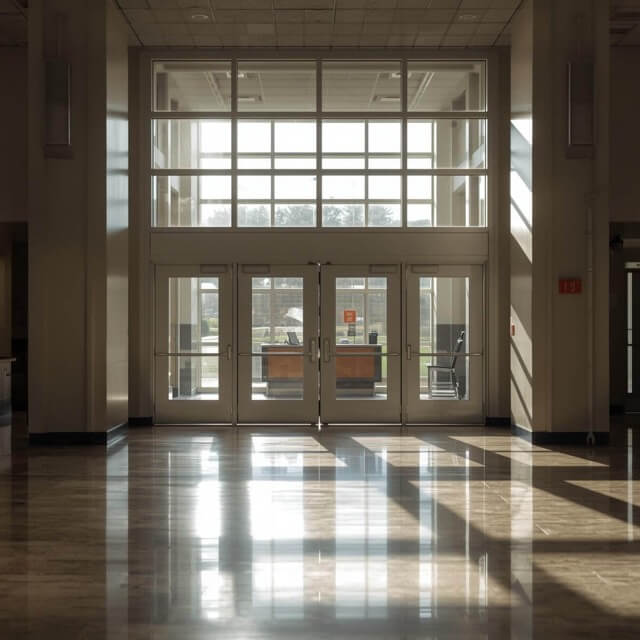
For the architect, security must be balanced against the desire to preserve the building’s intended aesthetic. Traditional security glazing often forces a compromise. Modern engineered systems, however, demonstrate that robust security and architectural integrity are not mutually exclusive. The key is shifting the focus from a single material to an integrated, retrofitted system designed for invisibility.
Achieving “Virtually Invisible” Security
The primary aesthetic objection to many security glazing solutions is their overt visibility. An engineered over-glaze system, by contrast, is designed to be virtually undetectable.
This is achieved through a combination of precision engineering and material science. Unlike generic panels, a system like DefenseLite from Impact Security LLC is custom fabricated for each opening. Its patented anchoring technology is concealed within the existing window mullions, creating a clean look that disappears into the background. The use of high-optic-grade polycarbonate with advanced coatings ensures it is visually indistinguishable from the primary glass, preventing the yellowing that can plague lower-quality materials.
Retrofit Integration with Curtain Wall and Storefront Glazing
A significant advantage of an engineered over-glaze system is its ability to integrate with the building envelope as a retrofit security solution. This stands in stark contrast to specifying thick glass clad polycarbonate, which often necessitates a complete replacement of the existing curtain wall or storefront glass.
A professionally engineered retrofit system works in concert with existing glazing. Key features include:
- Custom Anchoring: The system mounts directly onto existing frames, using proprietary anchors that distribute impact loads away from the glass and onto the structural framing.
- Ventilated Air Space: A managed air gap between the original glass and the security shield prevents moisture buildup and allows for thermal expansion without compromising the seal.
- Systemic Compatibility: The solution is engineered to accommodate different fenestration systems, ensuring a secure and weathertight fit.
This approach preserves the original building envelope while adding a formidable layer of protection, making it a more efficient and less intrusive solution than replacing existing windows.
Maintaining Original Sightlines and Daylight
An architect’s control over sightlines and natural light is essential. A common fear with security glazing is that it will diminish daylight with thick, intrusive frames. This is a problem an engineered system is specifically designed to solve.
Because an over-glaze system like DefenseLite is mounted to the existing window frame, it preserves the original window’s clear opening. The sightlines established by the architect remain completely unchanged. The system’s minimal framing is designed to be hidden or blend seamlessly with the existing mullions. Optically, these systems can achieve a visible light transmittance (VLT) of over 90 percent, ensuring the quantity and quality of natural light are virtually unaffected.
Specifying a System that Complements Architectural Vision
Ultimately, the choice facing a specifier is not which material to use, but which security philosophy to adopt. Specifying a material alone, such as a sheet of glass clad polycarbonate, delegates critical integration details to the installer. This risks aesthetic compromises and potential failure under stress.
Specifying an engineered system, such as DefenseLite or its ballistic-rated counterpart, BulletShield, means specifying a complete, warrantied solution. It is a holistic approach that accounts for the glazing panel, anchoring mechanics, and integration with the building structure. This systemic approach elevates security from a brute-force addition to an elegant, integrated feature. It empowers architects to meet stringent security demands without surrendering their design vision.
Frequently Asked Questions
What is the main difference between specifying glass clad polycarbonate and an engineered system like DefenseLite?
Specifying glass clad polycarbonate means selecting a material. The architect is then responsible for designing the frame integration, anchoring, and sealing. Specifying an engineered system like DefenseLite means selecting a complete, pre-engineered solution where the panel, anchoring, and thermal management are designed to work together as a single, warrantied unit that retrofits over existing glass.
Will adding security glazing make my building look like a fortress?
While bulky, ill-fitting solutions can compromise aesthetics, modern engineered over-glaze systems are designed to be virtually invisible. They use concealed anchors and high-quality, clear polycarbonate to preserve the original sightlines, daylight, and overall design of the building without betraying the presence of enhanced security.
Can security glazing be added to an existing building without replacing all the windows?
Yes. A retrofit security solution is specifically designed for this purpose. Systems like DefenseLite mount over the existing glass and onto the existing window frames, a process that is far less disruptive, costly, and time-consuming than a full “rip and replace” of the original window units.
What does a “no spall” rating mean and why is it important?
A “no spall” rating, determined during UL 752 ballistic testing, means that when the glazing stops a projectile, no fragments break off the interior side. This is a critical life-safety feature, as it prevents the security glazing from creating a secondary hazard to occupants inside the building during a ballistic event.