Table of Contents
- Introduction
- Understanding Bullet Resistance vs Bulletproof
- Types of Bullet-Resistant Materials
- Material Comparison and Selection Guide
- Common Challenges and Selection Considerations
- Conclusion and Next Steps
- Frequently Asked Questions
Introduction
If you have ever wondered what material is bullet proof, the truth is that no material is truly “bulletproof” in the absolute sense. Every bullet-resistant material available today is technically bullet-resistant, meaning it has been tested and certified to stop specific projectiles under specific conditions—not every possible threat. Understanding this distinction is the first step toward selecting the right ballistic protection for your needs.
This guide covers the complete range of ballistic materials used in personal protection, building security, and specialized applications. Whether you’re a security professional evaluating body armor options, a property owner considering bulletproof glass installations, or an individual seeking to understand how bulletproof vests actually work, this content provides the technical foundation and practical guidance you need. Material selection directly impacts protection effectiveness, overall weight considerations, cost efficiency, and long-term durability—making informed choices essential.
Direct answer: The best bulletproof material depends entirely on your threat level and application. Kevlar and Dyneema are two of the most widely used lightweight materials for bulletproof vests, known for their high strength-to-weight ratios. For rifle threats, ceramic materials like boron carbide paired with UHMWPE backing offer the highest protection-to-weight ratio. Steel plates remain cost effective for fixed installations where weight is less critical.
By the end of this guide, you will understand:
- How ballistic protection standards classify material performance
- The unique properties of each major bulletproof material category
- How to match materials to specific threat levels
- Weight, thickness, and cost trade-offs between options
- Selection criteria for personal, architectural, and specialized applications
Understanding Bullet Resistance vs Bulletproof
Products labeled as “bulletproof” are actually bullet-resistant, meaning they can withstand a certain number of rounds from specific calibers of bullets fired from specific types of weapons. This terminology matters because it sets realistic expectations: no vest, panel, or glass will protect against every possible firearm threat.
Bullet resistance is determined through rigorous testing against standardized protocols. Ballistic materials are ranked based on standards such as UL 752 and NIJ ballistic resistance standards, which test their ability to withstand bullets of various calibers and impacts, providing a measurable way to assess their effectiveness. These tests measure penetration, backface deformation (the indentation left in the backing material), and multi-hit performance.
Ballistic Protection Standards
The National Institute of Justice (NIJ) establishes standards for body armor in the United States. The current NIJ 0101.06 standard defines five protection levels:
- Level IIA, II, and IIIA: Soft armor ratings for handgun threats, with IIIA stopping .44 Magnum and high-velocity 9mm rounds
- Level III: Hard armor that must stop six shots of 7.62×51mm NATO ball ammunition at approximately 2,780 ft/s
- Level IV: Hard armor capable of stopping a single .30-06 armor-piercing round at approximately 2,880 ft/s
The newer NIJ 0101.07 standard replaces letter designations with firearm-type threat labels (HG for handguns, RF for rifles), making classifications more intuitive for end users.
For architectural applications, the Underwriter’s Laboratory (UL) has established a set of ballistic standards, known as UL 752, which ranks materials on eight levels based on their ability to withstand ballistic attacks. Materials rated Levels 3 and below are designed to stop bullets fired from pistols, while those rated Levels 4 and above are effective against bullets from rifles or pistols. Level 1, for example, requires stopping three shots of 9mm FMJ at 1,175-1,293 fps, while Level 8 tests five shots of 7.62mm rifle rounds at 2,750-3,025 fps.
How Materials Stop Bullets
Understanding how different materials absorb energy explains why certain materials suit certain applications. The core challenge is managing kinetic energy (½mv²)—higher velocity rifle rounds carry substantially more energy than slower handgun rounds.
Soft armor absorbs impact energy by catching bullets in tightly woven fibers that spread the force over a larger area to prevent penetration. Multiple layers of synthetic fiber, typically 20-40 depending on threat level, deform and stretch to dissipate energy across a wide network. This mechanism makes soft body armor flexible and wearable but limits effectiveness against high-velocity threats.
Hard armor plates utilize materials that blunt or break projectiles upon contact, often with ceramics that shatter to consume bullet energy. Ceramics used in hard armor plates are designed to shatter upon impact to disrupt and fragment incoming bullets, while a fiber backing layer catches the resulting fragments. This combination of hardness and ductility provides protection against rifle rounds that would penetrate soft armor.
Blunt trauma management is a consideration in body armor design to reduce injuries from impact, often including trauma pads for cushioning. NIJ standards limit backface deformation to 44mm in clay backing to ensure survivable blunt trauma even when penetration is prevented.
Types of Bullet-Resistant Materials
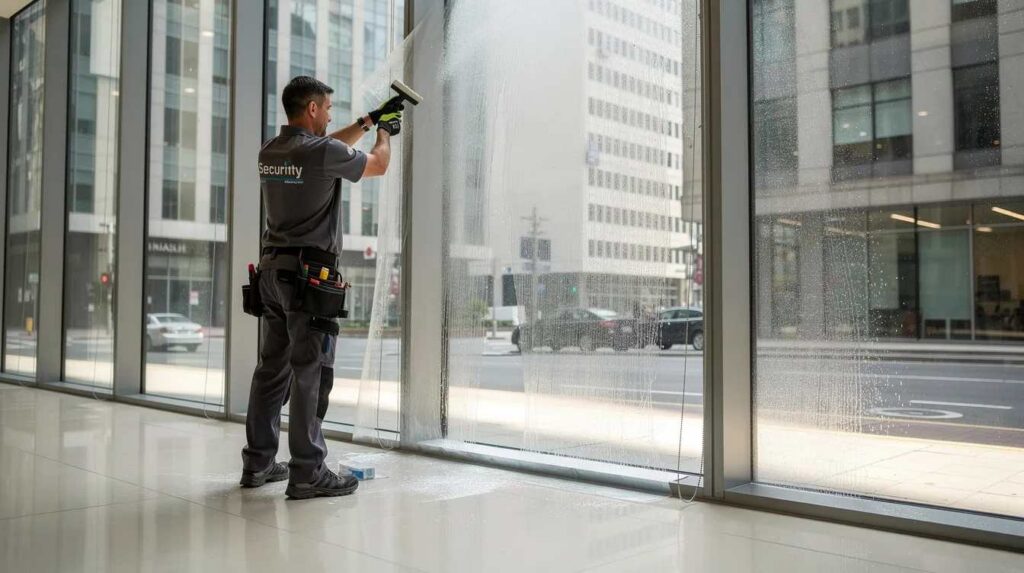
Bullet resistant materials fall into three primary categories based on their composition and properties: synthetic fibers for flexible applications, metals and ceramics for hard protection, and composites that combine multiple material types. Each category serves distinct protection needs and use cases.
Synthetic Fiber Materials
Synthetic fiber materials form the foundation of soft body armor and serve as backing layers in hard armor systems. Their flexibility makes them essential for wearable protection.
Kevlar (Aramid Fibers)
Kevlar, developed by DuPont in the 1960s, remains one of the most recognized bulletproof materials. Aramid fibers have a high strength-to-weight ratio, being roughly five times stronger than steel on a weight basis. With a density of approximately 1.44 g/cm³, Kevlar provides excellent protection against most handgun rounds in multi-layer configurations.
Kevlar excels in soft body armor applications but has limitations: sensitivity to moisture, UV degradation, and heat can reduce effectiveness over time. Typical service life for Kevlar vests under daily use is approximately five years. Materials like Kevlar are commonly used in bulletproof vests, while materials such as boron carbide are specifically noted for their stab-proof capabilities, highlighting the distinct requirements for each type of protection.
UHMWPE (Ultra-High-Molecular-Weight Polyethylene)
UHMWPE is a lightweight material that offers high ballistic resistance and is commonly used in bulletproof vests. Brands like Dyneema and Spectra offer UHMWPE products that outperform aramid fibers in many applications—providing approximately 30% better performance against low-velocity bullets and 1.5-2× better performance at high velocities.
Kevlar and Dyneema are two of the most widely used lightweight materials for bulletproof vests, known for their high strength-to-weight ratios. UHMWPE’s low density and superior environmental resistance (better UV and moisture tolerance than aramid) make it increasingly popular, though it has lower heat resistance and higher cost than Kevlar.
Metal and Ceramic Materials
When protection against rifle rounds becomes necessary, hard materials provide the stopping power that soft armor cannot achieve.
Steel Armor Plates
Traditional materials for hard plates include steel, valued for durability and lower cost but significantly heavier than modern options. AR500 and AR550 hardened steel plates (500-550 Brinell hardness) offer Level III protection against multiple rifle hits. A typical 10×12” AR500 Level III plate weighs approximately 8.7 pounds and can stop six rounds of 7.62×51mm NATO ball ammunition.
Steel and ballistic fiberglass are preferred for building and vehicle protection where weight is less of a concern. Steel’s durability and cost-effectiveness make it attractive for fixed installations, though spalling (metal fragments flying from the back surface) requires mitigation through coatings or backing materials.
Ceramic Materials
Ceramic materials offer the highest protection-to-weight ratios for hard armor. Three primary ceramics serve ballistic applications:
- Alumina (Al₂O₃): Density ~3.9 g/cm³, hardness ~15 GPa Vickers, lowest cost among ceramics, adequate for Level III plates
- Silicon Carbide (SiC): Density ~3.2 g/cm³, hardness ~26 GPa, lighter than alumina for equivalent protection, used in premium Level III/III+ plates
- Boron Carbide (B₄C): Density ~2.5 g/cm³, hardness ~35 GPa, lightest and hardest ceramic, used in Level IV armor-piercing capable plates
A Level IV ceramic plate with boron carbide face and UHMWPE backing typically weighs 5.5-7.5 pounds for a 10×12” size—substantially lighter than steel for superior protection. However, ceramics are more brittle and may not maintain protection after initial impacts in the same location.
Transparent Aluminum (ALON)
Aluminum oxynitride (ALON) represents an emerging transparent ceramic option for military glazing and lightweight vehicle applications. While expensive, ALON provides exceptional strength in transparent form for specialized applications.
Composite and Specialty Materials
Composite systems combine multiple materials to optimize protection, weight, and functionality for specific applications.
Ballistic Polycarbonate and Bulletproof Glass
Transparent ballistic protection requires multi-layer laminates combining glass, polycarbonate, PVB, or acrylic layers, and there are several bulletproof glass options for ultimate ballistic resistance that tailor these laminates to different threat levels. These composites prevent penetration while managing spall (fragments from the glass surface). Acrylic panels are a lightweight option for bullet resistance, typically offering UL-rated Level 1 or Level 2 ballistic protection, making them suitable for less stringent needs within the broader landscape of bulletproof materials ranked by ballistic performance.
Higher UL 752 levels require thicker laminates with more sophisticated layering. Level 8 glazing capable of stopping multiple .308 rifle rounds may exceed two inches in thickness.
Fiberglass Composite Panels
Architectural fiberglass panels provide bullet resistance through energy absorption via delamination—layers separating progressively to consume bullet energy, similar in function to dedicated bullet-resistant UL 752 wall panels. These panels suit interior barriers, doors, and walls at UL 752 levels 1-3 for most commercial applications and are often used when retrofitting workplace environments with advanced ballistic protection is more practical than full reconstruction.
Hybrid and Layered Systems
Modern protection often combines materials strategically. Hard armor plates are used in plate carriers for military or SWAT operations to stop high-velocity rifle rounds, typically worn over soft armor inserts. In Conjunction With (ICW) systems pair ceramic strike faces with soft armor backing for comprehensive protection. Multi-tile ceramic arrays preserve multi-hit capability by limiting damage propagation between tiles.
Material Comparison and Selection Guide
Selecting the right bulletproof material requires balancing protection level, weight, thickness, flexibility, and cost against your specific threat environment and application constraints.
Protection Level Performance
Step 1: Assess Your Threat Environment
Determine what weapons you realistically need protection against. Soft armor is typically used by law enforcement and is effective against most handguns, but not against rifle fire. If rifle threats exist, hard armor becomes necessary regardless of weight considerations.
Step 2: Match Material Capabilities to Threats
Materials like Kevlar and UHMWPE (ultra-high-molecular-weight polyethylene) are commonly used in bulletproof vests due to their high strength-to-weight ratios and effectiveness against ballistic threats at handgun levels. For rifle protection, ceramic-composite or steel plates provide necessary stopping power.
Step 3: Consider Contact Distance and Multi-Hit Requirements
Close-range encounters increase bullet velocity at impact. Environments with potential for multiple hits favor steel (excellent multi-hit performance) or multi-tile ceramic systems over single-piece ceramic plates that may lose integrity after first impact.
Material Performance Comparison
| Material Type | Protection Level | Weight (10×12” plate or per sq ft) | Thickness | Flexibility | Relative Cost |
|---|---|---|---|---|---|
| Kevlar/Aramid (soft) | NIJ IIA-IIIA | 3-5 lb per panel | 0.2-0.6 in | Highly flexible | Moderate |
| UHMWPE (soft) | NIJ II-IIIA | Lighter than aramid | Similar to aramid | Flexible | Higher |
| Alumina + fiber backing | NIJ III | 7-9 lb | 0.7-1.0 in | Rigid | Moderate |
| Silicon Carbide + fiber | NIJ III/III+ | 6-7 lb | 0.6-0.8 in | Rigid | High |
| Boron Carbide + UHMWPE | NIJ IV | 5.5-7.5 lb | 0.5-0.9 in | Rigid | Very high |
| AR500/AR550 Steel | NIJ III | 8.7-12 lb | 0.5-0.75 in | Rigid | Low-moderate |
| Ballistic glass (UL Level 1) | UL 752 Level 1 | Varies by thickness | 0.75-1.25 in | Rigid | Moderate |
| Fiberglass composite | UL 752 Levels 1-3 | 3-6 lb/sq ft | 0.5-1.5 in | Rigid | Low-moderate |
| Interpreting Trade-offs: |
- Minimum weight priority: Boron carbide ceramics with UHMWPE backing offer the best protection-to-weight ratio for rifle threats
- Budget-conscious selection: Steel plates for hard armor, fiberglass panels for architecture
- Flexibility requirements: UHMWPE soft armor for wearable protection against handgun threats
- Multi-hit durability: Steel outperforms ceramics for sustained multi-hit scenarios
Common Challenges and Selection Considerations
Practical factors beyond pure protection ratings significantly impact material effectiveness and suitability.
Weight vs Protection Trade-offs
The fundamental tension in ballistic protection is that stopping more powerful threats requires more material mass. For wearable armor, excessive weight causes wearer fatigue, reduced mobility, and decreased compliance with wearing protocols.
Solutions for minimizing weight:
- Select UHMWPE over aramid for soft armor (typically 15-20% lighter for equivalent protection)
- Choose silicon carbide or boron carbide ceramics over alumina for hard plates
- Use hybrid ICW systems that leverage soft armor you’re already wearing
- Accept targeted protection (covering vital organs only) rather than extended coverage
Hybrid material approaches combine ceramics for the strike face with lightweight fiber backing, achieving protection levels impossible with either material alone while optimizing overall weight.
Cost and Maintenance Factors
Material costs vary dramatically—boron carbide plates may cost 3-5× more than alumina alternatives for comparable coverage. However, the cost effective solution depends on total lifecycle considerations, not just initial purchase price.
Budget-conscious strategies:
- Steel plates for fixed installations where weight doesn’t matter
- Alumina ceramics for entry-level hard armor needs
- Fiberglass composites for architectural applications at lower UL levels
- Consider used or surplus armor only with verified remaining service life
Long-term durability considerations:
- Soft armor typically requires replacement every 5 years under daily use
- Ceramics can crack from drops or impacts even without ballistic events
- Steel requires inspection for corrosion but generally lasts longer
- UV and moisture exposure accelerate fiber degradation
Installation and Integration Challenges
For architectural ballistic protection, the material panel is only part of the solution; comprehensive active shooter mitigation solutions also consider doors, windows, and entry delay to improve overall safety. Frame strength, anchoring systems, joints, and door edges often become the failure points even when panels themselves are rated for higher threats.
Architectural integration solutions:
- Specify UL 752-rated complete assemblies, not just panel materials
- Ensure frame and mounting systems match panel protection levels
- Address glazing seals and edge vulnerabilities in specifications
- Consider structural load requirements—bulletproof materials add significant weight to floors and walls
Retrofit options: Modern bullet-resistant glass security solutions for churches illustrate how retrofit approaches can enhance protection for vulnerable entry points without full replacement.
- Overlay systems that add protection without full replacement, sometimes combined with products rated not only for ballistics but also under GSA/ISC blast resistant performance standards
- Security film on existing glass (limited protection but improved spall resistance)
- Drop-in panel systems for modular installation
Conclusion and Next Steps
Selecting bulletproof materials requires matching specific threat assessments to material capabilities while balancing weight, cost, and practical constraints. No single material provides universal protection—the best bulletproof material for your application depends on what threats you face, where protection is needed, and what trade-offs you can accept.
Immediate action items:
- Conduct a realistic threat assessment identifying specific weapons and scenarios requiring protection
- Determine whether you need wearable, architectural, or vehicle protection
- Consult with certified ballistic protection specialists who can recommend appropriate materials
- Request NIJ or UL certification documentation for any materials under consideration
- Factor in installation, maintenance, and replacement costs for total lifecycle budgeting
Related topics for further exploration:
- Installation best practices for architectural ballistic systems
- Maintenance protocols and inspection schedules for body armor
- Emerging material technologies, including graphene composites and advanced ceramics
- Combination protection systems addressing both ballistic and stabbing threats
Frequently Asked Questions
Is any material 100% bulletproof?
No material is truly ‘bulletproof’; instead, products labeled as ‘bulletproof’ are actually bullet-resistant, meaning they can withstand a certain number of rounds from specific calibers of bullets. Every ballistic material has limits defined by testing standards. Even Level IV armor, the highest NIJ rating, is certified for a single armor-piercing rifle round—not unlimited protection.
What’s the lightest material that can stop rifle rounds?
Boron carbide ceramic facing with UHMWPE backing provides the lightest Level IV protection, with 10×12” plates weighing 5.5-7.5 pounds. For Level III (non-armor-piercing rifle threats), silicon carbide composites offer excellent weight efficiency at 6-7 pounds per plate.
How thick does steel need to be to stop a handgun bullet?
Hardened steel (AR500/AR550) at 0.1-0.2 inches typically stops most handgun rounds. However, thickness requirements increase substantially for higher-velocity or larger-caliber threats, and spall mitigation coatings or backing add effective thickness.
Can Kevlar stop knife attacks as well as bullets?
Bulletproof and stab-proof materials serve different protective purposes, with bulletproof materials designed to resist projectiles from firearms, while stab-proof materials are specifically engineered to withstand sharp objects like knives. The method of achieving bullet resistance does not necessarily translate into stab resistance, meaning a material that is effective against bullets may not provide adequate protection against stabbing attacks. Stab proof vests require different construction and certification under separate NIJ standards.
What’s the difference between Level IIIA and Level III protection?
Level IIIA is soft armor designed to stop high-powered handgun rounds (up to .44 Magnum). Level III is hard armor designed to stop rifle rounds (7.62×51mm NATO). This represents a fundamental shift from flexible, wearable protection to rigid plate systems.
How long do ballistic materials last before replacement?
Soft armor typically requires replacement every 5 years under daily use due to fiber degradation from sweat, flexing, and environmental exposure. Hard plates last longer but should be inspected regularly for cracks, delamination, or damage. Manufacturers provide specific guidance, and some certifications expire after set periods.
Can I combine different materials for better protection?
Yes—hybrid systems are standard practice. ICW (In Conjunction With) systems pair hard plates with soft armor. Ceramic strike faces combine with fiber backing. Bulletproof glass layers glass with polycarbonate. These combinations leverage each material’s unique properties for optimized protection.
What’s the most cost-effective bulletproof material for buildings?
For UL 752 Levels 1-3 (handgun protection), fiberglass composite panels and glass-polymer laminates offer the best cost-to-protection ratio, especially when implemented as part of integrated polycarbonate glass security systems for doors and windows. For higher rifle-rated levels, steel panels become cost-effective despite added weight requirements. The most cost-effective solution depends on the required protection level, total area covered, and installation complexity.