- Introduction
- Understanding Security Window Film vs. Ballistic Protection
- True Ballistic Protection Options
- Implementation and Application Considerations
- Common Challenges and Selection Mistakes
Introduction
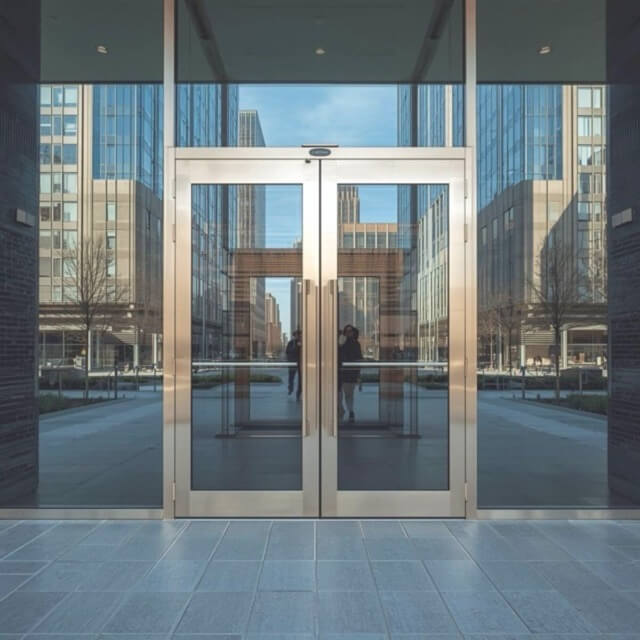
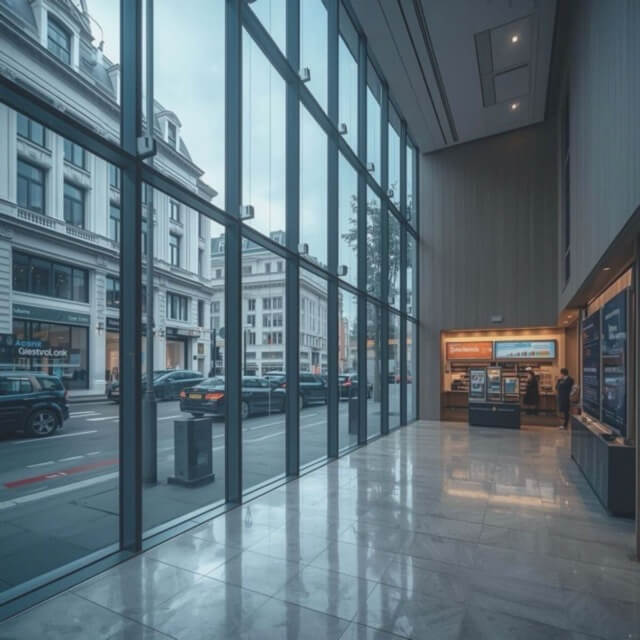
“Bullet resistant window film” sounds like an ideal security solution—affordable, easy to install, and capable of stopping bullets. The reality is far more nuanced. Security window film does not stop bullets. No film applied to standard glass has ever achieved a UL 752 ballistic rating, and the term “bullet resistant window film” is fundamentally misleading marketing terminology that creates dangerous misconceptions about actual protection capabilities.
This content covers what security film products genuinely provide, their documented limitations, and the true ballistic protection alternatives available for buildings facing real threats. The target audience includes building owners, security managers, school administrators, and facility decision-makers who need to protect people and property but may be confused by marketing claims in this space. Understanding the distinction between fragment retention and ballistic resistance can prevent costly mistakes and potentially save lives.
Direct answer: Security window film provides glass containment and delays forced entry, but it cannot stop bullets of any caliber. True ballistic protection requires certified glazing systems tested under standards like UL 752.
By reading this article, you will:
- Understand exactly what security window film can and cannot do
- Learn how UL 752 ballistic standards work and what protection levels mean
- Compare costs, capabilities, and installation requirements across security options
- Recognize misleading marketing claims and red flags in product descriptions
- Make informed decisions about window security based on actual threat assessment
Understanding Security Window Film vs. Ballistic Protection
Security window film and ballistic glazing serve fundamentally different purposes, though marketing often blurs this distinction. Understanding the actual capabilities and limitations of each solution is essential before investing in any window security upgrade.
What Security Window Film Actually Does
Security window film is a polyester (PET) or polymer laminate applied to existing glass, typically ranging from 4 mils to 21 mils in thickness. Its primary function is to hold glass fragments together when the window breaks, preventing shattered glass from scattering and causing injuries.
When glass breaks from impact—whether from forced entry attempts, vandalism, extreme weather, or blunt force—the film acts as a containment layer. Broken glass remains adhered to the film rather than fragmenting across the interior space. This glass containment function reduces injury risk and maintains a partial barrier even after the window is compromised.
Security film also delays forced entry by requiring intruders to work harder to gain access through a filmed window. Rather than simply shattering glass and stepping through, attackers must tear or cut through the film layer while dealing with adhered glass fragments. Industry testing suggests this delay typically ranges from 15 to 45 seconds—enough time for occupants to escape or alert authorities, though insufficient to prevent determined entry entirely.
Additional benefits include protection against weather damage, debris impact, UV reduction, and improved safety glazing compliance with standards like ANSI Z97.1 and EN 12600.
What Security Window Film Cannot Do
Security window film cannot stop bullets. When a projectile strikes glass protected only by security film, the glass still shatters, and the bullet passes through both the glass and the film. The physics are straightforward: bullet energy (mass × velocity²) far exceeds what thin polymer materials can absorb or dissipate.
No security film or “ballistic window film” product has achieved UL 752 certification on its own. The film may hold broken glass fragments in place after bullet penetration, reducing secondary injuries from glass scatter, but the primary threat—the projectile—is not stopped.
Film cannot transform existing window glass into a ballistic barrier. Standard window glass breaks immediately under ballistic impact regardless of how thick or strong the applied film may be. Even demonstrations showing security film “performing” under rifle fire actually show bullets passing completely through, with the film merely retaining fragments afterward.
The energy transfer involved in stopping a bullet requires rigid, multi-layered materials specifically engineered for ballistic resistance—materials measured in inches of thickness and pounds per square foot of weight, not in mils of thin polymer.
True Ballistic Protection Options
For facilities facing actual ballistic threats—schools in high-risk areas, government buildings, courthouses, banks, or any populated area where active shooter situations or ballistic attacks are credible concerns—genuine ballistic protection requires purpose-built systems independently tested against specific ammunition and velocities.
UL 752 Ballistic Glazing Standards
UL 752 is the primary U.S. standard defining how glazing systems resist gunfire. The standard specifies ammunition types, velocities, and shot counts for each protection level, with testing conducted on complete assemblies including glass, interlayers, frames, and mounting systems.
Under the traditional numeric system (Edition 11), protection levels ranged from Level 1 through Level 10:
- Level 1: Three shots of 9mm (124-grain) at approximately 1,175–1,293 fps
- Level 2: Three shots of .357 Magnum at approximately 1,250–1,375 fps
- Level 3: Three shots of .44 Magnum at approximately 1,350–1,485 fps
- Level 4: One shot of .30 caliber rifle at approximately 2,540–2,794 fps
- Level 8: Five shots of 5.56mm (.223) high-velocity rifle rounds
The 12th edition of UL 752, effective October 2023, reorganized these numeric levels into threat categories: Handgun (HG), Rifle (RF), and Shotgun (SG), each with subcategories. This change addresses previous confusion where numeric levels obscured differences between handgun and rifle threats.
Materials used in certified ballistic glazing include laminated glass, polycarbonate layers, glass clad polycarbonate composites, and various interlayers like PVB, SGP, or thermoplastic urethane. The tested structure varies by protection level but always involves multiple rigid layers working together.
Ballistic Panel Systems
Retrofit ballistic panels offer an alternative to complete window replacement. Products like DefenseLite and similar systems mount clear polycarbonate or glass-clad polycarbonate assemblies over existing glazing, structurally attached to the existing glazing frame with appropriate mounting hardware.
These panel systems create a separate ballistic barrier in front of or behind existing glass. When properly installed with adequate frame reinforcement and anchoring, they can achieve UL 752 certification for specific threat levels. Installation typically involves drilling into frames, applying specialized adhesives, and ensuring proper weather sealing around panel edges.
Ballistic panels provide higher protection than security film while avoiding complete window tearout. However, they add thickness to the window profile, may slightly affect optical clarity, and require professional installation with structural assessment of existing frames.
Replacement Ballistic Glazing
Complete replacement with bullet resistant glass units provides the highest reliability and aesthetic integration. Certified ballistically rated glass units are manufactured as complete assemblies, tested to specific UL 752 levels, and installed as permanent replacements for existing glass.
This option is most appropriate when threat levels justify significant investment, when long-term durability matters, when optical clarity and appearance are priorities, or when structural consistency across multiple windows is needed. Educational facilities, government buildings, and critical infrastructure often specify replacement ballistic glazing for entrance vestibules and high-risk exterior windows.
Weight and thickness increase significantly with protection level. Level 1 ballistic glazing typically measures approximately 0.8–1.5 inches thick and weighs 8–16 pounds per square foot. Level 3 glazing (stopping .44 Magnum) measures approximately 1.1–1.3 inches thick at roughly 12–14 pounds per square foot. Higher rifle-rated levels approach 25 pounds per square foot or more, requiring substantial frame reinforcement and potentially structural redesign.
Cost ranges from approximately $30–$100 per square foot for lower UL levels (handgun threats) to $150–$600+ per square foot for rifle-resistant ratings, with installed costs significantly higher when including framing, labor, and structural modifications.
Implementation and Application Considerations
Selecting appropriate window protection requires systematic analysis of actual threats, vulnerabilities, costs, and building constraints. Random product selection without threat assessment wastes money and may create dangerous gaps in protection.
Security Assessment and Threat Analysis
Professional security assessment should precede any significant investment in window protection. The assessment process involves four primary steps:
- Threat identification: Determine which threats are credible for the specific facility. Handgun attacks? Rifle threats? Forced entry and break ins? Weather events? Blast hazards? Different threats require different solutions.
- Vulnerability analysis: Identify which windows present the greatest risk. Ground-floor glass facing public areas? Entry vestibule doors? Large storefront glazing? Door glass at main entrances? Not all windows require equal protection.
- Protection level selection: Match identified threats to appropriate UL 752 ratings or other security measures. A retail store concerned about smash-and-grab theft has different needs than a school concerned about active shooter situations.
- Cost-benefit analysis: Compare lifecycle costs of security film, retrofit panels, and replacement glazing against the probability and consequences of different threats. Factor in installation disruption, maintenance requirements, and expected useful life.
Security professionals can help facilities navigate these decisions with threat-specific expertise and knowledge of local risk factors.
Application Comparison Table
| Criterion | Security Film | Retrofit Ballistic Panels | Replacement Ballistic Glazing |
|---|---|---|---|
| Cost per sq ft (installed) | $15–$40 | $50–$150+ | $80–$300+ (higher for rifle ratings) |
| Protection level | Glass containment; forced entry delay only | UL 752 rated (varies by product) | UL 752 rated to specified level |
| Stops bullets | No | Yes, if properly rated | Yes, to rated level |
| Installation time | Hours per window | Half-day to full day per opening | 1–2 days per opening; may require structural work |
| Appearance impact | Minimal; slight tint possible | Adds visible depth; slight optical effects | Integrated appearance; thicker profile |
| Weight added | Negligible | 5–15 lbs/sq ft depending on rating | 8–25+ lbs/sq ft depending on rating |
| Structural requirements | None | Frame reinforcement often needed | Frame reinforcement and possibly wall support |
| Useful life | 10–15 years (subject to degradation) | 15–20+ years | 15–25+ years |
Choosing between these options depends on the threat level, budget, building constraints, and acceptable risk tolerance. Film is appropriate for non-ballistic threats; ballistic panels or replacement glazing are necessary when projectile resistance matters.
Installation Requirements
Both security film and ballistic systems require professional installation for effective performance. Film that is merely adhered to glass surfaces without proper edge attachment will fail under stress. For security film to hold glass during forced entry or blast, the film edges must be mechanically anchored or sealed to the frame using structural silicone (such as Dow Corning 995) or mechanical attachment systems.
Ballistic panels and replacement glazing require even more rigorous installation. Frame strength must be verified or upgraded to support additional weight. Mounting hardware must be specified for the threat level. Weather sealing around edges prevents moisture infiltration that can degrade materials over time.
Building code compliance may involve safety glazing requirements, energy efficiency standards, fire ratings, and structural engineering review. The 12th edition of UL 752 requires specifying threat designations rather than relying on older numeric assumptions, which may affect how procurement documents are written.
Common Challenges and Selection Mistakes
Understanding typical misconceptions helps avoid costly errors and ensures security investments actually provide intended protection.
Believing Marketing Claims About “Bulletproof” Film
Solution: Verify UL 752 certification for complete glazing assemblies through independent testing documentation, not manufacturer marketing claims.
The term “ballistic film” or “bullet proof film” appears frequently in product marketing despite no film achieving ballistic certification independently. Red flags include claims of “bulletproof” protection without specifying UL 752 level, thick film descriptions (“15mm security film”) without frame anchoring systems, and vague performance data without independent testing reports. Legitimate bullet resistant products provide specific UL 752 level certifications, test lab identification, and documentation of the complete tested assembly including glass, interlayers, and frame.
Choosing Film for True Ballistic Threats
Solution: Conduct realistic threat assessment and select appropriate ballistic-rated glazing when firearms are a credible concern.
If the actual threat involves firearms—particularly in schools, government buildings, or other facilities in populated areas where active shooter situations have occurred—security film is inadequate regardless of thickness or marketing claims. Film provides delay against forced entry and protects against broken glass injuries, but it cannot provide ballistic protection or stop bullets. Misjudging threat level leads to investments that provide false security while leaving occupants vulnerable to the actual threat.
Ignoring Building Integration Requirements
Solution: Involve structural engineers and code compliance experts early in planning to address weight, aesthetics, and regulatory requirements.
Ballistic glazing weighing 15–25 pounds per square foot requires frame reinforcement and potentially wall structural assessment. Standard window frames may not support these loads. Optical distortion, color shifts, and visible thickness differences affect building appearance. Municipal permits may require structural certification. Maintenance and cleaning protocols differ for coated ballistic materials. Early planning prevents project delays, cost overruns, and code violations.
Conclusion and Next Steps
Security window film provides genuine value for specific threats—fragment retention during breakage, delay against forced entry attempts, protection against extreme weather and vandalism—but it cannot stop bullets. The marketing term “bullet resistant window film” misrepresents product capabilities and creates dangerous misconceptions that may leave facilities unprotected against actual ballistic threats.
True ballistic protection requires purpose-built glazing systems tested under UL 752 or equivalent standards. These systems cost more, weigh more, and require more complex installation, but they actually stop projectiles at their rated threat levels.
Immediate next steps:
- Conduct or commission a professional security assessment identifying credible threats for your facility
- Consult with security professionals experienced in ballistic glazing specification
- Verify any product certifications through independent testing documentation
- Obtain multiple quotes from qualified installers for appropriate protection levels
- Factor in total lifecycle costs including installation, maintenance, and useful life
Related topics worth exploring include comprehensive perimeter security design, access control systems for building entries, emergency response planning, and integration of physical security with electronic monitoring systems.
Frequently Asked Questions
Can any window film stop bullets?
No film applied to standard glass can stop bullets. This applies to all security film products regardless of thickness, marketing terminology, or manufacturer claims. The physics of projectile energy make it impossible for thin polymer materials to absorb or dissipate bullet forces—glass shatters immediately, and bullets pass through both glass and film.
Demonstrations of security film under gunfire (including a documented 3M demonstration at a police station) show bullets penetrating completely. The film’s function is retaining glass fragments after penetration, not preventing penetration itself. Only certified ballistic glazing assemblies—multi-layered systems of laminated glass, polycarbonate, and specialized interlayers—can actually stop bullets.
What’s the difference between security film and ballistic film?
“Ballistic film” is misleading marketing terminology, not a technically distinct product category. Security film and so-called ballistic film are essentially the same materials—polyester or polymer laminates applied to existing glass to hold glass fragments together and delay entry.
No film product has achieved UL 752 ballistic certification independently. The term “ballistic” suggests bullet resistance that these products simply cannot provide. Legitimate ballistic protection comes from bullet resistant glass systems manufactured with multiple rigid layers and tested as complete assemblies against specific ammunition.
How much does real bullet-resistant glazing cost?
Material costs for certified ballistic glazing typically range from:
- UL 752 Level 1–3 (handgun threats): $30–$100 per square foot
- UL 752 Level 4–5 (lower rifle threats): $100–$200 per square foot
- UL 752 Level 6–8 (high-velocity rifle threats): $150–$600+ per square foot
Installed costs are significantly higher when including professional installation, frame reinforcement, structural assessment, and finishing work—often 50–100% above material costs. Factors affecting pricing include glazing size, thickness requirements, frame type, optical clarity specifications, customization needs, edge treatments, and warranty terms.
Is security window film worth installing?
Security film is worth installing when the primary concerns are non-ballistic: forced entry delay, protection against vandalism and break ins, glass containment during extreme weather, reducing injury risk from broken glass, or improving safety glazing compliance. These are legitimate security improvements at relatively modest cost.
Security film is not worth installing when the primary concern is ballistic protection. In such cases, film creates a false sense of security while leaving facilities vulnerable. The appropriate choice depends entirely on accurate threat assessment—film is an effective solution for certain threats but completely inadequate for others.
What protection level do schools typically need?
Most school security guidelines recommend UL 752 Level 1–3 protection (or the equivalent HG-A/B/C designations under Edition 12) for critical areas such as entrance vestibules, front office windows, and exterior doors facing public approaches. These levels protect against common handgun threats associated with the majority of active shooter situations.
Budget and architectural constraints often lead schools to apply ballistic glazing at high-priority entry points while using security film on secondary windows. The combination approach focuses ballistic investment where threats are most likely while still providing fragment retention and forced entry delay elsewhere. Threat assessment specific to the school’s location, population, and risk factors should guide these decisions.
Can I install ballistic panels over existing security film?
Yes, retrofit ballistic panel systems can be mounted over windows that already have security film installed. However, compatibility and installation sequence matter. The panel system’s frame attachments must be engineered for the specific opening, and existing film may be redundant once a ballistic barrier is in place.
If pursuing this approach, verify that the ballistic panel system achieves its rated protection with or without underlying film. Mounting requires drilling into frames or surrounding structure, applying appropriate sealants, and ensuring weatherproof integration. Professional installation is essential—the ballistic rating applies to the complete tested assembly, not to components installed without proper anchoring and sealing.