- Introduction
- Understanding Bullet Glass Window Technology
- Protection Levels and Rating Systems
- Installation and Implementation Process
- Common Challenges and Solutions
- Conclusion and Next Steps
- Frequently Asked Questions
Introduction
A bullet glass window—more accurately called bullet resistant glass or ballistic glass—is a specialized glazing system engineered to stop bullets and other projectiles from penetrating into protected spaces. These bulletproof windows combine multiple layers of glass, polycarbonate, and specialized interlayers to absorb and dissipate the kinetic energy of incoming rounds, providing critical ballistic protection for residential and commercial properties.
This guide covers bullet resistant windows for homes, businesses, government buildings, and high-risk facilities like banks, convenience stores, and gas stations. Military installations, armored vehicles, and war-zone fortifications fall outside its scope. The target audience includes property owners evaluating security upgrades, facility managers responsible for occupant safety, security consultants designing protection systems, and architects integrating ballistic windows into building designs.
Direct answer: Bullet glass windows provide ballistic protection by using laminated glass construction with polycarbonate layers and specialized bonding agents that work together to stop ballistic threats at rated protection levels—though no window is truly “bulletproof” against all ammunition types.
Key outcomes you’ll gain from this guide:
- Understanding UL 752 protection levels and how they map to specific threat types
- Accurate bulletproof glass cost data ranging from $60 to $600+ per square foot depending on protection level
- Installation requirements including structural modifications for windows 2-7 times heavier than standard windows
- Maintenance protocols to maximize the 15-20 year lifespan of ballistic glass
- Selection criteria for matching protection levels to residential, commercial, and government applications
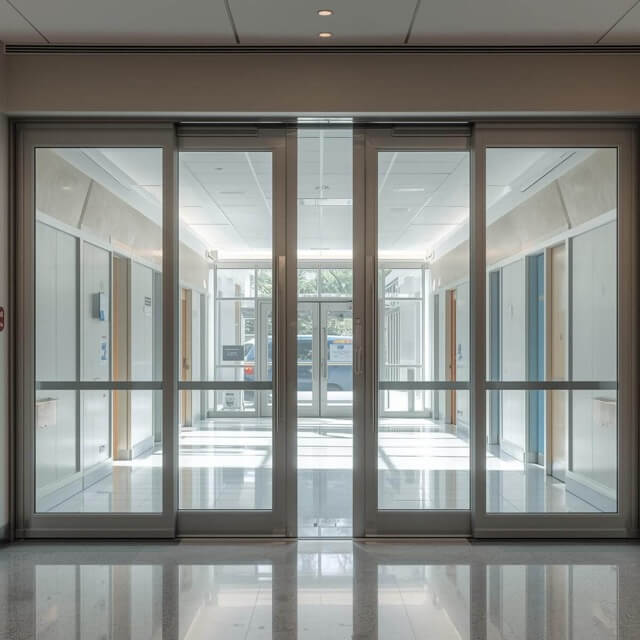
Understanding Bullet Glass Window Technology
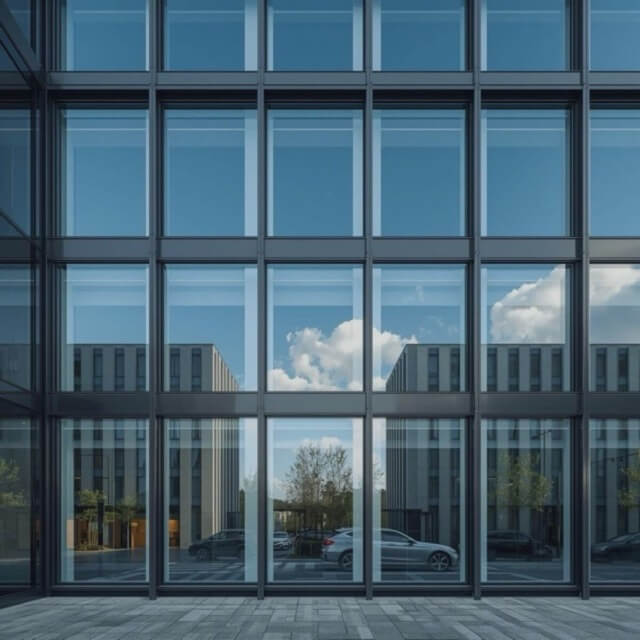
Bullet resistant glass functions as a complete system designed to absorb, deform, and contain projectile energy rather than simply resisting penetration like traditional glass. Unlike standard windows that shatter instantly upon impact, bulletproof glass windows use specialized engineering to spread impact forces across multiple materials, preventing bullets from passing through to protected areas.
Modern security demands have driven significant advances in ballistic window technology. Threats ranging from handgun attacks at convenience stores to high powered rifles targeting government offices require layered protection systems that can stop multiple rounds while maintaining visibility for occupants.
Laminated Glass Construction
Laminated glass construction forms the foundation of all bullet resistant windows. This design bonds multiple layers of glass with plastic interlayers—typically polyvinyl butyral (PVB), SentryGlas Plus (SGP), or polyurethane—creating a unified panel that absorbs energy progressively through each layer.
The front glass layers provide hardness and initial bullet deceleration. When a projectile strikes, the rigid glass shatters but remains bonded to the softer layer of interlayer material, which stretches to absorb energy while holding fragments in place. In higher protection levels, polycarbonate layers on the backing side catch remaining energy and prevent spalling—the dangerous fragmentation that can injure occupants even when bullets don’t fully penetrate.
Thickness directly correlates with protection capability. A UL 752 Level 1 panel might measure approximately 1.18 inches (30mm) thick, while Level 8 rifle-rated glass can exceed 2.27 inches. This relationship between more layers, increased thickness, and enhanced ballistic resistance determines both protection ratings and practical installation requirements.
Ballistic Material Integration
The interlayer materials in bullet resistant glazing serve as the critical element that transforms ordinary laminated glass into ballistic protection. Common interlayer options include PVB for standard applications, SGP for enhanced structural performance, and polyurethane for superior impact absorption. Each material offers different adhesion characteristics, elasticity, and optical clarity.
Glass clad polycarbonate represents the gold standard for high-level protection, combining the scratch resistance and hardness of glass with the impact-absorbing flexibility of laminated polycarbonate. This hybrid approach achieves superior ballistic performance while managing weight—a crucial consideration since protection levels directly impact panel weight at approximately 6-7 pounds per square foot for handgun-rated glass, increasing substantially for rifle protection.
Material selection also affects long-term durability. Polycarbonate components require UV protection to prevent yellowing and degradation, while glass layers maintain clarity but add weight. Understanding these trade-offs helps specify the right complete system for each application’s unique requirements.
Protection Levels and Rating Systems
With the material science established, understanding how protection levels are tested and certified becomes essential for selecting appropriate bullet resistant windows. Underwriters Laboratories standard UL 752 provides the primary rating system in North America, establishing clear benchmarks for ballistic resistance against specific ammunition types.
UL 752 Level Classifications
UL 752 defines protection levels 1 through 10, plus optional shotgun testing, with each level specifying exact ammunition types, bullet weights, velocities, and shot patterns:
Levels 1-3 (Handgun Protection):
- Level 1: Three rounds of 9mm full metal jacket at 1,175-1,293 feet per second
- Level 2: Three rounds of .357 Magnum jacketed soft point at 1,250-1,375 fps
- Level 3: Three rounds of .44 Magnum lead semi-wadcutter at 1,350-1,485 fps
These levels address the most common threat level for residential security, retail storefronts, and commercial facilities where handgun attacks represent the primary concern.
Levels 4-8 (Rifle Protection):
- Level 4: One shot from .30-06 rifle soft point at 2,540-2,794 fps
- Level 5: One shot from 7.62×51mm military ball (.308) at 2,750-3,025 fps
- Level 7: Five shots from 5.56×45mm rifle FMJ at 3,080-3,388 fps
- Level 8: Five shots from 7.62×51mm FMJ at 2,750-3,025 fps
Higher levels protect against high powered rifles and multiple rounds, making them essential for government buildings, embassies, and critical infrastructure. The UL 752 standard also includes optional 12-gauge shotgun slug and 00 buckshot testing, which some windows rated for rifle threats may actually fail due to different energy distribution patterns.
Department of State Standards
Government and diplomatic facilities often require protection beyond standard UL 752 levels. The National Institute of Justice standard NIJ 0108.01 classifies threats from handguns (Levels I through IIIA) through rifles (Levels III and IV), with Level III requiring resistance to five shots from .308 Winchester FMJ bullets at specified velocities.
European standards EN 1063 and EN 1522-1523 establish BR and FB ratings that sometimes impose stricter optical distortion criteria than American standards. For example, EN 1063 BR7 corresponds roughly to UL 752 Level 7-8 for rifle protection but includes additional requirements for visual clarity.
Many U.S. government facilities mandate UL 752 Level 8 protection for windows facing public spaces, combined with forced entry resistance and blast resistance capabilities. These total security solutions must be tested as complete assemblies—glass, frame, and mounting system together—rather than glazing materials alone.
Selection Criteria by Application
Residential Security: Homes typically face handgun threats during break-ins, making UL 752 Levels 1-3 appropriate for most applications. Safe rooms, entry doors, and ground-floor windows benefit from enhanced protection, balanced against cost, weight capacity of existing frames, and aesthetic requirements for maintaining visibility without obvious security features.
Commercial Facilities: Banks, jewelry stores, convenience stores, and gas stations face elevated threat levels requiring UL 752 Levels 3-5. These applications must integrate with existing storefront designs, energy codes, and thermal insulation requirements while providing forced entry attacks resistance alongside ballistic protection.
Government and High-Security: Embassies, courthouses, and data centers frequently require Level 8 or higher protection against armor-piercing threats, often combined with blast resistance and forced entry resistance meeting Federal GSA specifications or State Department Overseas Building Operations security guidelines.
Key selection factors: Specific threat type (handgun versus rifle), expected number of rounds, budget constraints, frame structural capacity, optical clarity requirements, and regulatory compliance obligations.
Installation and Implementation Process
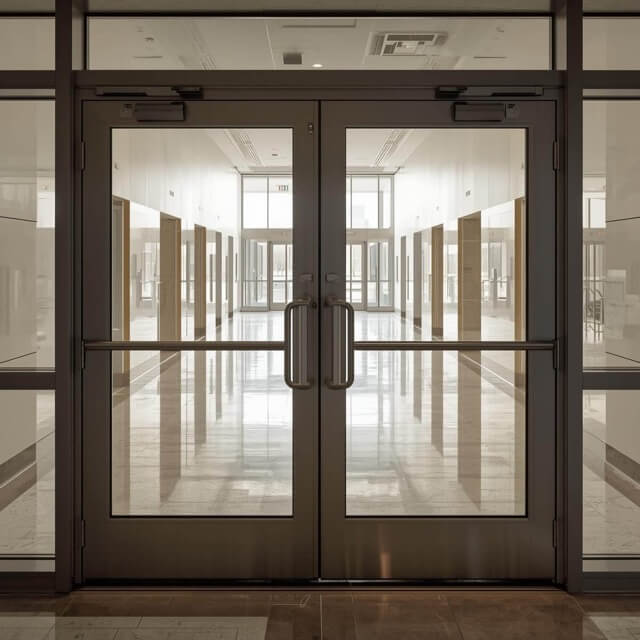
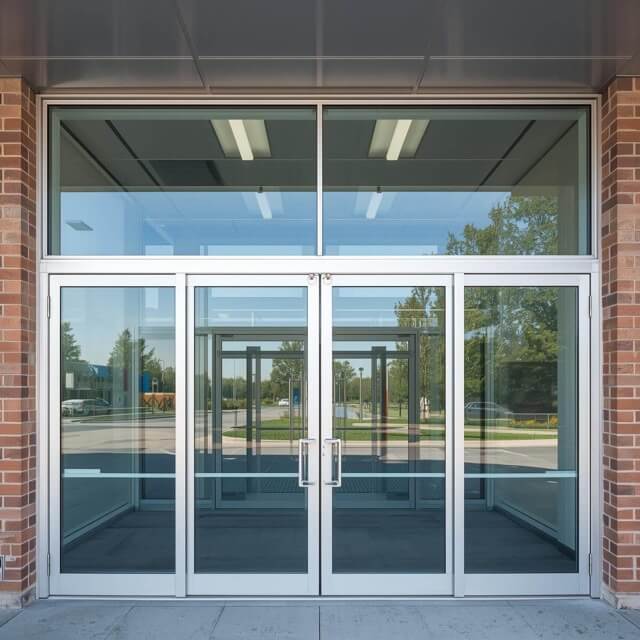
Selecting the appropriate protection level represents only the first step. The ability to successfully install bullet resistant windows depends on thorough pre-installation assessment and understanding the significant structural implications of ballistic glazing.
Pre-Installation Assessment
Proper installation requires systematic evaluation of existing conditions and careful planning for the increased demands of bulletproof glass windows:
- Structural load analysis and frame reinforcement requirements: Bullet resistant glass weighs 2-7 times more than traditional glass. Engineers must evaluate whether existing window frames, wall headers, sills, and mullions can support the static load plus dynamic impact forces. Steel or heavy extruded aluminum frames often replace standard materials.
- Existing window measurement and removal procedures: Accurate measurement of openings, assessment of frame profiles, and safe removal of existing glazing ensures proper fit. Thicker ballistic glass requires accounting for increased depth when planning replacements.
- Electrical and mechanical integration planning: Operable windows, blinds, sensors, and HVAC connections require special consideration. Heavier glass may require upgraded hinges, motorized operators, or fixed configurations. Sealing against water and air infiltration demands careful detailing.
- Building code compliance verification and permitting: Municipal permits typically required for window type changes. Glazing codes mandate specific safety ratings, fire ratings, and energy performance (U-factor, solar heat gain). Historic districts may impose additional aesthetic review requirements.
Cost Comparison by Protection Level
Bulletproof glass cost varies significantly based on protection level, with material costs representing only a portion of total installation expense:
| Protection Level | Material Cost (per sq ft) | Installed Cost (per sq ft) | Typical Applications |
|---|---|---|---|
| UL 752 Level 1-3 | $25-$100 | $60-$140 | Residential, retail storefronts, low-threat commercial |
| UL 752 Level 4-5 | $150-$300+ | $200-$400 | Banks, government lobbies, medium-security commercial |
| UL 752 Level 6-8 | $350-$600+ | $500-$800+ | Embassies, defense facilities, critical infrastructure |
Additional cost factors include custom sizing, specialty glazing (tinting, insulated glass, switchable privacy), frame upgrades, structural reinforcement, and shipping heavy panels. A complete barrier system for a transit bus driver enclosure, for example, has run $15,000-$18,000 including glass, frame, and doors.
For budget-conscious applications, security window film offers a cost effective option for forced entry resistance, though it cannot match true ballistic performance against firearm threats.
Common Challenges and Solutions
Understanding typical obstacles helps property owners and facility managers plan realistic implementation timelines and budgets for their bullet resistant windows projects.
Weight and Structural Support Issues
High-protection ballistic windows can weigh 10-20 pounds per square foot or more, creating substantial load stresses on windowsills, mullions, and supporting walls. Standard residential and commercial frames rarely support this weight without modification.
Solution: Commission professional structural engineering assessment before specifying protection levels. Budget for frame reinforcement, header upgrades, and potentially wall modifications. Curtain wall systems designed for ballistic glass provide integrated structural support for large commercial applications.
Aesthetic Integration Concerns
Thicker glazing introduces potential optical distortion, visible edges, and slight tinting from polymer components. Buildings with specific architectural requirements may resist obviously security-focused modifications.
Solution: Specify optical-grade glass and interlayers with documented distortion measurements. Match frame styles and finishes to existing building design. Consider custom mullion configurations and glass clad polycarbonate systems that preserve clarity while delivering protection. Anti-glare coatings improve both aesthetics and functionality.
Maintenance and UV Degradation
Polycarbonate and acrylic components degrade under UV rays exposure, potentially yellowing, hazing, or becoming brittle over time. Without proper protection, degradation can occur within 2-5 years in high-UV environments.
Solution: Specify UV-protected or UV-co-extruded materials with manufacturer warranties of 10+ years. Establish regular inspection schedules to check for delamination, edge seal failures, and surface scratches. Clean with mild soap and water only—avoid abrasive cleaners or harsh chemicals that damage protective coatings.
Cost Justification and Budget Planning
The substantial upfront investment in ballistic glass requires clear return-on-investment analysis, particularly for budget-constrained organizations.
Solution: Prioritize critical areas through professional security assessment—entry doors, ground-floor windows facing public spaces, and transaction areas represent highest-value protection investments. Phase installation over multiple budget cycles. Document insurance premium reductions, loss prevention benefits, and occupant safety improvements to support long-term value calculations.
Conclusion and Next Steps
Bullet resistant glass provides effective, tested ballistic protection when properly specified, installed, and maintained. Success depends on matching UL 752 or NIJ protection levels to realistic threat assessments, ensuring structural capacity to support significantly heavier glazing, and establishing maintenance protocols that preserve both protection integrity and optical clarity over the 15-20 year expected lifespan.
Immediate action steps:
- Commission a professional security assessment to identify threat levels and prioritize protection areas
- Obtain structural engineering evaluation of existing frames and supporting structures
- Request quotes from certified installers experienced with your required UL 752 level
- Verify local building code and permitting requirements before finalizing specifications
Related topics to explore: Security window film as an intermediate forced entry solution, comprehensive facility security planning integrating ballistic windows with access control and surveillance, and ongoing maintenance programs with specialized cleaning products from manufacturers like Insulgard Security Products.
Frequently Asked Questions
How effective are bullet glass windows against different types of ammunition?
Bullet resistant windows are tested and rated against specific ammunition types under UL 752 standards. Level 1 stops three rounds of 9mm handgun ammunition, while Level 8 stops five rounds from 7.62×51mm rifles. Each level specifies exact bullet types, weights, and velocities—Level 3, for example, requires stopping .44 Magnum rounds at 1,350-1,485 feet per second.
Critically, no window provides absolute bullet resistance against all threats. A Level 3 rated window that reliably stops handgun rounds may fail against rifle ammunition. Protection must match assessed threat level for the specific application.
What is the typical cost range for bullet glass window installation?
Bulletproof glass cost ranges from approximately $60 per square foot installed for basic UL 752 Level 1 handgun protection to $600+ per square foot for Level 8 rifle-rated systems. Material costs alone run $25-$100 per square foot for handgun levels, $150-$300+ for mid-range rifle protection, and $350-$600+ for high-security applications.
Total project costs must include structural reinforcement, frame upgrades, permitting, and professional installation by certified contractors—factors that can double material-only estimates for complex installations.
How long do bullet glass windows last before replacement is needed?
Properly installed and maintained bullet resistant glass typically lasts 15-20 years before requiring replacement. Factors affecting longevity include UV exposure levels, environmental conditions (humidity, temperature extremes, pollutants), maintenance quality, and whether polycarbonate components received adequate UV protection during manufacturing.
High-altitude or tropical installations with intense UV exposure may experience accelerated degradation. Regular inspections for delamination, seal failures, and clarity loss help identify when replacement becomes necessary for safety.
Can existing windows be upgraded to bullet glass or do they need complete replacement?
Most installations require complete window replacement rather than simple glazing upgrades. The significantly increased weight of ballistic glass—2-7 times heavier than standard windows—typically exceeds the load capacity of existing frames, mullions, and supporting structures.
Security window film applied to existing glass provides an interim forced entry resistance upgrade but cannot deliver true ballistic protection against firearm threats. For meaningful bullet resistance, budget for new frames and potentially structural reinforcement.
What building modifications are required for bullet glass window installation?
Structural modifications scale with protection level. Level 1-3 installations may require only frame upgrades and reinforced mounting, while Level 8 systems often demand reinforced wall headers, upgraded lintels, steel or heavy aluminum frames, and sometimes foundation modifications to support cumulative weight loads.
Additional modifications may include accommodating thicker glazing depths, upgrading operable window hardware for increased weight, improving drainage details for heavier sealed units, and ensuring proper thermal breaks to prevent condensation issues.
Are there alternatives to bullet glass windows for enhanced security?
Security window film provides forced entry resistance and delays intruder access but cannot stop bullets—it represents a cost effective option for budget-constrained applications facing primarily break-in threats rather than firearm attacks. Film typically costs $5-$15 per square foot installed.
Other alternatives include interior polycarbonate shields, secure interior safe rooms with ballistic walls and doors, exterior roller shutters, and composite barrier systems. Each offers different trade-offs between protection level, cost, aesthetics, and operational convenience. None match the combination of continuous visibility and ballistic protection that properly rated bulletproof windows provide.