- Introduction
- Understanding the Bulletproof Film Myth
- What Security Window Film Actually Provides
- True Ballistic Protection: Beyond Window Film
- Common Misconceptions and Realistic Solutions
- Conclusion and Next Steps
- Frequently Asked Questions
Introduction
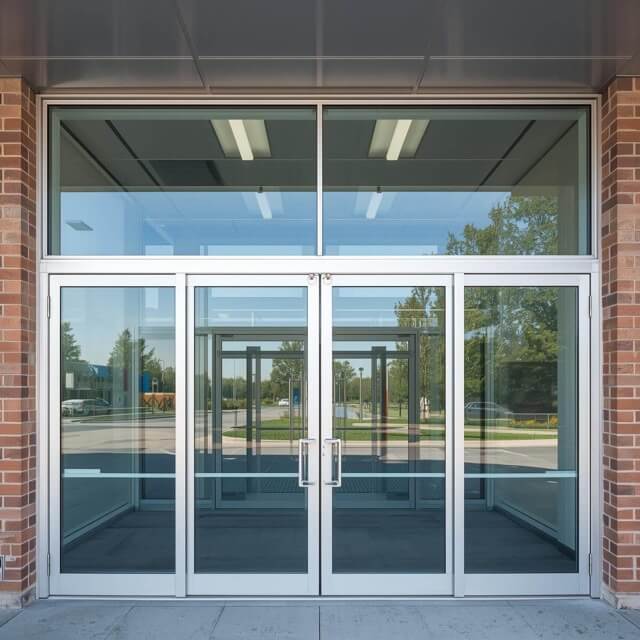
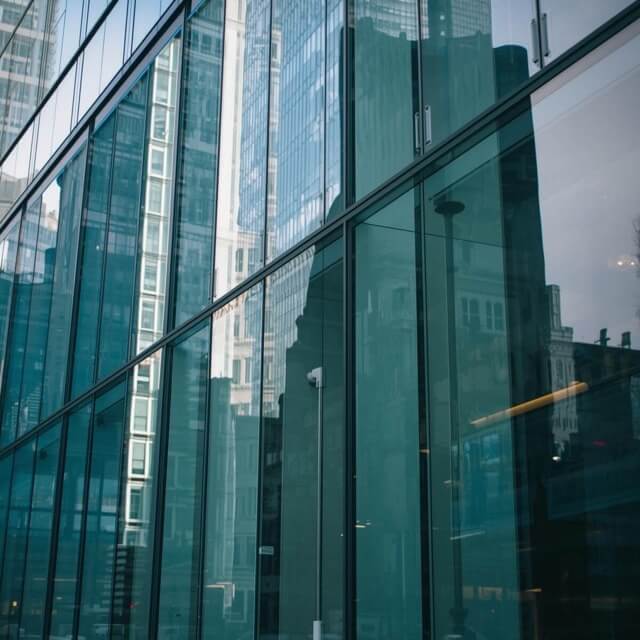
There is no such thing as bulletproof film for windows that can stop bullets when applied to standard window glass. This direct statement contradicts what many property owners believe after encountering marketing materials for “ballistic window film” or “bullet resistant window film,” but the physics and industry testing are unambiguous on this point.
This article covers what security window film can and cannot do, the alternatives available for genuine ballistic protection, and how to set realistic expectations when evaluating security products for your building. The scope includes technical standards, cost comparisons, and practical guidance for making informed decisions—while clearly distinguishing between safety glazing and true bullet resistant glass systems.
Property managers, school administrators, and business owners seeking window security solutions represent the primary audience for this information. Whether you’re responding to security concerns at government buildings, protecting retail storefronts from break ins, or evaluating options to help prevent active shooter situations at schools, understanding the actual capabilities of available products is essential.
Early answer: Security window film improves glass safety by holding broken glass together and delaying forced entry, but it cannot stop bullets. True ballistic protection requires specialized ballistic-rated glass or glazing systems that have been independently tested to standards like UL 752.
Key takeaways from this article:
- Why “bulletproof film” doesn’t exist and how the misconception developed
- What security film actually provides: fragment containment, forced entry delay, and protection against vandalism and extreme weather
- How UL 752 ballistic standards define real bullet resistant window protection
- Cost and performance comparisons between film, ballistic glass, and combined systems
- How to assess whether your building needs ballistic protection or if security film is sufficient
Understanding the Bulletproof Film Myth
The term “bulletproof film” persists despite having no basis in product performance or industry standards. Understanding how this misconception developed helps explain why so many customers remain confused about what protection they’re actually purchasing.
Origins of the Bulletproof Film Misconception
The confusion largely stems from security film being used in conjunction with actual ballistic glass systems. When bullet resistant glass is installed, manufacturers often add a film layer on the interior surface to control spalling—the dangerous spray of glass fragments that occurs when a bullet strikes the protected side. This film serves as a clear shield against flying shards, not against the bullet itself.
Marketing materials that describe products as “ballistic film” or suggest “bullet resistance” compound the problem. Demonstration videos often show film applied to thick laminated glass or specially constructed assemblies, creating exaggerated expectations. When the same film is applied to standard window glass in most cases, it provides no meaningful protection against ballistic threats.
The International Window Film Association explicitly states that window films are not intended to provide ballistic resistance. Leading manufacturers like 3M make similar disclaimers, yet the misconception persists among customers who see dramatic impact demonstrations without understanding the substrate beneath the film.
What Physics Tells Us About Film Thickness
Security films are measured in mils (thousandths of an inch)—commonly 4 mil, 8 mil, or 12 mil for residential and commercial applications. Even thick security films rarely exceed 20 mils. To understand why this matters, consider what’s required to stop bullets.
UL 752 Level 1 protection (against 9mm handgun rounds) requires glazing assemblies typically 1 to 1.5 inches thick, combining multiple glass plies with polymer interlayers. Level 4 protection against rifle rounds requires assemblies 2 inches or more. A 20-mil film is approximately 0.02 inches—roughly 1% of the thickness needed for basic handgun protection.
The physics are straightforward: stopping a bullet requires sufficient mass and energy absorption capacity to dissipate the projectile’s kinetic energy. Film materials, regardless of their tensile strength, simply cannot provide the structural depth necessary for ballistic resistance. What they can do—and do well—forms the subject of the next section.
What Security Window Film Actually Provides
Understanding what security window film actually accomplishes helps set appropriate expectations and identify situations where film represents an effective solution.
Glass Fragment Containment
When glass breaks from impact, storm debris, vandalism, or accidents, security film holds the broken glass pieces together rather than allowing dangerous shards to scatter. This fragment containment represents the primary safety benefit of window film installation.
Flying glass causes a significant percentage of injuries during break ins, extreme weather events, and even accidental impacts. By keeping broken glass adhered to the film, the risk of lacerations and eye injuries drops substantially. This protection applies in schools, offices, retail environments, and any space where people might be near window glass during an impact event.
Some premium security film products include anti-spalling interlayers specifically designed to minimize fragment release. This same principle applies when film is added to ballistic glass—the film controls interior spalling even though the underlying glazing provides the actual bullet resistance.
Forced Entry Delay
Security film makes glass harder to break through cleanly. Instead of shattering into an opening that intruders can immediately access, filmed glass fractures but remains bonded together, requiring sustained effort to gain entry.
Testing and field reports suggest security film can delay entry by 30 to 60 seconds under typical forced entry attempts, depending on film thickness, glass type, and installation quality. While this may sound modest, those seconds matter: alarm systems activate, occupants can react, and many criminals abandon attempts when entry takes too long.
However, film does not prevent entry—it only delays it. Someone determined to gain access through glass doors or windows will eventually succeed. The strategic value lies in buying time for response, not in creating an impenetrable barrier.
Additional Security Benefits
Beyond fragment control and entry delay, security window film provides protection against several common threats to property and safety:
Vandalism protection: Film makes glass more resistant to scratching, etching, and impact damage. Graffiti applied to filmed glass can often be removed by replacing the film rather than the entire pane.
Storm and debris protection: During extreme weather, wind-borne debris striking windows creates dangerous interior conditions. Film helps the glass stay intact, maintaining the building envelope even when the glass itself cracks.
UV protection: Most security films block up to 99% of ultraviolet radiation, protecting interior furnishings from fading and reducing occupant exposure.
Privacy options: Some security film products include tinting or reflective properties that limit visibility into the space while maintaining outward views.
These benefits make security film valuable for many commercial and residential applications—but none of them address ballistic threats.
True Ballistic Protection: Beyond Window Film
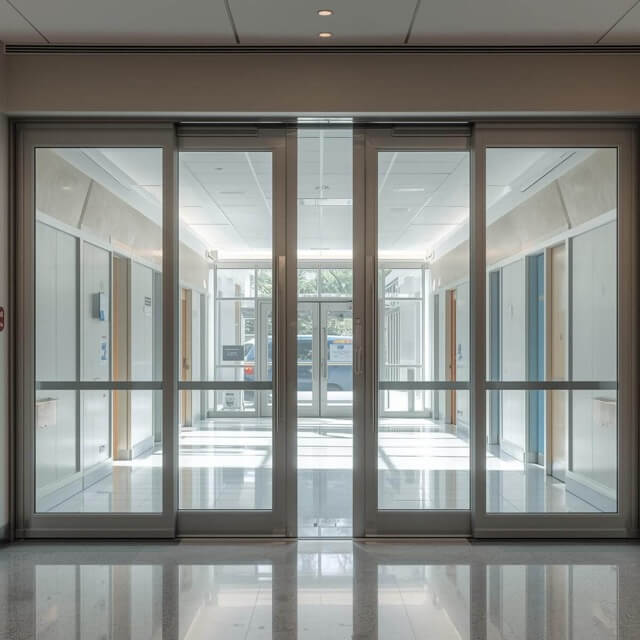
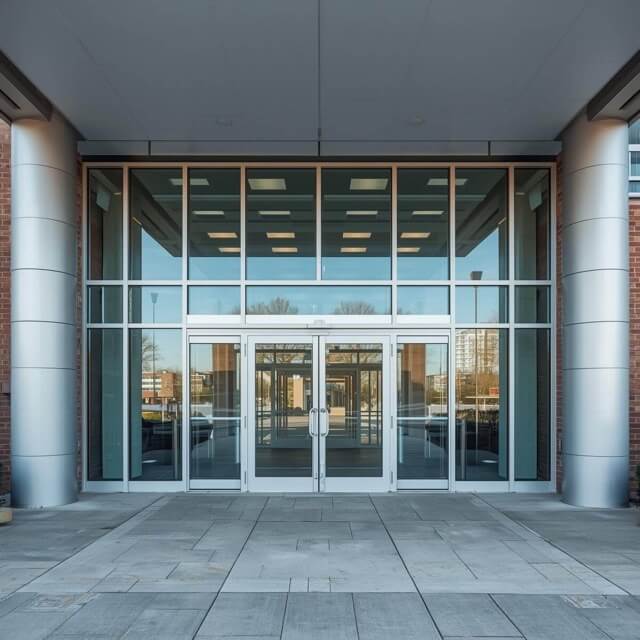
When the threat assessment identifies genuine ballistic attacks as a concern, the conversation must shift from film to specialized glazing systems designed and tested to stop bullets.
UL 752 Ballistic Standards and Testing
UL 752 is the primary standard in the United States for evaluating bullet-resisting equipment, including glazing, doors, and protective barriers. The standard defines eight protection levels, each specifying ammunition type, bullet weight, velocity, and the number of shots the material must stop without full penetration.
Level 1 requires stopping three shots of 9mm full metal jacket ammunition (124 grains at approximately 1,175-1,295 feet per second). This level addresses common handgun threats.
Level 2 addresses .357 Magnum rounds (158 grains at approximately 1,250-1,375 fps), while Level 3 covers .44 Magnum.
Levels 4-8 progress to rifle rounds, with Level 4 addressing .30-06 soft-point ammunition and higher levels covering military rifle calibers at increasing shot counts and velocities.
Testing includes the complete assembly: glazing, frame, anchoring, and sealing. A glazing material that stops bullets means nothing if the frame fails or the panel breaks free from its mounting. This system approach explains why film applied to existing glazing frame assemblies cannot achieve these ratings—the underlying glass and framing were never designed for ballistic resistance.
Ballistic-Rated Glazing Options
Several material types provide genuine ballistic protection when properly specified and installed:
- Laminated ballistic glass combines multiple glass plies bonded with polymer interlayers such as PVB or polyurethane. These assemblies maintain the clear, architectural appearance of traditional glazing while achieving UL 752 ratings. Typical thicknesses range from 1-3/16 inch for Level 1 to over 2 inches for rifle-rated systems.
- Polycarbonate shields and retrofit systems offer high impact resistance at lower weight than glass-based systems. Pure polycarbonate panels require scratch-resistant coatings and UV protection but work well for interior security barriers and retrofit applications where weight is a concern.
- Glass-clad polycarbonate (GCP) represents the premium option for exterior installations, combining glass surfaces for scratch resistance and weather durability with a polycarbonate core for energy absorption. These hybrid systems achieve excellent ballistic resistance at lower weight than all-glass assemblies.
- Acrylic options serve limited interior applications where cost matters and threat levels are lower. Acrylic provides less durability than polycarbonate and rarely achieves ratings beyond UL 752 Level 2.
Combining Security Film with Ballistic Glass
For installations requiring both ballistic protection and maximum occupant safety, combining security film with ballistically rated glass creates a layered security approach. The ballistic glass stops the projectile; the interior film controls spalling that might otherwise injure people on the protected side.
| Protection Method | Ballistic Resistance | Fragment Control | Cost |
|---|---|---|---|
| Security Film Only | None | Excellent | Low ($8-20/sq ft) |
| Ballistic Glass Only | High (per rating) | Good | High ($30-350+/sq ft) |
| Combined System | High | Excellent | Moderate Premium |
This combination makes particular sense in schools, government buildings, and commercial spaces where both ballistic attacks and everyday safety hazards (accidents, vandalism, break ins) require attention. The film adds minimal cost to a ballistic glazing installation while significantly improving interior fragment control.
Understanding when combined systems make sense requires first addressing the misconceptions that lead many buyers to believe film alone provides adequate protection.
Common Misconceptions and Realistic Solutions
Widespread confusion in the market leads to poor purchasing decisions and, more dangerously, a false sense of security. Addressing these misconceptions directly helps customers make informed choices.
“All Security Film Provides Ballistic Protection”
Only ballistically rated glass stops bullets. No standalone film applied to existing window or door glass has achieved certification under UL 752 or equivalent standards for stopping ammunition.
When evaluating products marketed with terms like “ballistic” or “bullet resistant,” demand specific documentation: independent test reports, the standard used (UL 752, EN 1063), the protection level achieved, and confirmation that testing covered the complete assembly (glazing plus frame). Products claiming ballistic performance without this documentation should be viewed skeptically.
The distinction matters beyond marketing accuracy. Institutions that install security film believing they’ve addressed active shooter situations may face both safety consequences and liability exposure when the product fails to perform as expected.
“Thicker Film Equals Better Bullet Resistance”
Film thickness affects durability, impact resistance, and forced entry delay—not ballistic performance. A 20-mil film outperforms an 8-mil film at holding broken glass together and slowing intruders trying to gain entry. Neither film stops bullets.
Increasing film thickness beyond a certain point brings diminishing returns and potential drawbacks: reduced optical clarity, increased installation difficulty, higher risk of edge lifting, and greater cost. For forced entry delay and fragment containment, mid-range thicknesses (8-14 mil) often provide the optimal balance for commercial applications.
“Professional Installation Doesn’t Matter for Security”
Installation quality determines whether security film performs to specification or fails prematurely. Proper anchoring, edge sealing with structural glazing tape, and correct adhesive application directly impact how well the film holds glass during impact.
Industry estimates suggest over 60-70% of field failures trace to installation problems rather than material defects. Air bubbles, inadequate edge sealing, and improper surface preparation all compromise performance. For ballistic glazing, the stakes increase further—frames must be designed and tested as part of the system, with appropriate anchoring and sealing to handle the energy transfer when the glazing is struck.
Security professionals consistently recommend professional installation by certified contractors, particularly for applications where the security film is expected to delay entry or protect occupants during impact events.
Conclusion and Next Steps
Security window film enhances building safety by containing broken glass fragments and delaying forced entry—valuable capabilities for protecting property and occupants from vandalism, break ins, extreme weather, and accidents. However, no film applied to standard window glass provides ballistic protection. True bullet resistant window systems require specialized glazing assemblies that have been independently tested to standards like UL 752.
Immediate next steps for decision-makers:
- Assess your actual threat level—what specific risks does your building face?
- Consult security professionals who can evaluate your needs objectively
- For any product claiming ballistic performance, request independent testing documentation including the standard used, protection level achieved, and assembly tested
- Get multiple quotes that clearly specify materials, installation methods, and warranties
Related topics worth exploring include comprehensive building security assessments (window protection is one component of overall security), emergency response planning for active shooter situations, and insurance considerations—some policies offer premium reductions for certified security glazing while others may require specific protection levels for coverage.
Frequently Asked Questions
Is there any window film that can actually stop bullets?
No standalone window film can stop bullets when applied to standard architectural glass. Films may help control spalling (fragment spray) on ballistic-rated glass systems, but the underlying glazing—not the film—provides the actual ballistic resistance. Any product marketed as “bulletproof film” for application to existing glass should be verified against independent testing documentation; in most cases, such claims cannot be substantiated.
How much does real ballistic window protection cost compared to security film?
Security window film typically costs $8 to $20 per square foot installed, depending on film thickness and application complexity. Bullet resistant glass systems range from $30 to $350+ per square foot, with premium rifle-rated assemblies reaching $500 or more. The cost gap reflects fundamentally different levels of protection—film provides safety glazing benefits while ballistic glass actually stops projectiles.
Can security window film be installed on existing windows for some protection?
Yes, security film can be retrofitted to existing glass and provides meaningful benefits: better fragment containment when glass breaks, delay against forced entry attempts, and protection against vandalism and storm damage. However, the overall performance depends on the existing glazing frame, glass type, and installation quality. Retrofit film cannot transform existing window glass into bullet resistant glass—that requires complete glazing replacement with ballistically rated materials.
What should I look for when evaluating ballistic glass products?
Key factors include: certification under recognized standards (UL 752 in the U.S., EN 1063 in Europe); clear specification of the threat level addressed (which calibers, how many shots, at what velocities); composition details (laminated glass, polycarbonate, glass-clad polycarbonate); spall control provisions; frame and installation requirements; and independent test reports—not just manufacturer claims. Request documentation showing testing of complete assemblies, not just glazing materials.
How do I know if my building needs ballistic protection or if security film is sufficient?
Conduct a formal threat assessment considering: geographic location and local crime patterns; building type and visibility (schools, government buildings, and high-profile businesses face different risks than typical commercial properties); occupant density and vulnerability; asset value; and history of incidents. For general property protection against break ins, vandalism, and accidents, security film often provides sufficient benefit at reasonable cost. For buildings facing credible threats from active shooter situations or other ballistic attacks, proper ballistic glazing becomes necessary despite the higher investment.
What’s the difference between interior and exterior ballistic protection installations?
Exterior installations must handle UV exposure, weather, temperature cycling, and potential blast pressure in addition to ballistic threats. These systems typically use glass-clad polycarbonate or heavy laminated assemblies with robust weathersealing and fire-rated frames where required by code. Interior applications (security partitions, transaction windows, internal barriers) can use lighter materials like polycarbonate panels since weather resistance matters less—but optical clarity and scratch resistance become more important for daily use. Exterior systems generally cost more due to thicker materials, more complex framing, and additional sealing requirements.