- Introduction
- Understanding Riot Glass and Its Pricing Structure
- Key Factors That Affect Riot Glass Costs
- Ballistic Resistant Glass: Premium Protection and Pricing
- Detailed Riot Glass Pricing Breakdown and Comparisons
- Common Cost-Related Challenges and Solutions
- Conclusion and Next Steps
- Frequently Asked Questions About Riot Glass Costs
Introduction
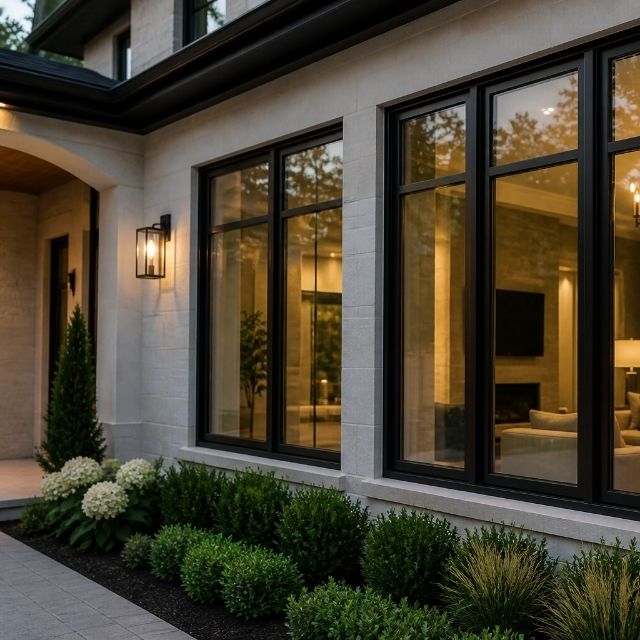
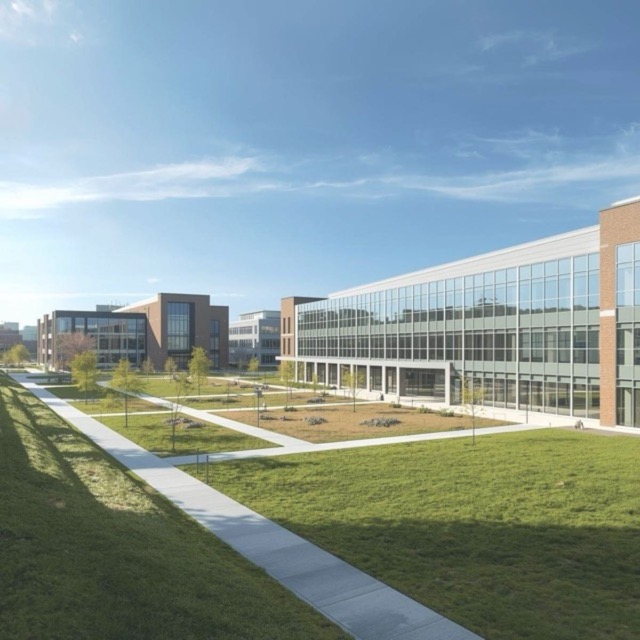
Riot glass typically costs between $40 and $100 per square foot installed, depending on protection level, project size, and installation complexity. This comprehensive guide addresses the pricing concerns property owners and security professionals face when evaluating protective glass systems for commercial properties, retail storefronts, and government buildings.
This guide covers material costs, installation fees, factors affecting pricing, and detailed cost comparisons to alternatives like security window film and ballistic glass. Content focuses specifically on riot glass pricing—not general security systems or unrelated glazing products. Property managers, business owners, and security professionals evaluating riot glass investments will find actionable data to inform purchasing decisions. Customers benefit from riot glass installations by improving their property’s security and aesthetics without compromising visual appeal.
Direct answer: Riot glass typically costs $40-$100 per square foot installed, with total project costs ranging from $15,000-$50,000+ for commercial properties depending on square footage, protection level, and installation requirements.
By reading this guide, you will:
- Understand the specific factors that drive riot glass pricing up or down
- Compare costs accurately against security film, steel panels, and ballistic glass
- Calculate total project investment including hidden costs most people overlook
- Evaluate cost-effectiveness based on your property’s security needs
- Make informed decisions about protection levels and vendor selection
Understanding Riot Glass and Its Pricing Structure
Riot glass refers to laminated security glazing products that combine alternating layers of glass and polycarbonate to create impact-resistant windows and doors. Unlike standard glass, riot glass makes forced entry attempts extremely difficult by maintaining structural integrity under repeated blows from bricks, hammers, or other common burglary tools.
The added layer of polycarbonate and glass in riot-resistant glass provides enhanced security and durability compared to standard glass, offering improved protection against intruders and vandalism.
Understanding the cost structure requires examining how these advanced materials and manufacturing processes translate into per-square-foot pricing for property owners.
Material Cost Components
The core material expense for riot glass comes from three primary components: polycarbonate sheets, laminated glass layers, and specialty adhesives that bond these materials into a unified panel.
Glass clad polycarbonate systems use high-grade ArmorPlast or similar polycarbonate cores sandwiched between tempered, annealed, or heat-strengthened glass. A 0.500-inch thick, 3-ply polycarbonate laminate weighs approximately 3.3 pounds per square foot and provides roughly 83% light transmission. Material-only costs typically range from $30-$60 per square foot for non-ballistic forced entry protection, increasing to $75-$150+ per square foot for ballistic ratings.
Special coatings add further expense: low-iron glass for enhanced clarity, tinted options for UV protection, anti-graffiti finishes, and low-E coatings for energy efficiency all increase the base material cost by $5-$20 per square foot.
Manufacturing and Customization Factors
Custom sizing significantly impacts riot glass pricing. Standard panel dimensions keep costs lower, while oversized panels (some systems accommodate up to 128 inches by 300 inches) require special handling, transport, and manufacturing tolerances that drive prices upward.
Thickness variations ranging from approximately 3/8 inch to over 1.25 inches correspond directly to protection levels. Each additional layer of glass and polycarbonate increases material weight, manufacturing complexity, and installation difficulty. Projects requiring non-standard shapes, curved panels, or integration with existing windows often pay 20-40% premiums over standard rectangular installations. For larger commercial projects or high-impact areas, custom solutions are often required to ensure optimal protection and performance.
These material and customization factors establish the baseline from which specific cost variables determine your final investment.
Key Factors That Affect Riot Glass Costs
Building on the material components discussed above, several project-specific variables determine where your installation falls within the $40-$100+ per square foot range.
Glass Thickness and Protection Level
Protection levels create the most significant cost differentiation in riot glass pricing:
Level 1 Protection ($40-60 per square foot installed): Provides forced entry resistance against smash and grab burglaries using common tools. Panels typically measure 1/2 to 3/4 inch thick. Suitable for retail storefronts in moderate-risk areas where traditional glass has proven vulnerable.
Level 2 Protection ($60-80 per square foot installed): Offers enhanced impact resistance with thicker laminated structure, typically 3/4 to 1 inch. Designed for high risk areas with repeated break in attempts or properties protecting valuable assets.
Level 3+ Protection ($80-100+ per square foot installed): Includes UL 752-rated panels with bullet resistance against specific calibers. These systems often exceed 1 inch thickness and require specialized framing. Government buildings, financial institutions, and security-critical applications typically require this level.
Project Size and Square Footage
Volume significantly affects per-square-foot pricing through manufacturing and installation efficiencies:
- Small projects under 100 square feet: Expect premium pricing of 15-25% above standard rates due to minimum order requirements, setup costs, and proportionally higher labor expenses
- Mid-size projects (100-500 square feet): Fall within standard pricing ranges with moderate negotiation flexibility
- Large projects over 500 square feet: Often qualify for volume discounts of 10-20%, as manufacturers and installers achieve economies of scale
A 200 square foot storefront might pay $55 per square foot installed, while a 600 square foot project could negotiate closer to $45-$50 per square foot for equivalent protection levels.
Installation Method and Complexity
Installation labor costs vary substantially based on whether you’re retrofitting existing glass or installing during new construction:
Retrofit installation typically costs $15-25 per square foot in labor. This includes removing existing windows, potential frame modifications, structural assessments, and adapting to site-specific conditions. Retrofit projects often reveal unexpected complications requiring structural reinforcement at vulnerable entry points.
New construction installation costs $10-20 per square foot for labor, as frames and openings are designed to accommodate the heavier, thicker riot glass panels from the outset. No removal or modification work is required.
Additional complexity factors include high-elevation installations requiring specialized equipment, curved or irregular openings, integration with existing security systems, and access restrictions in occupied buildings.
Installing riot glass correctly is crucial to ensure optimal security, durability, and safety benefits for both residential and commercial properties.
These cost drivers combine to create the total cost you’ll encounter in vendor quotes.
Ballistic Resistant Glass: Premium Protection and Pricing
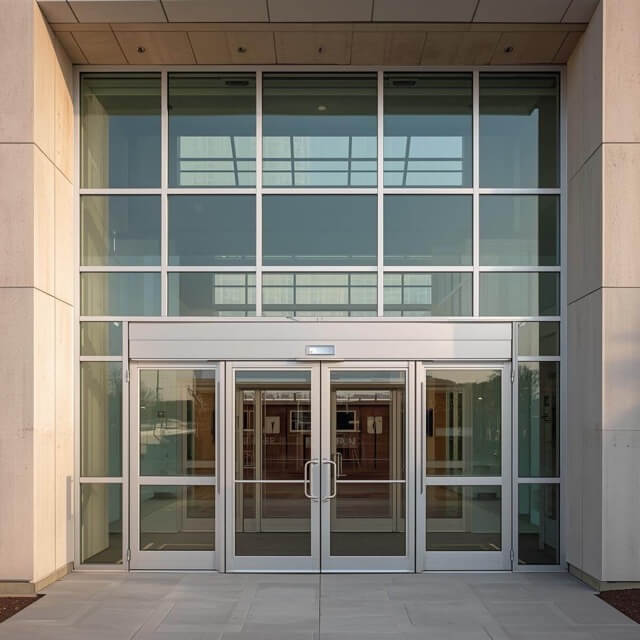

Ballistic resistant glass, often referred to as ballistic glass or bulletproof glass, represents the highest standard in security glass solutions for property owners facing elevated security needs. Engineered to withstand ballistic threats such as gunfire and explosions, this advanced protective glass is a top choice for government buildings, commercial properties, and any location in high risk areas where the safety of valuable assets and occupants is paramount.
Constructed from multiple layers of laminated glass and glass-clad polycarbonate, ballistic resistant glass offers excellent protection against forced entry attempts and smash and grab burglaries. Unlike standard glass, which shatters easily under impact, the laminated structure of ballistic glass absorbs and disperses energy, holding together even when struck repeatedly. This makes it extremely effective at preventing break ins and minimizing property damage, while also reducing the risk of injury from broken glass.
When it comes to pricing, ballistic resistant glass is a premium investment. Costs typically range from $50 to $200 per square foot, depending on the required level of bullet resistance, the size and thickness of the panels, and the complexity of the installation. While this is higher than standard riot glass or security window film, the security benefits are unmatched—especially for properties that cannot afford to compromise on protection.
One of the standout features of ballistic resistant glass is its ability to deliver robust security without sacrificing visual appeal. The panels are virtually invisible once installed, maintaining the curb appeal and natural light of your windows and doors. This makes ballistic glass an ideal solution for commercial properties and government buildings that need to balance aesthetics with security. Additionally, ballistic glass can often be retrofitted into existing windows and doors, providing a cost effective upgrade path for property owners who want to enhance protection without a full replacement of their existing glass.
Beyond its core security function, ballistic resistant glass can be customized with additional features such as UV protection, noise reduction, and energy efficiency enhancements. These options not only help protect against forced entry and ballistic threats but also contribute to a more comfortable and energy efficient building environment.
Professional installation is essential for ballistic resistant glass to perform as intended. The installation process is more involved than with standard glass, often requiring specialized framing and anchoring systems to support the added weight and ensure the glass meets its rated protection level. Installation time varies based on project size and complexity, but property owners should expect several days for a typical retrofit or new installation.
In summary, ballistic resistant glass is the ultimate solution for property owners who require the highest level of protection against forced entry, smash and grab attacks, and ballistic threats. While the upfront cost per square foot is higher than other security glass options, the long-term security benefits, durability, and ability to maintain the building’s visual appeal make it a smart investment for high-risk, high-value properties. For those seeking peace of mind and uncompromising protection, ballistic resistant glass delivers a comprehensive, virtually invisible barrier that safeguards both people and property.
Detailed Riot Glass Pricing Breakdown and Comparisons
Combining material costs, protection levels, and installation variables provides a comprehensive view of actual project expenses. Unlike standard security films or tempered glass, riot glass is specifically engineered to withstand damage from riots and civil disturbances, making it a crucial security feature for high-risk environments. This added level of protection can justify the higher upfront investment for businesses or properties located in areas prone to unrest.
Complete Cost Calculation Example
Consider a typical 200 square foot retail storefront retrofit with Level 1-2 forced entry protection—representative of many commercial properties upgrading from regular glass after experiencing smash and grab burglaries.
- Material costs: 200 sq ft × $55/sq ft average = $11,000
- Framing upgrades: Reinforced aluminum framing and anchors = $3,000
- Installation labor: Removal of existing glass, panel installation, sealing = $4,000
- Permits and assessments: Structural assessment ($500-1,000), permit fees ($500-2,000) = $1,500
- Optional features: Anti-graffiti coating, tint = $2,000
- Total project cost: $21,500
This example demonstrates how a $55 per square foot material cost translates to approximately $107 per square foot when accounting for all project elements. Property owners should expect the total cost to run 50-100% higher than material-only quotes.
Cost Comparison to Security Alternatives
| Criterion | Riot Glass | Security Window Film | Steel Security Panels | Ballistic Glass |
|---|---|---|---|---|
| Cost per square foot | $40-100 installed | $8-20 installed | $25-40 installed | $150-300+ installed |
| Protection level | Excellent against forced entry | Delays entry 30-60 seconds | Strong deterrent, blocks visibility | Stop bullets at rated calibers |
| Aesthetics | Virtually invisible, maintains curb appeal | Film holds appearance, some shimmer | Industrial appearance, sacrificing visual appeal | Thicker, may show tint |
| Installation time | 1-3 days for typical storefront | 4-8 hours per 100 sq ft | 1-2 days | 2-5 days |
| Maintenance | Minimal, 15-20 year lifespan | May need replacement every 10-15 years | Periodic mechanical checks | Minimal, long lifespan |
| Best application | Retail storefronts, commercial properties | Budget-conscious protection upgrade | After-hours security where visibility not needed | High-security applications requiring bullet resistance |
Security film offers a cost effective entry point at $8-20 per square foot, but provides substantially less protection than riot glass—the film holds broken glass together and delays intrusion rather than preventing it entirely. Most people considering security upgrades find riot glass delivers superior value when factoring in actual protection against break ins.
Steel panels provide excellent protection at lower cost but eliminate the visual appeal that retail businesses depend on for customer attraction. Ballistic glass becomes necessary only when threats extend beyond forced entry to actual gunfire—at two to three times the cost of standard riot glass.
This analysis helps property owners match security solutions to their actual threat profile and budget constraints.
Common Cost-Related Challenges and Solutions
Property owners frequently encounter specific obstacles when budgeting for and procuring riot glass installations.
Budget Constraints for Large Projects
Solution: Implement phased installation starting with the most vulnerable entry points—typically ground-floor windows and glass doors facing streets or parking areas. This approach spreads the total cost across multiple budget cycles while immediately protecting high risk areas. Some vendors offer financing options that allow spreading payments over 12-36 months, making $30,000+ projects manageable for small business owners.
Additionally, evaluate whether retrofit installation on existing windows can achieve adequate protection at lower cost than full window and frame replacement.
Hidden Installation Costs
Solution: Request detailed quotes that explicitly itemize structural assessments, frame modifications, permit fees, removal and disposal of existing glass, and any specialty hardware. Hidden costs frequently add $2,000-$8,000 to projects where vendors provided only material-plus-basic-labor estimates.
Require vendors to conduct on-site assessments before finalizing quotes, ensuring they identify frame reinforcement needs, anchor point requirements, and any building code compliance issues that affect final pricing.
Unexpected Price Variations Between Vendors
Solution: Develop standardized specifications listing exact protection levels, panel dimensions, coating requirements, and framing expectations before soliciting quotes. This ensures you’re comparing equivalent solutions rather than different protection levels presented at similar prices.
Obtain quotes from at least three qualified vendors with documented riot glass installation experience. Verify certifications, insurance coverage, and warranty terms. Price variations of 30-50% between vendors often reflect differences in product quality, installation expertise, or warranty coverage rather than genuine savings opportunities.
Informed decision-making requires understanding both transparent and hidden costs across all vendor options.
Conclusion and Next Steps
Riot glass costs $40-100 per square foot installed, with total project investments typically ranging from $15,000-$50,000+ for commercial properties. Your specific costs depend primarily on protection level, project size, and installation complexity—with customization, coatings, and geographic location creating additional variation.
Immediate next steps:
- Schedule a professional site assessment to identify vulnerable entry points and appropriate protection levels
- Request detailed quotes from three qualified vendors using standardized specifications
- Calculate ROI by comparing installation costs against potential property damage, insurance deductibles, and business interruption from break in attempts
- Evaluate phased installation options if budget constraints require spreading costs over time
Related topics worth exploring include insurance premium reductions for riot glass installations (some insurers offer 5-15% discounts), energy efficiency improvements from upgraded glazing systems, and integration with broader building security systems.
Frequently Asked Questions About Riot Glass Costs
What is the average cost per square foot for riot glass installation?
Riot glass typically costs $40-$100 per square foot installed, including materials and professional installation. Non-ballistic forced entry protection falls in the $40-$75 range, while ballistic-rated panels start at $75-$100+ per square foot. Geographic location affects labor costs by 10-25%, with urban markets and prevailing wage requirements increasing installation expenses.
How much does riot glass cost for a typical storefront?
Storefront costs scale with square footage and protection level:
- 150 square feet: $8,000-$15,000 total installed
- 300 square feet: $15,000-$25,000 total installed
- 500 square feet: $25,000-$40,000 total installed
These ranges assume Level 1-2 forced entry protection. Ballistic protection requirements can double these estimates.
Is riot glass more expensive than security window film?
Yes—riot glass costs 3-5 times more than security film on a per-square-foot basis. Security film runs $8-$20 per square foot installed, compared to $40-$100+ for riot glass. However, the protection levels differ substantially: security film delays forced entry for 30-60 seconds by holding broken glass together, while riot glass can prevent forced entry entirely under repeated blows. Properties facing serious smash and grab threats typically find riot glass provides superior protection value despite higher upfront costs.
What additional costs should I budget for riot glass installation?
Beyond material and basic installation costs, budget for:
- Permits: $500-$2,000 depending on jurisdiction and project scope
- Structural modifications: $1,000-$5,000 for frame reinforcement or anchor installation
- Site assessment: $500-$1,000 for professional evaluation
- Removal and disposal: $500-$1,500 for existing glass removal
- Annual maintenance: $200-$500 for inspection, sealant maintenance, and cleaning
Can I reduce riot glass costs with DIY installation?
Professional installation is required for riot glass—DIY installation is not recommended and typically voids manufacturer warranties. Riot glass panels are significantly heavier than standard glass (3+ pounds per square foot), require specialized handling equipment, and must be properly anchored to achieve rated protection levels. Improper installation can result in panel failure during forced entry attempts, creating safety hazards from broken glass and failing to protect your property and valuable assets. The right tools and expertise are essential for achieving the security benefits riot glass provides.
How do riot glass costs compare to replacing windows after break-ins?
Riot glass provides significant ROI when compared to repeated break-in costs. Average smash and grab incidents cost businesses $8,000-$12,000 per occurrence, including property damage, stolen inventory, window replacement, and business interruption. A single prevented break-in can offset a substantial portion of riot glass installation costs.
Insurance deductibles ($1,000-$5,000 typical), premium increases after claims, and customer confidence impacts add further costs that riot glass prevents. Properties experiencing multiple break in attempts often recover their riot glass investment within 1-3 years through avoided losses, while gaining ongoing security benefits and noise reduction for the 15-20 year product lifespan.