- The High Cost of Disruption and Operational Downtime
- Aesthetic Sacrifices and Compromised Architectural Vision
- Structural Limitations in Retrofit Applications
- An Engineered Alternative: The Rise of Retrofit Security Glazing
- What is Retrofit Security Glazing?
- How Retrofit Systems Address Forced Entry and Ballistic Threats
- Technical Comparison: Performance, Aesthetics, and Installation
- Polycarbonate Security Glazing vs. Traditional Laminated Glass
- Why Retrofit Systems Preserve Architectural Integrity
- Specifying Advanced Protection Without Compromising Design
- Conclusion: Reframing Your Search from Manufacturer to Solution
- Frequently Asked Questions
While the intent to create a secure barrier is sound, the execution of full window replacement is often a cascade of compromises. For architects and facility managers, what seems like a straightforward security upgrade quickly reveals itself to be a disruptive, expensive, and aesthetically damaging endeavor. The brute-force method of tearing out and replacing entire window systems is an outdated model that forces unacceptable trade-offs.
The High Cost of Disruption and Operational Downtime
The true cost of full window replacement extends far beyond the price of materials. The installation process itself is a major construction project, involving the complete removal of existing window frames and glazing. This work is noisy, dusty, and invasive.
For any active facility, whether a corporate office, school, or retail storefront, this translates directly into significant operational downtime. Sections of the building may need to be closed off for days or even weeks. This disrupts daily routines and can lead to lost revenue, reduced productivity, and a negative experience for occupants. The required logistical coordination is complex, and the potential for unforeseen delays and cost overruns is substantial.
Aesthetic Sacrifices and Compromised Architectural Vision
For architects, the aesthetic sacrifice is a significant compromise. Traditional bullet resistant glass is inherently thick, heavy, and optically imperfect. The multiple laminated layers of glass and polymer often create a noticeable green or yellow tint, distorting natural light and coloring the view.
The immense weight of these monolithic glass panes necessitates bulky, industrial-grade framing systems. These frames rarely align with the original design intent, clashing with the building’s architectural lines. Instead of seamless security, the result is a fortress-like aesthetic that can make a building feel institutional and unwelcoming. This visual compromise fundamentally alters the character of the space, sacrificing the very design vision it was meant to protect.
Structural Limitations in Retrofit Applications
The physics of full replacement present a formidable challenge, especially in existing buildings. Ballistic glass is exceptionally heavy, with some assemblies weighing 15 to 25 pounds per square foot or more. Most existing buildings were not designed to support this massive additional load on their facades.
Integrating heavy ballistic glass often requires significant and costly structural reinforcement of the window openings and surrounding wall. This may involve adding steel supports or modifying the building’s primary structure, introducing a new layer of complexity, engineering reviews, and expense. In many cases, particularly with historic or older buildings, the required structural modifications are simply not feasible.
An Engineered Alternative: The Rise of Retrofit Security Glazing
For architects and security directors, the traditional approach to ballistic protection has always presented a difficult choice. The process involves a complete and costly replacement of existing windows with heavy, multi-layered bullet resistant glass. This method is not only operationally disruptive but also frequently imposes severe aesthetic limitations.
A more intelligent and sophisticated solution has emerged. Instead of a brute-force replacement, advanced retrofit security glazing systems offer a paradigm shift, focusing on reinforcement rather than removal. This engineered approach provides robust protection against a spectrum of threats while preserving the building’s architectural integrity.
Shifting the Paradigm from Replacement to Reinforcement
The core innovation of retrofit security is the move away from the “rip and replace” model. Traditional bullet resistant glass requires demolishing existing window systems, which can involve structural modifications to the building envelope to support the immense weight of new glazing.
The reinforcement paradigm, by contrast, integrates with the existing structure. A custom-engineered system is mounted onto the interior or exterior of the current window frames, creating a protective buffer. This method respects the original design, causes minimal disruption, and leverages the existing glazing as part of a comprehensive security assembly. For architects, this means security no longer comes at the cost of design.
What is Retrofit Security Glazing?
Retrofit security glazing is a professionally installed, over-glazing system designed to protect existing windows and doors from forced entry and ballistic attack. It consists of a durable glazing sheet, typically a monolithic polycarbonate, which is anchored to the window frame using a patented, custom-extruded aluminum framing system.
This secondary system creates a cushion of air between the primary glass and the protective shield. When an attacker strikes, the outer shield absorbs and dissipates the impact energy, preventing a breach and keeping the original glass intact. It is a complete, engineered system, not simply a security film or a piece of plastic bolted to a wall.
The Patented Technology Behind Invisible Protection
The visual clarity of leading retrofit systems is a product of sophisticated engineering. A key challenge with any over-glazing solution is managing thermal pumping and moisture buildup between the glazing layers, which can lead to condensation and fogging.
Patented systems overcome this with a vented, stand-off design. The framing incorporates concealed micro-vents that allow the air gap to breathe, equalizing pressure and humidity with the building’s interior. This proprietary technology ensures the system remains optically clear and free of distortion in any climate, maintaining pristine views and high light transmission. The result is formidable protection that is virtually undetectable.
How Retrofit Systems Address Forced Entry and Ballistic Threats
The effectiveness of retrofit security glazing lies in its ability to counter different threats through engineered principles.
- Forced Entry: Against attacks with hammers, crowbars, or other heavy tools, the polycarbonate security glazing flexes upon impact, absorbing and dispersing energy across its surface. Compliant with standards like ASTM F1233, this prevents the glazing from shattering and creating an entry point, delaying attackers indefinitely.
- Ballistic Threats: When engineered for ballistic resistance, the system functions as the primary component in stopping a projectile. The bullet first penetrates the existing glass, which helps deform and slow the round. The polycarbonate shield then absorbs the remaining kinetic energy, capturing the bullet before it can enter the protected space. This multi-stage defense is highly effective at preventing penetration without dangerous spalling.
Technical Comparison: Performance, Aesthetics, and Installation
A technical analysis confirms the superiority of reinforcement in nearly every metric that matters to architects, security professionals, and building owners. When compared directly to traditional replacement bullet resistant glass, retrofit systems demonstrate clear advantages in performance, installation efficiency, and aesthetic preservation.
How Do Ballistic Ratings (UL 752) Compare?
A common misconception is that retrofit solutions offer a lower level of protection. This is incorrect. Premium retrofit systems like BulletShield are independently tested and certified to meet the same stringent Underwriters Laboratories (UL) 752 standards for ballistic resistance as conventional bullet resistant glass.
These systems are available to meet all levels of threat protection, from handguns to high-powered rifles. For example:
- UL 752 Level 1: Protects against medium-power handguns (e.g., 9mm).
- UL 752 Level 3: Protects against super-power handguns (e.g., .44 Magnum).
- UL 752 Level 8: Protects against high-power rifles (e.g., 7.62mm).
This parity in certified performance means choosing a retrofit system involves no compromise on safety. The building and its occupants receive the specified level of ballistic protection, validated by the industry’s most trusted third-party testing agency.
Polycarbonate Security Glazing vs. Traditional Laminated Glass
The materials themselves account for significant differences. Traditional bullet resistant glass is a heavy laminate of glass and polymer interlayers. Retrofit systems predominantly use polycarbonate.
Laminated glass is extremely heavy and rigid, requiring heavily reinforced frames. Upon ballistic impact, it can create spall, where fragments of glass are ejected from the “safe side” at high velocity, creating a secondary hazard.
Polycarbonate, by contrast, is approximately 250 times more impact-resistant than glass at a fraction of the weight. Its inherent flexibility allows it to absorb and dissipate energy from ballistic and physical attacks more effectively. This material strength means a thinner, lighter-weight sheet can often provide a higher level of protection, all while eliminating the risk of spalling.
Analyzing Installation: Weeks of Disruption vs. Days of Integration
The difference in installation is one of the most compelling advantages of retrofit security glazing. Traditional replacement is highly disruptive, requiring the removal of existing windows and frames. It generates significant noise and debris, often necessitating temporary closures and extensive structural work. A typical project can take weeks or even months.
A retrofit system is integrated onto existing glazing with minimal disruption. Certified technicians can often complete the installation from the exterior during off-hours. There is no demolition, no structural rework, and no need to disrupt daily business. A project that would take weeks with traditional methods can be completed in days.
Visual Clarity and Light Transmission
For an architect, the aesthetic impact of a security solution is paramount. Modern retrofit systems excel in this area. Thick assemblies of traditional bullet resistant glass are notorious for their poor visual properties. They often exhibit a greenish tint, visible interlayers, and lower light transmission, which can darken interior spaces.
High-quality polycarbonate used in advanced retrofit systems offers superior optical clarity and light transmission, rivaling that of standard window glass. When combined with a patented venting system that prevents fogging, the result is a security barrier that preserves the original architectural vision. The protection is present and certified, but it does not compromise the experience of the space.
Why Retrofit Systems Preserve Architectural Integrity
For architects, the integrity of a design is paramount. Every line, material, and fenestration detail is a deliberate choice. The conventional approach to ballistic security forces a fundamental compromise on this vision, introducing bulky frames and thick, distorting glazing.
This is precisely why a growing number of security-conscious architects are turning to retrofit security glazing. These systems are an engineered enhancement, designed from the ground up to integrate with existing structures and offer formidable protection that respects the original architectural intent.
Engineered to be Virtually Invisible
The primary aesthetic advantage of a high-performance retrofit system is its near-invisibility. A sheet of specialized, UV-coated polycarbonate is mounted on the interior or exterior of the existing glass, creating a protective air gap. This patented method allows the original glass to remain in place, maintaining the building’s intended appearance. The polycarbonate itself is optically clear, avoiding the visual distortion and potential delamination issues common in traditional security laminates.
Seamless Integration with Curtain Walls and Storefront Systems
Modern architecture relies heavily on aluminum curtain walls and storefronts. Replacing these systems to accommodate ballistic glass is a monumental undertaking.
Retrofit security glazing is engineered to avoid this. The custom-extruded aluminum framing of the retrofit system is designed to anchor directly onto existing mullions. This approach maintains existing sightlines, requires no structural demolition, and uses framing that can be finished to precisely match the color of the existing aluminum for a seamless transition.
Preserving Historical Details and Original Glazing
For projects involving historic buildings, original glazing is often an irreplaceable part of the structure’s character. Full replacement is an act of irreversible destruction in this context. Retrofit over-glazing provides a protective and preservation-minded solution. By installing the security shield on the interior, the original exterior glass is left completely untouched and protected from external threats.
Avoiding the “Fortress” Look in Modern Design
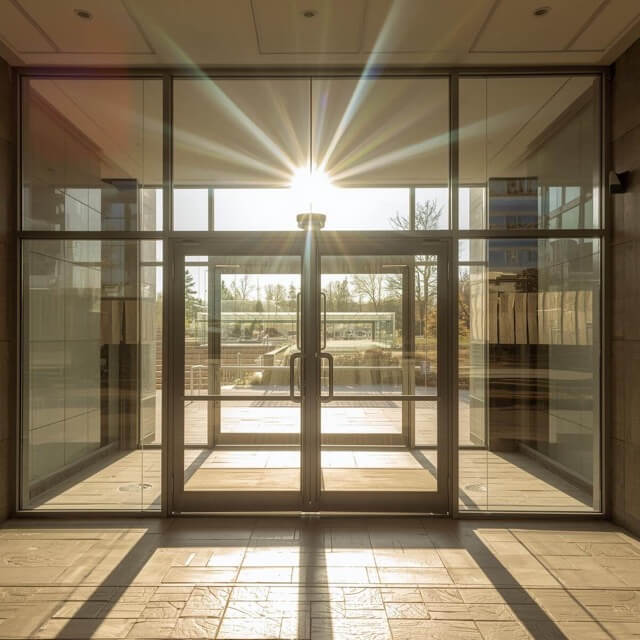
The goal of modern architecture is often to foster openness and transparency. Traditional security solutions work directly against this principle, creating a visible barrier that can make a building feel institutional. Retrofit systems allow you to specify robust, UL-rated ballistic protection without broadcasting its presence. A school, corporate headquarters, or high-end retail location can appear open and welcoming while discreetly housing a formidable layer of defense.
Specifying Advanced Protection Without Compromising Design
Understanding that a superior aesthetic option exists is the first step. The next is learning how to effectively integrate it into your project specifications. Instead of specifying a particular thickness of glass, you specify the threat level you need to defeat.
Integrating Retrofit Solutions into Architectural Plans
Bringing a retrofit security glazing solution into your plans is a straightforward process. The key is to engage with a solutions provider early in the design development phase. This allows for a collaborative process where the security system is integrated, not just added on. A qualified consultant can provide the necessary CAD details and technical specifications to ensure the system fits perfectly within your existing design parameters.
Evaluating Ballistic Rated Glass Alternatives
Not all systems described as “retrofit” are engineered to the same standard. When evaluating alternatives, it is essential to scrutinize the technical substance. Key evaluation criteria should include:
- System Patents and Engineering: Does the system use a patented design for energy dispersal and anchoring? A well-engineered system manages impact forces through the entire frame.
- Independent Third-Party Testing: Insist on current test certifications from accredited labs like UL Solutions. Verify that the entire system, including glazing, framing, and anchors, has been tested and passed.
- Material Quality: Specify high-optic-grade polycarbonate with a durable abrasion-resistant and UV-protective coating to prevent yellowing and premature wear.
The Total Cost of Ownership: A Smarter Calculation
A true financial analysis must account for the total cost of ownership, which overwhelmingly favors a retrofit approach. The bulletproof glass for buildings cost extends beyond materials to include demolition, structural engineering, labor, and business disruption. A retrofit system eliminates or drastically reduces these ancillary expenses, making it a smarter investment.
Full Window Replacement:
- High cost of laminated ballistic glass
- Demolition of existing windows and frames
- Significant labor costs for heavy systems
- Potential structural modification expenses
- High cost of business disruption and downtime
Retrofit Security Glazing System:
- Material cost of the over-glazing system
- Minimal labor costs for faster installation
- No demolition or structural modification costs
- No replacement of existing glass
- Minimal to no business disruption
When all factors are considered, an engineered retrofit system almost always represents a significantly lower total investment while providing equivalent or superior protection.
Partnering with a Technical Security Consultant
An architect’s expertise is in designing buildings, not in ballistics and forced entry mitigation. The most effective way to integrate advanced security is to partner with a specialized consultant. A true solutions partner will work with you to conduct a threat assessment, understand your goals, and help you engineer a solution tailored to your project. This ensures you specify the right level of protection for the right threats, all while ensuring the final installation is a seamless extension of your architectural vision.
Conclusion: Reframing Your Search from Manufacturer to Solution
Your initial search for bullet resistant glass manufacturers likely started with a straightforward goal: secure a building against ballistic threats. This search, however, is based on a limiting premise. It assumes the only viable path is the complete removal and replacement of your existing windows. The evidence shows this approach is disruptive, costly, and often aesthetically compromising.
The more precise question is, “What is the best engineered solution to protect my existing building envelope without sacrificing its design integrity?” This reframing shifts the focus from a single material to a complete, integrated system.
Key Takeaways: Aesthetics, Performance, and Cost-Effectiveness
A clear comparison emerges between traditional full-replacement methods and modern, patented retrofit security glazing.
- Aesthetics: Retrofit systems are designed to be virtually invisible, preserving the original architectural intent by integrating with existing framing and glass.
- Performance: An engineered retrofit system provides certified ballistic protection, meeting stringent standards like UL 752. It offers robust defense that often exceeds the strength of a simple glass-for-glass replacement.
- Cost-Effectiveness: Retrofitting eliminates the significant expenses of demolition, structural alterations, and operational downtime, delivering a superior security outcome at a fraction of the total project cost.
The Superiority of an Integrated, Engineered System
A traditional manufacturer provides a component, like a sheet of bullet-resistant acrylic. The responsibility then falls on the architect and contractor to integrate this component into a frame, a process that can introduce vulnerabilities.
A patented retrofit solution, such as BulletShield from Impact Security LLC, is fundamentally different. It is a complete, engineered system. This system includes the custom-fabricated security shield, a patented venting and anchoring mechanism, and a precise installation protocol. This holistic approach ensures the entire opening functions as a single, resilient unit designed to defeat ballistic and forced entry attacks.
Your Next Step: A New Standard for Threat Mitigation
The logical next step is to evolve your specification process. Instead of defaulting to the decades-old model of full replacement, consider a new standard for threat mitigation that prioritizes performance, integration, and design preservation. Specify a solution that is engineered to enhance your existing structures, not demolish them.
By focusing your search on integrated retrofit systems, you are choosing a path that respects your building’s design, your project’s budget, and your client’s operational needs. This modern approach delivers uncompromising security that is invisible, effective, and intelligently designed for the architectural challenges of today.
Frequently Asked Questions
What is the main difference between retrofit security glazing and traditional bullet resistant glass?
The primary difference is the installation method and its impact on the building. Traditional bullet resistant glass requires a full demolition and replacement of existing windows with heavy, thick glazing and bulky frames. Retrofit security glazing, a modern ballistic rated glass alternative, is an engineered system that mounts onto your existing window frames, reinforcing them without replacement, disruption, or aesthetic compromise.
Is retrofit security glazing as strong as replacement bullet resistant glass?
Yes. Leading retrofit systems from providers like Impact Security LLC are independently tested and certified to meet the same stringent UL 752 ballistic ratings as traditional replacement glass, from Level 1 (handguns) to Level 8 (high-power rifles). The choice of a retrofit solution involves no compromise on certified threat protection.
How does the cost of retrofit security glazing compare to full replacement?
When analyzing the total project, the bulletproof glass for buildings cost is significantly lower with a retrofit approach. While material costs can be comparable, retrofitting eliminates the substantial expenses of demolition, structural reinforcement to support heavy glass, extended labor, and operational downtime. This makes it a more cost-effective solution overall.
Will retrofit security glazing change the appearance of my building?
No. High-performance retrofit systems are engineered to be virtually invisible. They use optically clear polycarbonate and low-profile, color-matched framing that integrates seamlessly with existing curtain walls and storefront systems. Patented venting technology prevents fogging or condensation, ensuring the original architectural vision and sightlines are preserved.