Table of Contents
- Introduction: Learn why homeowners are searching and what this guide covers
- What “Bullet Proof” Really Means: Understand the limitations and terminology
- How Security Window Film Works: Discover actual protection mechanisms
- Bullet-Resistant Glazing vs. Film: Compare film vs. ballistic glass
- Best Use Cases & Placement: Find optimal installation locations
- How to Choose: Determine your best solution
- Installation & Costs: Learn 2026 pricing and process
- FAQs: Get answers to common questions
Disclaimer: The term ‘bulletproof glass’ is often misleading, as no glass or film combination can completely withstand every physical or ballistic attack. Instead, school and safety officials rely on high-grade bullet-resistant protective glazing and films designed to absorb severe impact, which can help slow, disrupt, or prevent forced entry during active shooter situations and buy vital time for first responders.
Introduction: Homeowners Searching for “Bullet Proof” Window Film
Since 2020, U.S. homeowners have increasingly searched for bullet proof window film for home protection. FBI data from 2020-2025 shows a 30% increase in violent crimes in suburban areas, and active shooter mitigation refers to techniques, materials, and security measures used to prevent and slow individuals attempting to harm people in populated areas with firearms.
Here’s the reality: true bulletproof film for regular residential glass does not exist as of 2026. There are two separate categories—security window film (for forced entry and impact resistance) and ballistic glazing (tested to standards like UL 752). This guide explains what film can actually do, when you need bullet resistant glass instead, and how to decide for your specific house.
What “Bullet Proof” Window Film Really Means (and Why the Term Is Misleading)
“Bullet proof window film” is a marketing phrase, not a tested ballistic rating. Here’s what you need to know:
- “Bullet proof” vs. “bullet resistant”: The first is colloquial; the second refers to tested performance. The UL 752 standard is the most widely known and respected standard of bullet resistance in the United States, used to evaluate the effectiveness of bullet-resistant materials.
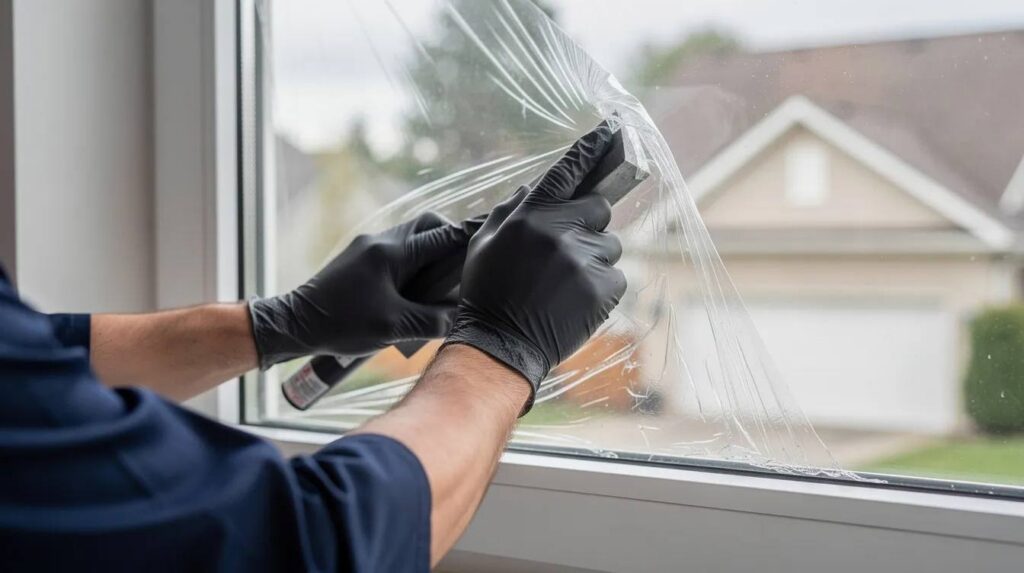
- Security window films (typically 4-14 mil thick) are designed to hold broken glass together and delay forced entry—not stop bullets
- Ballistic film is often misunderstood as being able to stop bullets, but it is primarily a thin layer applied to traditional glass that does not provide true ballistic protection
- As of 2026, no manufacturer publishes UL 752 ratings for film applied to typical residential double-pane units alone
- The myth arose partly because security film is sometimes used on bullet-resistant glass to control spalling
Even without stopping bullets, film significantly improves safety by holding glass fragments together during impacts, blasts, or severe weather.
How Security Window Film for Homes Actually Works
Standard security film available to homeowners in 2026 consists of multi-layer polyester laminates, typically ranging from 4 mil to 14 mil in thickness, with thicker films offering greater resistance to blunt force. High-quality window films can block up to 99% of harmful UV rays, protecting skin and preventing fading of interior furnishings.
When glass is struck by an object, safety films absorb and disperse kinetic energy over a wider area to reduce the chance of penetration. The structural integrity of safety films is enhanced by anchoring them to the window frame using structural silicone or proprietary tape.
Practical example: An intruder hitting a filmed patio door 10-20 times with a crowbar will be slowed substantially—often enough for alarms to trigger and police to respond.
While ballistic window film can help hold glass fragments together after a bullet impact, it does not prevent bullets from penetrating the glass, which can lead to serious injury. Some window films can reduce solar heat gain by approximately 30%, which can lower summer cooling costs.
Bullet-Resistant Glazing vs. Security Window Film for Home Use
This is the key decision point for homeowners concerned about firearms.
| Feature | Security Window Film | Bullet-Resistant Glazing |
|---|---|---|
| Primary Function | Delay forced entry, hold glass | Stop bullets |
| Thickness | 4-15 mil | 1-3 inches |
| Weight Impact | Minimal (<1 lb/sq ft) | Significant (50-300 lbs/sq ft) |
| Testing Standard | ASTM, EN 356 | UL 752 Levels 1-10 |
| Cost (2026) | $12-25/sq ft installed | $50-150/sq ft |
| Bullet-resistant glass is manufactured with materials such as acrylic, laminated polycarbonate, glass-clad polycarbonate, or all-glass laminate, specifically designed to stop bullets, and there are several bulletproof glass options for ultimate ballistic resistance depending on your threat profile and budget. For effective ballistic protection, bullet-resistant glass is necessary, as it is specifically designed to stop bullets, unlike ballistic film which is not rated for such protection. |
Security film is a thin, flexible retrofit layer applied to existing glass without major framing changes, but for higher-risk applications many property owners step up to DefenseLite security overglazing instead of traditional film. Security window film can help reduce the risk of spalling in bullet resistant products, but it does not provide bullet-stopping capabilities on its own when applied to regular window glass.
Best Residential Use Cases & Placement for “Bullet Proof” Window Film
Intruder deterrence can be enhanced by strengthening glass, significantly delaying potential break-ins. Focus on these vulnerable areas:
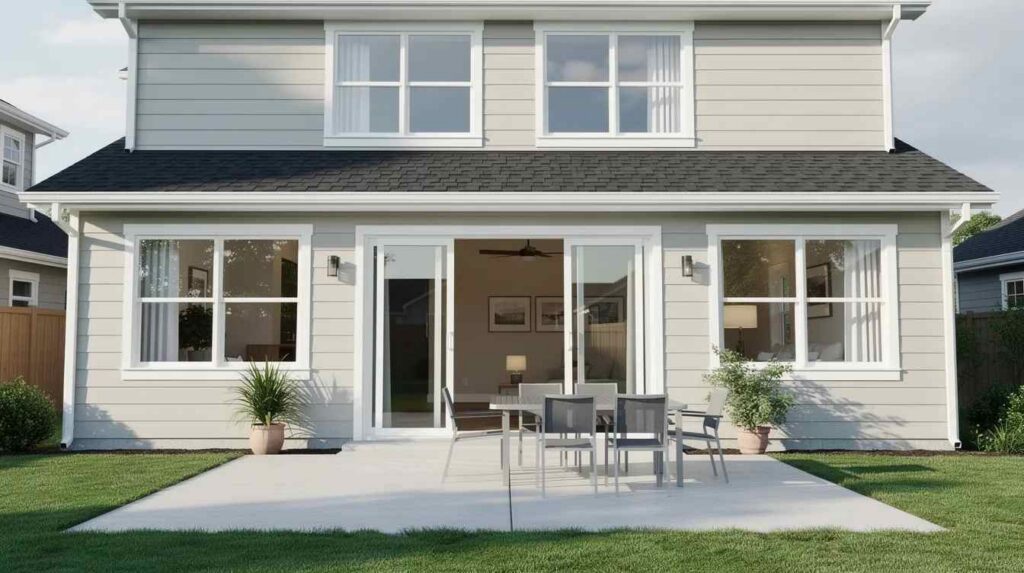
- Sliding glass doors: 60% of residential forced entries occur through these
- Ground-level windows near concealed areas (side yards, rear patios)
- Sidelights around the main entry doors where burglars can gain entry by reaching locks
- Basement walkout doors and garage man-doors with door glass
Example layout: A 1990s two-story suburban home with 10 main-level windows and 2 sliding doors—prioritize the 2 sliders, basement walkout, and front sidelights first. This approach can delay a typical smash-and-grab attempt long enough to gain access to safety while authorities respond.
How to Choose the Right Bullet-Resistant Solution for Your Home
Conducting a site assessment to identify weaknesses, such as unlocked doors and vulnerable glass, is a critical first step in preparing for an active shooter situation.
Simple decision framework:
- Smash-and-grab burglary concern: 8-12 mil security film plus frame anchoring on key windows and doors
- Targeted firearm threat: Ballistic glazing on entry doors and safe-room areas, with film elsewhere
- Storm/accident protection: Standard safety film on large glass panels
Reinforcing door and window glass with bullet resistant products such as BulletShield retrofit panels can effectively slow down an intruder, allowing more time for law enforcement to respond during an active shooter incident.
Look for manufacturer test reports with lab names and standards (EN 356, ASTM). Avoid marketing claims like “stops any handgun” without independently tested data.
Installation Process & Typical Costs in 2026
Professional installation quality heavily influences performance, and working with specialists in bulletproof windows, doors, and security window film ensures products are correctly matched to your threat level. The standard process includes:
- On-site measurement and glass inspection (tempered vs. annealed, existing windows condition)
- Surface preparation and cleaning
- Film application with slip solution, squeegeeing, edge trimming
- Optional structural attachment for enhanced protection
- Final inspection and homeowner walkthrough
2026 Cost Ranges:
- Security film (8-12 mil): $12-25 per square foot installed
- Ballistic glazing retrofits: Several hundred to several thousand per opening
- Typical warranties: 10-15 years on interior applications
A crew of 2-3 professionals can complete 10-20 openings in 1-2 days. DIY installation is possible for small panes but not recommended for serious security applications where professional bulletproof window and door solutions are more appropriate.
Why Choose Our Business for Home Security & “Bullet Proof” Window Film
Choosing the right installer matters as much as choosing the right product. We educate homeowners about what bulletproof window film can and cannot do—no overselling.
We work with multiple leading brands rather than a single manufacturer, matching film or glazing types to both security and aesthetic needs. Our process includes on-site assessment, written recommendations with line-item pricing, and post-installation support.
Contact us for a no-obligation home security glass assessment to review your most vulnerable windows and doors, similar to the thorough school security assessments for reinforcing window and door glass used in higher-risk facilities.
FAQs About Bullet Proof Window Film for Home
Does bullet proof window film really stop bullets? No. While ballistic film can help hold glass together after being shot, it does not stop bullets; only bullet-resistant glass is designed to provide that level of protection.
Can I make my existing double-pane windows bullet resistant by adding film? While security window film can delay forced entry and improve safety by holding glass shards together, it is not a substitute for bullet-resistant glazing when protection against ballistic attacks is required.
What thickness should I choose? Residential window films typically range from 4 mil to 14 mil in thickness. For security applications, 8-12 mil with structural anchoring provides optimal protection for most homes.
Will security film make my windows look darker? Clear films are nearly invisible once cured. Tinted options exist for privacy and glare control on exterior walls where aesthetics are less critical.
Is bullet proof windows overkill for suburban homes? Most homeowners choose security film plus quality alarms and commercial-grade locks. Ballistic panels and glazing are primarily for high-risk individuals, houses of worship, or other church and faith-based facility security situations, or limited special circumstances.
How long does window film last? Properly installed interior film typically lasts 15-20 years. Factors affecting durability include sun exposure and cleaning methods.
How much does a whole-home installation cost? For a typical 2,000 sq ft home with 15-20 openings, expect $5,000-15,000 depending on film type and attachment system. Contact us for a detailed quote.
How do I get started? Schedule an assessment, gather approximate window counts, and be prepared to discuss your priorities—whether that’s protecting against breaking and breach attempts, storms, or other threats—so we can determine tailored recommendations.