Table of Contents
- Introduction
- Understanding Tempered Glass Technology
- Tempered Glass Window Applications
- Installation and Customization Options
- Common Challenges and Solutions
- Cost Considerations and Value
- Conclusion and Next Steps
- Frequently Asked Questions
- Additional Resources
Introduction
Tempered glass windows are safety glass products created through a specialized heat treatment process that dramatically increases strength and changes how the glass breaks when damaged. This guide covers residential and commercial window applications, building code requirements, installation considerations, and the critical safety benefits that make tempered glass the standard for hazardous locations in modern construction.
Whether you’re a homeowner evaluating window upgrades, a contractor navigating code compliance, or a building manager responsible for occupant safety, understanding tempered glass properties helps you make informed decisions. Tempered glass is heat-treated to be 4–5 times stronger than regular glass, making it much safer when broken, as it shatters into small, dull cubes instead of sharp shards—a fundamental safety feature that protects people from serious injury.
By reading this guide, you’ll gain:
- Clear understanding of how the tempering process creates safer, stronger glass
- Knowledge of building code requirements and where tempered glass is mandatory
- Practical insights for installation, customization, and frame compatibility
- Cost considerations and long-term value analysis
- Guidance on when tempered glass is the ideal solution versus when alternatives apply
Understanding Tempered Glass Technology
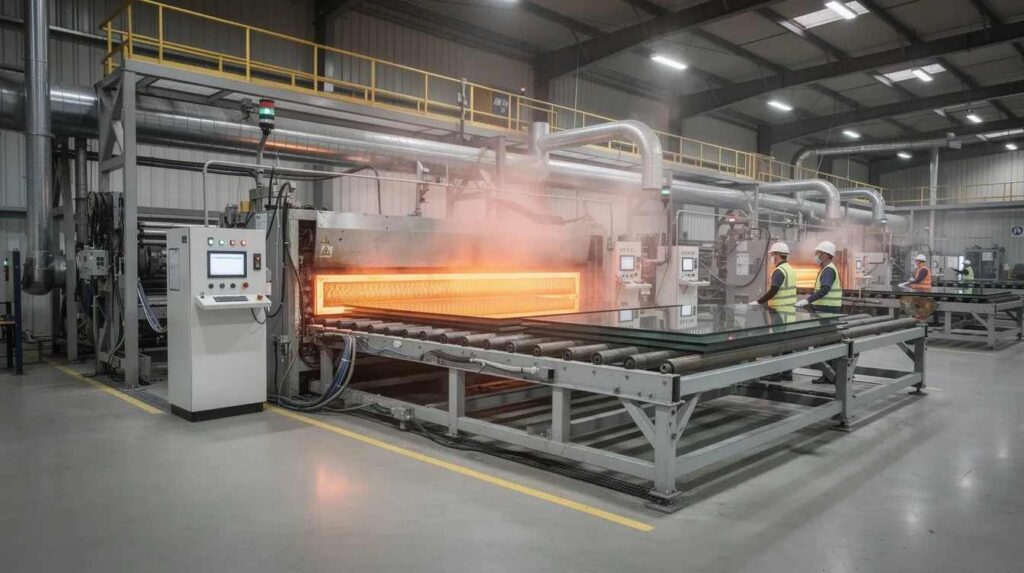
Tempered glass achieves its remarkable properties through precise thermal treatment. The tempering process involves heating the glass to extreme temperatures and then rapidly cooling it, which creates tension in the inner layers and compression in the outer layers, enhancing its safety features. This engineered stress profile transforms ordinary annealed glass into a safety glazing material suitable for demanding applications.
The Manufacturing Process
The manufacturing sequence begins with standard float glass that gets cut to exact size, edge-finished, and thoroughly cleaned. This preparation must happen before tempering because you cannot cut tempered glass after the heat treatment process—any attempt to cut, drill, or modify the glass afterward causes immediate shattering.
Once prepared, the glass enters a tempering furnace where it’s heated to approximately 1,100-1,200°F (600-620°C), well above its transition temperature. The heated glass then moves to a quenching station where high-pressure air jets rapidly cool the glass surfaces. This rapidly cooling process creates the critical stress differential: outer layers go into compression while the interior remains under tension.
The precise control of heating and cooling determines final strength. Thicker glass panels require longer heating times and more aggressive cooling to achieve uniform stress distribution. Variations in the process can cause optical distortion or surface waves, which is why working with certified manufacturers matters.
Safety Glass Properties
The strength increase from tempering is substantial. Fully tempered glass achieves minimum surface compressive stress of approximately 10,000 psi, with edge compression near 9,700 psi. This makes tempered glass roughly four to five times stronger than annealed glass in impact resistance and mechanical strength.
Beyond raw strength, tempered glass can withstand strong winds, direct blows, and impacts that would easily shatter standard glass. Additionally, tempered glass can withstand temperatures up to 470°F (240°C) and is resistant to thermal shock, unlike standard glass. This thermal resilience makes it suitable for locations subjected to direct sunlight, heating equipment proximity, or rapid temperature changes.
In the event of breakage, tempered glass crumbles into small, relatively harmless pieces, significantly reducing the risk of injury compared to regular glass, which shatters into sharp, dangerous shards. This fracture pattern—small, dull cubes rather than jagged shards—is the defining characteristic that qualifies tempered glass as safety glazing under building codes.
Quality Standards and Certifications
Every piece of tempered glass used in code-required safety glazing applications must meet established standards and bear permanent identification. The two primary standards governing safety glazing in the United States are:
CPSC 16 CFR Part 1201: This federal mandatory regulation establishes safety requirements for architectural glazing materials. Category I covers smaller panes (up to 9 square feet) tested at lower impact levels, while Category II applies to larger panes requiring higher impact resistance.
ANSI Z97.1: This voluntary consensus standard is widely adopted by building codes. Class A corresponds roughly to Category II, and Class B to Category I. Most building codes reference ANSI Z97.1 for determining acceptable safety glazing.
To identify whether existing glass is tempered, look for the permanent marking (often called the “bug”) typically located in a corner of the glass. This certified marking includes the manufacturer name or trademark, the standard(s) met, and the glass type designation. If your windows lack this marking in locations where safety glazing is required, they may need replacement to meet current code requirements.
Tempered Glass Window Applications
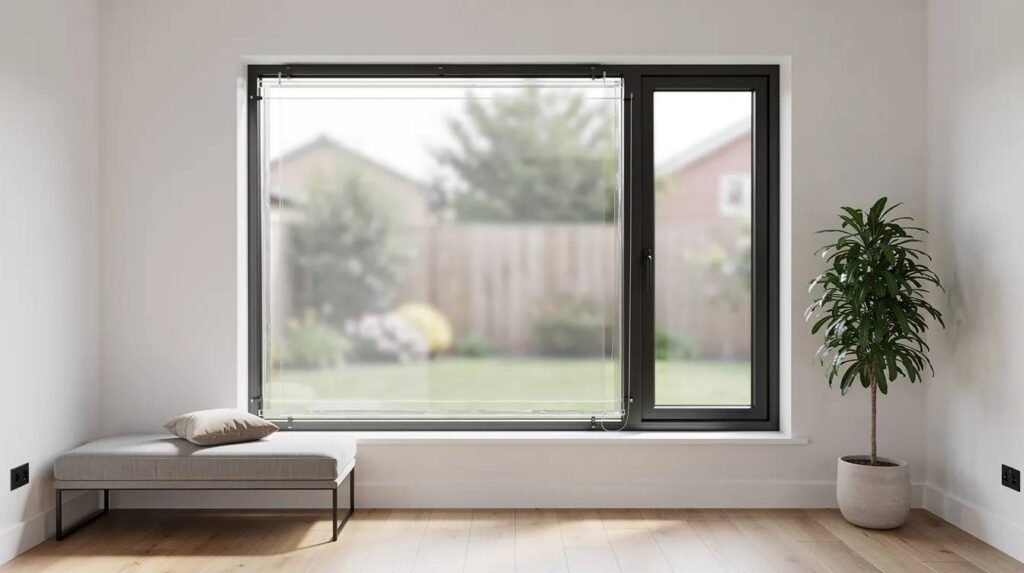
The safety properties of tempered glass translate directly into specific applications where building codes mandate its use and where practical safety concerns make it the best solution.
Residential Window Requirements
Building codes often mandate the use of tempered glass in hazardous locations such as doors, wet areas, and high-risk areas. The International Residential Code (IRC) Section R308 specifies these requirements based on proximity to walking surfaces and potential for human impact:
Glass doors: Building codes often require tempered glass for any glass used in doors, especially sliding, French, or bifold doors, to enhance safety. Every glass panel in these door types must be safety glazing.
Sidelights near doors: Glass within 24 inches of a door opening qualifies as hazardous when the bottom edge is less than 60 inches above the finished floor.
Windows near floor level: Safety glazing is required when all four conditions are met: bottom edge less than 18 inches above floor, top edge more than 36 inches above floor, individual pane exceeds 9 square feet, and walking surface within 36 inches horizontally.
Stairways and landings: Glass adjacent to stairways within 60 inches of walking surfaces requires safety glazing.
In residential and commercial settings, tempered glass is recommended for use in wet areas like bathrooms and around swimming pools due to the increased risk of falls. The combination of slippery surfaces and potential for hard impacts makes safety glazing essential in these locations, and some owners also explore energy-efficient security glazing retrofit systems to boost performance without replacing existing windows.
Commercial and Industrial Uses
Commercial construction under the International Building Code (IBC) Section 2406 applies similar hazardous location criteria but often involves larger glass panels requiring Category II/Class A certification. Common applications include:
- Storefronts and entrance systems
- Office building lobbies and corridors
- Schools and educational facilities
- Healthcare facilities
- Retail spaces with high foot traffic
- Swimming pool enclosures and fitness centers
Tempered glass is commonly used in applications where human safety is a concern, such as shower doors, glass doors, and windows near walking surfaces, but many facilities also require higher levels of protection from advanced safety and security glass solutions. The liability and safety implications in commercial settings make code compliance non-negotiable, and many properties pair tempered glass with commercial security window solutions for secure glass windows and doors.
Specialty Window Applications
Beyond standard windows, tempered glass serves specialized applications, but it’s important to recognize that it is not truly unbreakable compared to modern shatter-resistant and “shatterproof” glass solutions:
Shower doors and bathroom enclosures: All glass in or enclosing tubs, showers, and steam rooms must be safety glazing. The combination of wet surfaces, hard tile floors, and enclosed spaces makes this requirement critical.
Patio doors and sliding glass doors: These high-traffic openings see frequent use and present significant impact risk.
Floor-to-ceiling windows: Large glazed areas in modern architecture typically require safety glazing due to size and proximity to walking surfaces.
Curtain wall systems: Commercial building facades often use tempered glass for strength and thermal performance.
Skylights and overhead glazing: Note that while tempered glass provides strength, overhead applications may require laminated tempered glass to prevent fragments from falling if breakage occurs.
Installation and Customization Options
Professional installation of tempered glass windows requires precise planning because the glass cannot be modified after tempering. Understanding the customization process helps ensure successful outcomes.
Custom Cutting and Sizing Process
Custom tempered glass windows require exact measurements and careful specification before manufacturing begins:
- Precise measurement and template creation: Professional measurement accounts for frame dimensions, clearances, and installation tolerances. For unusual shapes or large picture windows, physical templates may be necessary.
- Glass cutting before tempering process: All cutting, drilling for hardware, notching for hinges, and edge work must be completed on the annealed glass before heat treatment.
- Edge finishing and polishing options: Edge treatment affects both appearance and durability. Options range from standard seamed edges to polished or beveled edges for visible applications.
- Quality control and inspection: Manufacturers inspect for optical distortion, surface defects, and proper stress levels before shipping. ASTM C1048 specifies acceptable tolerances for thickness, flatness, and optical quality.
Because you cannot cut tempered glass after processing, measurement errors require complete replacement at full cost. This reality makes professional measurement services valuable, even for seemingly straightforward installations and underscores the importance of understanding tempered glass uses, benefits, disadvantages, and alternatives.
Frame Compatibility and Hardware
Frame selection affects both installation success and long-term performance. Different frame materials offer distinct advantages:
| Frame Type | Thermal Performance | Maintenance | Cost Range | Best Applications |
|---|---|---|---|---|
| Vinyl | Excellent insulation | Low maintenance | Affordable | Residential, replacement |
| Aluminum | Good with thermal break | Minimal maintenance | Moderate | Commercial, modern residential |
| Wood | Natural insulation | Higher maintenance | Higher | Traditional homes, historic |
| Fiberglass | Superior insulation | Low maintenance | Premium | High-performance, extreme temperatures |
| Composite | Good insulation | Low maintenance | Moderate-high | Versatile applications |
| Frame systems must provide adequate clearance around glass edges to prevent binding during thermal expansion. Proper glazing stops, setting blocks, and compatible sealants protect the glass edges from point loads that could cause stress fractures. |
Common Challenges and Solutions
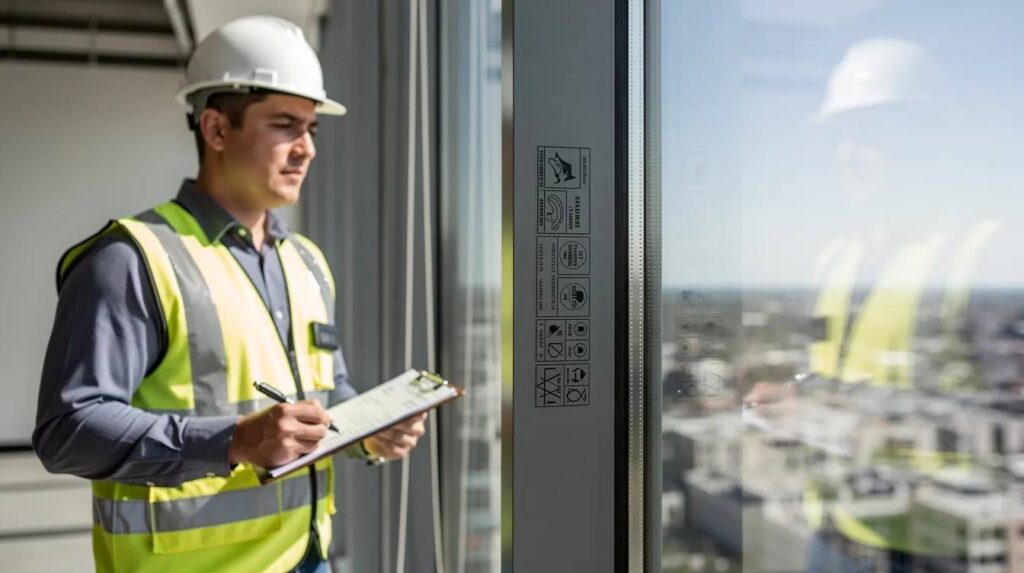
Working with tempered glass windows presents specific challenges that require advance planning and professional expertise.
Measurement and Sizing Errors
Because tempered glass arrives in its final form, measurement accuracy determines project success. A measurement error of even 1/8 inch can render a custom panel unusable.
Solution: Always use professional measurement services, especially for large or custom panels. Remeasuring before final order placement catches errors before they become expensive replacements. Our installation services include precision measurement as standard practice, protecting clients from costly mistakes.
Code Compliance Issues
Different jurisdictions adopt varying versions of building codes, and some (like California’s Title 24) include additional requirements. Local amendments may specify lower sill heights, different size thresholds, or additional locations requiring safety glazing.
Solution: Work with professionals familiar with local code requirements. Verify that glass meets required standards before installation—check for permanent markings indicating ANSI/CPSC compliance. When replacing existing glass in hazardous locations, current code requirements apply even if the original installation predated those requirements.
Replacement and Repair Limitations
Tempered glass cannot be repaired if cracked or damaged. Unlike some glazing systems where minor chips can be filled, any crack in tempered glass compromises the entire stress structure. The glass must be completely replaced.
Solution: Protect tempered glass during and after installation. Ensure frames and hardware don’t place undue stress on glass edges. For damaged panels, immediate replacement prevents safety hazards. Our team specializes in efficient replacement services with minimal disruption.
Cost Considerations and Value
Tempered glass windows cost more than standard annealed glass, but the investment provides significant returns in safety, durability, and code compliance.
Pricing factors include:
- Glass thickness (typically 3/16” to 1/2” for windows)
- Panel size and area
- Edge finishing requirements
- Custom shapes or cutouts
- Quantity discounts for multiple panels
- Heat-soak testing for high-risk applications
The typical price premium over annealed glass ranges from 10-25% for the glass itself. For standard residential windows, this might mean $30-$60 additional per opening. Large picture windows or commercial panels command proportionally higher premiums.
Long-term value considerations:
Tempered glass, when used in Insulated Glass Units (IGUs) with Low-E coatings and argon gas fills, can reduce heating and cooling costs by up to 30%. This energy savings compounds over the window’s lifespan, potentially offsetting the initial premium.
Insurance benefits and liability reduction represent significant value for both residential and commercial properties. Meeting safety glazing requirements protects property owners from injury claims and ensures code compliance during inspections and real estate transactions.
Our professional installation services ensure proper compliance and warranty coverage, protecting your investment from installation errors that could void manufacturer warranties or fail code inspection; property owners in some regions can also request localized help through dedicated window security and safety glazing service pages.
Conclusion and Next Steps
Tempered glass windows provide essential safety protection through their engineered strength—4-5 times stronger than regular glass—and their characteristic breakage pattern into small, relatively safe pieces rather than dangerous sharp shards. Building codes mandate their use in doors, wet areas, near stairs, and in windows close to floor level, making them a standard requirement in modern construction.
Immediate actions to consider:
- Assess your current windows in hazardous locations for safety glazing compliance
- Check for permanent certification markings on existing glass
- Contact a professional for measurement and consultation on any windows requiring upgrade
- Request quotes that include measurement services, installation, and documentation for code compliance
Related topics worth exploring: energy-efficient glass options including Low-E coatings and IGU configurations, window frame upgrades for improved thermal performance, and security glazing solutions for applications where tempered glass alone may not provide adequate protection against forced entry.
Frequently Asked Questions
Can tempered glass be cut or drilled after installation?
No. Tempered glass must be cut, drilled, or shaped before the tempering process. Any attempt to cut tempered glass after heat treatment causes immediate shattering into small pieces. This is why precise measurement before ordering is critical—modifications cannot be made after manufacturing.
How do I know if my existing windows are tempered glass?
Look for permanent markings in a corner of the glass. Certified tempered glass displays a “bug mark” showing the manufacturer name, the standard met (such as “ANSI Z97.1” or “CPSC 16 CFR 1201”), and the glass type designation (“Tempered” or “Fully Tempered”). Polarized sunglasses can also reveal stress patterns in tempered glass that don’t appear in annealed glass.
What building codes require tempered glass windows?
The IRC Section R308 (residential) and IBC Section 2406 (commercial) require safety glazing in hazardous locations. Federal CPSC 16 CFR 1201 mandates safety glazing in doors and entrance systems. Requirements apply to glass doors, sidelights near doors, windows near floor level meeting specific size criteria, wet areas, and glass near stairways, while coastal properties may additionally need hurricane-resistant and impact-resistant window solutions.
How much stronger is tempered glass compared to regular glass?
Tempered glass is approximately 4-5 times stronger than annealed glass in impact resistance and mechanical strength. Fully tempered glass achieves surface compressive stress of about 10,000 psi, while annealed glass has minimal built-in stress. This strength increase allows tempered glass to withstand impacts, thermal stress, and wind loads that would shatter standard glass.
Can tempered glass windows be repaired if cracked?
No. When tempered glass sustains any crack, the entire panel fails—typically shattering completely into small pieces. The stress structure that provides its strength also means partial repair is impossible. Any damaged tempered glass panel requires complete replacement.
What’s the typical lifespan of tempered glass windows?
Properly manufactured and installed tempered glass can last the lifetime of a building—often 25-50+ years or more. Lifespan depends on installation quality, frame condition, and absence of impact damage. A small percentage of tempered glass may fail prematurely due to nickel sulfide inclusions (mitigated through heat-soak testing in critical applications), but this risk is relatively low.
Are there alternatives to tempered glass for safety applications?
Yes, though alternatives have different characteristics. Laminated glass uses an interlayer (typically PVB) to hold fragments together when broken—ideal for overhead or security applications. Safety and security window film is a pliable poly-based coating that can be applied to existing annealed glass surfaces to improve safety and security by holding broken shards in place. Polycarbonate security glazing creates a virtually unbreakable shield over existing glass, preventing it from breaking or getting damaged due to impact, making it a superior security solution for high-security applications and a strong alternative to traditional bullet-resistant and bulletproof glass options. However, tempered glass is not a reliable security solution because, although it is stronger than regular glass, it is designed to break safely, making it vulnerable to forced entry. When tempered glass breaks, it shatters into small, dull cubes rather than sharp shards, which can leave a large opening for intruders to gain access.
How long does custom tempered glass window installation take?
Timeline varies by project scope. Standard sizes from inventory may install within days. Custom-sized tempered glass typically requires 2-4 weeks for manufacturing, plus scheduling for installation. Large or complex projects may require longer lead times. Our team provides accurate timelines based on your specific requirements and manages the entire process from measurement through final installation.
Additional Resources
Building code reference guides:
- IRC Section R308 covers residential safety glazing requirements
- IBC Section 2406 addresses commercial applications
- CPSC 16 CFR Part 1201 specifies federal safety standards
- ANSI Z97.1 provides industry consensus standards
Measurement considerations:
- Always measure at multiple points for width and height
- Account for frame rabbets and glazing clearances
- Specify edge treatment requirements upfront
- Document hardware locations requiring cutouts
Maintenance guidelines:
- Clean with non-abrasive materials and appropriate glass cleaners
- Inspect frames and seals annually for degradation
- Check permanent markings remain visible for code documentation
- Address any hardware issues promptly to prevent stress on glass edges