Security glazing has evolved dramatically since 2020, driven by rising urban crime rates and increasingly sophisticated forced entry attempts. This guide covers everything you need to know about polycarbonate unbreakable glass—from how it works to where it’s used and whether it’s right for your project.
Table of Contents
- Polycarbonate Unbreakable Glass Explained
- What Is “Unbreakable Glass” in 2026?
- Polycarbonate vs Laminated Glass: Key Differences
- How Polycarbonate Unbreakable Glass Is Built and Tested
- Applications by Sector
- Installation, Maintenance, and Lifespan
- Cost, Insurance, and ROI Considerations
- FAQs
- Why Choose Our Polycarbonate Solutions
Polycarbonate Unbreakable Glass Explained (Answer First)
Polycarbonate unbreakable glass refers to high-impact-resistant glazing systems built around polycarbonate sheets, often engineered as multi-layer laminates with glass cladding or protective coatings. In 2026, this material has become essential for properties facing forced entry, smash-and-grab attacks, storms, and vandalism.
- “Unbreakable” in practical terms means extremely impact resistant—not literally indestructible—with polycarbonate panels being approximately 250 times stronger than standard glass of similar thickness
- Modern systems typically combine a polycarbonate layer with hard coatings or glass cladding rather than using a single plastic sheet
- Polycarbonate glass-clad composites provide around 20 times better protection against burglary than conventional armor glass without polycarbonate, holding up against break-in attempts for 10 minutes or longer
- Example scenario: retail storefronts in Los Angeles, London, and Toronto that upgraded after 2020-2024 smash-and-grab waves now maintain secure openings even after repeated hammer or crowbar assaults
- Bullet resistance is possible but depends entirely on thickness and certification (UL 752, EN 1063, VPAM)—never assume every unbreakable glass product stops projectiles; selecting the right bullet proof glass options for ultimate ballistic resistance requires matching construction to specific threat levels
- Polycarbonate panels are significantly more difficult to break than regular window glass and laminated glass, providing superior protection against forced entry attempts and ballistic threats
What Is “Unbreakable Glass” in 2026?
The term “unbreakable glass” is largely marketing language used in construction, security, and insurance contexts. No material is truly indestructible, but it denotes products certified for extreme impact resistance under recognized standards.
Two main categories are sold as unbreakable glass windows today:
Laminated Safety Glass:
- Consists of multiple glass sheets bonded with polyvinyl butyral (PVB) or ionoplast interlayers
- Primarily retains shards upon impact to prevent injury and delay entry
- Typical thickness ranges from 8.8mm to 21.5mm or more
- Laminated glass can still crack under high impact, unlike polycarbonate which remains intact
Polycarbonate-Based Panels:
To understand why these panels perform so well, it helps to know what polycarbonate is made of and how it behaves under impact and UV exposure.
- Feature a clear polycarbonate core, often with hard coat or glass cladding on the exterior
- Deliver far higher impact resistance than laminated glass at equivalent protection levels
- Can be significantly lighter—polycarbonate is approximately six times lighter than glass, reducing the load on support structures
- Polycarbonate glass offers the protection class needed for high-risk environments
Acrylic (PMMA, often sold as Plexiglas) is sometimes marketed as unbreakable, but it’s significantly less impact resistant than polycarbonate and more brittle under attack—roughly 30 times weaker in forced entry scenarios, as discussed in detail in analyses of shatterproof glass and unbreakable windows.
Polycarbonate vs Laminated Glass: Key Differences
Both laminated glass and polycarbonate improve safety over ordinary glass, but they perform very differently under real attacks.
Impact Resistance:
When comparing materials for ballistic and forced-entry protection, independent rankings of bulletproof materials from glass to polycarbonate shields consistently place ballistic polycarbonate near the top for strength-to-weight performance.
- Solid polycarbonate is roughly 200-250 times more impact resistant than annealed glass of similar thickness
- Laminated glass is primarily shatter-resistant, not truly unbreakable
- Polycarbonate is significantly more impact-resistant than standard glass, making it a preferred choice for applications requiring high durability
Forced Entry Behavior:
- Laminated glass cracks into a spider-web pattern and can eventually be pushed through after repeated blows
- Polycarbonate typically flexes elastically, distributing impact energy across its structure without failure, continuing to block access
- Standard glass windows fail in seconds under hammer assault; polycarbonate resists for 10 minutes or more
Weight and Thickness:
- Polycarbonate systems achieve equivalent or higher protection at 30-50% less weight compared with traditional all-glass ballistic glazing
- This matters significantly for exterior windows and doors where structural load is a concern
Optical Quality:
- Modern glass clad polycarbonate can be clear and low-distortion, rivaling glass in architectural applications
- Acrylic edges out slightly in light transmission, but modern coatings reduce haze and yellowing in polycarbonate
Durability Trade-offs:
- Laminated glass is inherently hard and scratch resistant but can shatter catastrophically
- Polycarbonate can scratch without hard coat, but with coatings offers 10-20+ year service life and won’t break catastrophically
- Polycarbonate’s design flexibility allows it to be cold-bent or molded without cracking, unlike rigid glass or brittle acrylic
Bottom line: Laminated glass suits basic safety glass requirements and code compliance. Polycarbonate unbreakable glass is for high-risk, high-abuse, or high-value locations where preventing access matters most.
How Polycarbonate Unbreakable Glass Is Built and Tested
Performance depends heavily on construction (layer stack) and certified testing—not just material name. Thickness alone doesn’t guarantee security glass performance.
Common Constructions:
- All-polycarbonate laminates: multiple 6-12mm sheets stacked for basic to heavy impact resistance
- Glass-clad polycarbonate: thin glass layer on attack side backed by polycarbonate core to absorb energy and stop spall
- Hybrid stacks: combining multiple plastics and interlayers for enhanced ballistic stops
Glass-Clad Design Logic:
- Hard glass face resists scratching and weather exposure
- Ductile polycarbonate behind absorbs bullet energy, preventing spall and glass splinters from reaching protected areas
- This combination creates what some call “transparent steel”
Typical Thickness Ranges:
- 8-12mm: heavy impact/forced entry resistance (EN 356 P6B-P8B certification)
- 20-40mm: basic handgun resistance (UL 752 Level 1, EN 1063 BR3)
- 80-100mm: rifle protection class ratings
Certification Standards:
- Polycarbonate bullet resistant glass must meet standards like UL 752 (defining ammunition type—e.g., .44 Magnum for Level 3—and shot spacing)
- EN 1063 and VPAM specify 9mm threats with specific shot counts and ammunition
- Forced entry testing follows EN 356 (simulating burglary with axes and hammers) or ASTM F1233
- Insurers since 2022 increasingly favor certified products for premium reductions
Critical reminder: Always request independent test documentation. Raw thickness specifications without certified testing mean nothing for actual bullet proof glass performance.
Applications of Polycarbonate Unbreakable Glass by Sector
Polycarbonate glazing has moved from niche use in banks and armored vehicles to mainstream building security between 2020 and 2026. It’s now a cost effective solution across multiple sectors, with integrated systems like polycarbonate glass security and bullet resistant products tailored to different threat profiles.
Commercial Retail:
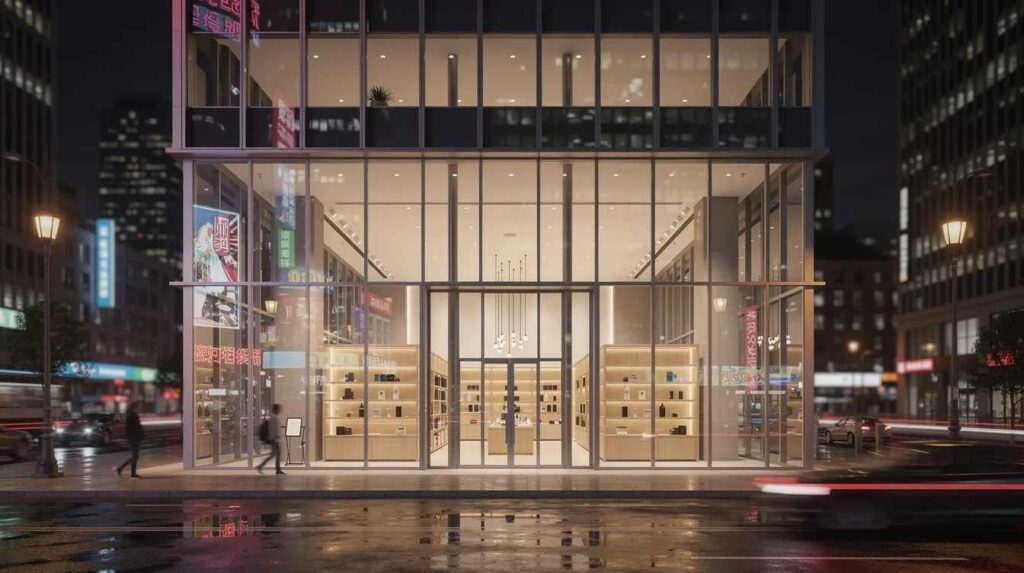
Retailers increasingly deploy storefront security solutions for glass doors and windows that use clear polycarbonate shields to stop smash-and-grab attempts while preserving visibility.
- Storefronts, pharmacies, electronics stores, and jewelers upgrading after 2020-2024 waves of smash-and-grab events in Los Angeles, London, and Toronto
- Bulletproof polycarbonate is effective in protecting against forced entry attempts, making it suitable for retail environments to prevent theft
- Polycarbonate is commonly used in skylights and greenhouse panels to allow light in while deterring theft
Residential and Multifamily:
- Ground-floor windows, patio doors, and panic-room doors using thinner, lightweight polycarbonate laminates instead of security bars
- Polycarbonate windows installed on a house provide protection without the prison-like appearance of bars
Public Buildings and Education:
Places of worship, schools, and community centers are turning to specialized bullet-resistant glass security solutions for churches and similar facilities to mitigate active-threat risks at vulnerable entry points.
- Schools, universities, and government offices adding forced-entry and ballistic protection in key zones since 2018-2025
- Reception areas, vestibules, and safe rooms now feature thick polycarbonate panels rated for ballistic threats
Transportation and Specialty Vehicles:
Many of the same technologies used in safety and security glass protection for windows and doors also translate into vehicle and specialty equipment glazing, where clear visibility and impact resistance are both critical.
- Polycarbonate is used in applications such as riot shields, bank teller windows, and armored vehicle glazing for safety
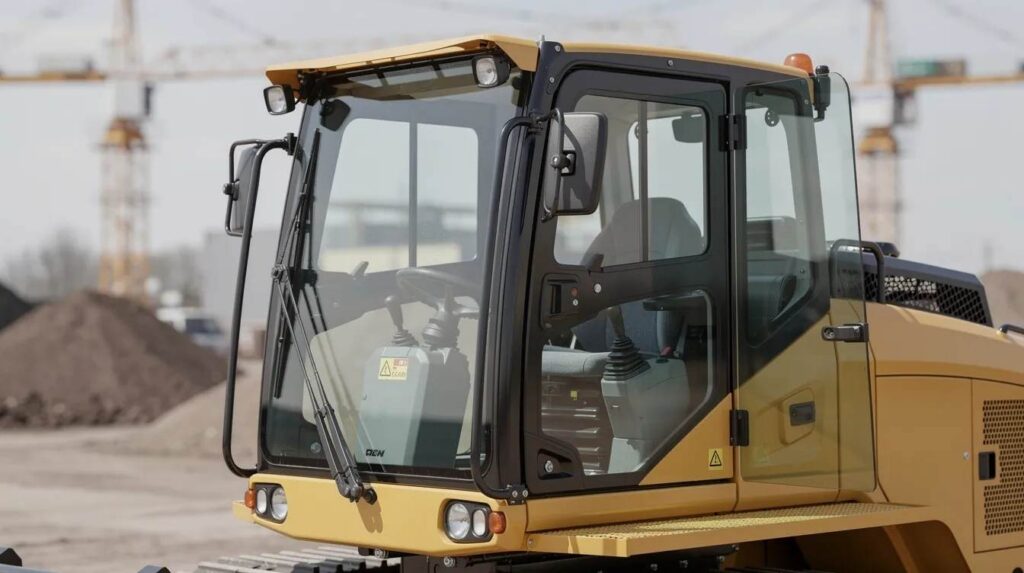
- Bulletproof polycarbonate in construction machinery protects operators from falling debris such as boulders
- In forestry work, bulletproof polycarbonate safeguards operators from high-energy projectiles like fragments from broken saw chains
- This material is used in military vehicles, providing lightweight transparent ballistic protection while maintaining visibility
- Polycarbonate is found in automotive components like headlamp lenses and sunroofs where weight reduction is critical
Cultural and High-Value Sites:
- Glass-clad polycarbonate glazing is used in high-security applications such as museums, embassies, and luxury villas
- Bulletproof polycarbonate is commonly installed in these environments to deter break-ins and provide ballistic protection
- Artwork and valuables stay visible through clear panes while remaining protected
Industrial and Critical Infrastructure:
High-risk facilities may require not only forced-entry and ballistic protection but also blast resistant glass panels and bomb protection strategies integrated into façade design.
- Power stations, data centers, chemical plants, and control rooms requiring blast and impact mitigation
- Polycarbonate is utilized in medical applications such as surgical instruments and incubators due to its ability to withstand sterilization
Installation, Maintenance, and Lifespan
Long-term performance depends on correct framing, handling, and care—not just panel selection. Even the most durable materials fail when improperly installed.
Installation Requirements:
- Compatible frames (aluminum, steel, or reinforced uPVC) with full edge engagement
- Allowance for thermal expansion—polycarbonate expands more than glass
- Polycarbonate can withstand temperatures from -40°C to 120°C (-40°F to 250°F) without distortion or breakage
Retrofit Options:
- Stand-off framing systems mount in front of existing windows, creating a shield without full window replacement, similar in concept to retrofit BulletShield polycarbonate security glazing panels
- These can be installed over existing window frames and removed later if needed
- Professional assessment ensures the existing glass and structure can support the addition
Maintenance Guidelines:
- Clean with non-abrasive cloths and mild soap
- Avoid aggressive solvents and scouring pads that damage hard coats
- Polycarbonate glazing can be coated with an abrasion-resistant layer, enhancing durability against weather and uv light exposure
UV and Weathering:
- Modern architectural-grade polycarbonate includes uv protection through coatings or co-extruded layers
- Polycarbonate naturally blocks almost 100% of harmful UV radiation without special coatings
- Expected service life is 10-20+ years depending on exposure and product grade
- Quality products come with warranties against yellowing—typically 10 years for scratch resistant coated grades
Scratch Management:
- Light surface marks may be polished on some products
- Deep scratches in the attack zone may require panel replacement to maintain clarity and security ratings
- Broken glass or cracked panels should be replaced promptly
Code Compliance:
- Glazing changes must comply with local building, fire, and egress codes
- Large panels or high-rise installations may require engineering sign-off
- Some grades have specific fire ratings (UL 94, EN 13501) suitable for certain applications
Cost, Insurance, and ROI Considerations
Polycarbonate unbreakable glass usually costs more per square foot than standard or laminated glass. However, total cost of risk should drive your decision.
Cost Drivers:
- Thickness and ballistic rating requirements
- Degree of customization (shapes, cut-outs, tints)
- Hard coatings and specialty treatments
- Whether it’s a retrofit panel or full frame replacement
Project Realities:
- For small retail or residential projects, the biggest line items are often labor and specialized framing
- The glazing panel itself may be a smaller portion of the entire project budget than expected
Insurance Implications:
- Some insurers in North America and Europe, especially since 2022, offer favorable terms or reduced deductibles for documented forced-entry or bullet resistant glazing
- Documentation of certified installations can directly reduce premiums
Avoided Losses:
- Cost of one major burglary, looting incident, or prolonged business interruption often exceeds the premium paid for security glass
- Preventing even a single break in can justify the upgrade cost entirely
ROI Calculation:
- Calculate simple ROI over 5-10 years factoring reduced vandalism repairs, potential insurance savings, and improved perception of safety
- Polycarbonate acts as a better insulator than glass, trapping heat up to 60% more effectively—adding energy efficiency benefits to the equation
- Insulation improvements reduce heating costs in cold climates
Frequently Asked Questions (FAQs)
Is polycarbonate glass really unbreakable? Polycarbonate is extremely impact resistant and can withstand repeated blows from hammers, crowbars, and bricks. It radically outperforms regular and laminated glass but can be damaged under extreme or prolonged attack. No material is literally indestructible, but polycarbonate panels are often described as unbreakable glass due to their superior strength.
Is polycarbonate bulletproof? Standard architectural polycarbonate is not automatically bullet resistant. Ballistic protection requires specific thicknesses and certified systems tested to standards like UL 752, EN 1063, or VPAM. Always verify certification for bulletproof glass claims.
What’s the difference between polycarbonate, Lexan, and Makrolon? Lexan and Makrolon are major brand names for polycarbonate sheet materials. Performance depends on the grade and construction, not just the brand name. Both deliver similar base properties when properly specified.
How is polycarbonate different from Plexiglas or acrylic? Acrylic (PMMA, often sold as Plexiglas) offers slightly better clarity and inherent scratch resistance but is much less impact resistant and more brittle than polycarbonate—roughly 30 times weaker under forced entry conditions.
Will polycarbonate yellow or haze over time? Modern UV-stabilized architectural grades and hard-coated panels resist yellowing for many years. Warranties of 10 years against excessive yellowing are common for quality products. Uncoated thin sheets may degrade faster.
Can I retrofit polycarbonate over my existing windows? In many cases yes, via secondary glazing or stand-off systems that mount to existing window frames. Structural assessment and professional installation are recommended to ensure proper fit and performance. This is often a cost effective solution compared to full replacement.
Is polycarbonate safe in a fire? Polycarbonate is a thermoplastic that softens under high heat and must be evaluated against local fire and smoke regulations. Some grades have specific fire ratings (UL 94, EN 13501) suitable for certain applications. Always verify code compliance.
How thick does polycarbonate need to be for serious security? Rough guidelines: 8-12mm for high impact and forced entry resistance, 20mm+ for basic handgun resistance, and significantly thicker for rifles. Always rely on tested, certified products rather than thickness alone—the materials and construction matter as much as dimensions.
Why Choose Our Polycarbonate Unbreakable Glass Solutions
We specialize in security glazing solutions built around tested, certified polycarbonate systems—not generic plastic sheets from hardware stores. Our approach focuses on matching the right construction to your specific risk profile.
- Engineering Support: We help architects, security consultants, and property owners select the right construction (all-polycarbonate vs glass-clad) and thickness based on defined risk scenarios and recognized standards
- Quality and Testing: Our products are independently tested to EN 356, EN 1063, UL 752, and region-appropriate standards, with full documentation available on request for your insurers and specifiers
- Customization: We supply clear, tinted, or low-iron options, complex shapes for doors and storefronts, and integration with existing frames or proprietary retrofit systems
- Lifecycle Value: Durable hard-coated surfaces, UV-stable constructions, and designs aimed at long-term clarity and protection maximize total ROI for building owners interested in lasting solutions
- Project Experience: We’ve supported projects across retail, education, public buildings, high-end residential, and transport sectors—from small single-window upgrades to large multi-site security programs
Ready to protect your property? Contact us for a project-specific assessment, specification support, and pricing tailored to your location and risk profile. We’ll help you determine the right level of protection for your needs and budget.