Finding the right source for bulletproof glass can feel overwhelming. With dozens of vendors, multiple rating systems, and significant price variations, most buyers struggle to know where to start. This guide breaks down exactly where to purchase bullet resistant glass, what ratings mean, and how to evaluate suppliers for your specific security needs.
Table of Contents
- Where to Buy Bullet Proof Glass (Quick Answer)
- Understanding Bullet Proof Glass Before You Buy
- Main Places to Buy Bullet Proof Glass
- Types of Bullet Resistant Glazing You Can Buy
- How Much Bullet Proof Glass Costs in 2026
- Installation, Maintenance & Replacement Considerations
- How to Choose the Right Supplier (And What Sets Us Apart)
- FAQs About Buying Bullet Proof Glass
Readers looking for a fast answer should jump to the next section.
Disclaimer: The term ‘bulletproof glass’ is often misleading, as no glass or film combination can completely withstand every physical or ballistic attack. Instead, school and safety officials rely on high-grade bullet-resistant protective glazing and films designed to absorb severe impact, which can help slow, disrupt, or prevent forced entry during active shooter situations and buy vital time for first responders.
Where to Buy Bullet Proof Glass (Quick Answer)
This section gives you an immediate, practical answer before we dive into deeper details.
Primary purchase channels for bulletproof glass in 2026:
- Direct from specialized ballistic glass manufacturers producing UL 752-rated products
- Certified security glazing distributors stocking multiple material types
- Commercial glass shops partnering with ballistic suppliers
- Security integrators offering turnkey solutions with frames, doors, and access control
- Automotive armorers for vehicle glass applications
For most buyers, the best starting point is a specialized ballistic glazing supplier that ships nationwide and provides UL 752-rated products with proper documentation.
What to avoid: Generic e-commerce platforms are typically not appropriate for certified bullet resistant windows. These products require custom sizing, verified ratings, and engineering support that standard online marketplaces cannot provide.
Documentation to request before purchase:
- UL 752 test certificates (U.S. standard)
- EN 1063 or EN 356 ratings for international projects
- Written warranties with clear coverage terms
- Installation specifications
Local installation is often handled by regional glazing contractors, even when purchasing glass from national suppliers. Later sections cover ratings, costs, and vendor comparisons in detail.
Understanding Bullet Proof Glass Before You Buy
Before choosing where to buy, you need to understand the terminology and ratings that separate reliable protection from marketing claims. This knowledge helps you speak confidently with suppliers and avoid costly specification errors.
Terminology clarification: The industry standard term is “bullet resistant” rather than “bulletproof.” No glass stops every possible threat indefinitely. Reputable vendors use “bullet resistant glass” or “ballistic glass” aligned with UL standards.
Key rating standards:
| Standard | Coverage | Common Applications |
|---|---|---|
| UL 752 Levels 1-3 | Handguns (9mm, .357, .44 Magnum) | Retail, offices, schools |
| UL 752 Levels 4-8 | Rifles (up to 7.62mm NATO) | Government buildings, embassies |
| EN 1063 BR1-BR7 | European equivalent ratings | International projects |
| Bulletproof glass is sold by rating where Level 1 stops 9mm handguns and Level 8 stops military assault rifles. UL 752 is divided into 10 levels, with Levels 1–3 covering handguns and Levels 4–8 covering rifles. |
Construction basics:
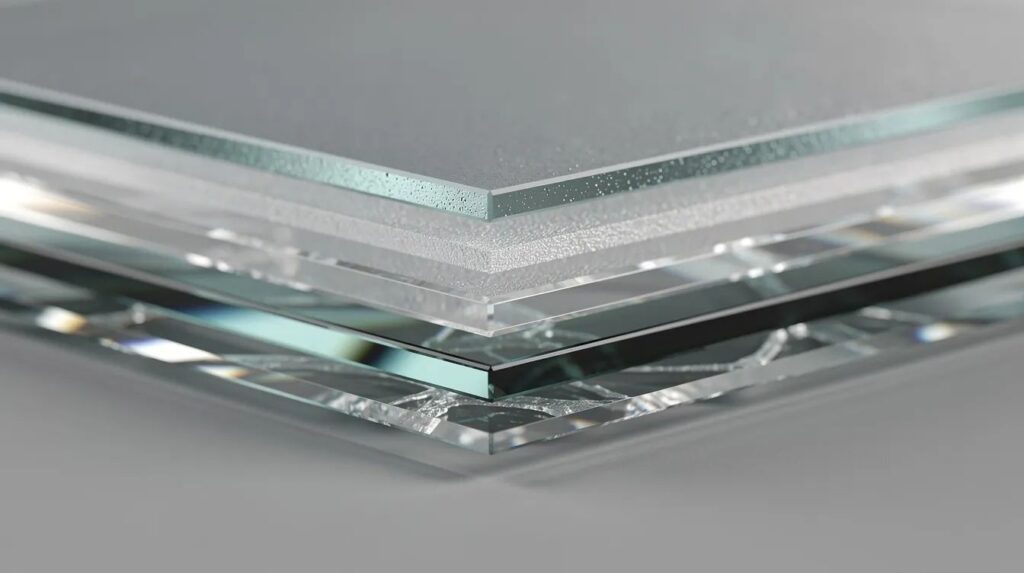
- All-glass laminates using multiple layers bonded with PVB
- Glass clad polycarbonate combining glass impact faces with polycarbonate backing
- Monolithic acrylic or polycarbonate sheets
The unique combination of glass and polycarbonate materials in these products results in superior safety and transparency compared to conventional options.
Thickness typically ranges from about 1 inch (25 mm) for handgun protection up to over 3 inches for Level 8 rifle-rated systems. High-level protection glass can be extremely thick and heavy, requiring structural support that can handle the weight.
Bulletproof glass is commonly used in high-risk areas such as banks, schools, and government buildings to enhance security against ballistic threats, and many districts are now exploring school security glass upgrades to address active shooter risks. Most standard school windows are made from tempered or laminated glass, which are not bulletproof unless specifically upgraded for ballistic protection.
When selecting a vendor, it’s important to choose a company with proven expertise and a track record in providing high-security glass solutions.
Main Places to Buy Bullet Proof Glass
This section compares primary buying channels with pros and cons for commercial, institutional, and high-end residential buyers.
Direct from ballistic glass manufacturers
Manufacturers producing UL 752-rated products for banks, embassies, and corporate facilities offer the highest level of customization and technical support. They typically provide engineering consultation, custom fabrication, and comprehensive documentation. Best for large-scale projects requiring specialized configurations.
Security glazing distributors
These companies stock common thicknesses and can source specialty products including all-glass laminates, glass clad polycarbonate, and bullet resistant acrylic with shorter lead times than custom manufacturing. They serve as intermediaries with established manufacturer relationships.
Architectural and commercial glass shops
Local glass shops partner with ballistic suppliers to deliver finished bulletproof windows, doors, and transaction window systems. They handle the last-mile delivery and often coordinate installation with regional contractors.
Security integrators
These firms bundle bullet resistant glass with frames, doors, locks, and access control systems. Some include electronic security measures like cameras and sensors. Ideal for buyers wanting a turnkey security package rather than sourcing components separately.
Automotive armorers
For vehicle applications—SUVs, cash-in-transit vans, executive sedans—automotive armor specialists provide curved bullet resistant glass with factory-trained installation teams. They understand weight distribution and vehicle-specific requirements.
Warning: Avoid non-specialized online sellers unable to provide verified ballistic certifications or engineering support for code-compliant installations.
Types of Bullet Resistant Glazing You Can Buy
Vendors typically offer several material families rather than a single “bulletproof glass” product. There are four types of bulletproof glass available commercially, each designed to meet different security needs and applications.
All-glass laminates
Bullet-resistant glass products are typically made using multiple layers of glass laminated with PVB, which provides enhanced protection against bullets. These offer excellent optical clarity and scratch resistance, making them popular for banks and storefronts where visibility matters.
Glass-clad polycarbonate
Glass-clad polycarbonate products combine the durability of glass with the impact resistance of polycarbonate, providing a thinner and lighter option for security glazing applications. These materials offer high light transmission and clarity, allowing for maximum daylight and preserving visual integrity. The glass impact face resists scratches while polycarbonate backing delivers strong multi-hit resistance.
Spall Performance certification indicates that no dangerous glass fragments will be ejected from the rear of the panel toward people being protected—a critical safety feature for occupied spaces.
Monolithic acrylic and polycarbonate
Bullet resistant acrylic sheets are a popular alternative to traditional glass, known for being lightweight, strong, and able to be easily cut and mounted without cracking. These sheets maintain excellent light transmission and optical clarity, ensuring clear visibility without hazing or discoloration. Additionally, acrylic does not require lamination and is lighter than glass, making installation easier and reducing structural load. These work well for convenience stores, taxicabs, and transaction windows requiring UL 752 Level 1-2 protection.
Security window systems
Complete systems integrate frames, speak-thru devices, deal trays, and pass-through drawers built around selected ballistic glazing. These create secure reception areas and transaction points, and many facilities rely on purpose-built bullet resistant transaction windows to protect staff while maintaining efficient customer service. Security window film can also be applied to help hold shattered glass together upon impact, enhancing safety and resistance against forced entry.
Additional considerations:
- Suppliers may offer dual-use glass that integrates fire resistance, forced-entry protection, or blast resistance alongside ballistic protection; comparing different bullet resistant materials can help you choose the right combination for your project
- Visual quality of ballistic glass can be affected by distortion, green-tinting, or cloudiness, especially in multi-layered composites
- Exterior installations require UV-resistant coatings for long-term durability
- Bulletproof glass is generally made from laminated glass and polycarbonate, which can incorporate specialized synthetic materials to enhance protection against ballistic threats
How Much Bullet Proof Glass Costs in 2026
Pricing varies significantly by rating, composition, thickness, quantity, and whether you’re purchasing panels alone or complete systems. As with any bulletproof glass options and systems, cost depends on these factors, with higher protection levels and custom features increasing the price.
Material cost ranges per square foot:
| Protection Level | Typical Cost/sq ft | Common Applications |
|---|---|---|
| UL 752 Level 1-3 (Handgun) | $100-$300 | Retail, offices |
| UL 752 Level 4-6 (Rifle) | $300-$450 | Schools, government |
| UL 752 Level 8 (High-power rifle) | ~$500 | Military, embassies |
| The cost of bulletproof glass that can stop high-power rifle rounds is approximately $500 per square foot. |
Project-level budgets:
Installation costs for bulletproof windows can start from $7,000 to $10,000 for small systems, while mid-size systems may range from $15,000 to $25,000. Large institutional retrofits or new construction projects with multiple openings can exceed these ranges significantly.
Primary cost drivers:
- Higher UL levels command premium pricing
- Added spall protection layers
- Custom shapes and curved glass for vehicles
- Specialty coatings for abrasion resistance and UV filtering
- Dual ratings (ballistic plus forced-entry or blast)
- Insulated glass configurations for climate control
Quoted prices typically separate glass panels from installation, framing, and structural reinforcement work. When purchasing bulletproof glass, it is important to consider the specific security needs and the level of protection required, as different products are rated for various levels of ballistic threats.
Request itemized quotes from multiple ballistic glazing suppliers comparing price, rating documentation, lead times, and warranty terms. For life-safety products, cheapest is rarely the right choice.
Installation, Maintenance & Replacement Considerations
Even the best bullet resistant glass fails if installed or maintained incorrectly. Proper installation and ongoing care are essential for continued safety and reliable protection.
Installation partners:
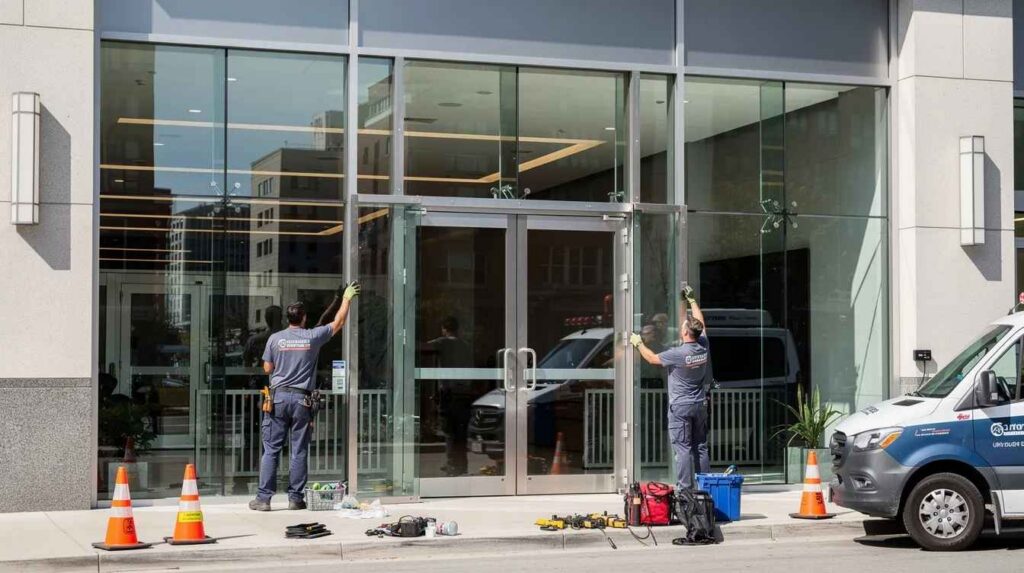
- Certified glazing contractors with ballistic product experience
- Security door and window companies
- Full-service security integrators for complex sites
Structural requirements:
- Reinforced frames rated for ballistic loads
- Proper anchoring into surrounding walls
- Verification that existing structures support added weight
- Standard windows cannot simply be swapped—structural assessment is required
Installation costs include labor, lifts or scaffolding for higher floors, possible after-hours work, and temporary security measures during changeover.
Maintenance best practices:
Ballistic glazing may require specific cleaning protocols and regular inspections for delamination or chips. In addition to proper care, advanced polycarbonate glass security systems are engineered to maintain performance over time when maintained according to manufacturer guidelines. Specialized cleaning solutions are recommended for bulletproof glass to preserve its integrity and ensure it continues to function at the highest level.
Bulletproof windows require regular inspections and repairs to maintain their effectiveness, as environmental factors can degrade transparent materials over time.
Service life and replacement:
UV rays can break down the protective layers of bulletproof glass, necessitating replacement every 20 years to ensure continued safety and effectiveness. Bulletproof windows typically need to be replaced every 20 years due to degradation from UV exposure, which can affect their protective layers over time.
Warranty verification checklist:
- Coverage for UV-induced discoloration
- Edge seal failure provisions
- Improper cleaning exclusions
- Performance guarantee duration
How to Choose the Right Supplier (And What Sets Us Apart)
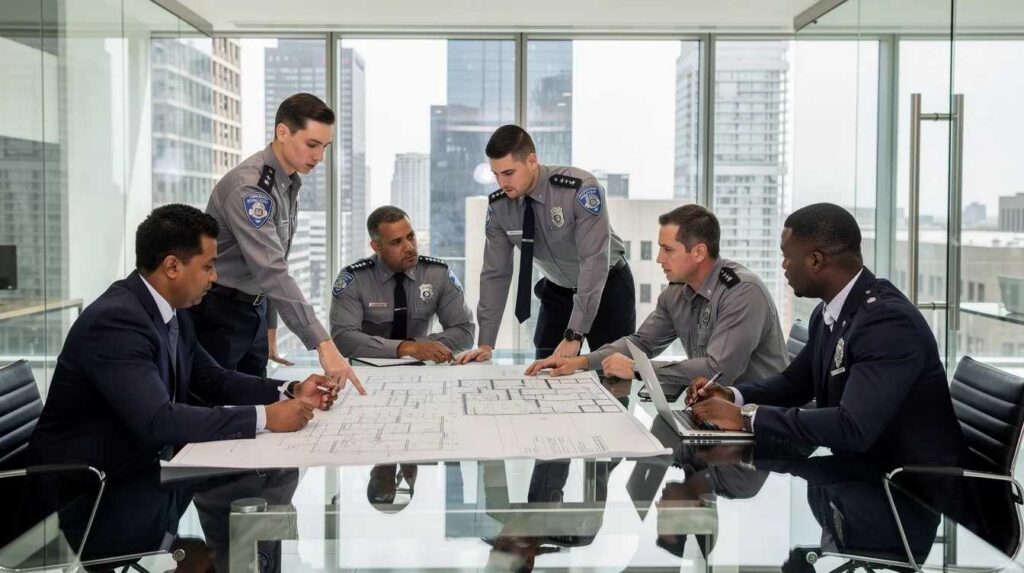
Choosing the right partner is as important as the glass specification itself. A supplier relationship extends beyond the initial purchase through installation coordination, warranty support, and potential future expansions.
Critical evaluation criteria:
- Verified UL or EN test reports for all offered products
- Years of experience in ballistic glazing applications
- References from similar projects (schools increase safety measures, banks, government buildings, retail, gas stations)
- In-house engineering support for custom configurations
- National or regional installation network
Prioritize suppliers who can assist with:
- Complete design consultation
- Frame selection matching existing architecture
- Local building code compliance
- Coordination with regional installers
Documentation requirements:
All purchases should include written specifications for ratings, installation instructions, maintenance requirements, and warranty terms.
Why choose our business:
Our team brings deep expertise in ballistic glass applications with responsive quoting, project consultation, and coordination with local installers nationwide, backed by a full portfolio of bulletproof windows, doors, and security window film. We offer custom fabrication capabilities for both small retrofits and large multi-building projects, along with flexible ordering that accommodates various timelines and budgets.
We help security experts match the right level of protection to actual threat assessments rather than overselling unnecessary ratings, often recommending retrofit BulletShield ballistic overglazing systems when they provide the best balance of cost and protection. The primary goal of bulletproof glass is to protect people in high-risk environments such as banks, schools, and gas stations, safeguarding individuals and property from potential threats.
Treat bullet resistant glass as a long-term safety investment. Favor quality, documentation, and service over minimal upfront price—your people’s protection depends on it.
FAQs About Buying Bullet Proof Glass
These FAQs address the most common purchase and specification questions from buyers at all project scales.
Is it legal to buy bulletproof glass for my home or business?
In most jurisdictions, purchasing and installing bullet resistant products for private property is legal. However, some regions regulate certain installations, particularly in historic buildings or specific zoning areas. Consult local building codes and officials before finalizing plans.
Can I buy bullet resistant glass online and install it myself?
DIY installation carries significant risks: incorrect rating selection, structural inadequacy of existing frames, and voided warranties. Most manufacturers require professional installation to maintain warranty coverage and ensure the glass performs as rated. Self-installation may also create liability issues if the system fails.
How long does it take to receive custom bulletproof glass once I place an order?
Bulletproof glass is often custom-made with long lead times, necessitating a realistic timetable that fits construction schedules. Standard levels may ship in 2-4 weeks, while highly customized or high-level rifle-rated systems can require 8-12 weeks. Plan accordingly for new construction or renovation projects.
What thickness of glass do I need for handgun versus rifle protection?
General ranges: approximately 1 inch for UL 752 Level 1-3 handgun protection, 1.5-2 inches for intermediate rifle levels, and 3+ inches for Level 8 high-power rifle protection. Final selection should be verified with the supplier’s engineering team using UL 752 or EN 1063 data specific to their products.
Will bullet resistant glass also protect against break-ins or forced entry?
Ballistic ratings and forced-entry ratings measure different threats. Some products carry dual certifications—ballistic (UL 752) plus burglary resistance (EN 356 P6B-P8B). However, ballistic-rated glass doesn’t automatically meet forced-entry standards. Specify both requirements if protecting against multiple threat types. Security window film alone does not provide ballistic protection but may deter forced entry.
How effective is bulletproof glass for school safety or active shooter incidents?
Bulletproof windows are specifically engineered to stop bullets, providing a critical barrier that enhances safety in high-risk situations. When paired with ballistic-resistant security window film systems designed to delay forced entry, these windows offer valuable time for students and staff to escape or hide during an incident, significantly improving overall school security.
How do I get an accurate quote for bulletproof glass?
Prepare these details before requesting quotes:
- Exact dimensions of all openings
- Threat level concerns and required UL level
- Location specifications (interior/exterior, climate exposure)
- Existing frame type or new construction requirements
- Project timeline and installation access constraints
Ready to start your project? Contact our team directly for project-specific guidance. We’ll help you navigate ratings, coordinate with local installers, and deliver competitive quotes tailored to your security needs and budget.