- Can Bullet Proof Window Film for Schools Actually Stop Bullets?
- Understanding Security Window Film for Educational Facilities
- Application in School Security Systems
- Installation and Implementation Process
- Common Challenges and Solutions
- Conclusion and Next Steps
- Frequently Asked Questions
Can Bullet Proof Window Film for Schools Actually Stop Bullets?
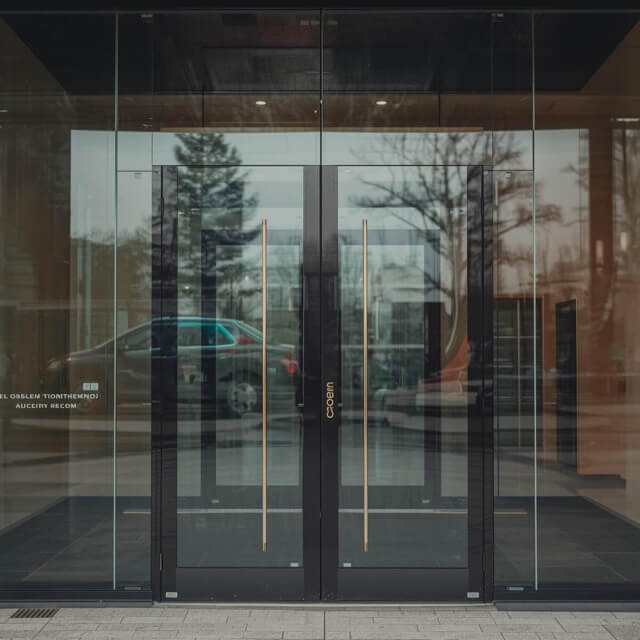

Security window film for schools offers protection against forced entry and glass fragmentation, but the term “bullet proof window film” requires immediate clarification. No retrofit film applied to existing glass meets UL 752 ballistic standards—the certification required for true bullet resistant glazing. School administrators and security professionals searching for bulletproof protection need to understand this distinction before making purchasing decisions.
This guide covers security film capabilities, installation requirements, cost considerations, relevant standards, and how window film integrates into comprehensive school security plans. The target audience includes school administrators, facility managers, district safety officials, and decision makers responsible for protecting building occupants in educational facilities.
Direct answer: Security window film can delay forced entry by 15 seconds to 3½ minutes and hold broken glass together during impact events, but it cannot stop bullets. True ballistic protection requires certified bullet resistant glass systems, not film alone.
Key outcomes from this guide:
- Understanding what security film actually does versus marketing claims
- Knowledge of relevant standards (ASTM F3561-22, UL 752, ANSI Z97.1)
- Cost comparison between film retrofits and bullet resistant glazing
- Installation requirements for optimal performance
- Integration strategies for layered school safety measures
Understanding Security Window Film for Educational Facilities
Security window film consists of polyester-based sheets bonded to existing glass surfaces using specialized adhesives. When installed correctly with structural caulk anchoring to the existing glazing frame, these films hold glass together after impact and delay entry by potential intruders. Many schools have implemented safety film as a cost effective solution for enhancing protection without full window replacement.
The phrase “bullet proof window film” is a misnomer that creates dangerous misconceptions. Standard security film and even products marketed as ballistic window film do not stop bullets. They enhance safety by containing shattered glass and buying critical time during break ins or attack scenarios—but stopping ballistic threats requires ballistically rated glass assemblies with multiple layers, substantial thickness, and structural support.
Film Properties and Composition
Security window film typically ranges from 8-15 mil thickness for protective applications (1 mil = 0.001 inch). Lower-end safety film at 4-6 mil provides basic glass fragment retention, while mid-tier films (8-14 mil) offer meaningful forced entry delay. The polyester construction, often PET or PET/PVB laminates, gives these films tensile strength while maintaining optical clarity.
Adhesive systems determine much of a film’s real-world performance. Pressure-sensitive adhesives bond the film to glass, but the connection between glass and window frame requires structural adhesive or mechanical retention systems. Without proper frame anchoring, even thick film fails rapidly when attackers strike the glass—the entire pane simply pops out rather than resisting penetration.
Sun control films designed primarily for heat reduction and UV protection differ significantly from security-grade products. While some sun control films offer mild safety benefits, they lack the thickness, adhesive strength, and independent testing required for forced entry resistance.
Protection Mechanisms
Security film provides protection through two primary mechanisms: glass fragment containment and entry delay. When glass breaks, the film holds broken glass together rather than allowing flying shards to scatter into interior spaces. This protects building occupants from laceration injuries during accidents, natural disasters, vandalism, or intentional attacks.
Forced entry delay depends on film thickness, glass type, and installation quality. Films properly anchored to the existing glazing frame can delay entry for 15-45 seconds under moderate attack (hammer, bat, crowbar). With higher-grade products and optimal installation, delays extend to 30 seconds through 3½ minutes—enough time for lockdown procedures, alarm activation, and initial law enforcement response.
The relationship between film and frame anchoring cannot be overstated. Wet-glaze silicone sealants or mechanical edge retention systems create the structural connection that forces attackers to work through the film-glass combination rather than simply pushing the pane out. Film applied without structural caulk at the frame perimeter offers minimal security improvement.
Understanding these mechanisms helps school administrators set realistic expectations. Security film enhances safety and buys time, but it does not prevent active shooter situations or stop determined attackers with firearms.
Application in School Security Systems
Window film for schools functions as one layer within comprehensive security measures, not as a standalone solution. Effective school security integrates physical barriers with access control, surveillance, emergency communication, and lockdown protocols. Film retrofits complement these systems by hardening vulnerable glazing points and extending response time during emergencies.
Prioritizing which windows receive treatment requires threat assessment. High-risk areas typically include entrance doors and door glass, ground-floor classroom windows facing public areas, administrative office glazing with visibility from entrances, and sidelights adjacent to secured doors. Many schools begin with entrance hardening before expanding protection to classroom windows based on available grant funding.
Standards and Certifications
Understanding relevant standards helps school administrators evaluate products and avoid misleading marketing claims.
ASTM F3561-22 evaluates fenestration systems (windows, doors, panels) for forced-entry resistance after simulated active shooter attacks. However, industry consensus as of 2025 maintains this standard applies to complete assemblies, not retrofit films alone. Some manufacturers test films under this standard for comparative data, but certification for film-only products remains uncommon.
UL 752 represents the definitive standard for bullet resistant glazing. It classifies protection levels (Level I through Level X) based on ammunition type, shot count, and velocity. Critically, UL 752 requires testing entire glazing systems—glass plus frame plus all components. No security film applied to existing windows achieves UL 752 certification. Any product claiming bulletproof or bullet resistant status must demonstrate this rating; film alone does not qualify.
ANSI Z97.1 and CPSC 16 CFR 1201 govern safety glazing standards for human impact protection. ANSI Class A (equivalent to CPSC Category II) handles higher-force impacts over larger areas; Class B (Category I) covers lower-force scenarios. Films applied to annealed glass can help existing windows meet these safety requirements, which is valuable for glass doors, large windows, and high-traffic areas.
Additional relevant standards include UL 972 for burglary resistance and GSA TS01-2003 for blast testing. Schools should verify that products carry independently tested certifications rather than relying on manufacturer claims alone.
Performance Expectations
Realistic performance expectations prevent disappointment and ensure appropriate integration with other security measures.
Against forced entry using hand tools, quality security film provides meaningful resistance. Attackers wielding hammers, bats, or crowbars face significantly longer entry times—often enough for lockdown completion and alarm response. This delay works best when combined with other barriers, alert systems, and practiced emergency procedures.
\Against ballistic attacks, security film offers negligible protection. Standard rifle rounds and even handgun ammunition penetrate glass-and-film combinations with minimal impediment. Any marketing suggesting film can prevent active shooter situations through ballistic protection misrepresents the product’s capabilities. Stopping bullets requires laminated glass, polycarbonate layers, and structural framing designed specifically for ballistic threats.
Environmental and design factors affect long-term performance. UV exposure, temperature cycling, and moisture can degrade adhesives over time, particularly in harsh climates. Large insulated glass units may have frame limitations affecting anchoring. Security professionals conducting site assessments identify these variables before specification.
Installation and Implementation Process
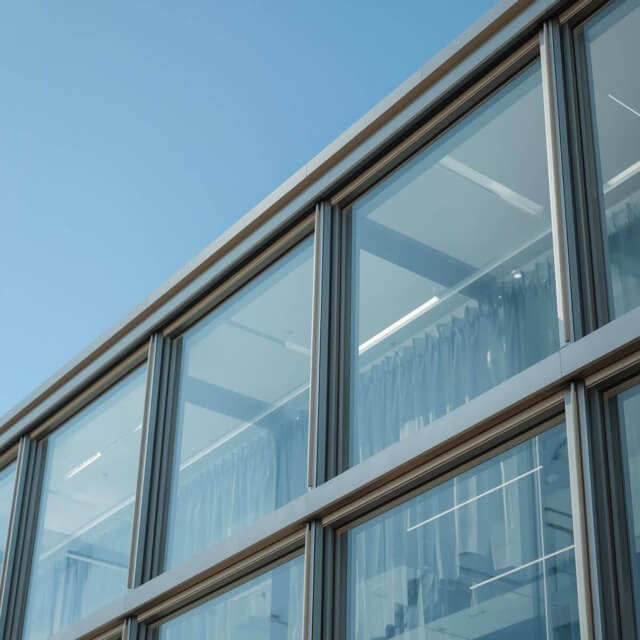
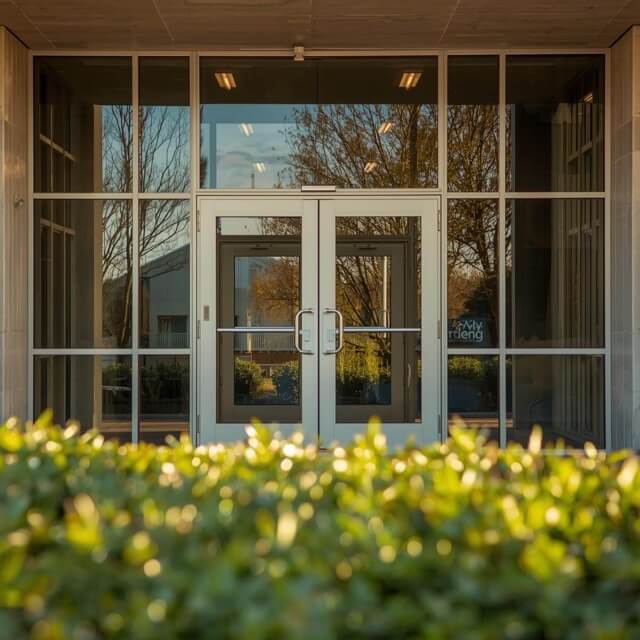
Proper installation determines whether security film delivers its rated performance or fails when tested. Professional assessment, certified installation, and appropriate curing time represent non-negotiable requirements for school applications.
Security consultation should precede product selection. Assessors examine glass types (annealed, tempered, laminated), thickness, frame materials (aluminum, wood, steel), frame condition and depth, and existing glazing condition. This evaluation identifies which school windows need treatment, what film grade suits each location, and whether frame reinforcement is necessary.
Certified installer selection matters significantly. Poor installation—particularly inadequate frame bonding—represents the most common failure point. Installers should demonstrate experience with educational facilities, proper certification from film manufacturers, and understanding of structural adhesive requirements.
Installation Procedure
Quality installation follows established protocols that maximize security performance:
- Surface preparation: Thorough cleaning removes contaminants that compromise adhesion. Dirt, oils, or residues between glass and film create failure points.
- Wet application: Film is applied using water-based solutions that allow positioning and bubble removal. Technicians work from center outward to eliminate air pockets.
- Edge sealing: Structural adhesive (wet-glaze silicone or equivalent) bonds film edges to the window frame perimeter. This anchoring prevents pane displacement during attack.
- Curing period: Structural adhesives require approximately 30 days to reach full bond strength. Schools should schedule installation during breaks when possible to allow curing before heavy use.
Mechanical retention systems offer an alternative to adhesive-only anchoring. Metal caps, angles, or frames physically secure film edges to surrounding structures. These systems particularly benefit high-threat areas or installations where adhesive performance concerns exist.
Cost Comparison Analysis
Cost represents a primary consideration for school administrators evaluating security glazing options. The following comparison reflects early 2026 pricing for installed systems:
| Solution Type | Cost Per Square Foot | Protection Level | Notes |
|---|---|---|---|
| Basic security film (4-6 mil) | $7-$10 | Fragment retention, minimal entry delay | Suitable for safety glazing compliance |
| Mid-tier security film (8 mil) | $9-$14 | Moderate forced entry delay | Common choice for school windows |
| High-performance film (8-14 mil) | $12-$19 | Extended entry delay (30+ seconds) | Includes structural anchoring |
| Premium/ballistic-rated film | $20-$30+ | Maximum film-based protection | Still not UL 752 rated |
| Bullet resistant glass (UL 752) | $125-$400+ | Certified ballistic protection | Requires structural modifications |
| Overglaze retrofit panels | $95-$450 | Enhanced forced entry resistance | Polycarbonate shields over existing glass |
Film retrofits offer 50-70% cost savings compared to full bullet resistant glass replacement while providing meaningful security improvement. However, budget decisions must acknowledge that film cannot substitute for true ballistic glazing where that protection level is required.
Factors affecting total project costs:
- Total square footage requiring treatment
- Glass types and sizes throughout facility
- Frame conditions and reinforcement needs
- Installation complexity and access requirements
- Warranty terms and maintenance provisions
Grant funding opportunities: Federal programs through the Department of Homeland Security and Department of Education, state school safety grants, and local bond measures may offset security improvement costs. Districts should explore available funding before finalizing budgets.
Common Challenges and Solutions
Schools implementing security window film encounter predictable obstacles. Addressing these challenges proactively improves project outcomes and stakeholder satisfaction.
Aesthetic and Visibility Concerns
Modern security films maintain high optical clarity with minimal visible impact on school windows. Optically clear products preserve natural lighting, which affects learning environments and energy costs. When selecting products, specify films with documented light transmission percentages and request samples for evaluation.
Parent and staff concerns about institutional appearance deserve direct response. Quality security film remains virtually invisible once installed, unlike bars, grilles, or obvious retrofit panels. This allows schools to improve safety without creating prison-like atmospheres that affect student psychology and community perception.
Budget Constraints
Limited budgets necessitate prioritization strategies. Phased installation approaches treat highest-risk areas first—entrance doors, door glass, administrative offices with exterior visibility—before expanding to classroom windows and other locations. This approach provides immediate security improvement while allowing budget accumulation for comprehensive treatment.
Federal and state grant funding specifically targets school security improvements. Application timelines vary, but successful funding often covers significant portions of installation costs. District administrators should identify available programs and align project timelines with application windows.
Performance Expectations Management
Clear communication prevents misunderstandings about what security film delivers. Film does not make school windows bulletproof, will not stop bullets from firearms, and cannot guarantee prevention of determined entry. It delays forced entry, contains broken glass, and integrates with other safety measures to improve overall school security posture.
Written materials for school boards, parents, and staff should explicitly state capabilities and limitations. This transparency prevents both unwarranted criticism and dangerous overconfidence in building protection.
Conclusion and Next Steps
Security window film provides a cost effective solution for hardening school windows against forced entry and reducing injury risk from shattered glass. When installed correctly with proper frame anchoring, these films delay entry by potential intruders and contain flying shards during impact events. However, no such thing as truly bulletproof window film exists—stopping ballistic threats requires certified bullet resistant glazing systems.
Effective school security requires layered approaches. Film enhances existing physical barriers but works best alongside access control, surveillance systems, emergency communication, practiced lockdown procedures, and trained response protocols.
Immediate action steps:
- Commission professional security assessment of facility glazing
- Identify high-risk windows and doors requiring priority treatment
- Research available grant funding through federal and state programs
- Request proposals from certified installers with educational facility experience
- Develop realistic timelines accounting for installation and curing requirements
Related security measures to explore: Electronic access control systems, video surveillance with monitoring protocols, emergency mass notification systems, visitor management procedures, and coordination with local law enforcement for response planning.
Frequently Asked Questions
Is bullet proof window film actually bulletproof for schools?
No. As of 2026, no retrofit security film satisfies UL 752 bullet resistance standards. Films help delay entry and hold broken glass together during impact, but they do not reliably stop bullets. True ballistic protection requires certified bullet resistant glass systems with multiple layers, substantial thickness, and structural framing—not film applied to existing windows. Any marketing claiming film provides bulletproof protection misrepresents product capabilities.
How long does security window film delay forced entry in school settings?
Properly installed security film typically delays forced entry by 15-45 seconds under moderate tool attack (hammer, bat, crowbar). With high-grade film (8-14 mil) combined with structural adhesive anchoring to the window frame, delays can extend from 30 seconds to approximately 3½ minutes. Performance varies based on glass type, intruder tools, attacker determination, and installation quality—particularly frame bonding.
What’s the difference between security film and bullet-resistant glass for schools?
Security film is a retrofit product applied to existing windows that improves glass fragment retention and delays forced entry. It does not stop bullets. Bullet resistant glass (UL 752 or NIJ rated) consists of engineered multi-layer assemblies—laminated glass, polycarbonate, and specialized substrates—designed and tested to withstand specific ballistic threats. Bullet resistant glazing costs significantly more ($125-$400+ per square foot versus $12-$19 for security film) and often requires structural modifications.
How much does it cost to install security window film throughout a school?
Costs depend on film grade, square footage, and installation complexity. As of early 2026: basic security film (4-6 mil) runs approximately $7-$10 per square foot installed; mid-tier security film (8 mil) costs $9-$14; high-performance products (8-14 mil) range from $12-$19 per square foot. Additional costs include frame anchoring, reinforcement where needed, and structural adhesive application. District-wide projects may qualify for federal or state grant funding to offset expenses.
Will security window film interfere with emergency egress procedures?
Security film should not obstruct emergency egress when properly specified and installed. However, modifications to existing glazing may affect fire safety ratings or building code compliance. Local codes (ANSI Z97.1, CPSC 16 CFR 1201) establish safety glazing requirements that films must meet. Frame anchoring systems must not block exits or impede emergency paths. Always verify compliance with the Authority Having Jurisdiction (AHJ) before installation.
How long does school security window film last before replacement?
Quality security film with UV-stable materials typically lasts 10+ years under normal conditions before noticeable degradation. Factors affecting longevity include UV exposure intensity, temperature cycling, moisture infiltration, and adhesive quality. Harsh climates with extreme sun exposure may accelerate yellowing or adhesive failure. Regular inspections identify degradation before performance compromises occur. Budget planning should account for eventual replacement within 10-15 year cycles.