- The Challenge of Weight and Thickness
- Visual Degradation and Discoloration
- Intrusive Framing and a Fortified Appearance
- The High Cost and Disruption of Replacement
- An Engineered Alternative: Patented Retrofit Security Glazing
- Comparative Analysis: Retrofit Systems vs. Glass Replacement
- Why Retrofit is the Modern Standard for Architectural Security
- Conclusion: A New Level of Integrated Architectural Security
- Frequently Asked Questions
For decades, specifying UL 752 Level 3 protection meant accepting significant architectural trade-offs. Traditional ballistic glass, while effective at meeting a defined threat level, functions as a brute-force solution. It imposes its physical demands on the building and forces architects and engineers to design around the security glazing rather than integrating protection within the design. This approach fundamentally compromises the aesthetic intent, structural efficiency, and financial viability of a project.
The Challenge of Weight and Thickness
Conventional level 3 bullet resistant glass is a heavyweight product. Typically constructed from multiple layers of laminated glass or as a glass-clad polycarbonate composite, these panels are exceptionally thick and heavy. A standard 1.25-inch thick monolithic pane can weigh upwards of 15 pounds per square foot.
This presents an immediate structural problem for architects. Existing window frames, curtain walls, and building envelopes are rarely engineered to support such a substantial increase in dead load. Accommodating this weight requires one of two undesirable paths. The first is costly structural reinforcement, where the existing framing must be analyzed and often heavily rebuilt. The second, more common path is a complete frame replacement, tearing out original systems for bulky, custom-engineered steel or aluminum frames.
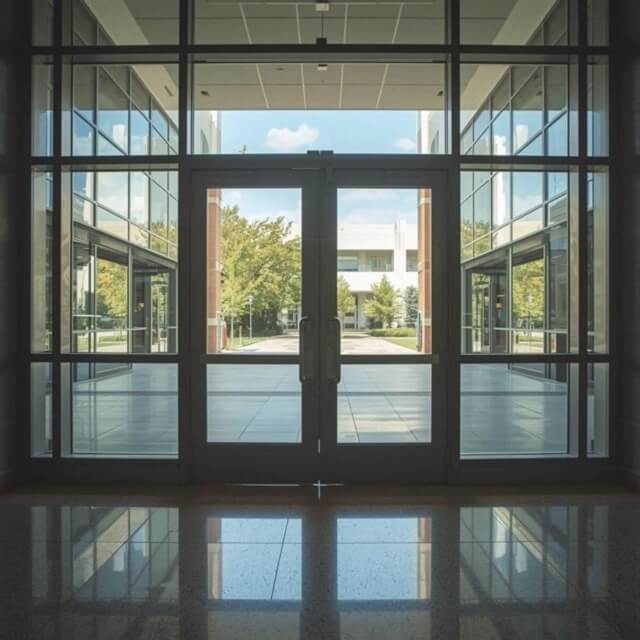
This inherent bulk directly undermines design goals centered on transparency and lightness. The thick, heavy panels create a sense of separation and diminish the clean, minimalist lines prized in modern architecture.
Visual Degradation and Discoloration
Beyond the physical imposition, traditional ballistic glass presents long-term aesthetic liabilities. The multi-layered composition, which often relies on polymer interlayers to bond glass and polycarbonate sheets, is susceptible to environmental degradation.
Prolonged exposure to ultraviolet (UV) radiation is a primary culprit, causing these interlayers to yellow or haze over time. This discoloration compromises the visual clarity of the glazing, altering the quality and color of natural light entering the space. What was once a clear view becomes a muted, distorted picture. Thermal cycling and moisture ingress can also lead to delamination, which manifests as unsightly bubbles or cloudiness. This permanently scars the appearance of the window and signals a failure of the glazing unit.
Intrusive Framing and a Fortified Appearance
The need for heavy-duty framing to support traditional ballistic glass introduces another layer of aesthetic disruption. These systems are necessarily robust, with wide sightlines and significant depth, to manage the weight and ensure the assembly can withstand a ballistic attack.
This stands in stark contrast to contemporary architectural trends that favor slim, low-profile frames to maximize glazing area. The required ballistic framing systems are visually intrusive and create a heavy, fortified appearance. This ‘fortress-like’ aesthetic can be counterproductive for buildings intended to feel welcoming and transparent, such as schools or corporate offices. The security solution becomes the most dominant visual element of the facade and overrides other design considerations.
The High Cost and Disruption of Replacement
Specifying traditional ballistic glass initiates a project cascade defined by high costs and significant operational disruption. The budget must account for far more than the material cost of the glazing itself. The total investment includes structural engineering assessments, demolition, custom fabrication, and extensive labor, often requiring specialized equipment.
This process is inherently invasive. It generates considerable noise and debris, forcing building occupants to relocate or endure a disruptive construction environment. For commercial, healthcare, or educational facilities, the necessary shutdowns result in lost revenue and continuity. This full rip-and-replace approach transforms a security upgrade into a major capital renovation, making it a non-starter for many organizations.
An Engineered Alternative: Patented Retrofit Security Glazing
The limitations of traditional ballistic glass have driven the development of a more intelligent approach to security glazing. Instead of disruptive replacement, advanced retrofit systems, often called over-glaze solutions, offer a sophisticated method for hardening a building’s envelope. This engineered alternative works with the existing structure, providing certified ballistic protection while preserving the original architectural design.
BulletShield: The Principles of an Over-Glaze System
An over-glaze system like BulletShield involves mounting a transparent, ballistic-rated shield over the exterior of the existing window or door glass. This system consists of a sheet of advanced security glazing and a patented aluminum framing system that secures the shield to the building’s window mullions.
This design creates a critical air gap between the new shield and the original glass. This space is a fundamental element of the system’s performance. When a projectile strikes the outer shield, the air gap allows the material to safely flex and deform, absorbing and dissipating kinetic energy. The original glazing remains intact, protected from the initial impact and preserving the building’s weatherproof seal.
Material Science: Advanced Polycarbonates vs. Laminated Glass
The performance superiority of modern retrofit systems is rooted in material science. While traditional Level 3 glazing relies on heavy, multi-layered laminated glass, systems like BulletShield utilize an advanced, monolithic polycarbonate. Laminated glass stops projectiles through brute force and thickness. This approach results in significant weight and a tendency for spalling, where glass fragments are dangerously ejected from the interior-facing side upon impact.
In contrast, polycarbonate is a thermoplastic polymer with an impact strength over 250 times that of glass at a fraction of the weight. Instead of shattering, polycarbonate flexes to absorb and disperse the force of a ballistic attack. This flexibility “catches” the projectile and prevents penetration without the risk of spall. Modern polycarbonates also feature advanced coatings that resist yellowing from UV exposure, maintaining optical clarity and aesthetic integrity.
Achieving UL 752 Level 3 Protection Without Replacement
The synergy between the polycarbonate shield, the engineered air gap, and the patented framing enables a retrofit system to meet the rigorous UL 752 Level 3 standard. The test, which involves stopping three rounds from a .44 Magnum handgun, is passed not by the shield alone, but by the entire assembly functioning as an integrated unit.
The over-glaze shield absorbs the initial, powerful impact. The air gap provides crucial space for this energy dissipation to occur. The framing system securely anchors the shield and channels forces safely into the building’s structural frame. This layered defense mechanism achieves certified ballistic resistance while leaving the original glass completely undisturbed.
The Role of Patented Systems in Performance and Reliability
A “patented system” signifies a crucial distinction from generic or field-fabricated solutions. A patent protects a unique, engineered design that has been subjected to extensive testing and validation. For security glazing, this applies primarily to the custom framing that anchors the polycarbonate shield.
This framing is engineered to perform several critical functions. It creates a secure anchorage to the existing window mullions, manages thermal expansion and contraction without compromising the seal, and effectively transfers the force of a ballistic impact into the building’s structure. Relying on a patented, factory-specified system ensures that the installation meets the same performance standards validated in laboratory testing, removing guesswork and guaranteeing reliable protection.
Comparative Analysis: Retrofit Systems vs. Glass Replacement
When specifying security glazing, architects must weigh the level of protection against the impact on aesthetics, operations, and cost. A direct comparison reveals the distinct advantages of a retrofit approach.
Aesthetic Preservation
For the architect, this is often the most critical differentiator. Full replacement with traditional ballistic glass presents a major design compromise. The glazing is thick and heavy, requiring bulky new frames that alter the building’s character. The glass often carries a noticeable tint, reducing visible light transmission.
A retrofit system is engineered for architectural invisibility. The original vision glass and frames are left untouched, preserving the intended aesthetic. The high-optic-quality polycarbonate shield and custom-colored framing blend seamlessly with existing mullions, making the protection virtually undetectable. Sightlines remain clear, ensuring security is achieved without sacrificing the building’s appearance.
Installation and Operational Disruption
A full glass replacement is an invasive construction project. The process is loud, creates debris, and requires breaching the building envelope, exposing the interior and compromising security during the installation.
A retrofit installation is a clean, quiet, and efficient exterior process. Because the existing glass is never removed, the building’s interior and its occupants are unaffected. This minimal-disruption approach allows businesses and schools to remain fully operational.
- Full Replacement: Requires interior and exterior access, breaches the building envelope, creates significant noise and dust, and often requires tenant relocation.
- Retrofit System: Requires exterior-only access, keeps the building envelope secure, creates minimal noise and no interior debris, and causes no disruption to operations.
Performance Beyond Ballistics
While Level 3 laminated glass is rated to stop specific bullets, its performance against other threats is secondary. The brittle nature of glass makes it vulnerable to attacks with tools like sledgehammers.
A polycarbonate-based retrofit system offers a multi-hazard solution. The ductility and impact strength of polycarbonate make it exceptionally resistant to forced entry. It can withstand repeated, high-energy impacts without shattering or creating an opening. This same flexibility also makes the system effective at mitigating blast hazards by absorbing the pressure wave from an explosion and protecting the primary glass.
Financial Implications
Evaluating the financial impact requires looking beyond the initial material quote. Full glass replacement carries numerous hidden costs, including high labor expenses for demolition, potential structural upgrades, and financial losses from business downtime.
Retrofit systems eliminate most of these ancillary costs. The faster, less-invasive installation dramatically reduces labor expenses, and the lack of operational disruption means there is no loss of revenue. By leveraging the existing window infrastructure, retrofit solutions provide a more predictable and significantly lower total project cost.
Why Retrofit is the Modern Standard for Architectural Security
The evolution of security glazing has reached a pivotal moment. The conventional method of full window replacement now represents an outdated approach. Advanced retrofit systems have emerged as the new standard, fundamentally changing the calculus for architects and security specifiers.
Eliminating the False Choice Between Security and Design
For decades, architects have been presented with a false choice: fortify a building and compromise its design, or preserve the architectural vision at the expense of robust security. Traditional bullet-resistant glass forces this compromise.
Patented retrofit systems dismantle this paradigm. By engineering a solution that integrates with the existing glazing, the system adapts to the architecture. This approach allows for the preservation of original curtain walls, storefronts, and window assemblies. The result is UL 752 Level 3 protection that is virtually invisible, maintaining the building’s intended aesthetic and sightlines. The false choice is eliminated, replaced by an integrated strategy where superior security becomes an inherent, unseen quality of the design itself.
Future-Proofing Assets with Adaptable Solutions
The “rip and replace” methodology of traditional ballistic glass is inherently unsustainable. It generates significant construction waste and carries a high embodied carbon footprint. Retrofit solutions offer a more intelligent path forward. By augmenting the existing building envelope, these systems minimize waste and preserve original materials. This approach is not only environmentally responsible but also economically astute, providing a scalable and adaptable security posture. As threats evolve, the system can be modified without requiring another complete overhaul, future-proofing the asset.
Enhancing Occupant Safety While Preserving Intent
Heavy, tinted, or distorting ballistic glass can create a fortress-like environment that fosters a sense of unease. It can diminish the natural light and visual connection to the outside that are proven to enhance occupant well-being.
A core strength of modern retrofit systems lies in their ability to provide uncompromising safety while remaining undetectable. By maintaining the optical clarity of the original glass, these systems ensure the experience of being inside the space remains exactly as the architect intended. The flow of natural light is uninterrupted and views are preserved. This creates a secure environment that reassures rather than intimidates.
Conclusion: A New Level of Integrated Architectural Security
The conversation around ballistic protection has been framed for decades as an unavoidable compromise. To achieve a UL 752 Level 3 rating, specifiers often accepted the significant drawbacks of traditional level 3 bullet resistant glass. These included disruptive full window replacements and bulky glazing that altered the original design intent.
That paradigm is now obsolete. The development of advanced, over-glazing retrofit systems has severed the link between high-level security and aesthetic sacrifice. By installing a system over existing glass, these solutions provide robust, tested ballistic resistance while leaving the original architecture completely intact. The trade-off that constrained design for years is no longer a factor for informed specifiers. The professional mandate today is to specify solutions that protect people without detracting from the spaces designed for them.
Evaluating Advanced Retrofit Security Glazing
Transitioning from concept to application requires a structured evaluation. When considering a retrofit security glazing system, a methodical approach ensures the solution aligns with your project’s security, budgetary, and aesthetic requirements.
We recommend the following steps:
- Define Threat Levels: Begin with a formal risk assessment to identify the specific threats you aim to mitigate and which openings require protection.
- Request Technical Data: Ask potential manufacturers for independent third-party testing certifications, such as UL 752 reports for ballistic resistance, forced entry, and impact resistance.
- Review Architectural Details: A reputable manufacturer will provide detailed drawings to illustrate how their system will interface with your existing window frames and building conditions.
- Assess Optical Clarity: Whenever possible, request a physical sample or mock-up installation to verify the product’s optical clarity and confirm its minimal aesthetic impact.
- Engage in a Consultation: Discuss your project with a technical expert from the manufacturer to address unique challenges and ensure a successful outcome.
Frequently Asked Questions
What defines UL 752 Level 3 ballistic resistance?
UL 752 Level 3 is a security standard defined by Underwriters Laboratories. To achieve this rating, a glazing assembly must demonstrate the ability to stop three rounds from a .44 Magnum handgun, fired from a distance of 15 feet. This test verifies protection against powerful handgun threats.
Will a retrofit system change the look of my building’s windows?
No. A key advantage of high-quality retrofit systems is their near-invisibility. The polycarbonate shields are optically clear, and the patented framing is custom-colored to blend seamlessly with your building’s existing window mullions. The original glass and sightlines are preserved, maintaining the intended architectural aesthetic.
How does polycarbonate compare to laminated glass for security?
While both materials can achieve a UL 752 Level 3 rating, they perform differently. Heavy laminated glass stops projectiles with brute-force mass. Advanced polycarbonate is a lightweight polymer that flexes to absorb and dissipate a projectile’s energy, “catching” it without shattering or producing dangerous spall. This makes polycarbonate far more resistant to repeated impacts and forced entry attempts.
Can retrofit bullet resistant windows protect against more than just gunfire?
Yes. The inherent strength and flexibility of polycarbonate-based retrofit systems offer multi-hazard protection. They are exceptionally effective at resisting forced entry from tools like sledgehammers and preventing smash-and-grab crime. The system’s ability to absorb energy also makes it a valuable tool for blast mitigation, protecting building occupants from the effects of an explosion.