- The Inherent Conflict: Aesthetic Vision Versus Extreme Weather Demands
- Deconstructing the Threat: The Science of Fenestration Vulnerability in Hurricanes
- Outmoded Approaches: Traditional Hurricane Window Protection Methods Critiqued
- The Retrofit Revolution: Fortifying Existing Fenestration with Advanced Security Glazing
- Engineering Superiority: A Technical Deep Dive into Advanced Retrofit Glazing Performance
- Architectural Preservation: The Unmatched Aesthetic Benefits of Virtually Invisible Protection
- Operational and Economic Advantages of Advanced Hurricane Window Protection Systems
- Conclusion: Key Takeaways and Next Steps
- Frequently Asked Questions
The Inherent Conflict: Aesthetic Vision Versus Extreme Weather Demands


For architects and property owners in hurricane-prone regions, the challenge of preserving a building’s aesthetic integrity while simultaneously ensuring robust protection against extreme weather has long been a significant point of contention. Traditional hurricane window protection mechanisms, such as temporary storm shutters, plywood boarding, or unsightly bars, are often visually disruptive. They obscure architectural features, diminish natural light, and fundamentally alter a building’s intended appearance, even if only for the duration of a storm. This often forces a difficult choice: either compromise the meticulously crafted design or risk catastrophic damage from wind-borne debris and sustained wind loads.
The Imperative for Permanent, Unobtrusive Security Solutions
The operational demands and visual blight of temporary hurricane preparations highlight an urgent need for permanent, unobtrusive security solutions. The labor, logistics, and time involved in deploying temporary measures are considerable, especially for large or high-value properties. These reactive solutions are only effective if installed correctly and in time, a process often complicated by impending storm conditions. What is needed is a system that offers continuous, passive protection, integrated seamlessly into the building’s facade, remaining virtually invisible until its performance is called upon. Such a solution eliminates the stress and visual compromise associated with traditional methods, providing peace of mind without altering the architectural landscape.
Redefining Expectations: Moving Beyond Compromise in Building Protection
The prevailing notion that robust hurricane window protection necessitates a compromise on design integrity is an outdated perspective. Advances in materials science and engineering have paved the way for sophisticated fenestration solutions that fundamentally redefine what is possible in building protection. Property owners and architects no longer have to choose between safeguarding their assets and preserving the original design intent. Modern permanent solutions offer a pathway to integrate superior defense capabilities directly into the building’s structure, ensuring continuous protection that is aesthetically discreet, operationally efficient, and engineered for resilience. This paradigm shift encourages a move beyond compromise, embracing solutions that deliver both uncompromising security and unwavering architectural vision.
Deconstructing the Threat: The Science of Fenestration Vulnerability in Hurricanes
The Mechanics of Window Failure: Wind Pressure and Wind-Borne Debris
Window systems are often the most vulnerable component of a building’s envelope during a hurricane. Their failure typically originates from two primary mechanisms: the direct force of extreme wind pressures and the impact of wind-borne debris. High winds generate immense positive and negative pressures on glazing surfaces, causing deflection and stress that can exceed the material’s elastic limit. Simultaneously, the storm propels objects such as roofing materials, gravel, and construction debris at high velocities, transforming them into projectiles capable of shattering glass on impact. Even seemingly small impacts can initiate cracks that quickly propagate under dynamic wind loads, leading to complete glazing failure.
Understanding Peak Loads and Cyclic Fatigue in Glazing Systems
Beyond singular impacts, the integrity of a glazing system is severely tested by the complex interplay of peak loads and cyclic fatigue. Peak loads refer to the instantaneous maximum pressures exerted on a window surface by extreme wind gusts, which can create localized stress concentrations. Cyclic fatigue, conversely, describes the cumulative damage caused by repeated fluctuations in wind pressure. Even if these individual pressure cycles are below the material’s ultimate strength, their continuous application can weaken the glass over time, making it more susceptible to failure during subsequent peak loads or impacts. Engineered hurricane window protection must account for both the immediate, intense forces and the gradual, insidious effects of prolonged stress.
The Catastrophic Cascade: Internal Pressurization and Structural Damage
The failure of even a single window can initiate a catastrophic cascade of damage throughout a structure. Once the building envelope is breached, the hurricane’s fierce winds can rush indoors, leading to a phenomenon known as internal pressurization. This sudden and dramatic change in internal air pressure creates immense uplift forces on the roof and outward pressures on walls, often causing roofs to peel off and walls to collapse. The resulting structural compromise significantly escalates the cost of repairs and poses extreme safety hazards. Protecting fenestration is therefore not merely about saving a window. It is a critical defense for the entire building’s structural integrity against the forces of nature.
Industry Standards and Certifications: A Benchmark for Hurricane Protection
To ensure reliable performance, hurricane protection systems are rigorously tested and certified against specific industry standards. These standards establish benchmarks for impact resistance and structural performance under extreme wind loads. Key certifications often reference protocols such as those developed by Miami-Dade County (TAS 201/202/203), Florida Building Code (FBC), and the American Society for Testing and Materials (ASTM E1886/E1996). These tests typically involve firing various projectiles at the glazing, followed by subjecting the damaged specimen to repeated cycles of positive and negative pressure, simulating hurricane conditions. Compliance with these stringent standards provides a verifiable measure of a system’s ability to withstand the destructive forces of a hurricane, offering architects and owners a clear indicator of proven resilience.
Outmoded Approaches: Traditional Hurricane Window Protection Methods Critiqued
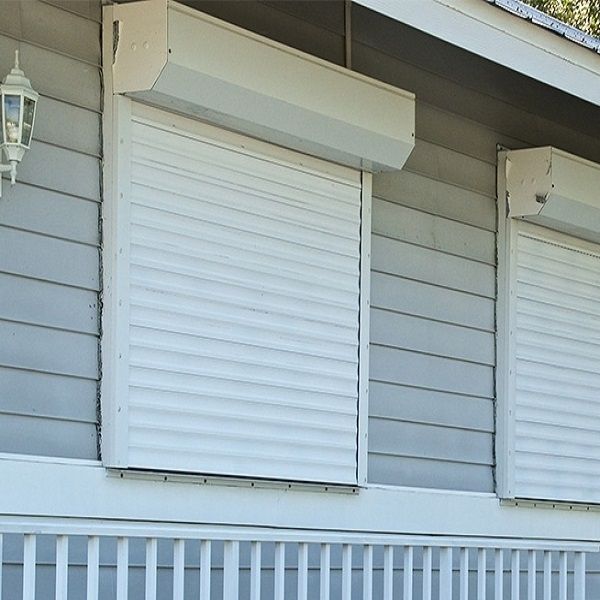
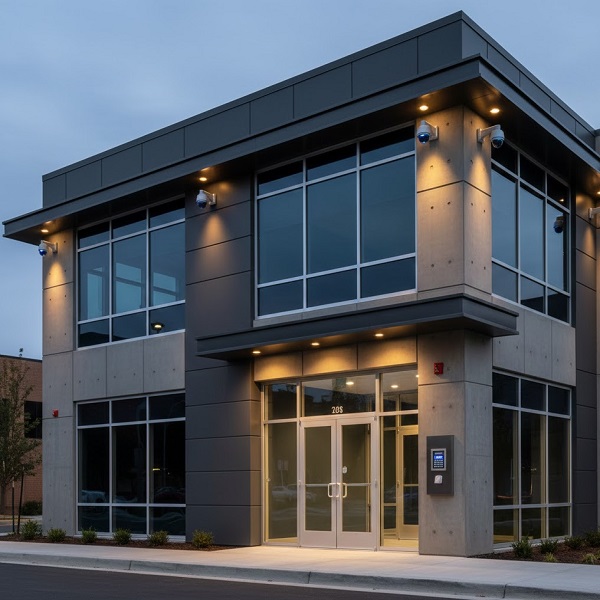
For decades, property owners and architects grappling with hurricane threats have been constrained by a limited palette of protective measures, each presenting significant compromises. These conventional methods, while offering some degree of defense, often fall short of meeting the holistic requirements of high-value properties, particularly in terms of aesthetic preservation, operational efficiency, and long-term security. Understanding their inherent limitations is crucial to appreciating the advancements offered by modern solutions.
Temporary Measures: The Limitations of Storm Shutters and Plywood Board-Ups
The most rudimentary forms of hurricane window protection, such as storm shutters and plywood board-ups, represent a reactive and inherently flawed approach. While they offer a quick, albeit often last-minute, physical barrier, their operational and aesthetic drawbacks are substantial.
- Labor-Intensive and Time-Consuming: Deploying these temporary solutions requires significant manual labor, often under duress as a storm approaches. This leads to increased operational costs and safety risks for personnel.
- Aesthetic Degradation: From an architectural perspective, the visual impact is unequivocally negative. Plywood boards obscure views, block natural light, and transform elegant facades into fortresses of necessity, detracting significantly from the property’s design intent and curb appeal.
- Limited Efficacy: Despite their appearance of robustness, these temporary barriers are susceptible to compromise. Fastenings can fail, plywood can splinter under sustained wind loads, and debris impact can dislodge them, leaving the primary fenestration vulnerable. They offer a short-term, visually intrusive fix that often fails to provide truly reliable, permanent protection.
Conventional Impact-Rated Glazing: Costly Replacements and Installation Complexities
Conventional impact-rated glass, typically requiring a complete window replacement, represents a more robust solution than temporary measures. Engineered to withstand significant impacts from wind-borne debris and extreme pressure differentials, these systems achieve their protective qualities through specialized glass compositions, often laminated or insulated. However, their application to existing structures, especially those of architectural significance, presents a unique set of challenges.
- Prohibitive Cost and Disruption: The full replacement of existing window systems is an undertaking of considerable expense. It involves not only the cost of the specialized glazing units but also extensive labor for removal, installation, and associated finish work. This process is highly disruptive to building occupants and operations.
- Architectural Preservation Concerns: For historic buildings or those with unique architectural elements, replacing original windows can compromise their integrity and historical value. Matching frames, sightlines, and aesthetic details often proves difficult, if not impossible, leading to a loss of the original design intent. This directly contradicts the desires of architects who prioritize maintaining a building’s character.
- Structural Modifications: The weight and frame requirements of conventional impact-rated glass or hurricane resistant windows can sometimes necessitate structural modifications to the existing building envelope, further increasing complexity, cost, and potential for unintended consequences.
Security Window Films: Addressing Shatter, Not Structural Integrity
Security window films are frequently considered for their ability to mitigate the dangers of shattered glass. These films, often applied to existing panes, are designed to hold fragments together upon impact, preventing dangerous shards from becoming projectiles within the interior space. While effective at addressing this specific hazard, it is critical to understand their fundamental limitation in hurricane window protection.
While security films enhance safety by containing glass fragments, they do not inherently add structural strength to the overall window assembly. The underlying glass pane can still crack, deform, or even dislodge from its frame under extreme wind pressure or significant debris impact. The film may prevent the glass from shattering into pieces, but it cannot prevent the entire pane or the entire window system from breaching, thus failing to preserve the building envelope’s integrity during a severe hurricane event. They offer a partial solution that focuses on post-impact safety rather than pre-impact resilience.
The Aesthetic and Operational Burdens of Visible Protection
The common thread uniting these traditional hurricane window protection methods is their inability to reconcile robust security with architectural integrity. Each approach, to varying degrees, introduces either temporary visual blight or necessitates permanent, often compromising, alterations to a building’s facade.
For architects and property owners who invest significantly in design and aesthetics, the prospect of installing visible shutters, opaque board-ups, or undertaking extensive and disruptive window replacements is a significant pain point. These solutions frequently diminish natural light, obstruct views, and fundamentally alter the intended appearance of a structure, reducing its market value and occupant satisfaction. The operational burden of deploying and storing temporary solutions, coupled with their inherent unattractiveness, has historically forced a difficult choice: robust protection at the expense of design, or design preservation at the risk of vulnerability. This prevailing dilemma has created a demand for an alternative that offers both uncompromising security and seamless integration.
The Retrofit Revolution: Fortifying Existing Fenestration with Advanced Security Glazing
In response to the inherent limitations and compromises of traditional methods, a revolutionary approach to hurricane window protection has emerged: advanced retrofit security glazing. This paradigm shift redefines how high-value properties can achieve unparalleled resilience without sacrificing architectural design, offering a permanent, virtually invisible defense against nature’s most formidable forces.
Introducing the Patented Retrofit Security System: A New Paradigm in Protection
The advanced retrofit security system represents a fundamental re-evaluation of building protection. Instead of replacing existing windows or bolting on obtrusive barriers, this innovative approach enhances the existing fenestration from the exterior, transforming vulnerable glass into an unyielding shield. This patented system integrates seamlessly with the current structure, preserving the original windows and frames while providing a level of security previously unattainable without extensive and costly overhauls. It embodies a new paradigm where robust protection is not an architectural compromise but an invisible, integrated enhancement.
Polycarbonate Glazing Technology: The Core of Unyielding Strength
At the heart of this advanced retrofit window security system lies state-of-the-art polycarbonate glazing technology. Unlike traditional glass, which is inherently brittle, engineered polycarbonate offers extraordinary impact resistance and flexibility.
- Superior Impact Resistance: Polycarbonate is many times stronger than tempered glass, capable of absorbing and dispersing extreme kinetic energy from wind-borne debris without shattering or failing. This inherent toughness ensures the building envelope remains intact during catastrophic hurricane events.
- Engineered Resilience: This material is not merely durable. It is designed to flex and rebound, maintaining its structural integrity even under sustained high-pressure loads and repeated impacts. This elasticity prevents catastrophic failure, a common vulnerability in traditional glazing.
- Lightweight and Durable: Despite its immense strength, polycarbonate is significantly lighter than glass, making it an ideal material for retrofit applications where minimizing added load to existing structures is critical. Its inherent durability also ensures a long-lasting, low-maintenance protective solution.
Seamless Integration with Existing Architecture: Preserving Original Design
One of the most compelling advantages of advanced retrofit security glazing, particularly for architects like Alex Chen, is its virtually invisible integration. The system is meticulously engineered to fit over existing window and door frames, creating a secondary, protective layer that is nearly imperceptible from both the interior and exterior.
- Unaltered Aesthetics: The transparent polycarbonate preserves the original sightlines, colors, and architectural detailing of the primary windows. This means historical accuracy is maintained, and the building’s aesthetic intent remains entirely undisturbed.
- Maintained Natural Light and Views: Unlike shutters or board-ups, the retrofit system does not impede natural light transmission or obscure outward views. Occupants continue to enjoy unimpeded daylight and vistas, even when the property is fully protected.
- Non-Invasive Installation: The installation process is designed to be minimally invasive, avoiding the need for extensive structural modifications or the removal of original windows. This significantly reduces project complexity, cost, and disruption, making it an ideal solution for sensitive renovations or upgrades to existing high-value properties.
How Retrofit Enhances the Entire Building Envelope
The benefits of advanced retrofit security glazing extend far beyond immediate hurricane protection, contributing significantly to the overall resilience and performance of the entire building envelope. By fortifying the most vulnerable points—windows and doors—this system provides a comprehensive upgrade.
- Enhanced Security Posture: Beyond hurricane defense, the robust polycarbonate barrier offers a formidable deterrent against forced entry, vandalism, and other security threats, enhancing the property’s overall safety profile.
- Improved Energy Efficiency: The additional layer of glazing creates an enhanced thermal break, improving the insulation properties of the windows. This can lead to reduced energy consumption for heating and cooling, contributing to a more sustainable and cost-effective building operation.
- UV Protection and Sound Attenuation: The polycarbonate layer also provides significant protection against harmful UV radiation, safeguarding interior furnishings and artwork from fading. Additionally, the added mass and air gap can contribute to noticeable improvements in sound attenuation, creating quieter and more comfortable interior environments.
In essence, a retrofit security system transforms existing windows into multi-functional assets, delivering not only superior hurricane defense but also a range of performance enhancements that benefit the building’s long-term integrity, operational efficiency, and occupant experience.
Engineering Superiority: A Technical Deep Dive into Advanced Retrofit Glazing Performance
The evolution of window protection transcends rudimentary barriers, moving into an era where scientific engineering dictates performance. Advanced retrofit glazing systems represent a paradigm shift, offering a level of resilience that far surpasses traditional, often temporary, solutions. This superiority is rooted in material science, meticulous design, and rigorous testing, ensuring a robust defense against nature’s most formidable forces.
Withstanding Extreme Forces: Impact Resistance and Wind Load Capacity
Modern retrofit glazing systems are engineered to transform existing windows into highly resilient barriers capable of absorbing and distributing extreme forces. Unlike conventional glass, which shatters under high stress, these systems employ advanced polymers such as high-grade polycarbonate or acrylic, often in multi-layered configurations. These materials exhibit exceptional tensile strength and ductility, allowing them to flex and dissipate impact energy rather than fracture.
This inherent flexibility is critical for surviving severe hurricane conditions, including:
- High-Velocity Wind-Borne Debris: The system is designed to absorb the kinetic energy of projectiles, from small gravel to large construction materials, without penetration or catastrophic failure.
- Sustained Wind Pressure: It maintains structural integrity under the fluctuating positive and negative pressures exerted by hurricane-force winds, preventing blow-outs or inward collapse.
- Deflection and Recovery: The advanced glazing can deflect significantly under load, then return to its original form, preserving the building envelope’s integrity and minimizing structural damage.
Adherence to the Strictest Industry Standards and Testing Protocols
The credibility of advanced retrofit glazing systems is firmly established through their adherence to, and often exceeding of, the most stringent industry standards and testing protocols. This is not merely a matter of compliance. It is a testament to engineered reliability. Systems undergo extensive third-party laboratory and real-world testing to certify their performance characteristics.
Key standards and certifications include:
- ASTM E1886/E1996: These standards define the test methods for determining the performance of exterior windows, curtain wall systems, doors, and impact protective devices when subjected to missile impacts and cyclic pressure differentials, simulating hurricane conditions.
- Miami-Dade County Notice of Acceptance (NOA): Widely recognized as one of the most rigorous certification processes globally, an NOA signifies that a product has met extremely high standards for hurricane resistance, crucial for Florida’s demanding building codes.
- Florida Building Code (FBC): Compliance with FBC High-Velocity Hurricane Zone (HVHZ) requirements assures property owners and architects that the system is suitable for the most vulnerable coastal regions.
These certifications provide objective evidence of a system’s capacity to protect occupants and assets, offering unparalleled peace of mind.
The Multi-Layered Defense: Glazing Configuration and Framing Integration
The formidable protection offered by advanced retrofit glazing is a result of an intelligently designed multi-layered defense strategy, seamlessly integrated with the building’s existing fenestration. This comprehensive approach leverages the strengths of each component to create an impenetrable barrier.
The typical configuration involves:
- Existing Glazing: The original window glass acts as the initial impact surface, absorbing some energy and providing an additional layer of protection.
- Air Gap: A precisely engineered air gap between the original glass and the retrofit shield provides thermal and acoustic insulation. Importantly, it provides space for the advanced glazing to flex and absorb impact energy without transferring stress directly to the original glass.
- Advanced Polycarbonate or Acrylic Shield: This optically clear, virtually unbreakable layer is the primary defense against impacts and pressure, designed for maximum energy absorption and distribution.
- Robust Framing and Anchoring System: This proprietary, high-strength framework secures the advanced shield to the existing window frame, distributing loads evenly and ensuring the entire assembly acts as a unified, resilient unit. The anchoring system is designed to avoid altering the building’s original structure, a critical consideration for architects.
This integrated approach ensures that the entire window system functions as a single, highly durable entity, providing protection far beyond what any single component could offer alone.
Beyond Hurricanes: Mitigating Other Threats with Enhanced Fenestration Security
While primarily engineered for hurricane-force impacts and wind loads, the inherent strength and design principles of advanced retrofit glazing systems confer significant advantages in mitigating a broader spectrum of threats. The same structural integrity and impact resistance that thwart wind-borne debris also provide a formidable defense against intentional acts.
This comprehensive fenestration security extends to:
- Forced Entry and Vandalism: The extreme durability of the advanced glazing renders conventional tools for forced entry, such as bricks, hammers, or pry bars, ineffective, significantly delaying or deterring intruders. This dramatically enhances property security and reduces damage from opportunistic vandalism.
- Ballistic Threats: Specific retrofit glazing configurations can be engineered to meet various ballistic resistance levels, offering protection against firearm projectiles without requiring extensive structural modifications to the building.
- Blast Mitigation: In the event of an external explosion, the energy-absorbing properties of the system help contain fragments and reduce spalling, minimizing potential injury from flying glass within the building.
This multi-faceted protective capability transforms windows from a point of vulnerability into a permanent, resilient security asset, ensuring comprehensive protection for high-value properties against an array of threats.
Architectural Preservation: The Unmatched Aesthetic Benefits of Virtually Invisible Protection
For architects like Alex Chen, the dilemma of balancing robust security with design integrity has long been a significant pain point. Traditional hurricane window protection methods, ranging from unsightly plywood boards to cumbersome metal shutters, invariably compromise a building’s aesthetic vision, often obscuring natural light and views. Advanced retrofit glazing systems resolve this fundamental conflict, offering a ‘virtually invisible’ solution that prioritizes both absolute security and unimpaired architectural beauty.
Eliminating Visual Distractions: Maintaining Unobstructed Views and Natural Light
One of the most compelling advantages of advanced retrofit glazing is its exceptional optical clarity. Unlike temporary shutters or opaque coverings that dramatically alter a building’s appearance and block natural light, these systems are designed to be almost imperceptible once installed. The high-performance polymers used are engineered for minimal distortion, glare, or discoloration, ensuring that occupants retain clear, unobstructed views to the outside.
This commitment to visual transparency means:
- Uninterrupted Aesthetics: The exterior facade remains pristine, free from visible hardware, tracks, or bulky additions.
- Abundant Natural Light: Interior spaces continue to benefit from natural illumination, fostering healthier and more productive environments.
- Maintained Exterior Appeal: Curb appeal is preserved, avoiding the dilapidated appearance often associated with traditional, temporary hurricane preparations.
The result is a harmonious blend of uncompromising security and uncompromised architectural design, satisfying the strictest aesthetic requirements without sacrifice.
Preserving Historic and Architectural Significance
For properties with historic designations or significant architectural value, the mandate to preserve original design elements is paramount. Traditional security solutions often necessitate invasive modifications or additions that detract from, or even damage, historically sensitive structures. Advanced retrofit window security offers a superior alternative by integrating seamlessly with existing windows without altering the original fenestration or facade.
The non-invasive installation process is key:
- No Alteration to Original Frames or Sashes: The system attaches discreetly to the existing window frame, leaving original glass, sashes, and architectural details untouched.
- Compliance with Preservation Guidelines: This approach often satisfies the stringent requirements of historic preservation commissions, which typically prohibit permanent changes to a building’s exterior.
- Reversible Installation: Should future restoration or architectural changes be required, the retrofit system can often be removed without permanent damage to the original structure.
This respect for a building’s heritage ensures that critical security upgrades can be implemented while meticulously safeguarding its historical and architectural integrity.
The End of Compromise: Design Freedom Meets Absolute Security
The central thesis that architects must sacrifice design integrity for robust hurricane window protection is definitively debunked by advanced retrofit glazing. This technology ushers in an era where security is no longer an afterthought or an aesthetic compromise, but an integral, yet virtually unseen, component of architectural excellence. Architects are liberated to pursue their creative visions without the constraints imposed by visible security measures.
- Unrestricted Material Palettes: Designers can choose window materials and styles based purely on aesthetic and functional merit, knowing that invisible protection is available.
- Seamless Integration: Security becomes an inherent feature, much like structural integrity or energy efficiency, rather than a bolted-on addition.
- Enhanced Livability: Occupants benefit from continuous views and natural light, fostering a sense of openness and connection to the environment, even in high-risk zones.
This represents a profound shift, offering absolute security without compelling a departure from design principles, thereby fostering genuine design freedom.
Enhancing Property Value Through Elegant, Permanent Solutions
Investing in advanced retrofit glazing is not merely a security upgrade. It is an enhancement that contributes significantly to a property’s long-term value. Unlike temporary measures that require ongoing storage, deployment, and eventual replacement, these permanent, integrated solutions offer continuous protection and sustained aesthetic appeal.
The value proposition includes:
- Increased Market Attractiveness: Properties with integrated, invisible security are inherently more appealing to discerning buyers and tenants who prioritize both safety and sophisticated design.
- Reduced Maintenance and Operational Costs: Eliminates the labor and storage costs associated with deploying and removing temporary hurricane window protection, offering a superior return on investment over time.
- Lower Insurance Premiums: Many insurance providers offer reduced premiums for properties with certified, permanent hurricane protection, recognizing the diminished risk of damage.
- Preserved Curb Appeal: The continuous maintenance of a building’s pristine appearance, even in hurricane season, ensures that its visual and market value are consistently upheld.
By delivering both superior protection and unparalleled aesthetic preservation, advanced retrofit glazing systems stand as a testament to sophisticated engineering, securing both buildings and their inherent value for generations to come.
Operational and Economic Advantages of Advanced Hurricane Window Protection Systems
While the primary function of advanced retrofit security glazing is unparalleled protection, its strategic adoption extends far beyond immediate threat mitigation. For discerning property owners and architects, the benefits cascade into significant operational efficiencies, long-term financial advantages, and enhanced property valuations, all while preserving and even improving aesthetic integrity.
Life Cycle Cost Analysis: Long-Term Value Versus Repeated Expenses
Traditional hurricane window protection methods, such as temporary shutters or boarding, often present a deceptive initial cost advantage. However, a comprehensive life cycle cost analysis reveals that these seemingly cheaper solutions incur substantial recurring expenses that significantly outweigh the initial investment in a permanent, integrated system. The purchase, installation, removal, storage, and potential repair or replacement of temporary solutions contribute to an ongoing financial drain. Furthermore, the labor costs associated with deploying and removing these systems before and after every significant weather event can be considerable, especially for larger properties.
In stark contrast, advanced retrofit security glazing represents a single, strategic capital investment. Once installed, it requires minimal intervention, offering continuous, passive protection. This permanence eliminates recurring labor costs, storage needs, and the expense of replacing storm-damaged temporary materials. Moreover, properties equipped with robust, permanent protection often qualify for reduced insurance premiums, translating into consistent annual savings. The mitigation of potential business interruptions, a critical factor for commercial properties, further solidifies the long-term economic superiority of integrated glazing solutions.
Reduced Maintenance and Preparedness Logistics
The logistical burden associated with traditional hurricane preparedness is often underestimated. Property managers and owners face the arduous task of inventorying, storing, retrieving, installing, and later removing cumbersome panels or shutters. This process is not only labor-intensive but also introduces a significant margin of human error, potentially leaving vulnerabilities. The stress and urgency of last-minute preparations can be overwhelming, particularly as a storm approaches.
Retrofit window security fundamentally transforms this paradigm. With a permanently installed system, the preparedness logistics are virtually eliminated. The windows are continuously protected, requiring no pre-storm deployment or post-storm removal. Maintenance is reduced to standard window cleaning practices, freeing up resources and personnel. This ‘always on’ protection ensures that a property is resilient regardless of how quickly a weather event develops, offering unparalleled peace of mind and operational simplicity.
Enhancing Occupant Safety and Property Resale Value
The continuous, robust protection afforded by advanced retrofit glazing profoundly impacts occupant safety and a property’s long-term market appeal. Occupants benefit from an elevated sense of security, knowing their environment is permanently fortified against extreme weather, forced entry, and other potential threats, without the disruption or anxiety of last-minute preparations. This inherent safety contributes significantly to the overall occupant experience and well-being.
From an investment perspective, a property featuring a ‘virtually invisible,’ permanent security upgrade holds a distinct advantage. Unlike temporary solutions that detract from curb appeal and signal a recurring problem, integrated glazing enhances the property’s value by offering superior resilience and protection without compromising architectural design. It signals a high standard of construction and a forward-thinking approach to safety and maintenance, making the property more attractive to potential buyers or tenants. This elevates the property’s market standing, contributing to a higher resale value and improved occupancy rates.
Sustainable Solutions for Modern Commercial and Residential Structures
In an era emphasizing environmental responsibility, advanced retrofit glazing systems offer compelling sustainability benefits. Traditional temporary solutions often involve materials that are susceptible to damage, leading to frequent replacement and contributing to landfill waste. The repeated manufacturing and transportation cycles for these components also carry a greater carbon footprint over the property’s lifespan.
Conversely, durable retrofit glazing is a long-life solution that minimizes waste. Many modern systems also incorporate enhanced thermal performance, significantly improving a building’s energy efficiency by reducing heat transfer. This leads to lower heating, ventilation, and air conditioning (HVAC) loads, resulting in reduced energy consumption and operational costs. By contributing to a building’s overall resilience against extreme weather events, these systems prevent extensive damage that would otherwise require substantial material and energy resources for repair and reconstruction. This inherent resilience is a cornerstone of sustainable building practices, ensuring structures remain functional and intact for decades, aligning perfectly with green building certifications and long-term environmental goals.
Conclusion: Key Takeaways and Next Steps
The evolution of hurricane window protection technology has ushered in a new era, rendering previous compromises between security and aesthetics obsolete. For architects and property owners operating in hurricane-prone regions, the decision is no longer about choosing the lesser of two evils but embracing a superior, integrated solution.
Reaffirming the Paradigm Shift: Superiority of Advanced Retrofit Glazing
The prevailing belief that robust hurricane window protection necessitates a sacrifice of design integrity is definitively a myth. Modern advanced retrofit security glazing has not merely offered an alternative but has orchestrated a paradigm shift. Its technical superiority lies in the engineered combination of incredible strength, ‘virtually invisible’ aesthetics, and a permanent installation that provides continuous, unyielding defense. This innovation renders traditional, obtrusive, and temporary methods obsolete, establishing a new benchmark for comprehensive property resilience and architectural preservation.
Empowering Architects: Security Without Sacrificing Vision
For principal architects like Alex Chen, the advent of sophisticated retrofit glazing is transformative. It liberates design intent from the constraints imposed by inadequate security options. Architects can now specify high-performance solutions that integrate seamlessly with their vision, protecting the building’s occupants and assets without visual intrusion. This empowers them to deliver structures that are not only aesthetically distinguished but also inherently safe, resilient, and future-proof, fulfilling a long-standing need for security solutions that complement rather than compromise design.
A Call to Action for Resilient, Aesthetically Pleasing Structures
The opportunity to enhance structural resilience while simultaneously preserving and elevating architectural design is now within reach. We encourage property owners, developers, and the architectural community to thoroughly evaluate the profound benefits of advanced retrofit security glazing. Engaging with specialists in this field can illuminate tailored solutions that meet specific threat profiles and aesthetic requirements. The time has come to transcend outdated approaches and invest in structures that embody both enduring beauty and unparalleled strength, setting a new standard for safety, sustainability, and design integrity in the built environment.
Frequently Asked Questions
What is retrofit security glazing, and how does it work for hurricane window protection?
Retrofit security glazing involves installing an advanced, highly durable polycarbonate or acrylic shield over existing windows, typically from the exterior. This creates a secondary, virtually invisible layer that significantly enhances the window’s ability to withstand impacts from wind-borne debris and extreme wind loads without shattering, providing continuous hurricane window protection.
How does advanced retrofit glazing preserve a building’s aesthetic design compared to traditional hurricane shutters?
Unlike bulky storm shutters or unsightly plywood boards, advanced retrofit glazing is engineered to be optically clear and installed seamlessly over existing windows. It maintains original sightlines, natural light, and architectural integrity, ensuring the building’s aesthetic vision remains uncompromised and virtually invisible until its protective capabilities are needed.
Is retrofit security glazing certified to withstand severe hurricane conditions?
Yes, reputable retrofit security glazing systems are rigorously tested and certified against stringent industry standards. These often include protocols such as ASTM E1886/E1996 and compliance with Miami-Dade County (TAS 201/202/203) and Florida Building Code requirements for high-velocity hurricane zones, providing verifiable proof of their resilience against extreme wind and impact.
Can retrofit window security protect against threats other than hurricanes?
Absolutely. Beyond hurricane window protection, the inherent strength and impact resistance of advanced retrofit glazing provide formidable defense against a range of other threats. This includes forced entry, vandalism, and in specific configurations, even ballistic impacts or blast mitigation, transforming windows into a multi-functional security asset.
What are the long-term economic benefits of installing advanced retrofit hurricane window protection?
Advanced retrofit hurricane window protection offers significant long-term economic advantages. It eliminates recurring costs associated with temporary solutions (labor, storage, replacement), reduces maintenance needs, can lead to lower insurance premiums, and enhances property resale value by providing permanent, unobtrusive security without compromising aesthetics.