Table of Contents
Introduction: Why Security Glazing Matters for Utility Buildings in 2026
Utility Buildings as High-Value Targets: Threats and Vulnerabilities
Security Glass Basics: Forced Entry, Bullet Resistant, and Fire-Rated Glazing
Materials Used in Utility Security Glazing
System vs. Single Pane: Why Utility Security Glazing Is More Than “Stronger Glass”
Retrofit Security Glazing vs. Full Window Replacement
Designing Security Glazing for Utility Buildings
Case Study: Hardening a Regional Power Utility Operations Center
FAQs: Utility Building Security Glazing
Why Utilities Choose Impact Security
Next Steps & Call to Action
Introduction: Why Security Glazing Matters for Utility Buildings in 2026
In December 2022, vandals attacked four electrical substations in Tacoma, Washington, cutting power to more than 15,000 customers and causing over $3 million in damages. In each case, the path of least resistance was the building envelope itself-standard glass that could be breached in seconds with basic tools or a single gunshot.
Utility building security glazing refers to the integration of protective glazing into control rooms, substations, pump houses, and network operations centers. Security glazing options for utility buildings provide forced entry prevention, impact resistance, and ballistic protection-all without dismantling the structures that keep essential services running.
The goal is not just stopping bullets. It is to delay entry, protect people inside, and keep power, water, and communications operational during an incident. Impact Security specializes in retrofit security glazing system solutions-forced entry resistant, bullet resistant, and blast-mitigating shields-engineered specifically for utility and critical infrastructure facilities across the United States.
In this guide, you will learn about key glazing types (laminated glass, polycarbonate, ballistic glass), how to match protection levels to your threat environment, when retrofit beats full window replacement, and what standards like UL 752, ASTM F1233, ASTM F3561, and fire rated codes actually require.
Utility Buildings as High-Value Targets: Threats and Vulnerabilities
Incidents at electric substations, water treatment plants, and telecom hubs have accelerated since 2020, with attackers increasingly targeting glazing as the fastest route inside. Perimeter fencing slows people down; standard glass does not.
Common threats include vandalism with rocks and bricks, coordinated forced entry to tamper with equipment, civil unrest, insider theft of copper and electronics, and targeted firearm attacks on control rooms or lobby areas. Security glazing can mitigate risks associated with unauthorized access, theft, and vandalism-the three scenarios that generate the most downtime and financial loss for utility operators.
Standard commercial glass in utility buildings is a critical weak link. It shatters instantly, offers zero delay to intruders, and creates dangerous shards that injure staff and damage sensitive controls. Security glazing is designed to provide greater resistance to forced entry and impact than standard architectural glass, buying the minutes that matter between breach and response.
From a regulatory standpoint, electric utilities governed by NERC CIP are now formally assessing glazing as part of physical security risk assessments. DHS critical infrastructure guidance reinforces this. Utility buildings benefit from security glazing as part of a layered security strategy that also includes fencing, cameras, and access control. The challenge is that utilities face overlapping requirements-security, fire life safety, and continuous operation-making the selection of appropriate glazing systems more complex than in typical commercial buildings.
Security Glass Basics: Forced Entry, Bullet Resistant, and Fire-Rated Glazing
Security glass is an umbrella term covering forced entry resistant glazing, bullet resistant glass, blast resistant glazing, and specialized fire rated glazing systems. Each category addresses a different threat, and many utility projects require more than one.
Forced entry resistant glazing withstands attacks from hammers, crowbars, and other sharp objects over a sustained period. Forced entry glass is tested under ASTM F1233 for impact resistance, with performance judged by whether an attacker can breach the system within a defined time using specified tools. For remote substations where law enforcement response times may exceed 15–20 minutes, this delay is the difference between a nuisance and a catastrophe. Security glazing can buy time for first responders during attacks. Burglary-resistant glazing can deter smash-and-grab crimes and typically uses a 0.060 inch interlayer, while burglary-resistant glazing uses two layers of bonded glass for added protection.
Bullet resistant glazing is tested to UL 752 standards for firearms and resists penetration from various firearm ammunitions. Ballistic resistance stops projectiles of specific caliber and velocity, with UL 752 levels ranging from handgun threats (Levels 1–3) through high-power rifle rounds (Levels 5–8). Ballistic systems often provide some forced entry protection as well. No glazing is truly “bulletproof glass” in an absolute sense-the correct term is bullet resistant glass, matched to a specific threat level. Bullet resistant glazing enhances safety in schools, government buildings, police stations, detention facilities, and utility control rooms alike, and the right bulletproof glass options for ultimate ballistic resistance depend on matching materials and UL 752 levels to your specific threat environment. Protective glazing minimizes injury from bullets and blasts.
Fire rated glazing addresses a parallel danger. With 470,000 structure fires occurring in the U.S. in 2023, fire rated glass is crucial for safe egress in commercial buildings and utility structures. Fire-rated glass is tested for 20 minutes to 3 hours and must withstand temperatures exceeding 1,900 degrees Fahrenheit. Fire-protective glazing prevents smoke and flames from passing through rated openings and acts as smoke barriers, while fire-resistive glazing is tested as a wall assembly per ASTM E119 and limits heat transfer through the assembly. Both types play a critical role along exit access corridors and fire separations in control buildings.
Additionally, blast resistant glazing reduces injury from shock waves and flying glass after explosions, and hurricane-resistant glazing prevents glass fallout during windstorms-relevant for coastal utility facilities and those near high risk industrial sites, where safety and security glass protection for windows and doors can be a key part of resilience planning.
Materials Used in Utility Security Glazing: Laminated Glass, Polycarbonate, and Hybrid Systems
Material choice directly affects weight on older utility structures, optical clarity for operators, long-term durability in harsh environments, and overall project cost. Specialized glass products include laminated glass and polycarbonate materials, each with distinct advantages.
Laminated glass consists of multiple layers of glass bonded with polymer interlayers such as PVB or ionoplast. Laminated glass holds together after impact, delaying unauthorized access and keeping the building’s interior protected from flying fragments. It offers excellent scratch and weather resistance and integrates well with fire-rated assemblies. However, at higher ballistic levels (UL 752 Level 5+), laminated glass becomes very thick-sometimes exceeding two inches-and heavy, which can overwhelm the framing system on older utility control buildings.
Polycarbonate and laminated polycarbonate provide a lighter alternative. Polycarbonate glazing is extremely impact resistant and lightweight, achieving equivalent or higher protection at roughly 30–50% less weight than all-glass ballistic assemblies. Impact resistance protects against flying debris during storms and deliberate blows from tools. This makes polycarbonate ideal for retrofit shields on utility control room and substation windows where existing frames cannot support heavy glass laminates, and systems like DefenseLite polycarbonate glass security products are specifically engineered for these high-risk applications. Modern security glass products can feature low-emissivity (Low-E) coatings for energy efficiency, addressing envelope performance alongside security.
Glass-clad polycarbonate combines glass with polycarbonate for forced-entry resistance and optical clarity. A hard glass outer layer resists scratching and weathering while a polycarbonate core absorbs ballistic and impact energy. These hybrid systems are increasingly specified for high-risk environments at government buildings, federal buildings, and critical substations where a traditional glass appearance is required on the exterior and where forced-entry security glazing for doors and windows is part of a broader defense-in-depth strategy.
System vs. Single Pane: Why Utility Security Glazing Is More Than “Stronger Glass”
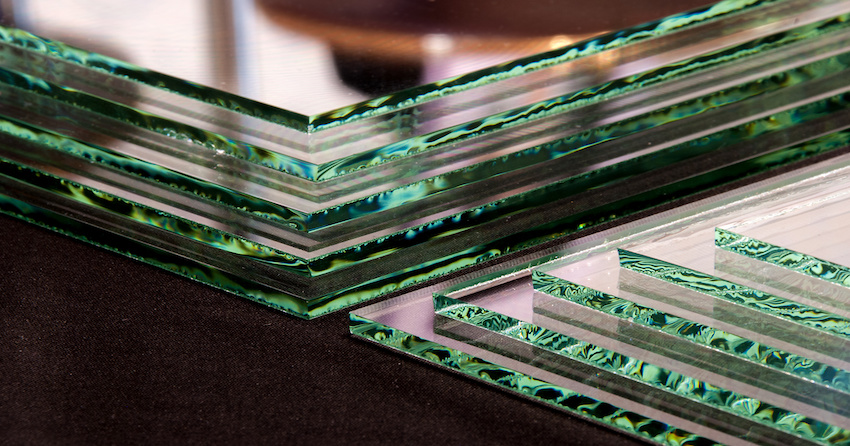
Performance depends on the entire assembly-glass or polycarbonate, interlayers, framing, anchors, and the host structure-not just a single pane of security glass. Specifying a bullet resistant panel without evaluating the framing system and anchorage is one of the most common and costly mistakes in utility hardening projects, whether you’re targeting forced entry security glazing for doors and windows or broader safety and security glass protection for windows and doors.
Framing and anchorage must transfer impact and ballistic loads back to masonry, precast panels, or steel structures without tearing away. If the frame fails, the glazing rating is meaningless. BulletShield systems from Impact Security, for example, can withstand multiple gunshots and slow shooters, but that performance is only achieved because the entire assembly-panel, frame, and attachment-is engineered as one unit. Security glazing reduces injuries from shattered glass by holding fragments in place, but only when the system remains intact as a whole.
Typical retrofit security glazing assemblies used by Impact Security include interior-mounted polycarbonate shields with engineered aluminum framing, controlled venting to prevent condensation between layers, and a standoff air gap that absorbs energy. For high-threat applications, upgraded systems such as DefenseLite Pro impact security glazing can deliver additional strength and durability without compromising aesthetics. For utility facilities, special considerations include large vision glass in control rooms, older steel or aluminum frames from 1960s–1990s substations, and mixed facades (brick, CMU, metal panels) that demand project-specific structural reinforcement and engineering.
Certified testing through UL 752, ASTM F1233, and ASTM F3561 validates the entire assembly under rigorous testing conditions. Simply adding thicker laminated glass to existing windows without confirming frame and anchor capacity creates a false sense of security.
Retrofit Security Glazing vs. Full Window Replacement in Utility Buildings
Utilities considering security enhancements typically face two paths: complete window replacement of all assemblies or retrofit over-glazing systems installed over existing glass.
Full replacement at operating plants and substations introduces significant complications:
- Shutdowns for hot work and crane access near energized equipment
- Disturbance of weather barriers and waterproofing membranes
- Asbestos or lead-paint abatement in older control buildings
- Extended outage coordination windows that conflict with grid reliability obligations
Retrofit security glazing avoids most of these headaches. Interior installation with minimal disruption lets SCADA operations continue uninterrupted. Original windows and the exterior appearance remain intact-important for corporate or municipal utility campuses where aesthetics matter. BulletShield retrofit bullet-resistant panels can be retrofitted to existing windows without removing existing glazing, and the reduced structural load of polycarbonate-based systems means older frames and masonry are not overstressed.
Impact Security’s approach allows utilities to phase upgrades across their portfolio-highest-risk substations and operations centers first, then secondary facilities-while maintaining a consistent appearance and maintenance approach. Door openings can be addressed with AccessShield door retrofit solutions, while the retrofit security glazing system integrates seamlessly with existing glass, preserving the building envelope while dramatically improving the building’s security.
Full replacement does make sense in specific cases: major new construction, when existing frames are severely corroded, or when code requirements for wind, water, or seismic performance cannot be met with existing framing. But for the vast majority of operating utility buildings, retrofit is the faster, less disruptive, and more cost-effective path to enhancing security.
Designing Security Glazing for Utility Buildings: Performance, Codes, and Operations
Successful utility building security glazing must balance threat resistance, fire and life safety, operational visibility, and maintenance access. Cutting corners on any dimension creates gaps.
Start with a security assessment. Identify critical assets behind each glazing opening, review crime history and public-facing exposure, and define threat types-forced entry, ballistic threats, blast, fire. Then map each opening to a performance level and glazing system type. Lobby transaction windows at a utility payment office may need forced entry protection and burglary resistance. Control room windows overlooking a switchyard may need UL 752 Level 4 ballistic protection. Door glass along egress routes may require fire rated performance.
Navigate code interplay. Fire rated requirements apply along egress corridors and at fire separations. Energy codes govern envelope performance-and security glazing with Low-E coatings can contribute to energy efficiency targets. Where applicable, blast criteria apply to government-owned utilities or facilities near high risk industrial operations. Security glazing provides significant advantages against forced entry, vandalism, and environmental hazards when performance requirements are correctly mapped, and it plays a central role in broader active shooter mitigation strategies for critical infrastructure.
Address human factors. Security glazing allows facilities to maintain natural light and visual awareness of the surrounding area-operators need clear sightlines from control rooms to switchyards. The goal is to avoid a “bunker” aesthetic. Well-designed systems blend seamlessly with the building’s interior and remain virtually invisible from the exterior, supporting daylight, operator wellness, and a professional working environment.
Document everything. Utility environments demand tested assemblies, engineering submittals, and as-built records that satisfy internal compliance teams, insurance carriers, and regulators.
Case Study: Hardening a Regional Power Utility Operations Center
In early 2025, a regional electric utility engaged Impact Security to harden its operations center and adjacent substation control building following two documented vandalism incidents and an updated internal security policy requiring forced entry resistance and handgun-level ballistic protection at all ground-level openings.
Initial conditions: The operations center featured large aluminum-framed windows from the early 1990s with standard insulating glass-no security rating whatsoever. Standard glass in these openings could be breached in seconds. The facility housed 24/7 SCADA operations, making any extended shutdown unacceptable.
The solution: Impact Security conducted a site survey with digital field measurements and engineered a two-tier approach. DefenseLite polycarbonate glass security shields were specified for non-critical office and corridor openings, providing superior impact resistance and delay entry capability against tools and blunt force. BulletShield ballistic retrofit panels were installed at control room windows, rated to UL 752 handgun levels with the capacity to withstand multiple gunshots. Fire rated glazing was selectively applied at egress corridor openings to meet life safety code requirements.
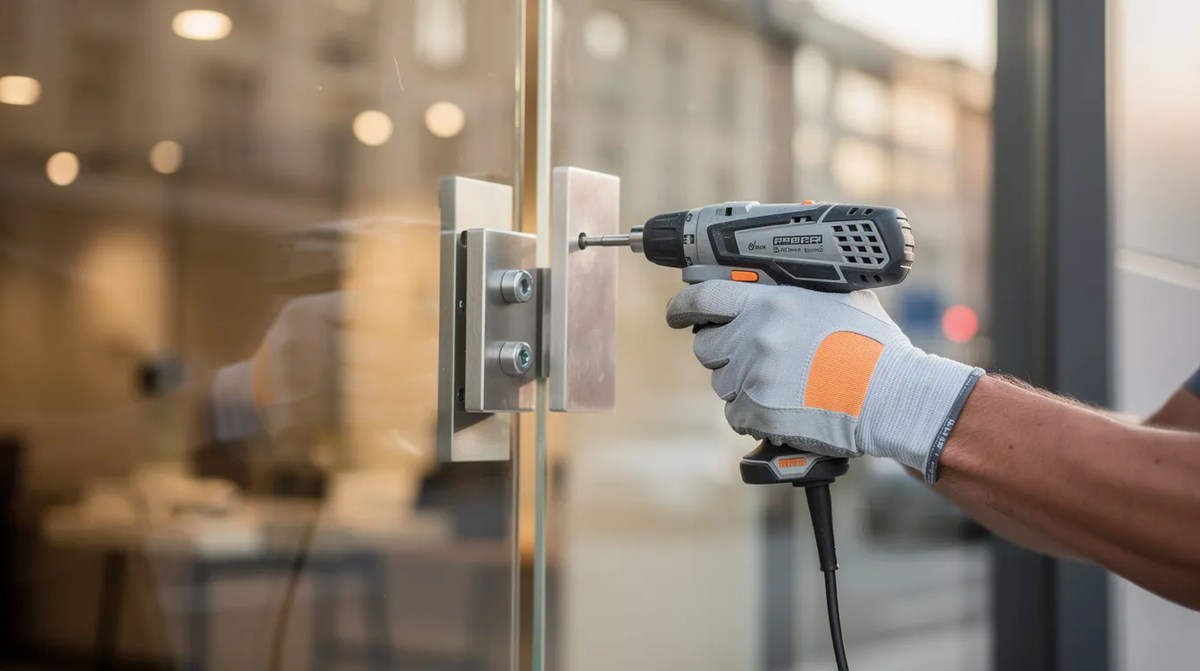
Installation logistics: Weekend and night shifts avoided SCADA disruption. Hot-work was eliminated through mechanical fastening. On-site security coordinated access control for installers and fall protection protocols were followed around switchyard structures.
Results: Independent testing certifications for UL 752 and ASTM F1233 were documented. The exterior appearance did not change. Operators reported no visibility issues. The utility’s NERC CIP physical security plan now references the upgraded glazing as a completed risk-reduction measure. The entire project was completed across both buildings in under three weeks.
FAQs: Utility Building Security Glazing
These questions come directly from utility facility managers, security officers, and engineers evaluating commercial security windows and glazing systems for critical infrastructure.
What is the difference between ballistic glass and security glass for my utility facility?
Security glass is the broad category covering all protective glazing-forced entry, ballistic, blast, and fire rated. Ballistic glass specifically refers to glazing tested to stop bullets per UL 752 or similar standards, with ratings matched to specific firearm threats. Many utility projects combine forced entry resistant shields at public-facing windows with ballistic glass at critical control rooms, security posts, and transaction windows.
Can I upgrade my existing utility building windows without shutting down operations?
Yes. Interior-mounted retrofit glazing systems can typically be installed from inside the building, one opening at a time, while operators remain online and work zones are isolated. Impact Security routinely coordinates with utilities to schedule installations around peak load, shift changes, and maintenance outages to minimize operational risk.
How do I know what UL 752 level or forced-entry rating my site needs?
Start with a formal security assessment that reviews threat types, site access points, and law enforcement response times. Lower UL 752 levels may suffice for public payment offices and daycare centers at utility campuses, while higher levels or hybrid systems are warranted for operations centers, high risk substations, and financial institutions co-located with utility functions. Forced entry protection levels should reflect realistic attack scenarios with various weapons and tools.
Will security glazing change the appearance of my control buildings?
Professionally engineered retrofit systems are designed to be virtually invisible from the exterior, preserving existing frames, colors, and sightlines. Interior framing can be custom-finished to match existing mullions or interior finishes. Such glazing maintains a clean, professional appearance for both staff and visitors.
Does forced-entry resistant or ballistic glazing replace the need for bars, grates, or roll-down shutters?
High-performance resistant glazing often allows utilities to eliminate visually intrusive bars and gates at school entrances, commercial buildings, and utility lobbies while maintaining or improving protection levels. However, glazing is one layer in a defense-in-depth strategy. Perimeter fencing, cameras, and alarms remain important-but security windows can greatly reduce reliance on “prison-like” hardware.
How long does security glazing typically last in harsh utility environments?
Properly coated polycarbonate systems last 10–15 years in exposed conditions, while laminated glass assemblies can exceed 20 years. Even in UV-intense and coastal environments, regular inspections of seal integrity, hardware condition, and surface wear keep systems performing. Impact Security provides maintenance guidance and can coordinate periodic assessments through local authorized partners.
Why Utilities Choose Impact Security for Security Glazing Projects
Impact Security is a B2B and B2G specialist in retrofit security glazing for critical infrastructure, with direct experience across power utilities, water authorities, transportation agencies, and federal buildings, as outlined in the company’s About Impact Security, LLC profile.
Turnkey capabilities include site assessment, engineering, fabrication at facilities in Marietta, GA and Glendale, AZ, nationwide certified installers, and post-installation support designed for multi-site utility portfolios. Core products relevant to utilities include DefenseLite for forced entry and riot protection, BulletShield for ballistic threats, and custom configurations that integrate with fire rated assemblies when required.
Impact Security has deep experience working in live, mission-critical environments-managing access control, safety clearances, and outage schedules while upgrading glazing on operating plants and substations. Every project includes detailed submittals, test data, and as-built documentation that align with internal utility standards and regulator expectations, helping security and engineering teams justify investments and protect people across their service territories.
Next Steps: How to Move Forward with Utility Building Security Glazing
Unprotected glass remains the single weakest point in most utility building envelopes-but full replacement is rarely necessary. Modern retrofit glazing systems deliver forced entry resistance, ballistic protection, and fire rated performance over existing glass, with minimal disruption to operations.
Here is how to get started:
- Schedule a free estimate with Impact Security, providing basic site details and drawings
- Prioritize facilities by risk-operations centers and high-exposure substations first
- Involve security, facilities, and engineering teams early so forced entry, ballistic, and fire life safety requirements are integrated into one coherent glazing strategy
- Develop a phased upgrade plan across your utility’s footprint
Contact Impact Security today to discuss your specific substations, control buildings, or operations centers. Our team will show you exactly how DefenseLite and BulletShield can harden your existing glass-without shutting down the essential services your community depends on. To begin a project conversation, you can also contact the DefenseLite team directly. Request your free estimate now.