Table of Contents
Why Critical Infrastructure Window Protection Can’t Be an Afterthought
What Critical Infrastructure Window Protection Really Means
Key Threats to Glazing in Critical Infrastructure Sectors
Lessons From Recent Attacks (2013–2025)
Security Glazing Options and How They Perform
How Impact Security Designs Critical Infrastructure Window Protection
Integration With Cyber Security and Operational Technology
Planning, Procurement, and Compliance
FAQs on Critical Infrastructure Window Protection
Why Choose Impact Security for Critical Infrastructure Projects
How to Get Started
Introduction: Why Critical Infrastructure Window Protection Can’t Be an Afterthought
Many organizations invest heavily in cybersecurity, network segmentation, and perimeter fencing-yet leave standard commercial glass as their softest physical security point. Robust window protection acts as the first line of defense against intruders, and when it fails, everything behind it is exposed in seconds. The U.S. Department of Homeland Security identifies 16 critical sectors, and across all of them, glass openings remain a persistent vulnerability.
Critical infrastructure window protection refers to strategies, materials, and retrofit systems designed to harden existing glass openings-windows, doors, storefronts, control-room facades-against forced entry, ballistic attack, blast, and rioting. Critical Infrastructure Protection involves safeguarding essential systems and networks, and window hardening is a core piece of that mission. From 2013 to 2025, attacks on utilities, hospitals, data centers, and government buildings have repeatedly shown that attackers exploit glass for rapid access. Impact Security specializes in retrofit security glazing systems nationwide, hardening existing windows in critical infrastructure sectors without full tear-outs.
This article provides practical guidance for facility managers, security officers, and public-sector decision makers on protecting critical infrastructure with security glazing aligned with modern frameworks.
What “Critical Infrastructure Window Protection” Really Means
Since 2013, agencies like DHS and CISA have expanded critical infrastructure protection guidance to include physical security standards such as UFC 4-026-01. Window protection is critical for various infrastructure including power grids and government buildings, complementing-not replacing-critical infrastructure cybersecurity and OT protections.
Protecting critical infrastructure through window protection requires a defense-in-depth approach. Window protection solutions vary based on threats including terrorism, vandalism, and severe storms. Effective window protection systems depend on the complete assembly including framing, sealing, and anchoring. Here is what a complete program should address:
- Forced-entry delay for 5–20+ minutes depending on risk profile and incident response time
- Ballistic resistance certified to standards like UL 752 (Levels 1–8) for guard stations, control rooms, and lobbies
- Blast and impact resistance for sites near explosive hazards or high-traffic roads
- Riot and vandalism protection for publicly exposed facilities
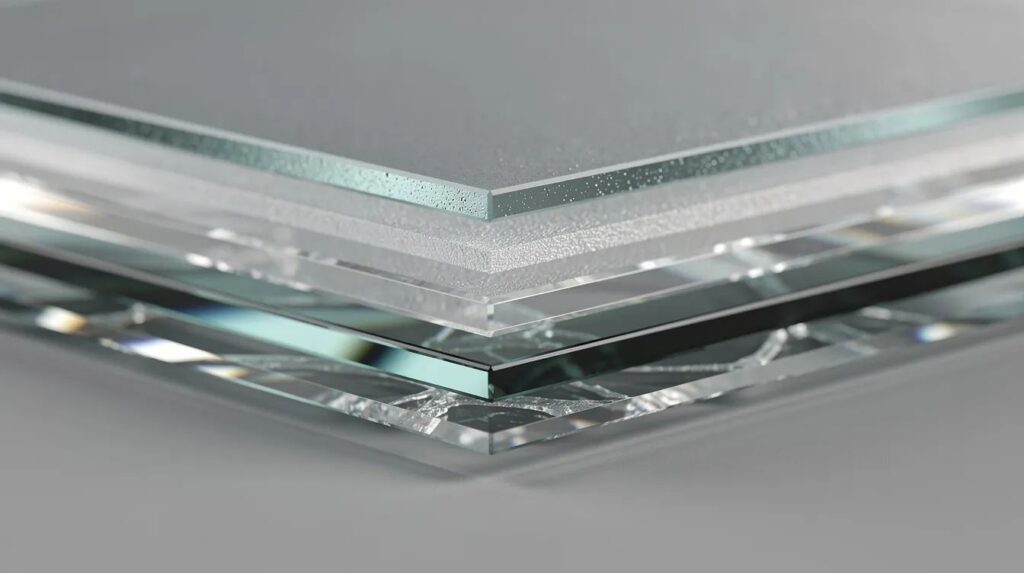
Threats to windows include active shooters, forced entry, blasts, and severe weather. Common options for window protection include laminated glass, blast-resistant glazing, and security screens. The key distinctions:
- Standard commercial glass typically fails in seconds under minimal force
- Safety window film: security films keep glass intact during breakage, reducing the risk of flying shards, and security window films can convert standard glass into impact-resistant glass-but film alone offers limited forced-entry resistance
- Engineered retrofit security glazing systems like DefenseLite, DefenseLite Pro and BulletShield create a shield in front of existing glass, delivering meaningful delay and ballistic performance
Window protection also supports continuity of operations-keeping essential services running during and after an incident.
Key Threats to Glazing in Critical Infrastructure Sectors
Attackers target glass because it offers speed, surprise, and minimal tool requirements. Physical threats include sabotage, theft, and natural disasters. Natural disasters pose significant risks to critical infrastructure, alongside deliberate attacks from hostile actors motivated by financial gain, ideology, or disruption. Active shooter scenarios are part of physical security training across many organizations, and vehicle ramming is a recognized physical threat scenario at perimeter glass near roads or parking areas.
Primary threat types facing critical infrastructure sectors:
- Forced-entry and smash-and-grab using sledgehammers, pry bars, or battery-powered saws targeting control rooms, pharmacies, data center lobbies, and substations
- Active shooter and hostile actor events directed at public-facing windows in hospitals, government agencies, and transportation networks
- Riot and civil unrest involving coordinated vandalism against utilities offices, telecom stores, and financial branches in urban communities
- Blast and accidental impact from explosions or vehicle strikes at perimeter glazing
Sector vulnerabilities differ. Energy sector disruptions can impact hospital operations across entire communities. The healthcare sector contains sensitive personal identifiable information behind glass that often lacks ballistic resistance. Water systems are essential for public health and safety, yet water supply facility offices frequently use standard commercial glazing. Transportation systems are vital for moving people and goods, and ticket counters and observation booths remain exposed.
Cyber threats increasingly target critical infrastructure sectors like energy, and attackers now combine physical intrusion through glass with access to IT systems and networked workstations, creating compound risk to national security and public safety.
Lessons from Recent Attacks on Critical Infrastructure (2013–2025)
Real-world incidents have reshaped critical infrastructure security standards. Protecting windows ensures critical facilities remain operational during attacks or natural disasters-and failures at the glass line have amplified damage repeatedly.
- Between 2013 and 2015, intruders at power facilities exploited unprotected office windows to reach relay rooms, causing multi-day outages and expensive equipment damage. Many of these sites were privately owned and lacked mandatory glazing upgrades.
- During 2020–2022 civil unrest, pharmacies, bank branches, and government service centers in several U.S. cities were breached through storefront glass in minutes. Where upgraded glazing was present, incidents often stopped at the glass, buying time for incident response and law enforcement.
- From 2021 to 2024, multiple hospital and behavioral health facilities reported attempted forced entries at ER doors and pharmacy windows. Simple laminated glass delayed but did not stop sustained attacks.
The convergence of physical and cyber threats compounds the problem. Cyberattacks exploit vulnerabilities in operational technology and industrial control systems. The 2015 Ukraine power grid hack used BlackEnergy 3 malware to shut down power for hundreds of thousands. In 2016, hackers attacked a U.S. water authority’s cellular routers. Ransomware attacks disrupt emergency services like police and fire. These events reinforce why securing critical infrastructure demands both digital defenses and hardened physical barriers-including glass.
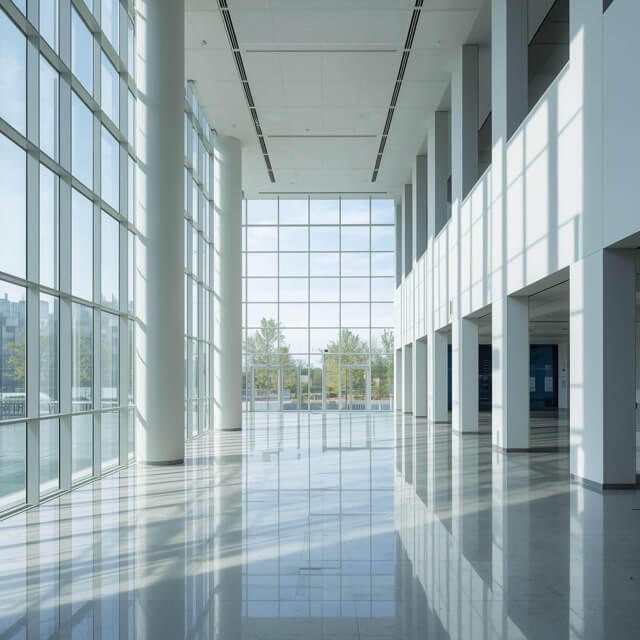
Security Glazing Options for Protecting Critical Infrastructure Windows
Choosing the right glazing depends on your threat profile, required delay time, and building constraints. Here is how common options compare:
- Standard tempered or laminated glass provides basic safety, but minimal resistance to prolonged forced entry or weapons fire-most configurations fail under sustained attack within seconds.
- Safety and security window film, including tested systems like the RiotLite Security Window Film System, adds fragment retention and modest delay, suitable for lower-risk areas but inadequate as a stand-alone solution for high-risk critical systems.
- Polycarbonate and hybrid glazing panels deliver high impact resistance for riot and forced-entry scenarios. Hard-coat technologies address abrasion concerns for long-term clarity.
- Engineered retrofit security glazing systems like Impact Security’s DefenseLite Pro add a clear, stand-off shield over existing glass, creating an air gap that absorbs energy. These can be tuned for forced-entry, ballistic, or blast resistance.
High-performance security glazing needs to meet ASTM F-3561 standards for active shooter threats and, where relevant, align with GSA/ISC blast resistant performance conditions. Blast-resistant designs are engineered to retain glazing within the frame during an explosion, and specialized glazing can mitigate blast damage during explosions by preventing fragmentation. Blast-resistant window designs protect personnel and sensitive equipment from potential blasts.
Robust anchoring systems secure glazing to the frame to prevent entire window assemblies from being forced in. Attack-resistant framing helps prevent intruders from prying windows open. These components are as important as the glass itself-without them, even rated glazing can fail.
When selecting a system, consider whether the primary concern is ballistic, forced-entry, or blast; the delay time your incident response plans require; building age and envelope constraints including legacy systems and historic facades; and available budget balanced against operational downtime tolerance.
How Impact Security Designs and Installs Critical Infrastructure Window Protection
Impact Security delivers a turnkey process for B2B and B2G critical infrastructure projects, including specialized active shooter mitigation solutions. Best practices for window protection include delaying attackers, maintaining building envelope integrity, and integrating physical barriers with surveillance.
Our typical process:
- Risk-informed site assessment of existing windows, doors, and storefronts at utilities, hospitals, financial institutions, and government buildings
- Threat definition and performance targeting aligned with client security teams, third-party vendors, and federal or state guidelines
- Engineering and product selection from DefenseLite Pro, BulletShield, RiotLite, AccessShield, or custom safe-room packages based on sector and risk level
- Fabrication at our Marietta, GA and Glendale, AZ centers to project-specific dimensions with custom framing and anchoring
Layered physical security includes surveillance cameras, motion sensors, and security lighting, and our glazing systems integrate with these elements.
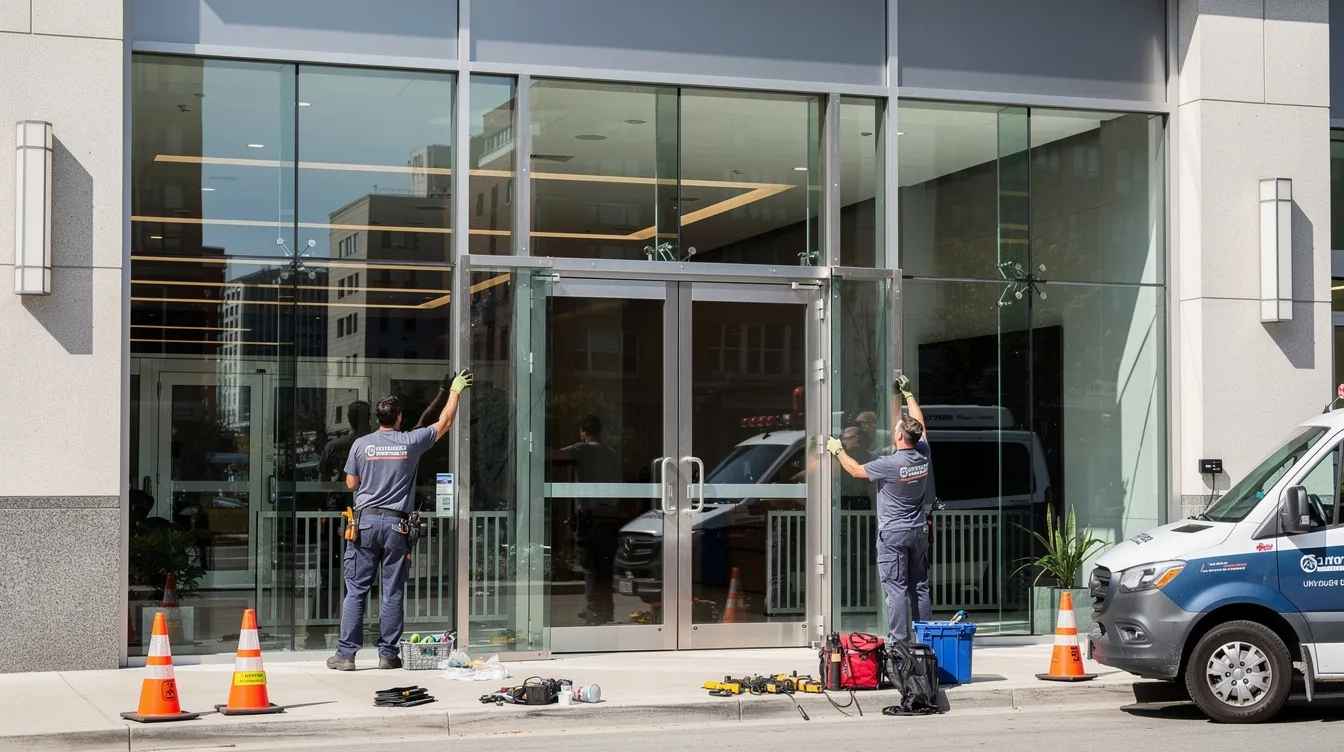
Installation uses certified professionals trained to work in active critical infrastructure environments with minimal downtime and phased schedules, so that hospitals, data centers, and utilities remain operational. Regular inspections of window frames, locks, and glazing help maintain functionality over the life of the system.
The retrofit approach avoids full window replacement, saving cost and preserving aesthetics while improving overall security and your facility’s security posture.
Integrating Window Protection with Cyber Security, OT, and Incident Response
Protecting critical infrastructure windows is part of a comprehensive security strategy alongside cybersecurity, network segmentation (dividing networks into secure segments), and OT hardening. Operational technology controls physical processes in critical infrastructure, and operational technology includes systems like supervisory control and data acquisition (SCADA) and industrial control systems. Disruption in operational technology can cause widespread harm, making securing operational technology crucial for infrastructure integrity.
Strengthened glazing directly supports cyber and OT resilience by preventing or delaying physical access to control rooms, server rooms, and operator consoles. Even the most sophisticated firewalls and multi factor authentication cannot stop an attacker who gains hands-on access to equipment through broken glass. Robust physical security measures mitigate risks effectively when integrated with digital defenses.
The Cybersecurity Framework (CSF) includes Identify, Protect, Detect, Respond, and Recover-and window hardening falls squarely under Protect. The National Institute of Standards and Technology’s NIST SP 800-82 provides guidelines for securing industrial control systems, and physical barriers around those systems are a foundational control. Effective CIP strategies ensure continuity of essential services like electricity. A comprehensive risk assessment guides the selection of window protection strategies, and collaborative efforts with local law enforcement and sector-specific agencies validate threat assumptions and priorities. Artificial intelligence is increasingly used to analyze potential threats and optimize security investments, but the physical layer remains irreplaceable.
Private organizations and government agencies share responsibilities for securing critical infrastructure. Both must align window protection with existing risk assessments and incident response plans to protect assets, maintain resilience, and support the well-being of the communities and society they serve. The economy depends on these essential systems functioning through both cyber threats and physical attacks, and proactive measures today prevent costly disruption from future attacks. Even facilities connected to the internet through operational networks benefit from hardened glazing as a backstop against compound attack scenarios.
Planning, Procurement, and Compliance for Critical Infrastructure Window Projects
A structured approach turns window protection from reactive spending into a proactive risk-reduction investment. Many organizations underestimate the significant risks and potential risks that unprotected glass creates for their facilities.
Planning steps:
- Conduct a glazing-focused vulnerability assessment: map all exterior glass, identify critical zones (control rooms, lobbies, ER entrances, data halls), and document current construction
- Define performance requirements: forced-entry duration, ballistic levels, blast resistance, and alignment with organizational risk tolerance
- Prioritize by impact: upgrade windows protecting life-safety functions, critical systems, and essential systems first
Procurement and budget guidance:
- Retrofit security glazing can often be capitalized as a building improvement while preserving the existing façade
- Engage vendors early for accurate cost ranges and phasing options, especially for multi-site portfolios across utilities, hospital systems, and banking networks
- Impact Security supports architects and engineers with specifications, drawings, and test data to streamline design and bidding
Compliance and coordination:
- Align with applicable federal, state, or local guidelines for critical infrastructure protection, healthcare security, and workplace safety
- Coordinate with fire marshals, code officials, and insurance carriers before implementing new glazing systems
- Ensure emergency egress and life-safety requirements are maintained throughout
A comprehensive approach to planning transforms window protection into a strategic investment that strengthens your facility’s resilience against potential threats.
FAQs on Critical Infrastructure Window Protection
Below are answers to the questions we hear most from facility and security leaders evaluating window protection for critical infrastructure.
What types of critical infrastructure benefit most from upgraded window protection?
All 16 critical infrastructure sectors can benefit, but the most common projects involve energy utilities, water and wastewater facilities, healthcare institutions, financial services, education campuses, and government facilities. Any site with publicly accessible glass near critical operations, pharmaceuticals, cash, or OT equipment is a strong candidate.
How is retrofit security glazing different from replacing my existing windows?
Retrofit systems mount over existing glass using custom framing, creating a clear shield and air gap without removing current windows. This means faster installation, lower cost, and minimal downtime for 24/7 operations like hospitals, energy grids, data centers, and control facilities.
Can security glazing stop bullets and still look like regular glass?
Ballistic-rated retrofit systems like BulletShield are engineered to meet specific UL 752 levels while remaining transparent and maintaining natural light. Framing profiles are kept slim, so lobbies, transaction windows, and control rooms do not appear overtly fortified.
Will stronger window systems interfere with emergency egress or first responder access?
Properly designed systems respect code requirements. Egress routes are preserved and doors can be treated differently from fixed glazing. Impact Security routinely coordinates with local code officials and fire authorities during design and installation to support public safety requirements.
How long does a typical critical infrastructure window protection project take?
Assessment and engineering typically take a few weeks, with phased installation running days to several weeks depending on facility size. Planning can be staged by building or campus to align with budget cycles and operational constraints.
Is security window film enough for critical infrastructure facilities?
Window film provides value for glass safety and minor delay, but most high-risk CI sites need engineered systems that withstand repeated heavy impacts or ballistic threats. Film works as a complement in lower-risk areas but should not serve as the primary barrier for control rooms, lobbies, or critical access points.
Why Choose Impact Security for Critical Infrastructure Window Protection
Impact Security is a U.S.-based manufacturer and installer focused exclusively on physical security glazing for high-risk facilities. Since 2016, we have specialized in retrofit glazing for forced-entry, ballistic, blast, and riot protection across existing buildings, and our Impact Security company overview details the team, mission, and product innovations behind these solutions.
- Proven product lines including DefenseLite Pro impact security glazing, BulletShield, RiotLite, AccessShield, and custom safe-room solutions tested to recognized standards like UL 752; compared with alternatives like security glass film in forced-entry scenarios
- Nationwide reach with fabrication in Marietta, GA and Glendale, AZ plus certified installers serving critical infrastructure clients across the country
- Deep experience with utility operators, hospital systems, school districts, retail banking networks, and federal, state, and local agencies
- Ability to coordinate with architects, security consultants, and integrators on complex multi-site programs
- Engineering support, documented testing, warranties, and post-install service that maintains both strong physical security and architectural integrity
How to Get Started with a Critical Infrastructure Window Protection Project
Early action is more cost-effective and less disruptive than emergency repairs after an attack. Start with these steps:
- Inventory your most exposed glass openings at critical sites-control centers, ER entrances, main lobbies, transaction windows
- Gather existing drawings, photos, or previous security assessments to share with a glazing security specialist
- Contact Impact Security to request a free initial consultation, specifying facility type, location, and primary threats of concern, or use the dedicated DefenseLite contact form for surface-mounted overglaze projects
Build internal support by sharing incident data with leadership and framing the project as part of a broader resilience strategy that combines physical and cyber security improvements. Whether you manage a single facility or a nationwide portfolio, Impact Security is ready to help you develop timelines, budgeting, and phased implementation that protect your people and your operations. Reach out today to start the conversation.