Table of Contents
Introduction: Why Security Glazing for Civil Unrest Can’t Wait
How Civil Unrest Threatens Glass Doors and Windows
Common Weak Points: Existing Glass Entry Points Most Likely to Fail
Security Glazing Options for Forced Entry and Active Threats
Matching Glazing Levels to Real-World Civil Unrest Scenarios
Installation, Retrofit Process, and Cost Considerations
Why Choose Impact Security for Security Glazing Retrofits
FAQs About Security Glazing for Civil Unrest
Next Steps: Harden Your Glass Before the Next Wave of Unrest
Introduction: Why Security Glazing for Civil Unrest Can’t Wait
Since 2020, repeated waves of civil unrest across major U.S. cities have exposed glass as the weakest link in building security. From Portland and Minneapolis to Chicago and Philadelphia, storefronts, pharmacies, government buildings, and schools have suffered break ins that began the same way: someone shattering a pane of standard glass. Over 120 residential break-ins occurred during LA protests in 2025, alongside looting of Apple, T-Mobile, and CVS locations across downtown. In Atlanta throughout 2024, smash-and-grab mobs used U-Haul trucks to ram glass doors at CVS stores, dragging out ATMs and safes. Riots can escalate from peaceful protests within 6 to 8 hours, and most attacks started with breaking storefront glass doors and windows.
Security glazing for civil unrest refers to permanent, optically clear systems engineered to keep intruders out even after glass breaks. The focus is on forced entry delay and building occupant safety, not marketing the myth of “unbreakable glass.” For most facilities, the priority is strengthening existing glass in doors and windows with retrofit shields, including polycarbonate glazing, ballistic glass alternatives, and forced entry systems tested to standards like ASTM F3038, ASTM F3561, and UL 752. Security glazing materials protect buildings during civil unrest by buying the time that standard windows and doors simply cannot.
Impact Security is a U.S.-based manufacturer and installer specializing in retrofit security glazing for B2B and B2G clients, including schools, government buildings, retail chains, and hospitals. This article covers your options, how to match them to real threats, what installation looks like, and how to take the first step with a risk assessment and free estimate.
How Civil Unrest Threatens Glass Doors and Windows
Civil unrest in 2025 and 2026 looks different than it did a decade ago. Protests can shift into riots within hours. Coordinated smash-and-grab mobs target retail stores, pharmacies, and electronics retailers with military-like speed. Opportunistic burglary spikes when local law enforcement resources are stretched thin or diverted to other scenes. Standard home security systems are ineffective during mob scenarios where dozens of people converge on a single block.
Attackers use bricks, bats, crowbars, skateboards, and even vehicles to breach window glass and glass doors and windows. In downtown LA, a T-Mobile storefront was broken open with a skateboard. In Atlanta, thieves crashed vehicles directly through CVS front door openings. The difference between random vandalism (one or two thrown objects cracking a pane) and organized forced entry is critical: in the latter, attackers repeatedly strike a single opening until they create a body-sized hole large enough to climb through.
Standard glazing, whether annealed or tempered, fails in seconds under this kind of sustained assault. Even basic laminated glass may not survive a prolonged mob attack without reinforced framing and engineered security glazing. The time factor matters enormously. During civil unrest, police response times can stretch to 20 to 40 minutes. Security glazing must delay forced entry attempts long enough for building occupants to shelter in place and for law enforcement to arrive. For high risk facilities like courthouses and police stations, glazing also needs to address ballistic attacks and active threats to ensure continuity of operations. A layered security approach is crucial during civil unrest, combining physical barriers with electronic security measures and personnel.
Common Weak Points: Existing Glass Entry Points Most Likely to Fail
In most buildings, criminals don’t attack walls. They attack glass and the framing around it. An estimated 70 to 90 percent of forced entry attempts during unrest begin at doors and windows, specifically at these vulnerable points:
- All-glass doors and aluminum-framed glass doors at main entrances
- Sidelites and transoms around exterior doors that allow reach-through access to locks, panic hardware, or heavy duty deadbolts
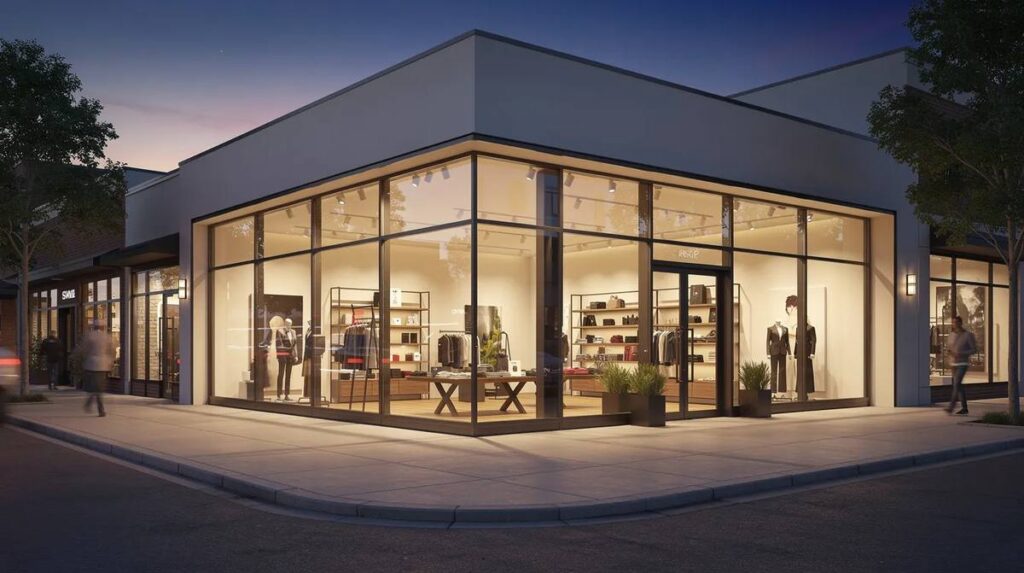
- Large ground-floor storefront windows and curtain walls in plain sight of the street
- Secondary entry points: loading docks, rear service doors with adjacent glass, vestibules, and lobby glazing
Existing windows and glass doors that were designed only to meet basic building codes provide almost no resistance to deliberate forced entry. A weak door frame or corroded aluminum mullion can fail even if bullet resistant glazing is installed above it. The performance of security glazing depends on the entire window assembly including framing.
A quick self-audit for property owners and facility managers:
- Walk the perimeter. Photograph every glazed opening at ground level and accessible second-story areas.
- Note frame condition: corrosion, rot, loose anchors, or gaps around existing frames.
- Flag glass near deadbolts, crash bars, card readers, or transaction points as critical entry points for upgrade.
- Check for windows and doors with single-pane standard glass or basic tempered glazing.
Security glazing is intended to deter rather than guarantee that forced entry is impossible. A professional risk assessment builds on this basic audit to prioritize which entry points need forced entry or bullet-resistant glazing first.
Security Glazing Options for Forced Entry and Active Threats
There is no one-size-fits-all security glass solution. Instead, there is a spectrum from security film to ballistic glass and polycarbonate systems, each tested to specific standards and suited to different threat levels and budgets. The two main performance categories are:
- Forced entry resistant glazing for riots, looting, and burglary
- Bullet-resistant glazing for active shooter and armed attack scenarios
Impact Security focuses on retrofit systems that install over or into existing frames, minimizing demolition and keeping facilities operational during the work.
Safety and Security Window Film on Existing Glass
Security window film is an entry-level upgrade. Applied directly to existing glass, 8 to 15 mil multi-layer films anchored to frames with structural adhesives hold broken glass together and reduce flying shards. Security window film holds shattered glass together after impact, and security films prevent spall, reducing injury from flying glass. Window film delays forced entry attempts, providing critical response time for occupants and responders.
However, security films applied to existing windows do not provide as much protection as laminated glazing. Film is not bullet resistant and should never be marketed as “bulletproof.” Heavy-duty films delay forced entry attempts significantly against basic smash attempts, but they are usually not enough by themselves against multi-attacker, tool-based forced entry typical of civil unrest.
Best-use cases for security film include interior office partitions, upper-story windows, and lower-risk retail or offices needing cost effective improvements where RiotLite security glazing can offer economical shatter resistance and UV protection. Security film can cost a few dollars per square foot, making it accessible for large surface areas. TRI-SHIELD security film meets ASTM F1233 level 1.0 protection, but for ground-floor entry points facing serious unrest threats, film alone is not sufficient.
Laminated and Security Glass Replacement Systems
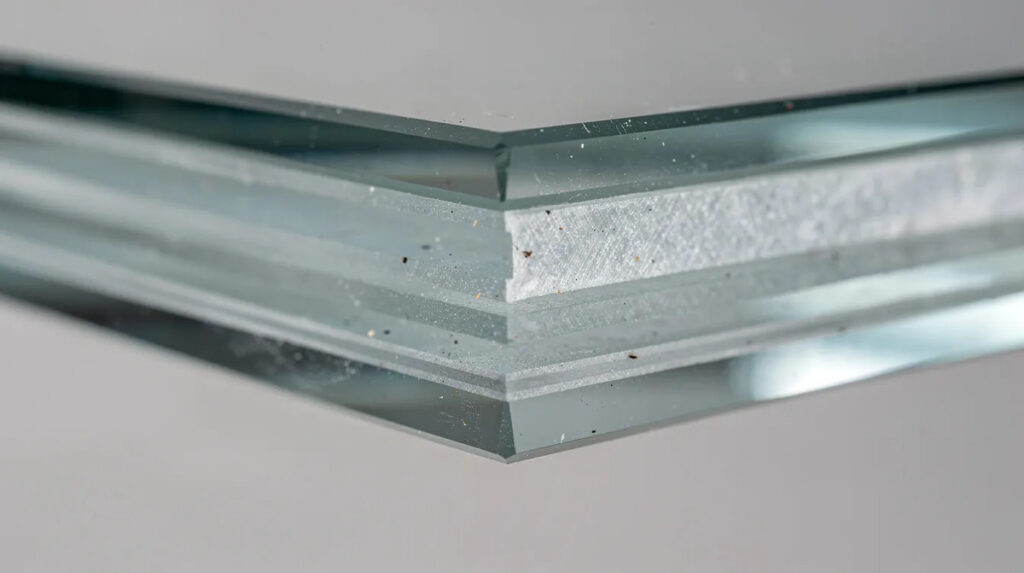
Laminated security glass uses multiple layers of glass plies bonded with PVB or ionoplast interlayers. When impacted, laminated security glass holds together, preventing easy entry by keeping shards in place even after repeated strikes. This makes laminated glass a strong improvement over standard glass or tempered glass for institutional buildings, new construction storefronts, and government building hardening projects.
Laminated security glass costs $10 to $50 per square foot depending on thickness and interlayer type. Full replacement requires reglazing and potentially higher labor costs, but it can combine energy, acoustic, and security upgrades in one step. The catch: laminated glass alone, without engineered frames and tested assemblies, may still fail prematurely under ASTM F3038-type mob attack conditions. A complete overhaul of framing may be needed to achieve rated performance.
Polycarbonate and Bullet Resistant Glazing Retrofits
Multi-layer polycarbonate and glass-clad polycarbonate systems represent the most robust option for civil unrest protection. Riot glass is up to 250 times stronger than standard glass. Glass-clad polycarbonate combines scratch-resistant exterior glass with a polycarbonate core for strength, while polycarbonate glazing is transparent and highly impact-resistant. Acrylic sheets (Plexiglass) are stronger than glass and resistant to shattering, but polycarbonate outperforms acrylic under repeated high-energy impacts.
Riot glass can be retrofitted over existing windows using engineered framing that spreads impact loads and prevents panel blow-out. Impact Security’s DefenseLite system handles forced entry scenarios, while BulletShield provides ballistic grade glazing rated under UL 752 standards. Bullet-resistant glazing can withstand impacts from firearms. Bullet-resistant glazing absorbs and redistributes impact energy across multiple layers. Ballistic-grade glazing can delay attackers during active threats and can withstand multiple impacts during prolonged attacks, including high-speed, multi-shot attacks from firearms.
Riot protective window glass protects up to 250 times stronger than standard glass, creating a robust barrier while maintaining optical clarity that keeps storefronts, lobbies, and commercial properties inviting. These systems are ideal for courthouses, city halls, federal offices, pharmacies, electronics retail stores, schools, hospitals, and other high-risk facilities needing code-compliant, egress-friendly upgrades that preserve natural light.
Matching Glazing Levels to Real-World Civil Unrest Scenarios
Buying the most expensive system for every opening wastes money. Relying on marketing terms like “unbreakable” or “riot proof” without understanding tested standards creates false confidence. The right security glazing matches your credible threat level to proven performance ratings:
- ASTM F3038 tests forced entry resistance for security glazing systems, simulating mob attacks with hand tools and measuring how long it takes to create a body-sized breach
- ASTM F3561 covers classroom and entry door forced entry delay for active shooter scenarios
- UL 752 rates ballistic resistance ratings across levels 1 through 8, from handgun (Level 1, 9mm) through rifle threats
Features like certified impact testing demonstrate security glazing’s performance against forced entry before you buy.
Choosing Between Forced Entry and Bullet Resistant Glazing
If the main concern is looting during protests, where attackers use bricks, bats, and hand tools, prioritize high-containment polycarbonate shields rated for sustained impacts over extended periods. Security glazing can delay forced entry for critical response time, often 15 minutes or more.
If credible firearm threats exist, specify a combination of bullet-resistant glass and forced-entry-resistant glazing. Bullet resistant options are rated under UL 752 standards. For courthouses, military facilities, police stations, and certain schools or financial institutions, UL 752 Level 3 or above paired with forced entry framing is appropriate. Even bullet-resistant systems are designed to resist specific calibers and shot counts. No system is absolutely bulletproof. Compression-fit sub framing meets ASTM F3808 standards for 15-minute resistance in forced entry scenarios. Consult security professionals to translate your threat level into specific system choices for each opening.
Prioritizing Entry Points by Risk, Budget, and Operations
A phased approach works for most organizations:
| Phase | Priority Openings | Recommended System |
|---|---|---|
| Phase 1 | Primary public entry doors, sidelites, reinforced doors adjacent to locking hardware | Polycarbonate or ballistic grade glazing |
| Phase 2 | Ground-floor storefront glass, pharmacy windows, high-value display areas | Forced entry rated polycarbonate shields |
| Phase 3 | Secondary exits, loading docks, vulnerable points in lobbies and vestibules | Security film or forced entry glazing |
Budget strategies include combining lower-cost security window film on less critical standard windows with polycarbonate or ballistic glass on high-risk doors and windows. School districts reinforcing window and door glass and municipal facilities commonly use phased installation over multiple fiscal years. Operational considerations matter: maintain visibility, natural light, and compliance with fire and egress codes. Avoid solutions like plywood or security bars and window bars that require daily deployment or make buildings look hostile. Visible cameras and a monitored alarm system with cloud storage complement physical barriers but do not replace them. Glass break detectors add another layer but cannot stop unauthorized entry on their own.
Installation, Retrofit Process, and Cost Considerations
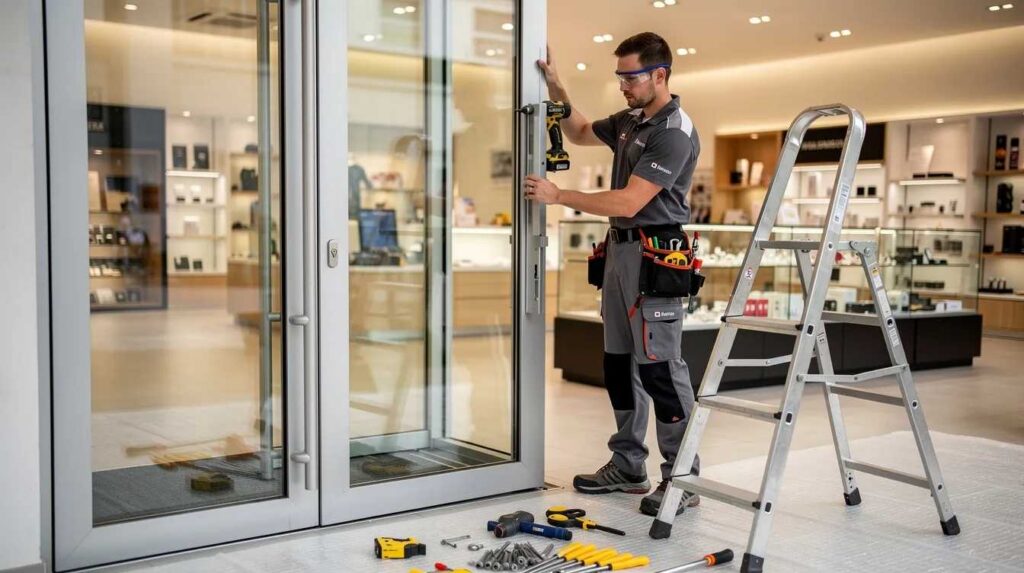
Most Impact Security projects are retrofits to existing windows and glass doors, allowing facilities to remain open with carefully staged work. The typical process follows four phases:
- On-site assessment: measurements, frame inspection, threat-level review
- Engineering and system selection: forced entry, bullet resistant, or combination, including code checks
- Fabrication: at regional centers (Marietta, GA and Glendale, AZ)
- Professional installation: coordinated around business or government operating hours
Realistic timelines:
- Small retail or branch bank (4-8 openings): roughly 2-4 weeks from survey to completion
- Larger school or courthouse retrofits: 2-6 months, often scheduled over breaks or recess periods
Costs vary by system. Security film runs lowest per square foot. Laminated glass falls mid-range but involves more demolition. Polycarbonate and bullet-resistant glazing sit at the high end but deliver long-term savings in avoided major damage, costly repairs, downtime, and emergency boarding. Certified installers and proper anchoring are non-negotiable. Improper DIY installs can negate the tested performance of even the best impact-resistant glass. Impact Security provides turnkey service from assessment through aftercare, giving facilities teams a single accountable partner.
Why Choose Impact Security for Security Glazing Retrofits
Not every security glass company focuses on retrofit solutions. Impact Security specializes in strengthening existing glass doors and windows instead of requiring costly full replacements, serving B2B and B2G clients nationwide.
Key features and differentiators:
- Proven systems: commercial security window solutions like DefenseLite for forced entry resistance, BulletShield for ballistic glass alternatives, and RiotLite for riot glass offers protection against sustained mob attacks
- Fabrication hubs in Marietta, Georgia and Glendale, Arizona for faster lead times
- Certified dealer and installer network trained specifically on security glazing for civil unrest and active threats
- Experience with sensitive environments: occupied courthouses, historic buildings where existing windows must be preserved, and government buildings where downtime must be minimized
- Free initial assessments with threat-level driven recommendations
- Documented testing data, ballistic resistance ratings, and warranties that help decision-makers justify investments to boards, councils, and procurement offices
FAQs About Security Glazing for Civil Unrest
Is security glazing the same as bulletproof glass? No. Forced entry resistant glazing stops tool-based attacks. Bullet resistant glazing resists specific firearm calibers per UL 752 ratings. No product is truly “bulletproof.” The correct term is bullet resistant, and performance is always defined by tested levels.
Can security glazing be added to my existing glass doors and windows? Yes. Retrofit systems mount over existing glass using engineered sub-framing attached to existing frames. If frame condition is poor, repair or reinforcement may be needed first.
How long can forced entry security glazing hold off a mob attack? Systems tested to ASTM F3038 are designed to delay sustained tool attacks for 5, 15, or more minutes depending on the system rating. Real-world performance varies with attacker tools and numbers.
Will security glazing make my building look like a bunker? Modern polycarbonate and glass-clad systems maintain optical clarity and preserve storefront or lobby appearance. They look nothing like plywood, security bars, or metal shutters.
Does security glazing replace alarms, cameras, or guards? No. Safety and security glass solutions are a physical barrier that works best as part of a layered security plan. Valuable assets are best protected when physical barriers complement electronic security and personnel.
How do I know what level of bullet resistant glazing I need? A professional risk assessment considers firearm types, stand-off distances, building use, and threat level. UL 752 levels range from handgun (Level 1) through rifle threats (Level 8 and above), and ballistic window film solutions can be part of a broader strategy to delay intruder entry.
What maintenance does polycarbonate security glazing require? Clean with non-abrasive materials. Inspect frames, fasteners, and seals periodically. Contact your installer if you notice haze, delamination, or loose hardware.
Can I phase security glazing upgrades over several budget cycles? Absolutely. Start with the highest-risk doors and entry points, then expand coverage over subsequent fiscal years. Impact Security helps plan multi-year projects for school districts and municipal facilities.
Next Steps: Harden Your Glass Before the Next Wave of Unrest
During civil unrest, the difference between minor damage and a full breach often comes down to how well glass doors and windows are protected. Unprotected existing glass is a fast, quiet path to forced entry. The right security glazing focuses on delay, deterrence, and life safety, buying time for lockdown procedures and law enforcement response. Retrofit solutions mean most facilities can upgrade without ripping out existing windows or shutting down operations.
With ongoing demonstrations and election cycles continuing through 2026 and beyond, proactive upgrades now are far more cost-effective than emergency repairs and plywood boarding after the fact. Contact Impact Security to schedule a security glazing assessment or request a free estimate. Share your recent incident reports, floor plans, and concerns so the team can prioritize your entry points and recommend the appropriate forced entry or bullet-resistant glazing for your facility. Effective, discreet security glazing allows your organization to stay open, visible, and welcoming without sacrificing safety when civil unrest or active threats arise.