- The False Sense of Security: Inadequate Protection Against Modern Threats
- The Permanent and Invisible Advantage of Retrofit Security Glazing for Window Hurricane Protection
- Engineering Resilience: The Science of Withstanding Nature’s Fury and Other Threats
- The Mechanics of Impact Resistance: Understanding Wind-Borne Debris and Forced Entry
- Advanced Material Science: Polycarbonate and Laminated Glass Formulations
- Cyclic Pressure Loading and Wind Load Resistance: Designing for Extreme Conditions
- Adherence to Standards: ASTM, Miami-Dade, and Other Rigorous Testing Protocols
- The Role of Engineered Mounting Systems for Structural Integrity
- Beyond the Storm: Comprehensive Year-Round Protection and Enhanced Building Performance
- Deterring Crime: Mitigating Forced Entry, Vandalism, and Ballistic Threats
- Occupant Safety and Well-being: Protection from Hazards Beyond Hurricanes
- Energy Efficiency and Acoustic Benefits: Enhancing the Building Envelope
- Insurance and Regulatory Compliance: Meeting Modern Building Code Requirements
- Long-Term Value and ROI: The Economic Case for Permanent Security Solutions
- Seamlessly Integrating Advanced Architectural Storm Protection
- Maintaining Original Design Elements: No Need for Structural Alterations
- The Art of Discretion: How Retrofit Glazing Blends with Any Architectural Style
- Preserving Views and Natural Light: Uninterrupted Connection to the Environment
- Illustrative Scenarios: Achieving High Security Without Visual Bulk
- Collaboration with Design Professionals: Ensuring Vision Meets Performance
- Strategic Implementation: Specifying and Integrating Advanced Glazing for Enduring Security
- Assessing Vulnerabilities: Identifying Critical Glazing Areas in Coastal Properties
- Customization and Flexibility: Tailoring Solutions for Diverse Architectural Needs
- A Streamlined Installation Process: Minimizing Disruption to Occupants and Operations
- Understanding Warranties and Long-Term Support: Protecting Your Investment
- Partnering for Success: Selecting Expert Providers for Advanced Security Glazing
- Conclusion: Prioritizing Resilience Without Compromising Design
- Frequently Asked Questions

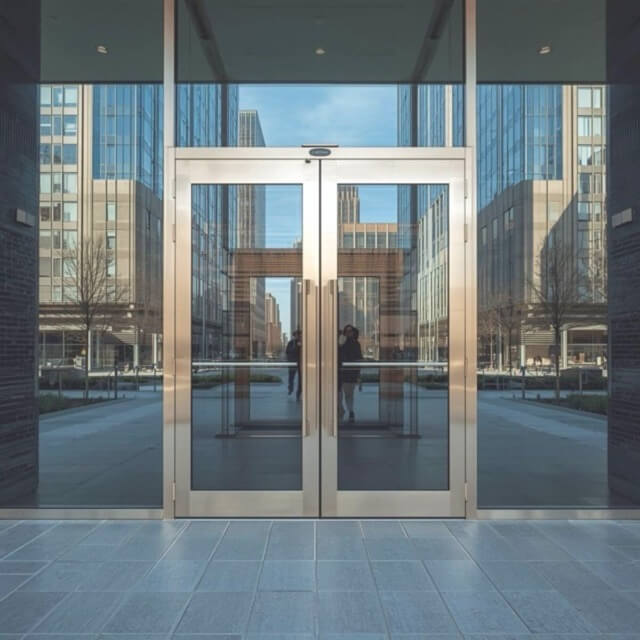
Architects meticulously craft building exteriors to reflect specific visions and contextual harmony. Traditional hurricane protection methods, such as cumbersome plywood boarding or roll-down shutters, directly counteract this design intent. These interventions are overtly visible, diminishing curb appeal and altering the building’s aesthetic character, often reducing its perceived value for months annually.
Beyond their visual impact, these barriers present significant practical challenges. They are often difficult to deploy, requiring considerable labor and sometimes specialized equipment. Their presence obstructs access, exit routes, and visibility during their operational period, creating an impractical and frequently non-compliant environment for occupants and emergency services.
The False Sense of Security: Inadequate Protection Against Modern Threats
While traditional methods offer a degree of resistance against wind-borne debris, their protective capacity is fundamentally limited. Plywood and many standard shutter systems are often insufficient against the increased kinetic energy of projectiles in severe storms, or against more deliberate, modern threats such as forced entry, vandalism, or ballistic impacts. This creates a deceptive sense of safety, leaving occupants and assets vulnerable despite visible, often cumbersome, precautions. Engineering analysis confirms that these methods typically fail to meet the multi-hazard performance standards required for truly resilient structures.
Labor, Logistics, and Lifecycle: The Hidden Costs of Temporary Measures
The true cost of temporary hurricane protection extends far beyond the initial purchase price of materials. Each hurricane season introduces a recurring cycle of expenditures and logistical burdens that can significantly impact operational budgets and business continuity.
- Deployment Labor: Significant manual effort is consistently required for the installation and subsequent removal of these systems, often performed under stressful, rapidly deteriorating weather conditions. This labor is both costly and time-consuming.
- Storage Requirements: Bulky materials demand dedicated, often off-site, storage facilities, incurring perpetual rental fees and transport costs. This also adds a logistical layer to emergency preparedness.
- Material Degradation: Plywood warps, delaminates, and degrades with exposure. Metal shutters require maintenance and can corrode. This necessitates frequent replacement or repair, adding to lifecycle costs and generating considerable waste.
- Emergency Preparedness Burden: The annual scramble for materials and labor before a storm creates chaos and inefficiency, diverting resources and attention from other critical preparedness tasks.
Compromising Occupant Experience: Obscured Views and Reduced Natural Light
A building’s value is intrinsically linked to the experience it offers its occupants. Temporary barriers like plywood and solid hurricane shutters fundamentally degrade this experience. They plunge interiors into artificial darkness, severing the connection to the outside world and disrupting natural light cycles. This not only affects occupant well-being, productivity, and comfort but also creates an uninviting and potentially claustrophobic environment during extended periods of deployment. Ultimately, this undermines the very purpose of architecturally designed, naturally lit spaces.
The Gap in Protection: Vulnerability to Non-Hurricane Threats
One of the most critical limitations of seasonal hurricane protection is its inherent specificity. These systems are designed to address a single, albeit significant, environmental threat for a limited period. For the remaining months of the year, and against ubiquitous dangers like forced entry, smash-and-grab theft, vandalism, or even active shooter scenarios, buildings protected by temporary methods remain entirely exposed. This leaves a critical, year-round gap in comprehensive security, underscoring the need for solutions that offer robust, persistent protection against a full spectrum of threats, without the aesthetic and practical compromises inherent in temporary, seasonal measures.
The Permanent and Invisible Advantage of Retrofit Security Glazing for Window Hurricane Protection
Advanced retrofit security glazing represents a fundamental shift from reactive, temporary measures to proactive, permanent protection. Unlike seasonal board-ups or storm shutters, this system involves the integration of a robust, transparent layer to existing fenestration. It is engineered to create a continuous, impenetrable barrier that remains in place year-round, offering enduring defense against a spectrum of threats. This permanent installation ensures that a building’s perimeter is constantly fortified, eliminating gaps in security and preparing structures for unexpected events without compromise.
Preserving Architectural Aesthetics: The “Virtually Invisible” Difference
A common challenge for architects and property owners is reconciling security demands with design integrity. Traditional methods like plywood or cumbersome hurricane shutters drastically alter a building’s appearance, often detracting from its original vision. Advanced retrofit security glazing systems are specifically designed to be “virtually invisible,” seamlessly integrating with existing windows and doors. The transparent nature of these materials means that sightlines remain unobstructed, natural light transmission is maintained, and the building’s aesthetic appeal is entirely preserved. This approach allows for enhanced security without the visual blight or operational inconvenience associated with temporary solutions, directly addressing the need for robust protection that respects architectural design.
Year-Round Readiness: Eliminating Seasonal Preparations and Vulnerabilities
The permanent nature of retrofit security glazing inherently delivers year-round readiness, a critical advantage over methods requiring seasonal deployment. Buildings equipped with these systems are continuously protected against severe weather events, forced entry attempts, and other potential impacts, eliminating the labor-intensive and often costly cycle of installation and removal. This continuous state of defense mitigates vulnerabilities that arise during the transition periods when temporary protections are not yet in place or have already been removed. It ensures that occupants and assets are consistently secure, simplifying facility management and enhancing peace of mind.
Integrating Innovation: Understanding Patented Retrofit Security Systems
The efficacy of advanced retrofit security glazing stems from significant innovation and proprietary engineering. These are not merely thicker panes of glass, but rather integrated, often patented systems comprising specialized materials and unique attachment methodologies.
- Proprietary Material Composition: Often involving multi-layered polycarbonate or unique laminated glass formulations.
- Engineered Attachment Systems: Custom-designed framing and anchoring methods ensure the glazing remains securely coupled to the existing window frame, transferring impact loads effectively into the building’s structure.
- System Integration: The total solution considers the existing window frame, the glazing material, and the attachment hardware as a cohesive unit, optimizing performance.
These innovations are critical to delivering certified performance against high-velocity impacts, blast forces, and forced entry attempts, far exceeding the capabilities of standard glazing.
A Holistic Approach to Building Resilience and Security
Adopting advanced retrofit security glazing is more than just upgrading windows. It represents a holistic commitment to building resilience. This strategy considers the interplay between occupant safety, asset protection, and operational continuity. By fortifying the most vulnerable points of a building’s envelope, these systems contribute to a comprehensive security posture. This approach minimizes property damage, reduces potential injury risks, and ensures that businesses can sustain operations even after a significant event, aligning security measures with broader organizational resilience objectives.
Engineering Resilience: The Science of Withstanding Nature’s Fury and Other Threats
The Mechanics of Impact Resistance: Understanding Wind-Borne Debris and Forced Entry
The ability of security glazing to withstand extreme forces is rooted in a deep understanding of impact mechanics. During hurricanes, wind-borne debris, ranging from small gravel to heavy objects, transforms into high-velocity projectiles capable of breaching standard glass. Similarly, forced entry attempts involve concentrated, repeated impacts from tools designed to create openings. Retrofit security glazing systems are engineered to absorb and dissipate this kinetic energy. Instead of shattering, these materials flex and deform under impact, retaining their integrity and preventing penetration, effectively creating a resilient barrier against both natural and human-induced threats. This makes them ideal for impact-resistant windows.
Advanced Material Science: Polycarbonate and Laminated Glass Formulations
The superior performance of retrofit security glazing is largely attributable to advancements in material science.
- Polycarbonate: Known for its extraordinary impact strength and flexibility, polycarbonate can withstand extreme impacts without fracturing. Its inherent ductility allows it to absorb significant energy, making it an ideal choice for high-security applications where bullet resistance or severe forced entry protection is paramount.
- Laminated Glass: This involves bonding two or more panes of glass with one or more interlayers, typically made of polyvinyl butyral (PVB), SentryGlas (SGP), or polycarbonate. The interlayer holds the glass fragments together upon impact, preventing dangerous shards from scattering and maintaining the overall integrity of the pane. Advanced interlayers like SGP further enhance stiffness, post-breakage strength, and resistance to tearing.
These materials are selected and layered strategically to create systems that offer specific levels of protection, balancing optical clarity with unparalleled strength.
Cyclic Pressure Loading and Wind Load Resistance: Designing for Extreme Conditions
Hurricanes exert immense and fluctuating forces on building envelopes. Windows are subjected not just to direct wind pressure, but also to cyclic pressure loading—rapid changes between positive and negative pressure as wind gusts and swirls around a structure. This dynamic stress can cause fatigue and failure in inadequately designed systems. Retrofit security glazing, particularly its mounting systems, is meticulously engineered to withstand these complex forces. Designs account for sustained high wind loads and repetitive pressure differentials, ensuring the entire assembly remains intact and functional throughout the duration of a severe storm, protecting the building’s envelope from catastrophic failure. This is crucial for hurricane-proof windows.
Adherence to Standards: ASTM, Miami-Dade, and Other Rigorous Testing Protocols
Claims of resilience must be substantiated by rigorous, independent testing against recognized industry standards. This ensures that security glazing systems perform as advertised under real-world conditions.
- ASTM (American Society for Testing and Materials) Standards: Relevant ASTM standards, such as F1233 for forced entry and F1915 for ballistic resistance, provide methodologies for evaluating a system’s ability to withstand various threat levels.
- Miami-Dade Building Code: Widely regarded as one of the most stringent hurricane protection standards globally, Miami-Dade protocols involve large missile impact and cyclic pressure testing, simulating hurricane-force winds and wind-borne debris. The Saffir-Simpson scale is often referenced in such contexts.
- Homeland Security and GSA Standards: For government facilities or critical infrastructure, specific standards for blast resistance and advanced forced entry protection are often required.
Adherence to these protocols verifies the engineered performance of the system, providing architects and building owners with confidence in their investment.
The Role of Engineered Mounting Systems for Structural Integrity
The most advanced glazing material is only as strong as its connection to the building. Engineered mounting systems are a critical, often overlooked, component of overall structural integrity. These systems are not merely aesthetic frames. They are precisely designed to anchor the high-strength glazing into the existing window frame and, by extension, the building’s structural elements. They must effectively transfer impact and wind loads away from the glazing surface and into the stronger building structure without failing. This holistic engineering approach ensures that the entire fenestration assembly—glazing and frame—acts as a cohesive, resilient barrier capable of withstanding the most extreme forces.
Beyond the Storm: Comprehensive Year-Round Protection and Enhanced Building Performance
While the immediate threat of hurricanes often drives the conversation around fenestration hardening, an engineered retrofit security glazing system delivers far more than seasonal storm protection. It provides continuous, multi-faceted benefits that enhance a building’s overall resilience, safety, and operational efficiency throughout the entire year.
Deterring Crime: Mitigating Forced Entry, Vandalism, and Ballistic Threats
Unlike temporary hurricane coverings that are installed only in anticipation of severe weather, advanced retrofit security glazing systems offer perpetual protection against a spectrum of criminal threats. These systems are designed as a robust, invisible barrier, significantly complicating unauthorized entry attempts. They effectively deter forced entry through smash-and-grab tactics and withstand repeated impacts from blunt objects. For facilities requiring an elevated level of security, specialized ballistic-rated glazing can be integrated to mitigate threats from firearms, providing a critical layer of defense for occupants and assets. This continuous presence of a fortified barrier transforms windows from potential vulnerabilities into enduring strengths.
Occupant Safety and Well-being: Protection from Hazards Beyond Hurricanes
The integrity of a building’s glazing is paramount for occupant safety, extending well beyond the immediate concerns of hurricane winds or projectile impacts. Retrofit security glazing systems are engineered to absorb significant impact energy, preventing the glass from shattering into dangerous shards. This mitigates risks associated with various hazards, including:
- Accidental Impacts: Reducing injury from unexpected contact or objects striking windows.
- Seismic Events: Maintaining the building envelope’s integrity during tremors.
- Blast Mitigation: Containing glass fragments and reducing projectile hazards in the event of an explosion.
By keeping the glass within its frame, even after severe damage, these systems prevent the building envelope from being breached, thereby safeguarding occupants from external elements and airborne debris.
Energy Efficiency and Acoustic Benefits: Enhancing the Building Envelope
The addition of a high-performance retrofit security glazing system inherently improves the thermal and acoustic properties of a building’s existing window units. This secondary glazing layer creates an enhanced insulated air gap, reducing thermal transfer and consequently lowering heating and cooling loads. The result is a more energy-efficient building with a reduced carbon footprint and lower operational costs. Simultaneously, the multi-layered construction significantly improves sound attenuation, creating a quieter interior environment by dampening external noise. This is particularly valuable for buildings in urban settings, near transportation hubs, or educational institutions where noise reduction is critical for concentration and comfort.
Insurance and Regulatory Compliance: Meeting Modern Building Code Requirements
Investing in advanced security glazing can have tangible benefits for building owners regarding insurance premiums and regulatory compliance. Many insurance providers recognize the reduced risk associated with hardened fenestration, potentially offering more favorable rates. As building codes evolve to address increasing threats and environmental challenges, permanent security solutions ensure ongoing adherence to stringent safety and performance standards. This proactive approach helps building owners avoid costly future upgrades while demonstrating a commitment to occupant safety and structural resilience.
Long-Term Value and ROI: The Economic Case for Permanent Security Solutions
The economic rationale for adopting a permanent retrofit security glazing system over temporary measures is compelling. While the initial investment may be higher than plywood or traditional hurricane shutters, the long-term return on investment (ROI) is substantial.
- Elimination of Recurring Costs: Permanent systems remove the annual expenses associated with purchasing, installing, storing, and removing temporary hurricane protection.
- Reduced Labor: No need for dedicated personnel or external contractors for seasonal installations.
- Lower Maintenance: High-quality systems require minimal maintenance over their extended lifespan.
- Enhanced Energy Savings: Ongoing reductions in utility bills contribute to operational savings.
- Increased Property Value: A building with integrated, year-round security and enhanced performance features is inherently more valuable and attractive to tenants and buyers.
This comprehensive approach offers predictable cost savings and an enhanced operational profile for the building owner.
Seamlessly Integrating Advanced Architectural Storm Protection
A critical distinction between temporary and advanced permanent security solutions lies in their impact on architectural aesthetics. For architects like Alex Chen, preserving the design vision is paramount. Retrofit security glazing excels in this regard, offering robust protection without sacrificing visual appeal.
Maintaining Original Design Elements: No Need for Structural Alterations
One of the most significant advantages of a retrofit security glazing system is its ability to integrate with existing window frames and architectural facades without demanding extensive structural modifications. This approach preserves the original design intent of the building, avoiding the need for costly and disruptive renovations. The system works in conjunction with the existing glass, adding a layer of protection that reinforces rather than replaces, ensuring that the building’s historical or contemporary character remains intact.
The Art of Discretion: How Retrofit Glazing Blends with Any Architectural Style
The hallmark of a superior retrofit security glazing system is its virtual invisibility. Unlike cumbersome shutters, unsightly plywood, or obtrusive external bars, these systems are designed to be discreet, blending seamlessly into any architectural style. Whether a building boasts historic significance, modern minimalist lines, or intricate traditional detailing, the advanced glazing solution maintains the intended aesthetic. This sophisticated discretion means that architects can specify robust security without compromising the building’s visual harmony or its relationship with the surrounding environment.
Preserving Views and Natural Light: Uninterrupted Connection to the Environment
A fundamental element of good architectural design is the thoughtful integration of natural light and framed views. Temporary hurricane protection methods inherently block these vital elements, creating a sense of confinement and isolating occupants from the outside world. Retrofit security glazing, by contrast, is transparent and permanently in place, ensuring an uninterrupted flow of natural light and preserving external views. This maintains the intended ambiance of interior spaces, contributes to occupant well-being, and sustains the architectural connection to the surrounding environment year-round.
Illustrative Scenarios: Achieving High Security Without Visual Bulk
The application of discreet, high-performance security glazing is particularly beneficial in diverse architectural contexts where visual bulk is unacceptable.
- Historic Preservation: Safeguarding valuable historic windows and facades without altering their period-specific appearance.
- Luxury Residential: Providing advanced protection for high-end homes while maintaining unobstructed views and sophisticated aesthetics.
- Commercial Storefronts: Enhancing security against smash-and-grab without deterring customers with an intimidating, fortified exterior.
- Educational Campuses: Protecting students and faculty without creating a fortress-like, unwelcoming environment.
These scenarios demonstrate that robust security can be achieved with an elegant, almost imperceptible solution.
Collaboration with Design Professionals: Ensuring Vision Meets Performance
The successful integration of advanced security glazing requires close collaboration between manufacturers and design professionals. Expert providers understand the nuances of architectural design and work directly with architects, engineers, and building owners to specify solutions that meet both aesthetic and performance criteria. This consultative approach ensures that the chosen system complements the building’s unique characteristics while delivering the precise level of protection required. From initial concept to final installation, this partnership guarantees that the architectural vision remains uncompromised and the security goals are fully realized.
Strategic Implementation: Specifying and Integrating Advanced Glazing for Enduring Security
The transition from temporary, reactive hurricane protection to a permanent, engineered solution requires a strategic approach. Specifying and integrating advanced retrofit glazing systems involves a detailed understanding of building vulnerabilities, architectural requirements, and the practicalities of implementation. This systematic process ensures that the chosen solution delivers robust security without compromising the building’s aesthetic integrity or operational continuity.
Assessing Vulnerabilities: Identifying Critical Glazing Areas in Coastal Properties
Effective security begins with a precise understanding of a building’s weaknesses. In coastal properties and hurricane-prone regions, this translates to an engineering-driven assessment that extends beyond general assumptions. Identifying critical glazing areas involves analyzing factors such as:
- Exposure to Wind-Borne Debris: Ground-level windows and those facing prevalent storm directions are typically at higher risk of impact from projectiles.
- Glazing Type and Condition: Existing single-pane, annealed glass offers minimal resistance, making it a priority for upgrade. Even modern insulated glass units (IGUs) may not possess adequate impact resistance.
- Structural Integration: The interface between the glazing and the building’s frame and facade must be evaluated to ensure system compatibility and robust anchorage for new security layers.
- Occupancy and Usage: Areas critical for egress, high-value assets, or continuous operation demand higher levels of protection.
A thorough site survey and engineering analysis, conducted by experienced security glazing specialists, is indispensable. This process determines the exact specifications needed, ensuring that resources are allocated efficiently to areas where the threat is most pronounced.
Customization and Flexibility: Tailoring Solutions for Diverse Architectural Needs
Unlike bulky hurricane shutters or plywood, advanced retrofit security glazing systems are inherently designed for seamless integration and customization. This flexibility is paramount for architects seeking to enhance security without sacrificing design vision. These systems are engineered to adapt to a wide array of existing window frames and architectural styles, providing a virtually invisible layer of protection.
Key aspects of customization include:
- Matching Existing Aesthetics: Retrofit systems are designed to fit within or over existing frames, often allowing for color matching or a low-profile, clear finish that preserves the original facade. This avoids the disruptive and often costly process of full window replacement.
- Variable Protection Levels: Solutions can be tailored to meet specific threat profiles, from forced entry resistance to high-level ballistic protection, ensuring that the security matches the risk without over-engineering or compromising appearance.
- Maintained Sightlines and Transparency: The high optical clarity of advanced glazing ensures unobstructed views and natural light, a critical consideration for occupant well-being and architectural intent.
- Adaptability to Unique Geometries: Custom fabrication allows for integration with non-standard window shapes, arched windows, and historic building features, ensuring universal applicability.
This adaptability guarantees that the building’s architectural integrity remains intact, addressing a core concern for property owners and design professionals who prioritize both security and visual appeal.
A Streamlined Installation Process: Minimizing Disruption to Occupants and Operations
A significant advantage of advanced retrofit glazing systems is their efficient and less intrusive installation process. Unlike traditional methods that can require extensive demolition or prolonged construction, these systems are designed to be installed rapidly, typically without removing the existing glass or disrupting the building’s envelope.
The streamlined approach offers several benefits:
- Operational Continuity: Businesses and residential complexes can often remain fully operational during installation, minimizing downtime and tenant inconvenience.
- Reduced Labor and Costs: Less invasive procedures translate to lower labor costs and less construction waste, providing a more economical upgrade path.
- Quick Deployment: Specialized installation techniques, often involving proprietary anchoring systems, allow for swift application across numerous window openings, accelerating project completion.
- Minimal Impact on Interior Spaces: Installation is primarily exterior-focused, reducing the need for interior access and mitigating disruption to occupied areas.
This efficiency makes advanced retrofit glazing a practical and appealing solution for upgrading security in occupied buildings, whether commercial, educational, or residential.
Understanding Warranties and Long-Term Support: Protecting Your Investment
Investing in advanced security glazing is a long-term commitment to building protection. Therefore, a comprehensive understanding of warranties and available long-term support is crucial. Reputable manufacturers and installers of these engineered systems stand behind their products with robust guarantees.
Considerations for protecting your investment include:
- Product Warranty: This covers defects in materials and manufacturing, often extending for many years, reflecting the durability of the system components.
- Installation Warranty: Assurance that the installation meets the manufacturer’s specifications and industry standards is critical for the system’s performance.
- Performance Guarantees: Some providers offer guarantees regarding the system’s ability to resist specified threats, such as hurricane impact or forced entry, demonstrating confidence in their engineering.
- Ongoing Maintenance and Support: While these systems are designed for minimal maintenance, understanding the availability of technical support and potential service options ensures sustained performance over decades.
These assurances underscore the permanent nature of the security upgrade, differentiating it from temporary solutions that require annual setup and removal, and often come with no long-term guarantees.
Partnering for Success: Selecting Expert Providers for Advanced Security Glazing
The efficacy of advanced security glazing systems is profoundly influenced by the expertise of the professionals specifying and installing them. Choosing the right partner is not merely about procurement. It is about establishing a collaborative relationship with specialists who possess a deep understanding of threat mitigation and architectural integration.
Essential qualifications for expert providers include:
- Specialized Engineering Expertise: A background in ballistic, forced entry, and hurricane impact resistance, coupled with an understanding of structural mechanics.
- Proven Track Record: Demonstrable experience with complex projects, particularly in environments sensitive to aesthetics and operational continuity.
- Certified and Trained Installers: Technicians who are not only skilled but also specifically trained in the proprietary installation methods required for optimal performance of advanced glazing systems.
- Comprehensive Project Management: The ability to manage the entire process, from initial vulnerability assessment and design consultation to installation and post-installation support.
- Commitment to Architectural Integrity: A clear understanding and respect for the building’s design vision, ensuring the security solution enhances rather than detracts from its appearance.
Engaging with such expert providers ensures that the advanced glazing system is not merely installed, but rather meticulously integrated as a permanent, high-performance component of the building’s overall security strategy, providing unparalleled window protection from hurricane damage and other threats.
Conclusion: Prioritizing Resilience Without Compromising Design
The evolution of building protection has reached a critical turning point. For too long, architects and property owners have been forced to choose between the aesthetic integrity of a structure and its ability to survive a catastrophic event. Traditional, reactive measures like plywood and storm shutters are relics of a “crisis-only” mindset—solutions that degrade the occupant experience, incur high recurring costs, and leave the building vulnerable to human-induced threats for the majority of the year.
Advanced retrofit security glazing offers a sophisticated departure from these compromises. By integrating high-performance materials like polycarbonate and laminated glass directly into existing fenestration, you achieve a state of permanent readiness. This “invisible” shield protects not just against the kinetic energy of a Category 5 hurricane, but also against the persistent modern threats of forced entry and ballistic impacts.
Investing in an engineered, permanent solution is a strategic move toward true building resilience. It eliminates the logistical chaos of seasonal storm prep, enhances energy efficiency through improved thermal performance, and—most importantly—preserves the natural light and architectural vision that give a building its value.
Frequently Asked Questions
What makes retrofit security glazing superior to traditional hurricane shutters for window protection from hurricane damage?
Retrofit security glazing offers permanent, year-round protection that is virtually invisible, preserving architectural aesthetics. Unlike temporary hurricane shutters, it eliminates annual deployment labor, storage costs, and continuous vulnerability to non-storm threats like forced entry or vandalism.
Can impact-resistant windows truly maintain a building’s original design aesthetic?
Yes, advanced retrofit security glazing systems are engineered to be “virtually invisible.” They integrate seamlessly with existing window frames without extensive structural alterations, maintaining sightlines, natural light, and the building’s original design and architectural style.
What technical standards do these hurricane-proof windows meet?
Leading retrofit security glazing systems adhere to rigorous standards such as ASTM for forced entry and ballistic resistance, and Miami-Dade Building Code for large missile impact and cyclic pressure testing, which simulates severe hurricane conditions and wind-borne debris.
What types of threats do these advanced glazing solutions protect against?
Beyond severe weather and wind load from hurricanes, these systems provide robust, year-round protection against forced entry, smash-and-grab theft, vandalism, accidental impacts, seismic events, and even ballistic threats, depending on the chosen material composition, like polycarbonate or laminated glass.
How does investing in permanent storm protection impact a building’s long-term value and operational costs?
Permanent security glazing eliminates recurring costs associated with temporary solutions (labor, storage, replacement). It enhances energy efficiency and acoustics, reduces potential insurance premiums, ensures regulatory compliance, and increases property value, leading to a substantial long-term return on investment.