- Understanding the Traditional Approach to Window Fortification
- Beyond Protection: The Design Compromise and Practical Burdens of Conventional Solutions
- Engineering a New Standard: The Unseen Strength of Advanced Security Glazing
- Introducing Retrofit Security Glazing: A Permanent Solution for Building Envelopes
- The Science of Resilience: Polycarbonate Shields and Engineered Impact Resistance
- Unpacking Performance: How Advanced Systems Mitigate Extreme Wind Load and Debris
- Adherence to Rigorous Standards: ASTM and Miami-Dade Compliance in Practice
- The Patented Advantage: Reinforcing Existing Architectural Glass Without Replacement
- 24/7 Resilience: The Year-Round Value Proposition of Integrated Security
- Beyond Storm Season: Enhanced Security Against Forced Entry and Vandalism
- Sustained Performance: Blast Mitigation and Ballistic Resistance Capabilities
- Uninterrupted Aesthetics: Preserving Architectural Integrity and Natural Light
- Operational Efficiency: Eliminating Deployment Costs and Storage Requirements
- The Long-Term Investment: Quantifying the Value of Permanent Window Protection
- Architectural Integration: Specifying Advanced Glazing Without Aesthetic Compromise
- The Architect’s Advantage: Seamlessly Integrating Security into Modern Design
- Collaboration and Customization: Tailoring Solutions for Unique Building Requirements
- Installation Protocols: The Retrofit Process for Minimal Disruption
- Educating Clients: Presenting the Case for Superior, Invisible Protection
- Sustaining Building Envelope Performance: Longevity and Maintenance Considerations
- Conclusion: Key Takeaways and The Future of Resilient Design
- Frequently Asked Questions
Understanding the Traditional Approach to Window Fortification
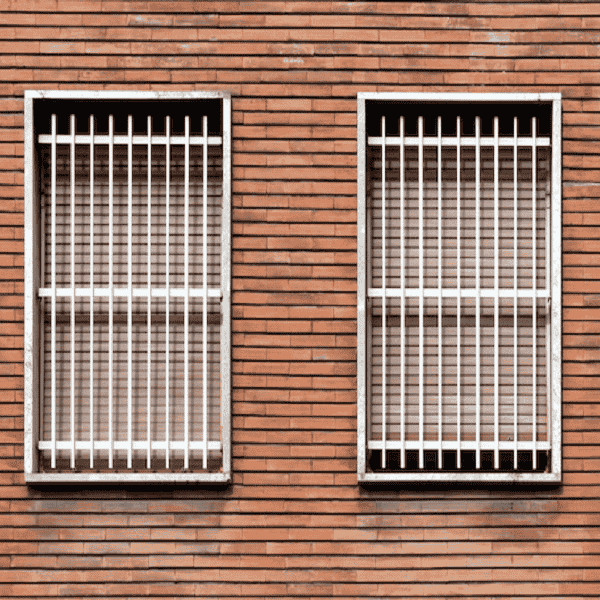

Traditional window fortification against severe weather, particularly hurricanes, has historically relied on reactive and temporary measures. These methods typically involve the manual installation of physical barriers over vulnerable window and door openings. Common examples include precut plywood sheets, corrugated metal panels, or accordion-style shutters. The fundamental principle is to create a sacrificial layer designed to absorb impacts from wind-borne debris and mitigate the immense pressure differentials exerted by hurricane-force winds, preventing an immediate breach of the building envelope.
The Inherent Limitations of Conventional Hurricane Panels
Despite offering a basic level of protection, conventional hurricane panels carry significant limitations. Plywood, for example, is susceptible to moisture degradation and can warp or delaminate, compromising its structural integrity. Metal panels, while more durable, are prone to corrosion, particularly in coastal environments, and can become misshapen, affecting their fit and effectiveness. Furthermore, the reliance on external fasteners and manual deployment introduces numerous potential points of failure, including stripped bolts, misaligned panels, and compromised attachment mechanisms, all exacerbated under duress.
Addressing Wind Load and Impact: Where Traditional Solutions Struggle
Traditional solutions often struggle to effectively manage the complex dynamics of wind load and debris impact during a major storm event. High-velocity winds create substantial positive and negative pressure differentials that can exert tremendous force on panel systems, potentially prying them away from their moorings. In laboratory testing, these systems can exhibit significant deflection under pressure. Their ability to withstand multiple, successive impacts from heavier debris, such as roof tiles or tree limbs, is often limited. Unlike engineered security glazing systems that integrate impact resistance directly into the glass, hurricane window protection panels add a separate, often less robust, layer that can ultimately fail, leading to catastrophic window breach and subsequent internal pressurization of the structure.
The Cost of Temporary Measures: Beyond Initial Purchase
The true cost of traditional, temporary hurricane window protection panels extends far beyond the initial purchase price of materials. Property owners must factor in recurring expenses that erode long-term value.
- Labor Costs: Significant labor is required for the installation and removal of panels before and after each storm threat. This can be a substantial expense, particularly for larger properties or those with numerous openings.
- Storage Requirements: Panels require dedicated, often considerable, storage space during the off-season. This space could otherwise be utilized for more productive purposes.
- Maintenance and Replacement: Plywood panels degrade and require frequent replacement. Metal panels may need cleaning, rust treatment, or straightening. Fasteners and attachment hardware also wear out and must be replaced periodically.
- Emergency Surcharges: During imminent storm threats, the cost of emergency panel installation services can escalate dramatically due to high demand.
- Business Interruption: For commercial properties, the process of paneling up can disrupt operations, deter customers, and lead to lost revenue, even if a storm ultimately bypasses the area.
Beyond Protection: The Design Compromise and Practical Burdens of Conventional Solutions
A Question of Aesthetics: The Visual Impact of Shutters and Plywood
Beyond their functional limitations, conventional hurricane window protection panels profoundly impact a building’s aesthetic appeal. The sight of plywood sheets or heavy metal shutters covering windows fundamentally alters the architectural intent of any structure. For residential properties, this diminishes curb appeal and creates a sense of vulnerability rather than security. For commercial and institutional buildings, it detracts from the professional image, obstructs natural light, and signals an operational shutdown, even if temporary. The design integrity of a carefully conceived façade is entirely compromised by these overt, non-integrated additions.
Client Pushback: Addressing Obtrusiveness and Design Integrity Concerns
Architects frequently encounter client resistance when proposing security measures perceived as obtrusive or aesthetically unpleasing. The visual impact of traditional hurricane window protection panels often triggers this specific concern. Clients, particularly in high-value residential or commercial developments, prioritize both security and the preservation of a building’s intended design and views. They seek solutions that seamlessly integrate with the existing architecture, rather than detracting from it. The temporary, visible nature of conventional panels directly conflicts with aspirations for refined aesthetics and uninterrupted architectural lines, making it challenging for architects to reconcile security needs with client design expectations.
The Practicalities and Perils of Seasonal Deployment and Storage
The operational cycle of traditional hurricane protection imposes significant practical burdens. Property owners or facilities managers must engage in a labor-intensive process of deploying panels as a storm approaches, then removing and storing them afterward.
- Time Consumption: Deploying panels across an entire building can take hours or even days, often coinciding with critical evacuation timelines.
- Physical Demands: Handling heavy, cumbersome panels is physically arduous and can pose safety risks to personnel.
- Storage Logistics: Secure, dry storage is necessary for panels, which can be bulky and occupy valuable space on a property.
- Risk of Non-Deployment: The effort involved, combined with the unpredictability of storm paths, can lead to delayed deployment or, in some cases, a decision not to deploy at all, leaving a property exposed. Improper or hasty installation can also compromise their effectiveness.
Economic and Environmental Downsides of Temporary Solutions
The cumulative economic and environmental drawbacks of temporary hurricane protection solutions are substantial. Economically, the recurring costs of labor, maintenance, and periodic replacement create an ongoing financial drain rather than a one-time investment in permanent infrastructure. Environmentally, the disposal of damaged plywood, corroded metal, and degraded fasteners contributes to landfill waste. The manufacturing and transportation of these often short-lived materials also carry an environmental footprint. Unlike integrated, long-term solutions that offer sustained storm protection and value, temporary panels embody a less sustainable and ultimately more costly approach over the lifespan of a property.
Engineering a New Standard: The Unseen Strength of Advanced Security Glazing
Introducing Retrofit Security Glazing: A Permanent Solution for Building Envelopes
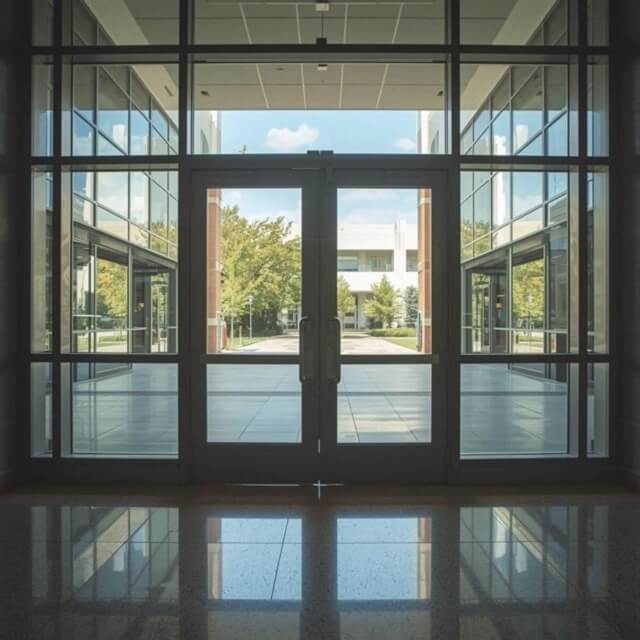
Advanced security glazing represents a fundamental shift from temporary, reactive protection measures to a permanent, integrated solution for building envelopes. Unlike traditional hurricane window protection panels that are installed and removed seasonally, retrofit security glazing systems are engineered to become an integral part of a building’s existing fenestration. This approach transforms standard architectural glass into a robust, multi-threat barrier, offering continuous, 24/7 protection without compromising the building’s original design or functionality.
The Science of Resilience: Polycarbonate Shields and Engineered Impact Resistance
The core of modern security glazing lies in advanced materials, primarily high-grade polycarbonate. This transparent thermoplastic polymer boasts exceptional impact strength, far surpassing that of tempered or laminated glass alone. Engineered systems laminate or bond these polycarbonate shields to the interior surface of existing architectural glass, forming a composite barrier. This design leverages the inherent flexibility and energy-absorbing properties of polycarbonate to dissipate impact forces, preventing fragmentation and maintaining the integrity of the window opening even under severe stress. This technology delivers true impact-resistant glass.
Unpacking Performance: How Advanced Systems Mitigate Extreme Wind Load and Debris
The primary challenge during extreme weather events, such as hurricanes, is the combination of intense wind pressure and high-velocity wind-borne debris. Advanced security glazing systems are specifically designed to mitigate these forces. When impacted, the polycarbonate shield flexes, absorbing and distributing the energy across a larger surface area rather than allowing localized failure. This prevents the glass from shattering inward and breaching the building envelope, effectively resisting projectiles such as 2×4 lumber at speeds exceeding 50 feet per second. Simultaneously, it withstands the cyclical positive and negative pressures exerted by hurricane-force winds.
Adherence to Rigorous Standards: ASTM and Miami-Dade Compliance in Practice
The performance claims of advanced security glazing are not merely theoretical. They are rigorously validated through adherence to stringent industry standards. Key among these are the American Society for Testing and Materials (ASTM) E1886/E1996 for wind-borne debris impact and cyclic pressure. Also critical are the highly demanding Miami-Dade County Notice of Acceptance (NOA) protocols. These tests involve firing heavy, large-missile projectiles at high speeds and subjecting the glazing to thousands of cycles of positive and negative wind pressures. Systems that achieve these certifications demonstrate a proven capacity to maintain structural integrity under the most extreme conditions, providing a quantifiable assurance of protection for hurricane-resistant windows.
The Patented Advantage: Reinforcing Existing Architectural Glass Without Replacement
A significant architectural and economic advantage of retrofit security glazing systems lies in their ability to reinforce existing architectural glass without requiring full window replacement. This is achieved through patented adhesion and framing technologies that securely bond the protective shield to the glass and frame. The result is an integrated system that maintains the original aesthetic, preserves existing thermal seals, and significantly reduces installation time and cost compared to replacing entire window units. This non-invasive upgrade ensures minimal disruption to building occupants and operations while enhancing the overall resilience of the structure and providing superior storm protection.
24/7 Resilience: The Year-Round Value Proposition of Integrated Security
Beyond Storm Season: Enhanced Security Against Forced Entry and Vandalism
The utility of advanced security glazing extends far beyond seasonal storm protection, offering continuous, year-round benefits. The same robust construction that resists hurricane-force impacts also provides a formidable barrier against forced entry attempts. Its extreme impact resistance deters “smash and grab” tactics, significantly delaying or outright preventing unauthorized access. This permanent enhancement fundamentally elevates a building’s security posture, transforming windows from a common point of vulnerability into a robust line of defense, 365 days a year, contributing to overall coastal building security.
Sustained Performance: Blast Mitigation and Ballistic Resistance Capabilities
For facilities requiring heightened security, advanced security glazing systems can be engineered to deliver specialized protection, including blast mitigation and ballistic resistance. Depending on the specific threat profile and material specifications, these systems can significantly reduce the effects of explosive forces, containing glass fragments and minimizing injury from pressure waves. Similarly, certain configurations can provide ballistic protection, resisting penetration from various firearm calibers. This scalable performance underscores the versatility and sophisticated engineering inherent in modern security glazing.
Uninterrupted Aesthetics: Preserving Architectural Integrity and Natural Light
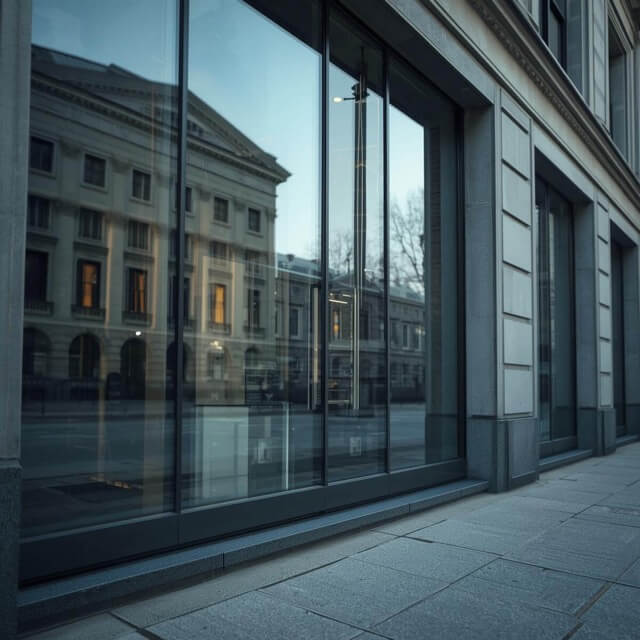
One of the most compelling advantages of integrated security glazing, particularly for architects and building owners, is its complete transparency and minimal visual impact. Unlike opaque or obtrusive traditional panels, these systems are virtually invisible once installed. They preserve the building’s original architectural aesthetic, maintain unobstructed views, and allow for the continuous flow of natural light. This ensures that security enhancements do not detract from design intent or the occupant experience, effectively addressing a common client objection to visible security measures.
Operational Efficiency: Eliminating Deployment Costs and Storage Requirements
The permanent nature of advanced security glazing translates directly into significant operational efficiencies and cost savings. By eliminating the need for seasonal installation and removal, building owners no longer incur labor costs, nor do they require valuable on-site or off-site storage space for bulky panels. This operational simplicity streamlines facility management, reduces logistical burdens, and ensures the property is continuously protected without manual intervention, removing the human element from emergency preparedness.
The Long-Term Investment: Quantifying the Value of Permanent Window Protection
Viewing advanced security glazing as a long-term investment reveals its substantial value proposition. Beyond the immediate protection during severe weather and against forced entry, this permanent solution contributes to reduced insurance premiums, minimizes potential property damage and downtime, and enhances occupant safety and peace of mind. The initial investment is offset by eliminated recurring operational costs, prolonged asset life, and the sustained ability to conduct business uninterrupted. It represents a proactive, integrated approach to building resilience that delivers quantifiable financial and security benefits over the entire lifespan of the structure.
Architectural Integration: Specifying Advanced Glazing Without Aesthetic Compromise
The Architect’s Advantage: Seamlessly Integrating Security into Modern Design
For architects, the challenge of specifying security measures often lies in reconciling robust protection with design integrity. Advanced security glazing systems fundamentally alter this paradigm, offering a sophisticated alternative to traditional, visibly intrusive hurricane window protection panels. These engineered solutions integrate seamlessly into existing fenestration, preserving the original aesthetic of a structure while providing continuous, 24/7 protection. This allows architects to deliver security specifications that not only meet stringent performance criteria but also enhance a building’s inherent value and visual appeal, moving beyond the compromise of temporary fortifications.
Collaboration and Customization: Tailoring Solutions for Unique Building Requirements
Effective security integration is rarely a one-size-fits-all proposition. Architectural security glazing systems are developed through a collaborative process between architects, security consultants, and manufacturers, allowing for bespoke solutions. This customization extends to material selection, framing systems, and attachment methods, ensuring compatibility with diverse building styles, from historic facades to modern curtain wall designs. Engineers can tailor specifications to address precise threat vectors, whether it is high-velocity impact from hurricane debris, forced entry attempts, or even ballistic resistance, without altering the building’s aesthetic profile.
Installation Protocols: The Retrofit Process for Minimal Disruption
One of the significant advantages of advanced security glazing is its retrofit nature. Unlike the disruptive, often destructive, installation required for some permanent protective systems or the annual deployment of traditional panels, retrofit glazing systems are installed over existing windows and doors. This process is designed for minimal intrusion, often requiring no structural modifications to the primary building envelope. This non-invasive approach ensures that building occupants experience negligible disruption, operations remain uninterrupted, and the structural integrity of the original construction is maintained.
Educating Clients: Presenting the Case for Superior, Invisible Protection
Architects are uniquely positioned to educate clients on the long-term value proposition of integrated security glazing. This involves articulating how an investment in advanced systems provides year-round, always-on protection against multiple threats, unlike the seasonal and reactive nature of temporary panels. Key talking points include:
- Aesthetic Preservation: No visible change to the building’s exterior or interior.
- Continuous Protection: Eliminates vulnerabilities during non-hurricane seasons or between panel installations.
- Enhanced Building Performance: Potential for improved thermal insulation, UV protection, and sound dampening.
- Operational Efficiency: No annual installation, removal, or storage costs for hurricane window protection panels.
- Long-Term Value: A permanent asset that contributes to the overall resilience and market value of the property.
By framing security as an invisible, permanent enhancement rather than a temporary imposition, architects can effectively address client concerns regarding appearance and demonstrate the superior return on investment.
Sustaining Building Envelope Performance: Longevity and Maintenance Considerations
Advanced security glazing is engineered for durability and longevity, designed to perform optimally for decades with minimal maintenance. These systems are typically constructed from robust materials such as specialized polycarbonates or acrylics, often paired with proprietary anchoring systems that withstand extreme forces. Unlike traditional hurricane window protection panels that can degrade in storage or during repeated installation and removal, integrated glazing maintains its protective qualities and clarity without ongoing effort. This contributes positively to the overall performance of the building envelope, reducing future maintenance burdens and ensuring consistent protection throughout the building’s lifecycle.
Conclusion: Key Takeaways and The Future of Resilient Design
The evolution of building protection signals a definitive shift from reactive, temporary solutions to integrated, engineered resilience. Advanced security glazing offers architects a powerful tool to achieve superior protection without compromising a building’s design or functionality. The key takeaway is clear: while traditional hurricane window protection panels provide basic, seasonal defense, they fundamentally introduce aesthetic and operational compromises. In contrast, modern retrofit security glazing systems represent a permanent, aesthetically invisible, and multifaceted layer of defense that elevates a building’s security posture 24/7. This integration of invisible protection into the very fabric of architectural design represents the future of resilient construction, aligning sophisticated security with the highest standards of architectural integrity.
Frequently Asked Questions
What are the main disadvantages of traditional hurricane window protection panels?
Traditional hurricane window protection panels are temporary, often unsightly, and require significant labor for seasonal installation and removal. They are prone to degradation, introduce potential points of failure, and incur recurring costs for labor, storage, and maintenance, impacting a building’s aesthetics and operational efficiency.
How does advanced security glazing differ from standard hurricane-resistant windows?
Advanced security glazing systems, often incorporating polycarbonate, are engineered as a permanent, integrated solution. Unlike some standard hurricane resistant windows, retrofit glazing reinforces existing fenestration without full replacement, offering continuous 24/7 protection against multiple threats, including hurricane impacts, forced entry, and even blast or ballistic threats, all while maintaining the building’s original aesthetic.
What industry standards validate the performance of security glazing?
The performance of advanced security glazing is rigorously validated by adherence to stringent industry standards such as ASTM E1886/E1996 for wind-borne debris impact and cyclic pressure. It also complies with demanding protocols like the Miami-Dade County Notice of Acceptance (NOA), which confirms its ability to withstand extreme conditions.
Can security glazing address client concerns about aesthetics and cost?
Yes, advanced security glazing is virtually invisible once installed, preserving a building’s architectural integrity and natural light, directly addressing aesthetic concerns. While the initial investment may be higher than that of temporary panels, it eliminates recurring costs for labor, storage, and maintenance, offering a superior long-term value proposition and continuous year-round security without operational burdens.
Is security glazing only for hurricane protection?
No, the robust construction of advanced security glazing provides year-round protection far beyond storm season. It offers enhanced security against forced entry, deterring “smash and grab” attempts. Specific configurations can also be engineered for blast mitigation and ballistic resistance, making it a comprehensive solution for various security needs and contributing to overall coastal building security.