- Understanding Base Material Costs: Laminated Glass vs. Polycarbonate
- How UL 752 Ratings Directly Influence Ballistic Glass Price
- The Hidden Costs: Architectural Compromises and Operational Disruption
- A Smarter Alternative: The Economics of Retrofit Security Glazing
- Calculating True ROI: Why Total Cost of Implementation Matters
- Reframing the Conversation Around Architectural Security Costs
- Frequently Asked Questions
When evaluating security glazing, an initial quote for the material itself is often misleadingly simple. A per-square-foot price for “bulletproof glass” represents only a fraction of the true project budget. A comprehensive cost analysis requires a deeper understanding of the material composition, the specified protection level, and the extensive support systems a traditional installation demands.
Understanding Base Material Costs: Laminated Glass vs. Polycarbonate
The foundation of any ballistic glazing system is its transparent material, which typically falls into two categories. Laminated glass is a composite made by bonding layers of glass with a polymer interlayer. Its primary advantages are high optical clarity and rigidity, making it look and feel like standard architectural glass.
Polycarbonate is a thermoplastic polymer known for its exceptional impact strength and lighter weight compared to glass of an equivalent rating. It is, however, softer and more prone to scratching and abrasion. While advanced coatings can mitigate this, the core material properties differ significantly, influencing its application and long-term performance. The choice between them, or a hybrid glass-clad polycarbonate, establishes the baseline for material expense.
How UL 752 Ratings Directly Influence Ballistic Glass Price
The Underwriters Laboratories (UL) 752 standard provides a precise, tiered system for rating the ballistic stopping power of materials. This rating is the single most significant driver of the ballistic glass cost per square foot. A UL 752 Level 1 rating, designed to stop rounds from a small handgun, may require a laminated assembly less than an inch thick. Achieving a UL 752 Level 8 rating, capable of defeating multiple rounds from a high-power rifle, demands a complex, multi-layered assembly that can be over two inches thick and weigh more than 25 pounds per square foot.
This increase in cost is not linear. As the UL level rises, the manufacturing process becomes more complex, material inputs increase exponentially, and logistical challenges associated with handling the heavier product grow. Specifying a higher-than-necessary protection level can dramatically inflate the project budget before a single frame is even considered.
The Overlooked Expense of Custom Framing and Hardware
A sheet of ballistic glazing alone does not constitute a secure barrier. The immense weight of traditional ballistic glass renders standard window frames structurally useless. The glazing must be secured within a custom-fabricated ballistic frame, typically made of reinforced steel or thick-walled aluminum.
These framing systems are engineered to not only support the dead load of the glass but also absorb and dissipate the kinetic energy of a ballistic impact without failing. This engineering requirement extends to all hardware. Hinges, locks, and transaction windows must also carry a corresponding UL 752 rating, adding another layer of specialized, high-cost components. In many projects, the cost of the custom framing and certified hardware can meet or even exceed the cost of the ballistic glass itself.
The Impact of Specialized Labor and Glazing Contractor Fees
Installing a traditional ballistic glazing system is not a task for a standard glazing contractor. The weight and rigidity of the materials require specialized crews trained in handling high-security components. The installation process often involves heavy lifting equipment like cranes or scissor lifts, even for ground-floor applications.
This specialization commands higher labor rates. The precision required to install and properly seal the system within its frame is meticulous and time-consuming. These factors combine to create labor costs and timelines that are significantly greater than those for conventional curtain walls or window installations.
The Hidden Costs: Architectural Compromises and Operational Disruption
Beyond the direct costs of materials and labor lies a set of consequential expenses that are rarely itemized but can have the greatest impact on a project’s success. These are the costs associated with architectural modification, business interruption, and aesthetic compromises, which are particularly pronounced when retrofitting traditional ballistic systems into existing structures.
The Challenge of Retrofitting Traditional Ballistic Glass
New construction projects can be designed from the ground up to accommodate the specific load requirements of heavy ballistic glazing. Retrofitting this same technology into an existing building, however, presents a formidable engineering and logistical challenge. A building’s original design almost certainly did not account for adding several hundred, or even thousands, of pounds of static load into its window openings. This mismatch is the source of significant hidden costs.
To safely install a traditional ballistic system, the existing wall assembly must be substantially modified. This often requires:
- Structural Engineering Analysis: A licensed engineer must be contracted to assess existing conditions and design the necessary reinforcements.
- Demolition: The wall around the window opening must be opened to expose the underlying structure.
- Reinforcement: This typically involves replacing standard headers with heavy-duty structural steel beams and adding vertical supports to transfer the load down to the foundation.
These modifications represent a significant construction project in their own right, involving multiple trades, invasive demolition, and considerable expense entirely separate from the glazing contract. The extensive structural work also introduces significant operational disruption, creating a construction zone that is incompatible with daily business. For any commercial or government facility, this can mean cordoning off large sections of the building, temporarily relocating staff, and presenting an inaccessible front to clients.
Addressing Aesthetic Trade-Offs for Clients
For an architect, one of the most significant costs is the compromise to the original design intent. Traditional ballistic systems, with their thick, dark framing and heavy-looking vision glass, often project a “fortress-like” aesthetic. This can be at odds with a design meant to be open, transparent, and welcoming. The visual trade-offs are a common point of contention for clients, who may be concerned about creating an intimidating environment. Reconciling the need for robust security with the desire to maintain architectural integrity is a primary challenge that traditional systems often fail to solve effectively.
A Smarter Alternative: The Economics of Retrofit Security Glazing
A comprehensive cost analysis for security enhancements must extend beyond the price of materials. When project stakeholders focus only on the per-square-foot cost of ballistic glass, they overlook the substantial expenses tied to demolition, structural retrofitting, and operational downtime. A retrofit security glazing system, engineered to mount over existing glass, presents a more economically intelligent and architecturally sensitive solution. This approach reframes the investment by delivering equivalent or superior protection while drastically reducing the hidden costs associated with traditional replacement projects.
How Retrofit Security Glazing Works
Retrofit security glazing, also known as an over-glazing system, is a secondary layer of protection installed onto the interior or exterior of an existing window or door frame. Unlike full replacement projects that require removing the original glass and frame, a retrofit system works in concert with the building’s current glazing. This creates a formidable, multi-layered defense without the need for extensive deconstruction.
Patented systems like DefenseLite, RiotLite, and BulletShield are the result of specific material science and structural engineering designed to mitigate defined threats. DefenseLite and RiotLite are polycarbonate over-glazing systems engineered for severe forced entry defense, capable of defeating sustained attacks from heavy tools.
BulletShield builds upon this foundational technology to provide certified ballistic protection. It utilizes a custom-fabricated sheet of ballistic-grade polycarbonate, which is anchored to the window or door frame using a patented, vented extrusion. This flexible mounting system is engineered to manage the immense shock and energy transfer of a ballistic impact. The system flexes to absorb the impact and safely contain the projectile, rather than rigidly resisting the force, which can lead to frame failure.
Preserving Architectural Design Intent
For architects, maintaining the integrity of a building’s design is paramount. Retrofit over-glazing systems directly solve the aesthetic challenge of traditional ballistic glass. Because the security shield is installed on the interior side of the existing glass, it is virtually invisible from the building’s exterior. The original facade and sightlines remain completely unchanged. This allows for the seamless integration of UL-rated ballistic protection into architecturally significant buildings, historic properties, and high-end commercial spaces without any visual compromise. The design intent is preserved, providing a compelling argument for clients who value both security and aesthetics.
Minimizing Disruption with an Over-Glazing System
The installation of a retrofit system offers a profound advantage in minimizing operational disruption and its associated costs. A full replacement of ballistic windows is an invasive, multi-stage construction project. In contrast, an over-glazing installation is a clean, quiet, and efficient process.
This method offers several key benefits that contribute to a lower total cost of implementation and a more favorable retrofit security glazing cost:
- No Demolition: The existing glass and frames remain in place, eliminating the noise, dust, and debris associated with removal.
- Business Continuity: Installation can often be scheduled outside of normal business hours, allowing facilities to remain fully operational.
- Reduced Labor Costs: The process is significantly faster and requires less specialized labor and equipment compared to a full replacement project.
- Structural Integrity: Because the system anchors to the existing frame, it avoids the need for costly and complex structural modifications to the building itself.
By sidestepping the extensive disruption of a conventional replacement, a retrofit solution protects not only the physical assets but also the organization’s revenue stream and daily workflow.
Calculating True ROI: Why Total Cost of Implementation Matters
A myopic focus on the bullet resistant glass price is the most common and critical error in project budgeting. Stakeholders must shift their perspective from a simple material expense to the Total Cost of Implementation (TCI). This comprehensive metric reveals the true financial and operational impact of a security upgrade and demonstrates the significant value of advanced retrofit solutions.
Defining Total Cost of Implementation (TCI)
The Total Cost of Implementation encompasses every direct and indirect expense associated with deploying a security glazing solution. It provides a complete financial picture that a simple material quote cannot. Key cost categories include:
- Material Costs: The security glazing, anchoring systems, and any new framing components.
- Engineering and Design Fees: Structural assessments and system engineering, which are substantial for traditional projects.
- Labor Costs: Demolition, installation of new frames, glazing installation, and finishing work.
- Structural Modification Costs: Reinforcement of the building envelope if the solution’s weight exceeds the structure’s load capacity.
- Business Disruption Costs: Lost revenue, tenant displacement, and reduced productivity during a lengthy installation.
- Disposal Costs: The expense of removing and disposing of old window systems.
Analyzing these factors clarifies a project’s true cost, allowing for an accurate comparison between different security approaches.
Comparing Financial Impact: Traditional vs. Retrofit Solutions
When viewed through the lens of TCI, the financial calculus between traditional “rip-and-replace” projects and patented retrofit installations shifts dramatically. A traditional replacement involves a cascade of costs, beginning with demolition and followed by expensive structural engineering to support heavy ballistic glass. The installation itself is a complex construction project that maximizes business disruption.
In contrast, a patented retrofit system is engineered for efficiency. Because the solution integrates with existing framing, the high costs of demolition, structural modification, and lengthy construction are eliminated. Installation is faster and less invasive, dramatically reducing labor costs and business disruption. The result is a more predictable budget and a significantly lower Total Cost of Implementation for an equivalent level of ballistic resistance.
The Value of Architectural Preservation
For an architect or a brand-conscious owner, the aesthetic impact of a security installation is a critical, if unquantifiable, cost. Traditional ballistic glass solutions often necessitate bulky framing that fundamentally alters a building’s character. This can compromise the original design intent and diminish curb appeal.
Advanced retrofit systems are designed to solve this core challenge. By anchoring discreetly to the interior of the existing glazing pocket, these systems provide robust protection without altering the building’s exterior appearance. The original architectural lines, sightlines, and aesthetic vision are preserved. This allows for high-level security without forcing a compromise on design, protecting not just the occupants but also the architectural integrity and market value of the property.
Reframing the Conversation Around Architectural Security Costs
The decision-making process for implementing ballistic protection is often distorted by a narrow focus on material costs. A more accurate and strategic approach requires shifting the evaluation from a simple price-per-square-foot comparison to an analysis of the total cost of implementation. This comprehensive view reveals the true value of advanced, engineered solutions.
For architects, the challenge is to integrate robust security measures without compromising the building’s design integrity or alienating clients with exorbitant costs. Engineered retrofit systems provide a superior value proposition. By augmenting existing glazing, these solutions bypass the most disruptive and expensive aspects of a security upgrade. This approach directly preserves your architectural vision, reframing the conversation from a costly necessity to a smart, architecturally sensitive investment in safety.
To ensure a successful security project, begin by conducting a holistic threat assessment to define the specific risks to mitigate. Next, evaluate the existing infrastructure to determine its suitability for a retrofit solution. Most importantly, engage a security solutions expert in the preliminary design phase. Early collaboration ensures that security is integrated into the project from the ground up, maximizing effectiveness while controlling costs and preserving architectural integrity.
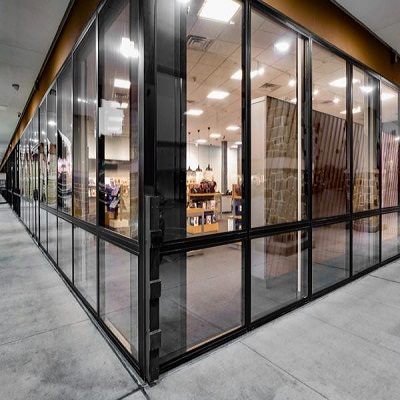
Frequently Asked Questions
How expensive is bulletproof glass, really?
The material cost, or bullet resistant glass price, is only one component. A true assessment must include the Total Cost of Implementation (TCI), which accounts for demolition, structural reinforcement, specialized labor, and business disruption. Traditional replacement projects often have a TCI that is two to three times the initial material price, while engineered retrofit solutions significantly lower these ancillary costs.
Will ballistic protection make my building look like a fortress?
Traditional systems with thick, heavy frames often create an imposing, fortress-like appearance. However, advanced retrofit security glazing is designed to be architecturally discreet. These systems are installed on the interior of existing windows and are virtually invisible from the exterior, preserving the building’s original design intent and aesthetic.
What UL 752 rating do I need for my project?
The required UL 752 rating depends entirely on the specific threats you need to mitigate. A professional threat assessment is the critical first step. It will identify the most likely risks, from handguns (UL Levels 1-3) to high-powered rifles (UL Levels 4-8), and determine the appropriate level of protection needed for your facility, ensuring you invest in the right solution without overspending.
Is retrofit security glazing as strong as traditional bullet-resistant glass?
Yes. Patented retrofit systems like BulletShield are engineered and independently tested to meet the same UL 752 ballistic resistance standards as traditional multi-layered glass products. The system’s strength comes from its engineered design, which uses a flexible mounting system to absorb and dissipate a projectile’s energy, providing certified ballistic protection without the extreme weight and rigidity of traditional solutions.