- Beyond the Pane: Reframing the True Cost of Ballistic Security Solutions
- Unpacking the Price Tag: Key Factors Driving Security Glazing Costs
- Initial Material Costs: Exploring Ballistic Glass Price Per Square Foot
- Component Costs: Framing, Hardware, and Installation Complexities
- Fabrication and Customization: Impact on Overall Security Glazing Cost Analysis
- Acrylic vs. Polycarbonate: Material Choices and Their Cost Implications
- Installation Variables: Labor, Logistics, and Site-Specific Challenges
- The Hidden Drain: Unforeseen Costs of Traditional Full Window Replacement Projects
- Business Interruption: Quantifying the Impact of Operational Downtime
- Structural Modifications: Unforeseen Expenses for Building Integrity
- Compromising Aesthetics: The Cost of Sacrificing Architectural Design Integrity
- Disposal and Remediation: Managing Existing Materials and Waste
- Extended Project Timelines: Labor Overheads and Coordination Challenges
- The Strategic Advantage: Analyzing Retrofit Security for Enhanced Value
- Direct Comparison: Project Cost Scenarios – Retrofit vs. Full Replacement
- Illustrative Scenario 1: Entry-Level Ballistic Glazing for Commercial Facilities
- Illustrative Scenario 2: High-Security Level 8 Bullet-Resistant Glass Applications
- The Total Project Value Equation: Beyond the Per-Square-Foot Price
- Evaluating Installation Time and Operational Impact Across Scenarios
- Security Glazing Cost Analysis: Factoring in Maintenance and Durability
- Investing Wisely: The Long-Term Return on Investment of Integrated Security
- Total Cost of Ownership: A Holistic View of Security Investment
- Durability and Longevity: The Lifespan of Modern Security Glazing Solutions
- Addressing Future Threats: Adaptability and Upgradability of Systems
- Compromising Aesthetics: The Cost of Sacrificing Architectural Design Integrity
- Disposal and Remediation: Managing Existing Materials and Waste
- Extended Project Timelines: Labor Overheads and Coordination Challenges
- Conclusion: Redefining Value in Ballistic Security Solutions
- Frequently Asked Questions
Beyond the Pane: Reframing the True Cost of Ballistic Security Solutions
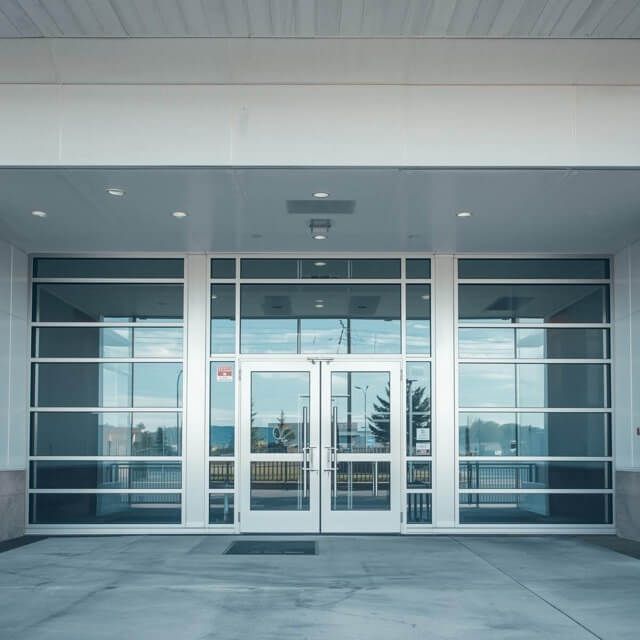
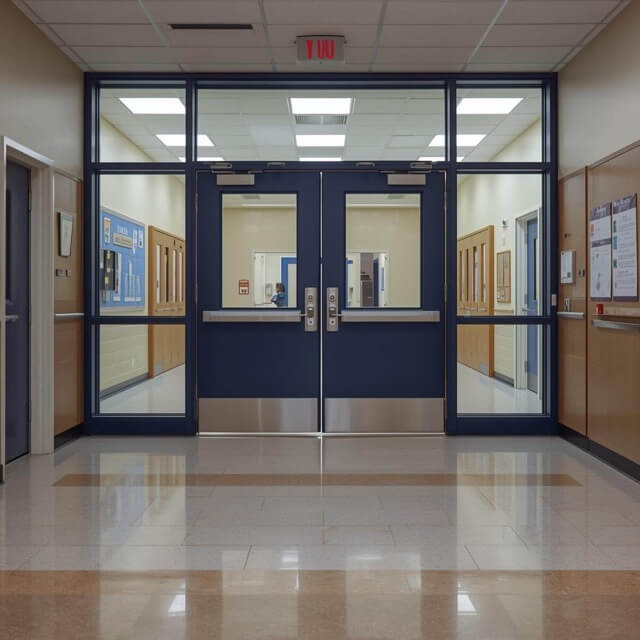
When evaluating security upgrades, one of the first questions stakeholders ask is: how much does bulletproof glass cost, and what factors truly influence that price? The term “bulletproof glass” is a common misnomer that often simplifies and ultimately misrepresents the sophisticated engineering behind ballistic security solutions. In reality, no material is truly “bulletproof” in the absolute sense; rather, materials are “ballistic resistant.” This distinction is critical for architects, security professionals, and stakeholders, as it shifts the focus from an impossible ideal to engineered performance against defined threat levels. Understanding this nuance is the first step in accurately assessing the true cost and value of any proposed security solution, moving beyond the simplistic question of how much bulletproof glass costs.
Defining Ballistic Security: A Comprehensive System Approach
True ballistic security extends far beyond the glazing material itself. It encompasses a comprehensive system where every component, from the ballistic-resistant glass or polycarbonate to the specialized framing, mounting hardware, and even the surrounding wall structures, is designed to work cohesively to defeat a specified threat. A chain is only as strong as its weakest link, and a ballistic-rated pane installed in a standard aluminum frame offers no meaningful ballistic protection. Therefore, defining ballistic security involves evaluating the integrity of the entire assembly, not just the transparency.
Understanding Performance: The Critical Role of UL 752 Ratings
To standardize and quantify performance, the industry relies on rigorous testing protocols such as those outlined by Underwriters Laboratories (UL) in their UL 752 standard. This specification defines criteria for ballistic resistance against various weapon types and calibers. UL 752 ratings certify a material or assembly’s ability to withstand a specified number of impacts from particular projectiles at certain velocities without full penetration or excessive spall (the shattering of material from the non-attack side). These ratings are not merely benchmarks; they are the contractual assurance of performance, directly correlating with the material composition, thickness, and ultimately, the cost of the security glazing.
Key Material Science: Exploring Polycarbonate, Laminated Glass, and Their Properties
The choice of material science profoundly influences both the protective capabilities and the cost profile of ballistic glazing.
- Polycarbonate: Known for its exceptional impact resistance and lightweight properties, polycarbonate is often favored in composite systems. It can absorb significant energy without fracturing, making it highly effective against ballistic threats. Its flexibility also allows for thinner, lighter constructions compared to all-glass solutions of equivalent protection, which can translate into easier installation in retrofit scenarios.
- Laminated Glass: This traditional approach involves multiple layers of glass bonded together with advanced interlayers (such as polyvinyl butyral or SentryGlas Plus). While heavier and thicker than polycarbonate for comparable protection levels, laminated glass offers superior optical clarity and scratch resistance. It achieves ballistic resistance by “catching” and delaminating under impact, preventing penetration. Many high-level ballistic solutions utilize a combination of glass and polycarbonate layers to leverage the strengths of both materials.
The Spectrum of Protection: From Level 1 to Level 8 Ballistic Resistance
UL 752 categorizes ballistic resistance into a spectrum of levels, each designed to mitigate increasingly severe threats.
- Level 1-3: Primarily designed to resist handgun fire, common in many commercial and institutional applications.
- Level 4-6: Offer protection against high-powered handguns and some shotguns, often used in higher-risk environments.
- Level 7-8: Engineered to defeat rifle fire from powerful weapons such as 7.62mm and .50 caliber rifles, typically specified for government facilities, critical infrastructure, and high threat zones. Level 8 bullet-resistant glass, for example, represents the pinnacle of readily available commercial protection.
As the threat level increases, so does the required material thickness, complexity of the layering, and consequently, the cost per square foot. Selecting the appropriate UL level is a critical decision driven by a comprehensive threat assessment, balancing risk mitigation with budgetary and architectural considerations.
Unpacking the Price Tag: Key Factors Driving Security Glazing Costs
The financial outlay for ballistic security is a multifaceted equation, extending far beyond the initial material purchase. A comprehensive cost analysis requires examining various contributing factors.
Initial Material Costs: Exploring Ballistic Glass Price Per Square Foot
The per square foot cost of the ballistic glazing material itself is often the most immediate and visible expense. This price is directly influenced by several factors: the UL 752 protection level, the specific material composition (e.g., all glass laminate, polycarbonate, or glass-clad polycarbonate), overall thickness, and optical clarity requirements. For instance, higher UL ratings demand more layers or thicker materials, escalating the material cost. While seemingly straightforward, this single line item represents only a fraction of the total project expenditure and often misleads those who do not account for the broader system.
Component Costs: Framing, Hardware, and Installation Complexities
True ballistic integrity requires an entire system, not just the glazing. The cost of this system includes:
- Ballistic Rated Framing: Specialized frames, often constructed from reinforced steel or aluminum, are engineered to match or exceed the ballistic rating of the glazing. Standard commercial frames are insufficient and would compromise the entire security system.
- Specialized Hardware: Hinges, locks, and closure mechanisms must also be ballistic-rated and capable of withstanding attacks. These components are significantly more robust and costly than their standard counterparts.
- Installation Accessories: Sealants, fasteners, and other ancillary materials must similarly contribute to the overall ballistic integrity and weatherproofing, adding to the material cost.
Fabrication and Customization: Impact on Overall Security Glazing Cost Analysis
Unlike commodity glass, ballistic glazing is frequently custom-fabricated to precise specifications. Standard sizes are rare, as each application typically demands unique dimensions, cutouts for hardware, or specific edge treatments. This customization impacts cost through:
- Engineering and Design: The need for precise measurements and detailed shop drawings.
- Specialized Manufacturing Processes: Ballistic materials often require custom cutting, shaping, and laminating, which involves specialized machinery and skilled labor.
- Waste Factor: Custom cuts inevitably lead to a higher material waste percentage than standard sheet processing.
For projects aiming to preserve specific architectural aesthetics, such as matching historical sightlines or integrating seamlessly into existing structures, customization becomes paramount, further influencing cost but delivering critical aesthetic dividends that prevent the ‘bunker’ appearance many stakeholders aim to avoid.
Acrylic vs. Polycarbonate: Material Choices and Their Cost Implications
While both are plastics, the cost and performance differences between acrylic and polycarbonate for ballistic applications are significant.
- Acrylic: Generally less expensive per square foot than polycarbonate, acrylic is rigid and offers good optical clarity. However, its ballistic performance is limited, and it tends to shatter or crack more readily under impact, making it less suitable for standalone high-level ballistic resistance. Its use in security often involves very thick, multi-layered constructions or as a less critical component.
- Polycarbonate: More expensive than acrylic, polycarbonate provides vastly superior impact resistance, is lighter, and far more durable under ballistic attack. It can be formed into thinner, lighter composite systems that achieve higher UL ratings. For retrofit applications, its lighter weight can significantly reduce structural load concerns and simplify installation, often making it the more cost-effective choice when considering overall project scope and disruption. Understanding the cost of bullet-resistant polycarbonate is crucial for effective project planning.
Installation Variables: Labor, Logistics, and Site-Specific Challenges
The final, and often underestimated, contributors to the total cost are the installation-related variables:
- Specialized Labor: Installing ballistic glazing is not a standard window installation. It requires highly trained and often certified technicians who understand the complexities of ballistic systems, proper sealing, and secure mounting techniques. This specialized labor commands a higher wage rate.
- Logistics and Handling: Ballistic glazing, particularly heavier glass-clad polycarbonate or all-glass laminates, can be extremely heavy and bulky. This necessitates specialized transportation, lifting equipment (cranes, specialized dollies), and careful handling to prevent damage, all of which add to logistical costs.
- Site Specific Challenges: Working in active, occupied buildings can incur additional costs related to off-hours work, temporary security measures, and disruption mitigation. Difficult access points, structural modifications required to accommodate heavier glazing or framing, and adherence to specific architectural preservation guidelines further compound installation complexity and, by extension, cost. These factors often reveal the true cost-effectiveness of retrofit security solutions, which minimize on-site disruption and structural alterations.
The Hidden Drain: Unforeseen Costs of Traditional Full Window Replacement Projects
Focusing solely on the per-square-foot cost of ballistic glass often leads to a critical underestimation of total project expenses. Traditional full window replacement projects introduce a cascade of associated costs that can quickly dwarf the initial material price, creating “hidden drains” on a project’s budget and schedule. These factors extend far beyond the procurement of new bullet-resistant glass, impacting operations, structural integrity, and architectural fidelity.
Business Interruption: Quantifying the Impact of Operational Downtime
A fundamental yet frequently overlooked cost of full window replacement is business interruption. The extensive nature of such projects necessitates significant operational downtime, whether it involves closing off entire sections of a facility, relocating personnel, or halting normal business activities. For commercial entities, this translates directly into lost revenue and decreased productivity. Educational institutions face challenges with classroom closures and scheduling disruptions, while government facilities encounter service delays. The indirect costs, including employee dissatisfaction, reputational damage, and the logistical nightmare of temporary solutions, further compound this financial burden, making the quantification of lost opportunity a critical exercise.
Structural Modifications: Unforeseen Expenses for Building Integrity
Integrating new ballistic glazing, which is inherently heavier and often thicker than standard glass, frequently mandates extensive structural modifications. Existing window frames and supporting building elements may not be designed to bear the increased load, requiring professional engineering assessments and costly reinforcements. This can involve upgrading or altering sills, lintels, and even the surrounding wall structures. Such modifications demand specialized labor, adherence to stringent building codes, and often necessitate additional permits, contributing significantly to project complexity, timeline, and budget. Unforeseen structural discoveries during demolition can further escalate these expenses.
Compromising Aesthetics: The Cost of Sacrificing Architectural Design Integrity
The pursuit of security through full window replacement often comes at the expense of a building’s original architectural design integrity. Standard ballistic glass, due to its composition and thickness, frequently requires bulky new frames that can drastically alter the building’s facade, diminish natural light, and obscure sightlines. For architects and facility managers, this represents a significant aesthetic compromise, diminishing the visual appeal and potentially the long-term value of the property. The “cost” here is not just monetary but also a degradation of the building’s intended design, an outcome that many discerning stakeholders are keen to avoid. Preserving the aesthetic vision is a critical consideration in any security upgrade.
Disposal and Remediation: Managing Existing Materials and Waste
The demolition phase of a full window replacement project generates substantial waste, leading to notable disposal and remediation costs. This includes not only the removal and transport of existing windows and frames but also the specialized handling of materials that may contain lead-based paint, asbestos, or other regulated substances. Landfill fees, recycling costs, and environmental compliance considerations add layers of expense that are rarely factored into initial budget estimates. Furthermore, site remediation to prepare for new installations can involve further cleanup and material disposal, extending both the cost and duration of the project.
Extended Project Timelines: Labor Overheads and Coordination Challenges
Full window replacement is inherently a multi-phase endeavor, leading to extended project timelines compared to less invasive methods. These extended durations directly translate to higher labor overheads across multiple trades, including demolition crews, structural engineers, glaziers, and finishing contractors. The complexity of coordinating these various teams, often across an operational facility, invariably introduces logistical challenges, potential delays, and increased project management costs. Each day the project extends beyond its initial estimate, adds to the overall financial outlay, and prolongs the disruption to normal operations.
The Strategic Advantage: Analyzing Retrofit Security for Enhanced Value

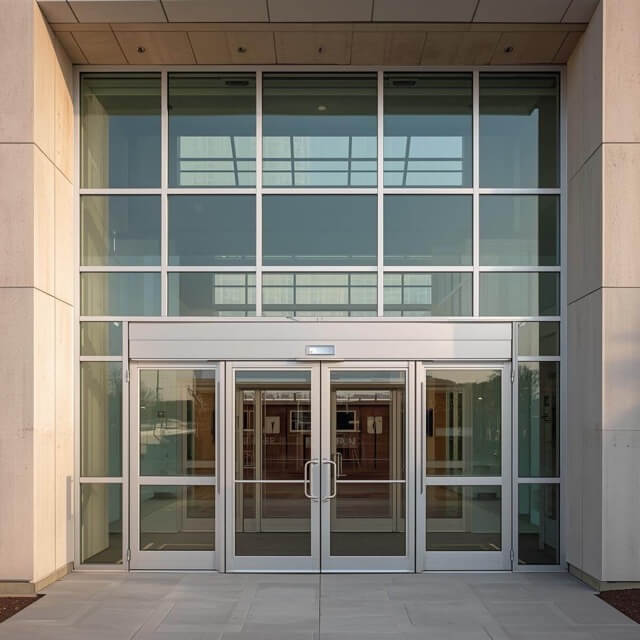
In stark contrast to the hidden drains associated with full replacement, advanced retrofit security systems offer a strategic advantage. These solutions prioritize cost effectiveness, minimize disruption, and crucially, maintain architectural integrity while delivering equivalent or superior levels of ballistic protection. They reframe the conversation from mere material cost to total project value and a more favorable return on investment.
Introducing Patented Retrofit Security Systems: A Modern Approach
Patented retrofit security systems represent a modern, engineered approach to enhancing building protection. Instead of replacing entire window units, these systems involve integrating a secondary layer of advanced security glazing, such as multi ply polycarbonate or specialized security window film, directly onto existing window frames. These systems are meticulously designed and engineered to meet stringent ballistic protection standards, including various UL 752 ratings, without necessitating the wholesale removal of current infrastructure. The “patented” aspect signifies unique design features and proven performance benefits, ensuring that security enhancements are both effective and non-invasive.
The Retrofit Cost-Effectiveness: Preserving Existing Infrastructure
One of the most compelling arguments for retrofit solutions is their inherent cost effectiveness, primarily achieved by preserving existing infrastructure. By leveraging the current window frames and structural supports, retrofit security systems eliminate the need for costly demolition, structural reinforcements, and subsequent finish work. This dramatically reduces material and labor expenditures associated with removal and reinstallation. The avoidance of these hidden drains results in significant upfront savings and a much more efficient allocation of security budgets, translating to a superior return on investment when compared to full replacement.
Seamless Architectural Integration: Maintaining Building Design and Aesthetics
A paramount advantage of retrofit systems, especially for architects and those concerned with building aesthetics, is their seamless architectural integration. These systems are engineered to be minimally invasive, often appearing virtually invisible or exceptionally discreet from both the interior and exterior. They preserve the original sightlines, frame designs, and the overall architectural character of the building. This capability allows facility stakeholders to achieve robust ballistic protection without compromising the structure’s visual appeal, historical significance, or design intent, directly addressing the pain point of aesthetic degradation often associated with traditional security upgrades.
Faster Deployment: Minimizing Disruption with Efficient Installation
Retrofit security systems boast significantly faster deployment times compared to traditional full window replacement projects. Their installation typically involves less complex procedures and can often be completed in a fraction of the time, frequently requiring only hours or days per opening rather than weeks for an entire section. This efficiency minimizes business interruption, allowing operations to continue with little to no downtime. Reduced installation times also mean lower labor overheads and less need for extensive project coordination, contributing to a more streamlined and cost-controlled security upgrade process.
Specialized Systems: Focusing on Bullet-Resistant Polycarbonate Cost for Retrofit
Within the realm of retrofit solutions, specialized systems featuring bullet-resistant polycarbonate are particularly noteworthy. Polycarbonate, known for its exceptional impact resistance and lighter weight compared to traditional ballistic glass, is an ideal material for retrofit applications. Its inherent strength allows for thinner, yet highly effective, security layers that do not overburden existing window frames or require extensive structural modifications. While the material cost of advanced polycarbonate itself is an investment, the overall project cost for a polycarbonate retrofit system, encompassing installation and minimal disruption, is substantially lower than a full replacement with equivalent UL 752-rated ballistic protection. This strategic choice balances advanced material science with practical, budget-conscious implementation.
Direct Comparison: Project Cost Scenarios – Retrofit vs. Full Replacement
Understanding the true investment required for enhanced security glazing necessitates a comparison of distinct project methodologies. Simply looking at the ballistic glass price per square foot offers an incomplete picture. A comprehensive analysis must encompass material specifications, installation complexity, aesthetic integration, and the overall impact on facility operations.
Illustrative Scenario 1: Entry-Level Ballistic Glazing for Commercial Facilities
Consider a commercial office building seeking protection against handgun threats, typically requiring UL 752 Level 1 or 2 ballistic resistance. A traditional full replacement approach would involve removing existing window frames, disposing of current glazing, fabricating new, often heavier, ballistic-rated frames and glass, and then installing them. This process is intensive, requiring significant labor for demolition, structural modifications, and new construction, often leading to prolonged business disruption. The aesthetic implications can also be substantial if the new frames do not match the building’s original design, potentially altering the façade.
Conversely, a patented retrofit system might involve installing a ballistic-rated polycarbonate or glass-clad polycarbonate panel to the interior side of the existing window frame. This method leverages the building’s current infrastructure, reducing material waste and construction time. The architectural impact is minimized as the exterior remains untouched, and the interior addition can be designed to blend seamlessly with the existing décor. The installation often occurs outside of peak business hours, drastically limiting operational downtime and associated revenue loss.
Illustrative Scenario 2: High-Security Level 8 Bullet-Resistant Glass Applications
For facilities requiring the highest level of protection, such as those specified for UL 752 Level 8 rifle fire, the cost differential becomes even more pronounced. Full replacement for Level 8 bullet-resistant glass or monolithic polycarbonate often mandates heavy-duty steel frames, significant structural reinforcements, and specialized installation equipment. The sheer weight and thickness of these materials necessitate engineering adjustments to the building’s envelope, which can be immensely costly and aesthetically challenging to integrate into an existing design without a complete overhaul.
An advanced retrofit solution for Level 8 protection typically utilizes thick polycarbonate security glazing panels or multi-layered glass-clad polycarbonate secured within a custom-engineered, internal framing system. This system is designed to attach directly to the building’s existing structure, bypassing the need for extensive façade alterations. While installation of such robust systems is still specialized, it avoids the wholesale disruption of removing and replacing entire window units. This preserves the building’s original architectural character while achieving superior protection, a critical consideration for maintaining property value and aesthetic appeal.
The Total Project Value Equation: Beyond the Per-Square-Foot Price
Focusing solely on the per-square-foot cost of ballistic material is a fundamental miscalculation. The true project value is derived from a holistic equation that includes:
- Material Costs: The ballistic glazing material itself.
- Labor Costs: Installation, demolition (if applicable), and site preparation.
- Business Disruption Costs: Lost revenue, temporary relocation expenses, or decreased productivity during installation.
- Architectural Integration Costs: Expenses associated with maintaining or restoring the building’s aesthetic integrity.
- Structural Modification Costs: Any necessary enhancements to support heavier glazing or framing.
- Disposal Costs: Removal and handling of old materials.
- Energy Efficiency Impact: Potential improvements or degradations in thermal performance.
Retrofit systems often demonstrate a superior total project value by significantly reducing several of these cost components, particularly labor, business disruption, and the often overlooked architectural integration expenses, contributing to a lower total cost of ownership.
Evaluating Installation Time and Operational Impact Across Scenarios
Installation time is a critical factor influencing overall project cost and operational impact. Full replacement projects, particularly for commercial or high security applications, can span weeks or even months. This extended timeline often translates into:
- Prolonged Noise and Debris: Disrupting daily operations and occupant comfort.
- Restricted Access: Impeding movement within the facility.
- Temporary Security Gaps: During the transition period, increasing vulnerability.
- Significant Business Interruption: Leading to lost productivity or revenue.
In contrast, patented retrofit ballistic systems are frequently engineered for rapid deployment. Installations can often be completed in hours or days, rather than weeks, and are typically performed from the interior of the building. This streamlined process minimizes noise, debris, and disruption, allowing businesses to maintain operations with little to no downtime. The swift installation also means security enhancements are realized much faster.
Security Glazing Cost Analysis: Factoring in Maintenance and Durability
The long-term cost of security glazing extends beyond initial procurement and installation. Maintenance requirements and durability play a significant role in the total cost of ownership. Traditional ballistic glass, while durable, is heavy and can be prone to spalling upon impact, requiring replacement. Polycarbonate and glass-clad polycarbonate, commonly used in retrofit solutions, offer exceptional impact resistance and can withstand multiple ballistic attacks without shattering or spalling.
Maintenance for these advanced materials is generally straightforward. Polycarbonate, for instance, requires specific cleaning agents and methods to prevent scratching, but its inherent strength often reduces the frequency of replacement due to accidental damage. Investing in systems with proven durability and low maintenance needs contributes substantially to long-term cost effectiveness and reduces unforeseen expenses over the lifespan of the security installation.
Investing Wisely: The Long-Term Return on Investment of Integrated Security
An investment in security glazing should not be viewed as a mere expenditure, but rather as a strategic asset yielding substantial returns over time. These returns extend beyond direct cost savings to encompass enhanced safety, operational resilience, and sustained property value.
Total Cost of Ownership: A Holistic View of Security Investment
A comprehensive total cost of ownership (TCO) analysis for security glazing considers not only the initial project costs but also ongoing operational expenses, expected lifespan, and the value derived from mitigating risks. For instance, while a full replacement might appear to offer higher upfront material protection, the TCO can quickly escalate when accounting for extensive structural modifications, prolonged business disruption, and potential aesthetic degradation that may deter tenants or customers.
Retrofit systems, through their minimized installation impact and preservation of architectural integrity, often present a significantly lower TCO. Furthermore, modern security glazing can offer improved thermal performance, contributing to energy savings over time and potentially offsetting a portion of the investment. When calculating TCO, one must also factor in potential insurance premium reductions, which can be a direct financial benefit of enhanced security.
Enhanced Property Value and Occupant Safety: Intangible Returns
The returns on security investment are not exclusively monetary. The enhanced safety provided by robust ballistic protection directly translates into increased peace of mind for occupants, staff, and visitors. This improved sense of security can lead to higher employee retention, increased tenant satisfaction, and a more favorable public perception of the facility. For commercial properties, this intangible benefit can significantly enhance marketability and attract higher-quality tenants, ultimately increasing property value. Preserving the building’s original design aesthetic, as facilitated by many retrofit systems, further supports this value proposition by ensuring the property remains visually appealing and culturally relevant.
Durability and Longevity: The Lifespan of Modern Security Glazing Solutions
Contemporary security glazing solutions, especially those incorporating advanced polymers like polycarbonate, are engineered for exceptional durability and longevity. Unlike traditional glass that can be compromised by a single ballistic impact, multi-layered polycarbonate and glass-clad polycarbonate are designed to withstand multiple attacks without failure. These materials exhibit superior resistance to weathering, UV degradation (when properly treated), and physical impact, ensuring their protective capabilities remain intact for decades. A long lifespan minimizes the need for premature replacements, thereby securing the initial investment and providing consistent protection over the long term.
Addressing Future Threats: Adaptability and Upgradability of Systems
The threat landscape is continuously evolving. An effective security investment anticipates future needs. Many advanced retrofit ballistic systems are designed with an element of adaptability and upgradability. Components can sometimes be enhanced or exchanged as new threats emerge or as security requirements change, without necessitating a complete system overhaul. This modularity ensures that the initial investment remains relevant and effective, preventing the obsolescence that can plague less flexible security installations. This forward-thinking design principle contributes significantly to the long-term ROI.
Beyond Ballistic: The Added Benefit of Forced Entry Protection and Blast Resistance
A significant advantage of investing in high quality ballistic glazing solutions is the inherent collateral protection they provide. Many materials and systems engineered to defeat ballistic threats also offer substantial resistance to forced entry protection and, in certain configurations, mitigate the effects of blast events. For example, thick polycarbonate panels or glass clad polycarbonate often exceed standards for forced entry, significantly delaying or deterring intruders using blunt force. Similarly, the flexibility and strength of these materials can absorb and dissipate blast energy more effectively than standard architectural glass, offering an added layer of protection. This multi threat capability enhances the overall value proposition, delivering comprehensive security benefits from a single investment.
Conclusion: Redefining Value in Ballistic Security Solutions
The discussion surrounding ballistic security solutions frequently begins with a seemingly straightforward question: “How much does bullet proof glass cost per square foot?” However, as explored, this initial query, while understandable, represents a fundamental misdirection. Focusing solely on the unit price of ballistic glazing often leads to an incomplete understanding of the true investment required and, more critically, the value delivered by a comprehensive security strategy.
A truly informed approach necessitates redefining value beyond the immediate material expense. This encompasses the total cost of ownership, including installation, potential business interruption, ongoing maintenance, and the often overlooked cost of architectural compromise. For professionals concerned with preserving a building’s design aesthetic, this is not a secondary concern but a critical determinant of a solution’s viability. The disruption, noise, and structural alterations inherent in traditional full frame replacement of glazing are significant factors that impact both budget and operational continuity.
Advanced retrofit security systems, leveraging robust polycarbonate laminates and patented framing techniques, emerge as a superior paradigm for value. These solutions provide equivalent or enhanced protection against UL 752-rated ballistic threats without necessitating the removal of existing window frames or significant structural modifications. This approach drastically minimizes installation time, reduces labor costs, and critically, prevents the extensive operational downtime that can financially burden an organization. Moreover, their design often allows for seamless integration, maintaining the original architectural integrity rather than imposing a visually discordant security solution.
Ultimately, the decision to implement ballistic security is an investment in safety, operational resilience, and the sustained value of an asset. By evaluating solutions through the lens of total project expense, including the avoidance of business disruption and the preservation of design, stakeholders can move beyond rudimentary cost comparisons of how much bulletproof glass costs. This holistic perspective empowers informed choices, ensuring that security enhancements provide robust protection while also aligning with an organization’s broader financial, operational, and aesthetic objectives for the long term.
Frequently Asked Questions
What factors truly determine the cost of ballistic security, beyond just the glass material?
The true cost of ballistic security encompasses more than just the ballistic glass price per square foot. It includes the cost of specialized ballistic-rated framing and hardware, custom fabrication, installation labor, logistics, and site-specific challenges. Additionally, factors like potential business interruption during installation, structural modifications, and the aesthetic impact on a building significantly influence the total project cost.
How do UL 752 ratings affect the price of security glazing?
UL 752 ratings directly correlate with the performance and cost of security glazing. Higher UL levels, designed to defeat more severe threats (e.g., Level 8 bullet-resistant glass for rifle fire), require thicker materials, more complex layering, and advanced manufacturing processes. This increased engineering and material complexity directly translates to a higher ballistic glass price per square foot for materials certified to higher UL standards.
What are the main differences in cost and performance between acrylic and polycarbonate security glazing?
Acrylic is generally less expensive than polycarbonate per square foot, but it offers limited ballistic performance and is prone to shattering. Polycarbonate, though more costly upfront, provides vastly superior impact resistance, is lighter, and more durable, making it ideal for high-level ballistic protection and retrofit applications. Understanding the cost of bullet-resistant polycarbonate is essential as its benefits often lead to overall project savings due to easier installation and reduced structural load.
Can security upgrades be implemented without compromising a building’s architectural aesthetic?
Yes, advanced retrofit security systems are specifically engineered to preserve a building’s architectural integrity. By integrating specialized security glazing, such as multi-ply polycarbonate, into existing window frames, these systems avoid disruptive full window replacements. This approach minimizes visual impact, maintains original sightlines, and allows for seamless integration, directly addressing concerns about aesthetic degradation often associated with traditional security upgrades.
Why is considering the “total cost of ownership” important for ballistic security investments?
The total cost of ownership provides a holistic view of a security investment, factoring in not just initial project expenses but also long-term operational costs, potential business disruption, maintenance, and the value derived from risk mitigation. Retrofit security solutions often offer a lower total cost of ownership by minimizing installation impact, preserving architectural aesthetics, and providing durable, long-lasting protection with reduced maintenance requirements, leading to a higher return on investment.