- Addressing the Architect’s Dilemma: Balancing Security Investment with Aesthetic and Budgetary Constraints
- Unveiling the True Cost: Key Factors Influencing Ballistic-Resistant Door Systems
- Material Science and Engineering: The Foundation of Ballistic-Resistant Glazing and Frames
- Customization and Fabrication: Tailoring Solutions to Specific Threat Mitigation Needs
- Installation Complexities: Variables Affecting Labor, Logistics, and Site Preparation
- The Role of Certification and Standards in Defining Product Value and Cost
- UL 752 Ratings Explained: How Threat Levels Dictate Ballistic Door Investment
- Decoding the UL 752 Standard: A Benchmark for Ballistic Performance
- Understanding Threat Levels: From Handgun Protection to High-Powered Rifle Resistance
- Impact on Material Specifications: The Difference Between Polycarbonate and Laminated Glass Configurations
- Strategic Selection: Aligning Threat Assessment with Appropriate Ballistic Protection Levels
- The Hidden Costs of Full Replacement Versus the Strategic Value of Advanced Retrofit
- The Disruptive Nature and Expense of Traditional, Full-Frame Ballistic Door Replacements
- Introducing Retrofit Security Glazing: A Game-Changing Approach to Cost and Efficiency
- Patented Retrofit Systems: Leveraging Innovative Engineering for Streamlined Implementation
- Minimizing Business Interruption and Preserving Existing Architectural Aluminum and Infrastructure
- Beyond Protection: Why Architectural Integration is a Critical Part of the Security Equation
- Preserving Aesthetic Integrity: Achieving Enhanced Security Without Compromising Design
- Seamless Blending: How Advanced Security Glass Door Systems Avoid Obtrusive Appearances
- Customization and Compatibility: Integrating Ballistic Resistance with Existing Structures
- The Value of Non-Invasive Solutions for Diverse Building Typologies
- Calculating True Value: The Long-Term ROI of Engineered Ballistic Security
- Understanding Total Cost of Ownership (TCO) for Comprehensive Ballistic Security Solutions
- Mitigating Risk: The Intangible Returns of Enhanced Safety and Peace of Mind
- Operational Efficiency: Reduced Downtime and Seamless Integration Benefits with Retrofit Systems
- Future-Proofing Investments: Adaptability and Scalability of Advanced Threat Mitigation Solutions
- Conclusion: Key Takeaways and Next Steps for Informed Security Investment
- Summarizing the Shift from Upfront Price to Enduring Value in Commercial Bulletproof Doors
- Empowering Architects and Building Owners with Strategic Insights for Security Planning
- Navigating the Landscape of Advanced Threat Mitigation with Confidence
- Partnering for Comprehensive and Architecturally Harmonious Security Solutions
- Frequently Asked Questions
Addressing the Architect’s Dilemma: Balancing Security Investment with Aesthetic and Budgetary Constraints

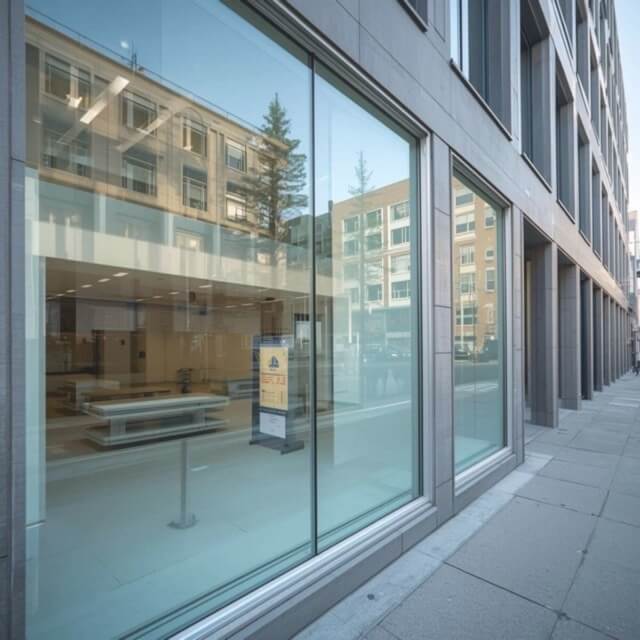
Bulletproof glass doors price isn’t just about the product—it reflects engineering, threat levels, installation complexity, and long-term security value. For architects and project managers, the initial quote for a ballistic-resistant door system often presents a significant hurdle. Clients frequently perceive these solutions as cost-prohibitive or aesthetically disruptive, creating a tension between essential security upgrades and project constraints.
This dilemma necessitates a deeper conversation, moving beyond the simple “bulletproof glass doors price” to reveal the multifaceted value and integrated solutions available. The true challenge lies in educating stakeholders about long-term protection, operational resilience, and the design flexibility that modern security technologies offer, particularly through advanced retrofit systems.
The True Cost of Security: Shifting the Paradigm from Price Tag to Long-Term Investment
To accurately evaluate ballistic security, it is essential to shift the focus from a superficial price tag to the total cost of ownership and the comprehensive value delivered. The true cost of security enco mpasses not just the acquisition price, but also installation efficiency, minimal disruption to ongoing operations, long-term maintenance, and, critically, the avoided costs associated with a security breach. These avoided costs include potential loss of life, injury, property damage, reputational harm, and business interruption. Viewed through this lens, a robust security system, especially one designed for seamless integration and minimal operational impact, represents a critical investment in enduring safety and operational continuity.
Why a Comprehensive Understanding of Ballistic-Resistant Systems is Essential
A lack of comprehensive understanding regarding ballistic-resistant systems often leads to suboptimal decision-making. Stakeholders may either dismiss necessary security measures due to perceived high costs and obtrusiveness, or opt for inadequate solutions that provide a false sense of security. A thorough grasp of the components, engineering, installation methodologies, and certifications involved empowers architects and decision-makers to justify investments, select appropriate technologies, and present compelling arguments for solutions that meet both security requirements and architectural integrity. This informed perspective is vital for navigating complex security challenges effectively.
Unveiling the True Cost: Key Factors Influencing Ballistic-Resistant Door Systems
Understanding the underlying factors that contribute to the cost of ballistic-resistant door systems demystifies the pricing structure and highlights the value embedded within these engineered solutions. These elements are not arbitrary additions, but represent critical components necessary to deliver verified protection and seamless integration.
Material Science and Engineering: The Foundation of Ballistic-Resistant Glazing and Frames
The performance of a ballistic-resistant door system begins with its foundational materials and precise engineering. Security glazing is typically constructed from multiple layers of specialized glass, polycarbonates, and proprietary interlayers, each selected for its ability to absorb and dissipate ballistic impact energy. Similarly, the framing components utilize robust materials, such as reinforced steel or architectural aluminum alloys, meticulously designed to contain the ballistic glazing and withstand dynamic loads without structural failure. The research, development, and rigorous testing required for these advanced material composites and structural designs represent a significant portion of the system’s inherent value and cost.
Customization and Fabrication: Tailoring Solutions to Specific Threat Mitigation Needs
Security solutions are rarely one-size-fits-all, and the degree of customization required significantly impacts the overall cost. Each project demands an assessment of specific threat vulnerabilities, architectural design constraints, and existing structural conditions. Fabrication processes are often bespoke, tailoring components to exact dimensions, threat levels (e.g., UL 752 levels), and aesthetic preferences. This includes specialized finishes, hardware integration, and the precise machining necessary for seamless architectural incorporation. While customization adds to the initial investment, it ensures that the deployed solution is optimally effective and visually harmonious with its environment.
Installation Complexities: Variables Affecting Labor, Logistics, and Site Preparation
The installation phase introduces several variables that influence the total project cost. Factors such as the structural integrity of the existing entryway, accessibility of the site, the need for specialized equipment, and the duration of the installation all play a role. Employing highly skilled, experienced technicians is paramount to ensure the system performs as designed, and their specialized labor contributes to the overall expense. Furthermore, logistical considerations for transporting heavy, specialized components and managing site preparation, particularly in operational facilities where disruption must be minimized, can add layers of complexity and cost. Patented retrofit systems often reduce these complexities by leveraging existing door frames and infrastructure.
The Role of Certification and Standards in Defining Product Value and Cost
Certification by independent testing laboratories, such as Underwriters Laboratories (UL), is a critical determinant of product value and directly impacts cost. Products that achieve recognized certifications, like UL 752 for ballistic resistance or ASTM F3039 for forced entry resistance, have undergone extensive and rigorous testing protocols to validate their performance claims. This includes research and development, material sourcing, testing, and continuous quality control. While these certifications add to the product’s price, they provide verifiable assurance of performance, mitigate liability, and confirm that the system meets established benchmarks for protecting occupants and assets. Choosing certified products is an investment in proven reliability and defensible security.
UL 752 Ratings Explained: How Threat Levels Dictate Ballistic Door Investment
Decoding the UL 752 Standard: A Benchmark for Ballistic Performance
When discussing ballistic-resistant door systems, the term “bulletproof glass” often oversimplifies a complex reality. The industry relies on rigorous, independently verified standards to quantify actual performance. Foremost among these is the UL 752 standard, developed by Underwriters Laboratories. This comprehensive testing protocol assesses a material or assembly’s ability to resist penetration from various types of ballistic threats. For architects and security stakeholders, understanding UL 752 is critical. It is not merely a label, but a guarantee of validated performance under specific threat conditions. Adherence to this standard ensures that an installed system will perform as expected, providing a measurable benchmark for security investment.
Understanding Threat Levels: From Handgun Protection to High-Powered Rifle Resistance
The UL 752 standard categorizes ballistic resistance into eight primary levels, each correlating to a specific weapon type, ammunition, and projectile velocity. These levels range from low-level handgun protection (e.g., Level 1, resisting 9mm rounds) up to high-powered rifle resistance (e.g., Level 8, designed to stop multiple impacts from 7.62mm rifle rounds).
- Levels 1-3: Primarily address common handgun threats.
- Levels 4-6: Extend protection against shotguns and more powerful handguns.
- Levels 7-8: Designed for severe threats, including high-powered rifles with specific ammunition types.
Accurately identifying the precise threat level a facility faces is the foundational step in strategic security planning. This crucial assessment directly informs the necessary level of ballistic protection, preventing both over-specification, which incurs unnecessary costs and potential aesthetic compromises, and under-specification, which leaves vulnerabilities unaddressed.
Impact on Material Specifications: The Difference Between Polycarbonate and Laminated Glass Configurations
The specified UL 752 rating profoundly influences the material composition of ballistic-resistant glazing and framing. Different threat levels necessitate distinct material solutions, each with its own performance characteristics, weight, and cost implications.
For instance, lower to mid-level handgun threats (UL 752 Levels 1-3) can often be mitigated effectively with advanced polycarbonate sheets or specialized acrylics, sometimes in multi-ply configurations. These materials offer excellent impact resistance and lighter weight. As threat levels escalate to include higher-powered handguns and rifles (UL 752 Levels 4-8), the material requirements typically shift towards multi-layered laminated glass, often incorporating robust interlayers and spall-resistant coatings. These configurations become progressively thicker and heavier, designed to dissipate and absorb the extreme energy of rifle rounds. The choice between these materials is not arbitrary. It is an engineered decision based on validated ballistic performance, structural integrity, and the overarching goal of maintaining architectural aesthetics without compromising safety.
Strategic Selection: Aligning Threat Assessment with Appropriate Ballistic Protection Levels
The strategic selection of a ballistic protection level is where informed investment truly begins. Architects, often challenged by clients concerned about the high cost and visual impact of security measures, benefit immensely from a precise threat assessment. This assessment clarifies the specific risks a building faces, allowing for the precise calibration of security measures to meet those threats without excessive expenditure. Choosing a UL 752 Level that exactly matches the assessed threat avoids the financial burden and logistical complexities of over-engineering. Conversely, under-specifying protection creates a false sense of security, jeopardizing occupants and assets. This analytical approach transforms the conversation from a general “security glass door prices” inquiry to a targeted, value-driven investment in appropriate and effective threat mitigation.
The Hidden Costs of Full Replacement Versus the Strategic Value of Advanced Retrofit
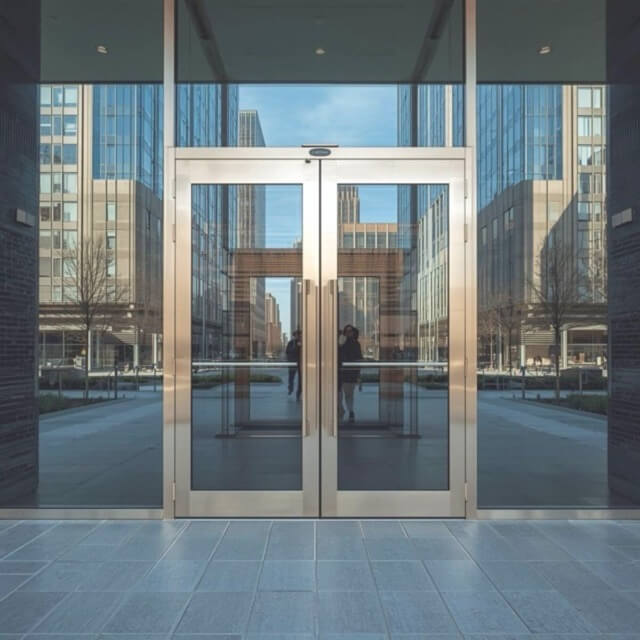
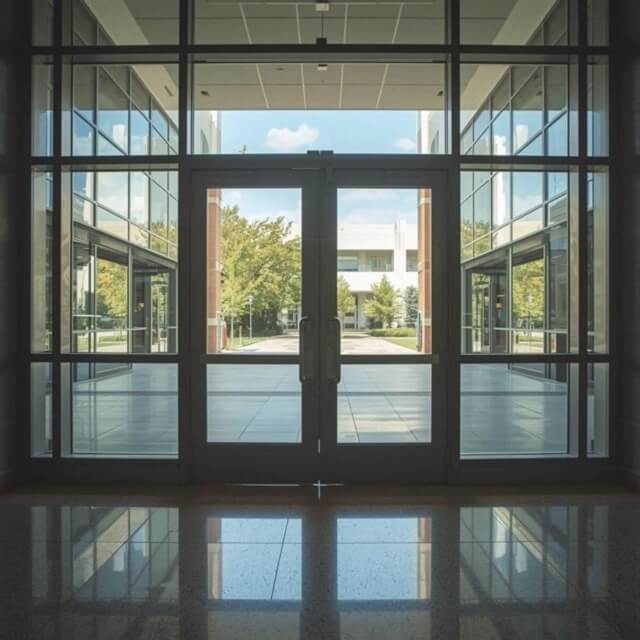
The Disruptive Nature and Expense of Traditional, Full-Frame Ballistic Door Replacements
Traditional approaches to upgrading security often involve the complete removal and replacement of existing door systems, including their frames. This process, while seemingly straightforward, quickly escalates in both cost and complexity, presenting significant challenges for architects like Alex Chen and their clients. A full-frame ballistic door replacement necessitates extensive demolition, often impacting adjacent finishes, flooring, and even structural elements. This work requires coordination across multiple trades, demolition, masonry, carpentry, glazing, and specialized security installers, leading to prolonged project timelines. The resulting operational disruption can be substantial, potentially requiring temporary closures, rerouting of traffic, and significant business interruption, all contributing to a higher total cost of ownership that extends far beyond the initial purchase price of the new door.
Introducing Retrofit Security Glazing: A Game-Changing Approach to Cost and Efficiency
In contrast to the extensive undertaking of full replacement, advanced retrofit security glazing systems offer a profoundly more efficient and cost-effective pathway to enhanced protection. This innovative approach focuses on reinforcing and upgrading existing architectural door and window systems, rather than tearing them out. By integrating ballistic-resistant glazing and reinforcement components directly into existing frames and infrastructure, retrofit solutions dramatically reduce the scope of work. This method allows facilities to achieve validated UL 752 ballistic protection levels while preserving the original architectural aesthetic and significantly minimizing the associated costs and operational downtime. It represents a strategic pivot towards maximizing existing assets, transforming a prohibitive capital expenditure into a streamlined, high-value security investment.
Patented Retrofit Systems: Leveraging Innovative Engineering for Streamlined Implementation
The efficacy and efficiency of retrofit solutions are particularly evident in patented systems. These are not merely aftermarket additions. They are precisely engineered and rigorously tested solutions designed for seamless integration. Patented retrofit systems often feature unique designs for ballistic-resistant glazing panels and specialized framing components that interlock with existing door infrastructure. This innovative engineering allows for installation that requires minimal structural modification, reducing labor hours and the need for extensive on-site fabrication. The intellectual property embedded in these systems ensures their performance and compatibility, providing architects with confidence in a solution that combines superior protection with streamlined implementation and validated ballistic integrity without the visual compromise of clunky add-ons.
Minimizing Business Interruption and Preserving Existing Architectural Aluminum and Infrastructure
One of the most compelling advantages of advanced retrofit systems for both architects and facility owners is their ability to deliver robust security upgrades with minimal business interruption. Unlike full replacements that often mandate facility shutdowns or significant operational reconfigurations, retrofit installations can frequently be completed during off-hours or in phases, allowing businesses to maintain continuity. Furthermore, these systems are specifically designed to preserve the existing architectural aluminum frames, hardware, and overall aesthetic. This not only avoids the cost and disruption of replacing expensive, often custom-fabricated, infrastructure, but also ensures that the upgraded security solution blends harmoniously with the building’s original design intent. By retaining the existing infrastructure, retrofit options offer a superior return on investment, delivering enhanced security while protecting valuable assets and maintaining operational normalcy.
Beyond Protection: Why Architectural Integration is a Critical Part of the Security Equation
Effective security measures must extend beyond mere protection. They must integrate seamlessly into the built environment, enhancing safety without compromising design or operational flow. For architects and facility managers, the challenge often lies in reconciling advanced threat mitigation with the aesthetic and functional demands of modern architecture. This reconciliation is paramount for successful long-term security deployment.
Preserving Aesthetic Integrity: Achieving Enhanced Security Without Compromising Design
Historically, “commercial bulletproof doors” were often synonymous with obtrusive, heavy structures that disrupted architectural vision. Modern engineered ballistic security systems, particularly advanced retrofit solutions, fundamentally change this paradigm. They are designed to integrate discreetly, ensuring that security enhancements become an invisible layer of protection rather than a visible deterrent. This approach maintains the original design intent of a building, preserving its aesthetic value and welcoming ambiance while significantly elevating its defensive capabilities. The objective is to secure the space without broadcasting its security measures.
Seamless Blending: How Advanced Security Glass Door Systems Avoid Obtrusive Appearances
The key to seamless blending lies in sophisticated engineering and material science. Advanced security glass door systems, especially those employing retrofit technology, are developed to be indistinguishable from standard architectural elements. This is achieved through:
- Slim Profiles: Components are engineered to be thin and discreet, fitting within existing door frames and hardware.
- Optically Clear Glazing: Ballistic-resistant glass is manufactured to maintain the optical clarity and light transmission properties of standard architectural glass, avoiding tinting or distortion.
- Integrated Hardware: Reinforcement components are designed to work with existing hinges, pivots, and locking mechanisms, eliminating the need for bulky replacements.
- Custom Finishes: System elements can be finished to match existing door materials and paint schemes, ensuring visual continuity.
This meticulous attention to detail allows for the upgrade of critical access points without alerting occupants or visitors to the enhanced security level, promoting a sense of normalcy and calm.
Customization and Compatibility: Integrating Ballistic Resistance with Existing Structures
One of the most significant advantages of advanced ballistic retrofit systems is their inherent customization and compatibility. Unlike full door replacements, which can entail extensive structural modifications and design compromises, retrofit solutions are engineered for adaptability. They are specifically designed to:
- Integrate within a wide array of existing door frames, including wood, aluminum, and steel.
- Accommodate various door types, from single-leaf and double-leaf doors to those with sidelites and transoms.
- Preserve original architectural elements, such as historical hardware or custom millwork, where desired.
This level of customization means that security upgrades can be implemented in diverse architectural contexts, from historic landmarks to contemporary corporate campuses, without dictating a specific aesthetic or requiring wholesale demolition.
The Value of Non-Invasive Solutions for Diverse Building Typologies
The non-invasive nature of expertly engineered retrofit solutions offers unparalleled value across a spectrum of building typologies. For corporate offices, educational institutions, healthcare facilities, and retail environments, minimizing disruption during installation is critical.
- Reduced Operational Downtime: Installation occurs rapidly, often outside of normal operating hours, avoiding significant business interruption.
- Lower Construction Costs: Eliminating the need for extensive demolition, framing, and finishing work drastically reduces associated labor and material expenses.
- Preserved Building Value: Maintaining the original aesthetic and structural integrity ensures the building’s design intent and property value are upheld.
- Broad Applicability: These solutions are suitable for an expansive range of facilities where security upgrades are imperative, but visual impact must be negligible.
This strategic approach allows organizations to achieve superior ballistic protection efficiently and effectively, aligning security objectives with architectural integrity and operational continuity.
Calculating True Value: The Long-Term ROI of Engineered Ballistic Security
When evaluating advanced threat mitigation solutions, focusing solely on the initial procurement cost provides an incomplete and often misleading picture. A comprehensive understanding of the total cost of ownership (TCO) and the long-term return on investment (ROI) reveals the true value of engineered ballistic security, especially for retrofit systems. This holistic perspective moves beyond mere price to encompass tangible and intangible benefits that accrue over time.
Understanding Total Cost of Ownership (TCO) for Comprehensive Ballistic Security Solutions
Total Cost of Ownership (TCO) for ballistic security extends far beyond the sticker price of the door or glazing system. It incorporates all direct and indirect costs associated with the security asset throughout its lifecycle.
For full replacement systems, TCO can include:
- Initial purchase and manufacturing costs.
- Shipping and logistics expenses.
- Extensive demolition of existing structures.
- Structural modifications and reinforcement.
- Installation of new frames, doors, and hardware.
- Finishing work (painting, trim, flooring repair).
- Potential business disruption and lost revenue during construction.
- Ongoing maintenance.
In contrast, high-quality retrofit systems offer a significantly lower TCO because they:
- Utilize existing door frames and hardware.
- Require minimal to no demolition or structural changes.
- Have faster installation times, leading to negligible operational impact.
- Often incur lower labor costs due to reduced complexity.
- Are designed for longevity and minimal maintenance.
Factoring in these elements provides a more accurate financial assessment, often positioning advanced retrofit solutions as the more cost-effective long-term investment.
Mitigating Risk: The Intangible Returns of Enhanced Safety and Peace of Mind
While not easily quantified in a balance sheet, the mitigation of risk provides profound intangible returns. Enhanced ballistic security directly impacts the safety and well-being of occupants, offering critical peace of mind to stakeholders, employees, and visitors. This translates into several key benefits:
- Human Capital Protection: Safeguarding lives is the primary, invaluable return on any security investment.
- Reputational Resilience: Demonstrating a proactive commitment to safety enhances an organization’s reputation and trust among its community.
- Reduced Liability: Robust security measures can significantly reduce an organization’s exposure to liability risks in the event of a security incident.
- Psychological Comfort: Knowing that critical entry points are secured fosters a more stable and productive environment, reducing anxiety.
These intangible benefits, though difficult to assign a precise dollar amount, represent a foundational component of long-term organizational value and resilience.
Operational Efficiency: Reduced Downtime and Seamless Integration Benefits with Retrofit Systems
The operational efficiency gained through the deployment of advanced retrofit ballistic systems contributes significantly to their long-term ROI. Unlike traditional security upgrades that often necessitate extended periods of operational disruption, retrofit solutions are engineered for rapid, non-invasive integration.
- Minimal Business Interruption: Installations can frequently be completed within hours, often outside of normal business operations, preventing workflow stoppages or the need for temporary closures.
- Preserved Access: Critical entry points remain accessible for the majority of the installation process, ensuring continuity of service or operations.
- Simplified Logistics: Reduced need for heavy machinery, extensive staging areas, and complex construction planning streamlines the entire upgrade process.
These operational efficiencies translate directly into sustained productivity and avoided costs associated with lost business or temporary relocations, thereby enhancing the overall return on investment.
Future-Proofing Investments: Adaptability and Scalability of Advanced Threat Mitigation Solutions
Investing in an advanced ballistic security system should be viewed as a future-proofed asset, not a static purchase. Modern engineered solutions are designed with adaptability and scalability in mind, protecting against evolving threats and changing organizational needs.
- Modular Design: Many systems are modular, allowing for targeted upgrades or enhancements to specific components without overhauling the entire installation.
- Evolving Threat Landscape: The ability to seamlessly integrate new security technologies or adapt to updated threat intelligence ensures the investment remains relevant and effective.
- Scalability: Systems can be scaled up or down, making them suitable for phased deployments or for adapting to changes in building usage or footprint.
- Longevity: High-quality materials and precision engineering ensure a long service life, deferring the need for costly replacements.
This inherent flexibility ensures that the initial capital outlay continues to deliver value and protection for decades, optimizing the long-term ROI and safeguarding against obsolescence in a dynamic security environment.
Conclusion: Key Takeaways and Next Steps for Informed Security Investment
Summarizing the Shift from Upfront Price to Enduring Value in Commercial Bulletproof Doors
The discourse around “bulletproof glass doors price” too often focuses narrowly on initial acquisition costs, obscuring the broader economic and operational realities. Our analysis consistently reveals that a true understanding of security investment transcends this superficial metric, shifting instead to the enduring value and total cost of ownership. Traditional full-door replacement systems, while offering protection, typically entail significant upfront capital expenditure, prolonged installation times, and often compromise existing architectural integrity. In contrast, advanced, architecturally integrated retrofit solutions, such as patented ballistic-resistant glazing systems, redefine this equation. They demonstrate that superior protection can be achieved with considerably less disruption, often at a lower total cost over the lifespan of the building, preserving both aesthetics and operational continuity.
Empowering Architects and Building Owners with Strategic Insights for Security Planning
For architects like Alex Chen and discerning building owners, navigating the complexities of advanced threat mitigation requires strategic insights that extend beyond mere budgetary numbers. It demands a holistic perspective that integrates security into the fabric of design and operational planning. The goal is to move beyond reactive measures to proactive, informed decisions that anticipate future needs while honoring current constraints.
Key strategic considerations include:
- Long-Term Value Over Short-Term Cost: Prioritize solutions that offer sustained protection, reduced maintenance, and adaptability, ensuring the investment remains relevant as threats evolve.
- Architectural Integration: Select systems that enhance security without compromising the building’s aesthetic, light transmission, or egress points, addressing key concerns regarding obtrusiveness.
- Operational Efficiency: Evaluate installation processes for minimal disruption to daily operations, a critical factor for active commercial or institutional environments.
- Total Cost of Ownership: Factor in not only purchase and installation, but also potential downtime, ongoing maintenance, and the avoided costs of future upgrades or repairs.
Navigating the Landscape of Advanced Threat Mitigation with Confidence
The landscape of advanced threat mitigation can appear daunting, characterized by evolving threats and a multitude of technical specifications. However, equipped with the correct understanding of available solutions and their performance characteristics, stakeholders can proceed with confidence. This confidence stems from recognizing that effective security does not necessitate sacrificing design principles or enduring prohibitive costs. Instead, it involves leveraging cutting-edge engineering and materials science to create resilient environments. Patented retrofit systems, engineered to mitigate specific ballistic threats, offer a clear path to enhancing existing vulnerabilities without requiring extensive structural overhauls or prolonged operational pauses. They represent a technically sound and economically prudent approach to fortifying critical entry points.
Partnering for Comprehensive and Architecturally Harmonious Security Solutions
Ultimately, achieving a truly secure and aesthetically pleasing environment for advanced threat mitigation is a collaborative endeavor. It requires partnering with industry experts who possess a deep understanding of ballistic science, architectural integration, and practical implementation. Such partnerships facilitate the selection and deployment of solutions that align perfectly with both security imperatives and design aspirations. By engaging with providers of proven, patented systems designed for architectural harmony, building owners and architects can ensure their investments yield comprehensive security solutions that are both highly effective and seamlessly integrated, providing peace of mind without visual compromise.
Frequently Asked Questions
What factors contribute to the overall bullet proof glass doors price?
The price of ballistic-resistant door systems is influenced by material science (e.g., polycarbonate, laminated glass, and frame materials), customization requirements, installation complexities, and the cost of independent certifications like UL 752. These factors ensure the system’s tested performance and integration capabilities.
How does UL 752 certification impact the cost of ballistic-resistant doors?
UL 752 certification signifies that a ballistic-resistant door system has undergone rigorous, independent testing to validate its performance against specific threats. The cost associated with R&D, material sourcing, testing, and quality control for certified products contributes to the overall price, but provides assurance of reliability and adherence to established safety benchmarks.
What is the advantage of retrofit security glazing compared to a full door replacement?
Retrofit security glazing offers a significantly lower total cost of ownership by integrating ballistic-resistant glazing into existing door frames and infrastructure. This approach minimizes demolition, reduces installation time and labor costs, preserves architectural aesthetics, and greatly reduces business interruption compared to a disruptive full door replacement.
Can ballistic security measures be aesthetically integrated into a building’s design?
Yes, modern security glazing and patented retrofit systems are engineered for architectural integration. They feature slim profiles, optically clear glazing, integrated hardware, and customizable finishes to blend seamlessly with existing designs, ensuring enhanced security without compromising the building’s aesthetic integrity or appearing obtrusive.
How do “ballistic resistant doors cost” relate to long-term value and total cost of ownership (TCO)?
Focusing solely on the upfront ballistic resistant doors cost overlooks significant long-term value. Advanced systems, especially retrofit solutions, offer a lower TCO by reducing installation complexities, minimizing operational downtime, preserving existing infrastructure, and providing durable, future-proof protection. This leads to substantial savings in avoided costs and sustained operational efficiency over the lifespan of the asset.