- The Dangerous Myth of ‘Bullet Proof’ Glass: Understanding True Ballistic Protection
- Understanding Ballistic Ratings: What UL 752 Levels Mean for Your Home
- Beyond Cost and Disruption: Why Full Door and Glass Replacement Falls Short
- The Engineered Retrofit Advantage: Superior Security Without Compromise
- Introducing Patented Retrofit Bullet-Resistant Glazing Systems
- How Retrofit Works: Fortifying Existing Residential Glass Doors and Frames
- The Science Behind Retrofit: Polycarbonate Shields, Laminated Glass, and Advanced Adhesives
- Performance Benefits: Comprehensive Ballistic Resistance and Forced Entry Protection
- Seamless Architectural Integration: Protecting Your Home Without Compromising Aesthetics
- The ‘Virtually Invisible’ Promise: Preserving Design Integrity and Architectural Vision
- Maintaining Natural Light, Views, and the Original Character of Your Home
- Customization and Compatibility with Diverse Architectural Styles and Existing Frames
- Overcoming the Aesthetic Challenge: A Core Focus for Discerning Homeowners and Architects
- Comprehensive Security: Beyond Ballistics to Total Forced Entry Protection
- Addressing Multi-Layered Threats: Ballistics, Forced Entry, and High-Impact Resistance
- The Role of Advanced Materials in Deterring Smash-and-Grab Attempts
- Enhancing Structural Integrity Against Burglar Attacks and Environmental Impacts
- Creating a Holistic Security Envelope for Your High-Value Residence
- Specifying the Ideal Residential Security Solution: A Guide for Architects and Homeowners
- Conducting a Thorough Threat Assessment and Security Audit for Your Property
- Navigating UL 752 Ratings and Material Choices: Expert Guidance for Selection
- The Importance of Professional Engineering Consultation and Certified Installation
- Long-Term Value: Investment in Protection, Property Aesthetics, and Peace of Mind
- Bulletproof Glass Doors for Home: Smarter Security Without the Myths
- Frequently Asked Questions
The Dangerous Myth of ‘Bullet Proof’ Glass: Understanding True Ballistic Protection
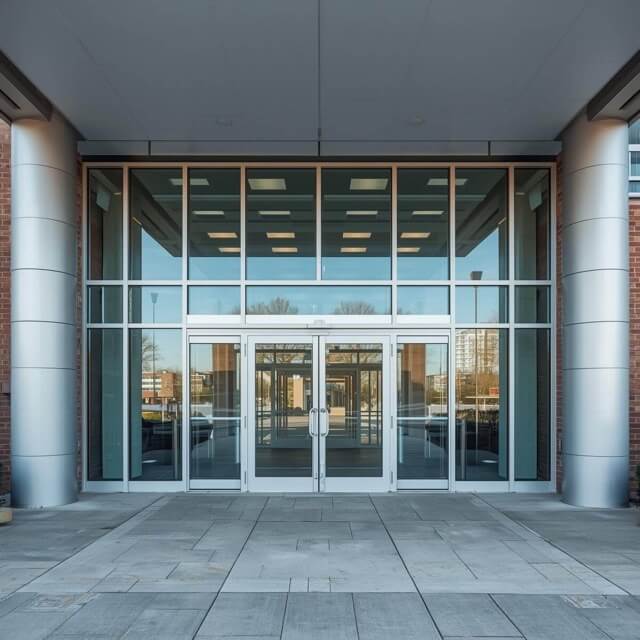

Bulletproof glass doors for home may sound like absolute protection, but understanding true ballistic resistance is key to making the right security investment. The quest for enhanced security often leads to the popular, yet frequently misunderstood, term “bulletproof glass.” This phrase, pervasive in common parlance, inadvertently fosters a significant misconception regarding the true nature of ballistic protection. For architects and discerning homeowners seeking to secure residential glass doors, understanding the precise technical distinctions is paramount to specifying solutions that genuinely safeguard a property without compromising its architectural integrity.
The Critical Distinction: ‘Bullet-Resistant’ vs. ‘Bullet Proof’
No material, regardless of its composition or thickness, can offer absolute immunity to all forms of ballistic attack. The term “bulletproof” incorrectly implies an impenetrable barrier against any projectile, from any weapon, at any velocity. This is a fundamental misrepresentation of material science and engineering principles. Instead, the correct and technically accurate designation is “bullet-resistant glass,” or more broadly, “ballistic resistance.”
Bullet-resistant materials are meticulously engineered to withstand specific ballistic threats for a defined duration, effectively delaying or preventing penetration by particular calibers and velocities. Their performance is quantified and tested against rigorous standards, indicating a measurable capability rather than an absolute, unassailable quality. This distinction is not mere semantics; it defines the very efficacy and reliability of a security solution for home security upgrades.
Why Misconceptions Jeopardize Real Security
Operating under the misapprehension of “bulletproof” capabilities can lead to critical vulnerabilities for residential security glazing. When security measures are specified with an unrealistic expectation of absolute imperviousness, property owners may inadvertently choose solutions that are either over-engineered for their actual threat profile, leading to unnecessary costs and bulk, or critically under-engineered, leaving gaps in protection. A false sense of security can lead to complacency, precisely what advanced threat mitigation aims to prevent.
For architects, this misunderstanding can lead to design compromises. They might believe robust protection inherently requires sacrificing aesthetic appeal or introducing visible, heavy modifications. This perspective overlooks the sophisticated, virtually invisible retrofit security for glass door systems available today that deliver superior ballistic resistance without altering the original design.
The Role of Engineered Materials in Ballistic Resistance
True ballistic resistance is achieved through the innovative engineering of advanced materials, not simply by making glass thicker. Modern security glazing systems combine multiple layers of diverse materials, each selected for its specific properties. These typically include specialized glasses, polycarbonates, and proprietary interlayers, bonded together under precise conditions.
When struck by a projectile, these engineered layers work synergistically to absorb and dissipate the bullet’s kinetic energy. The outer glass layers may fragment, but the inner layers, often composed of ductile polycarbonates, flex and deform, preventing the projectile from passing through. This multi-ply construction ensures that the system can contain the threat while maintaining its structural integrity, a key aspect of advanced architectural glazing.
Defining Threat Levels: An Introduction to UL 752 Standards
To move beyond anecdotal claims and subjective assessments, the security industry relies on standardized testing protocols. The most recognized and respected standard for ballistic resistance in North America is UL 752, developed by Underwriters Laboratories. UL 752 meticulously defines various threat levels based on specific weapon types, ammunition calibers, and velocities.
This standard provides a critical framework for manufacturers to test their products and for specifiers to select appropriate solutions. It enables a quantifiable and objective comparison of different glazing systems, ensuring that a product rated at a certain level demonstrably performs as expected when subjected to the specified ballistic assault. Understanding these defined threat levels is foundational to developing an effective and proportionate security strategy for window and door security.
Understanding Ballistic Ratings: What UL 752 Levels Mean for Your Home
Selecting appropriate ballistic protection for a residential property demands a clear understanding of threat assessments and how they correlate to industry-standard ratings. UL 752 provides a structured, verifiable approach to this complex task, ensuring that residential security glazing solutions are both effective and tailored to specific risks for bullet-resistant glass for homes.
Deciphering UL 752 Levels: From Handguns to High-Powered Rifles
UL 752 categorizes ballistic resistance into distinct levels, each designed to mitigate threats from progressively more powerful firearms. These levels are determined by the type of weapon, ammunition caliber, bullet weight, and muzzle velocity used during testing.
- UL Levels 1-3: Primarily designed to resist various handgun calibers, including common 9mm, .357 Magnum, and .44 Magnum rounds. These levels are often suitable for protection against common opportunistic threats.
- UL Levels 4-5: Offer protection against shotgun slugs and higher-powered rifles, such as those chambered in .30-06. These levels begin to address more determined and specialized ballistic threats.
- UL Levels 6-8: Represent protection against progressively higher-velocity rifle ammunition, including 5.56mm and 7.62mm rounds from military-grade assault rifles. These are designed for scenarios involving severe, sustained ballistic attacks.
Each level signifies a measurable capacity to prevent penetration, ensuring that the specified system can reliably withstand the designated threat without sacrificing the aesthetic design of the residential space.
Matching Threat Assessments to Appropriate UL 752 Ratings
Effective security is not about over-specifying for every conceivable threat, but rather intelligently matching protection to a realistic and professional threat assessment. This process involves evaluating the specific risks associated with the property, its location, the homeowner’s profile, and any potential adversaries. An independent security consultant can conduct a thorough assessment, identifying the most probable and concerning ballistic threats.
Once a threat profile is established, the appropriate UL 752 level can be precisely determined. This ensures that the investment in security glazing is proportionate to the actual risk, avoiding unnecessary material thickness or structural modifications that could detract from the home’s design. This tailored approach allows for a virtually invisible, yet robust, security upgrade.
Beyond the Glazing: The Interplay of Frame, Hardware, and System Integrity
A critical error in specifying ballistic protection is focusing solely on the glazing material itself. Even the most advanced ballistic-resistant glass or retrofit security film will fail if the surrounding door frame, anchoring system, and hardware are not engineered to match its protective capabilities. Ballistic impact generates immense force, and if the frame cannot adequately transfer and dissipate this energy, the entire assembly becomes a point of failure.
A truly integrated ballistic solution considers the entire system:
- Glazing: The primary barrier, whether replacement glass or a retrofit security film.
- Frame: Must be robust enough to retain the glazing and withstand significant impact forces without deforming or failing.
- Anchoring: The method by which the frame is secured to the building structure must prevent the entire door unit from being dislodged.
- Hardware: Hinges, locks, and handles must also be designed to resist ballistic impact and forced entry attempts, maintaining operability while under stress.
For an architect seeking seamless integration, this holistic approach means considering how a high-performance retrofit security system for glass doors can leverage existing, structurally sound door frames or be installed with minimal, inconspicuous modifications.
Common Misinterpretations of Ballistic Performance and Protection
Several common misunderstandings persist regarding ballistic performance. One is the belief that higher UL levels guarantee absolute protection against any form of attack, including prolonged, multi-shot assaults with larger calibers than specified. UL 752 ratings are specific to defined tests; they do not imply invulnerability to all scenarios.
Another misinterpretation involves viewing ballistic resistance as a standalone solution for overall security. While crucial, it is one component within a layered security strategy. Furthermore, the quality of installation is paramount. A precisely engineered ballistic system, whether a new door or a retrofit, can be rendered ineffective if improperly installed, leading to critical vulnerabilities at seams or attachment points. Architects must prioritize experienced installers who understand the intricacies of these specialized systems to ensure the intended level of protection is fully realized.
Beyond Cost and Disruption: Why Full Door and Glass Replacement Falls Short
The Drawbacks of Traditional ‘Security Doors’ and Complete Replacements
The conventional approach to enhancing residential security often defaults to the concept of “security doors” or outright replacement of existing glass. This typically involves either installing heavy, reinforced door units or replacing standard glass with thicker, laminated ballistic glass. While these methods introduce a degree of protection, they frequently come with significant aesthetic and structural compromises. Traditional security doors, for instance, often feature imposing designs that clash with established architectural styles, immediately signaling a fortified environment rather than maintaining a welcoming residence.
Replacing glass with heavier ballistic alternatives can also introduce an imbalance, placing undue stress on existing door frames and hinges not originally designed for such loads. This can lead to premature wear, operational difficulties, and a need for extensive, costly frame reinforcements. These solutions are often reactive and generalized, lacking the precision engineering required for seamless integration into high-end residential architectural glazing.
Compromising Original Design: An Architect’s Dilemma with Standard Solutions
For architects and discerning homeowners, the primary challenge with standard security solutions is their inherent tendency to compromise the original design intent. A complete door overhaul or the installation of visibly distinct security elements fundamentally alters the facade and interior aesthetics. This can manifest as an undesirable tint in the glass, thicker frames, or a change in sightlines and light transmission that detracts from the architect’s carefully curated vision.
The goal of architectural security should be unobtrusive protection, allowing the home’s design to speak for itself while quietly ensuring occupant safety. Standard solutions often fail this critical test, forcing a difficult choice between security and aesthetic integrity. This dilemma directly impacts the perceived value and liveability of a property, challenging the very essence of sophisticated residential design.
Installation Complexity and Extended Project Timelines for Full Door Overhauls
Opting for a full door and glass replacement is a substantially complex undertaking that extends far beyond a simple installation. This process typically involves demolition of existing structures, potential structural modifications to accommodate heavier units, and specialized framing work. The integration of new doors often necessitates extensive finish work on surrounding walls, flooring, and trim to achieve a cohesive appearance.
Such comprehensive overhauls demand significant labor, specialized contractors, and meticulous coordination, inevitably leading to extended project timelines. These protracted schedules can disrupt daily life, introduce unforeseen logistical challenges, and increase overall project costs due to prolonged labor and oversight requirements.
The Hidden Costs and Disruptions of Extensive Home Renovations
The financial implications of full door and glass replacement extend beyond the immediate material and labor costs. Homeowners often encounter a range of hidden expenses and significant disruptions. These can include:
- Temporary Relocation: Extended construction periods may necessitate temporary relocation, incurring additional housing and living expenses.
- Increased Utility Bills: Openings during construction and the need for climate control in partially enclosed spaces can lead to higher energy consumption.
- Damage to Surroundings: Demolition and construction work always carry the risk of incidental damage to existing finishes, landscaping, or interior elements, requiring further repairs.
- Loss of Privacy: The presence of construction teams for extended periods can infringe upon the privacy and comfort of the residents.
These factors contribute to a far greater overall burden than initially perceived, transforming a security upgrade into a pervasive home renovation project with all its associated stresses and inconveniences.
The Engineered Retrofit Advantage: Superior Security Without Compromise

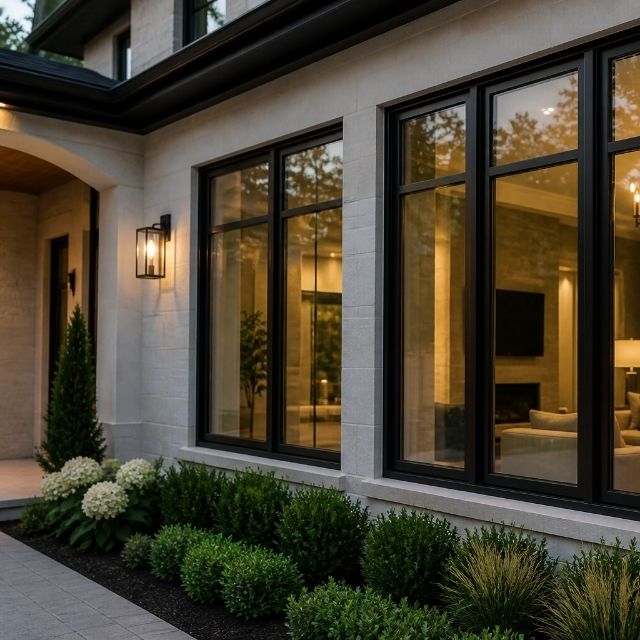
Introducing Patented Retrofit Bullet-Resistant Glazing Systems
In stark contrast to disruptive and aesthetically compromising full replacements, engineered retrofit bullet-resistant glazing systems offer a paradigm shift in residential security. These are not merely thicker panes of glass but patented, sophisticated integrations designed to fortify existing residential glass doors without altering their original appearance or structural integrity. The core principle is intelligent enhancement, leveraging advanced material science and precise engineering to deliver robust protection.
These systems are virtually invisible once installed, ensuring that the architectural vision remains uncompromised. They represent a strategic solution for discerning architects and homeowners who prioritize both elite security performance and seamless aesthetic integration, redefining what is achievable in high-end residential ballistic protection and home security upgrades.
How Retrofit Works: Fortifying Existing Residential Glass Doors and Frames
Retrofit security for glass doors operates by transforming an existing glass door into a multi-layered, highly resilient barrier. Rather than removing and replacing the entire door unit, the system is precisely applied to the interior surface of the existing glass and integrated with the door frame. This process minimizes structural alterations and preserves the original facade.
The retrofit approach creates an integrated shield that absorbs and disperses impact energy, preventing penetration and mitigating spall. It works by:
- Reinforcing Existing Glass: Applying a high-strength, transparent shield to the interior surface of the current glass.
- Integrating with Frame: Anchoring this shield securely to the existing door frame, converting the entire opening into a robust defensive barrier.
- Minimizing Intrusion: Utilizing the existing infrastructure of the door reduces the need for extensive demolition or construction.
The Science Behind Retrofit: Polycarbonate Shields, Laminated Glass, and Advanced Adhesives
The efficacy of advanced retrofit systems stems from a sophisticated combination of materials engineered for superior protection. These systems typically integrate:
- Polycarbonate Shields: Multi-layered, high-strength polycarbonate sheets form the primary protective barrier. This material is renowned for its exceptional impact resistance and ability to absorb significant energy without shattering, preventing projectile penetration and offering multi-hit capability.
- Laminated Glass Integration: While retrofit primarily enhances existing glass, the principles of laminated glass – multiple panes bonded by tough interlayers – are foundational. This layered approach ensures that even if the outer glass breaks, the integrity of the barrier is maintained, preventing spall (flying glass fragments) and resisting forced entry.
- Advanced Adhesives and Bonding Agents: Crucial to the system’s performance are proprietary, high-strength adhesives. These specialized bonding agents create a monolithic bond between the retrofit shield and the existing glass and frame, ensuring the entire assembly acts as a single, unified security unit capable of withstanding extreme ballistic and forced entry forces.
Performance Benefits: Comprehensive Ballistic Resistance and Forced Entry Protection
The strategic application of these advanced materials results in a system offering comprehensive security advantages far beyond traditional solutions. Retrofit glazing systems deliver:
- Certified Ballistic Resistance: Engineered to meet or exceed recognized ballistic standards (e.g., UL 752 levels), providing reliable protection against a range of firearm threats. The multi-layered construction is designed to stop projectiles and prevent spall, ensuring occupant safety within the building envelope.
- Exceptional Forced Entry Protection: Beyond ballistic threats, these systems significantly enhance resistance to forced entry attempts, including blunt force impacts, prying tools, and cutting instruments. The robust bonding and material strength create a formidable barrier that delays or deters intruders.
- Maintained Aesthetics and Natural Light: Critically, these systems achieve this elite level of security without compromising the visual clarity, light transmission, or architectural design of the original glass doors. The virtually invisible nature ensures that security measures are never an aesthetic burden.
- Structural Integrity Preservation: By integrating with the existing door and frame, retrofit systems enhance structural resilience without imposing excessive weight or requiring extensive modifications, preserving the longevity and operational function of the original components.
Seamless Architectural Integration: Protecting Your Home Without Compromising Aesthetics
The fundamental challenge for architects and homeowners seeking enhanced security is often the perception that robust protection necessitates a compromise on design integrity. Conventional approaches frequently lead to visual alterations that diminish a property’s original character. However, advanced retrofit security glazing systems are engineered to directly address this aesthetic dilemma, offering elite protection without sacrificing visual appeal.
The ‘Virtually Invisible’ Promise: Preserving Design Integrity and Architectural Vision
A cornerstone of modern ballistic and forced entry protection for residential doors is the commitment to a ‘virtually invisible’ solution. Unlike thick, opaque, or visually intrusive alternatives, these patented retrofit systems are designed to integrate seamlessly with existing door assemblies. The security glazing itself is characterized by its exceptional clarity and minimal thickness, ensuring that from a casual glance, the protected glass remains indistinguishable from its unprotected counterpart. This meticulous engineering preserves the architect’s original vision and the homeowner’s desired aesthetic for architectural glazing.
Maintaining Natural Light, Views, and the Original Character of Your Home
Preserving the ingress of natural light and unobstructed views is paramount for any high-value residence. Traditional methods of security enhancement, such as installing heavy bars or replacing glass with visibly thicker, multi-layered ballistic panes, often compromise these essential elements. Our advanced retrofit systems are optically clear, preventing any distortion or reduction in light transmission. This ensures that the original character of the home, its connection to the outdoors, and the quality of interior illumination remain entirely intact. The design focuses on enhancing resilience without introducing visual impediments for bullet-resistant glass for homes.
Customization and Compatibility with Diverse Architectural Styles and Existing Frames
The adaptability of a security solution is critical when addressing a wide spectrum of residential architectural styles, from historic estates to contemporary designs. Patented retrofit security glazing systems are not monolithic; they are designed for extensive customization and compatibility.
- Tailored Dimensions: Each panel is precisely cut to match the exact specifications of the existing glass in your doors.
- Frame Agnostic: The system integrates within or alongside existing door frames, whether they are wood, aluminum, steel, or vinyl. This avoids the need for costly and disruptive frame replacements.
- Aesthetic Matching: The thin, clear nature of the glazing ensures that the visual appearance of the door, including its profile and shadow lines, remains unchanged. This allows the protection to blend into the most intricate architectural details.
This inherent flexibility allows for the enhancement of security across diverse applications without imposing design constraints, addressing a key pain point for discerning architects specifying window and door security.
Overcoming the Aesthetic Challenge: A Core Focus for Discerning Homeowners and Architects
For both architects and homeowners, the aesthetic impact of security measures is often a primary concern, frequently outweighing purely technical specifications in the decision-making process. The development of advanced retrofit security glazing systems has directly prioritized this challenge. The objective is to provide unyielding protection that does not detract from a property’s market value, curb appeal, or daily living experience. By focusing on minimal visual footprint and seamless integration, these engineered solutions offer a sophisticated answer to the long-standing dilemma of reconciling high-level security with uncompromised architectural beauty.
Comprehensive Security: Beyond Ballistics to Total Forced Entry Protection
While ballistic protection is often the immediate concern, a truly robust security strategy for residential glass doors must extend beyond mitigating firearm threats. A comprehensive system is designed to address a wider array of vulnerabilities, creating a formidable barrier against diverse intrusion attempts. This multi-faceted approach ensures that the entire door assembly functions as a cohesive security unit, offering complete home security upgrades.
Addressing Multi-Layered Threats: Ballistics, Forced Entry, and High-Impact Resistance
A sophisticated security glazing system does not specialize in just one type of threat; it provides a multi-layered defense. This encompasses:
- Ballistic Resistance: Engineered to defeat specified ballistic threats, preventing projectile penetration.
- Forced Entry Deterrence: Designed to withstand sustained attacks from common tools used in burglaries, such as hammers, crowbars, and blunt objects, significantly delaying or preventing access.
- High-Impact Resistance: Capable of absorbing and dissipating energy from significant impacts, including those from thrown objects or extreme weather events, preventing shattering and maintaining the protective barrier.
This holistic approach ensures that the residential glass door system is not just resistant to bullets but also fundamentally secure against the most common methods of illicit entry.
The Role of Advanced Materials in Deterring Smash-and-Grab Attempts
The effectiveness of security glazing against forced entry, particularly smash-and-grab attempts, relies heavily on the selection and lamination of advanced materials. Unlike standard glass, which shatters upon impact, these engineered systems utilize specialized components such as:
- High-Strength Polycarbonates: Known for their extreme impact resistance and ability to absorb significant force without fracturing.
- Proprietary Laminates: Layers that bond the materials together, ensuring that even if the outer layer is compromised, the integrity of the barrier remains intact, preventing a breach.
These materials are integrated into a system that flexes and holds together, even under violent attack, denying intruders the rapid entry they seek in smash-and-grab scenarios. This proactive measure provides critical smash-and-grab prevention.
Enhancing Structural Integrity Against Burglar Attacks and Environmental Impacts
The retrofit security system is not merely an attachment to the existing glass; it is an enhancement that contributes to the overall structural integrity of the door assembly. When integrated, the system reinforces the weakest link – the glass itself – making it significantly more resistant to:
- Burglar Attacks: By strengthening the entire panel, the system deters sustained manual attacks and prevents the creation of an entry point.
- Environmental Impacts: The enhanced resilience provides a stronger defense against accidental impacts, flying debris during storms, or other unforeseen high-energy events.
This reinforcement extends the protective capabilities beyond ballistic threats, creating a more robust and resilient entry point for window and door security.
Creating a Holistic Security Envelope for Your High-Value Residence
Ultimately, the goal of deploying advanced retrofit security glazing is to contribute to a holistic security envelope for a high-value residence. This means viewing each door not in isolation, but as an integral component of a layered defense strategy. By providing comprehensive protection against ballistic threats, forced entry, and high-impact scenarios, these systems:
- Deny Access: Significantly increase the time and effort required for an intruder to gain entry, often leading to abandonment of the attempt.
- Deter Threats: The inherent resilience and security features act as a powerful deterrent.
- Maintain Comfort: Achieve elite security without the visual or functional compromises that can detract from the living experience.
This integrated approach solidifies the perimeter, offering occupants peace of mind and safeguarding assets with an engineered solution designed for the most demanding security requirements.
Specifying the Ideal Residential Security Solution: A Guide for Architects and Homeowners
Achieving robust security for residential glass doors demands a nuanced understanding of available solutions and their proper implementation. For architects and homeowners seeking to enhance protection without compromising design integrity, a structured approach is essential. This guide outlines the critical steps and considerations for specifying an elite ballistic protection system that seamlessly integrates with existing aesthetics and structural elements.
Conducting a Thorough Threat Assessment and Security Audit for Your Property
The foundation of any effective security strategy begins with a comprehensive threat assessment and security audit. This process moves beyond generic concerns to identify specific vulnerabilities inherent to a property’s design, location, and potential risk profile. It involves a detailed analysis of entry points, existing glazing systems, and surrounding landscape features that might present an elevated risk.
An expert security consultant will evaluate potential ballistic threats and consider the specific architectural context of your residence. This assessment informs the precise level of protection required, ensuring that the chosen security glazing solution is appropriately engineered to mitigate identified risks, rather than over-specifying or under-specifying protection. The goal is a tailored solution that addresses real threats while respecting and preserving the home’s distinctive character.
Navigating UL 752 Ratings and Material Choices: Expert Guidance for Selection
Understanding ballistic performance ratings is paramount when specifying security glazing. The Underwriters Laboratories (UL) 752 standard provides a clear classification system for bullet-resisting equipment, delineating protection levels from Level 1 (withstanding multiple shots from a 9mm handgun) to Level 8 (withstanding multiple shots from a 7.62mm rifle). Each level corresponds to specific ammunition types and shot patterns that the material must resist without penetration.
- Understanding UL 752 Levels: These ratings are not merely arbitrary numbers; they are precise engineering benchmarks. Specifying a UL 752-rated retrofit security for glass doors system ensures that the chosen solution has been independently tested and verified to perform against defined ballistic threats.
- Material Selection for Optimal Performance and Aesthetics: Contemporary security glazing solutions, particularly advanced retrofit systems, leverage sophisticated material science. This includes specialized polycarbonates, acrylics, and glass-clad polycarbonates that offer superior ballistic resistance compared to traditional “bulletproof” glass. These materials are engineered to be lightweight, optically clear, and highly durable, enabling their integration into existing door frames without requiring extensive structural modifications or compromising visual clarity. The objective is to achieve elite protection that remains virtually invisible, seamlessly blending with the architectural design.
The Importance of Professional Engineering Consultation and Certified Installation
The efficacy of a high-performance security glazing system is intrinsically linked to its engineering and installation. This is not a product to be simply purchased off the shelf; it is an integrated system requiring specialized expertise from conception to completion.
- Engineering Consultation: Professional engineering consultation ensures that the retrofit security glazing system is designed not only to meet ballistic protection requirements but also to integrate flawlessly with the existing door and frame structure. This includes evaluating frame integrity, load-bearing capacities, and potential thermal or acoustic implications. An engineered solution accounts for the entire assembly, guaranteeing structural integrity and optimal performance under duress. This meticulous planning is critical for maintaining the architectural beauty and functionality of the doors.
- Certified Installation: Equally critical is installation by certified professionals. Precision installation guarantees that the system performs as designed. Improper installation can compromise ballistic integrity, negate warranties, and undermine the entire investment. Certified installers possess the technical acumen to handle specialized materials, ensure precise fit, and manage the nuances of integrating a virtually invisible security solution into existing door systems, thereby preserving the aesthetic and structural harmony of the residence.
Long-Term Value: Investment in Protection, Property Aesthetics, and Peace of Mind
Implementing an advanced retrofit security glazing system represents a judicious long-term investment. Beyond the immediate enhancement of ballistic protection, it delivers enduring value across multiple dimensions.
Firstly, it safeguards the occupants and valuables, providing a tangible layer of defense against forced entry and ballistic threats. Secondly, this approach meticulously preserves and often enhances the property’s aesthetics and architectural value. Unlike disruptive and costly full door replacements, an engineered retrofit maintains the original design intent, offering a virtually invisible upgrade that respects the home’s unique character. Finally, the peace of mind afforded by a professionally specified, engineered, and installed solution for bulletproof glass doors for the home is invaluable. It liberates homeowners and architects from the aesthetic compromises often associated with traditional security measures, allowing them to enjoy their living spaces secure in the knowledge that elite protection is seamlessly integrated.
Bulletproof Glass Doors for Home: Smarter Security Without the Myths
Understanding the Reality Behind “Bullet Proof” Protection
The concept of bulletproof glass doors for the home is often misunderstood, but true security lies in ballistic-resistant systems engineered to withstand specific threats—not in the illusion of absolute invulnerability. By relying on standards like UL 752 and advanced material science, homeowners can make informed decisions grounded in real performance, not marketing terminology.
Why Retrofit Solutions Are the Modern Standard
Rather than opting for disruptive and aesthetically compromising replacements, modern retrofit security systems provide a superior path forward. They deliver certified protection, reinforce existing structures, and maintain the original architectural vision—proving that high-level security and design integrity can coexist seamlessly.
Investing in Protection, Design, and Peace of Mind
Choosing the right solution for bulletproof glass doors for the home is ultimately about balance: safeguarding people and property while preserving the beauty and functionality of the space. With the right expertise, materials, and installation, homeowners can achieve a discreet yet powerful security upgrade that enhances long-term value and everyday confidence.
Frequently Asked Questions
What is the difference between “bulletproof” and “bullet-resistant” glass for homes?
“Bulletproof” is a common but misleading term. No material is truly impenetrable. “Bullet-resistant” glass refers to materials specifically engineered to withstand defined ballistic threats for a certain duration, designed to prevent penetration by specific calibers and velocities as tested against standards like UL 752.
Can residential security glazing really be invisible?
Yes, advanced retrofit security glazing systems are designed to be virtually invisible. They consist of optically clear layers that integrate seamlessly with existing glass doors and frames, preserving natural light, views, and the home’s original architectural aesthetic without visual compromise.
How do retrofit security solutions compare to full door replacements in terms of cost and disruption?
Retrofit security for glass doors offers a significantly less disruptive and often more cost-effective solution than full door replacements. It avoids extensive demolition, structural modifications, and prolonged construction timelines, preserving the existing structure and minimizing inconvenience and hidden costs.
What is UL 752 and why is it important for home security upgrades?
UL 752 is a standardized testing protocol by Underwriters Laboratories that defines various levels of ballistic resistance. It’s crucial because it provides a quantifiable, objective framework for assessing the performance of security glazing, ensuring products meet specific threats from different firearms and ammunition types.
Do retrofit security systems protect against more than just bullets?
Absolutely. Beyond ballistic resistance, these advanced retrofit systems provide comprehensive forced entry protection, deterring common tools used in burglaries, such as hammers and crowbars. They also offer high-impact resistance against accidental damage or extreme weather events, enhancing overall window and door security.